Virginia Trademark Security Agreement
Description
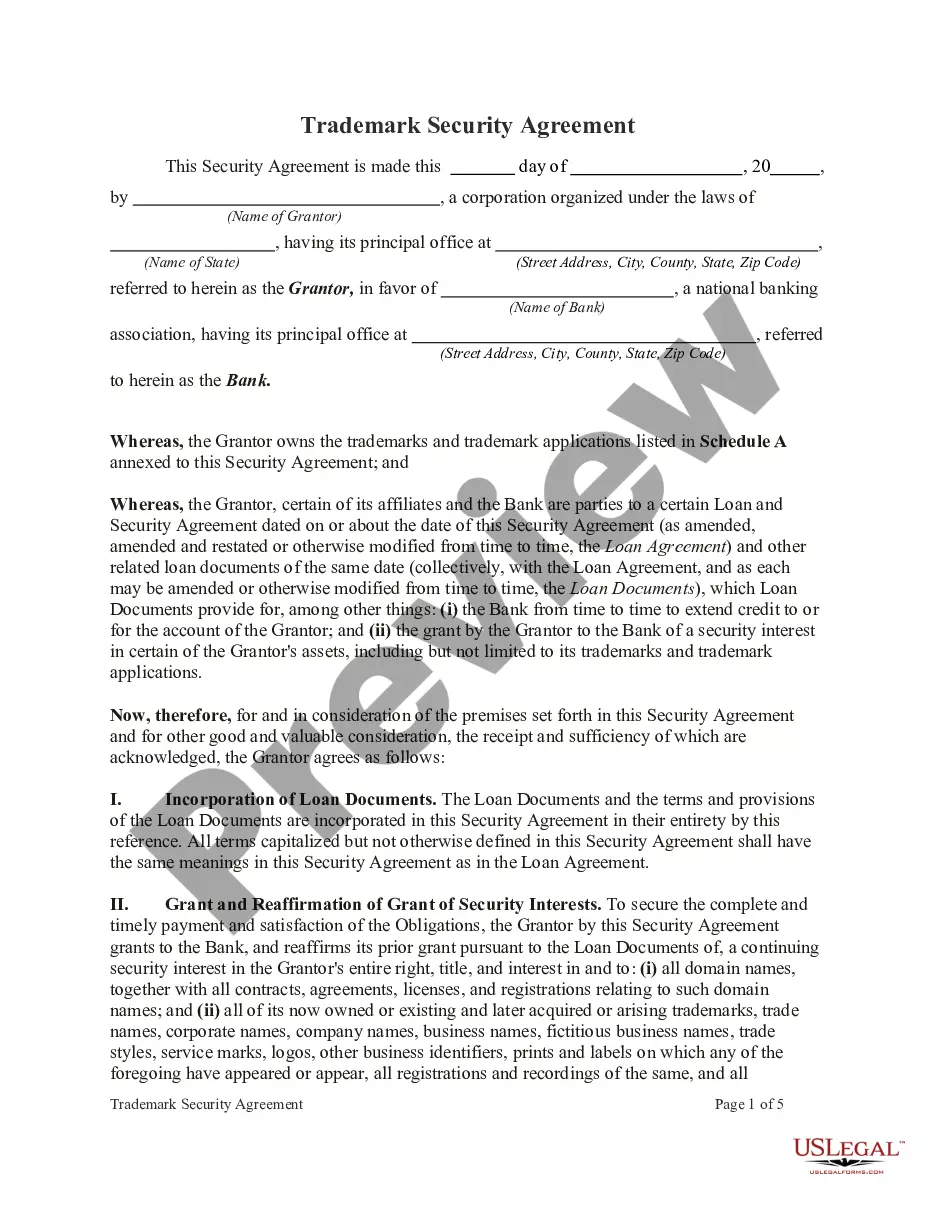
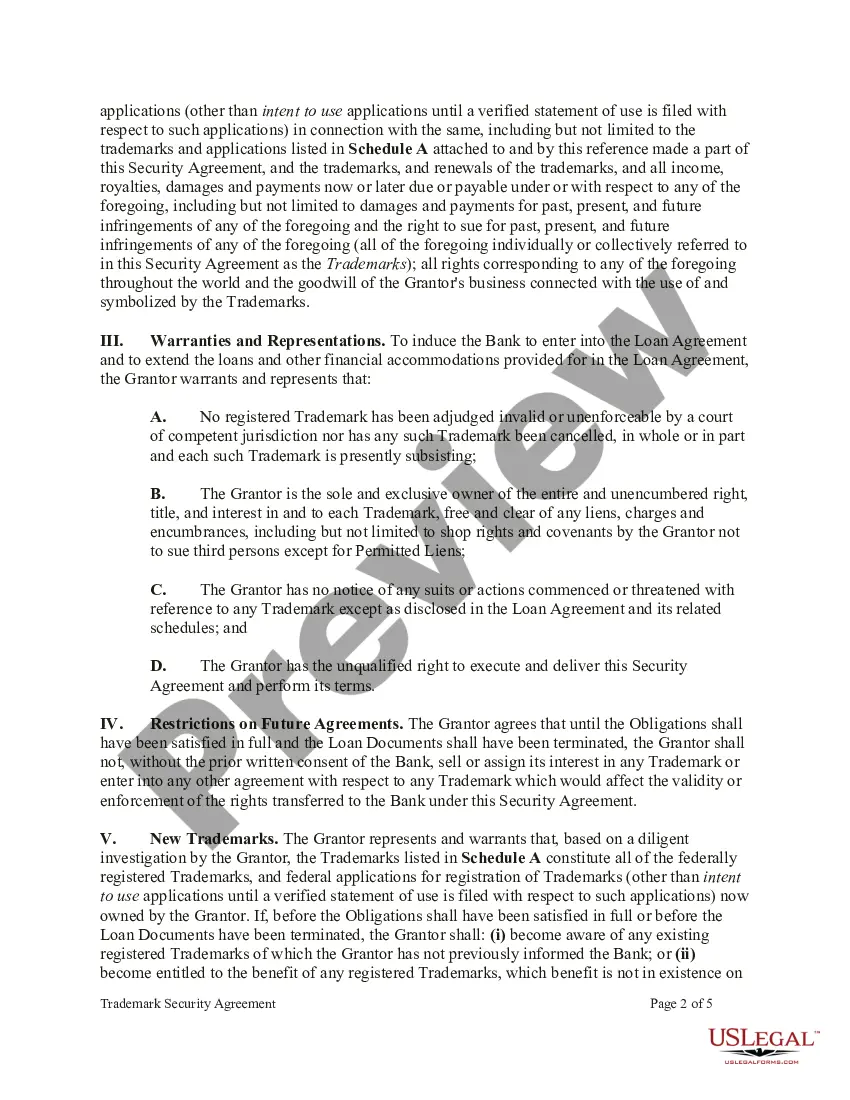
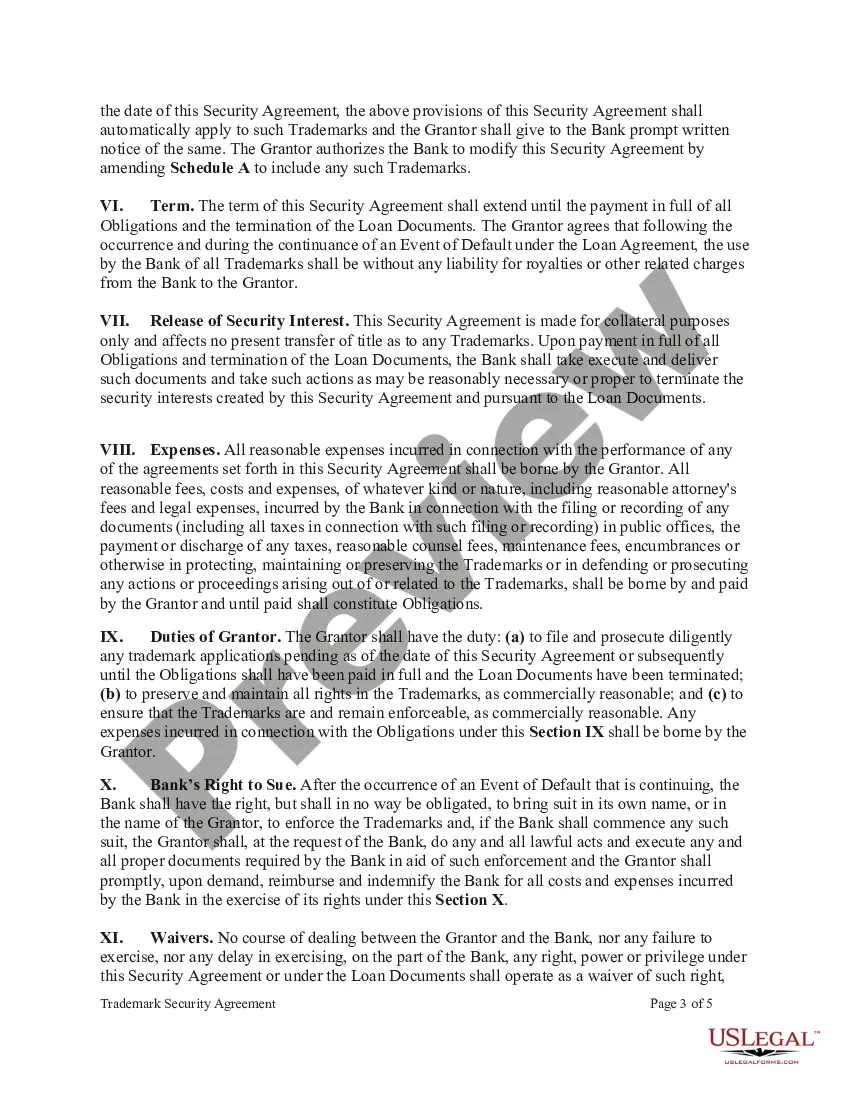
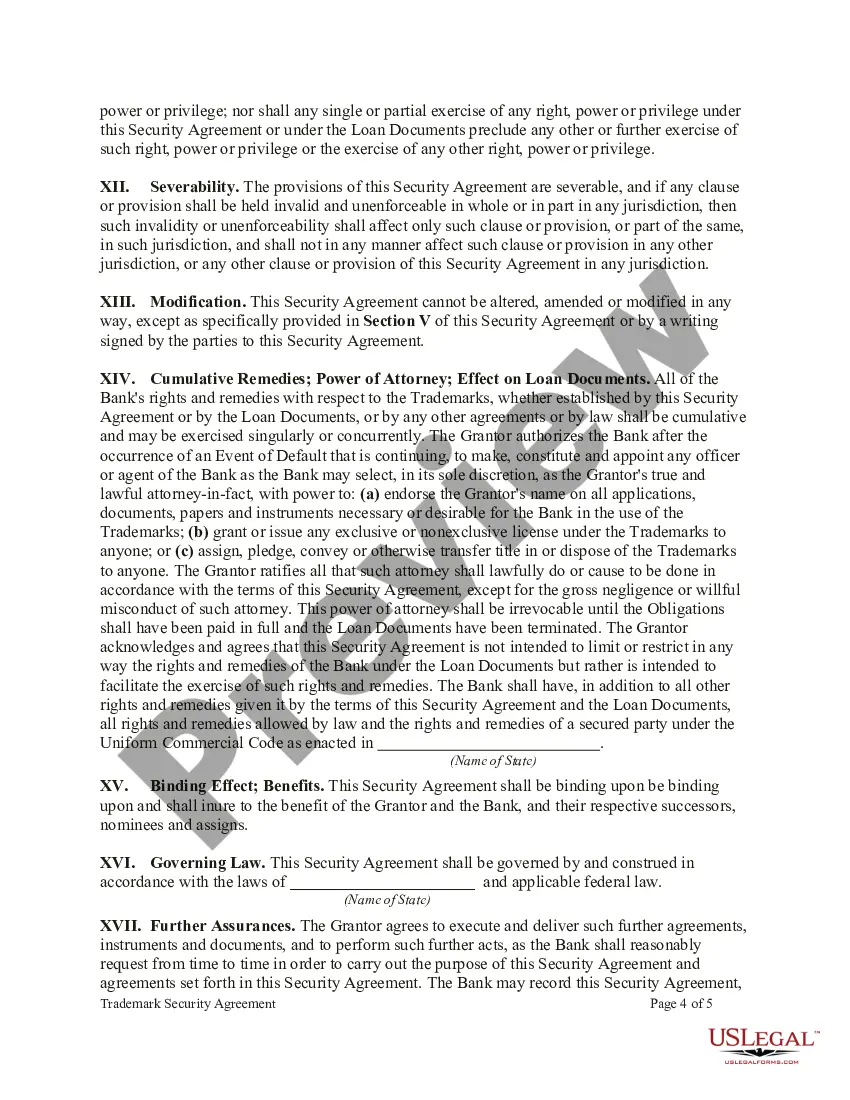
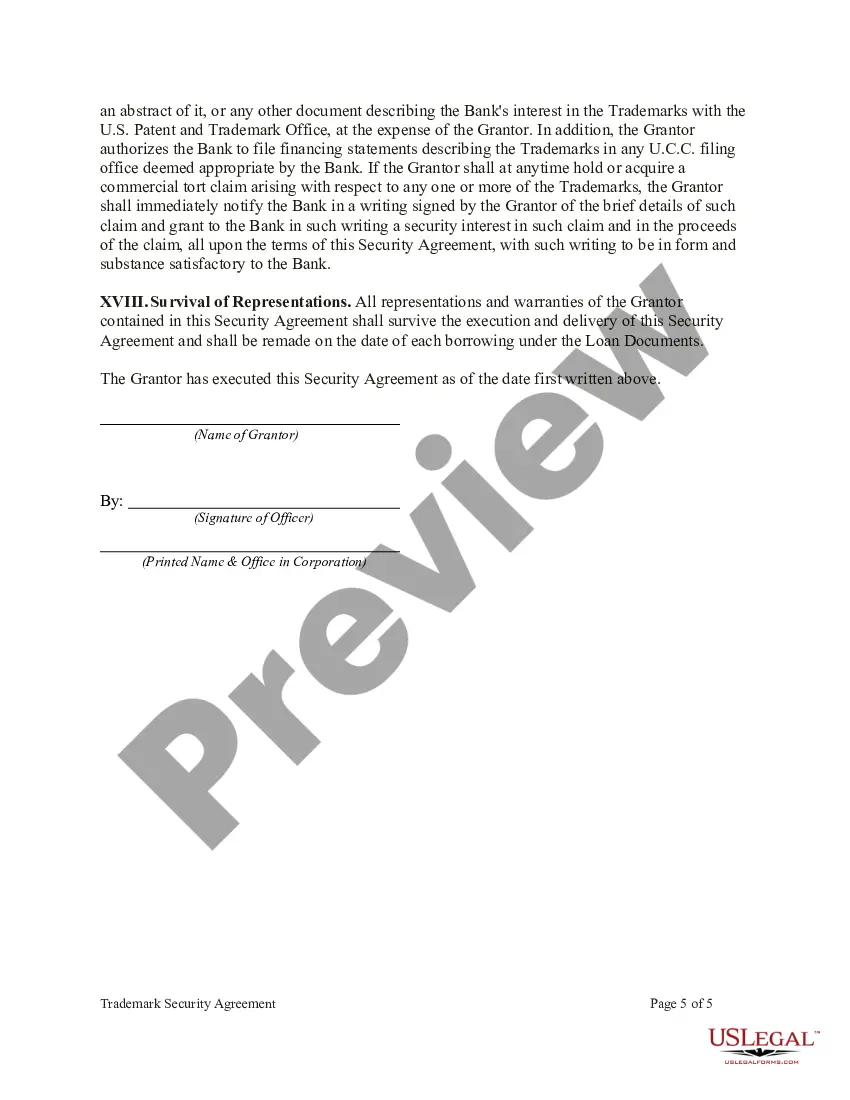
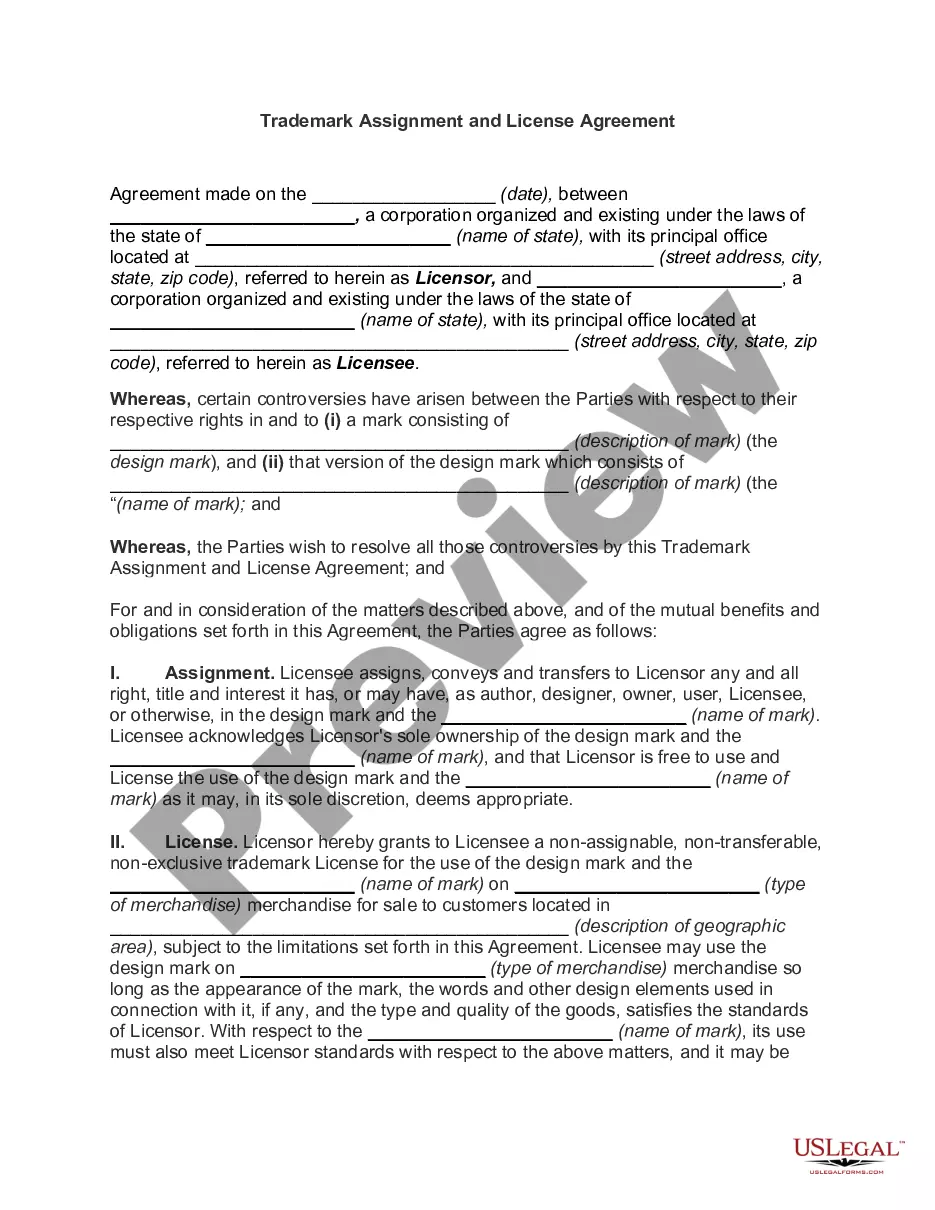
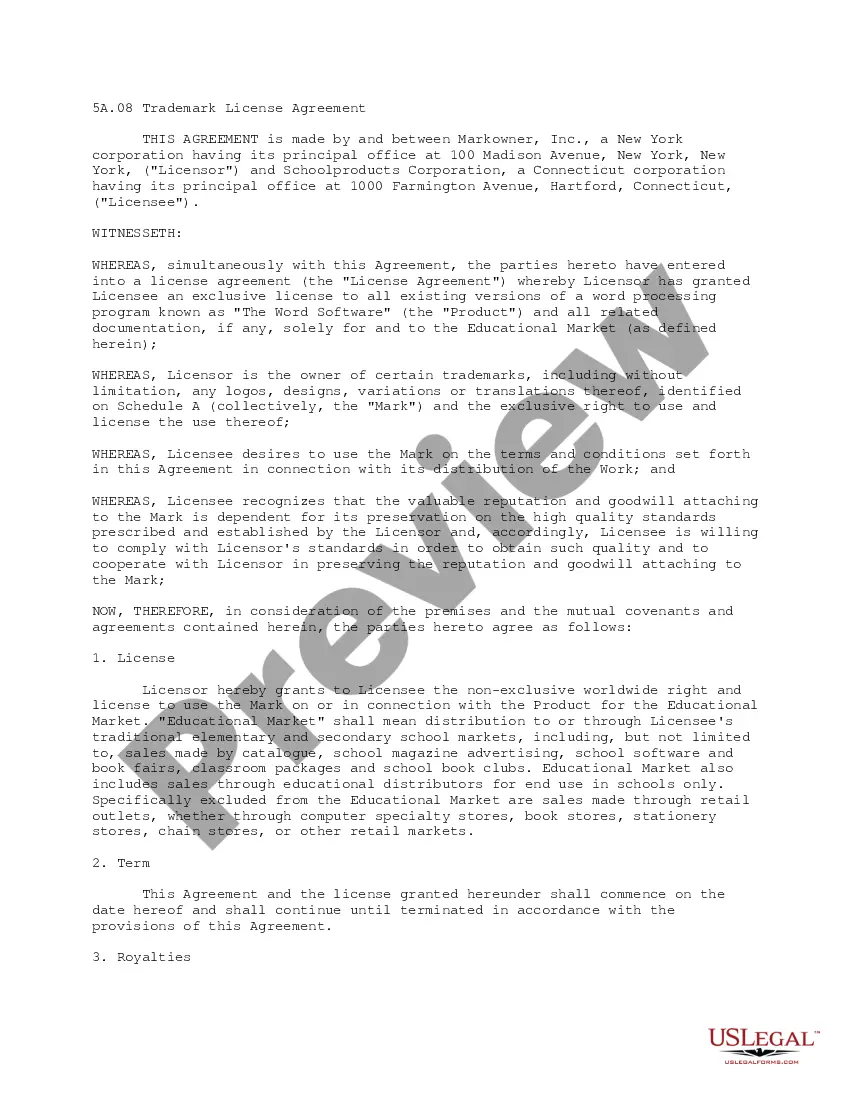






How to fill out Trademark Security Agreement?
US Legal Forms - one of the largest repositories of legal documents in the United States - offers a vast selection of legal form templates that you can download or print. By utilizing the website, you can access thousands of forms for business and personal needs, categorized by types, states, or keywords. You can find the most recent versions of forms such as the Virginia Trademark Protection Agreement in moments.
If you already hold a subscription, Log In and retrieve the Virginia Trademark Protection Agreement from your US Legal Forms library. The Download button will appear on each form you view. You can access all previously obtained forms in the My documents section of your account.
If you wish to use US Legal Forms for the first time, here are simple instructions to get started: Ensure you have selected the appropriate form for your city/state. Click the Preview button to review the form's content. Read the form description to confirm you have chosen the correct form.
Every template added to your account has no expiration date and belongs to you forever. Therefore, if you need to download or print another copy, simply go to the My documents section and click on the form you need.
Access the Virginia Trademark Protection Agreement with US Legal Forms, the most extensive collection of legal document templates. Utilize thousands of professional and state-specific templates that meet your business or personal requirements.
- If the form does not meet your requirements, utilize the Search box at the top of the page to find one that does.
- Once you are satisfied with the form, confirm your choice by clicking the Purchase now button.
- Then, select the payment plan you prefer and provide your credentials to create an account.
- Complete the transaction. Use a credit card or PayPal account to finalize the purchase.
- Choose the format and download the form to your device.
- Edit. Fill out, modify, print, and sign the downloaded Virginia Trademark Protection Agreement.
Form popularity
FAQ
Terms Contained in a Security Agreement A basic security agreement should have the description of the parties involved, the collateral and the statement of intention of providing security interest along with signatures from all parties.
Under the UCC, a pledge agreement is a security agreement. The nature of the pledged assets means that a pledge agreement may contain different representations and warranties and covenants than a security agreement over business assets (for example, voting rights).
The security agreement must: be signed (or authenticated) by the debtor and the owner of the property, contain a description of the collateral and. make it clear that a security interest is intended.
A general security agreement creates a security interest in all present and future assets of the borrower. This means the lender would have access to all assets your business owns now and any future assets your business purchases as collateral for the loan issued.
A secured promissory note may include a security agreement as part of its terms. If a security agreement lists a business property as collateral, the lender might file a UCC-1 statement to serve as a lien on the property. A security agreement mitigates the default risk faced by the lender.
A General Security Agreement (GSA) is a contract signed between two parties a creditor (lender) and a debtor (borrower) to secure personal loans, commercial loans, and other obligations owed to a lender.
Often, secured parties use UCC-1 financing statement forms to achieve perfection of security interest outlined in a security agreement. Prepared and signed by both parties, this form includes the following information: The debtor's name (either the name of an organization or an individual taking on debt).
In general, the promissory note is your written promise to repay the loan and a security agreement is used when collateral is given for the loan.
The debtor must authenticate the security agreement by signing a statement that announces the intention to grant a security interest in the property specifically outlined in the security agreement.
Security agreements can be used to specify a collateral that is already in possession of the debtor, an intangible collateral or an after-acquired property.