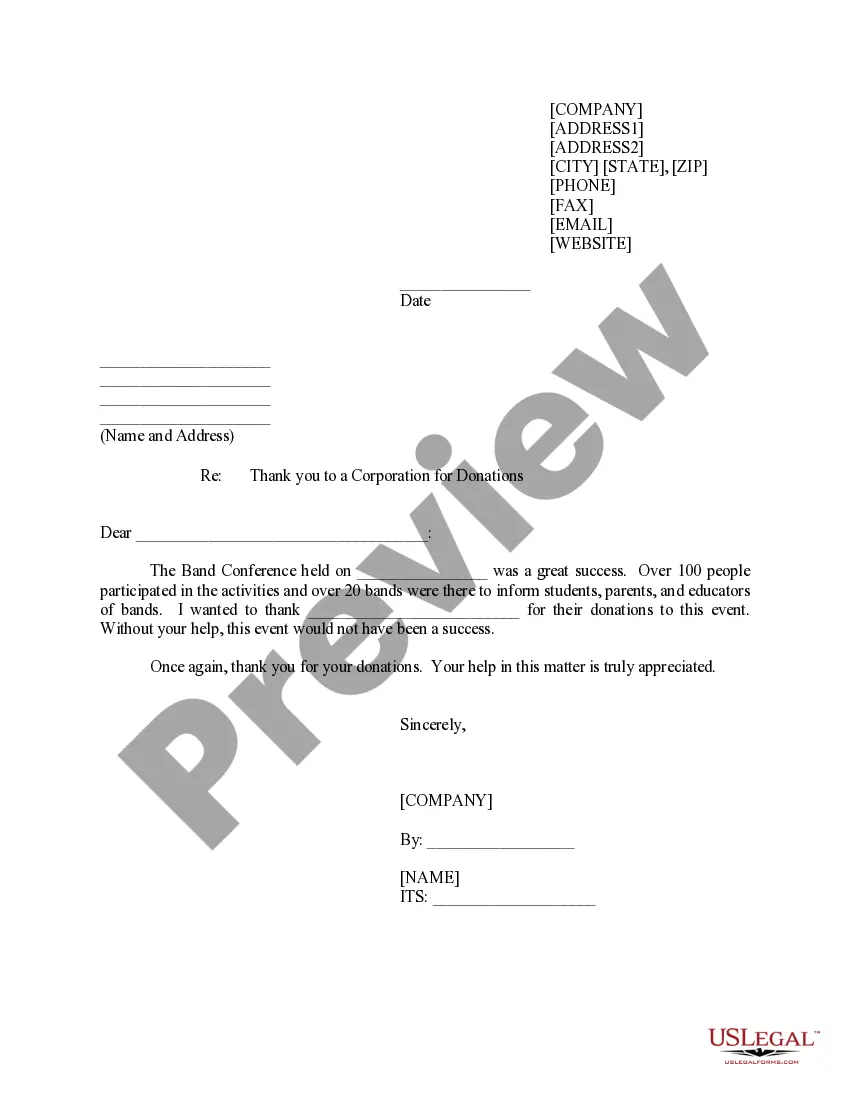
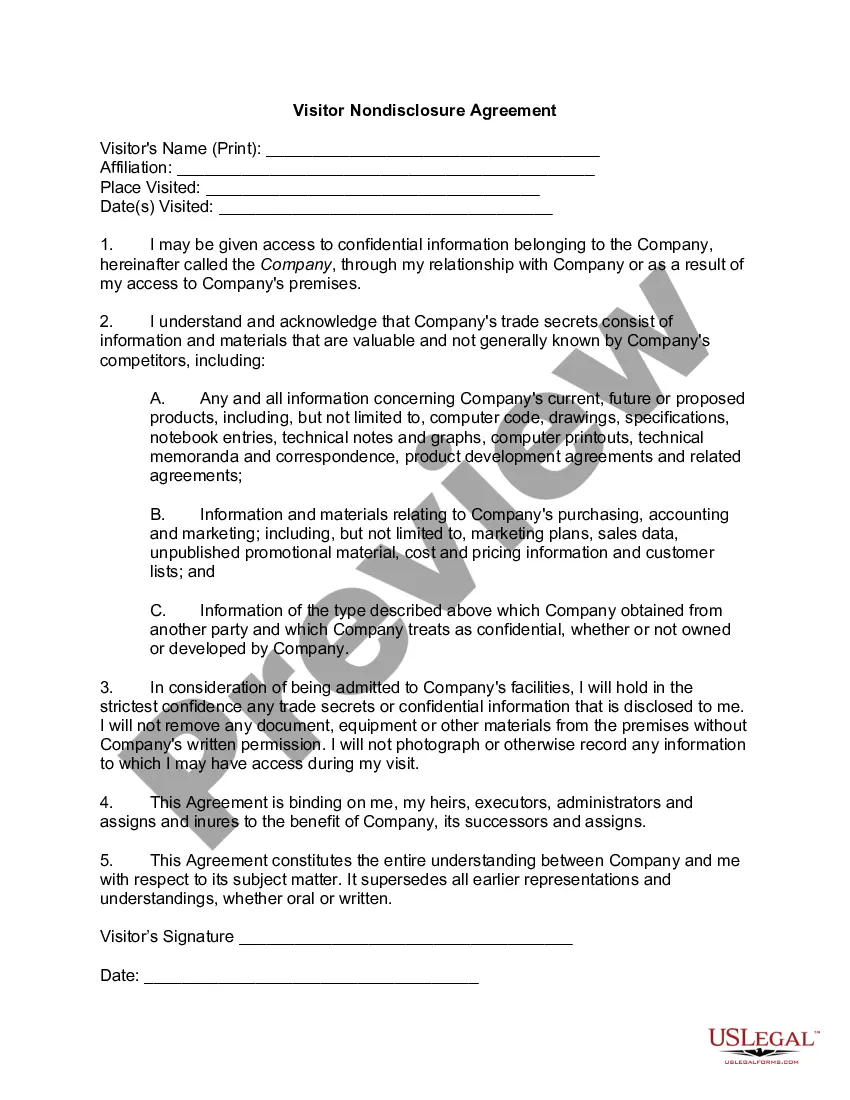
Virginia Visitor Nondisclosure Agreement
Description
Get your form ready online
Our built-in tools help you complete, sign, share, and store your documents in one place.
Make edits, fill in missing information, and update formatting in US Legal Forms—just like you would in MS Word.
Download a copy, print it, send it by email, or mail it via USPS—whatever works best for your next step.
Sign and collect signatures with our SignNow integration. Send to multiple recipients, set reminders, and more. Go Premium to unlock E-Sign.
If this form requires notarization, complete it online through a secure video call—no need to meet a notary in person or wait for an appointment.
We protect your documents and personal data by following strict security and privacy standards.

Make edits, fill in missing information, and update formatting in US Legal Forms—just like you would in MS Word.

Download a copy, print it, send it by email, or mail it via USPS—whatever works best for your next step.

Sign and collect signatures with our SignNow integration. Send to multiple recipients, set reminders, and more. Go Premium to unlock E-Sign.

If this form requires notarization, complete it online through a secure video call—no need to meet a notary in person or wait for an appointment.

We protect your documents and personal data by following strict security and privacy standards.
Looking for another form?


How to fill out Visitor Nondisclosure Agreement?
Locating the appropriate legal document format might be a challenge.
Clearly, there are numerous templates accessible online, but how do you identify the specific legal type you need.
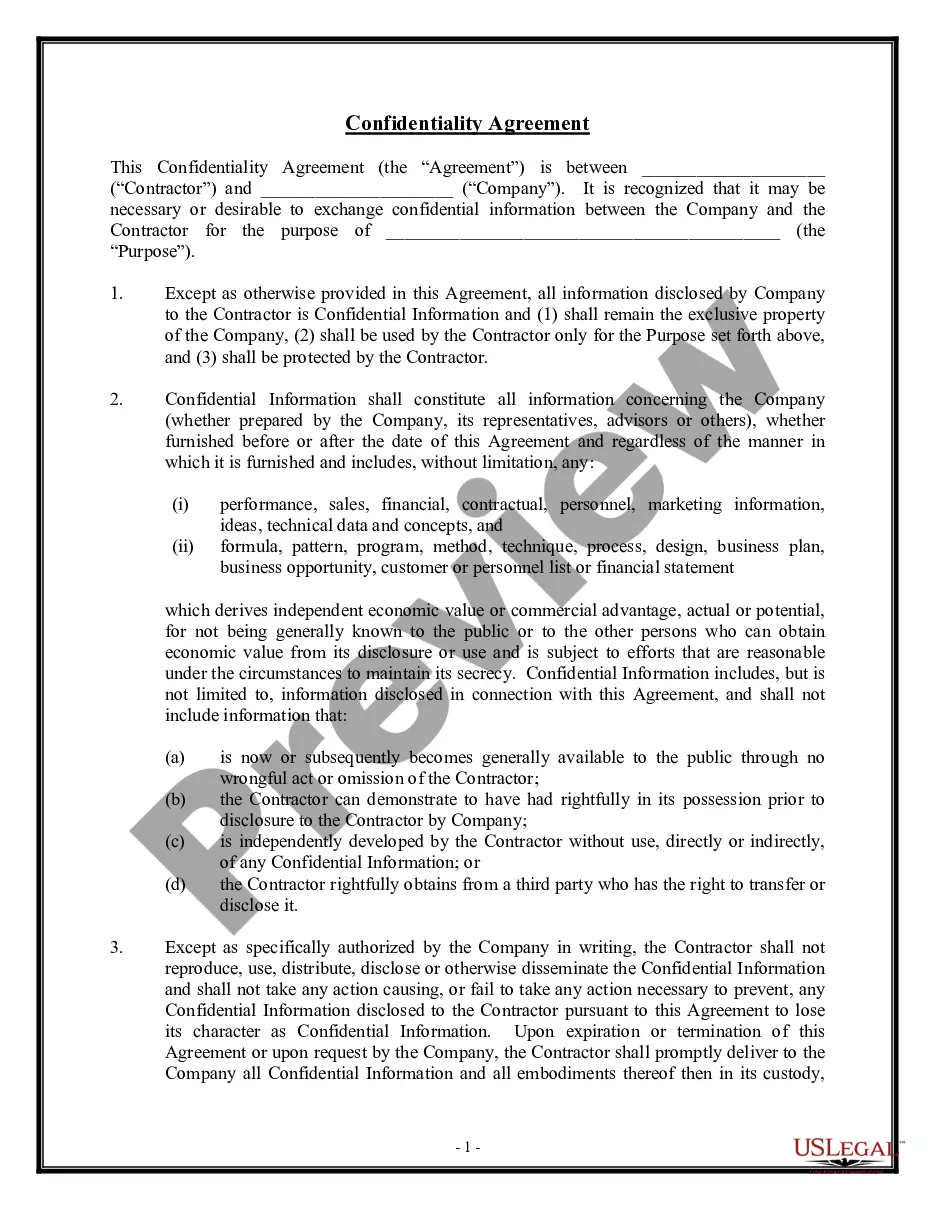
Utilize the US Legal Forms website. This service provides a vast array of templates, including the Virginia Visitor Nondisclosure Agreement, which can be used for both business and personal purposes.
If the form doesn't meet your needs, utilize the Search field to find the appropriate type. When you are confident that the form is suitable, click the Acquire now button to purchase the form. Choose the pricing plan you want and fill in the necessary details. Create your account and complete the transaction with your PayPal account or credit card. Choose the file format and download the legal document design to your device. Complete, modify, print, and sign the acquired Virginia Visitor Nondisclosure Agreement. US Legal Forms is the largest collection of legal forms where you can find various document templates. Take advantage of this service to obtain well-drafted documents that comply with state regulations.
- All of the forms are reviewed by professionals and meet federal and state regulations.
- If you are already registered, Log In to your account and click on the Download option to obtain the Virginia Visitor Nondisclosure Agreement.
- Use your account to search through the legal forms you have previously purchased.
- Navigate to the My documents tab in your account and retrieve another copy of the document you need.
- If you are a new user of US Legal Forms, here are simple steps to follow.
- First, ensure you have selected the correct form for your city/county. You can preview the form using the Preview option and read the form details to confirm it is suitable for you.
Form popularity
FAQ
Yes, NDAs are generally enforceable in Virginia as long as they are executed in accordance with the law. A Virginia Visitor Nondisclosure Agreement is valid if it safeguards legitimate interests and is not overly broad or vague. To enhance the likelihood of enforceability, consider using a reliable platform like uslegalforms. This can simplify the process of drafting and ensuring compliance with state law.
Yes, non-compete agreements can be enforceable in Virginia, but they must meet specific criteria for validity. They should be reasonable in duration, geographic scope, and protect legitimate business interests. Be aware that Virginia courts closely evaluate these agreements, so careful consideration is essential. Consulting with legal experts can help you draft enforceable agreements.
As of now, there are no states in the U.S. where NDAs are entirely illegal; however, certain agreements may not be enforceable if they violate public policy. Virginia Visitor Nondisclosure Agreements can be enforced if they comply with the law and serve a legitimate purpose. Always consult an attorney to ensure that your NDA complies with state regulations. Understanding local laws can prevent future legal issues.
Virginia Visitor Nondisclosure Agreements generally hold up well in court when they are properly drafted and executed. Courts tend to enforce these agreements as long as they protect legitimate business interests and are not overly restrictive. To increase enforceability, ensure that the agreement is clear, specific, and reasonable. Legal advice can be beneficial in crafting an effective NDA.
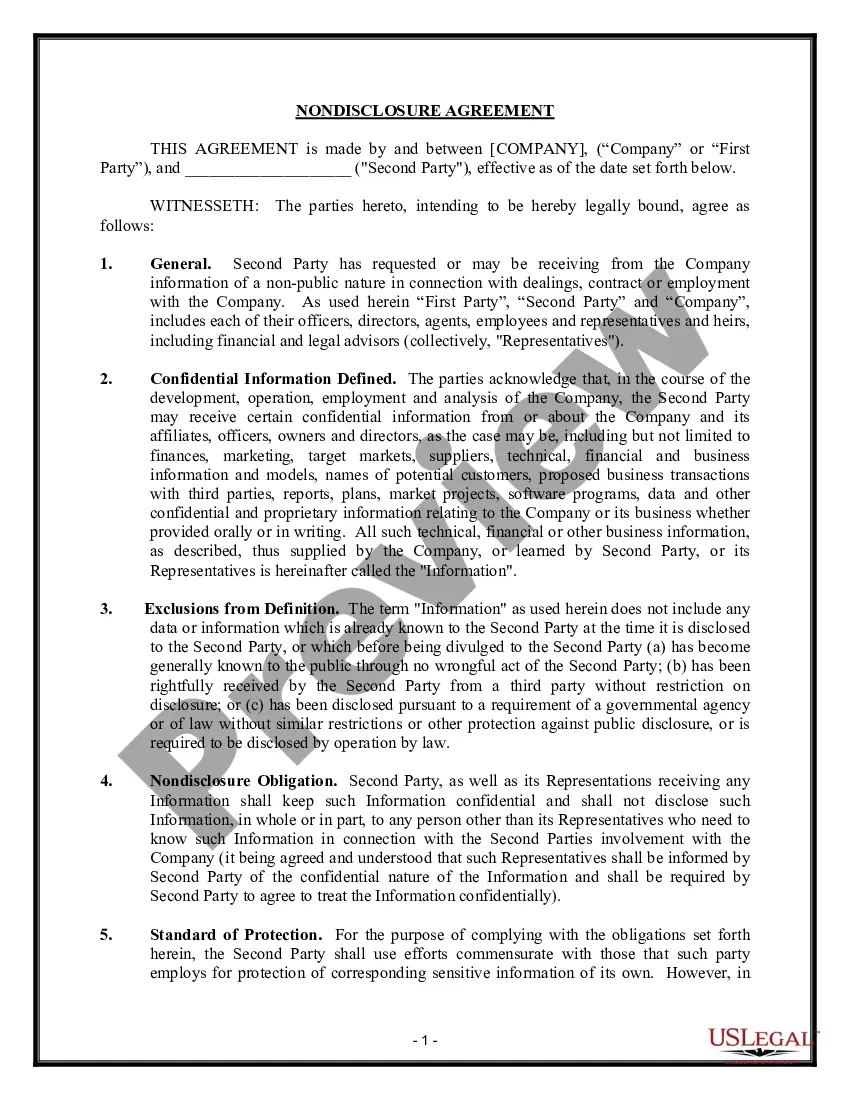
MNDA, or Mutual Non-Disclosure Agreement, refers to an agreement that allows both parties to share confidential information while protecting each other's interests. It is an important document when both sides have valuable information they wish to keep confidential. As you consider sharing sensitive material, a Virginia Visitor Nondisclosure Agreement can serve your needs effectively.
The NDA for visitors, specifically a Virginia Visitor Nondisclosure Agreement, protects confidential information when guests are involved in discussions about sensitive projects or strategies. This agreement ensures that visitors cannot share proprietary information with outside parties. If you're hosting visitors to discuss important matters, this agreement offers peace of mind.
An NDA is a standard agreement focusing on confidentiality, while an MDNA, or Mutual Disclosure Agreement, emphasizes the mutual sharing of information. Essentially, an MDNA provides a framework for both parties to disclose sensitive information with protection. If you're looking for a comprehensive way to protect shared insights, you may want to explore a Virginia Visitor Nondisclosure Agreement.
The three main types of NDAs include unilateral, bilateral (or mutual), and multilateral NDAs. A unilateral NDA involves one party disclosing sensitive information, while a bilateral NDA involves mutual information exchange between two parties. Multilateral NDAs involve three or more parties, and understanding their specific applications will be helpful when considering a Virginia Visitor Nondisclosure Agreement.
The difference between an NDA and a MNDA centers on how the information is managed between parties. An NDA is typically one-sided, protecting only the disclosing party's data, while a MNDA allows for mutual protection of both parties’ confidential information. When engaging in discussions that require discretion, you might find a Virginia Visitor Nondisclosure Agreement to be beneficial.
Yes, NDAs are enforceable in Virginia as long as they meet certain legal requirements. For an NDA to be valid, it must clearly define the protected information and the duration of the confidentiality obligation. If you are considering a Virginia Visitor Nondisclosure Agreement, consulting with legal experts can ensure that your agreement is properly drafted and enforceable.