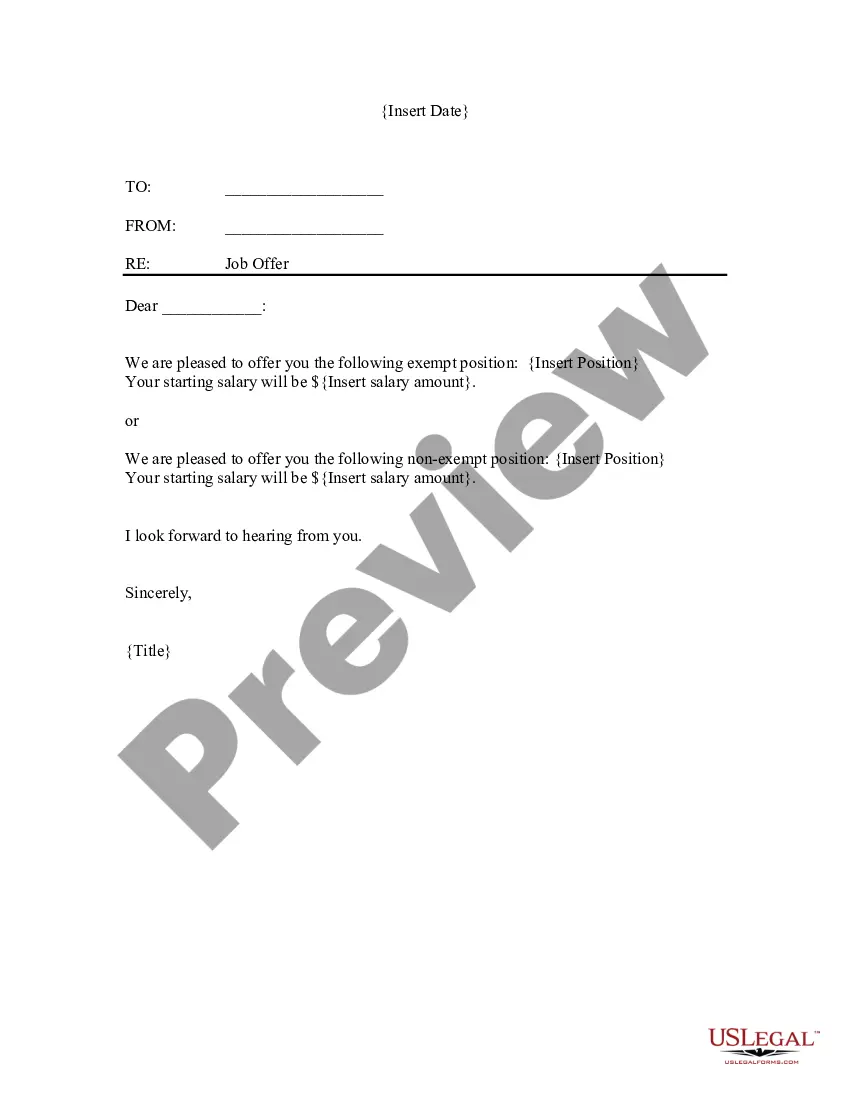
Utah Key Employee Notice
Description
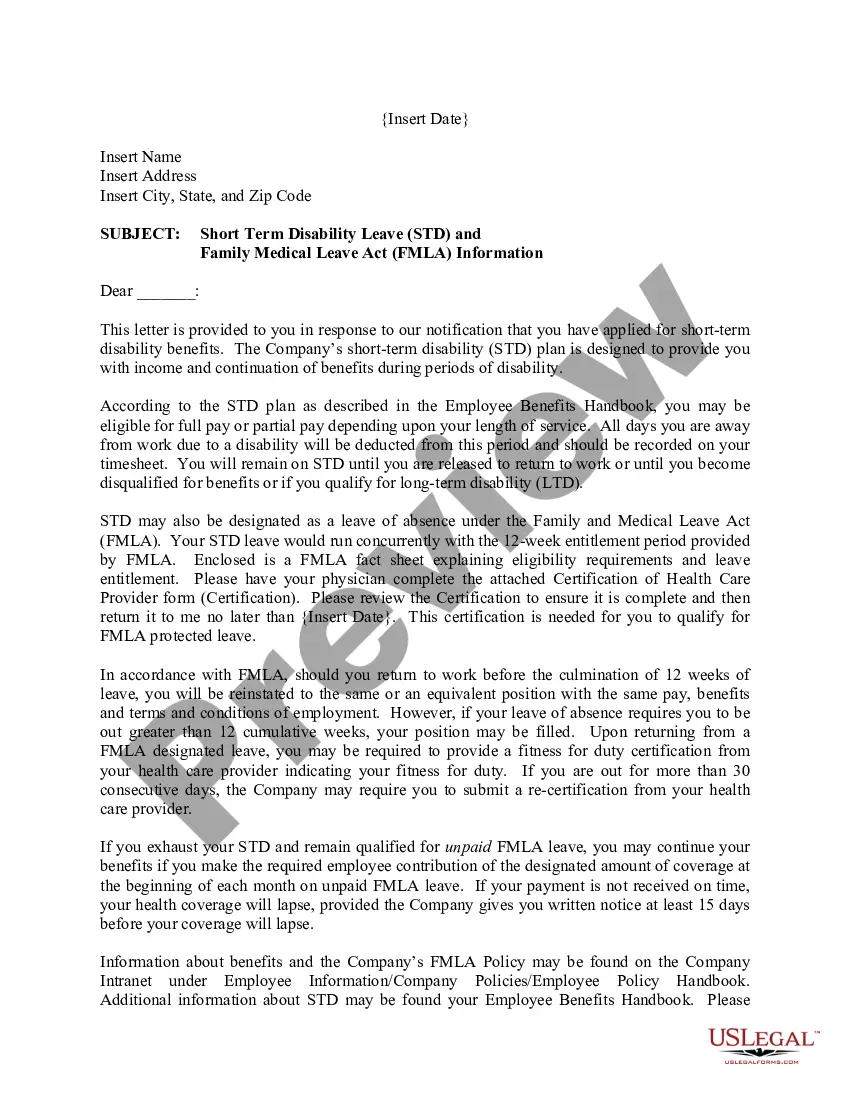
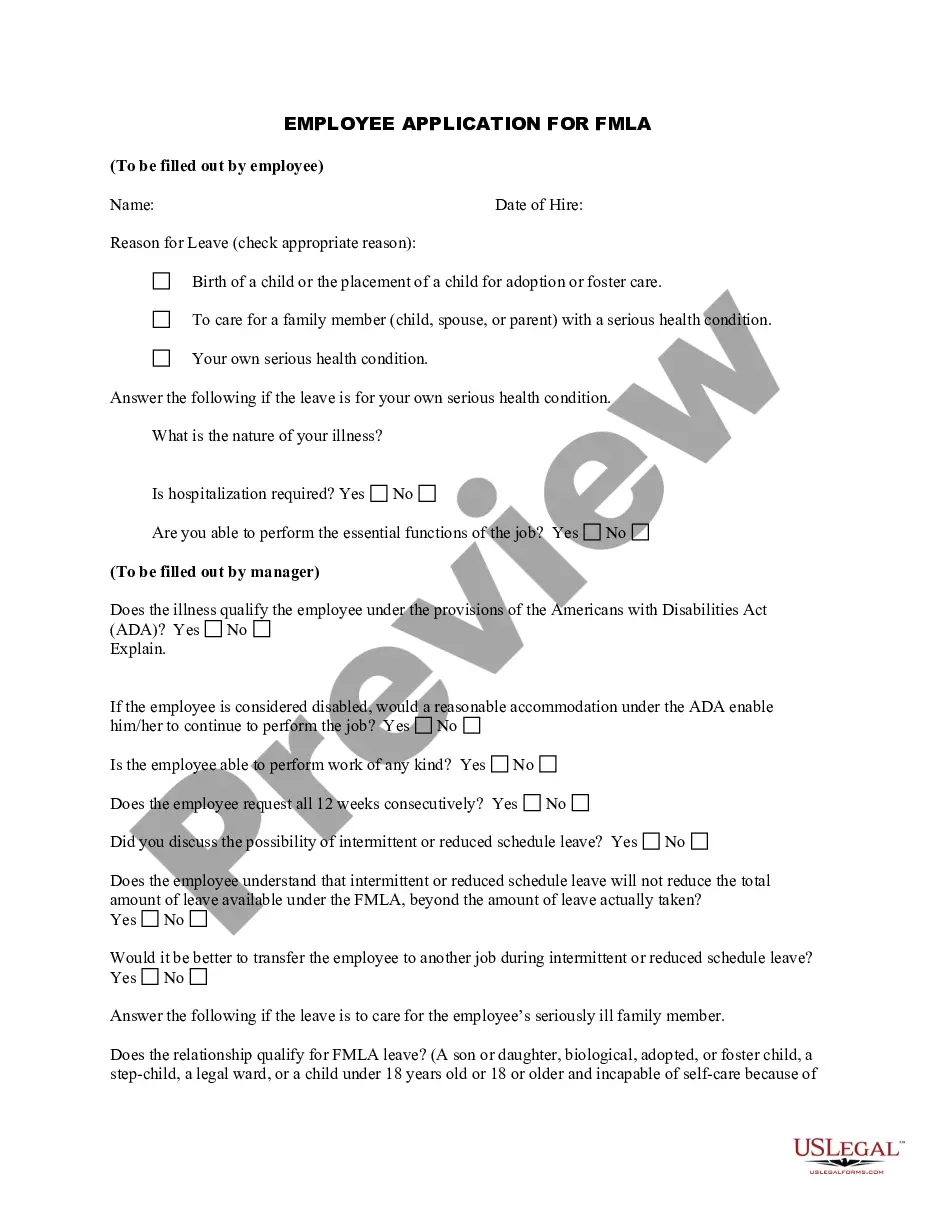
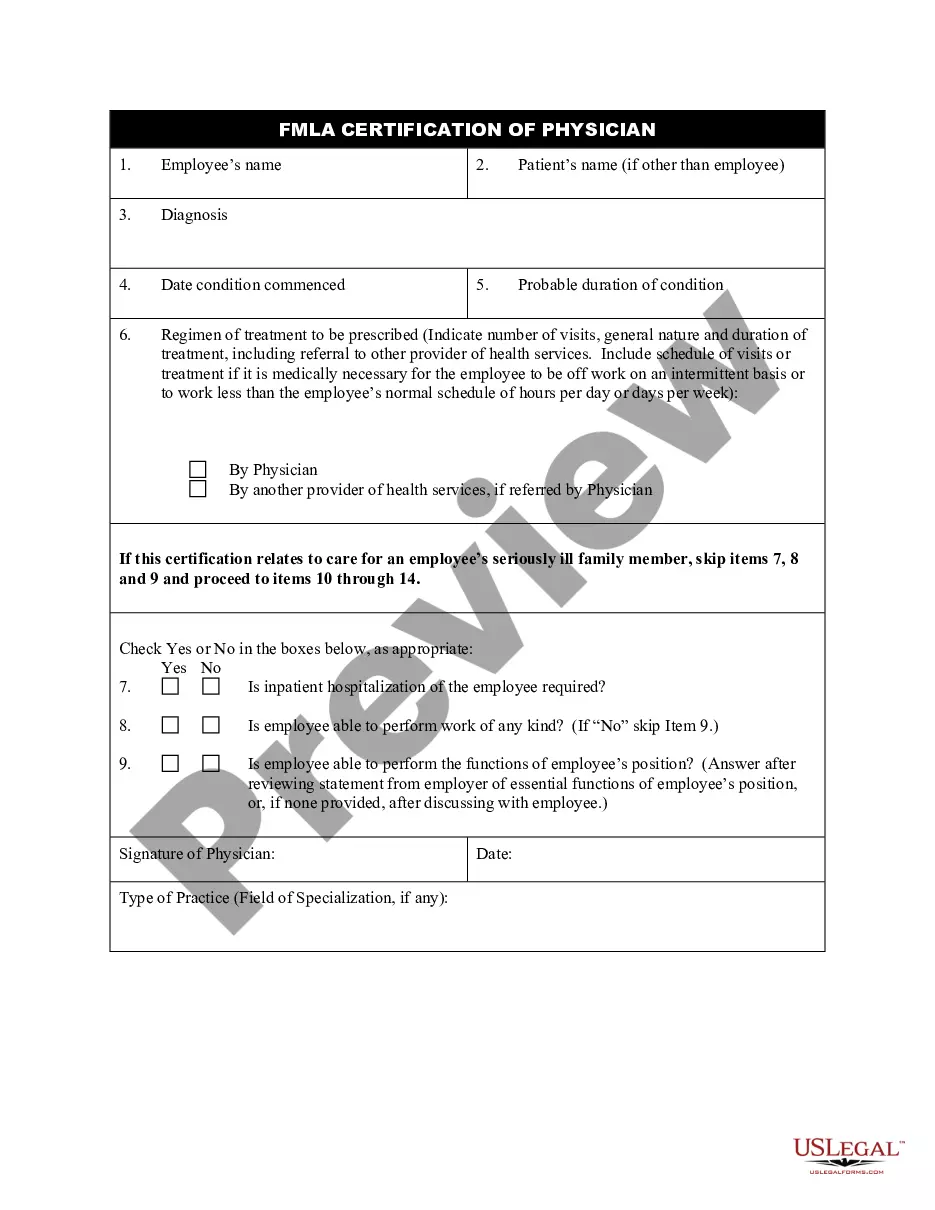
Get your form ready online
Our built-in tools help you complete, sign, share, and store your documents in one place.
Make edits, fill in missing information, and update formatting in US Legal Forms—just like you would in MS Word.
Download a copy, print it, send it by email, or mail it via USPS—whatever works best for your next step.
Sign and collect signatures with our SignNow integration. Send to multiple recipients, set reminders, and more. Go Premium to unlock E-Sign.
If this form requires notarization, complete it online through a secure video call—no need to meet a notary in person or wait for an appointment.
We protect your documents and personal data by following strict security and privacy standards.

Make edits, fill in missing information, and update formatting in US Legal Forms—just like you would in MS Word.

Download a copy, print it, send it by email, or mail it via USPS—whatever works best for your next step.

Sign and collect signatures with our SignNow integration. Send to multiple recipients, set reminders, and more. Go Premium to unlock E-Sign.

If this form requires notarization, complete it online through a secure video call—no need to meet a notary in person or wait for an appointment.

We protect your documents and personal data by following strict security and privacy standards.
Looking for another form?
How to fill out Key Employee Notice?
You are capable of spending hours online searching for the valid document template that meets the federal and state requirements you need.
US Legal Forms offers a wide array of valid forms that have been reviewed by experts.
You can obtain or print the Utah Key Employee Notice from my services.
You can download and print numerous document templates using the US Legal Forms website, which offers the largest selection of valid forms. Utilize professional and state-specific templates to address your business or personal needs.
- If you already have a US Legal Forms account, you may Log In and click the Acquire button.
- After that, you may complete, modify, print, or sign the Utah Key Employee Notice.
- Each valid document template you purchase is yours permanently.
- To obtain another copy of the purchased form, go to the My documents tab and click the corresponding button.
- If you are using the US Legal Forms website for the first time, follow the simple instructions below.
- First, ensure that you have selected the correct document template for the state/city of your choice.
- Check the form description to confirm you have chosen the appropriate form.
Form popularity
FAQ
Reasonable Notice of Resignation Common law in Canada requires you to give an employer reasonable notice of resignation, which may depend on factors such as your role and place in the hierarchy of the company. Two weeks notice is the norm, but under common law, this is not an expressly required amount of time.
Employees and employers must give each other notice of their intention to end the employment. An employer may end the employment of an employee by giving them: termination notice. termination pay or.
Can you quit a job without notice? For many U.S. employees, the answer is, Yes. But that doesn't mean that it's wise to leave in a hurry. Under normal circumstances, it's best to give the standard noticebut there may be no legal reason why you can't quit on the spot.
Notice you must give your employerIf you have worked for your employer for one month or more, the legal minimum amount of notice you must give is one week. Normally your employment contract will set out a longer notice period. If it does, you should give this length of notice to your employer.
Conclusion. In closing, there is a myth that all employees are required to give their employers two weeks' notice before quitting. In fact, it is simply a matter of choice in most instances.
As long as you haven't breached the contract, you don't have to pay someone for their notice if they refuse to work it. Do you have to work your notice period? Yes, employees will normally be contractually obligated to work their notice period.
What Happens If You Don't Give 2 Weeks' Notice? You could break the provisions of your contract, and that could have legal repercussions. If you have no choice, then notifying your employer and giving as much notice as possible (or perhaps even working out a new deal) can potentially make the fallout less serious.
It's normal (but not a legal requirement) to give two weeks of notice. However, a "reasonable" resignation period is based on several factors. These include the employee's position, length of service, pay, and time it would likely take to replace the employee.
What Happens If You Don't Give 2 Weeks' Notice? You could break the provisions of your contract, and that could have legal repercussions. If you have no choice, then notifying your employer and giving as much notice as possible (or perhaps even working out a new deal) can potentially make the fallout less serious.
Utah is an employment-at-will state. This means that an employer may generally terminate an employee at any time and for any reason, unless a law or contract provides otherwise.