Utah Deceased Joint Tenancy
What this document covers
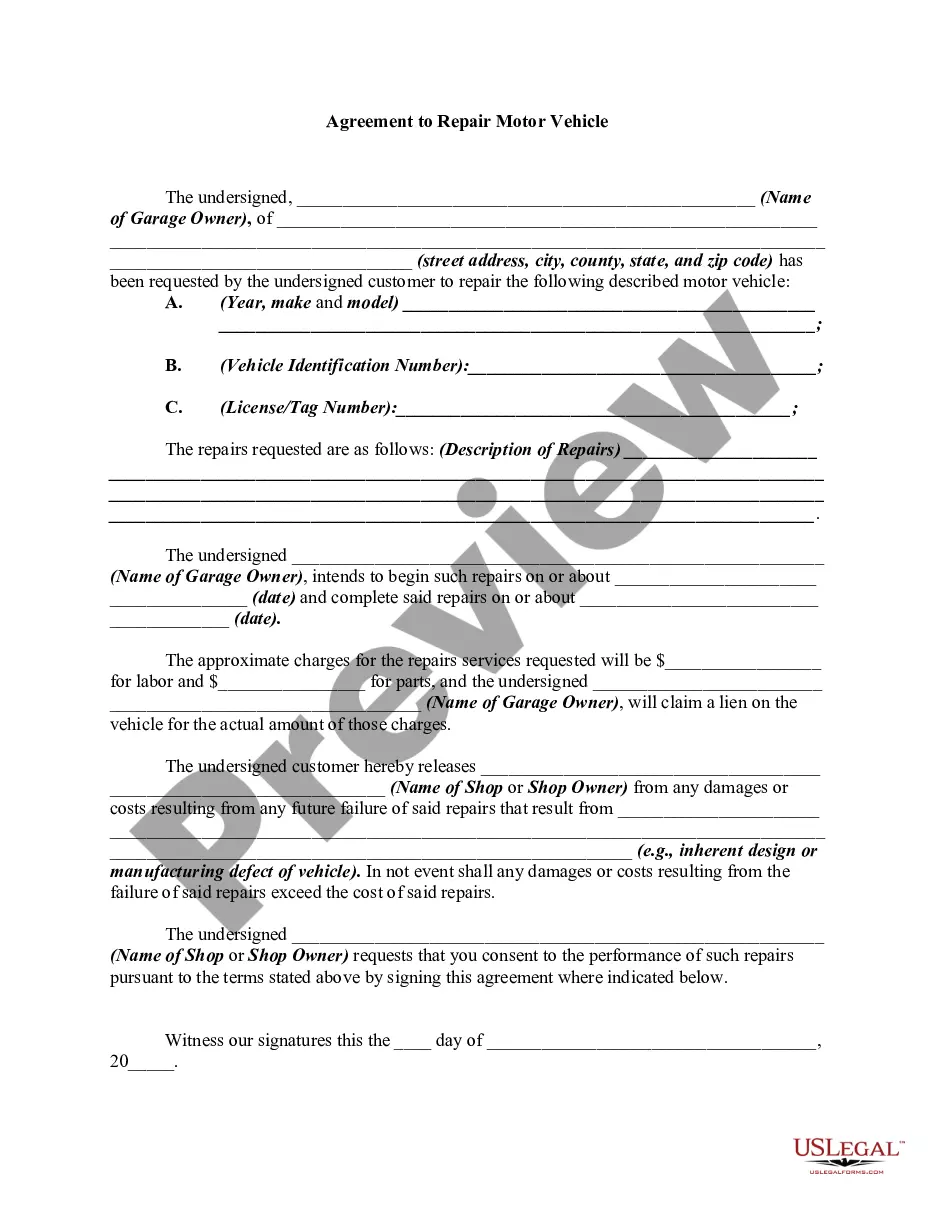
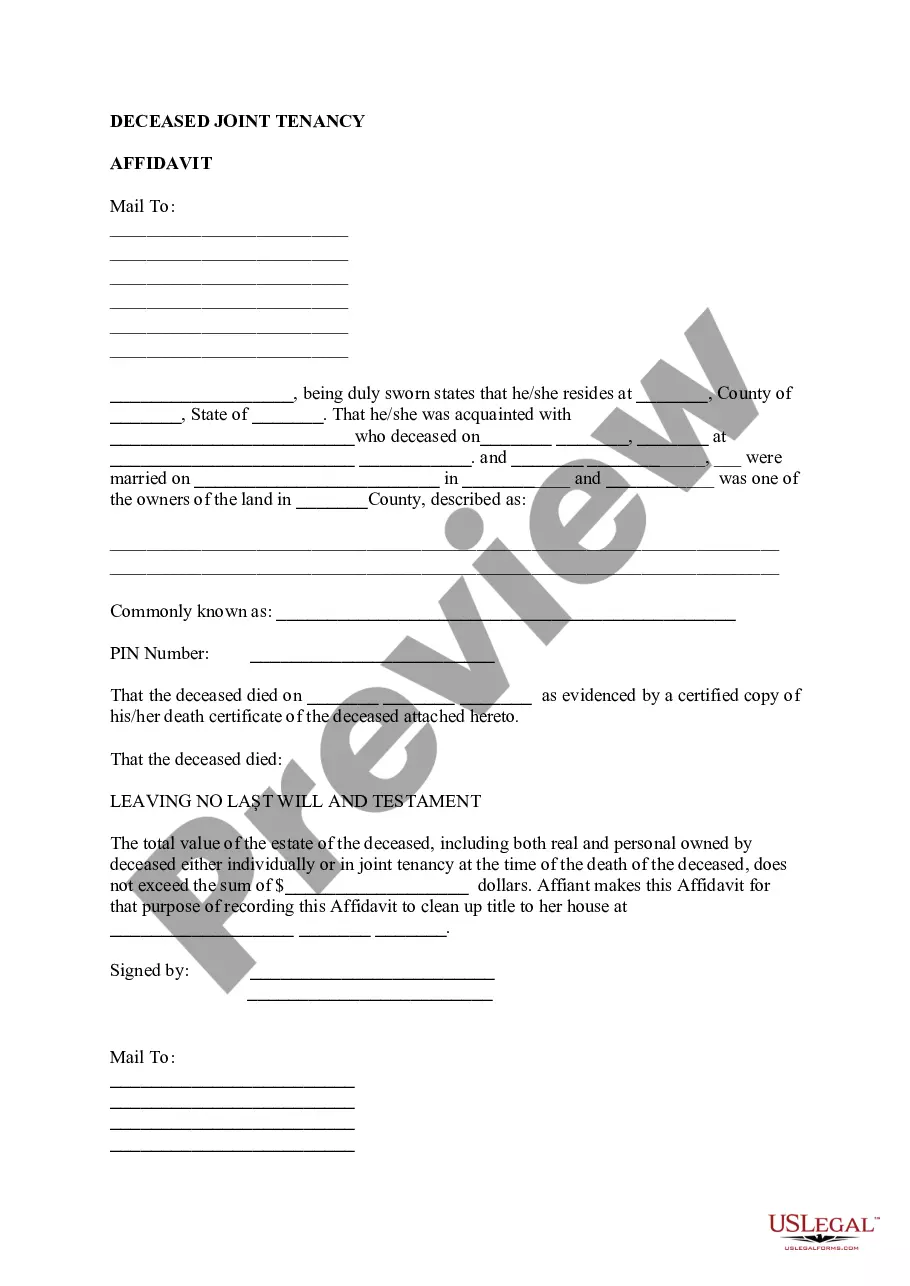
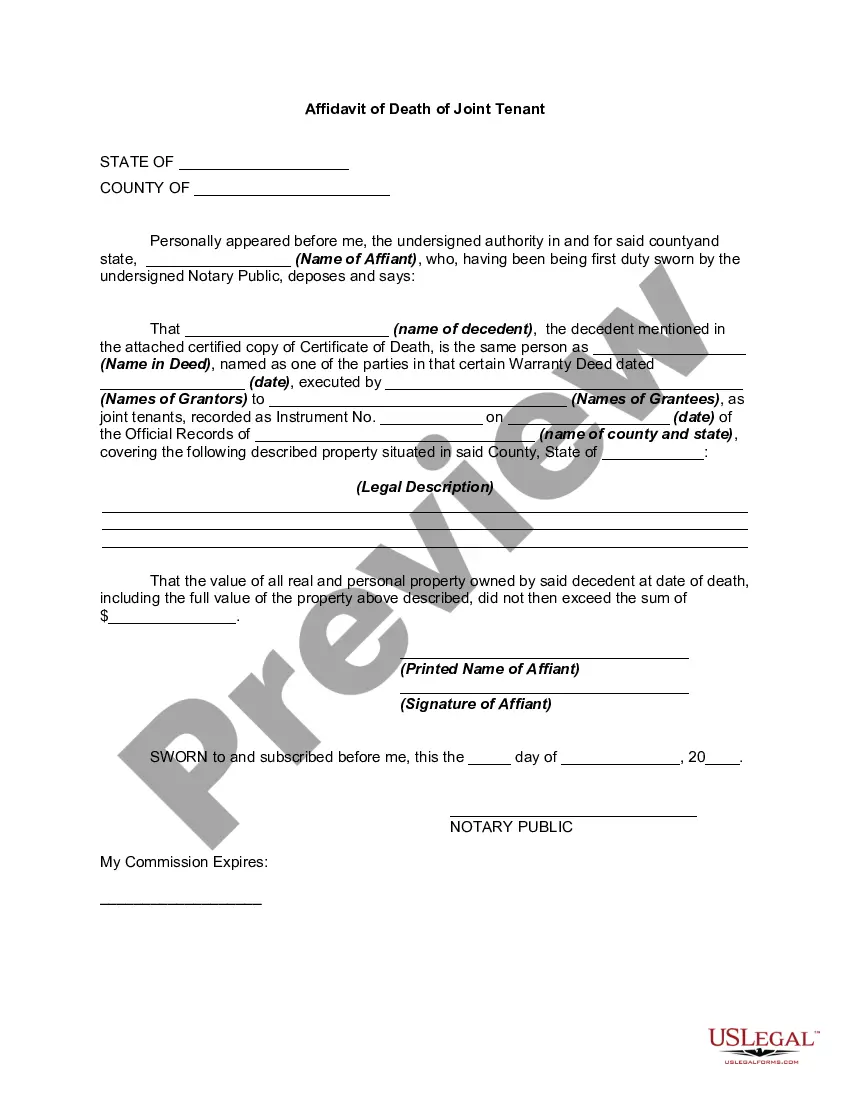
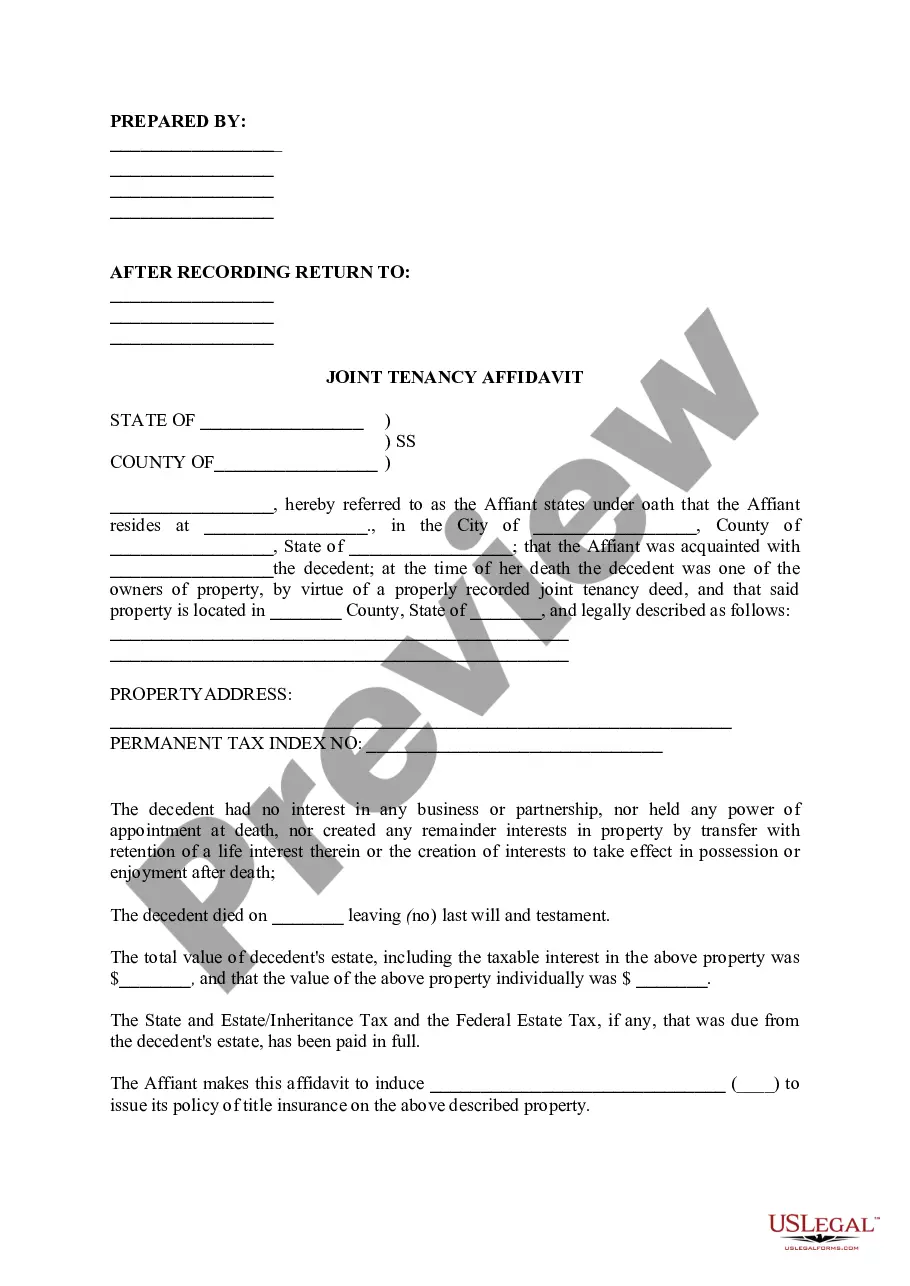
The Deceased Joint Tenancy Affidavit is a legal document used to assert that one of the joint tenants in a property has passed away. This affidavit serves to clarify ownership of the property by allowing the surviving tenant or co-owner to update the title to reflect the change in ownership. It is essential for transferring the deceased joint tenant's interest in the property, which differs from wills or estate executors' roles in distributing assets after a person's death.
Form components explained
- Affiant's details, including name and address.
- Information about the deceased tenant, including full name and date of death.
- Property description, including a commonly known name and PIN number.
- Statement on whether the deceased left a will or not.
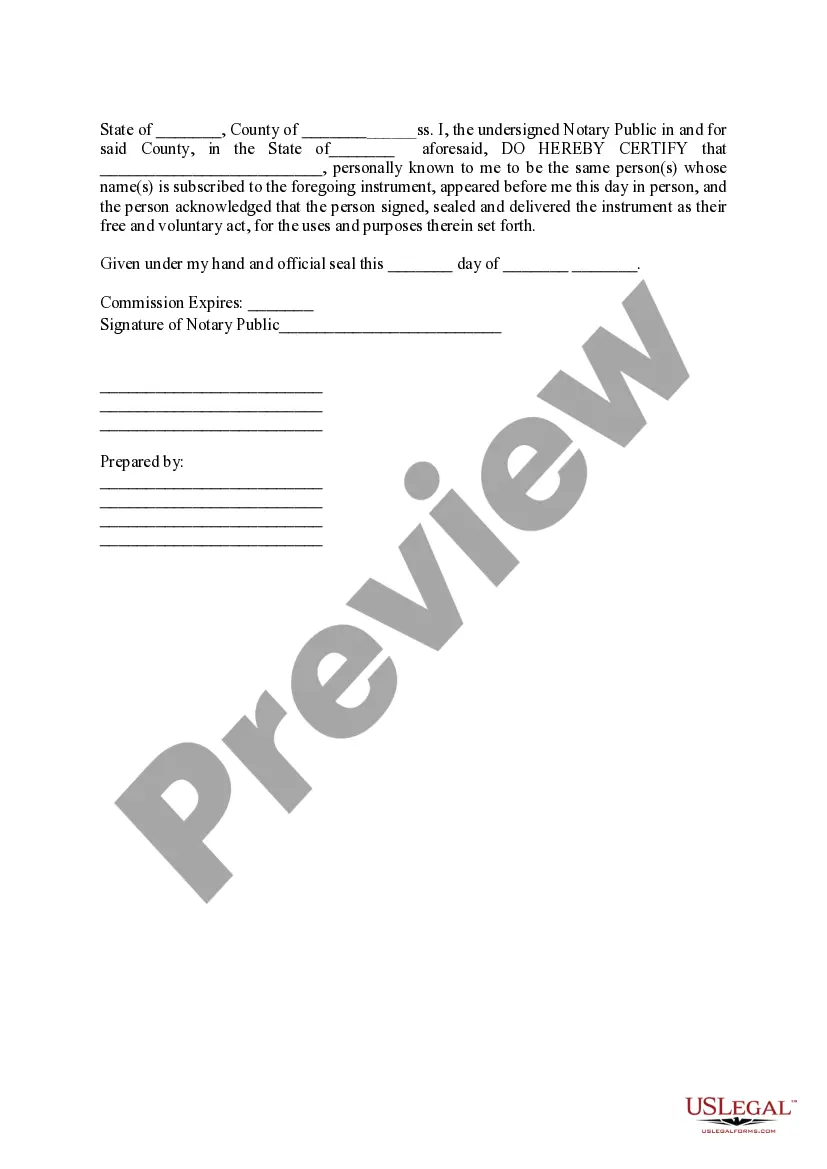
- Affiant's signature and notary acknowledgment for validation.
Common use cases
This form is typically used when one joint tenant has died and the other tenant needs to establish sole ownership of the property. It is relevant in situations where the deceased did not leave a will, and the property is to be cleared for title updates. Homeowners or co-owners may also use this affidavit to facilitate the transfer of property into their name in cases where no other legal claims exist against the deceased's estate.
Who needs this form
This affidavit is intended for:
- The surviving joint tenant wishing to formalize ownership after the death of a co-tenant.
- Individuals involved in transferring property titles when a joint tenant has passed away.
- Property owners needing to clarify ownership due to the death of a joint tenant.
Instructions for completing this form
- Identify the affiant's details, including name and address.
- Enter the full name and date of death of the deceased joint tenant.
- Describe the property, including the commonly known name and PIN number.
- Indicate whether the deceased had a will and state the total value of the estate.
- Sign the affidavit and have it notarized to ensure legal validity.
Notarization guidance
Yes, this form must be notarized to be legally valid. The notary public will verify the identity of the affiant and witness the signing of the affidavit. US Legal Forms offers an integrated online notarization service that is available 24/7, ensuring a secure video call and legal equivalence without the need for in-person travel.
Get your form ready online
Our built-in tools help you complete, sign, share, and store your documents in one place.
Make edits, fill in missing information, and update formatting in US Legal Forms—just like you would in MS Word.
Download a copy, print it, send it by email, or mail it via USPS—whatever works best for your next step.
Sign and collect signatures with our SignNow integration. Send to multiple recipients, set reminders, and more. Go Premium to unlock E-Sign.
If this form requires notarization, complete it online through a secure video call—no need to meet a notary in person or wait for an appointment.
We protect your documents and personal data by following strict security and privacy standards.

Make edits, fill in missing information, and update formatting in US Legal Forms—just like you would in MS Word.

Download a copy, print it, send it by email, or mail it via USPS—whatever works best for your next step.

Sign and collect signatures with our SignNow integration. Send to multiple recipients, set reminders, and more. Go Premium to unlock E-Sign.

If this form requires notarization, complete it online through a secure video call—no need to meet a notary in person or wait for an appointment.

We protect your documents and personal data by following strict security and privacy standards.
Common mistakes
- Failing to include all required details of the deceased tenant.
- Not notarizing the document, resulting in an invalid affidavit.
- Using incorrect property descriptions that do not match public records.
Main things to remember
- The Deceased Joint Tenancy Affidavit helps transfer property ownership after a joint tenant's death.
- Completing this form correctly supports clear title ownership, preventing future disputes.
- Notarization is required for legal validity, ensuring the authenticity of the affidavit.
Looking for another form?


Form popularity
FAQ
Severing the Joint Tenancy If you are a Joint Tenant, this means that on the death of one tenant, his or her share automatically passes to the surviving tenant. If you do not wish this to happen, then the Joint Tenancy must be severed to create a Tenancy in Common.
When one joint owner (called a joint tenant, though it has nothing to do with renting) dies, the surviving owners automatically get the deceased owner's share of the joint tenancy property.The surviving joint tenant will automatically own the property after your death.
Converting a property share in a joint tenancy to a TIC is known as "unilateral conversion." California and other states allow owners in joint tenancies to unilaterally convert their shares to TICs simply by transferring their property interests to themselves.
A survivorship deed, or a joint tenancy with right of survivorship, is much more difficult to contest than a will bequeathing property to beneficiaries. However, one circumstance in which a survivorship might be successfully contested is when the document granting right of survivorship has not been properly drafted.
When a property is owned by joint tenants with survivorship, the interest of a deceased owner automatically gets transferred to the remaining surviving owners. For example, if four joint tenants own a house and one of them dies, each of the three remaining joint tenants ends up with a one-third share of the property.
Property held in joint tenancy, tenancy by the entirety, or community property with right of survivorship automatically passes to the survivor when one of the original owners dies. Real estate, bank accounts, vehicles, and investments can all pass this way. No probate is necessary to transfer ownership of the property.
Joint tenancy avoids probate. 2. Title to real property can be cleared after a death by filing an affidavit of death of joint tenant. The surviving joint tenant then owns the property with no further proceedings or paperwork required.
This is known as 'Severing the Joint Tenancy'. It requires service of a written notice of change the 'severance'. It can be done without the other owner's cooperation or agreement. It is recorded at the Land Registry, and the other owner will know it has been done but only 'after the event' so to speak.
When a property is owned by joint tenants with survivorship, the interest of a deceased owner automatically gets transferred to the remaining surviving owners. For example, if four joint tenants own a house and one of them dies, each of the three remaining joint tenants ends up with a one-third share of the property.