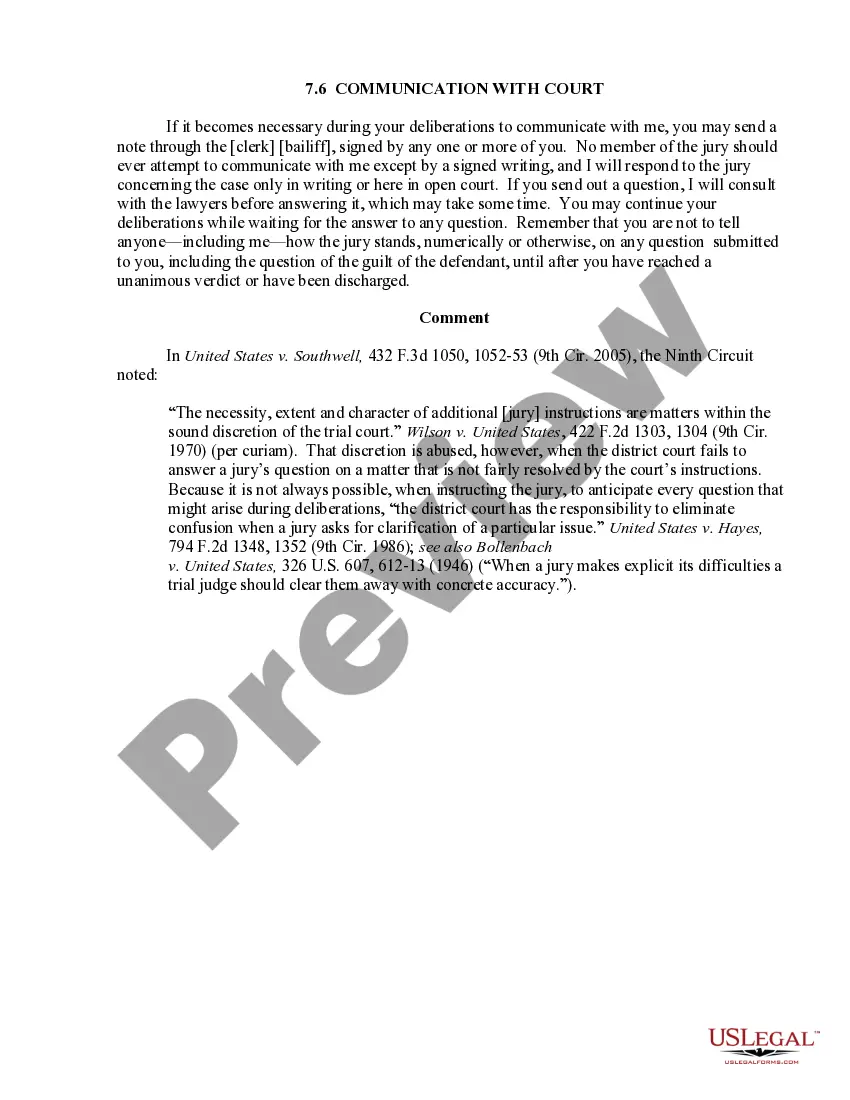
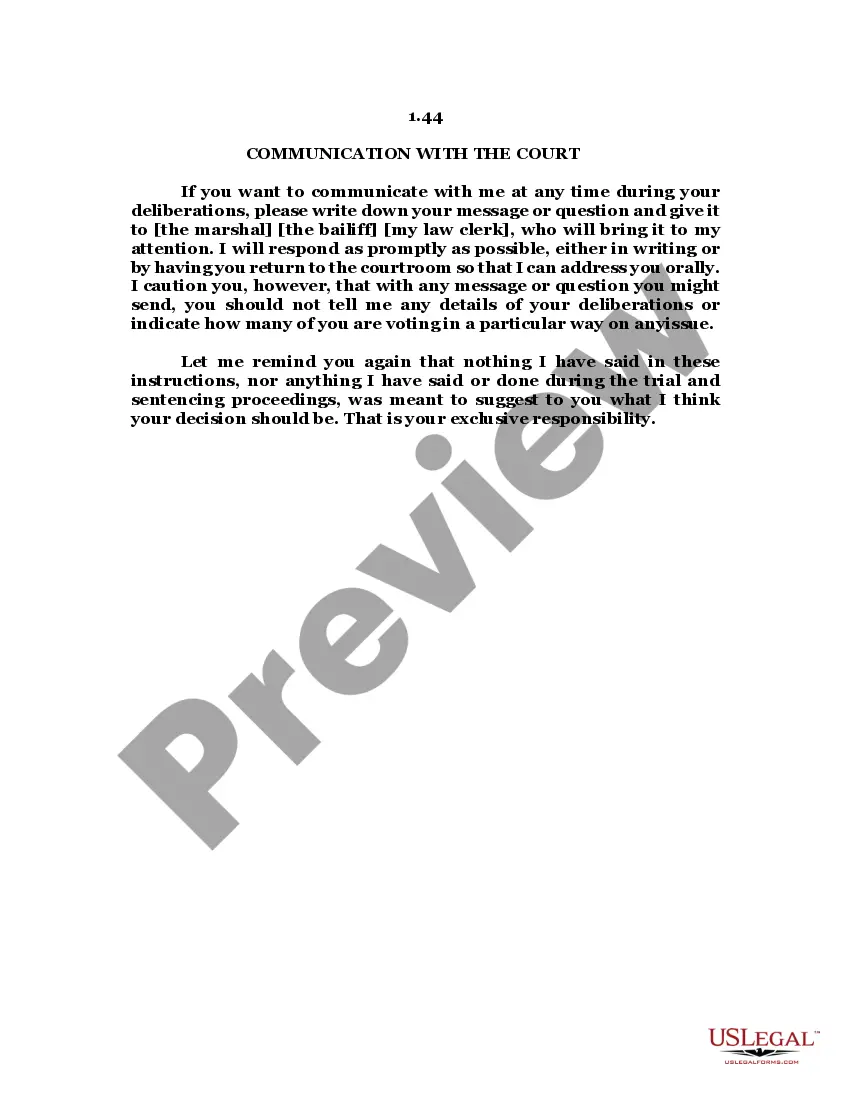
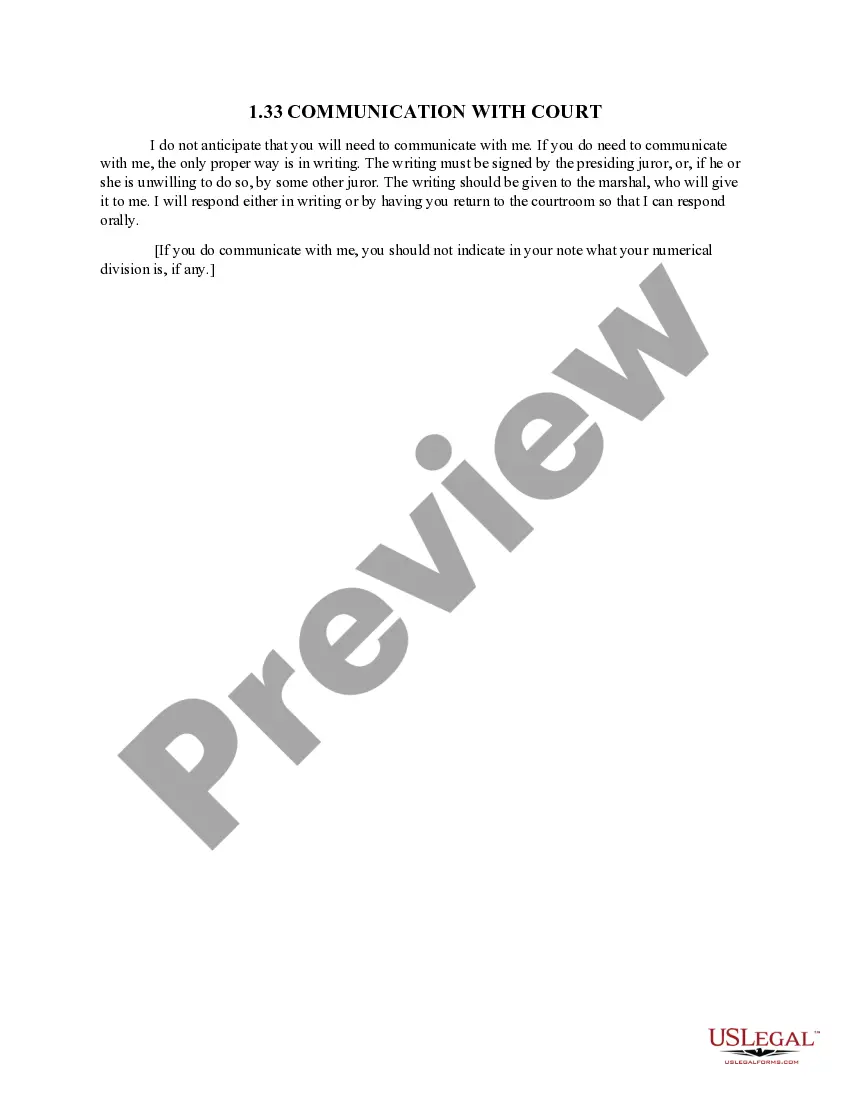
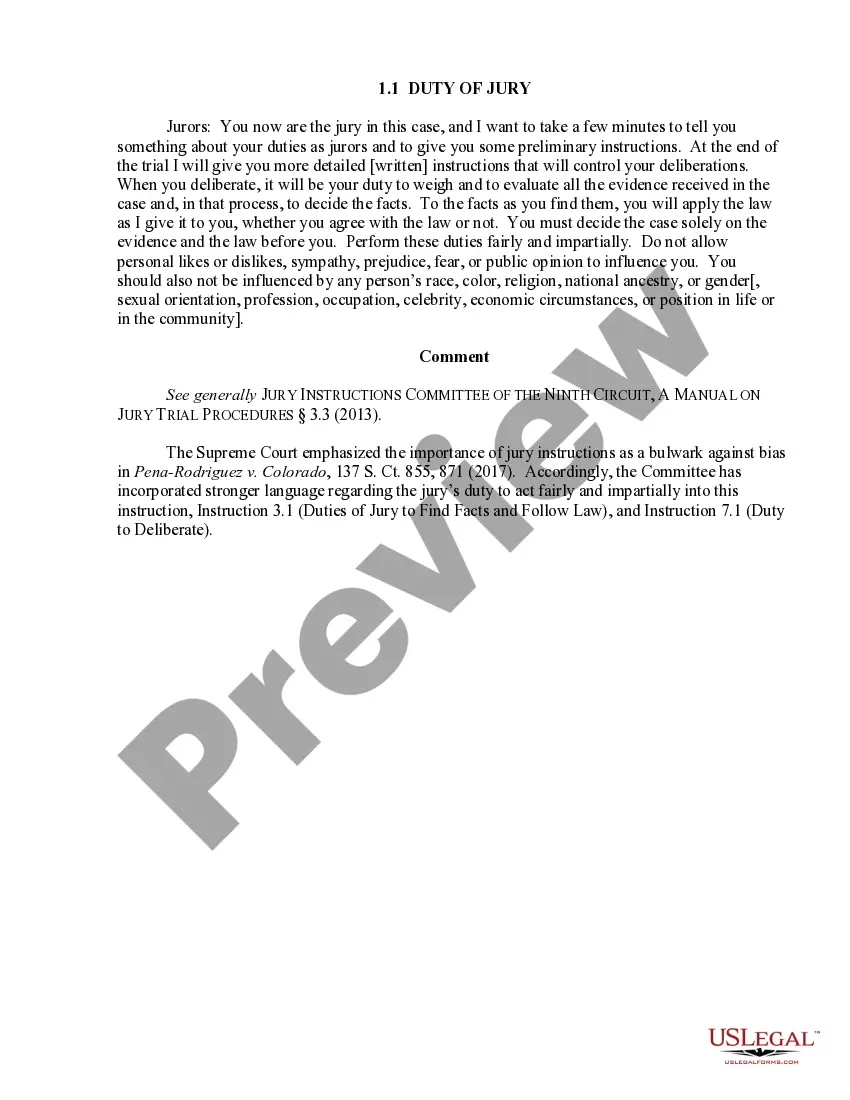
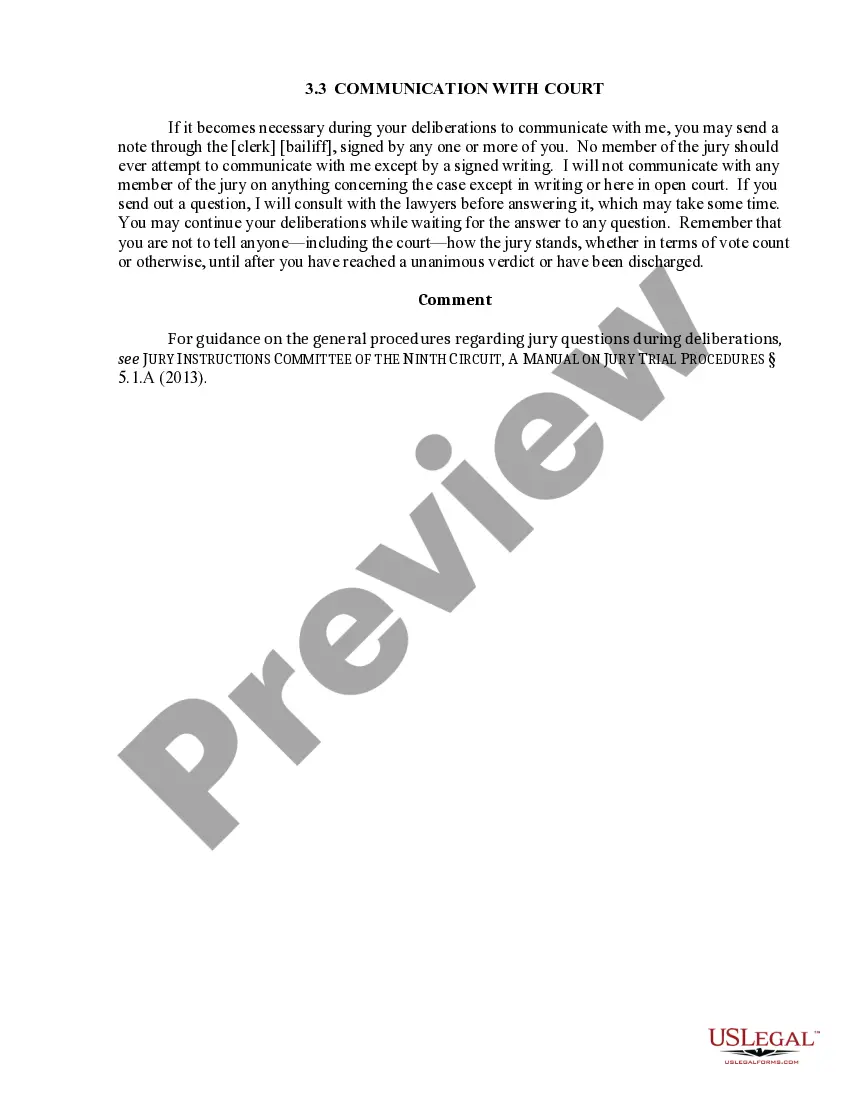
7.6 Communication With Court
Notarization guidance
In most cases, this form does not require notarization. However, some jurisdictions or signing circumstances might. US Legal Forms offers online notarization powered by Notarize, accessible 24/7 for a quick, remote process.
Get your form ready online
Our built-in tools help you complete, sign, share, and store your documents in one place.
Make edits, fill in missing information, and update formatting in US Legal Forms—just like you would in MS Word.
Download a copy, print it, send it by email, or mail it via USPS—whatever works best for your next step.
Sign and collect signatures with our SignNow integration. Send to multiple recipients, set reminders, and more. Go Premium to unlock E-Sign.
If this form requires notarization, complete it online through a secure video call—no need to meet a notary in person or wait for an appointment.
We protect your documents and personal data by following strict security and privacy standards.

Make edits, fill in missing information, and update formatting in US Legal Forms—just like you would in MS Word.

Download a copy, print it, send it by email, or mail it via USPS—whatever works best for your next step.

Sign and collect signatures with our SignNow integration. Send to multiple recipients, set reminders, and more. Go Premium to unlock E-Sign.

If this form requires notarization, complete it online through a secure video call—no need to meet a notary in person or wait for an appointment.

We protect your documents and personal data by following strict security and privacy standards.
Looking for another form?


Form popularity
FAQ
RULE 4-3.7: LAWYER AS WITNESS (b) A lawyer may act as advocate in a trial in which another lawyer in the lawyer's firm is likely to be called as a witness unless precluded from doing so by Rule 4-1.7 or Rule 4-1.9. (Adopted Aug. 7, 1985, eff.
Rule 4.2 2-100 Communication With a Represented Person (a) In representing a client, a lawyer shall not communicate directly or indirectly about the subject of the representation with a person the lawyer knows to be represented by another lawyer in the matter, unless the lawyer has the consent of the other lawyer.
1 A lawyer may practice law only in a jurisdiction in which the lawyer is authorized to practice.
4 Rule 4-8.4(g) identifies the special importance of a lawyer's words or conduct, in representing a client, that manifest bias or prejudice or constitute harassment against others based upon race, sex, gender, gender identity, religion, national origin, ethnicity, disability, age, sexual orientation, or marital
RULE 4-3.7: LAWYER AS WITNESS (b) A lawyer may act as advocate in a trial in which another lawyer in the lawyer's firm is likely to be called as a witness unless precluded from doing so by Rule 4-1.7 or Rule 4-1.9. (Adopted Aug. 7, 1985, eff.
1 Rule 4-7.4 permits a lawyer to indicate areas of practice in communications about the lawyer's services; for example, in a telephone directory or other advertising. If a lawyer practices only in certain fields, or will not accept matters except in such fields, the lawyer is permitted so to indicate.
RULE 4-1.0. A person's belief may be inferred from circumstances. (b) "Confirmed in writing," when used in reference to the informed consent of a person, denotes informed consent that is given in writing by the person or a writing that a lawyer promptly transmits to the person confirming an oral informed consent.
4 Rule 4-3.8(e) is intended to limit the issuance of lawyer subpoenas in grand jury and other criminal proceedings to those situations in which there is a genuine need to intrude into the client-lawyer relationship.