Official English Translation/Interpretation
Understanding this form
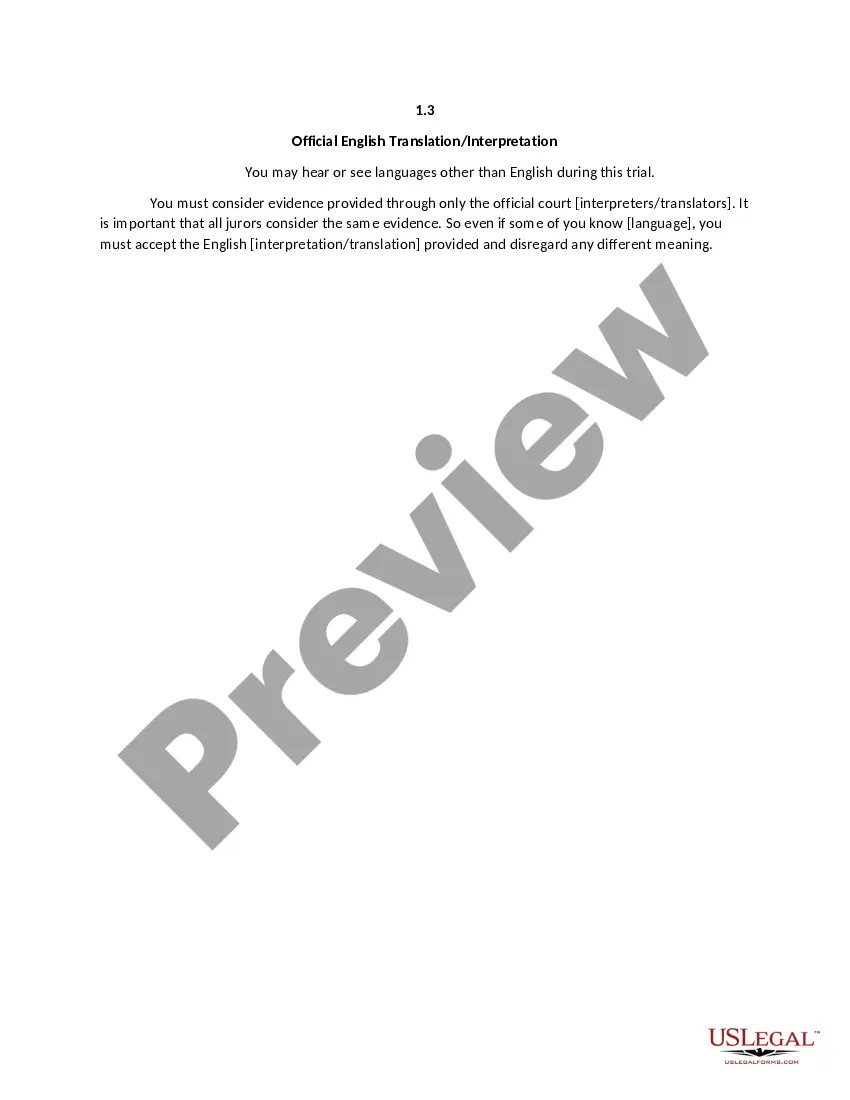
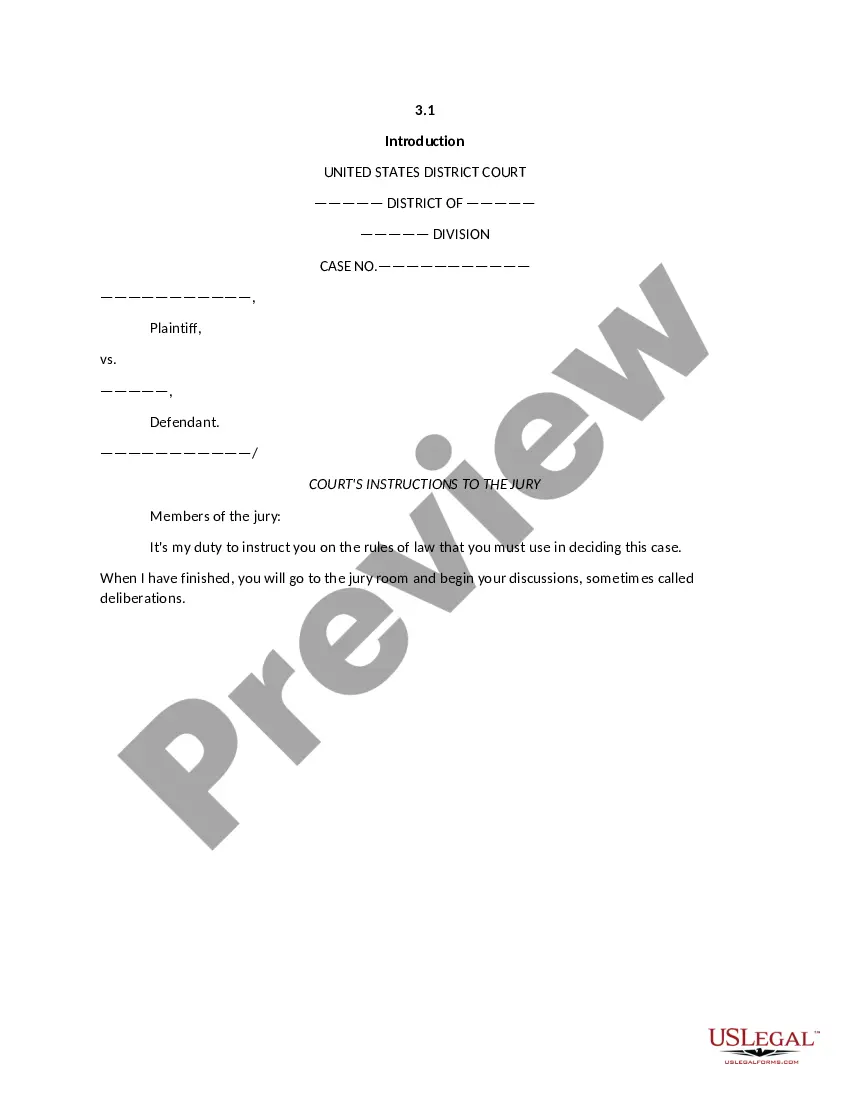
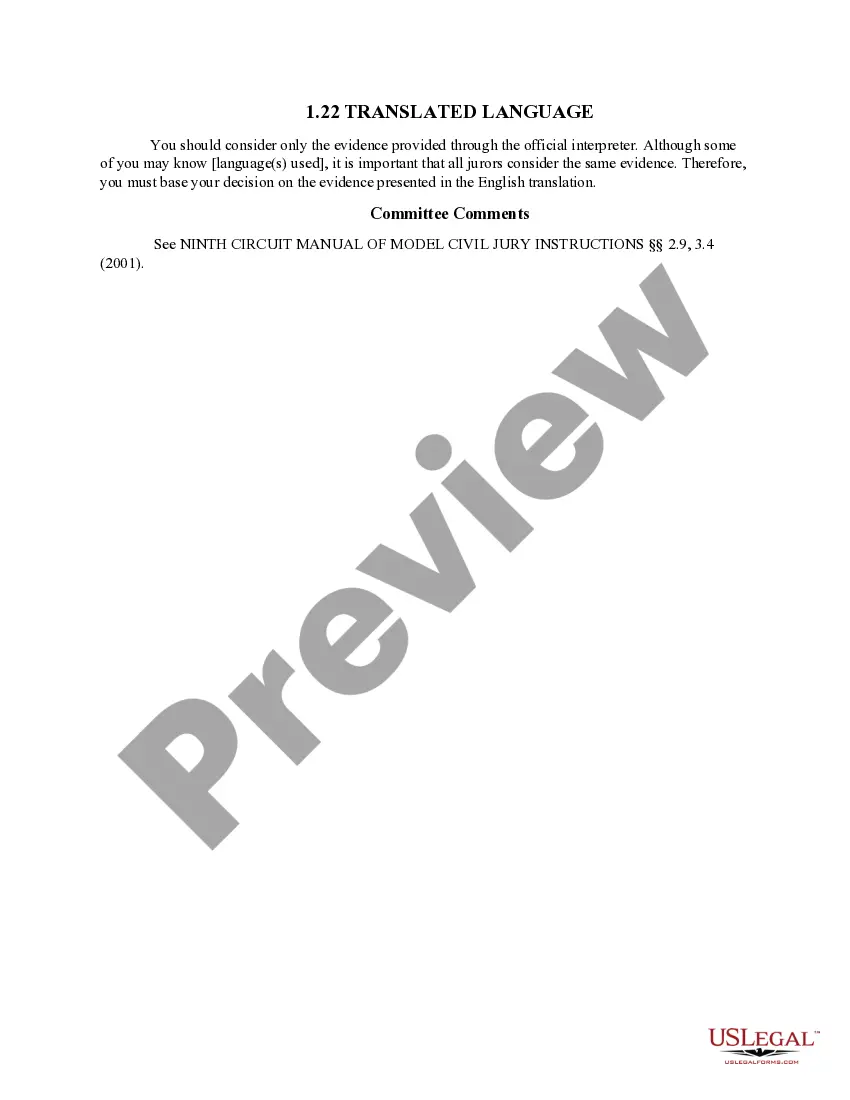
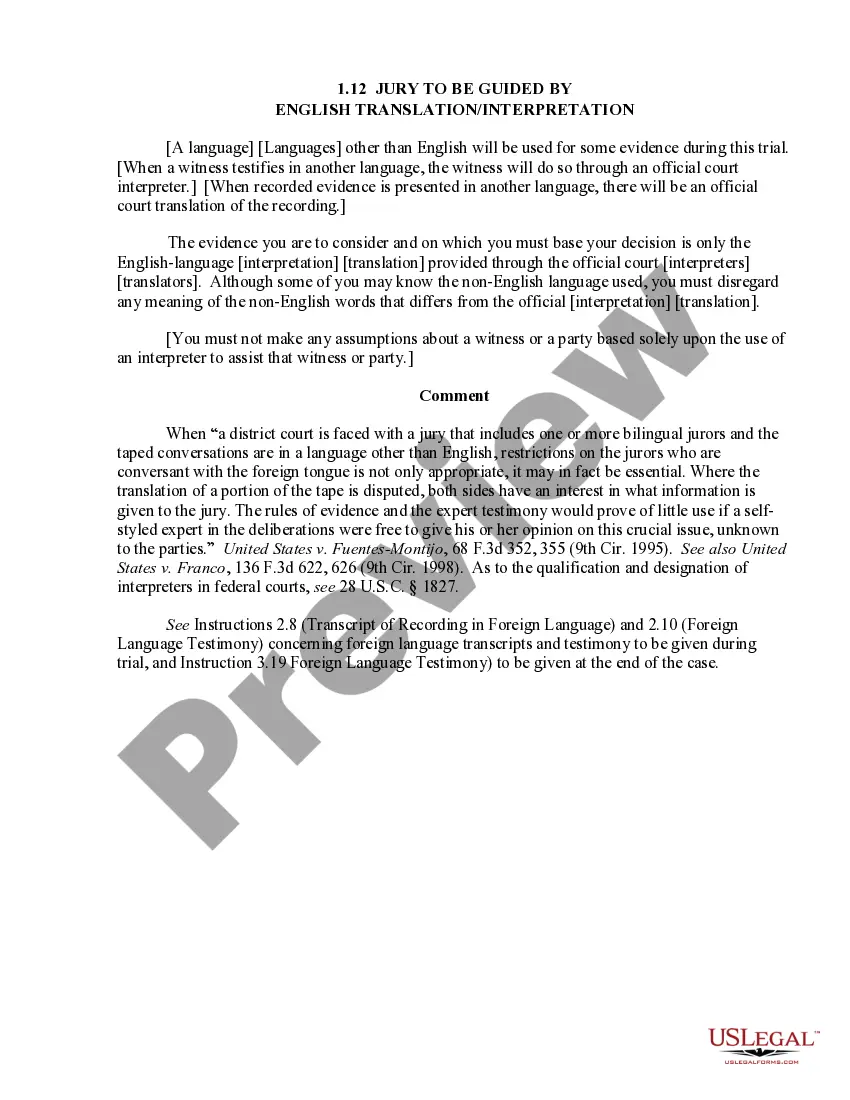
The Official English Translation/Interpretation form ensures that all parties involved in a trial consider the same evidence provided through court-approved interpreters and translators. This form clarifies that jurors must rely solely on the official English translations presented in court, maintaining consistency and fairness in the legal process.
Key components of this form
- Instructions for jurors regarding the use of interpreters.
- Clarification on the necessity to accept the official English translation.
- Section emphasizing the importance of considering only the provided evidence.
When to use this document
This form is essential when a trial involves participants who speak languages other than English. It ensures that all jurors understand and evaluate the evidence consistently, regardless of personal language proficiency.
Who should use this form
- Judges overseeing trials with multilingual participants.
- Jurors who need clarity on how to interpret evidence presented in multiple languages.
- Attorneys representing clients in trials with language interpretation needs.
How to complete this form
- Review the language needs of the trial participants.
- Consult with court-approved interpreters to understand translation protocols.
- Ensure that jurors are informed about following only the official English translations during the trial.
Notarization requirements for this form
This form does not typically require notarization unless specified by local law.
Get your form ready online
Our built-in tools help you complete, sign, share, and store your documents in one place.
Make edits, fill in missing information, and update formatting in US Legal Forms—just like you would in MS Word.
Download a copy, print it, send it by email, or mail it via USPS—whatever works best for your next step.
Sign and collect signatures with our SignNow integration. Send to multiple recipients, set reminders, and more. Go Premium to unlock E-Sign.
If this form requires notarization, complete it online through a secure video call—no need to meet a notary in person or wait for an appointment.
We protect your documents and personal data by following strict security and privacy standards.

Make edits, fill in missing information, and update formatting in US Legal Forms—just like you would in MS Word.

Download a copy, print it, send it by email, or mail it via USPS—whatever works best for your next step.

Sign and collect signatures with our SignNow integration. Send to multiple recipients, set reminders, and more. Go Premium to unlock E-Sign.

If this form requires notarization, complete it online through a secure video call—no need to meet a notary in person or wait for an appointment.

We protect your documents and personal data by following strict security and privacy standards.
Mistakes to watch out for
- Jurors disregarding the official English translation because of personal language knowledge.
- Not consulting with the court's interpreters when language barriers arise.
- Misunderstanding legal terminology due to inconsistent interpretations.
Why use this form online
- Easy access to ensure proper use of official translations during trials.
- Flexible and editable format for specific case requirements.
- Reliable templates drafted by licensed attorneys to simplify legal processes.
Legal use & context
- This form is legally binding and is designed to uphold fair trial standards in multilingual cases.
- It reinforces the principle that all jurors must operate from the same understanding of evidence presented.
Summary of main points
- The Official English Translation/Interpretation form is critical for ensuring consistent understanding in multilingual trials.
- Jurors must rely solely on the official translations to maintain fairness.
- This form applies to cases in various jurisdictions, making it versatile for legal use.
Looking for another form?
Form popularity
FAQ
A certified translation is one which fulfills the requirements in the country in question, enabling it to be used in formal procedures, with the translator accepting responsibility for its accuracy. These requirements vary widely from country to country.
5 Steps for Translating Official Documents Determine what documents you need translated.Locate and prepare your official documents for translation.Find a translator for your documents and obtain a quote.Confirm the price, delivery date, and payment method with your translator.
What is an Official Translation? An official translation is the translation of a document, such as a birth certificate or academic transcript, with an accompanying certification or sworn statement from an authorised translator or agency.
A certified translation can be provided by any professional translator. The translator must sign a document assuring that the translation is an accurate replica of the original document, and the translation is certified. A notarized translation requires a notary public to witness the certification process.
An 'official' translation is generally defined as a translation that has been stamped by an authority. 'Official' requirements vary from country to country, depending on that country's particular legal system. Each country will also have its own system for appointing and regulating official translators.
A step up from official translation, certified translation is also carried out by professional translators, but the translation is then certified. This means the translations are bound together in a pack, and stamped just like an official translation, but with the addition of a certification letter.