Assignment of Cause of Action Pending Litigation
What is this form?
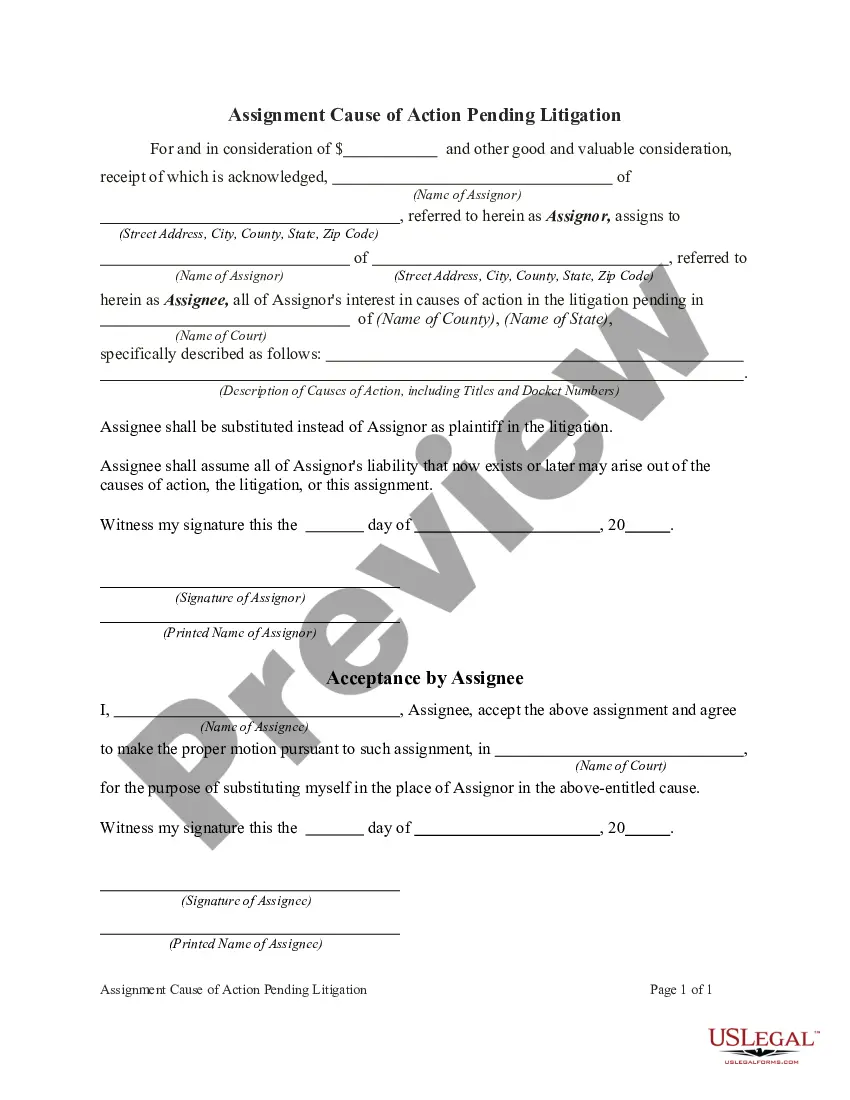
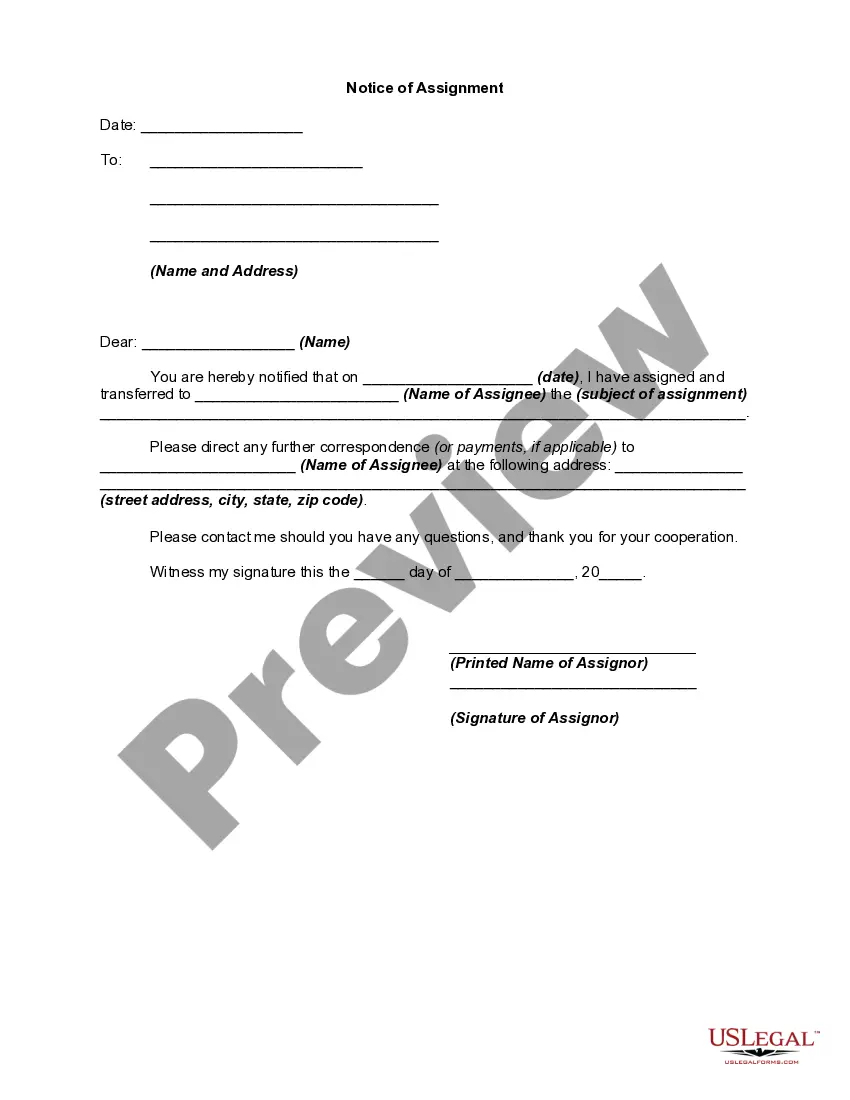
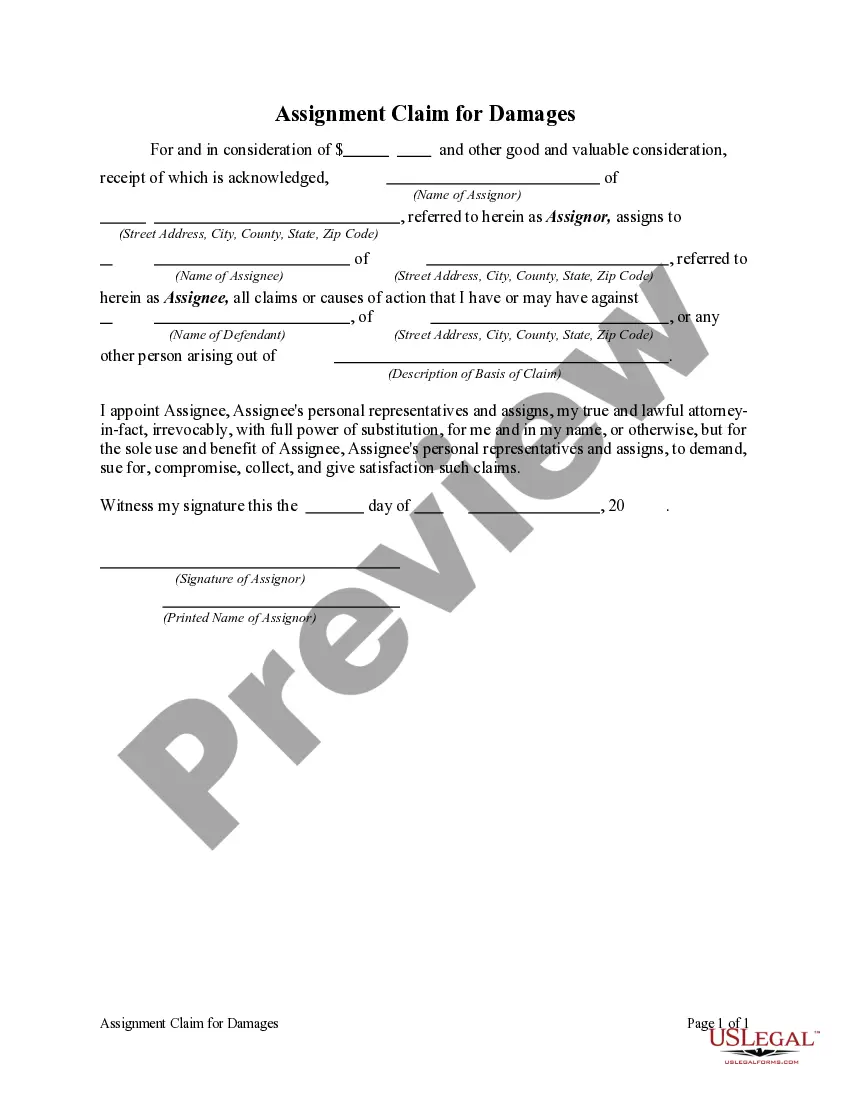
The Assignment of Cause of Action Pending Litigation is a legal document used to transfer an existing cause of action from one party (the Assignor) to another (the Assignee) while litigation is ongoing. This form allows the Assignee to step into the shoes of the Assignor, thus assuming all associated liabilities. It is important to note that this form is distinct from other assignment forms, as it specifically caters to the context of pending litigation.
What’s included in this form
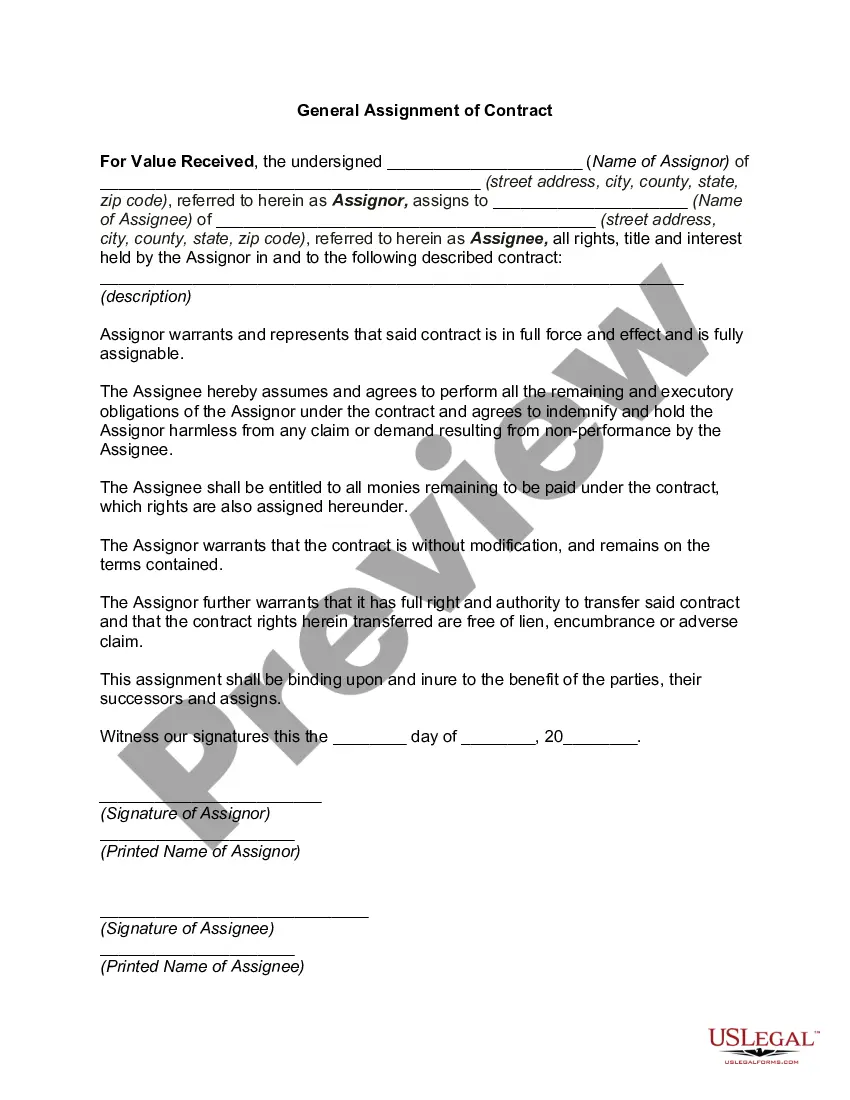
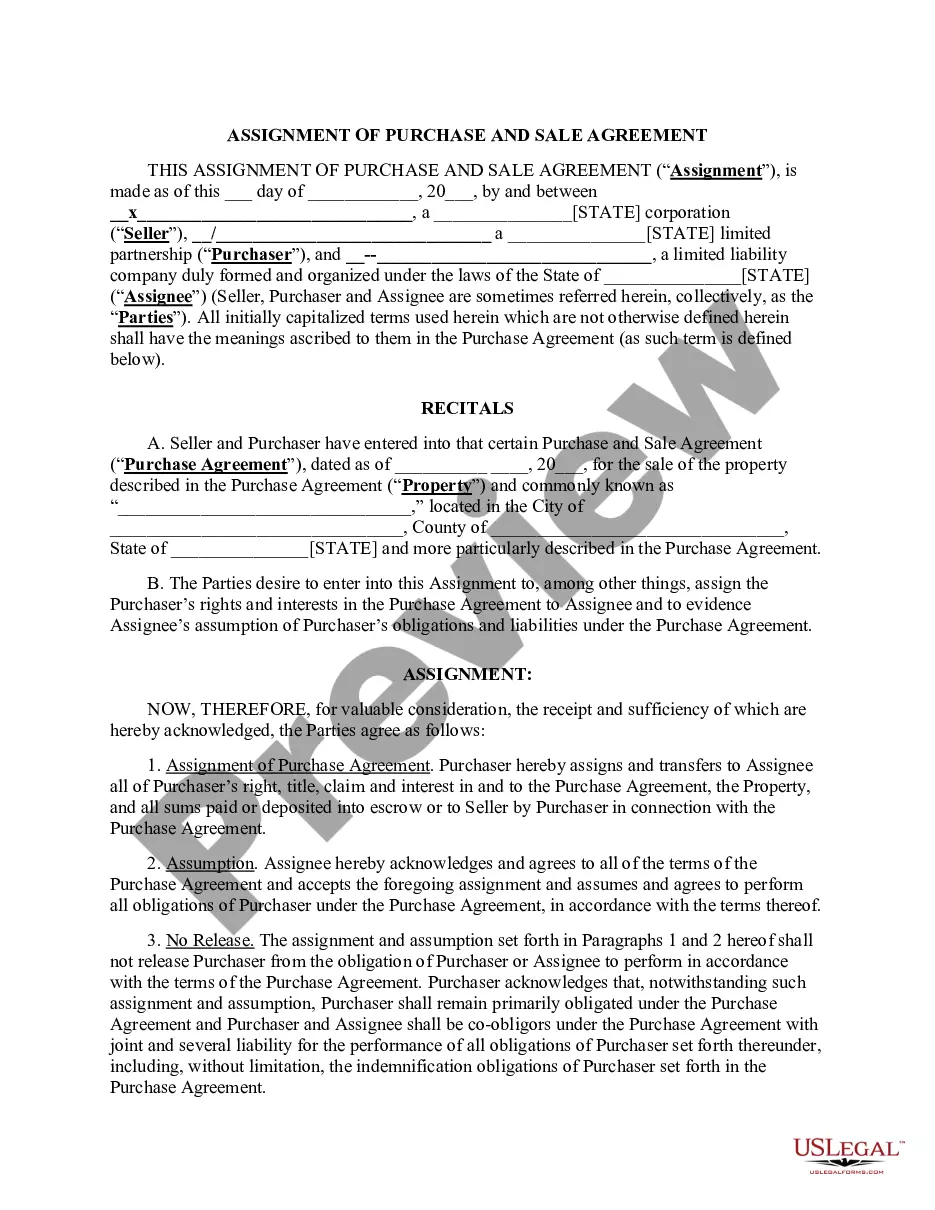
- Identification of the Assignor and Assignee: Clearly state the parties involved in the assignment.
- Substitution clause: Confirm the Assignee's status as the new plaintiff in the ongoing litigation.
- Liabilities assumption: Clarify that the Assignee takes on all liabilities related to the causes of action.
- Date of assignment: Specify the effective date of the assignment.
- Signature lines: Provide spaces for the Assignor and Assignee to sign and date the form.
Common use cases
This form should be used when a party involved in pending litigation wishes to assign their right to sue to another party. Common situations may include business partnerships selling their interests, an individual needing to transfer their legal claim due to financial reasons, or a party consolidating claims under a new entity. Utilizing this form ensures a clear legal transfer of rights and responsibilities.
Who can use this document
- Individuals involved in litigation who need to transfer their causes of action.
- Parties engaged in settlement negotiations where a claim needs to be assigned.
- Businesses that are restructuring and require the transfer of ongoing legal actions.
- Attorneys representing clients in situations where assignments of litigation claims are necessary.
Completing this form step by step
- Identify the parties: Enter the names and addresses of both the Assignor and Assignee.
- Specify the cause of action: Clearly describe the nature of the claim being assigned.
- Enter the effective date: Fill in the date when the assignment becomes effective.
- Sign and date: Both parties must sign and date the form to validate the assignment.
- Keep copies: Ensure both parties retain a copy of the completed form for their records.
Notarization guidance
Notarization is generally not required for this form. However, certain states or situations might demand it. You can complete notarization online through US Legal Forms, powered by Notarize, using a verified video call available anytime.
Get your form ready online
Our built-in tools help you complete, sign, share, and store your documents in one place.
Make edits, fill in missing information, and update formatting in US Legal Forms—just like you would in MS Word.
Download a copy, print it, send it by email, or mail it via USPS—whatever works best for your next step.
Sign and collect signatures with our SignNow integration. Send to multiple recipients, set reminders, and more. Go Premium to unlock E-Sign.
If this form requires notarization, complete it online through a secure video call—no need to meet a notary in person or wait for an appointment.
We protect your documents and personal data by following strict security and privacy standards.

Make edits, fill in missing information, and update formatting in US Legal Forms—just like you would in MS Word.

Download a copy, print it, send it by email, or mail it via USPS—whatever works best for your next step.

Sign and collect signatures with our SignNow integration. Send to multiple recipients, set reminders, and more. Go Premium to unlock E-Sign.

If this form requires notarization, complete it online through a secure video call—no need to meet a notary in person or wait for an appointment.

We protect your documents and personal data by following strict security and privacy standards.
Mistakes to watch out for
- Failing to accurately identify the parties involved in the assignment.
- Not specifying the exact cause of action being assigned.
- Skipping the signature of one or both parties on the form.
- Not including the effective date, leading to ambiguity about when the assignment takes effect.
Advantages of online completion
- Convenience: Access and download the form from anywhere at any time.
- Editability: Easily fill in the required information and make adjustments as needed.
- Reliability: Use forms drafted by licensed attorneys to ensure legal soundness.
Looking for another form?


Form popularity
FAQ
The Assignment of Cause of Action Pending Litigation form transfers a currently active claim from the Assignor to the Assignee during ongoing litigation. It substitutes the Assignee as the plaintiff and commits the Assignee to liabilities related to the action. The form includes identification of the parties, a substitution clause, the liabilities assumption, date, and signatures.
During pending litigation, you may use this form to transfer the right to sue from the Assignor to the Assignee. It is suited for restructuring, settlement negotiations, or business transfers involving ongoing actions. The document requires identification of both parties, a substitution clause, the liabilities assumption, the effective date, and signatures.
The form specifies a liabilities assumption by the Assignee, meaning the Assignee takes on liabilities related to the causes of action. It substitutes the Assignee as the plaintiff in ongoing litigation. Whether the Assignor remains liable beyond this text depends on the underlying agreement and should be reviewed with counsel.
Causes of action include breaches of contract, negligence, fraud, or other claims that may arise in business disputes. This form is used to transfer the right to pursue such actions while litigation is pending. The document does not define the legal elements; it transfers the right to sue and the related liabilities, including party IDs, date, and signatures.
This form does not teach pleading; it is used to transfer the right to sue in pending litigation and does not provide instructions for stating a cause of action. For proper pleading, consult standard guidelines or a licensed attorney. The form focuses on identification, substitution, liabilities, date, and signatures.
This form is tailored to pending litigation, featuring a substitution clause that replaces the plaintiff and a clear liabilities assumption by the Assignee. A standard, non-pending assignment may not involve ongoing litigation or a formal substitution of parties, making this form specifically suited for transferring rights within active lawsuits.