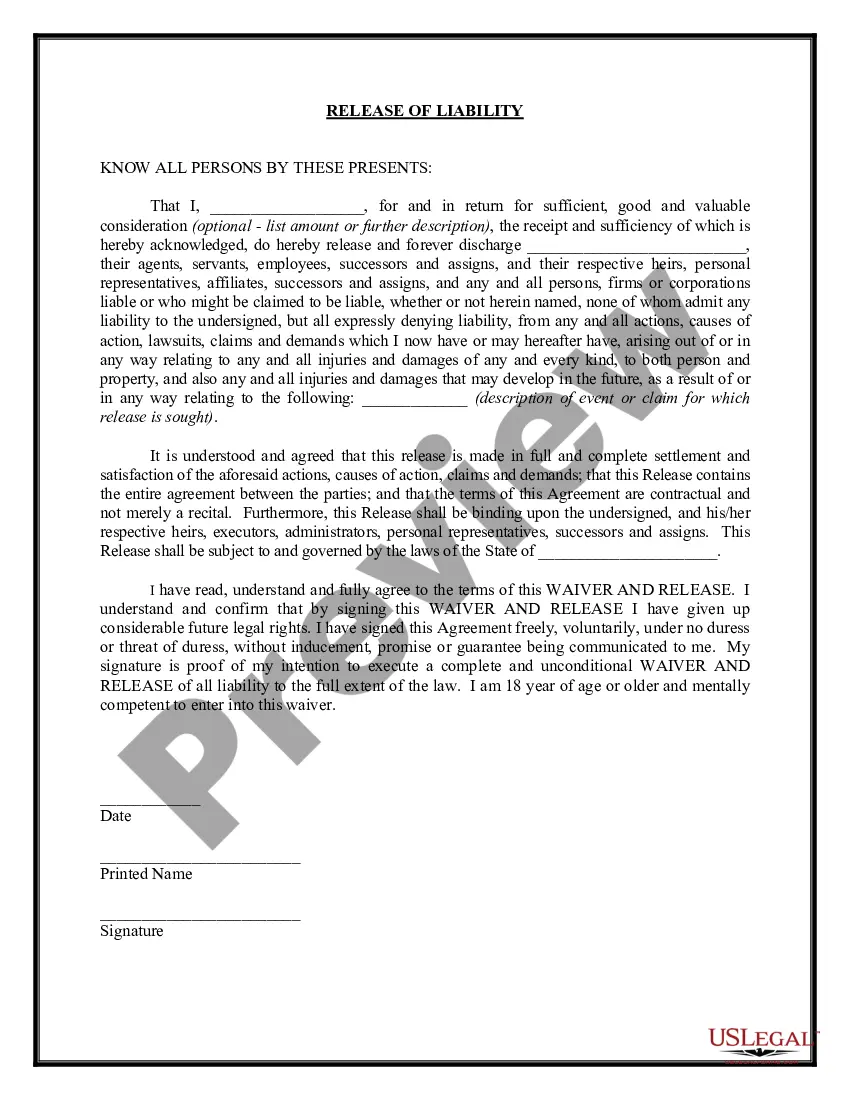
Texas Liability Waiver for Homeowner
Description
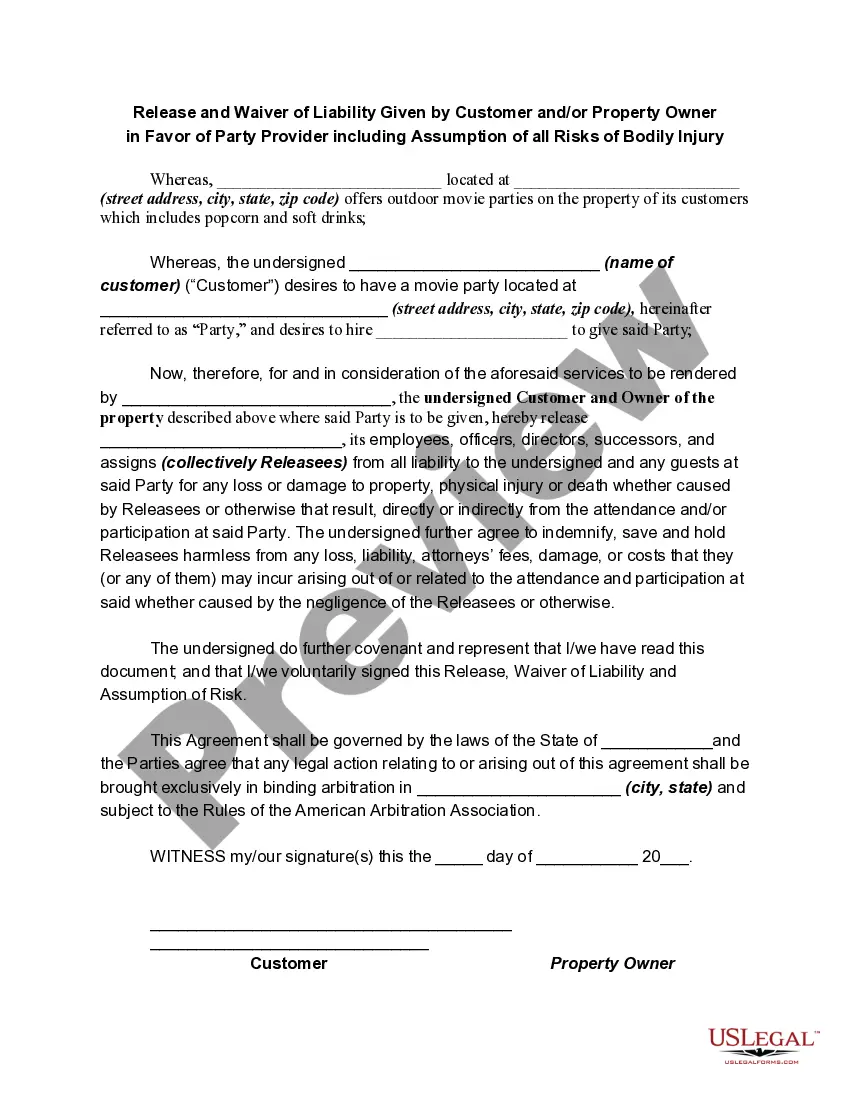
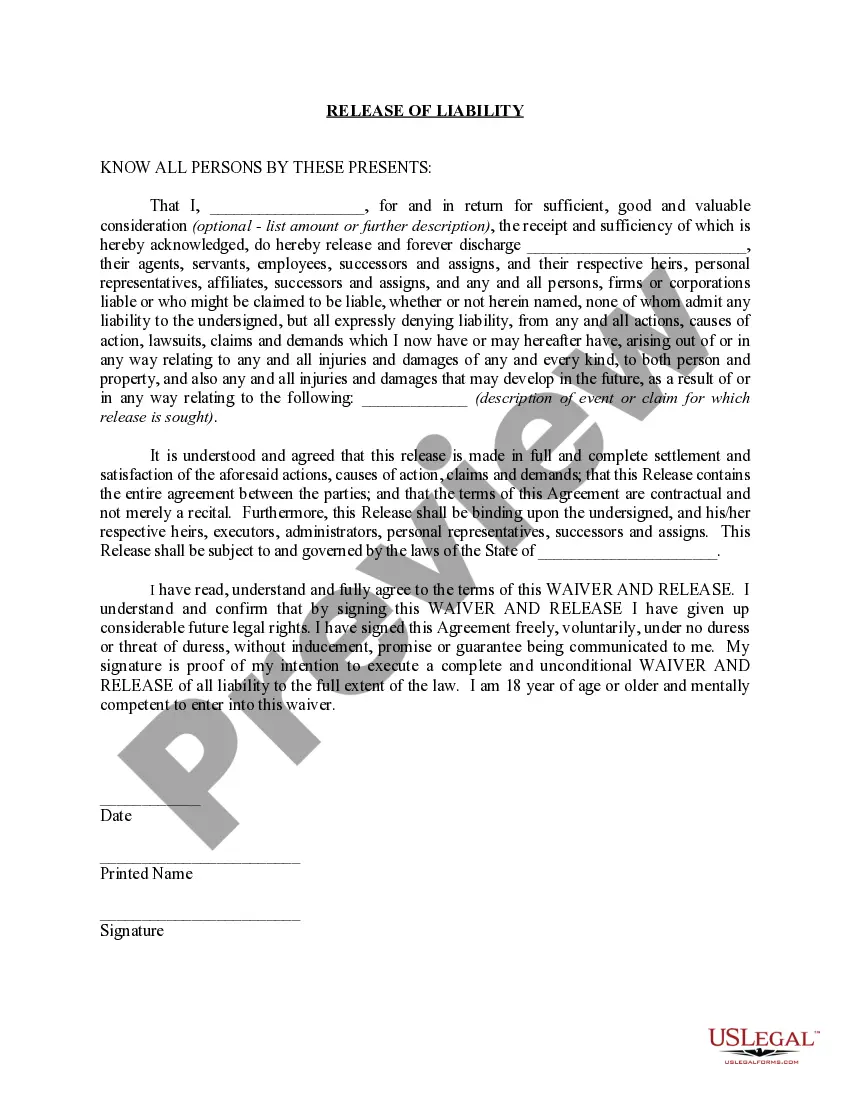
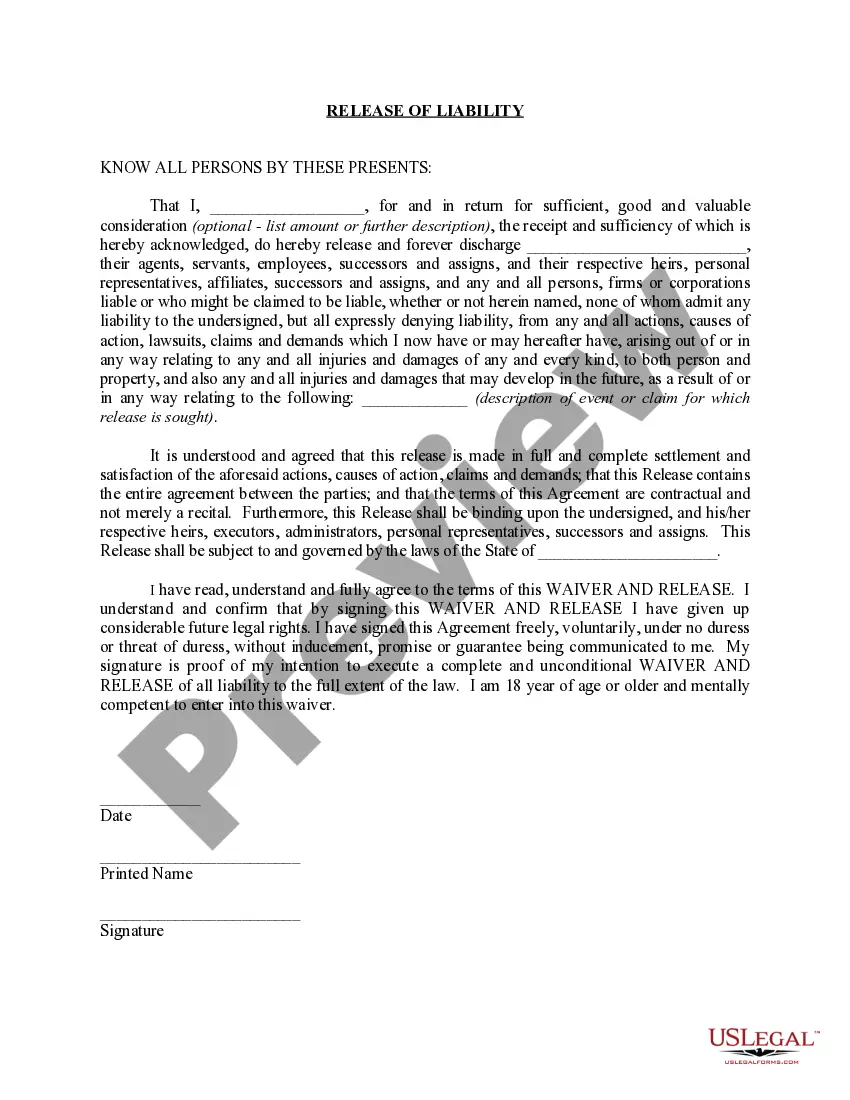
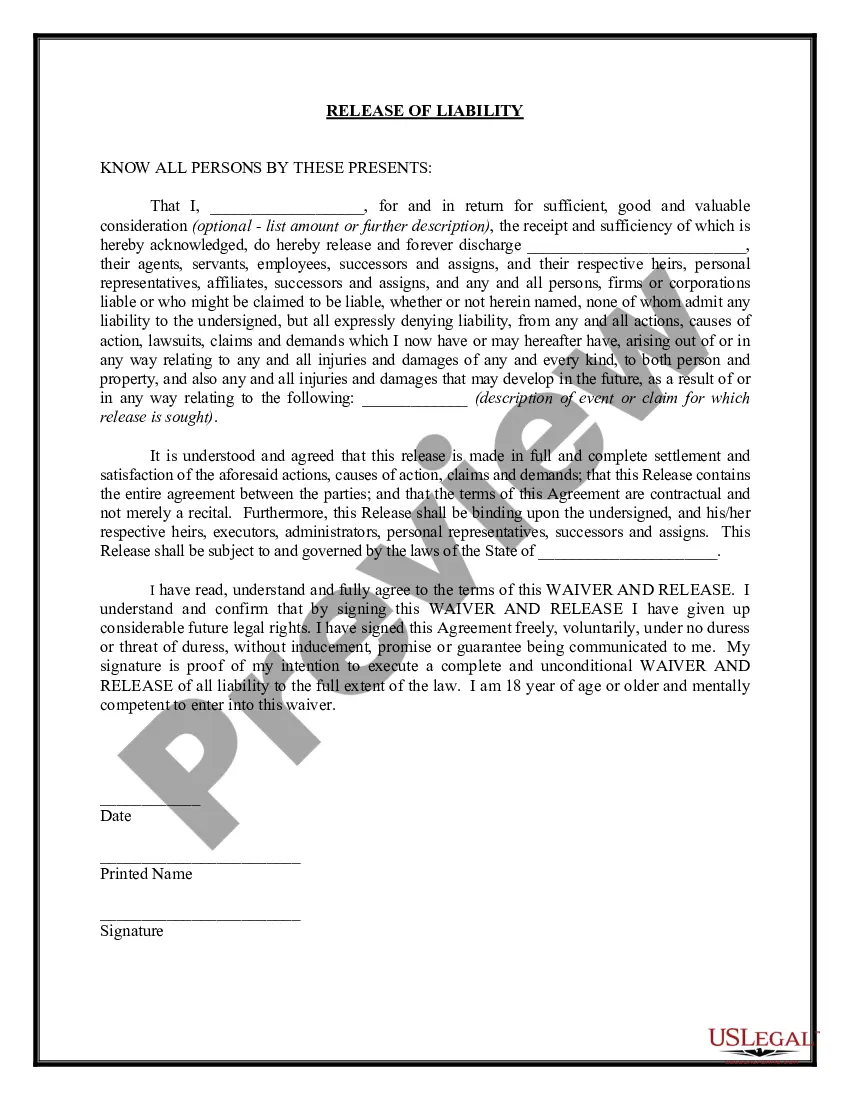
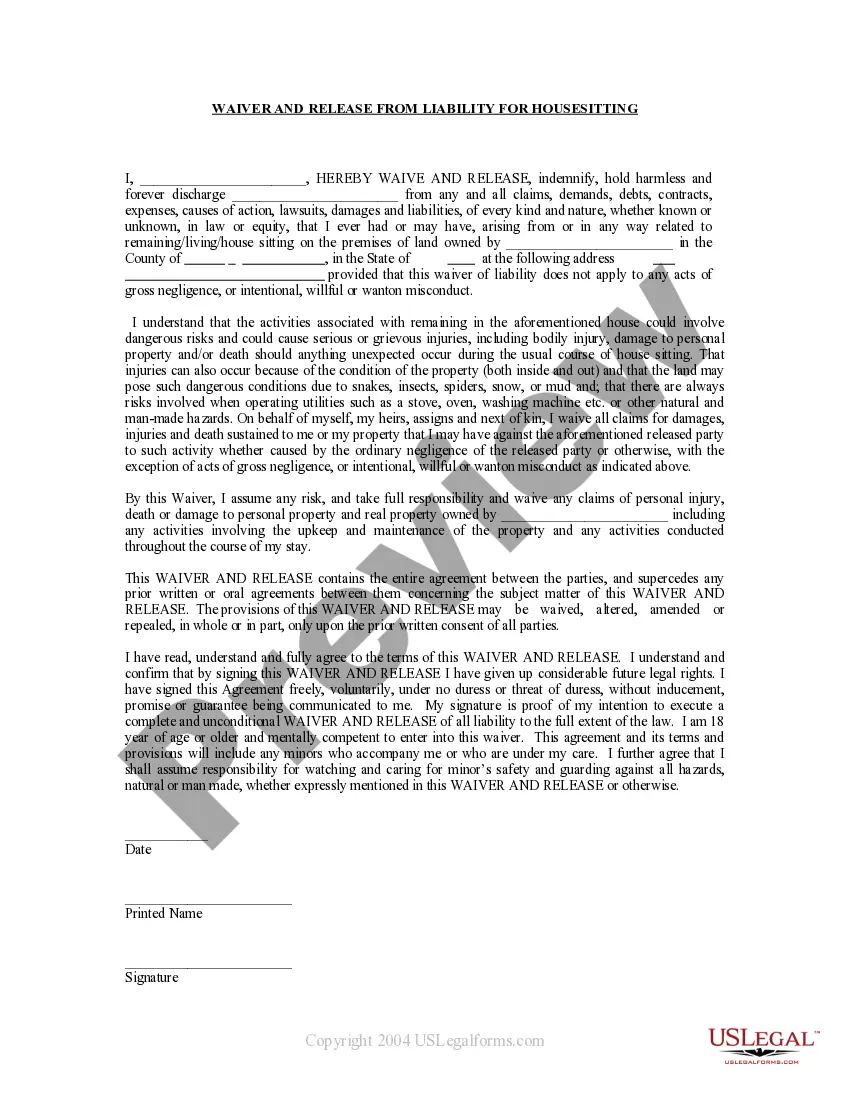
Get your form ready online
Our built-in tools help you complete, sign, share, and store your documents in one place.
Make edits, fill in missing information, and update formatting in US Legal Forms—just like you would in MS Word.
Download a copy, print it, send it by email, or mail it via USPS—whatever works best for your next step.
Sign and collect signatures with our SignNow integration. Send to multiple recipients, set reminders, and more. Go Premium to unlock E-Sign.
If this form requires notarization, complete it online through a secure video call—no need to meet a notary in person or wait for an appointment.
We protect your documents and personal data by following strict security and privacy standards.

Make edits, fill in missing information, and update formatting in US Legal Forms—just like you would in MS Word.

Download a copy, print it, send it by email, or mail it via USPS—whatever works best for your next step.

Sign and collect signatures with our SignNow integration. Send to multiple recipients, set reminders, and more. Go Premium to unlock E-Sign.

If this form requires notarization, complete it online through a secure video call—no need to meet a notary in person or wait for an appointment.

We protect your documents and personal data by following strict security and privacy standards.
Looking for another form?
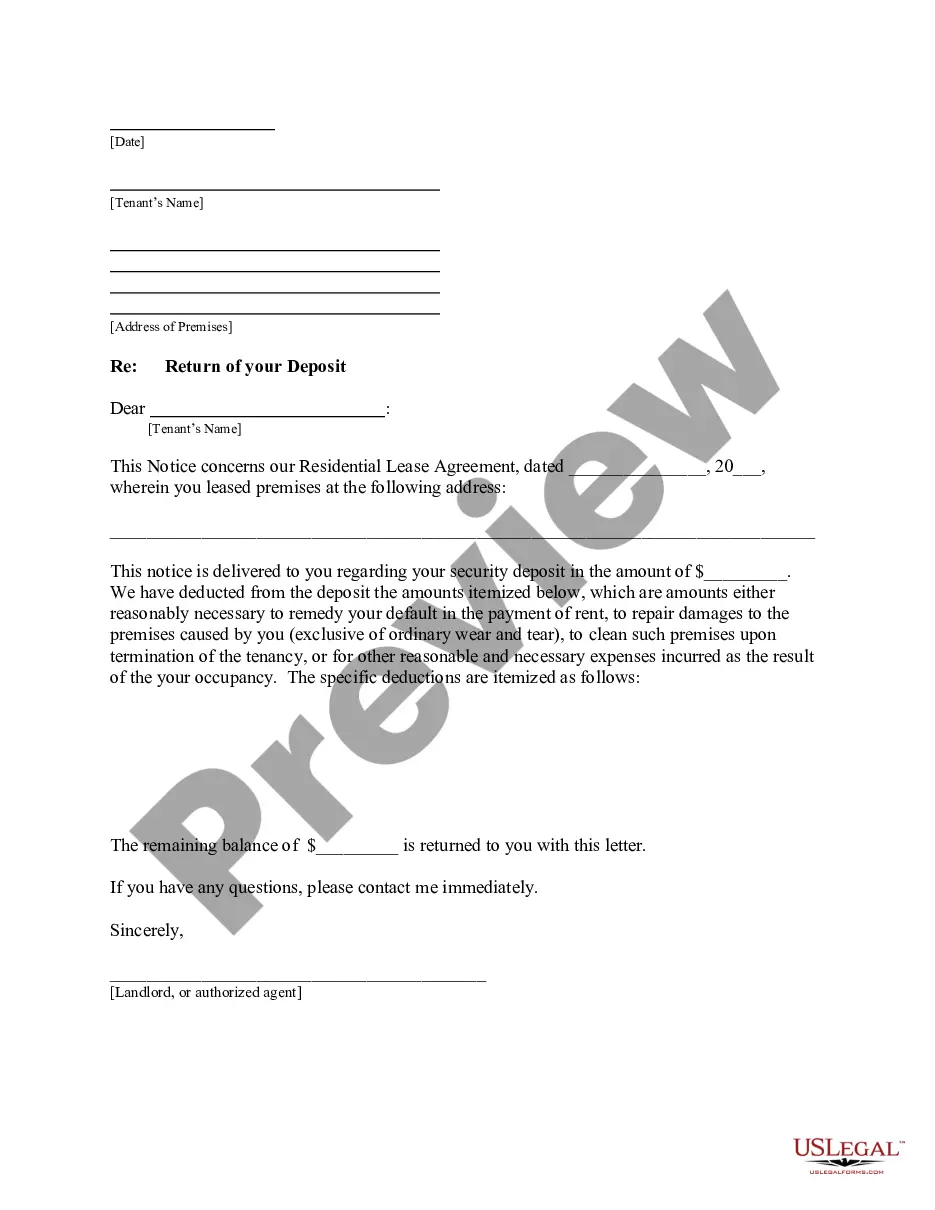
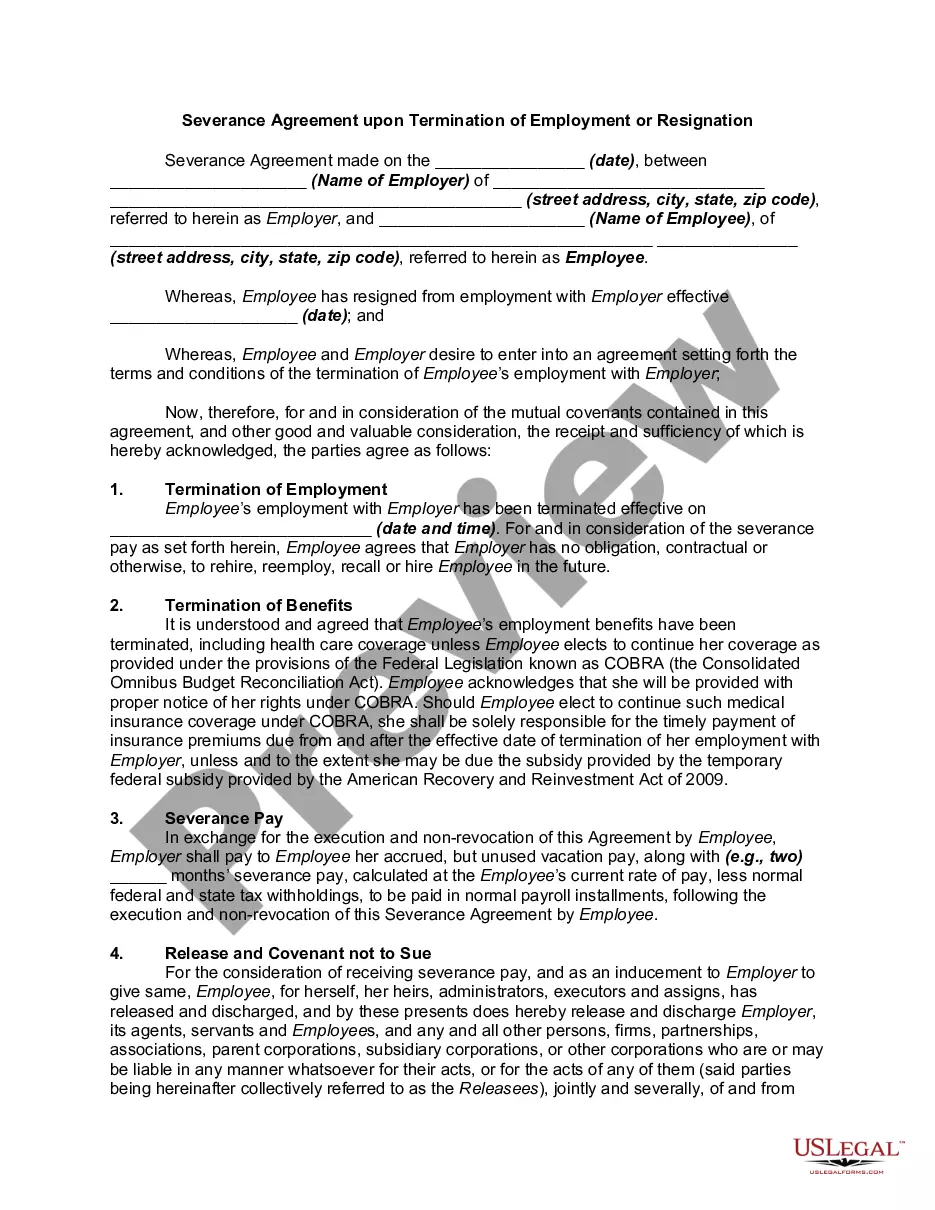
How to fill out Liability Waiver For Homeowner?
It is feasible to spend hours online searching for the legal document template that meets the requirements of state and federal regulations you require.
US Legal Forms provides thousands of legal forms that have been evaluated by experts.
You can download or print the Texas Liability Waiver for Homeowner from their service.
If available, use the Review button to check the document template as well.
- If you already have a US Legal Forms account, you can Log In and click on the Obtain button.
- Then, you can complete, modify, print, or sign the Texas Liability Waiver for Homeowner.
- Each legal document template you purchase is yours indefinitely.
- To acquire an additional copy of a purchased form, visit the My documents tab and click on the corresponding button.
- If you are using the US Legal Forms website for the first time, follow the simple instructions below.
- First, ensure that you've selected the correct document template for the state/city you've chosen.
- Check the form details to confirm you've picked the right document.
Form popularity
FAQ
Texas does not mandate a release of liability for every situation, but many homeowners choose to use a liability waiver to protect themselves from potential lawsuits. A well-crafted Texas Liability Waiver for Homeowner can provide peace of mind by clearly outlining the risks and responsibilities involved. Utilizing platforms like uslegalforms can aid homeowners in generating effective waivers that comply with Texas law.
Yes, liability waivers can be enforceable in Texas, but they must meet specific legal requirements. A properly executed Texas Liability Waiver for Homeowner should clearly outline the risks involved and be signed by the participant without coercion. Understanding these requirements can help ensure that the waiver you are using holds up in a legal setting.
Waivers do not always hold up in court, especially if they are poorly drafted or lack clarity. The legality of a Texas Liability Waiver for Homeowner can be challenged on various grounds, including inadequate risk disclosure or violation of public policy. To improve enforceability, consider consulting legal professionals when creating or evaluating a waiver.
In general, waivers are legally binding if they meet certain criteria established by law. A Texas Liability Waiver for Homeowner must be clear, specific, and voluntarily signed to be enforceable. However, a waiver can be challenged in court, so it’s important to ensure that the document complies with state laws and reflects the intent of both parties.
Liability waivers may have limitations, including their inability to protect homeowners from gross negligence or willful misconduct. Often, a Texas Liability Waiver for Homeowner may not cover all types of injuries, particularly if they arise from unsafe conditions that the homeowner failed to address. It's crucial to be aware of these limitations when drafting or signing a waiver.
The effectiveness of liability waivers in court largely depends on how they are drafted and the specific circumstances surrounding the case. A well-constructed Texas Liability Waiver for Homeowner typically stands a better chance in court, especially if it meets all legal requirements and clearly outlines the risks involved. However, each situation is unique, so consultation with a legal expert is advisable.
Waivers often provide some level of protection against lawsuits, but they do not guarantee immunity. A well-crafted Texas Liability Waiver for Homeowner may shield you from legal action; however, courts can still hold you liable if negligence is evident or if the waiver does not adequately cover certain scenarios. It's essential to understand that while waivers can reduce risk, they do not eliminate it entirely.
A liability waiver can become invalid for several reasons, such as if it does not clearly state the risks involved or if the signatory did not understand what they were signing. Additionally, if the waiver contains ambiguous language or is deemed to violate public policy, it may be thrown out in court. The Texas Liability Waiver for Homeowner should be straightforward, clear, and properly executed to be enforceable.
An example of a liability statement might be: 'I acknowledge that participation in this event involves certain risks and I voluntarily assume all such risks.' This kind of statement reinforces that the participant understands the potential dangers. Including a strong liability statement in your Texas Liability Waiver for Homeowner can minimize legal exposure.
To fill out a liability waiver, start by including your name and contact information, followed by a detailed description of the activity. Next, list any inherent risks involved and have participants sign and date the document. A well-structured Texas Liability Waiver for Homeowner will guide you through key steps to ensure all necessary information is captured.