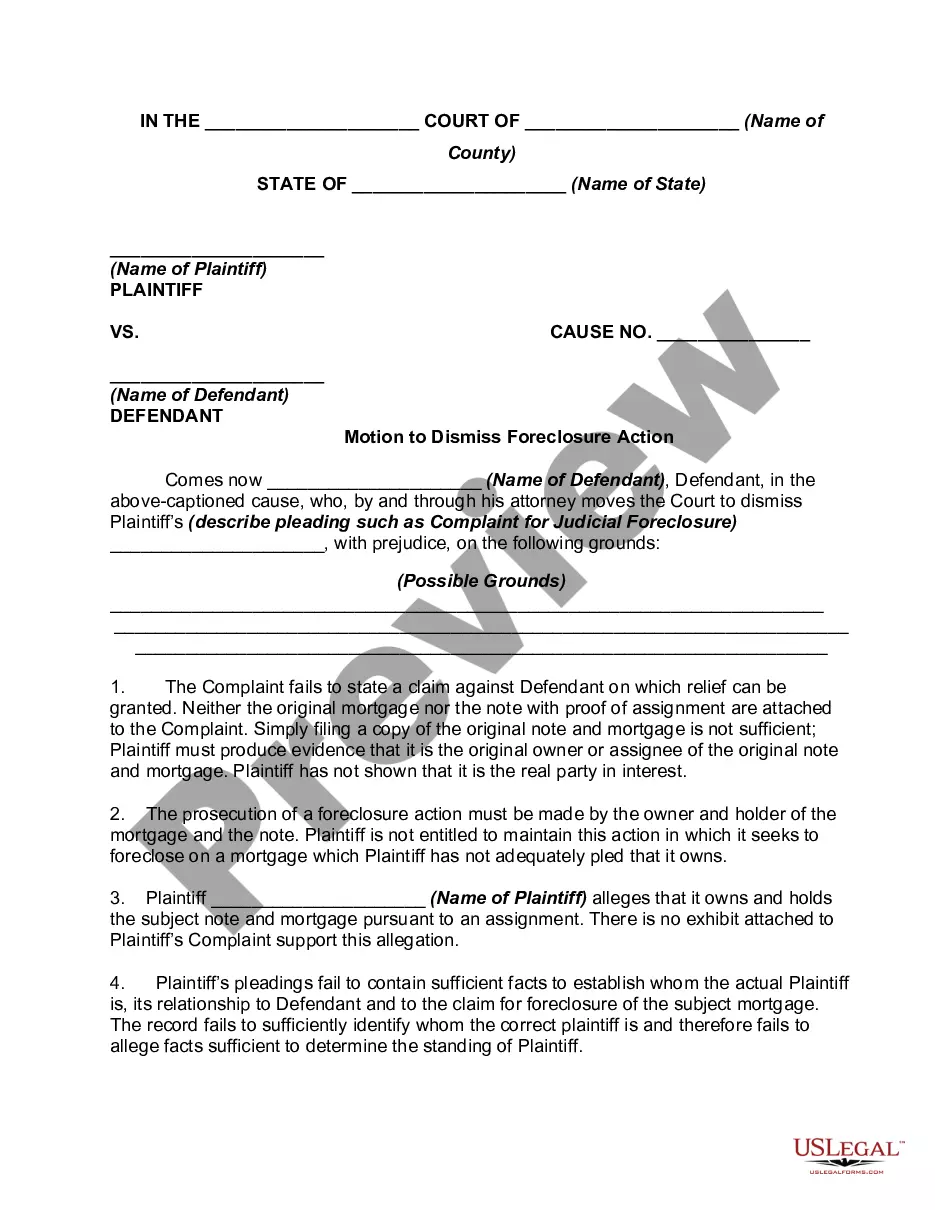
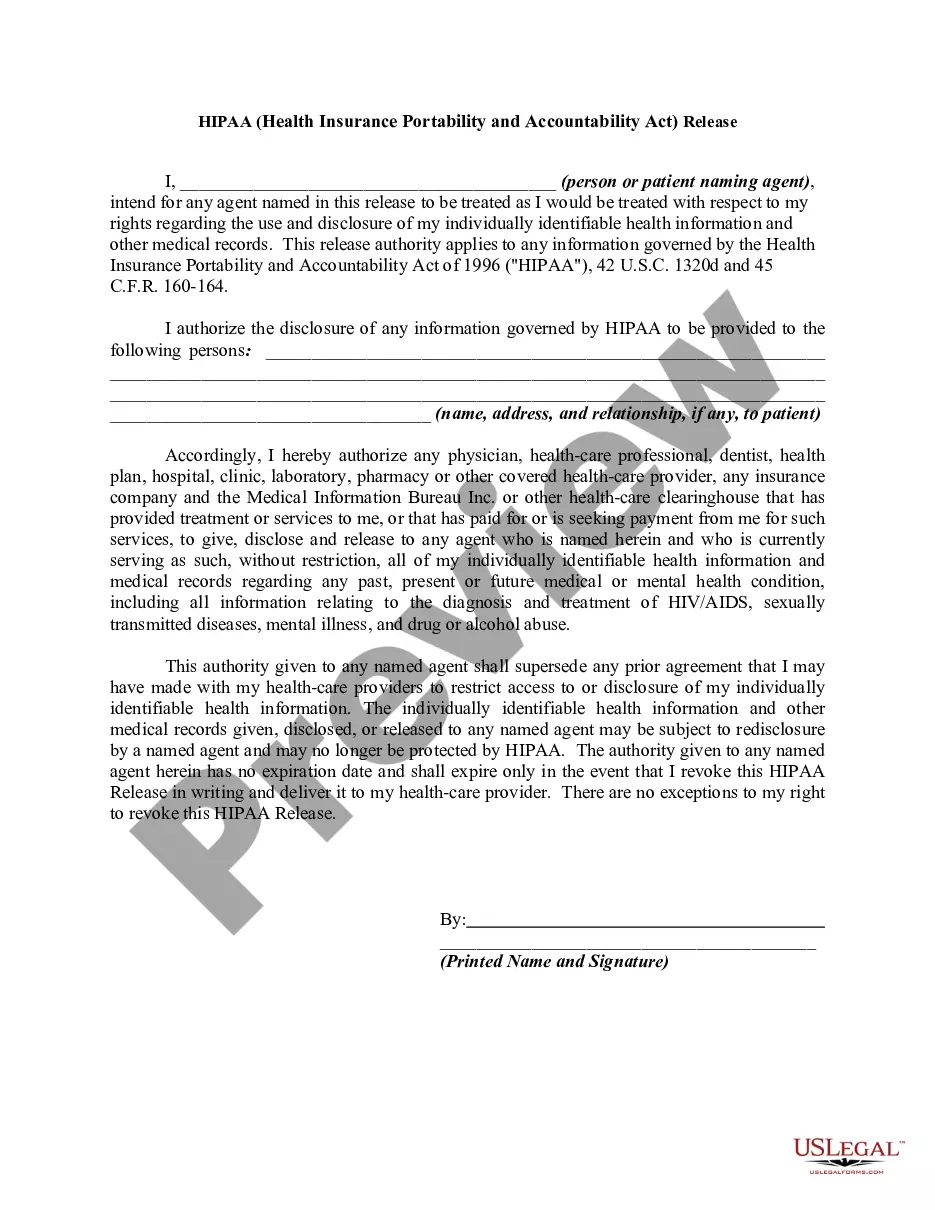
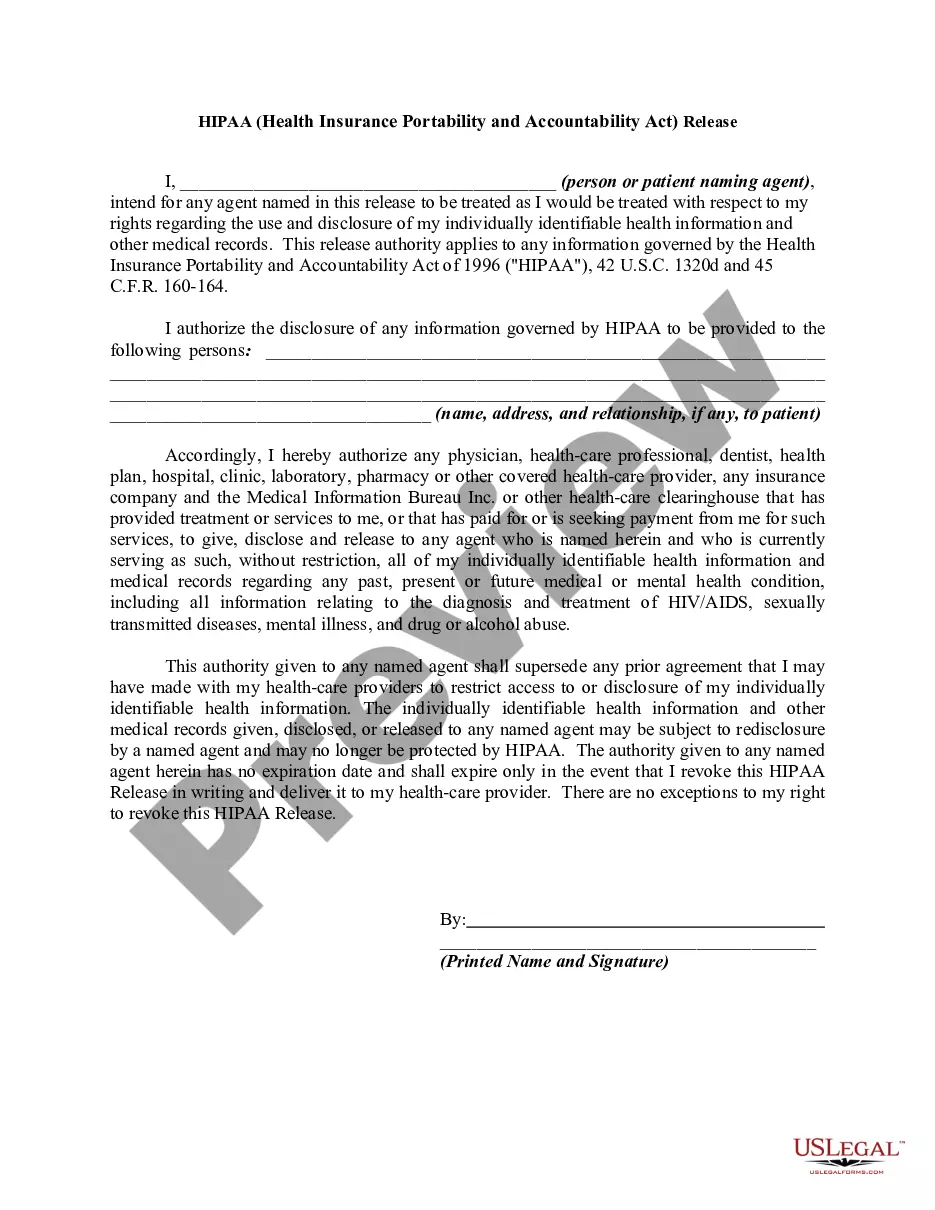
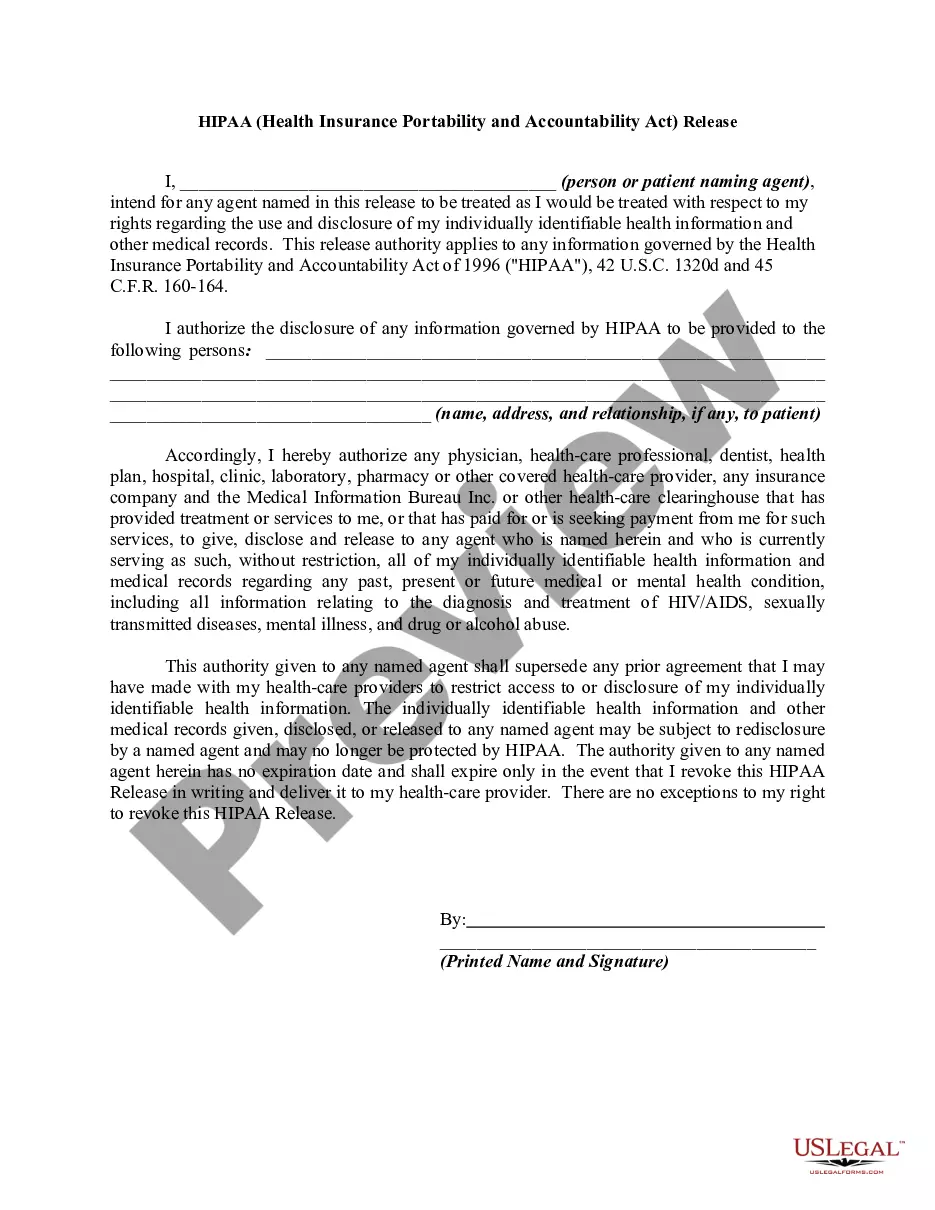
Texas Hippa Release Form for Medical Records
Description
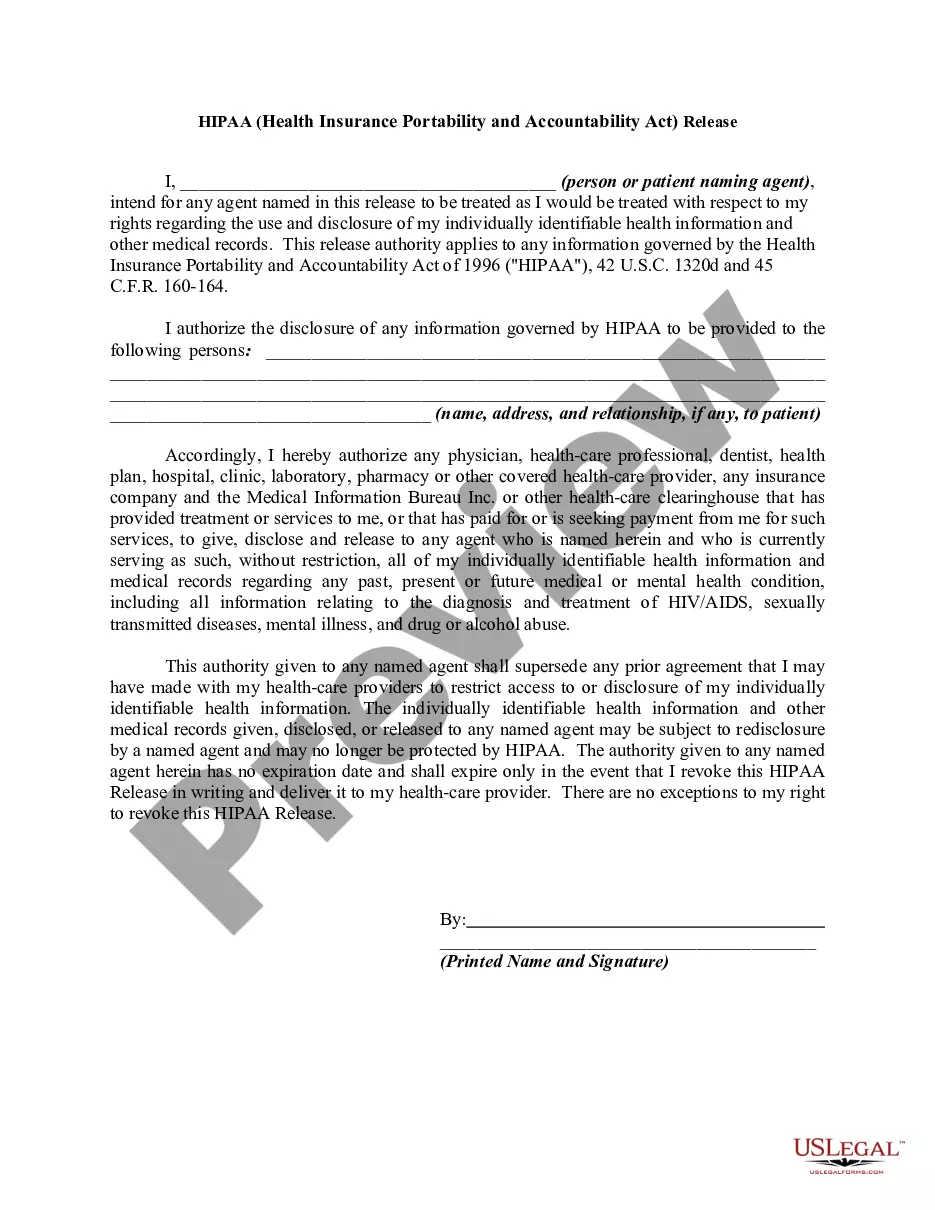
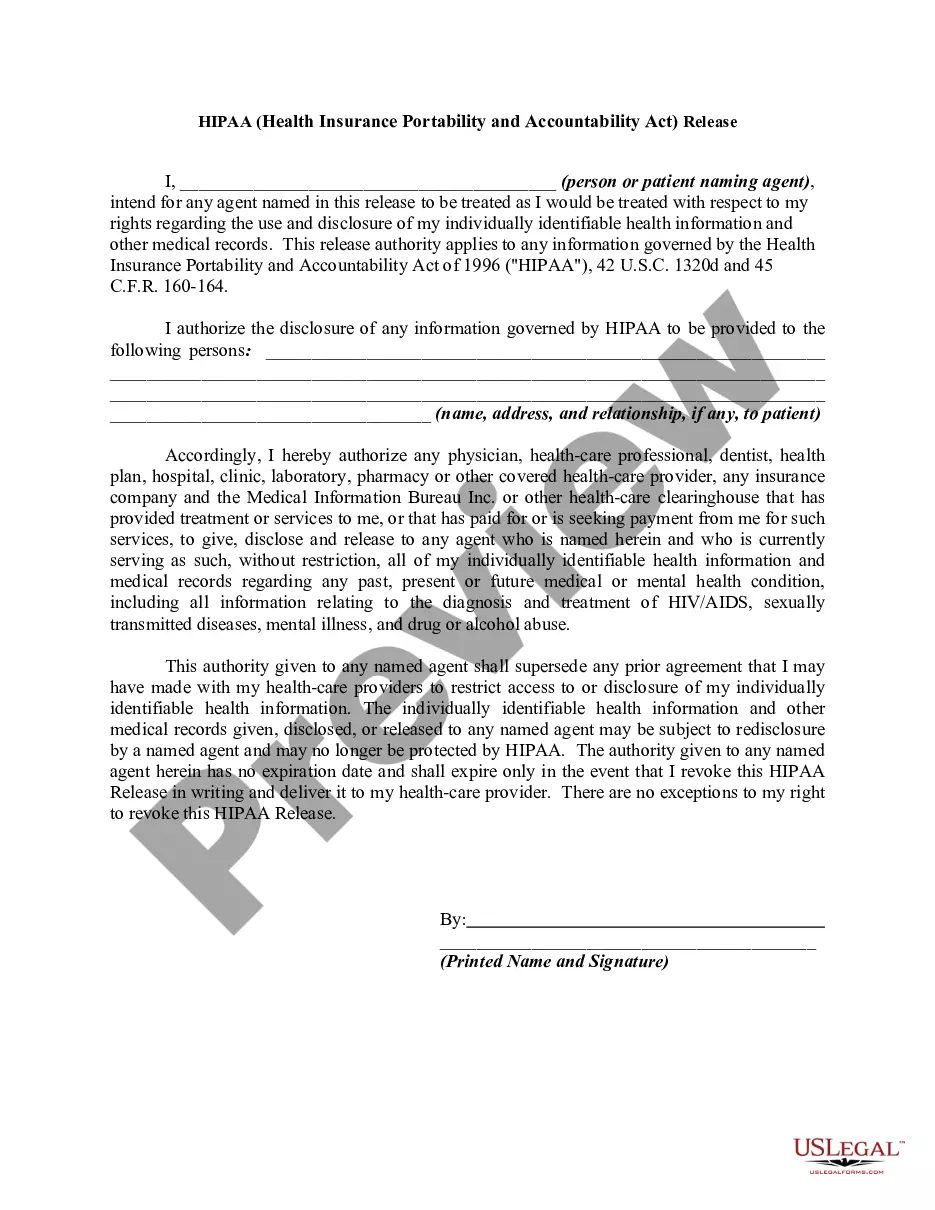
Get your form ready online
Our built-in tools help you complete, sign, share, and store your documents in one place.
Make edits, fill in missing information, and update formatting in US Legal Forms—just like you would in MS Word.
Download a copy, print it, send it by email, or mail it via USPS—whatever works best for your next step.
Sign and collect signatures with our SignNow integration. Send to multiple recipients, set reminders, and more. Go Premium to unlock E-Sign.
If this form requires notarization, complete it online through a secure video call—no need to meet a notary in person or wait for an appointment.
We protect your documents and personal data by following strict security and privacy standards.

Make edits, fill in missing information, and update formatting in US Legal Forms—just like you would in MS Word.

Download a copy, print it, send it by email, or mail it via USPS—whatever works best for your next step.

Sign and collect signatures with our SignNow integration. Send to multiple recipients, set reminders, and more. Go Premium to unlock E-Sign.

If this form requires notarization, complete it online through a secure video call—no need to meet a notary in person or wait for an appointment.

We protect your documents and personal data by following strict security and privacy standards.
Looking for another form?


How to fill out Hippa Release Form For Medical Records?
You can dedicate numerous hours online searching for the legitimate document template that meets the state and federal requirements you desire.
US Legal Forms offers thousands of legitimate forms that can be evaluated by experts.
You can easily obtain or print the Texas Hippa Release Form for Medical Records from our service.
If available, utilize the Review option to examine the document template simultaneously. If you wish to acquire an additional version of the form, utilize the Search section to find the template that fits your needs and requirements.
- If you possess a US Legal Forms account, you can sign in and select the Download option.
- Then, you can complete, modify, print, or sign the Texas Hippa Release Form for Medical Records.
- Every legitimate document template you purchase is yours indefinitely.
- To retrieve an additional copy of any purchased form, navigate to the My documents section and choose the relevant option.
- If you are using the US Legal Forms site for the first time, follow the straightforward instructions below.
- Firstly, ensure that you have selected the correct document template for the state/area of your choice.
- Review the form summary to confirm that you have chosen the right form.
Form popularity
FAQ
HIPAA outlines strict rules for releasing medical information to protect patients' privacy. Information can only be disclosed with patient consent, except in specific situations like health oversight or law enforcement. Proper documentation is key, so using a Texas HIPAA Release Form for Medical Records is essential to comply with these regulations and ensure that all parties understand their rights and responsibilities.
A HIPAA release form must include specific information, such as the patient's name, the entities permitted to access the records, and the types of information to be shared. Additionally, the form should specify the purpose of the release and contain the patient’s signature and date. When properly completed, a Texas HIPAA Release Form for Medical Records ensures that consent is documented and can prevent any legal issues.
In Texas, a doctor must release medical records within 15 business days after receiving a proper request. This ensures that patients have timely access to their health information, which is vital for ongoing care. If the records are stored off-site, the response time may be extended. Submitting a Texas HIPAA Release Form for Medical Records can facilitate a smoother process.
A HIPAA notice must communicate patients' rights and how their medical data is used and shared. This notice should include details about data protection, how to file a complaint, and to whom the information can be disclosed. It is crucial that the notice is easily accessible and that patients receive it at the start of their treatment. Utilizing a Texas HIPAA Release Form for Medical Records can help demonstrate compliance.
To send medical records in a way that complies with HIPAA, it is important to ensure that any electronic transmission is secure. Use encryption when sending documents over the internet. You can also send records through fax or certified mail, ensuring that the recipient is authorized to receive the information. A Texas HIPAA Release Form for Medical Records can streamline this process and clarify consent.
An example of HIPAA in healthcare is the need for patient consent before sharing medical records with third parties. Healthcare providers must ensure that patient information remains private and is only accessed by authorized individuals. This principle is a fundamental aspect of the Texas Hippa Release Form for Medical Records, ensuring your information is protected.
A HIPAA certification form verifies that a healthcare entity complies with HIPAA regulations. It indicates that the organization has implemented necessary safeguards to protect patient information. For those navigating the Texas Hippa Release Form for Medical Records, understanding these certifications can enhance awareness of privacy protections.
A common example of a HIPAA form included in the medical record is the consent form for treatment. This form outlines that a patient agrees to receive specific medical services and understands the associated risks. Using a Texas Hippa Release Form for Medical Records often requires consent forms to ensure compliance.
HIPAA covers a variety of data types, including electronic health records, medical billing records, and any verbal communications regarding health information. All forms of data that can identify an individual and are related to health status fall under HIPAA protection. This is crucial if you're handling your Texas Hippa Release Form for Medical Records.
Under HIPAA, a medical record encompasses any health information created or received by a healthcare provider, including treatment history, diagnosis details, and billing information. Essentially, if it relates to your healthcare or treatment, it is likely considered part of your medical records. Understanding this helps in properly using the Texas Hippa Release Form for Medical Records.