Texas Administrative Services Agreement with Physicians
Description
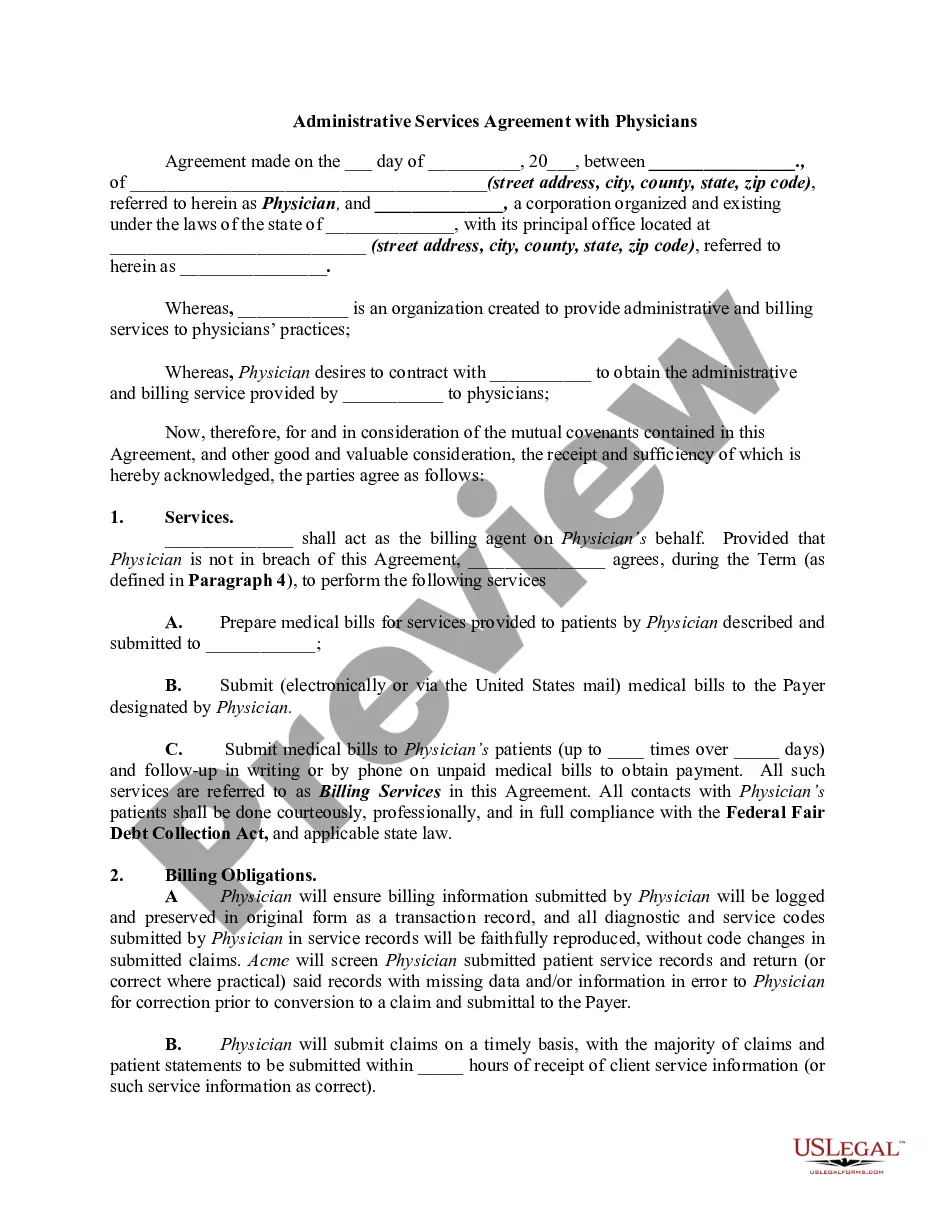
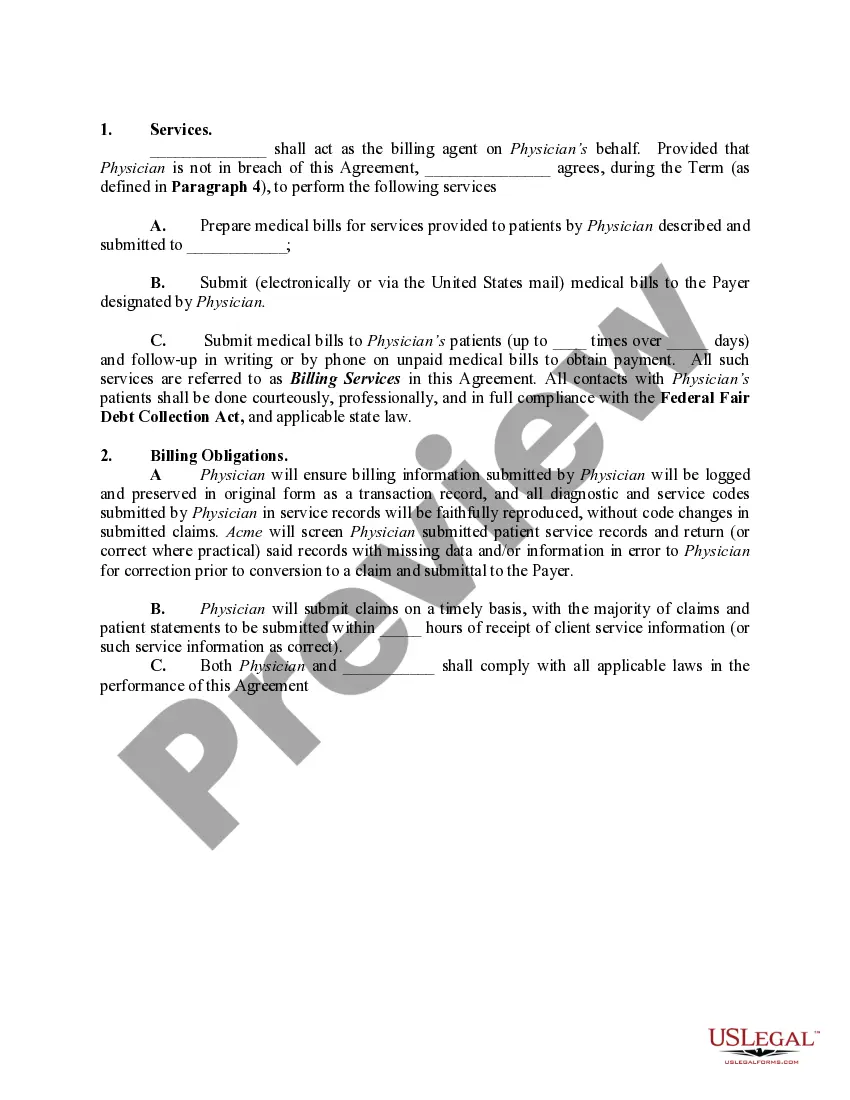
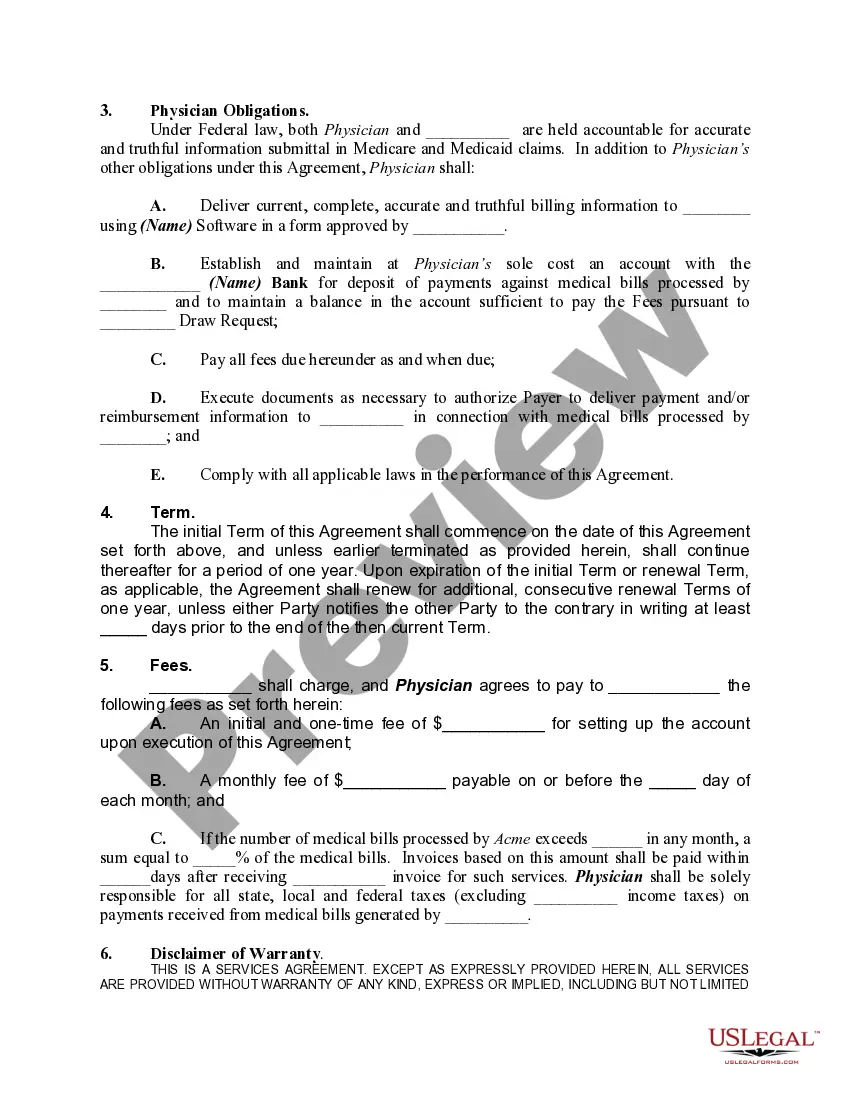
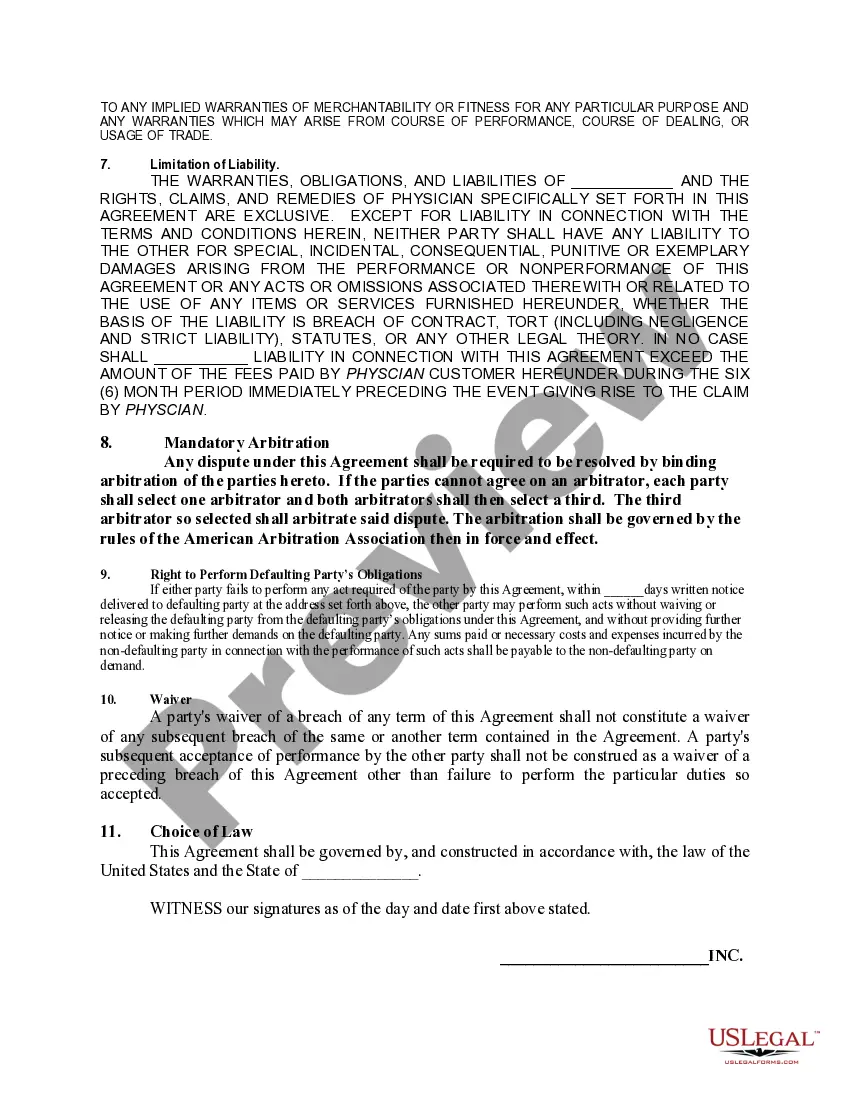

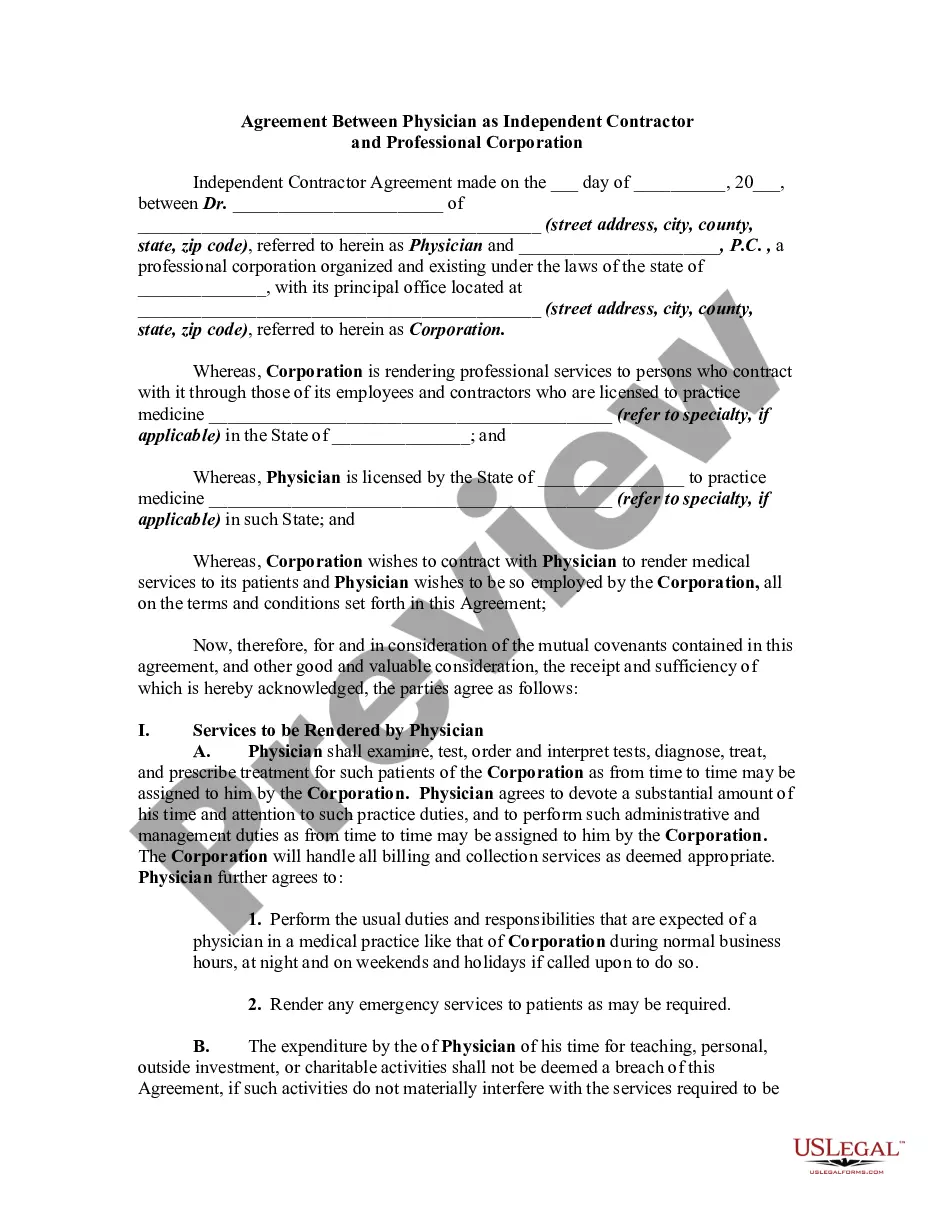
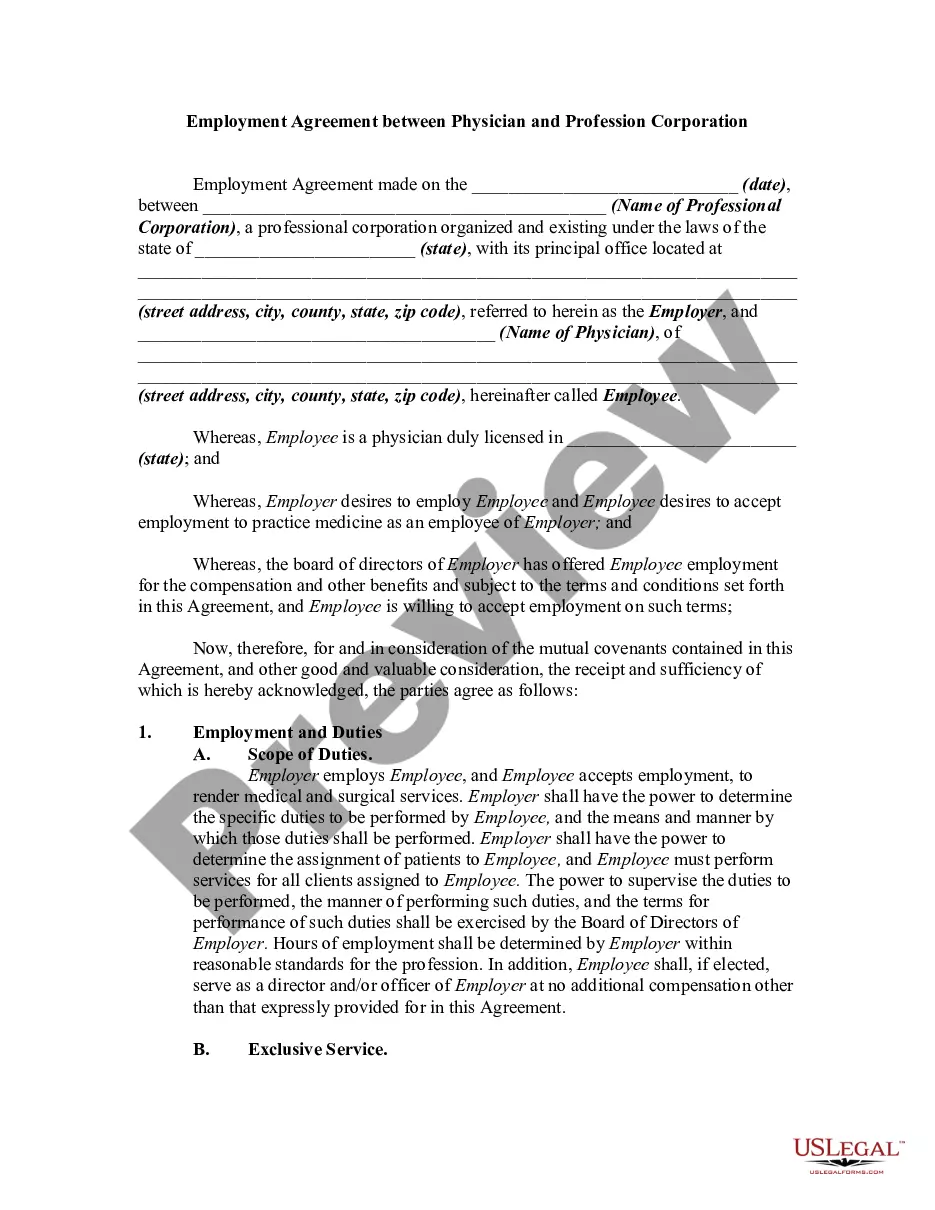
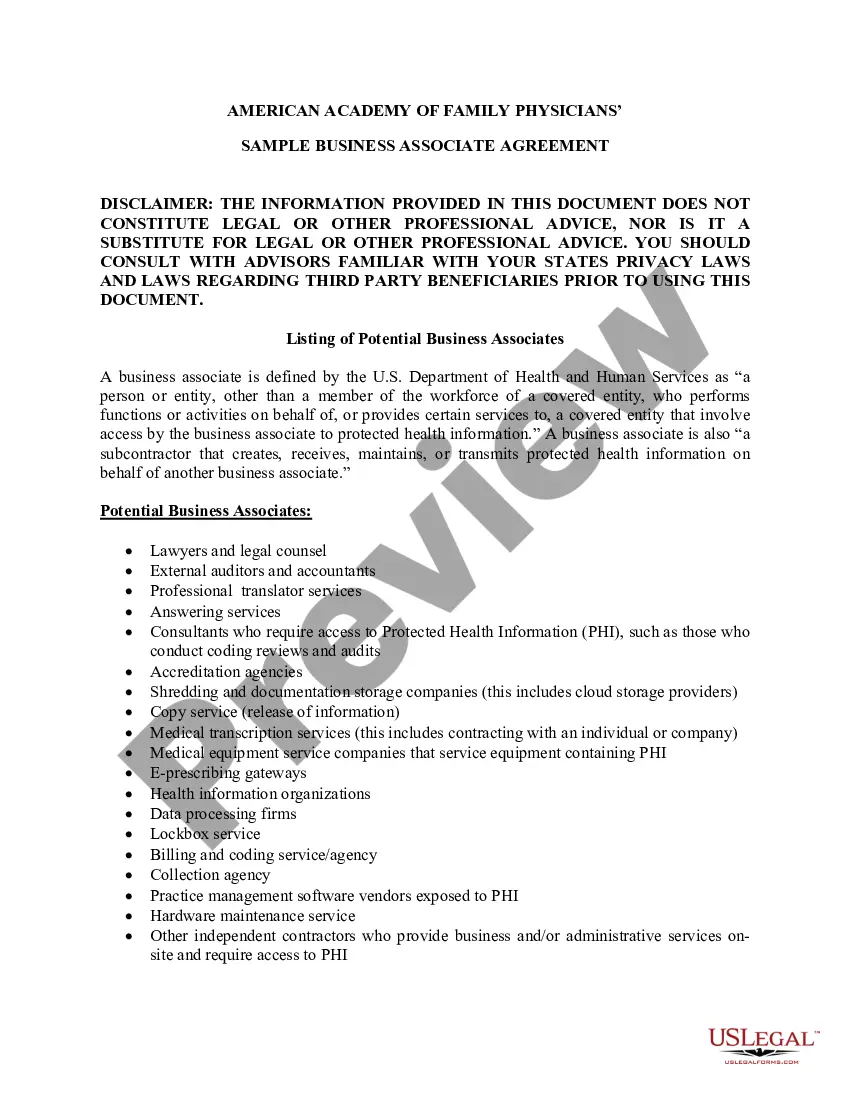
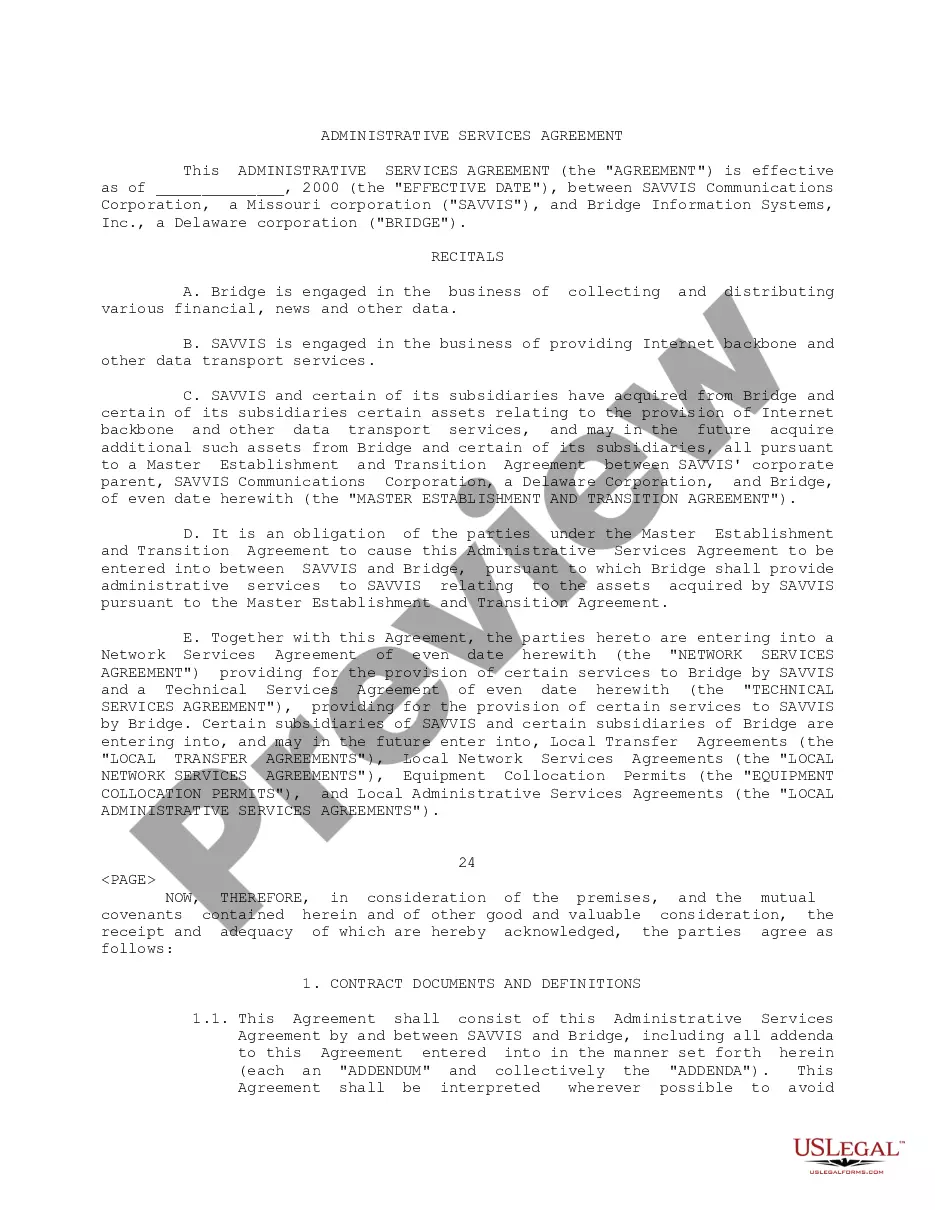
Get your form ready online
Our built-in tools help you complete, sign, share, and store your documents in one place.
Make edits, fill in missing information, and update formatting in US Legal Forms—just like you would in MS Word.
Download a copy, print it, send it by email, or mail it via USPS—whatever works best for your next step.
Sign and collect signatures with our SignNow integration. Send to multiple recipients, set reminders, and more. Go Premium to unlock E-Sign.
If this form requires notarization, complete it online through a secure video call—no need to meet a notary in person or wait for an appointment.
We protect your documents and personal data by following strict security and privacy standards.

Make edits, fill in missing information, and update formatting in US Legal Forms—just like you would in MS Word.

Download a copy, print it, send it by email, or mail it via USPS—whatever works best for your next step.

Sign and collect signatures with our SignNow integration. Send to multiple recipients, set reminders, and more. Go Premium to unlock E-Sign.

If this form requires notarization, complete it online through a secure video call—no need to meet a notary in person or wait for an appointment.

We protect your documents and personal data by following strict security and privacy standards.
Looking for another form?
How to fill out Administrative Services Agreement With Physicians?
Are you currently in a position where you require documents for either business or personal purposes almost all the time.
There are many trustworthy document templates available online, but finding ones you can rely on isn't simple.
US Legal Forms provides a vast array of form templates, such as the Texas Administrative Services Agreement with Physicians, that are crafted to meet state and federal standards.
Once you find the right form, click Purchase now.
Select the pricing plan you want, fill in the required information to create your account, and purchase your order using your PayPal or credit card.
- If you are already familiar with the US Legal Forms website and have an account, simply Log In.
- Afterward, you can download the Texas Administrative Services Agreement with Physicians template.
- If you do not have an account and want to start using US Legal Forms, follow these steps.
- Obtain the form you need and ensure it is for the correct city/region.
- Use the Preview button to review the form.
- Check the description to confirm that you have selected the correct form.
- If the form isn't what you are looking for, utilize the Search field to find the form that matches your needs.
Form popularity
FAQ
In Texas, the provider directory must include specific information to comply with the regulations. It should list each healthcare provider's name, practice location, and contact details. Additionally, the directory must highlight the specialties of each provider, ensuring patients can easily identify the services available to them. Utilizing a Texas Administrative Services Agreement with Physicians can streamline the process of maintaining accurate and comprehensive provider directories.
The Texas Administrative Code outlines various patient rights that safeguard their healthcare experiences. These rights include receiving appropriate treatment, confidentiality of medical records, and the ability to voice grievances without fear of retaliation. Familiarity with these rights can significantly benefit both patients and providers when navigating a Texas Administrative Services Agreement with Physicians.
In Texas, physician assistants have the authority to prescribe medications under the supervision of a licensed physician. This capability enhances patient care by allowing PAs to address patients' needs promptly. However, to ensure compliance and effective collaboration, a well-structured Texas Administrative Services Agreement with Physicians is advisable.
Yes, in Texas, a physician assistant (PA) is required to have a supervising physician. This relationship is crucial for guiding the PA in providing quality care and adhering to regulatory standards. Having a clear Texas Administrative Services Agreement with Physicians helps define the supervisor's role and strengthens the collaboration between physicians and PAs.
Rule 206.70 of the Texas Administrative Code relates to regulations governing the practice of medicine in Texas, including aspects of delegating tasks to other medical personnel. This rule sets forth guidelines that ensure patient safety and proper oversight. Understanding this rule is vital for anyone involved in a Texas Administrative Services Agreement with Physicians to maintain compliance and quality of care.
A violation of patient rights occurs when healthcare providers fail to uphold a patient’s legal rights. Examples include unauthorized disclosure of medical information, refusal to provide necessary treatment, or discrimination in care. Being aware of these violations is vital for patients and professionals alike, especially within contexts like the Texas Administrative Services Agreement with Physicians.
In Texas, patients have various rights that ensure their protection and care. Rights include the ability to make informed decisions about their treatment, access to their medical records, and the right to consent to or refuse treatment. Understanding these rights is crucial when entering into any Texas Administrative Services Agreement with Physicians, as it promotes effective communication and trust.
Yes, a non-physician can hire a Texas medical doctor through an independent contractor agreement. This type of arrangement often allows for flexibility and can be beneficial for both parties involved. However, it’s essential to ensure that the agreement complies with Texas Administrative Services Agreement with Physicians to avoid any legal complications.
Unauthorized practice of medicine in Texas occurs when someone provides medical services without the appropriate licenses. This violation can lead to serious legal repercussions for both the unlicensed individual and any partners involved. To avoid such issues, it is wise to establish a Texas Administrative Services Agreement with Physicians that clearly delineates authority and responsibilities, protecting all parties from potential legal challenges.
There are specific exceptions to the Corporate Practice of Medicine (CPOM) in Texas, allowing for certain partnerships and entities to employ physicians under stringent conditions. These exceptions often apply to hospitals, academic institutions, and some healthcare organizations. A Texas Administrative Services Agreement with Physicians can clarify how these exceptions work in practice, fostering understanding between the involved parties.