Texas Mare Information Sheet - Horse Equine Forms
What this document covers
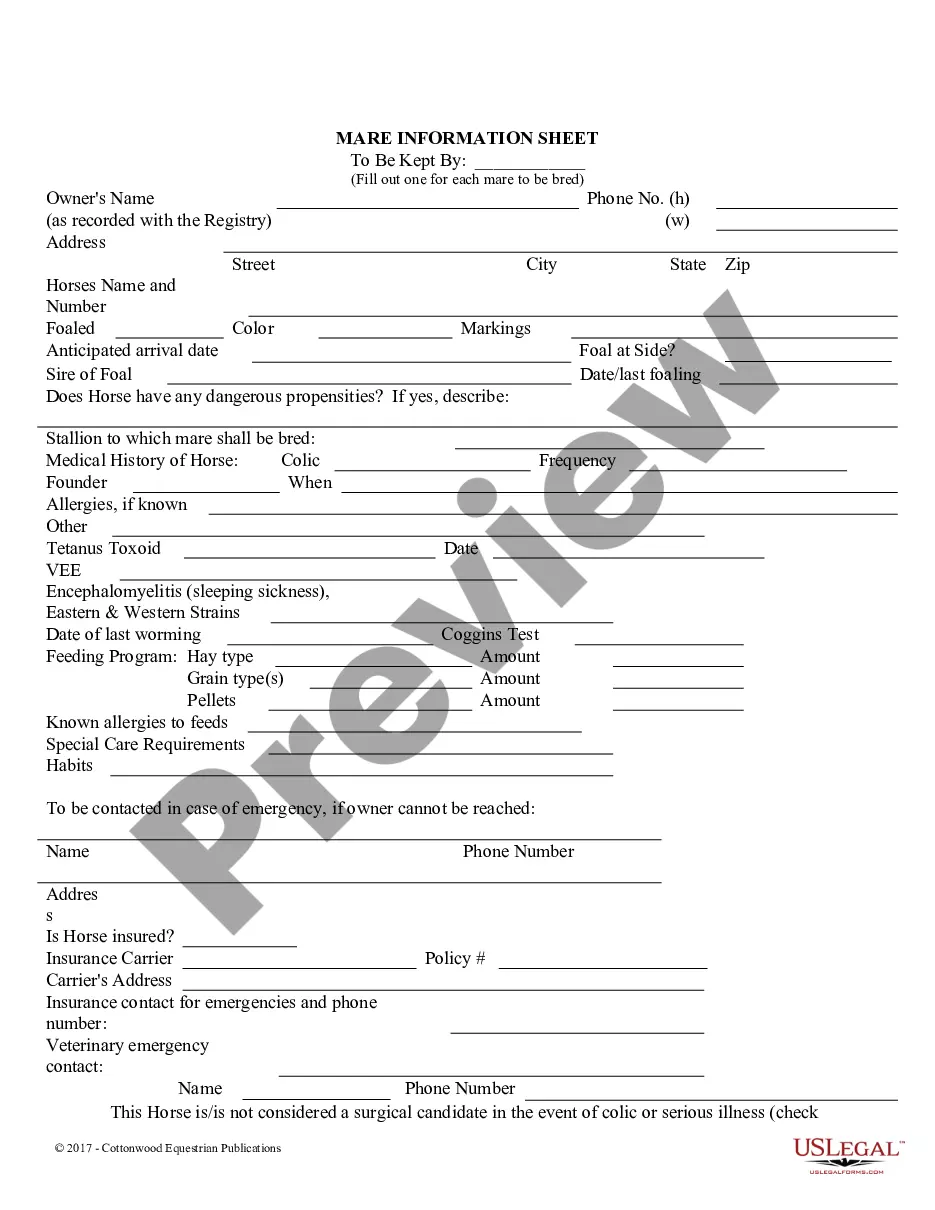
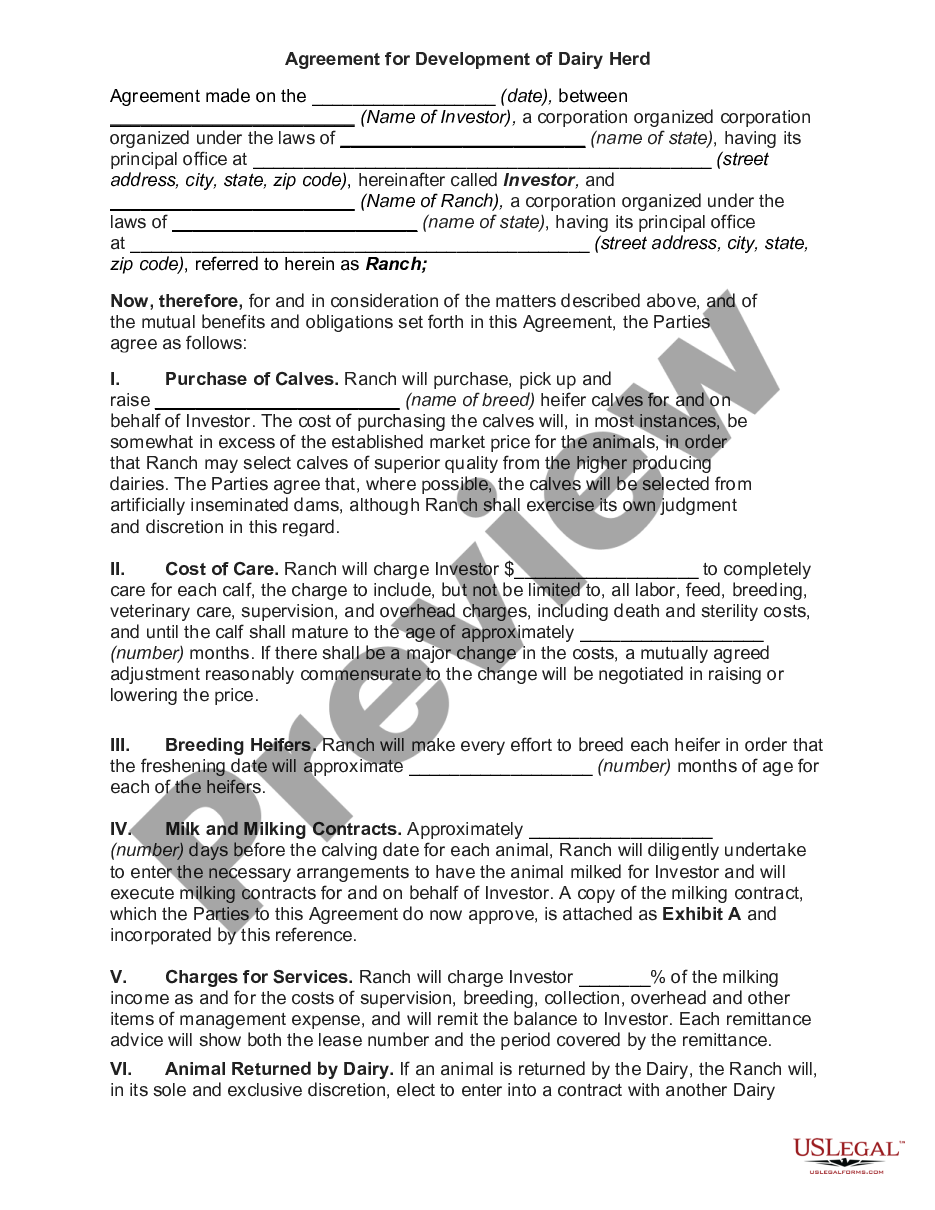
The Mare Information Sheet is a legal form designed for horse owners to document essential details about their mare in preparation for breeding. This form is crucial for both the owner and the stallion service provider, ensuring that all pertinent information, such as emergency contacts and medical history, is readily available. Unlike other equine forms, this sheet specifically focuses on the mare's background to facilitate informed breeding decisions.
Main sections of this form
- Owner's name and contact information.
- Mare's name, registration number, color, and markings.
- Information about the stallion to which the mare will be bred.
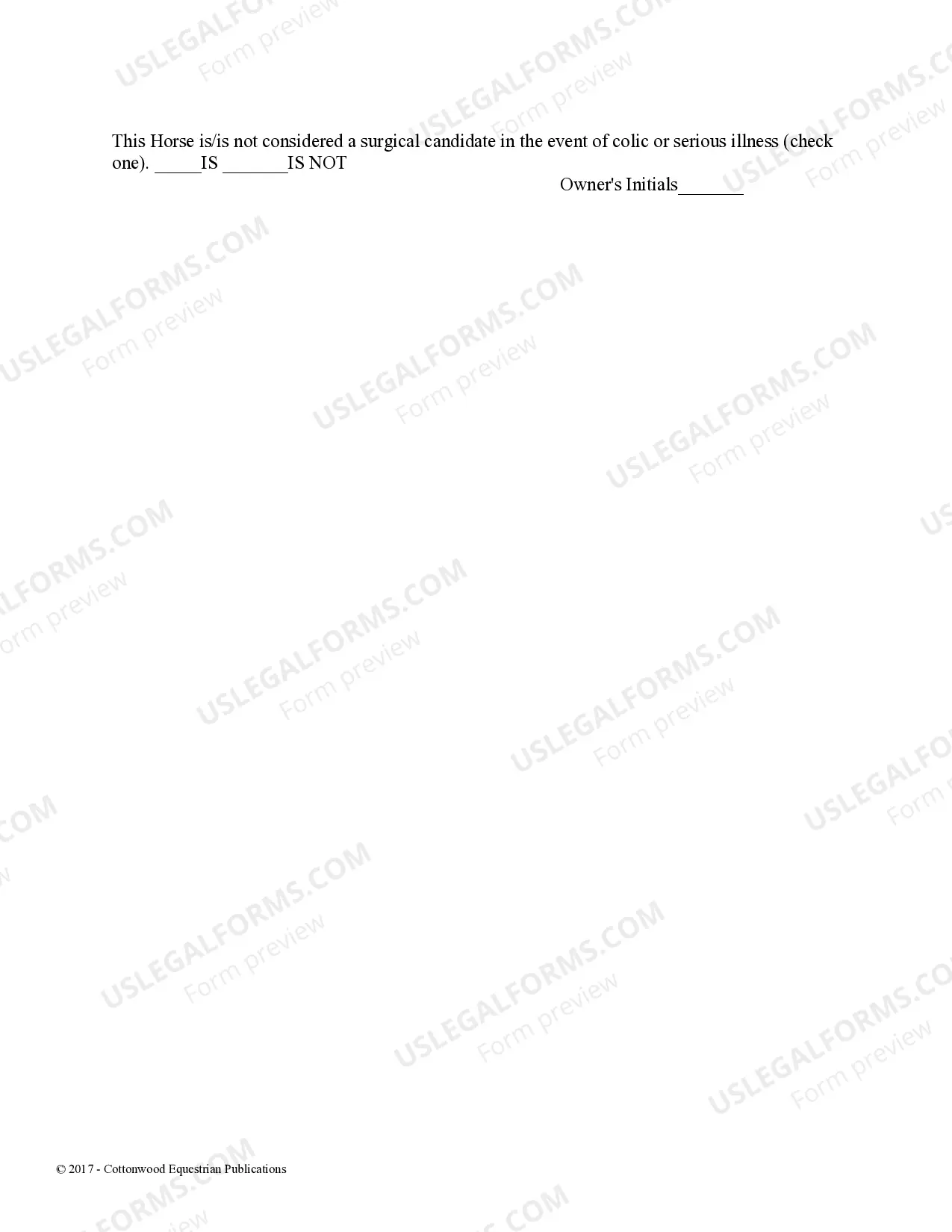
- Medical history, including allergies and emergency protocols.
- Feeding program details and special care requirements.
- Emergency contact information and insurance details.
When to use this form
This form should be used when preparing a mare for breeding. It ensures that all vital information is documented clearly, making it easier for breeders and veterinarians to understand the mare's health and background. Additionally, it is useful in emergencies when immediate access to the mare's medical history is required.
Who can use this document
This form is intended for:
- Mare owners preparing for breeding.
- Breeders looking to ensure proper health and safety protocols.
- Veterinarians needing comprehensive health information for treatment.
How to complete this form
- Fill in the owner's name and contact information, ensuring the phone numbers are accurate.
- Provide details about the mare, including name, registration number, color, and any identifying markings.
- Document the stallion's information and the anticipated arrival date for the foal.
- Complete the medical history section, noting any known allergies and medications.
- Include emergency contact information and insurance details for coverage during breeding.
Does this document require notarization?
This form does not typically require notarization to be legally valid. However, some jurisdictions or document types may still require it. US Legal Forms provides secure online notarization powered by Notarize, available 24/7 for added convenience.
Get your form ready online
Our built-in tools help you complete, sign, share, and store your documents in one place.
Make edits, fill in missing information, and update formatting in US Legal Forms—just like you would in MS Word.
Download a copy, print it, send it by email, or mail it via USPS—whatever works best for your next step.
Sign and collect signatures with our SignNow integration. Send to multiple recipients, set reminders, and more. Go Premium to unlock E-Sign.
If this form requires notarization, complete it online through a secure video call—no need to meet a notary in person or wait for an appointment.
We protect your documents and personal data by following strict security and privacy standards.

Make edits, fill in missing information, and update formatting in US Legal Forms—just like you would in MS Word.

Download a copy, print it, send it by email, or mail it via USPS—whatever works best for your next step.

Sign and collect signatures with our SignNow integration. Send to multiple recipients, set reminders, and more. Go Premium to unlock E-Sign.

If this form requires notarization, complete it online through a secure video call—no need to meet a notary in person or wait for an appointment.

We protect your documents and personal data by following strict security and privacy standards.
Avoid these common issues
- Omitting critical medical history details, which can affect breeding and health decisions.
- Not updating emergency contact information, leading to potential delays during a crisis.
- Failing to provide accurate stallion information, which is essential for breeding records.
Why complete this form online
- Immediate access to download and use the form.
- Editable fields allow for easy customization according to individual mare requirements.
- Secure and reliable storage of important information for future reference.
Legal use & context
- The Mare Information Sheet helps maintain accurate records for breeding horses and is recognized in equine law.
- Properly filled forms can protect the owner legally by documenting the mare's health history and breeding arrangements.
- This form is part of responsible horse ownership and breeding practices.
Quick recap
- This form is essential for documenting important details before breeding a mare.
- Accurate and complete information improves breeding outcomes and horse management.
- Understanding how to fill this form correctly can help avoid common mistakes.
Looking for another form?

Form popularity
FAQ
In most cases, a mare is a female horse over the age of three, and a filly is a female horse three and younger.A broodmare is a mare used for breeding. A horse's female parent is known as its dam. An uncastrated adult male horse is called a stallion and a castrated male is a gelding.
Pedigree and breeding look back through her pedigree you will want to see well performed horses listed, its good to know you are buying into a family that has had previous success on the race track. Race Record is the mare a winner herself? Temperament Does she have a good gentle nature?
Mares are seasonally polyoestrous, which means that they only come into season during the spring, summer and autumn. Pregnancy in horses lasts approximately 11 months, so the break in her cycle during winter ensures that the mare doesn't give birth to a foal when the weather is at its worst.
: a mare kept for breeding.
A grade horse is a horse whose parentage is unknown, unidentifiable, or of significantly mixed breeding.A grade horse has no registration papers, and usually sells for significantly less money than a registered horse.
Typical signs that the mare is in season include holding the tail elevated, "winking" (opening and closing) the lips of the vulva and variable amounts of squatting and squirting of urine and mucus. A mare's level of activity usually slows down a bit, and she often seems preoccupied.
It is crucial to remember that at no point should the health of the mare or foal be compromised.Either of these conditions will put both the mare and foal at risk. It seems to be a widely accepted rule that riding a broodmare for her first 6-8 months of pregnancy is okay and can even be beneficial.
Form and function. 2026male horse is called a stallion, the female a mare. A stallion used for breeding is known as a stud. A castrated stallion is commonly called a gelding.