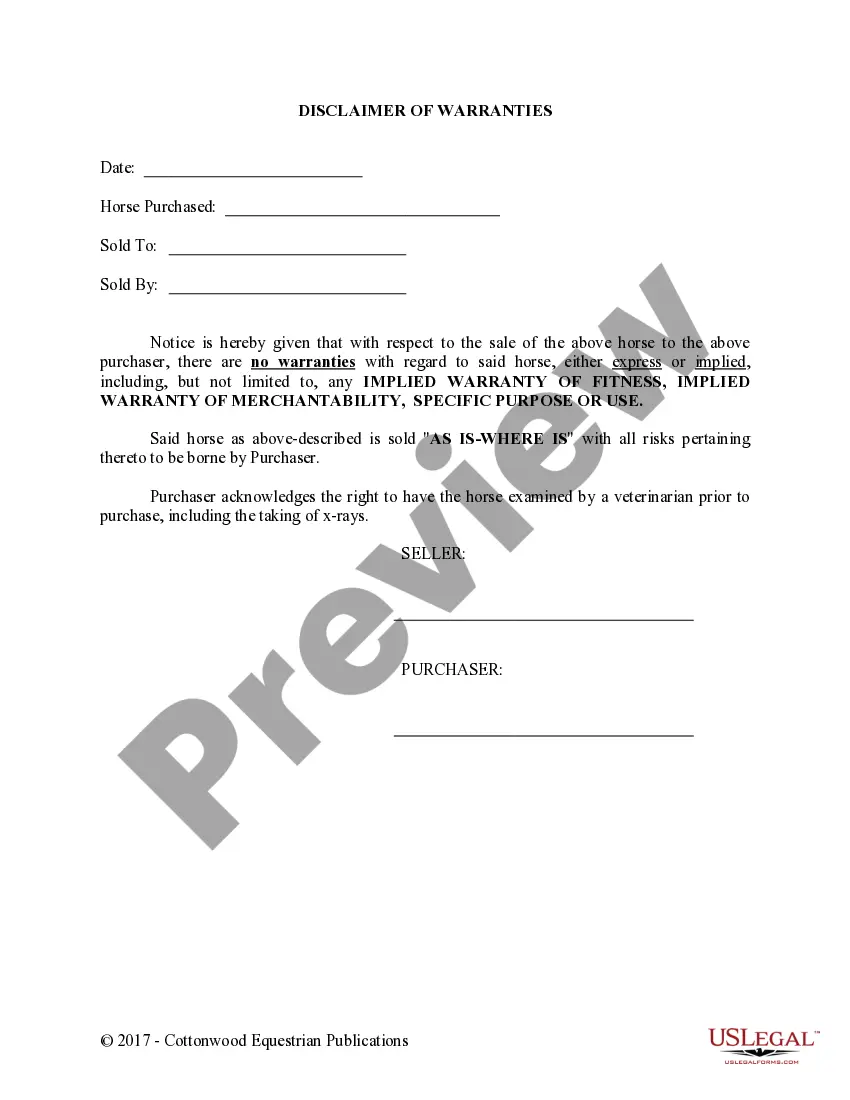
This Disclaimer of Warranties Horse Equine form is a discliamer of warranties, express and implied, in connection with the sale of a horse to be signed by the Seller and Purchaser.
Texas Disclaimer of Warranties - Horse Equine Forms
Instant download
Description
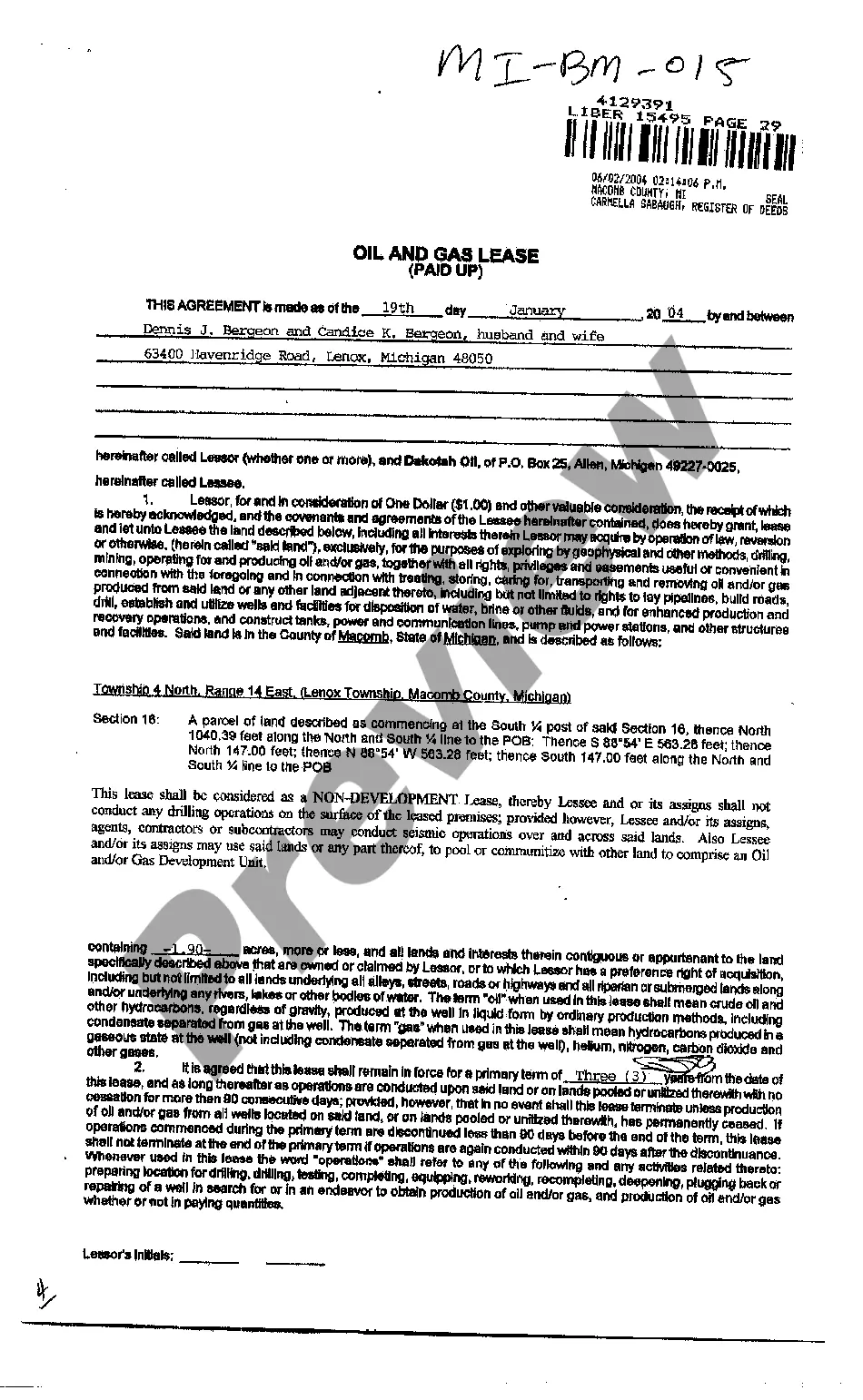
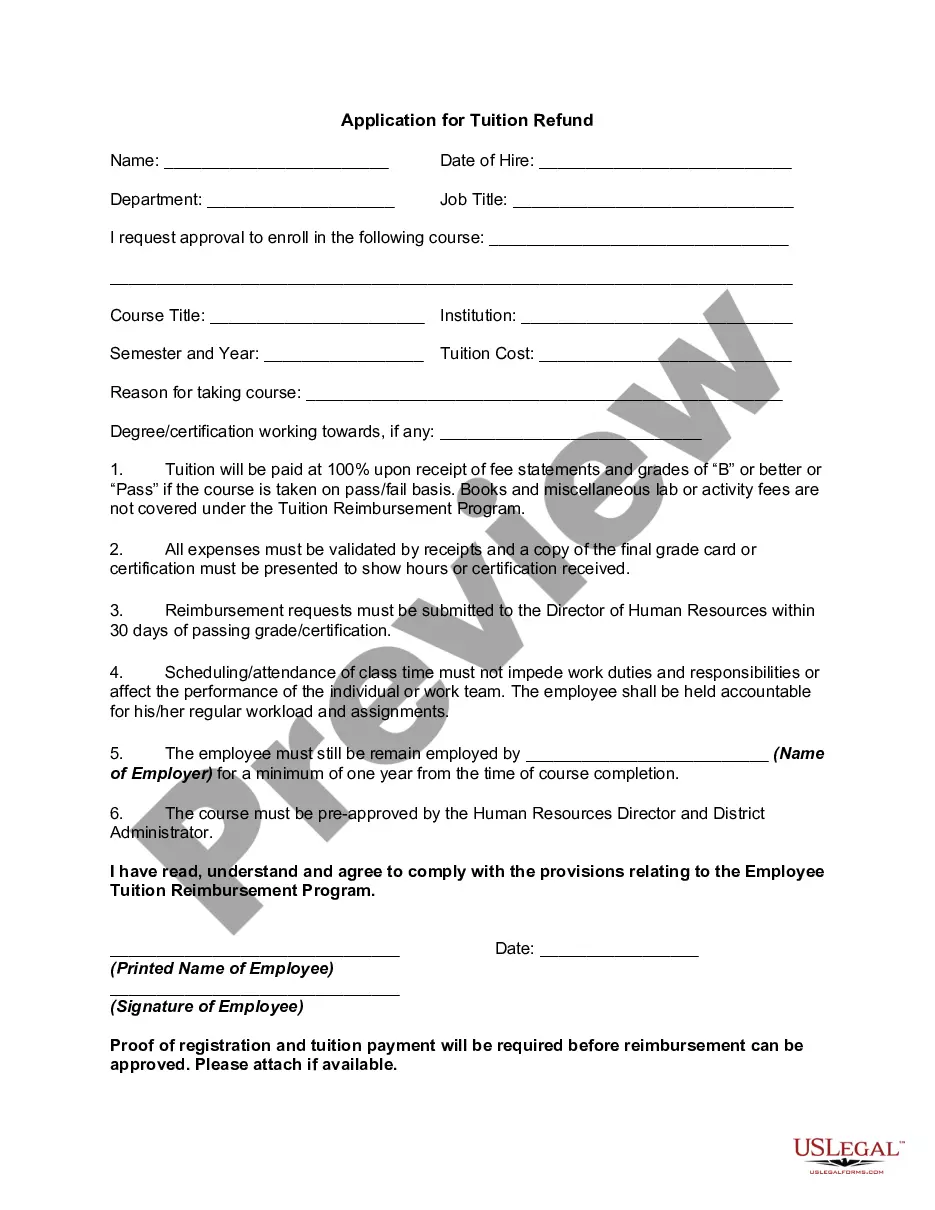
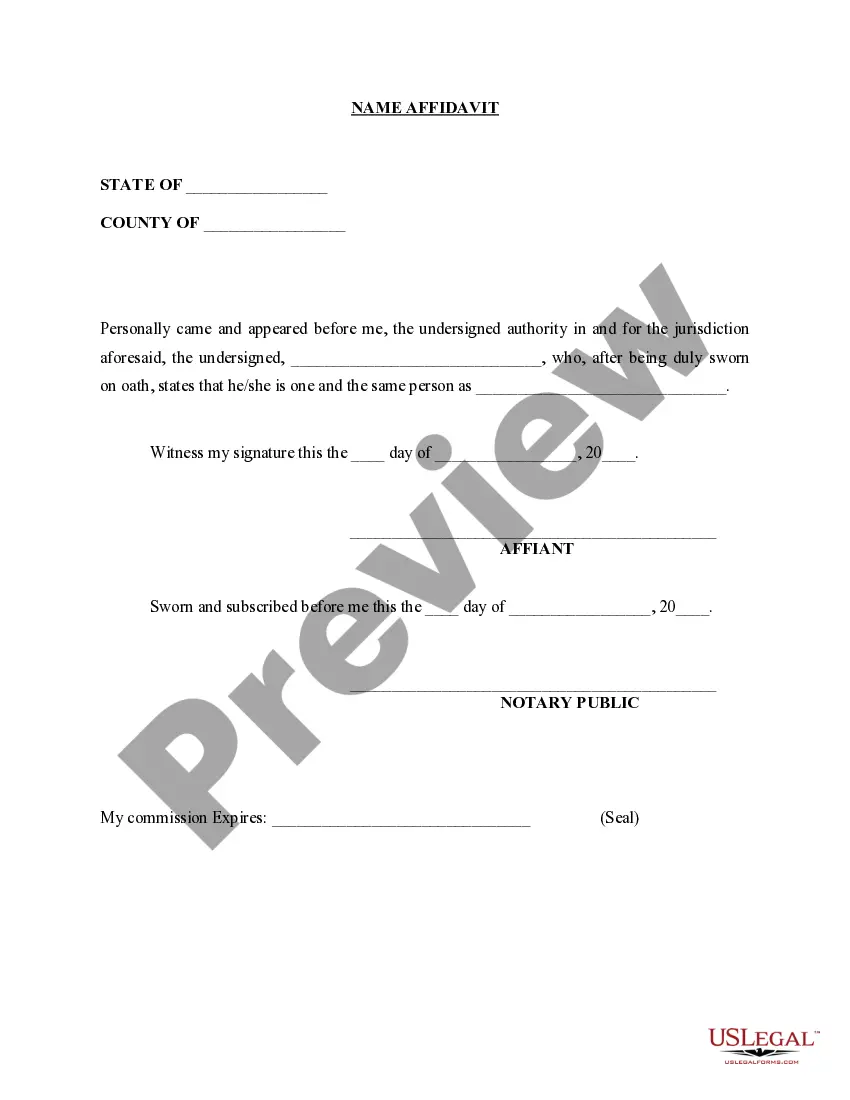
How to fill out Texas Disclaimer Of Warranties - Horse Equine Forms?
Get access to quality Texas Disclaimer of Warranties - Horse Equine Forms samples online with US Legal Forms. Steer clear of hours of misused time browsing the internet and dropped money on documents that aren’t up-to-date. US Legal Forms gives you a solution to just that. Get around 85,000 state-specific authorized and tax templates you can save and submit in clicks within the Forms library.
To receive the sample, log in to your account and click Download. The document is going to be saved in two places: on your device and in the My Forms folder.
For those who don’t have a subscription yet, look at our how-guide below to make getting started simpler:
- Check if the Texas Disclaimer of Warranties - Horse Equine Forms you’re looking at is suitable for your state.
- Look at the sample utilizing the Preview function and browse its description.
- Check out the subscription page by clicking on Buy Now button.
- Choose the subscription plan to go on to register.
- Pay by credit card or PayPal to complete creating an account.
- Pick a favored format to download the document (.pdf or .docx).
You can now open up the Texas Disclaimer of Warranties - Horse Equine Forms example and fill it out online or print it out and get it done by hand. Think about mailing the file to your legal counsel to make certain things are filled in properly. If you make a mistake, print out and fill sample once again (once you’ve created an account all documents you save is reusable). Make your US Legal Forms account now and access more templates.
Form popularity
FAQ
Note that inheritances from a trust typically cannot be assigned to someone else.That means it could go to the next person in the line of succession, such as the children of the person who disclaims the inheritance. There are legal restrictions on disclaiming an inheritance. There are time constraints, for example.
Be in writing; Declare the refusal to accept an interest in or power over the property; Describe the interest or power disclaimed; Be signed by the person making a disclaimer;
Put the disclaimer in writing. Deliver the disclaimer to the person in control of the estate usually the executor or trustee. Complete the disclaimer within nine months of the death of the person leaving the property. Do not accept any benefit from the property you're disclaiming.
When you relinquish property, you don't get any say in who inherits in your place. If you want to control who gets the inheritance, you must accept it and give it to that person. If you relinquish the property and the deceased didn't name a back-up heir, the court will apply state law to decide who inherits.
In law, a disclaimer is a statement denying responsibility intended to prevent civil liability arising for particular acts or omissions.A disclaimer may take effect as a term of the contract between the person making the disclaimer and the person who is thereby prevented from suing.
Disclaim Inheritance, DefinitionDisclaiming means that you give up your rights to receive the inheritance. If you choose to do so, whatever assets you were meant to receive would be passed along to the next beneficiary in line.
The answer is yes. The technical term is "disclaiming" it. If you are considering disclaiming an inheritance, you need to understand the effect of your refusalknown as the "disclaimer"and the procedure you must follow to ensure that it is considered qualified under federal and state law.
The disclaimer must be in writing: A signed letter by the person doing the disclaiming, identifying the decedent, describing the asset to be disclaimed, and the extent and amount, percentage or dollar amount, to be disclaimed, must be delivered to the person in control of the estate or asset, such as an executor,