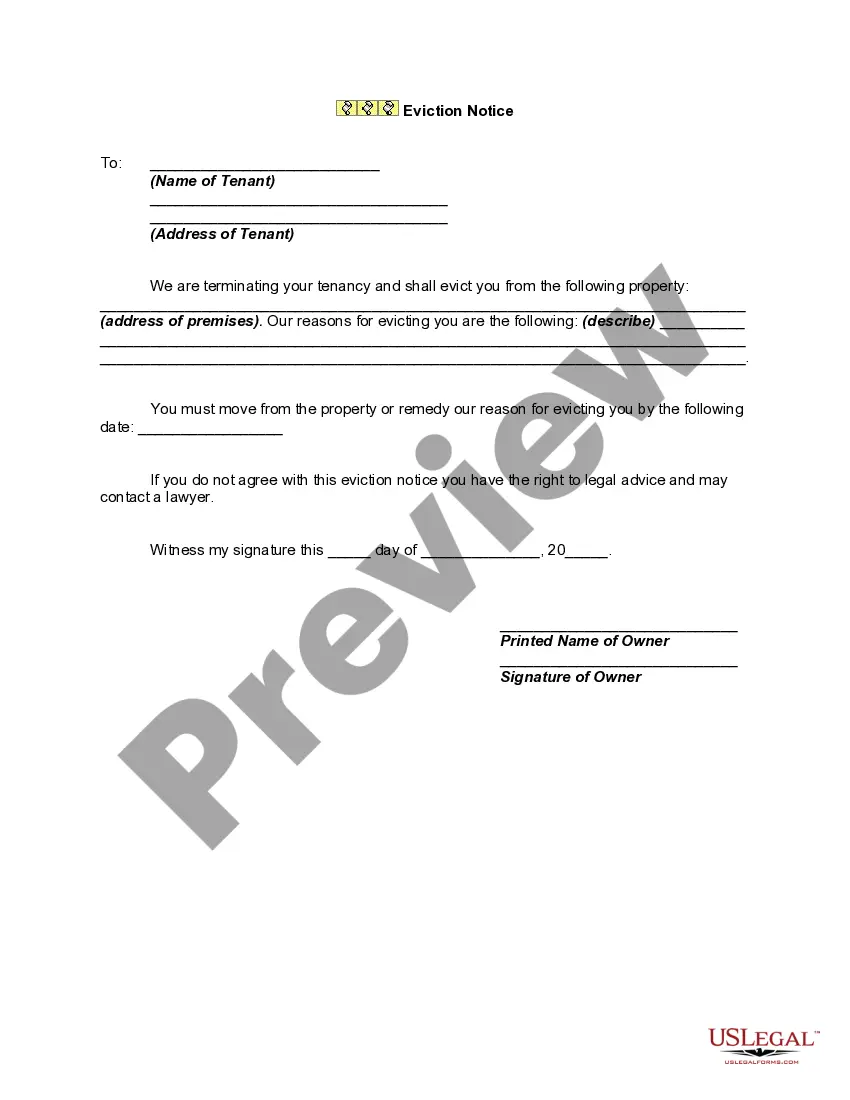
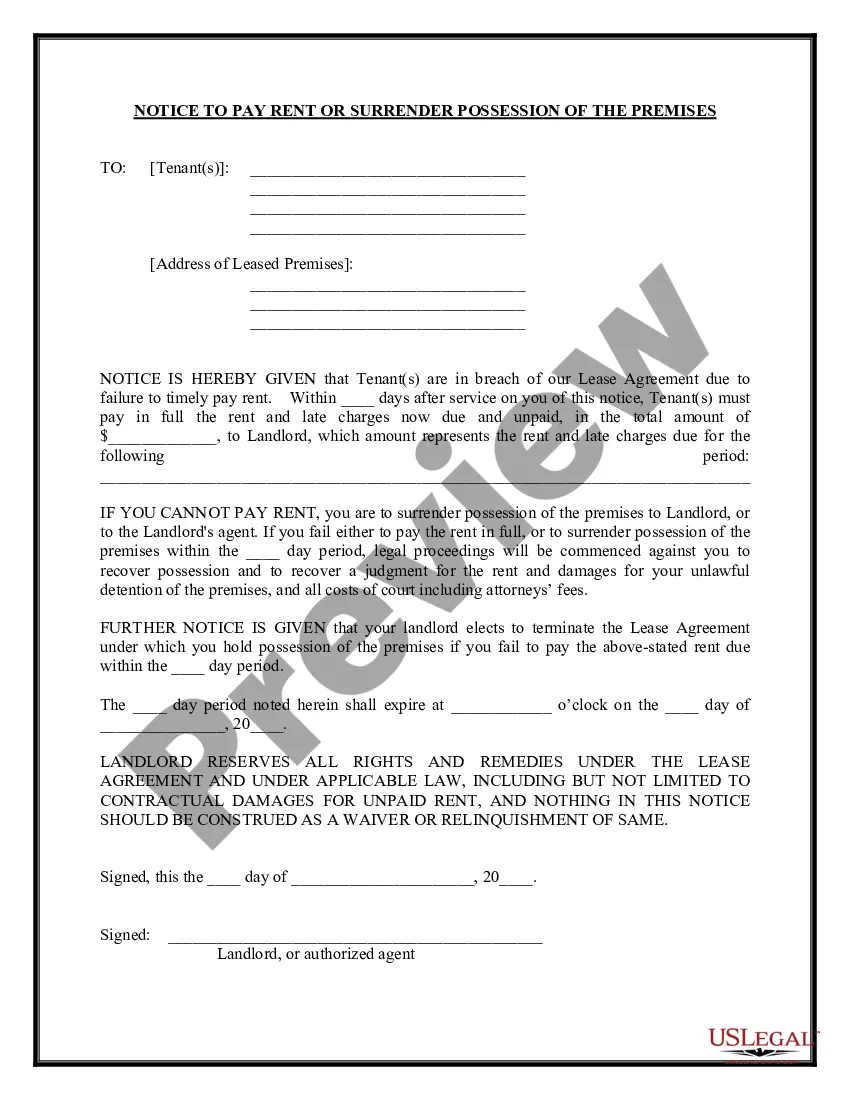
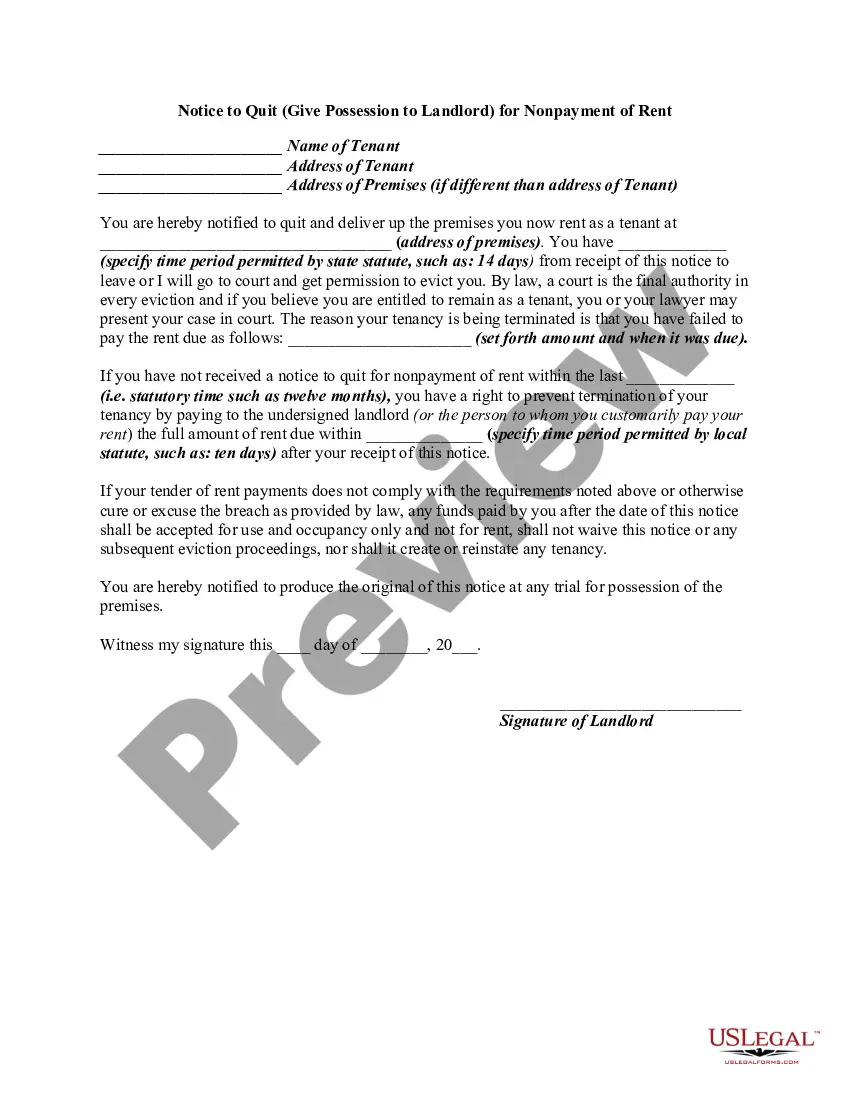
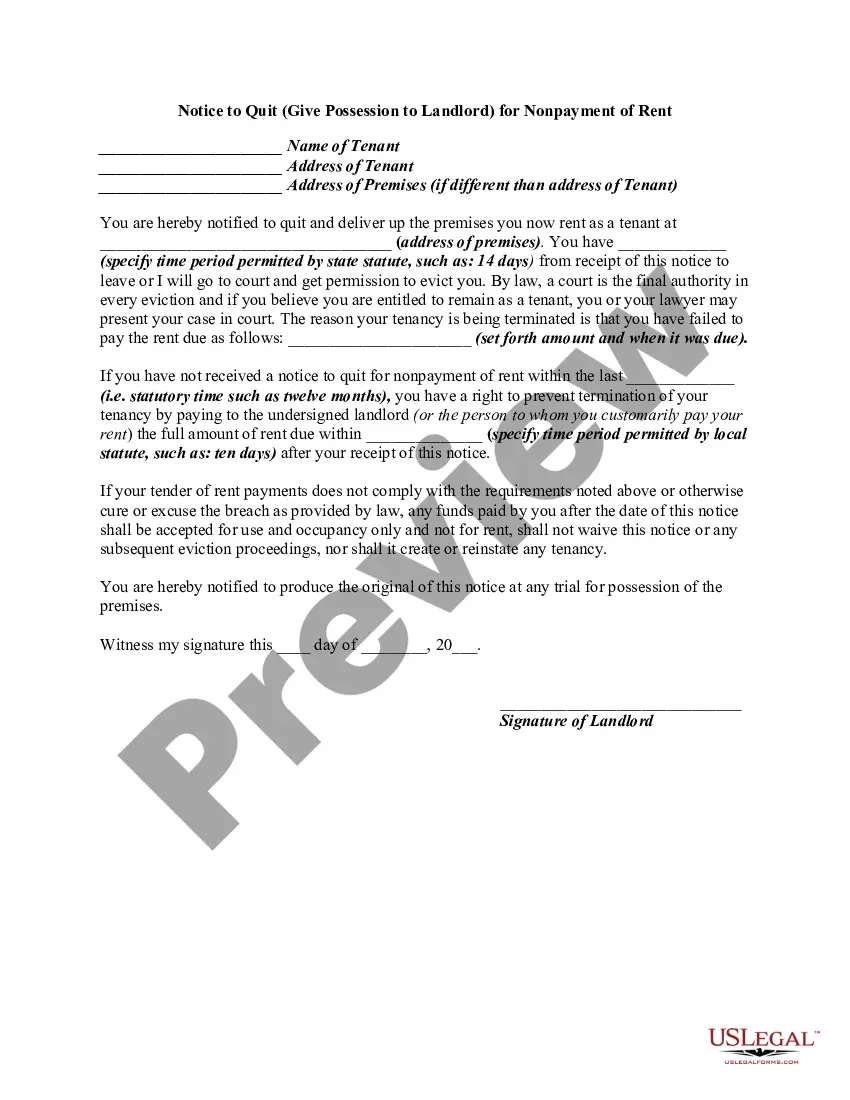
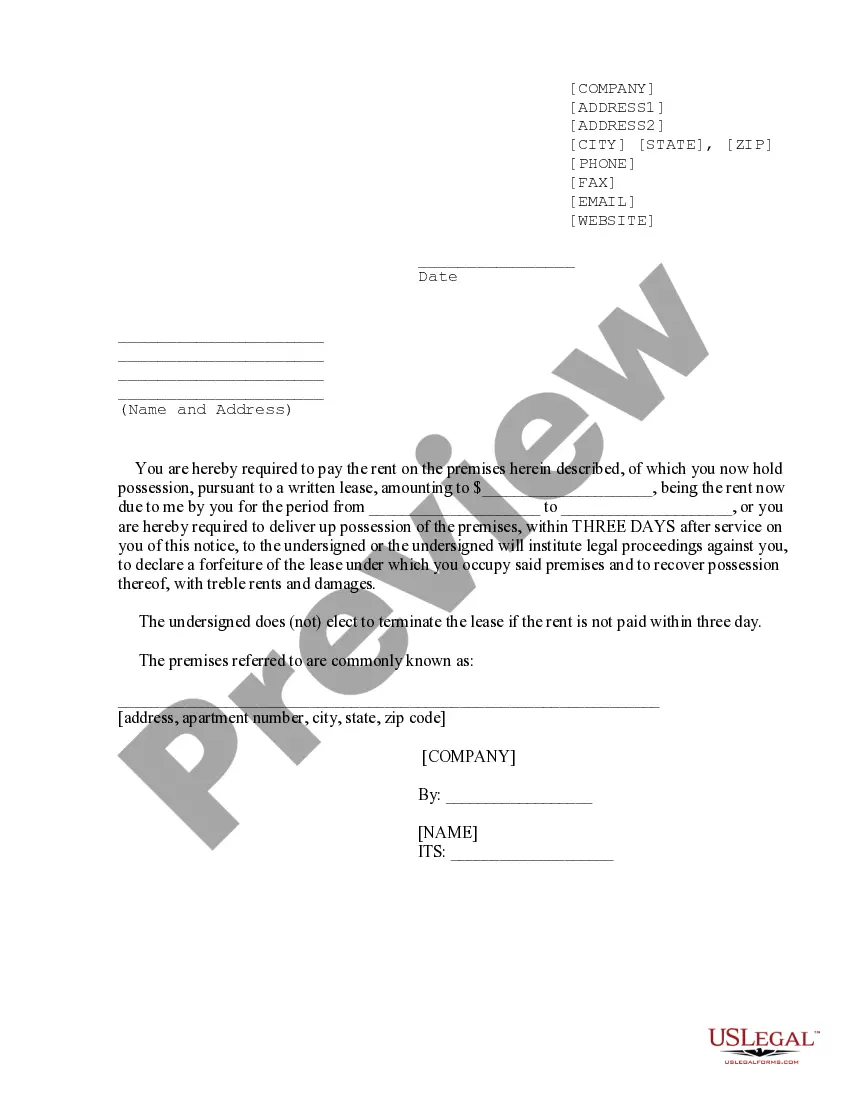
Tennessee Notice to Pay Rent
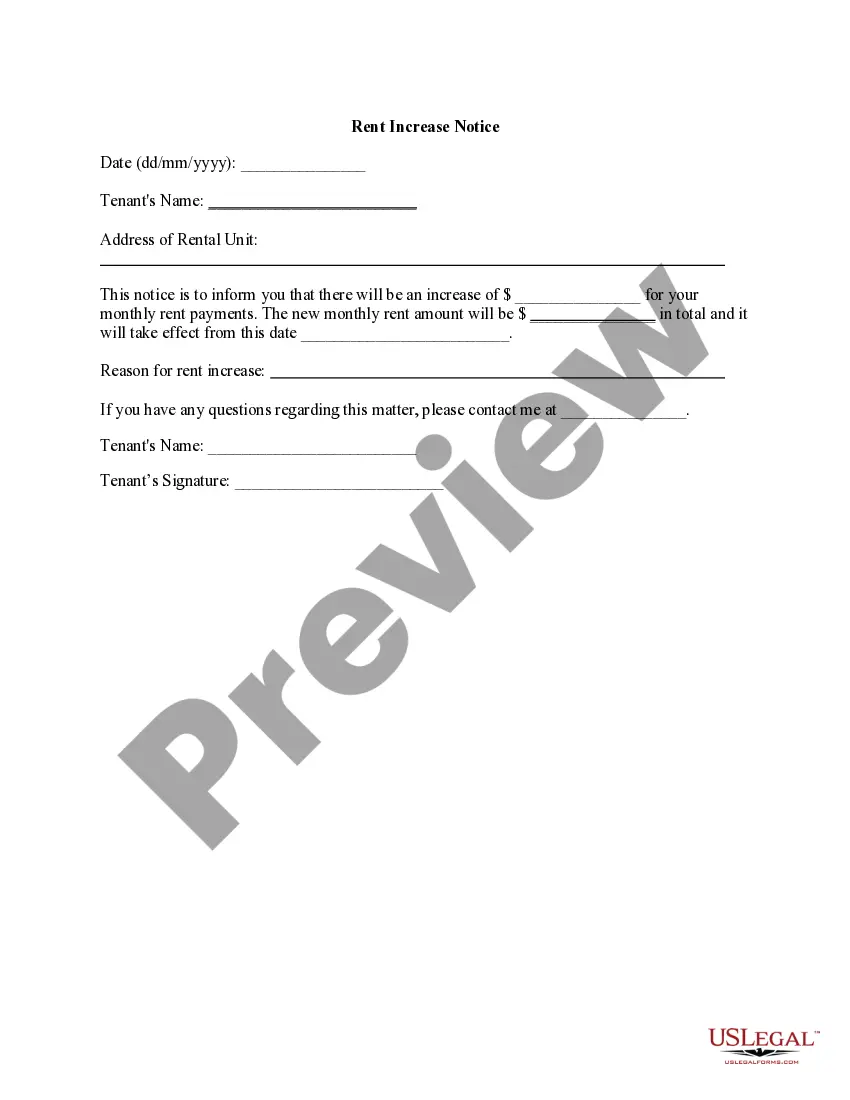
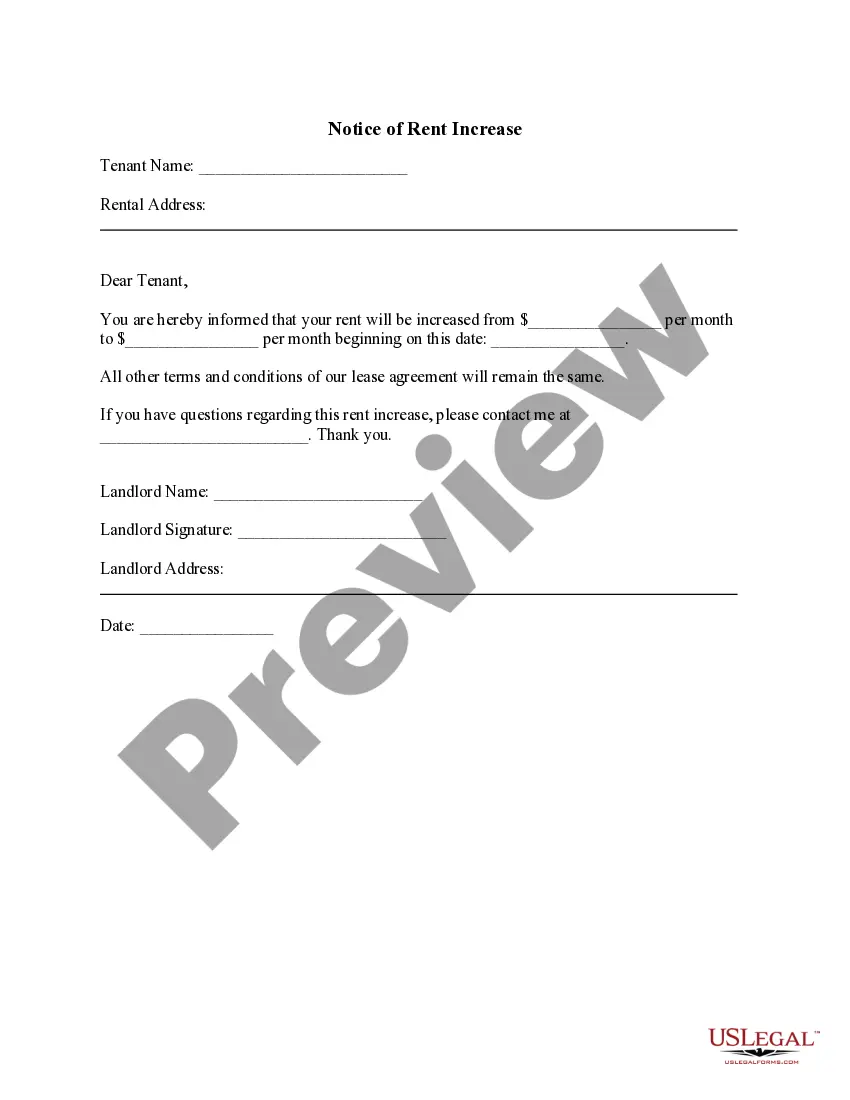
Description
Get your form ready online
Our built-in tools help you complete, sign, share, and store your documents in one place.
Make edits, fill in missing information, and update formatting in US Legal Forms—just like you would in MS Word.
Download a copy, print it, send it by email, or mail it via USPS—whatever works best for your next step.
Sign and collect signatures with our SignNow integration. Send to multiple recipients, set reminders, and more. Go Premium to unlock E-Sign.
If this form requires notarization, complete it online through a secure video call—no need to meet a notary in person or wait for an appointment.
We protect your documents and personal data by following strict security and privacy standards.

Make edits, fill in missing information, and update formatting in US Legal Forms—just like you would in MS Word.

Download a copy, print it, send it by email, or mail it via USPS—whatever works best for your next step.

Sign and collect signatures with our SignNow integration. Send to multiple recipients, set reminders, and more. Go Premium to unlock E-Sign.

If this form requires notarization, complete it online through a secure video call—no need to meet a notary in person or wait for an appointment.

We protect your documents and personal data by following strict security and privacy standards.
Looking for another form?
How to fill out Notice To Pay Rent?
US Legal Forms - one of the largest repositories of legal documentation in the United States - provides a variety of legal form templates that you can download or print.
By using the website, you will find numerous forms for business and personal purposes, sorted by categories, states, or keywords. You can quickly access the latest versions of forms such as the Tennessee Notice to Pay Rent.
If you already have an account, Log In to download the Tennessee Notice to Pay Rent from your US Legal Forms library. The Download button will appear on every form you view. You can access all previously purchased forms from the My documents tab in your account.
Process the payment. Use a credit card or PayPal account to finalize the transaction.
Select the format and download the form onto your device. Edit the form, fill it out, and print and sign the newly acquired Tennessee Notice to Pay Rent. Each template you add to your account has no expiration date and is yours permanently. Therefore, if you need to download or print another copy, simply visit the My documents section and click on the form you require. Access the Tennessee Notice to Pay Rent with US Legal Forms, one of the most extensive collections of legal document templates. Utilize countless professional and state-specific templates that cater to your business or personal requirements.
- Ensure you have selected the appropriate form for your area/region.
- Click the Review button to examine the form’s content.
- Read the form description to ascertain that you have chosen the correct form.
- If the form does not meet your needs, utilize the Search field at the top of the display to find one that does.
- If you are satisfied with the form, confirm your choice by clicking the Purchase now button.
- Then, select the payment plan you prefer and provide your credentials to sign up for an account.
Form popularity
FAQ
In Tennessee, landlords cannot legally evict tenants without going through the court system. They must follow established procedures, including issuing a Tennessee Notice to Pay Rent and obtaining a judgment in court. This process ensures that tenants have the opportunity to defend their case. Tenants should be aware of their rights and may benefit from legal resources like US Legal Forms.
The new renters law in Tennessee includes provisions aimed at increasing rental protections for tenants. This recent legislation emphasizes proper notification practices, including the Tennessee Notice to Pay Rent, to ensure tenants are well-informed about their obligations. It's vital for renters to stay updated on these changes, as they can significantly impact rental agreements. Resources like US Legal Forms can provide helpful insights.
In Tennessee, a landlord must provide tenants with a written notice of at least 30 days when requesting them to move out. This notice serves as an important communication tool about ending the rental agreement. Tenants should take this notice seriously and can seek assistance from US Legal Forms to navigate their next steps if needed. Understanding the notice requirements can help prevent misunderstandings.
In Tennessee, a landlord can start the eviction process after a tenant is one month behind on rent. The tenant will first receive a Tennessee Notice to Pay Rent, providing them with a chance to pay the overdue amount. If the tenant does not respond or pay, the landlord can proceed with eviction. Staying informed about these timelines can help tenants manage their rental obligations more effectively.
Tennessee's laws tend to favor landlords more than tenants. However, tenants still have rights, especially concerning the Tennessee Notice to Pay Rent. It's important for tenants to understand their rights and obligations under the law. For additional guidance, you might consider using resources like US Legal Forms.
Filling out a Tennessee Notice to Pay Rent correctly is essential for a smooth eviction process. Start by clearly writing the tenant’s name and address, making sure all details are accurate. Next, specify the amount of rent due, the due date, and provide a clear statement notifying the tenant of the consequences if they fail to pay. Utilizing a reliable platform like US Legal Forms can help ensure you have the correct format and necessary language to create an effective eviction notice.
Tennessee law provides for a grace period. The landlord must wait 5 days after rent has become due (excluding Sundays and legal holidays) to demand the full amount of rent due. The landlord must then provide the tenant with a 30 day notice to cure, which means the tenant has 30 days to pay the amount due.
Do I still have to pay rent during the emergency in Tennessee? Yes, Tennessee renters still need to pay rent during the emergency. Check with your local city or county government to see if they give renters any additional protections if they are struggling to pay rent during the emergency.
Tennessee's Eviction Process. The Tennessee Code provides all the laws related to landlord-tenant relations in Tennessee. To evict a tenant for failing to pay rent or violating the lease, a landlord must file a lawsuit with the court to receive the eviction court order.
If rent is due on the first of the month, most landlords will activate the late fee on the second, unless there's a grace period that's either written into the lease or mandated by state or local laws. Grace periods are quite common, usually varying between three and five days.