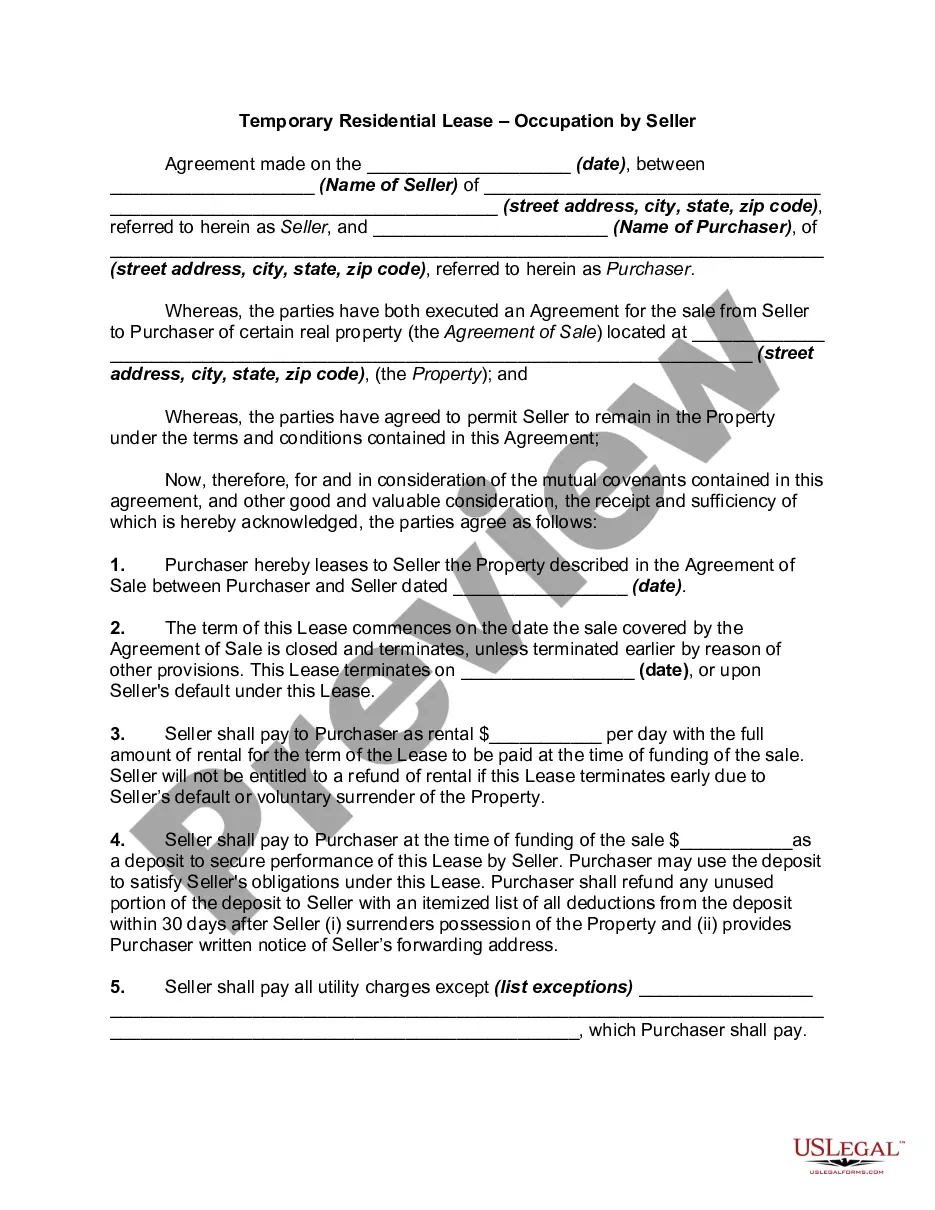
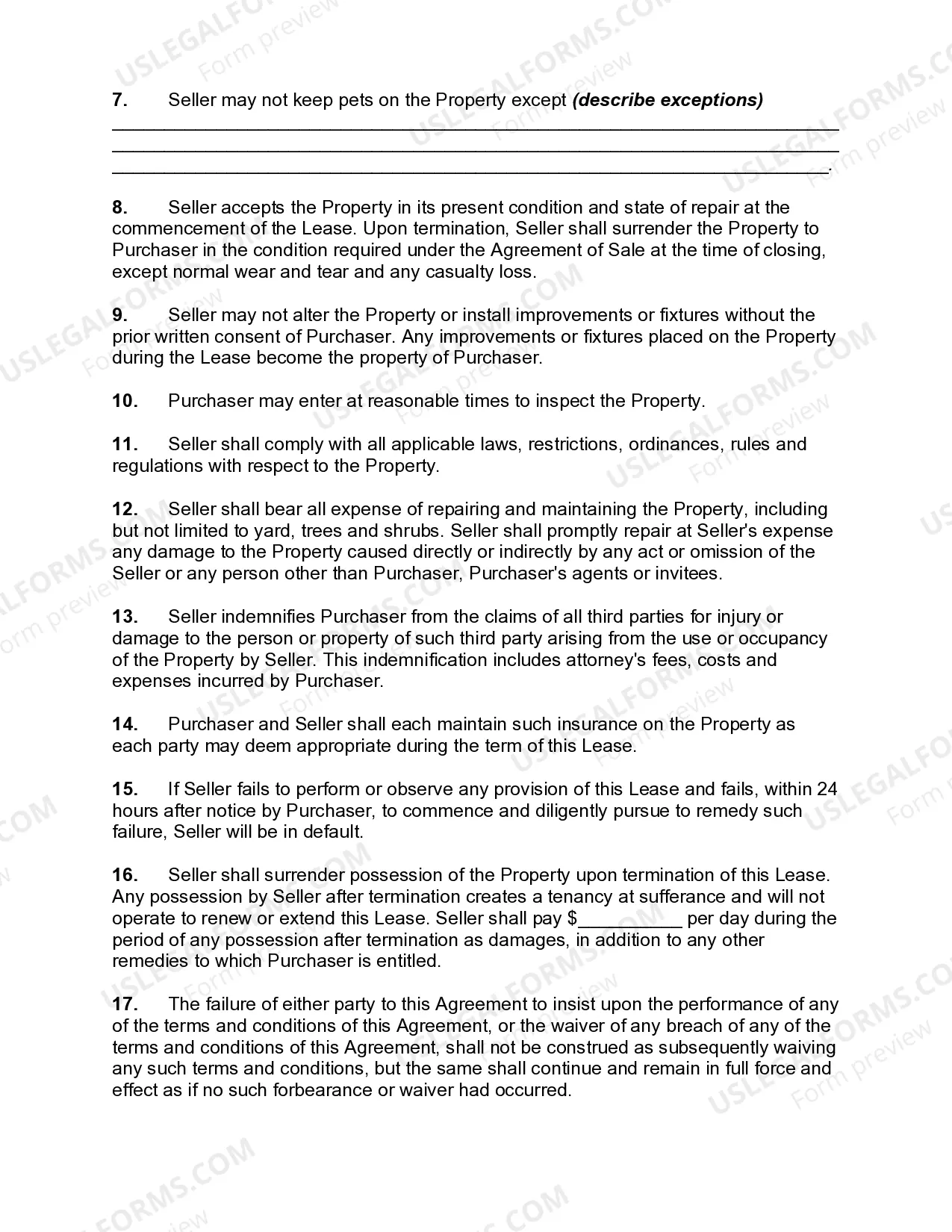
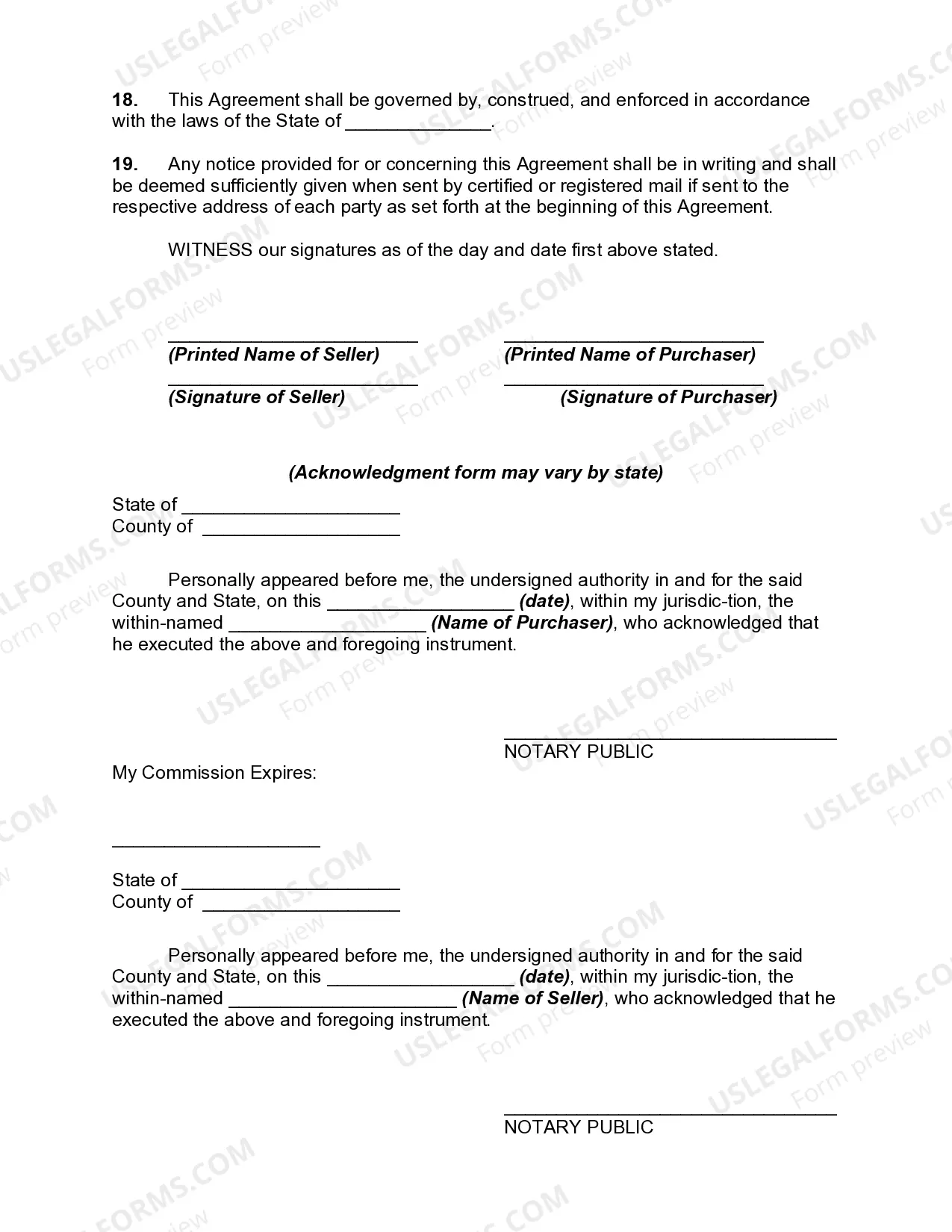
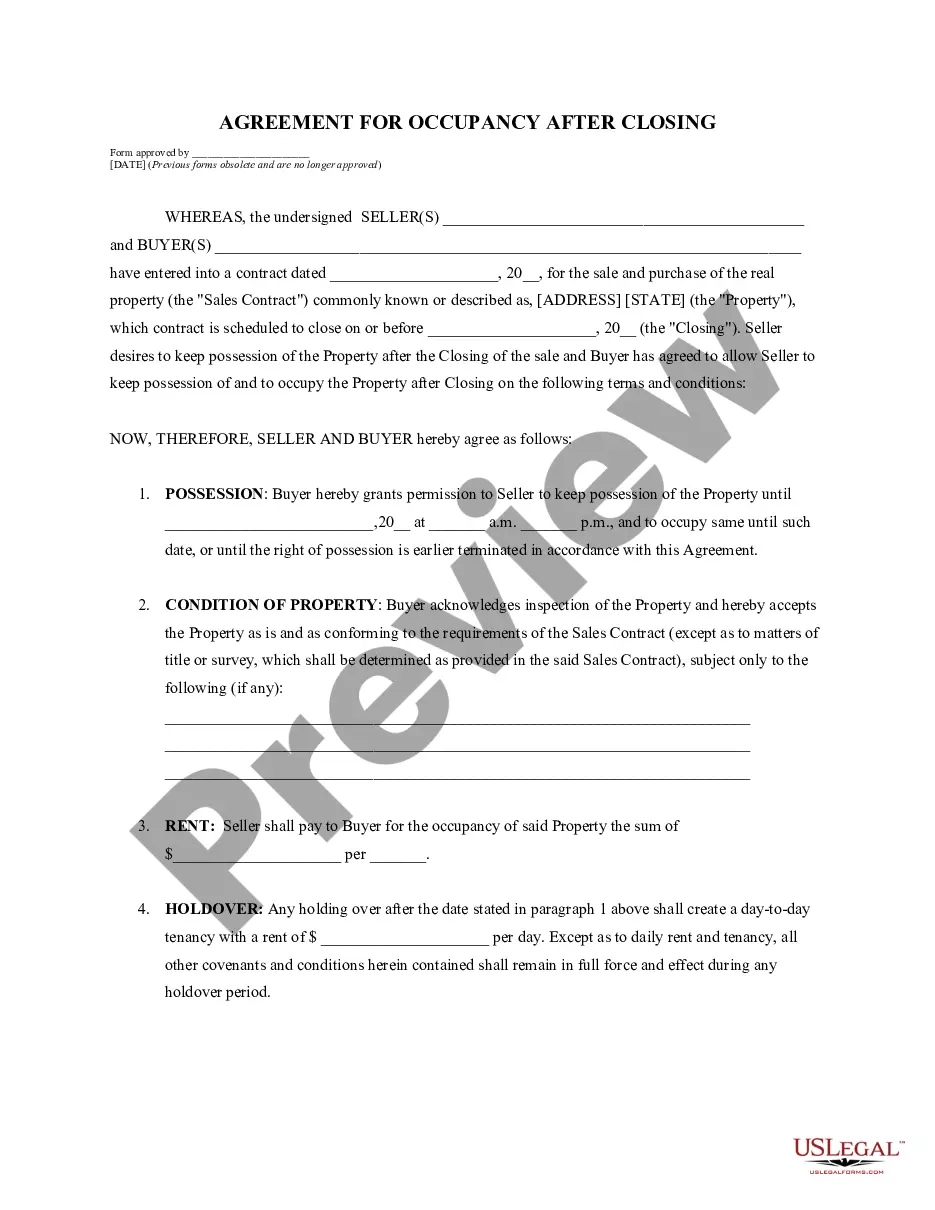
Tennessee Temporary Residential Lease - Occupation by Seller - Post-Closing
Description
Get your form ready online
Our built-in tools help you complete, sign, share, and store your documents in one place.
Make edits, fill in missing information, and update formatting in US Legal Forms—just like you would in MS Word.
Download a copy, print it, send it by email, or mail it via USPS—whatever works best for your next step.
Sign and collect signatures with our SignNow integration. Send to multiple recipients, set reminders, and more. Go Premium to unlock E-Sign.
If this form requires notarization, complete it online through a secure video call—no need to meet a notary in person or wait for an appointment.
We protect your documents and personal data by following strict security and privacy standards.

Make edits, fill in missing information, and update formatting in US Legal Forms—just like you would in MS Word.

Download a copy, print it, send it by email, or mail it via USPS—whatever works best for your next step.

Sign and collect signatures with our SignNow integration. Send to multiple recipients, set reminders, and more. Go Premium to unlock E-Sign.

If this form requires notarization, complete it online through a secure video call—no need to meet a notary in person or wait for an appointment.

We protect your documents and personal data by following strict security and privacy standards.
Looking for another form?
How to fill out Temporary Residential Lease - Occupation By Seller - Post-Closing?
You can dedicate numerous hours online looking for the appropriate legal format that meets the federal and state requirements you need.
US Legal Forms offers thousands of legal documents that have been reviewed by experts.
You can download or print the Tennessee Temporary Residential Lease - Occupation by Seller - Post-Closing from their service.
If available, utilize the Review button to peruse the format as well. If you need an additional version of the form, use the Search field to find the template that suits your requirements.
- If you possess a US Legal Forms account, you can sign in and click on the Download button.
- After that, you can complete, modify, print, or sign the Tennessee Temporary Residential Lease - Occupation by Seller - Post-Closing.
- Every legal format you purchase is yours for an extended period.
- To obtain another copy of any purchased form, visit the My documents tab and select the corresponding button.
- If you're using the US Legal Forms website for the first time, follow the simple instructions below.
- First, ensure you have chosen the correct format for your selected state/city.
- Check the form description to confirm you have selected the appropriate document.
Form popularity
FAQ
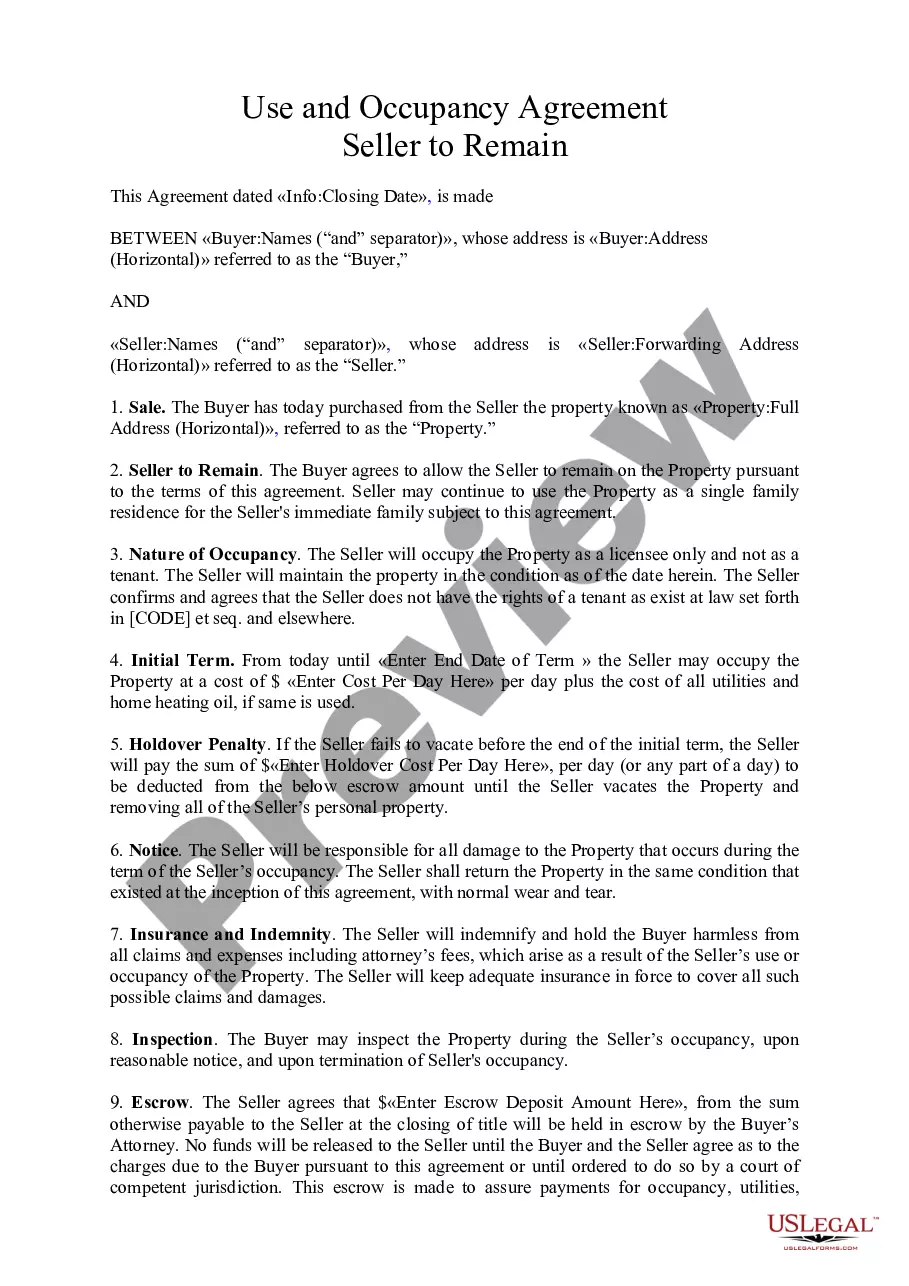
Post occupancy refers to the period after a property sale when the seller remains in the home after closing. With a Tennessee Temporary Residential Lease - Occupation by Seller - Post-Closing, sellers can occupy the property for an agreed-upon time while the buyer assumes legal ownership. This arrangement is beneficial for sellers needing time to transition and for buyers who may require some flexibility before moving in. Always review your lease terms to understand your rights and obligations during this time.
In Tennessee, a real estate contract is typically binding once all parties involved have signed the agreement. This includes the buyer, seller, and any other relevant parties. Additionally, when using a Tennessee Temporary Residential Lease - Occupation by Seller - Post-Closing, it's essential that everyone understands the terms laid out in the document. Clear communication helps ensure that all parties are on the same page, reducing the chance for misunderstandings later.
Occupancy at closing means that the buyer gains immediate possession of the property as soon as the closing process is completed. This arrangement is beneficial for buyers who want to start living in their new home right away. Including the terms in a Tennessee Temporary Residential Lease - Occupation by Seller - Post-Closing can ensure both parties understand their rights and obligations during this transition.
An occupancy prior to closing agreement allows the buyer to move into the property ahead of the official closing date, provided both parties consent. This arrangement helps buyers settle in while the sale process is finalized, but it necessitates clear terms to ensure protection for both the buyer and seller. A Tennessee Temporary Residential Lease - Occupation by Seller - Post-Closing can help define these terms precisely.
Thirty-day occupancy after closing allows the seller to remain in the home for 30 days post-sale, as per the terms agreed upon by both parties. This arrangement can help sellers who need additional time to relocate while giving buyers immediate control over the property. To formalize this agreement, a Tennessee Temporary Residential Lease - Occupation by Seller - Post-Closing can provide clarity for everyone involved.
An occupant agreement is a legal document that establishes the rights and obligations of individuals who occupy a property, including the seller or buyer, during a specified time frame. This agreement is crucial in clarifying who is authorized to stay in the home and under what conditions. To facilitate a smooth transfer, a Tennessee Temporary Residential Lease - Occupation by Seller - Post-Closing can serve as a reliable solution for both buyers and sellers.
Post-closing occupancy by seller refers to a situation where the seller remains in the home for a specific period after the sale has officially closed. This arrangement can be useful for sellers who need extra time to move out while ensuring that the buyer has secured the property. A well-drafted Tennessee Temporary Residential Lease - Occupation by Seller - Post-Closing can cover these terms clearly and protect both parties involved.
Generally, it is not illegal to move into a house before closing if both the buyer and seller agree to the arrangement in writing. However, without a formal occupancy agreement, the buyer may risk losing their rights to the property in case of complications. Utilizing a Tennessee Temporary Residential Lease - Occupation by Seller - Post-Closing can clarify the situation and ensure a smooth transition.
An occupancy agreement before closing is a document that allows a buyer to take possession of a property before the actual closing date. This agreement is essential to protect both parties, as it outlines the rights and responsibilities of the buyer and seller during the interim period. If you're considering a Tennessee Temporary Residential Lease - Occupation by Seller - Post-Closing, this type of agreement can provide you with peace of mind.
After closing, the seller remains liable for any damage that occurs during their occupancy unless otherwise specified in a lease agreement. Additionally, the seller must adhere to the terms outlined in the Tennessee Temporary Residential Lease - Occupation by Seller - Post-Closing, which can include maintenance responsibilities and respecting the buyer's ownership rights. This clarity provides peace of mind for both parties.