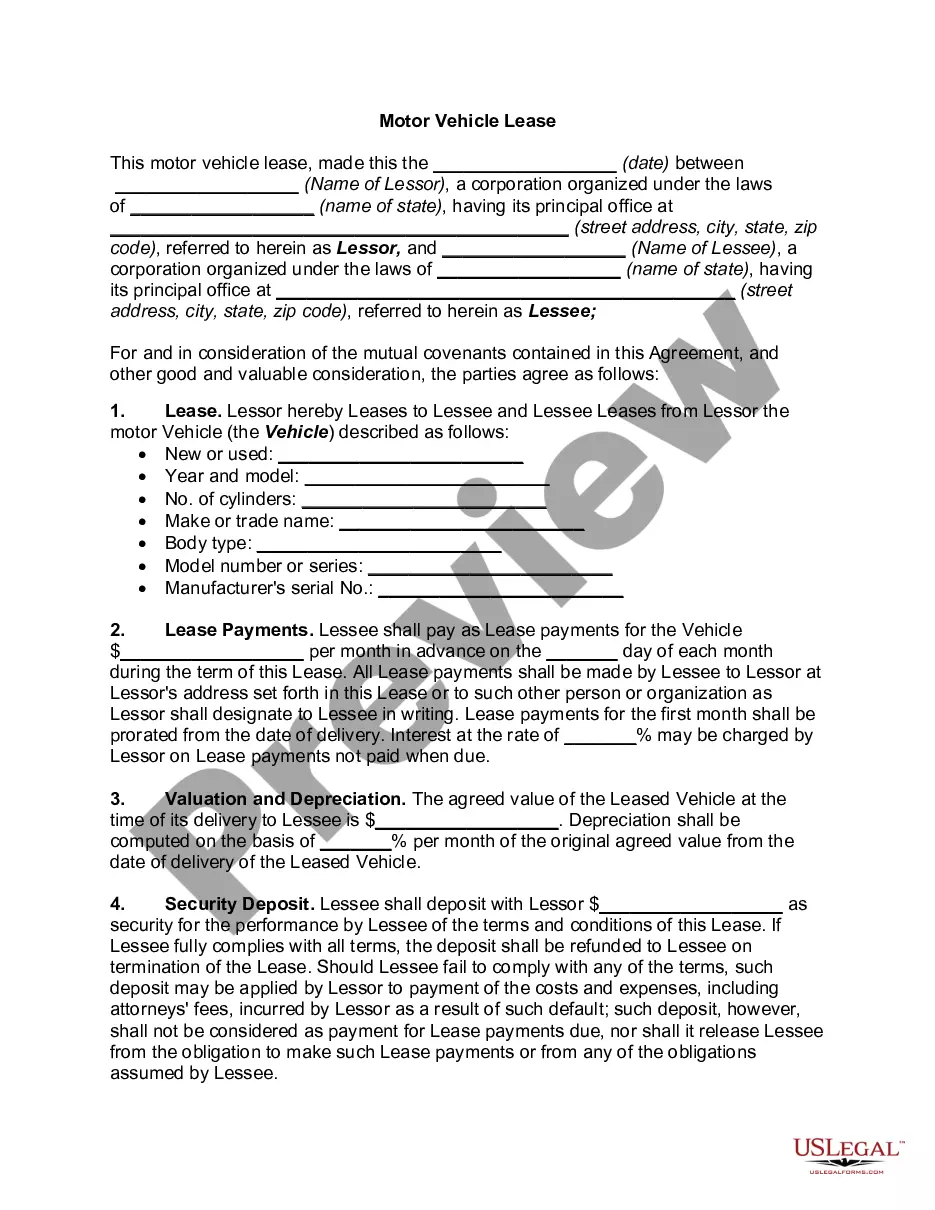
Tennessee Commercial Vehicle Master Lease Agreement

Description
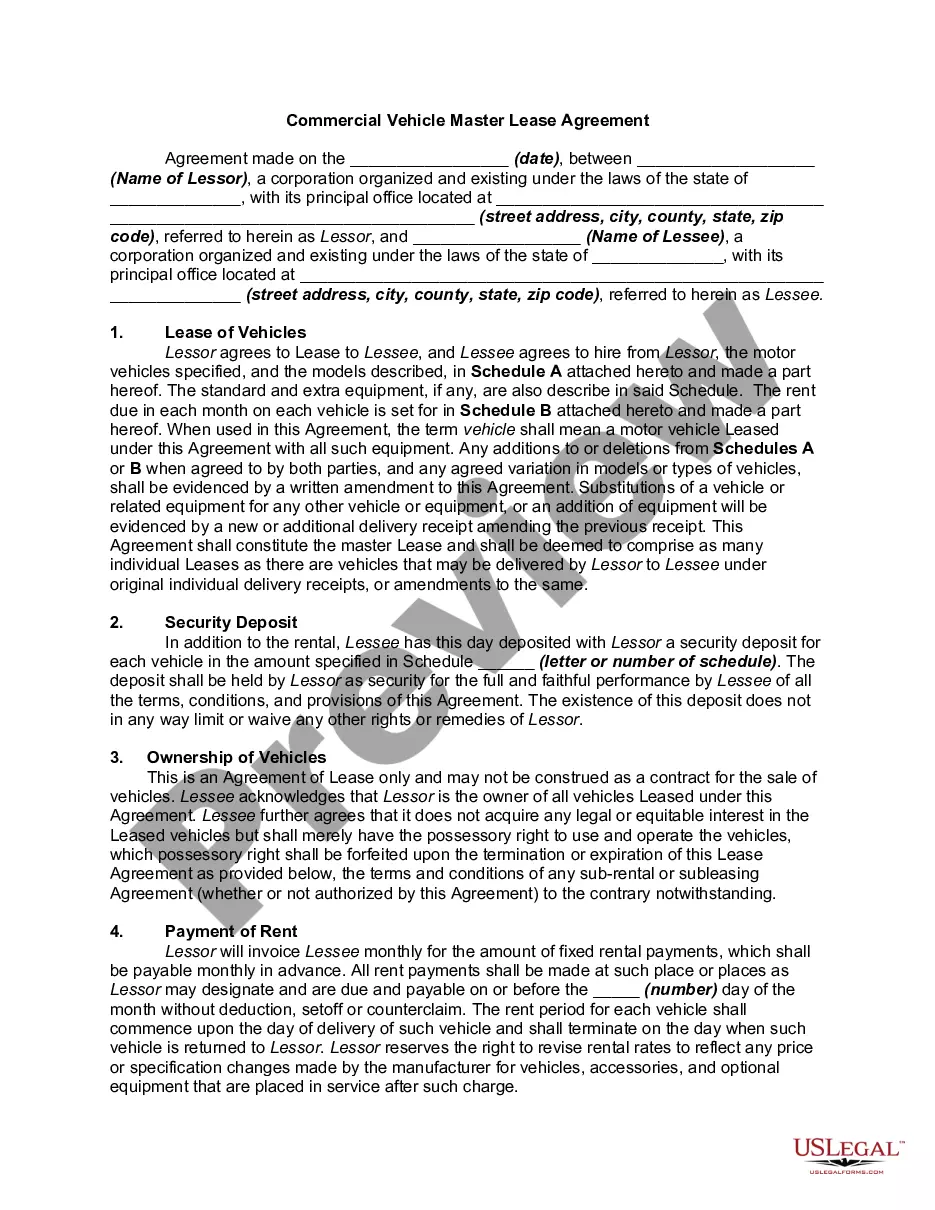
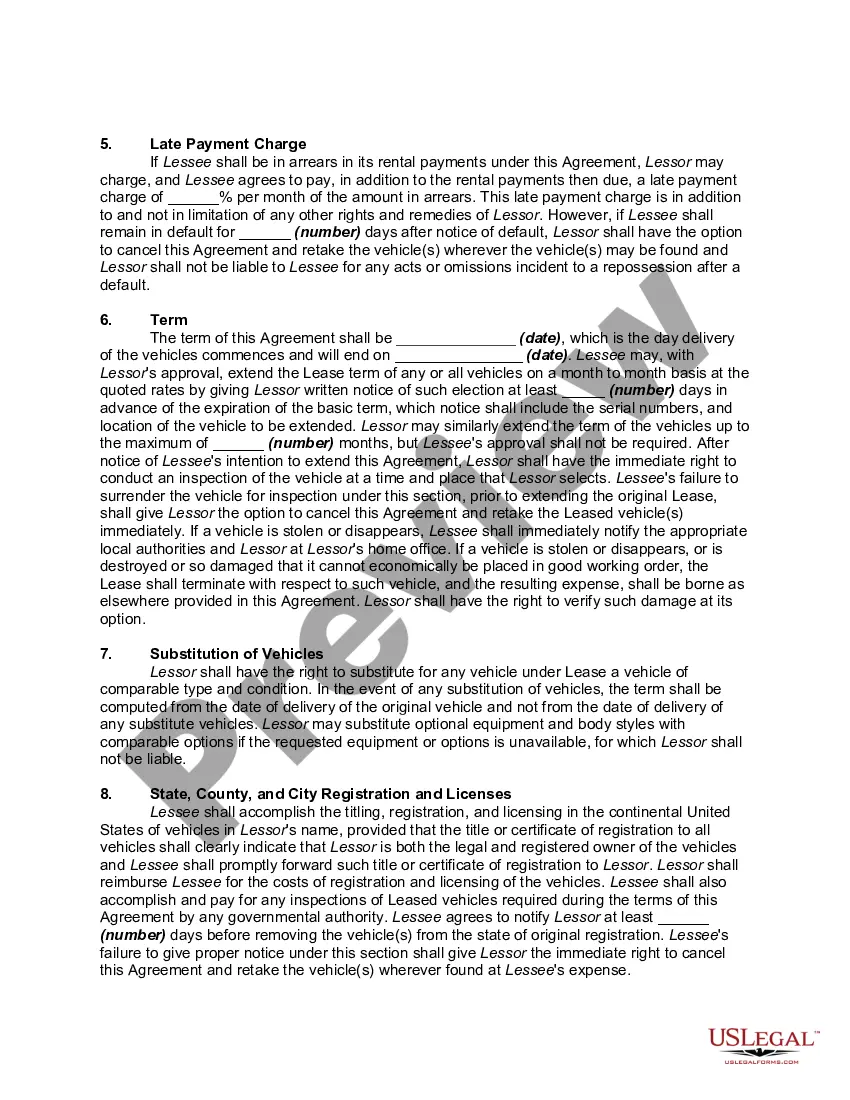
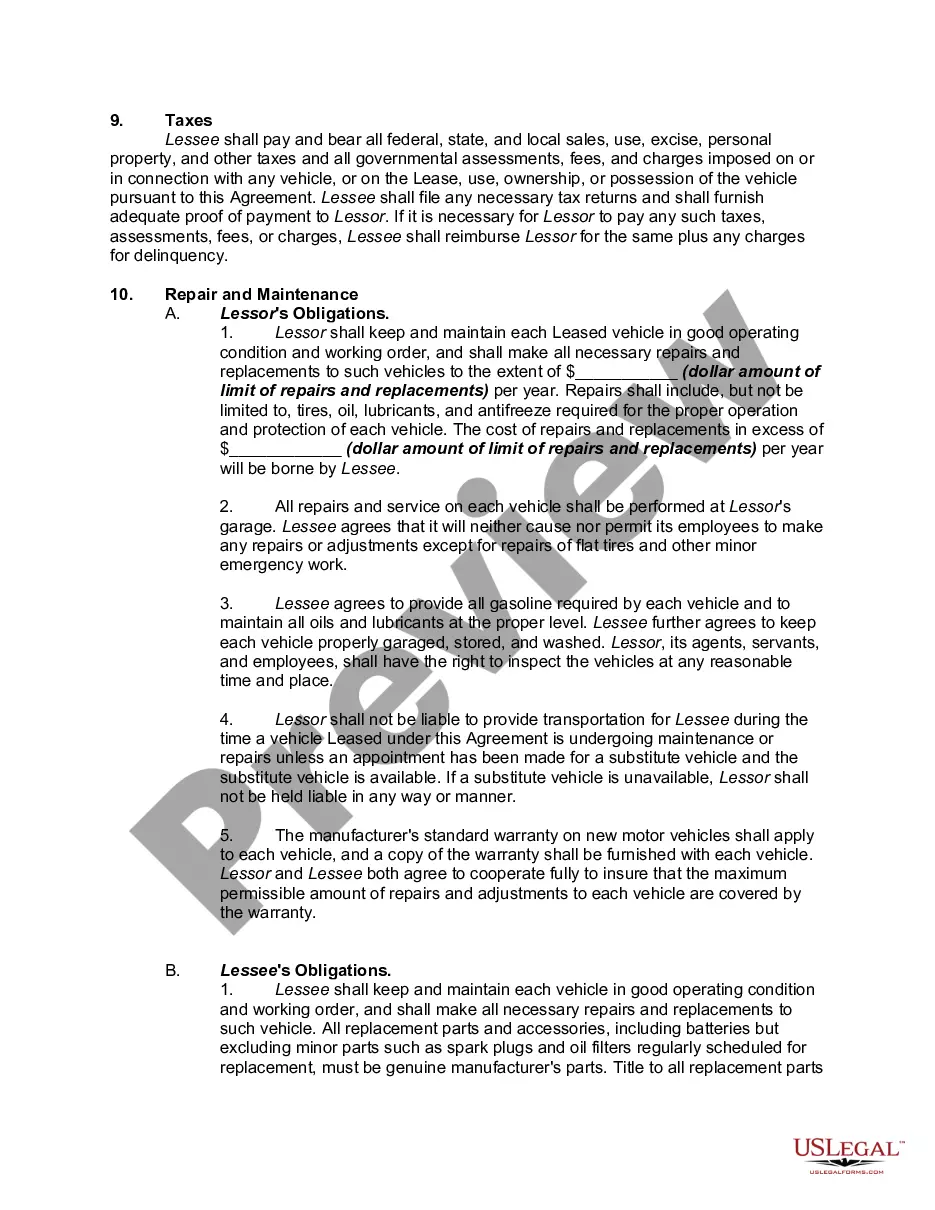
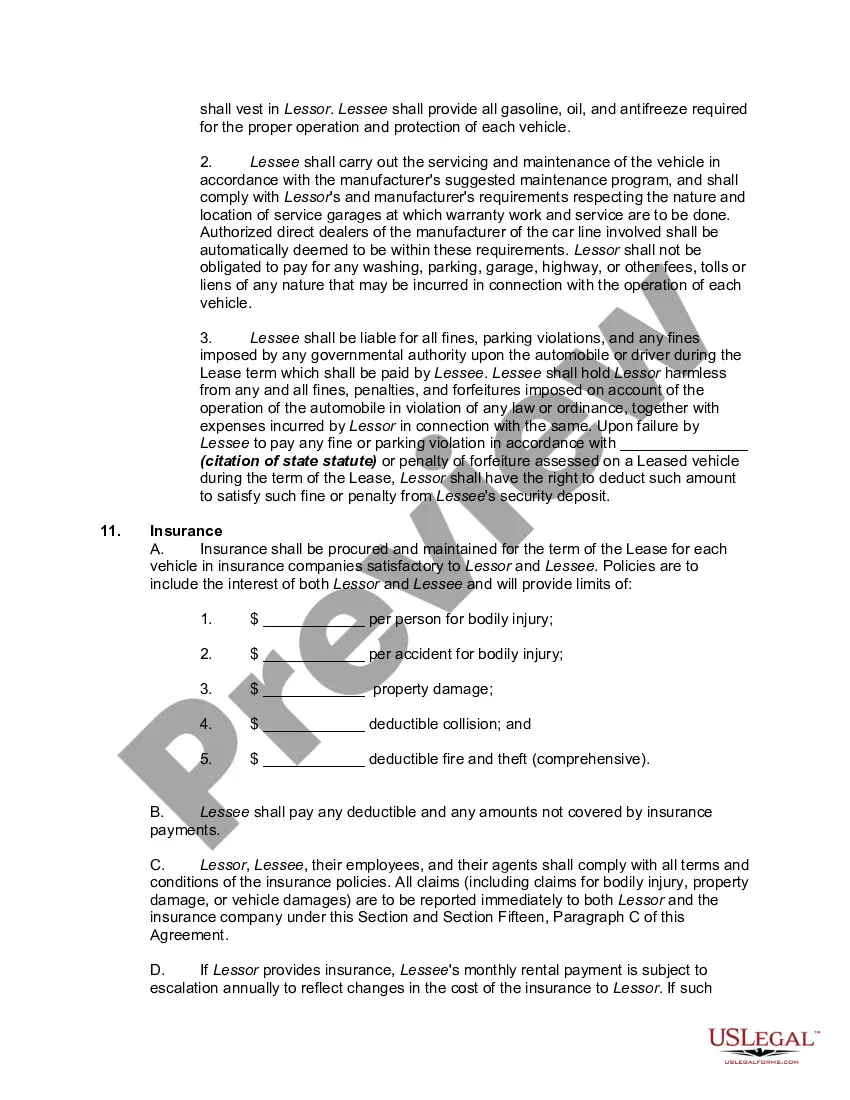
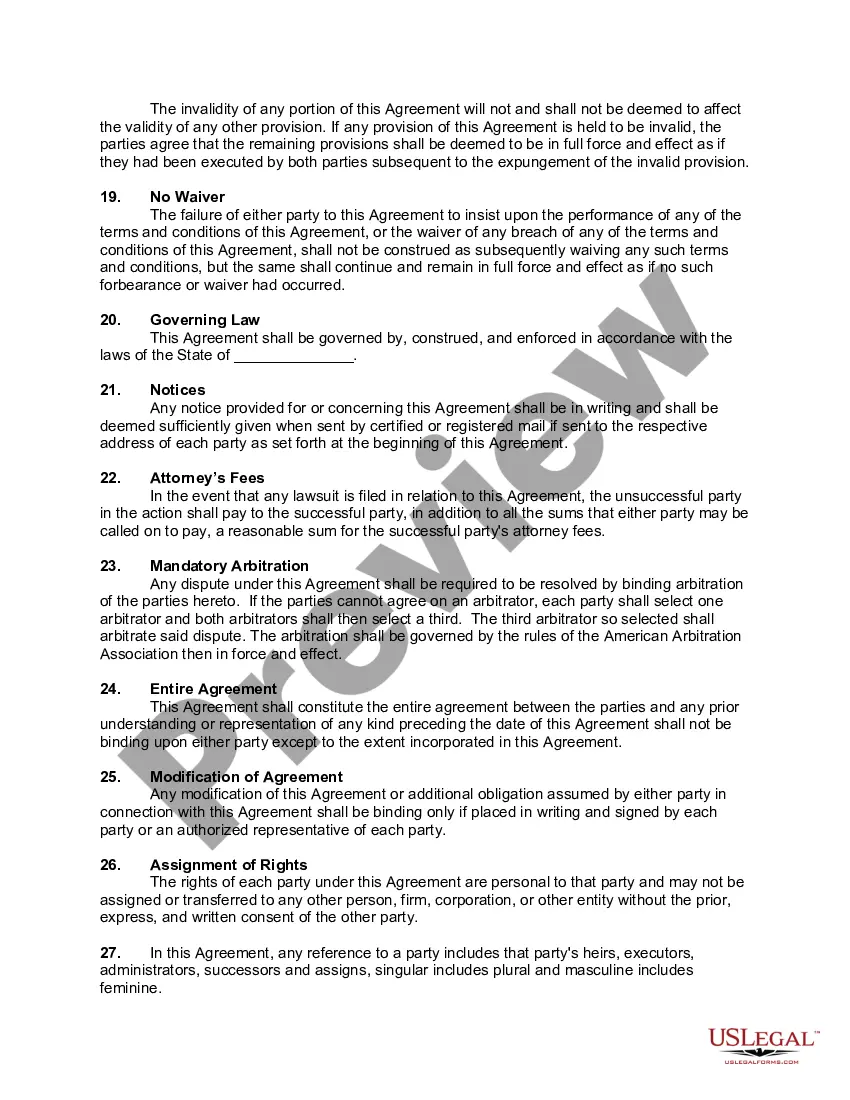
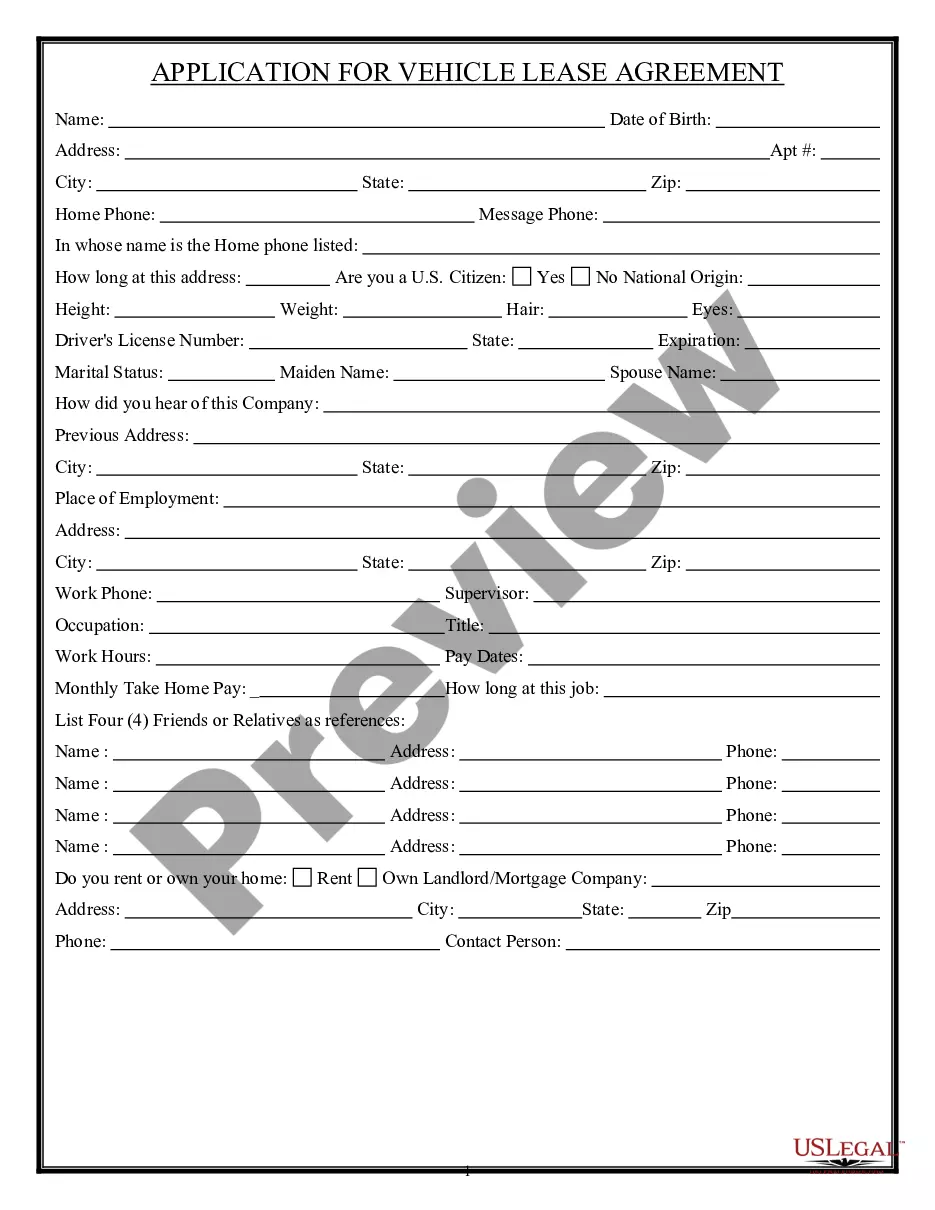
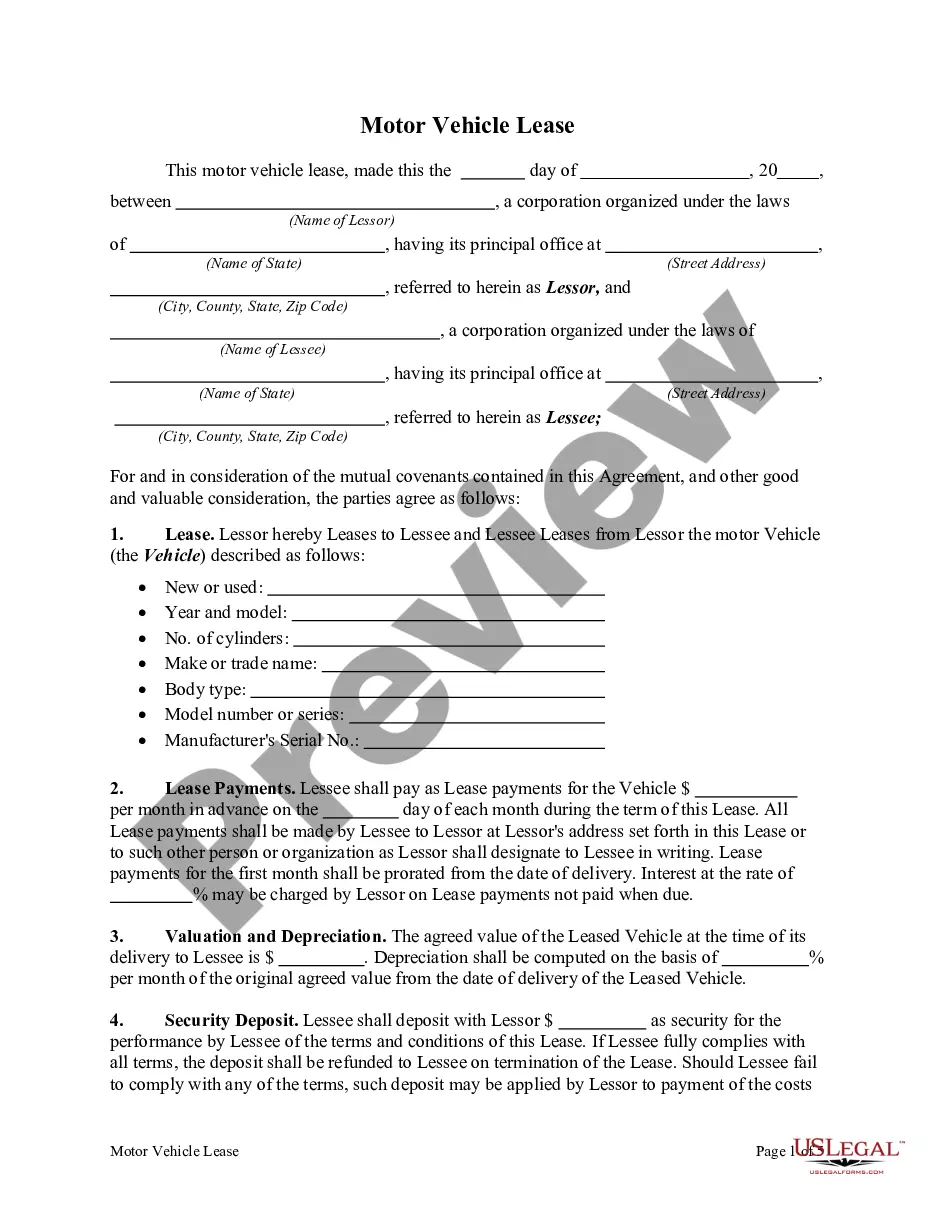
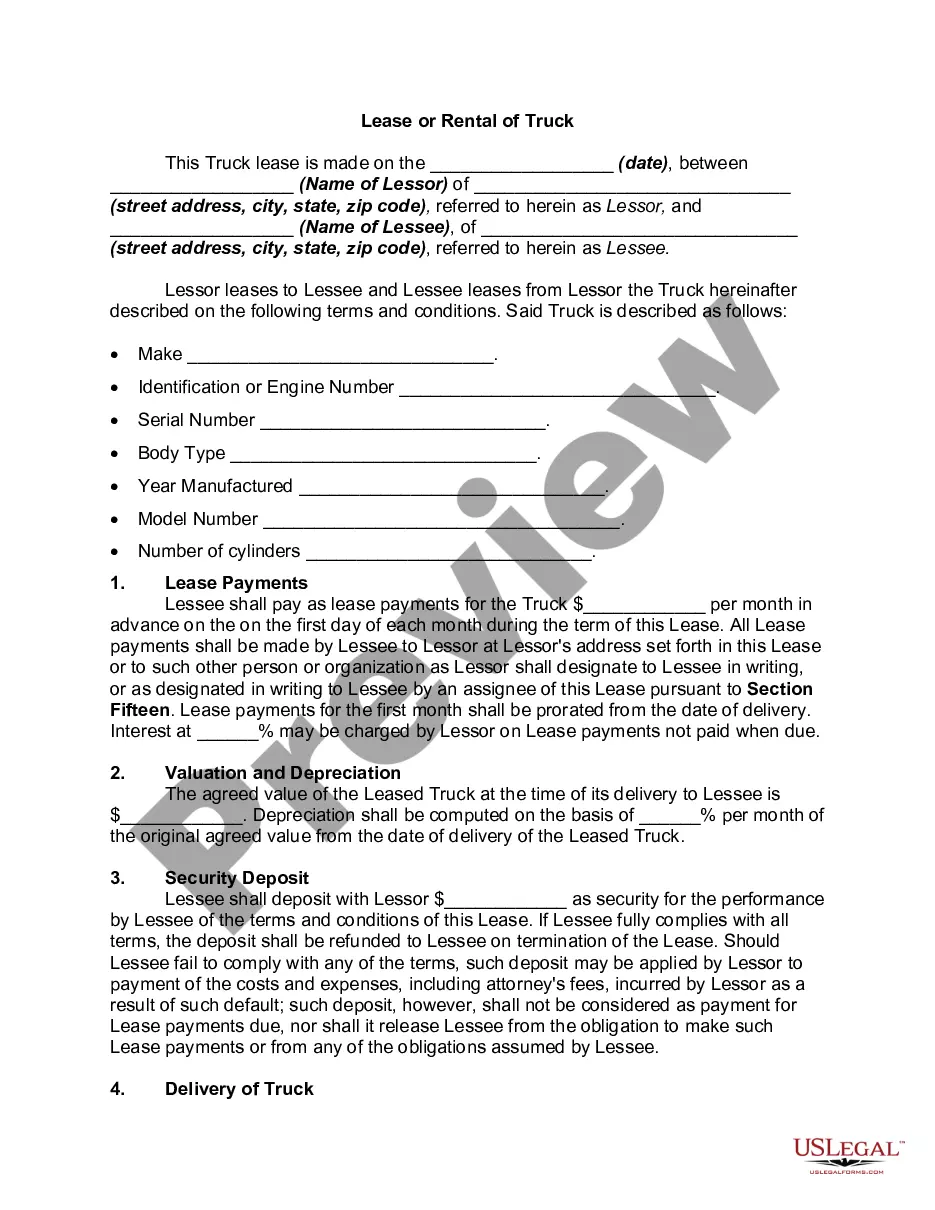
Get your form ready online
Our built-in tools help you complete, sign, share, and store your documents in one place.
Make edits, fill in missing information, and update formatting in US Legal Forms—just like you would in MS Word.
Download a copy, print it, send it by email, or mail it via USPS—whatever works best for your next step.
Sign and collect signatures with our SignNow integration. Send to multiple recipients, set reminders, and more. Go Premium to unlock E-Sign.
If this form requires notarization, complete it online through a secure video call—no need to meet a notary in person or wait for an appointment.
We protect your documents and personal data by following strict security and privacy standards.

Make edits, fill in missing information, and update formatting in US Legal Forms—just like you would in MS Word.

Download a copy, print it, send it by email, or mail it via USPS—whatever works best for your next step.

Sign and collect signatures with our SignNow integration. Send to multiple recipients, set reminders, and more. Go Premium to unlock E-Sign.

If this form requires notarization, complete it online through a secure video call—no need to meet a notary in person or wait for an appointment.

We protect your documents and personal data by following strict security and privacy standards.
Looking for another form?
How to fill out Commercial Vehicle Master Lease Agreement?
You may invest several hours online attempting to locate the legal document template that fulfills the state and federal requirements you need.
US Legal Forms offers thousands of legal templates that are reviewed by experts.
It is easy to access or create the Tennessee Commercial Vehicle Master Lease Agreement through our service.
If you wish to acquire another version of the form, utilize the Search field to locate the template that suits your needs and requirements.
- If you already possess a US Legal Forms account, you may Log In and press the Download button.
- Subsequently, you can complete, modify, print, or sign the Tennessee Commercial Vehicle Master Lease Agreement.
- Every legal document template you purchase is yours indefinitely.
- To obtain an additional version of a purchased form, navigate to the My documents tab and click the corresponding button.
- If you are visiting the US Legal Forms website for the first time, follow the simple instructions below.
- First, verify that you have selected the right document template for the county/city of your choice.
- Review the form details to confirm you have picked the correct form.
- If available, utilize the Preview button to review the document template as well.
Form popularity
FAQ
To exit a commercial car lease, you generally have a few options. First, you can negotiate with your leasing company to see if they will allow a lease transfer or offer any early termination options. Alternatively, considering the Tennessee Commercial Vehicle Master Lease Agreement, you may find beneficial terms that suit your needs while adhering to the leasing guidelines. It's crucial to review your contract's terms and consult with a legal expert if you're unsure about your rights and options.
The three primary types of commercial property leases include gross leases, net leases, and percentage leases. A gross lease involves a fixed rent where the landlord covers operating expenses. In a net lease, the tenant pays a portion of expenses like property taxes and insurance, while a percentage lease bases rent on a percentage of sales. If you are utilizing a Tennessee Commercial Vehicle Master Lease Agreement, understanding these various lease types can help you identify the best structure for your business needs.
A ground lease typically allows a tenant to lease land for a long period while retaining ownership of any structures they build on that land. In contrast, a master lease governs multiple properties or units, often allowing subleasing. If you're considering a Tennessee Commercial Vehicle Master Lease Agreement, remember that it encompasses specific vehicle-related provisions, which can differ significantly from traditional lease structures.
Transferring a commercial lease to a new owner typically involves obtaining consent from your landlord and ensuring that the new tenant meets any necessary qualifications. You will usually need to provide written notice and complete any required paperwork, documenting the transfer. If your agreement includes a Tennessee Commercial Vehicle Master Lease Agreement, be sure to review specific terms related to ownership changes for a smooth transition.
You can obtain a copy of a lease agreement through various sources, including legal centers, real estate professionals, or online platforms like USLegalForms. These resources often provide customizable templates specific to your needs, such as the Tennessee Commercial Vehicle Master Lease Agreement. By using these templates, you can ensure compliance with local laws while meeting your unique business requirements.
The purpose of a commercial lease is to establish the terms and conditions under which a tenant can use a property's space for business activities. This legally-binding agreement protects both parties by outlining rent, duration, maintenance responsibilities, and other important details. Specifically, a Tennessee Commercial Vehicle Master Lease Agreement is designed for businesses that require long-term access to commercial vehicles, ensuring clarity and security in operations.
Registering a leased vehicle in Tennessee involves completing the standard vehicle registration process at your local Department of Motor Vehicles (DMV). You will need to provide necessary documentation, including the Tennessee Commercial Vehicle Master Lease Agreement, to prove you have the right to register the vehicle. By following these steps, you can ensure your leased vehicles are legally compliant and ready for use.
In Tennessee, leased vehicles typically do not incur direct property tax like owned vehicles. Instead, leasing companies are responsible for property tax, which may be reflected in your lease payments. Understanding the Tennessee Commercial Vehicle Master Lease Agreement can provide insights into how taxes apply, helping you plan your overall costs effectively.
A commercial vehicle lease involves an agreement between the lessee and the lessor, allowing the lessee to use the vehicle for a specified period while making regular payments. In this arrangement, you do not own the vehicle, but you benefit from its use for your business needs. The Tennessee Commercial Vehicle Master Lease Agreement outlines the terms, including payment schedules, maintenance responsibilities, and mileage limits, ensuring you have clarity before signing.
Another common name for a master lease is a master service agreement or master lease agreement. This terminology reflects the overarching nature of the lease, covering multiple transactions within a single document. By utilizing a Tennessee Commercial Vehicle Master Lease Agreement, businesses gain clarity and efficiency in managing their leasing needs.