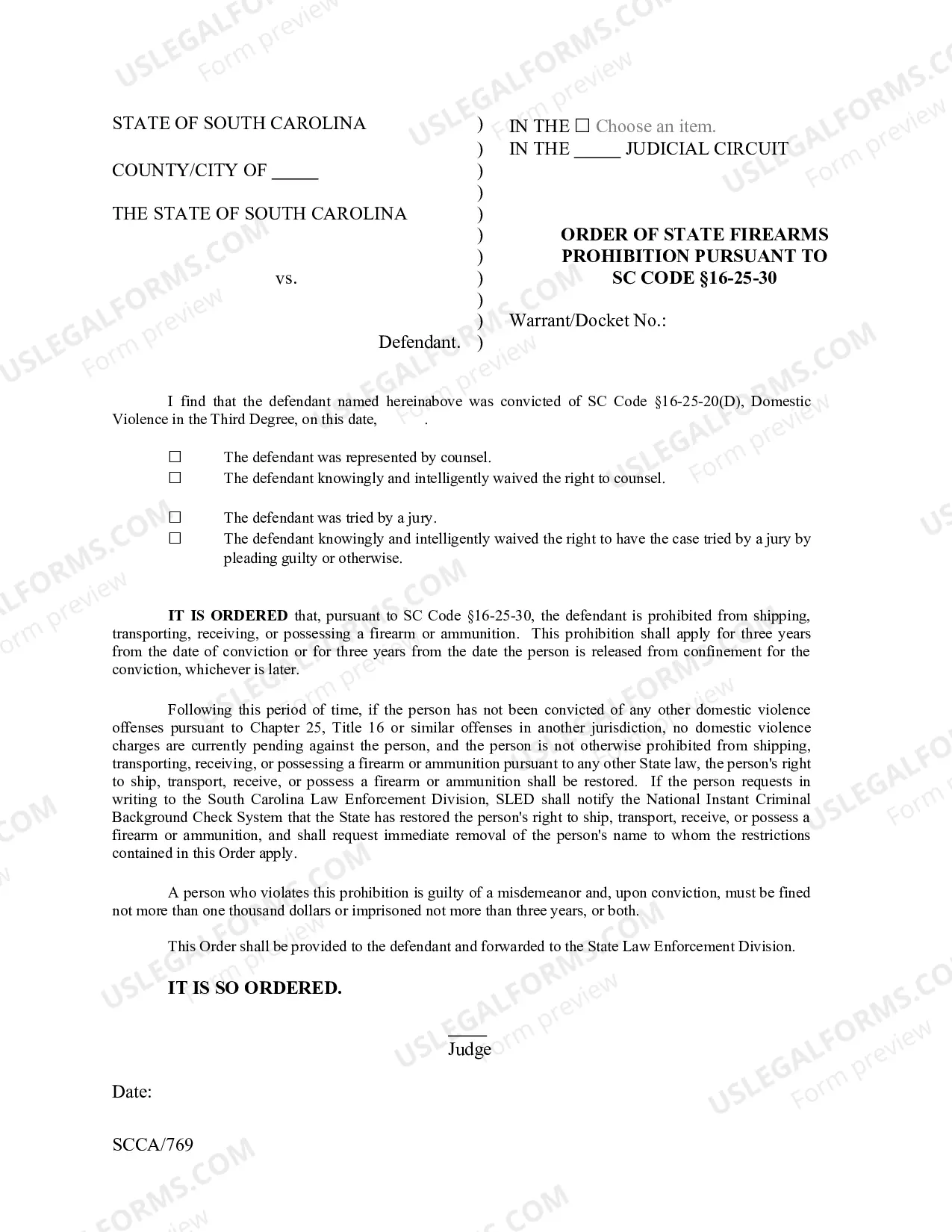
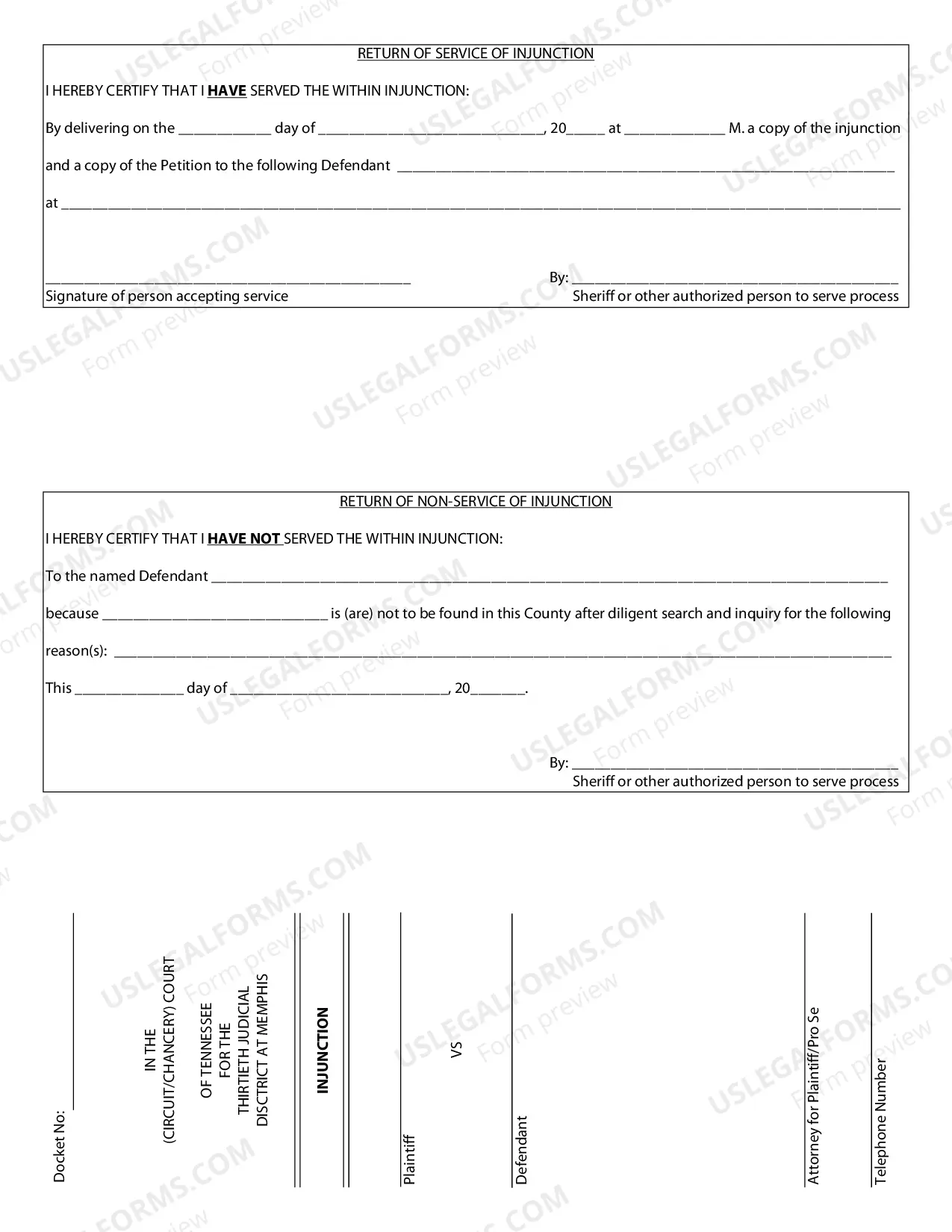
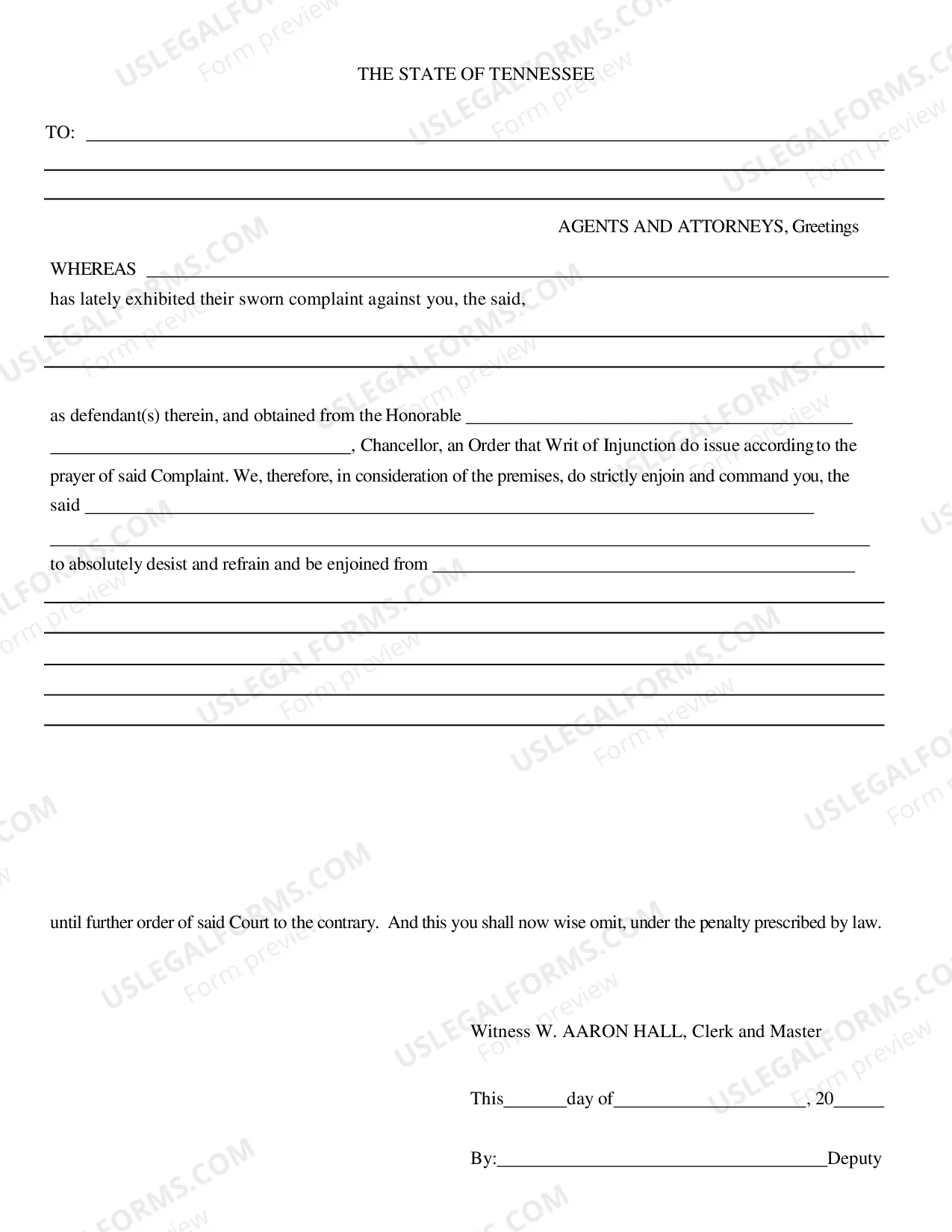
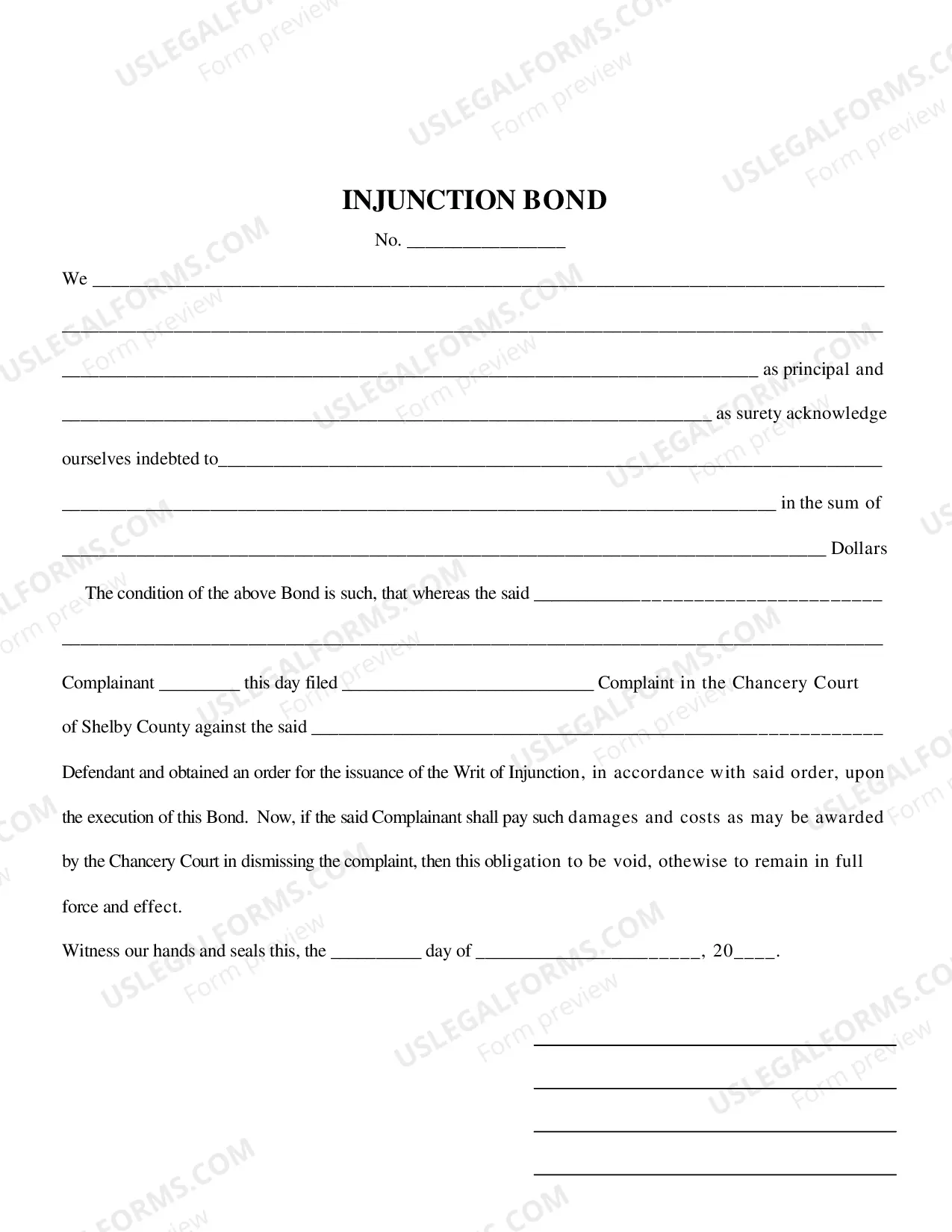
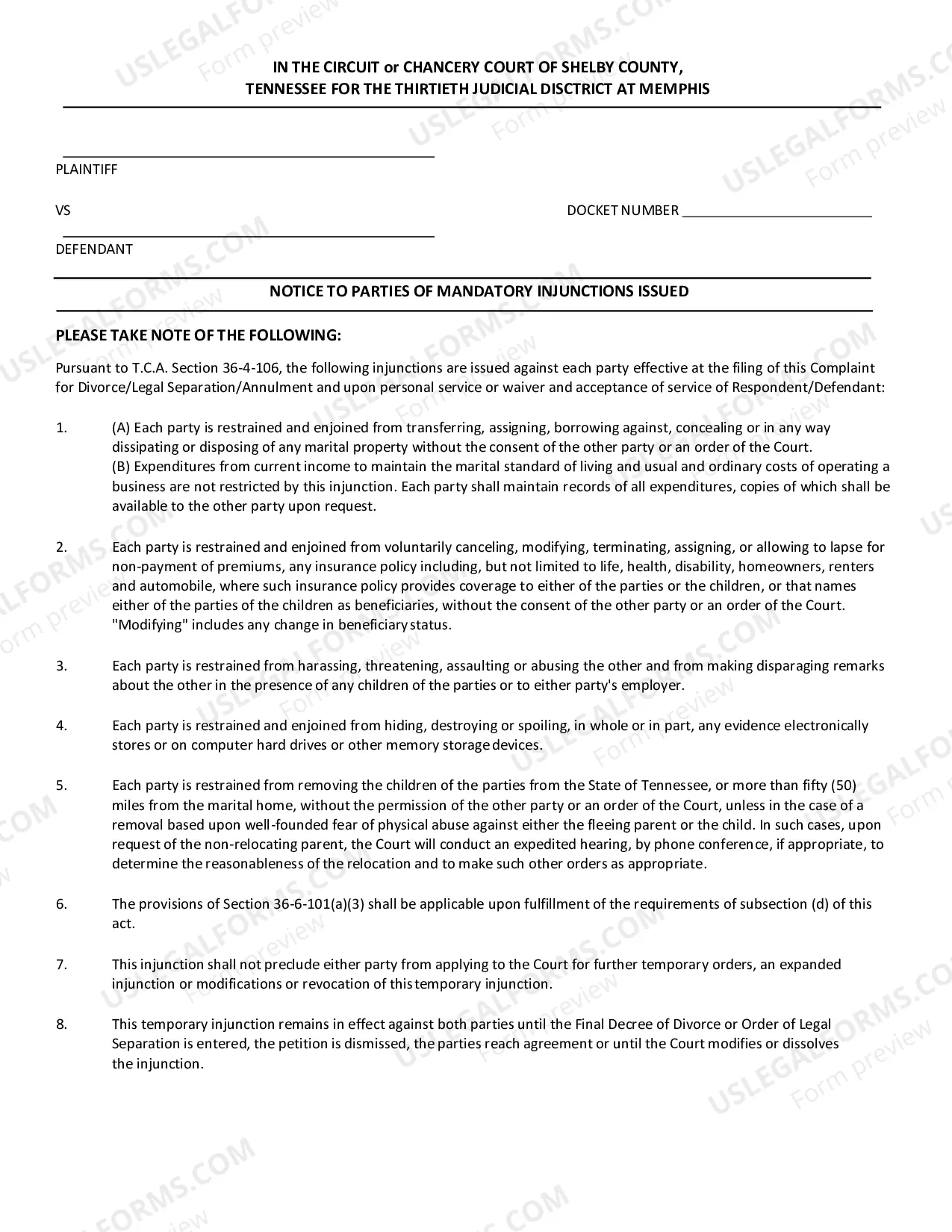
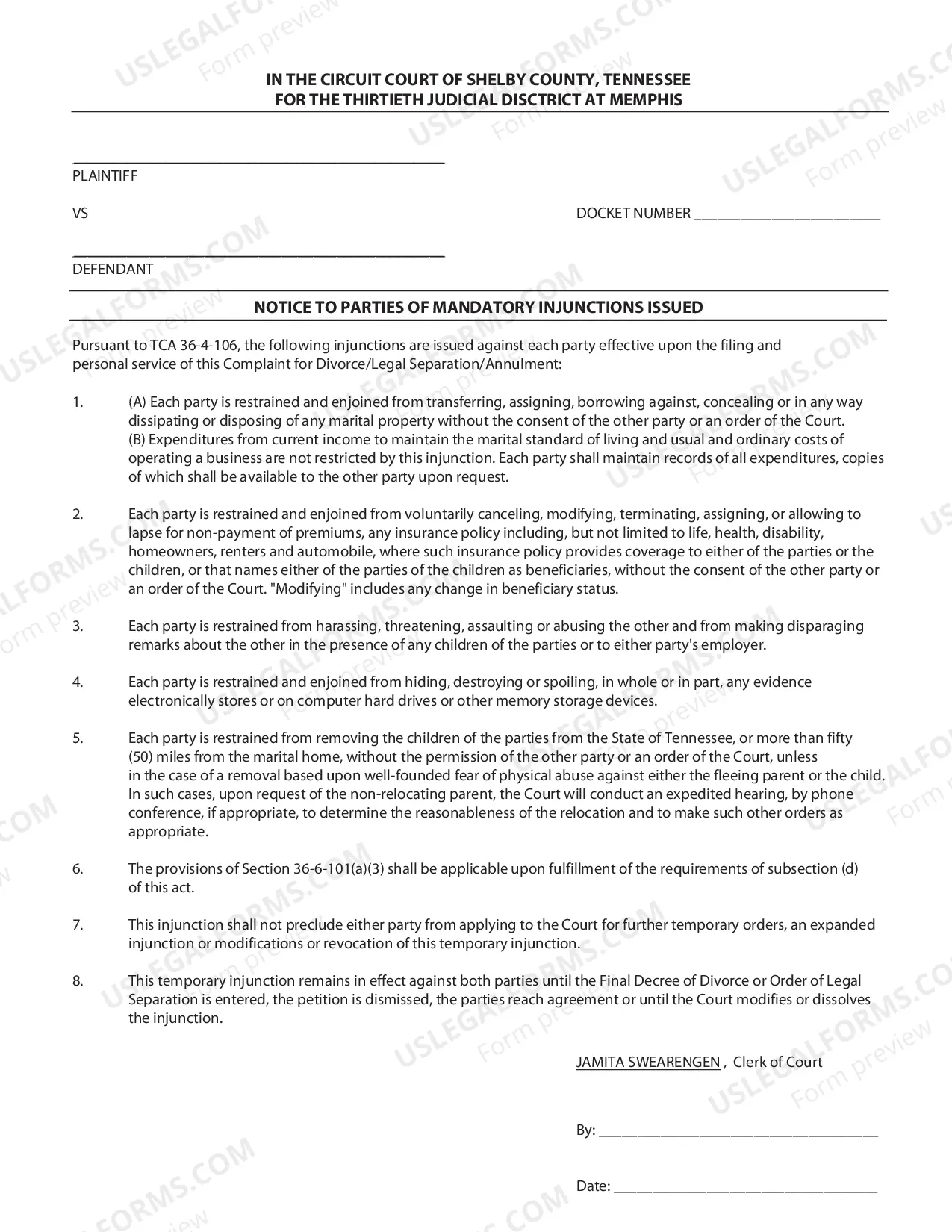
Tennessee Writ of Injunction
Description

Get your form ready online
Our built-in tools help you complete, sign, share, and store your documents in one place.
Make edits, fill in missing information, and update formatting in US Legal Forms—just like you would in MS Word.
Download a copy, print it, send it by email, or mail it via USPS—whatever works best for your next step.
Sign and collect signatures with our SignNow integration. Send to multiple recipients, set reminders, and more. Go Premium to unlock E-Sign.
If this form requires notarization, complete it online through a secure video call—no need to meet a notary in person or wait for an appointment.
We protect your documents and personal data by following strict security and privacy standards.

Make edits, fill in missing information, and update formatting in US Legal Forms—just like you would in MS Word.

Download a copy, print it, send it by email, or mail it via USPS—whatever works best for your next step.

Sign and collect signatures with our SignNow integration. Send to multiple recipients, set reminders, and more. Go Premium to unlock E-Sign.

If this form requires notarization, complete it online through a secure video call—no need to meet a notary in person or wait for an appointment.

We protect your documents and personal data by following strict security and privacy standards.
Looking for another form?


How to fill out Tennessee Writ Of Injunction?
US Legal Forms is the most easy and profitable way to locate appropriate formal templates. It’s the most extensive web-based library of business and personal legal paperwork drafted and verified by attorneys. Here, you can find printable and fillable blanks that comply with federal and local regulations - just like your Tennessee Writ of Injunction.
Obtaining your template takes just a couple of simple steps. Users that already have an account with a valid subscription only need to log in to the web service and download the document on their device. Later, they can find it in their profile in the My Forms tab.
And here’s how you can get a professionally drafted Tennessee Writ of Injunction if you are using US Legal Forms for the first time:
- Look at the form description or preview the document to make sure you’ve found the one corresponding to your demands, or find another one using the search tab above.
- Click Buy now when you’re certain about its compatibility with all the requirements, and choose the subscription plan you like most.
- Create an account with our service, log in, and pay for your subscription using PayPal or you credit card.
- Choose the preferred file format for your Tennessee Writ of Injunction and download it on your device with the appropriate button.
Once you save a template, you can reaccess it anytime - just find it in your profile, re-download it for printing and manual fill-out or import it to an online editor to fill it out and sign more proficiently.
Take full advantage of US Legal Forms, your reliable assistant in obtaining the corresponding official paperwork. Try it out!
Form popularity
FAQ
An injunction is a court order requiring a person to do or cease doing a specific action. There are three types of injunctions: Permanent injunctions, Temporary restraining orders and preliminary injunctions. Temporary restraining orders (TRO) and preliminary injunctions are equitable in nature.
What is a preliminary injunction? A preliminary injunction is temporary relief that preserves the status quo until the courts decide on the merits of the case. The relief sought often involves asking a court to prevent an opposing party from taking specific action or continuing a current course of action.
525. An injunction is a writ or order requiring a person to refrain from a particular act. It may be granted by the court in which the action is brought, or by a judge thereof; and when granted by a judge, it may be enforced as an order of the court.
A temporary injunction may be granted, modified or dissolved on motion by a judge of the court in which the action is pending, or if this judge is disqualified, disabled or absent from the county, by a judge of a court having comparable jurisdiction.
An injunction or temporary restraining order is an order from the court prohibiting a party from performing or ordering a specified act, either temporarily or permanently.
A temporary injunction may be granted during the pendency of an action if it is clearly shown by verified complaint, affidavit or other evidence that the movant's rights are being or will be violated by an adverse party and the movant will suffer immediate and irreparable injury, loss or damage pending a final judgment
RULE 65. Injunctive relief may be obtained by (1) restraining order, (2) temporary injunction, or (3) permanent injunction in a final judgment. A restraining order shall only restrict the doing of an act. An injunction may restrict or mandatorily direct the doing of an act.