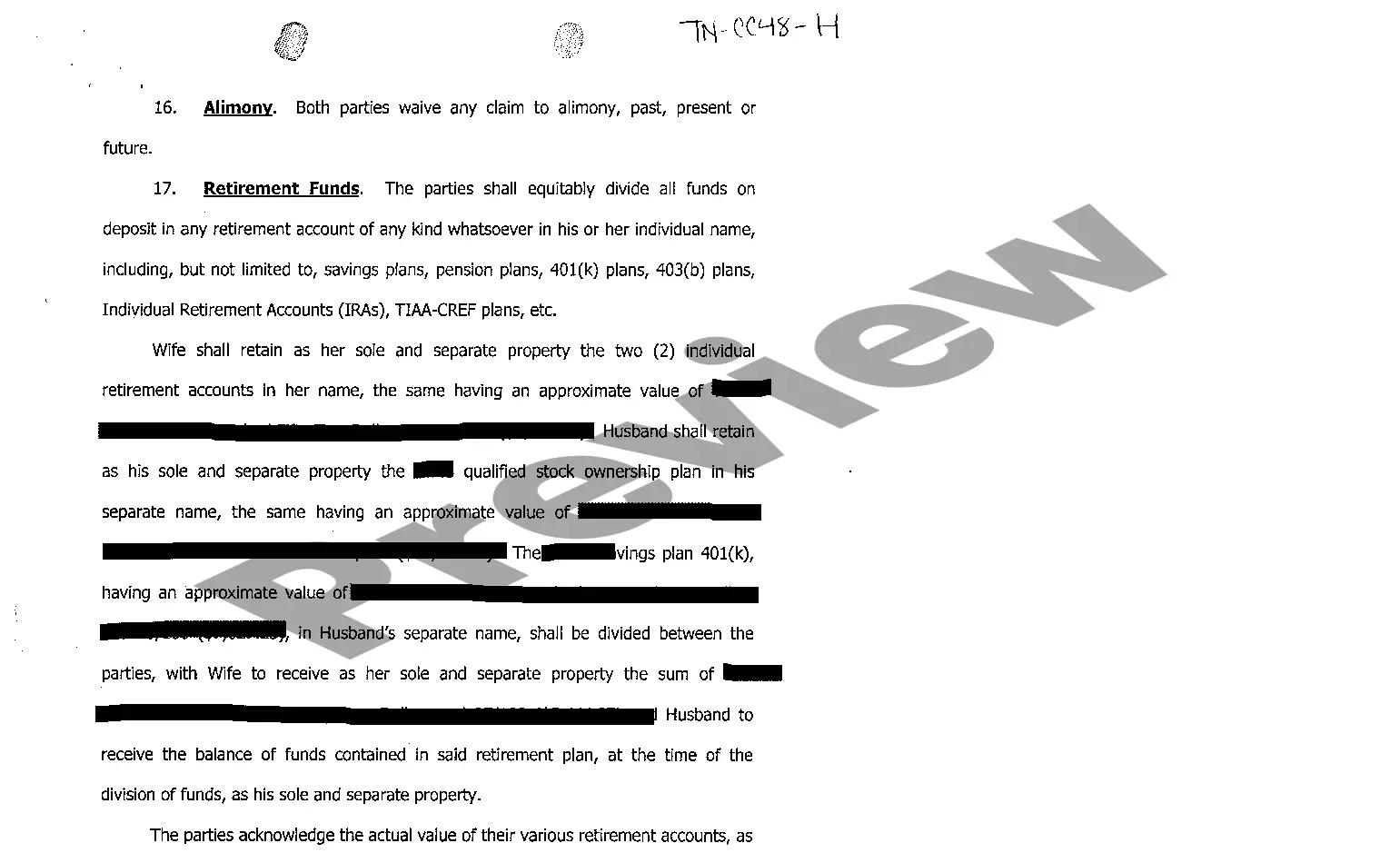
Tennessee Final Decree of Divorce - part 1
Is notarization required?
This form does not typically require notarization to be legally valid. However, some jurisdictions or document types may still require it. US Legal Forms provides secure online notarization powered by Notarize, available 24/7 for added convenience.
Form popularity
FAQ
By filing for divorce first, you can decide where the divorce will be litigated, which is especially important if you and your spouse no longer live in the same area. Filing first also gives you the opportunity to present your side of the case first if the case goes to trial.
During the court hearing, if everything is in order, the court will grant your divorce on the day. The divorce becomes final one month and one day after the date was granted. You will receive a divorce order (formerly known as a certificate of divorce) and will be able to remarry.
#1. Start with the Basics. #2. Include the Details. #3. Confirm Your Agreement. #4. Identify and Divide Assets and Debts. #5. Create a Parenting Plan for Custody and Visitation. #6. Agree on Child Support and Spousal Support (Alimony) #7. Polishing Your Agreement. Conclusion.
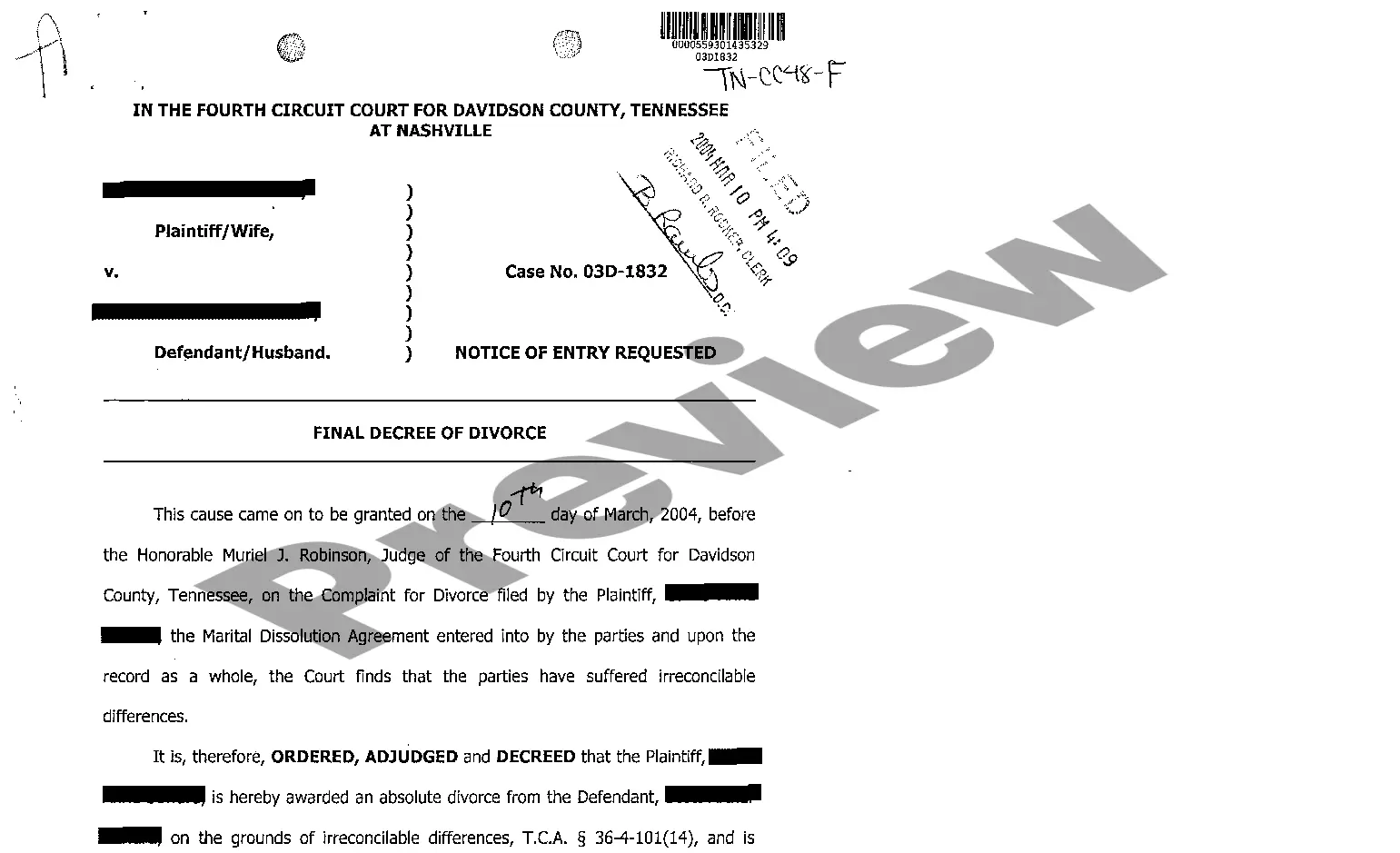
A divorce decree is a court document that is a final judgment from divorce court.
A divorce decree is the final step in the court proceeding for your divorce.The divorce certificate is issued by your state for record-keeping purposes, as opposed to the divorce decree, meaning a final, enforceable order by the court that you and your spouse must follow.
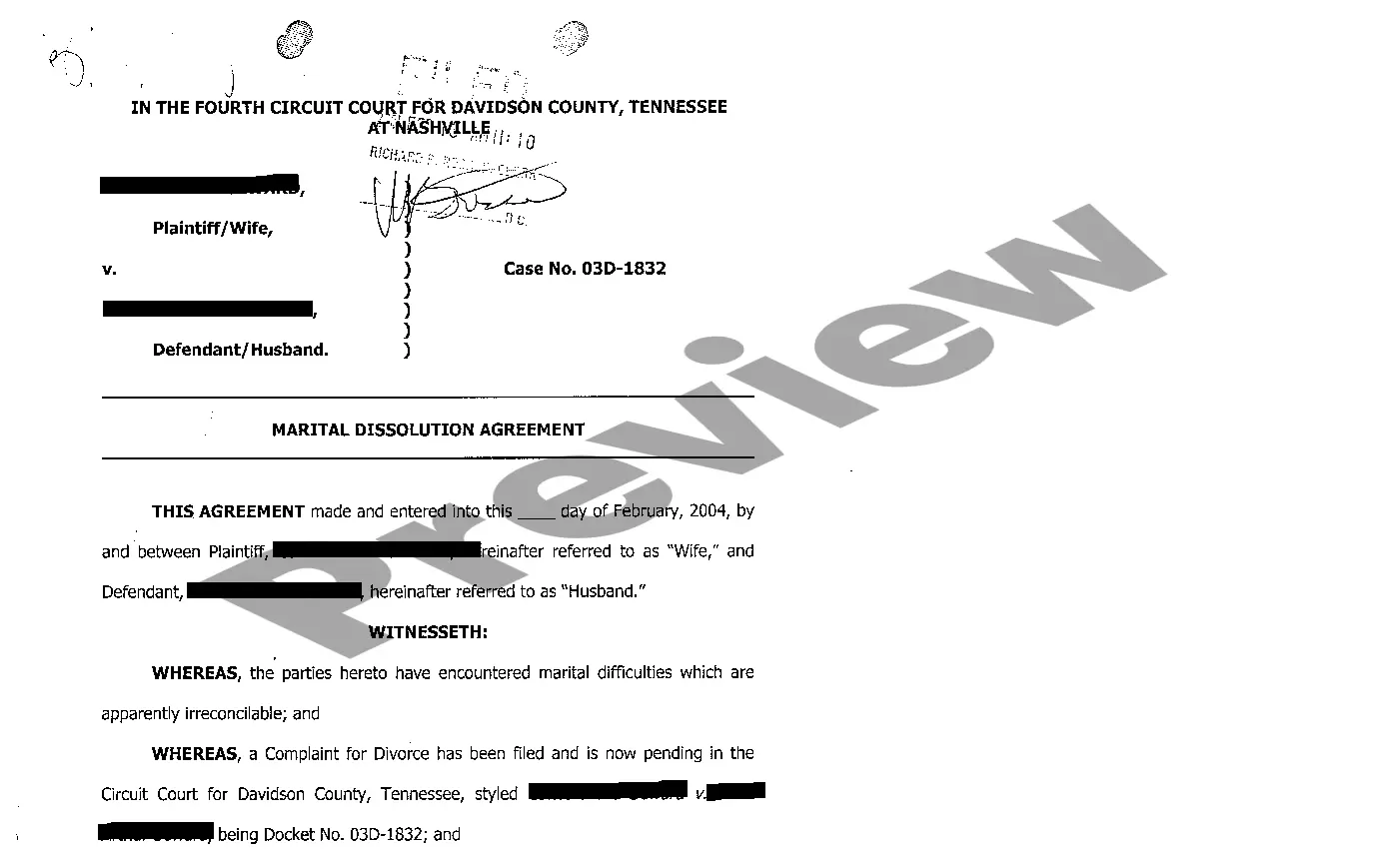
Make sure you have all of the basic information and divorce forms you need according to the divorce laws in your state. Make sure you have all of the personal information you need. Include a statement that you and the other party are in agreement with the contents of the document.
The court will give you a proof of written judgement that lets you know that your divorce is final. You can request a copy of this judgement from the court in your jurisdiction contact the courthouse or visit its website to see what its specific procedures are.
A detailed parenting-time scheduleincluding holidays! Specifics about support. Life insurance. Retirement accounts and how they will be divided. A plan for the sale of the house.
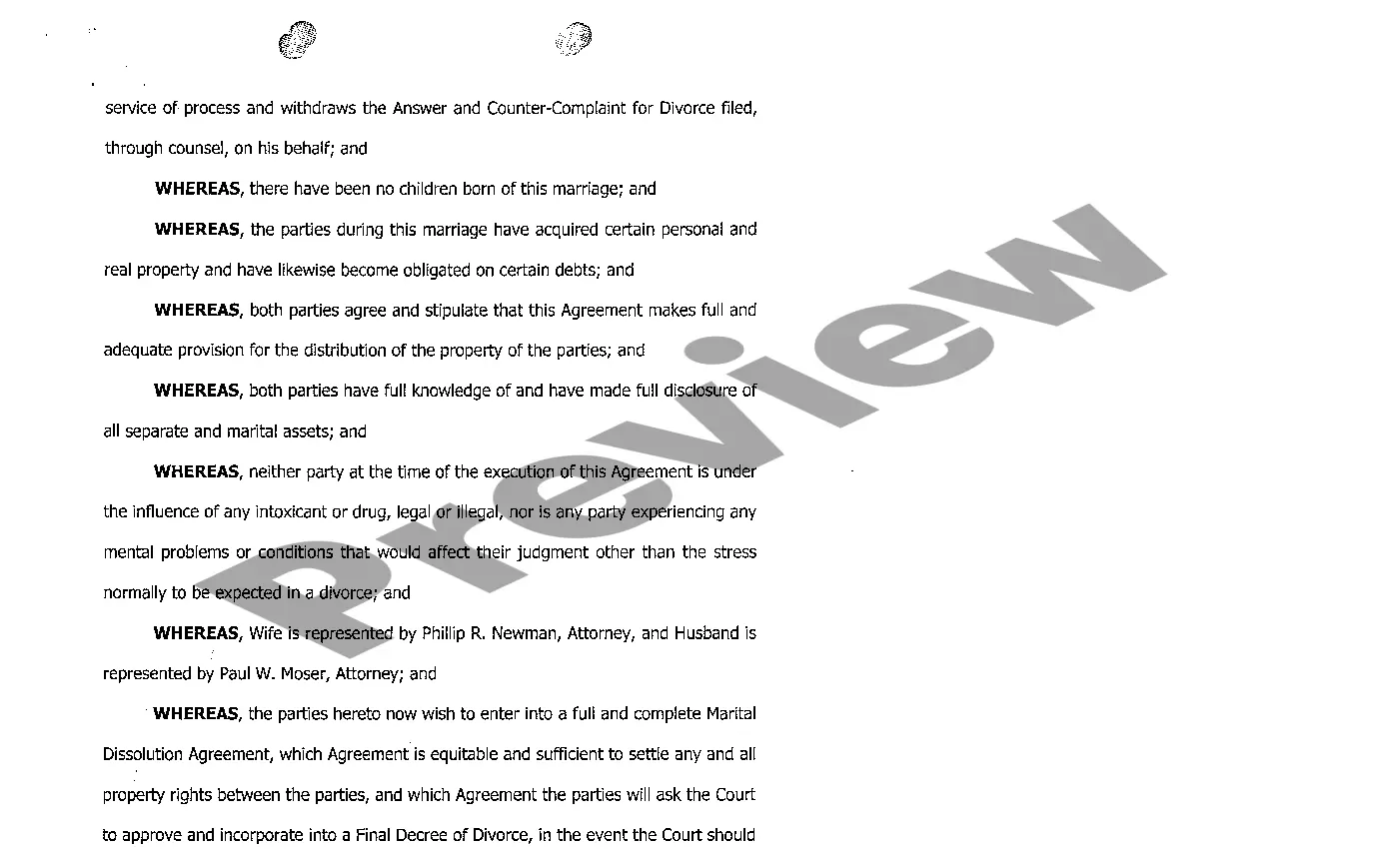
If you and your spouse can agree on all of the terms of your divorce, you can present your settlement agreement to the court. If the court finds your agreement is fair and in line with California law, the judge can simply approve the agreement and incorporate those terms into your final divorce judgment.