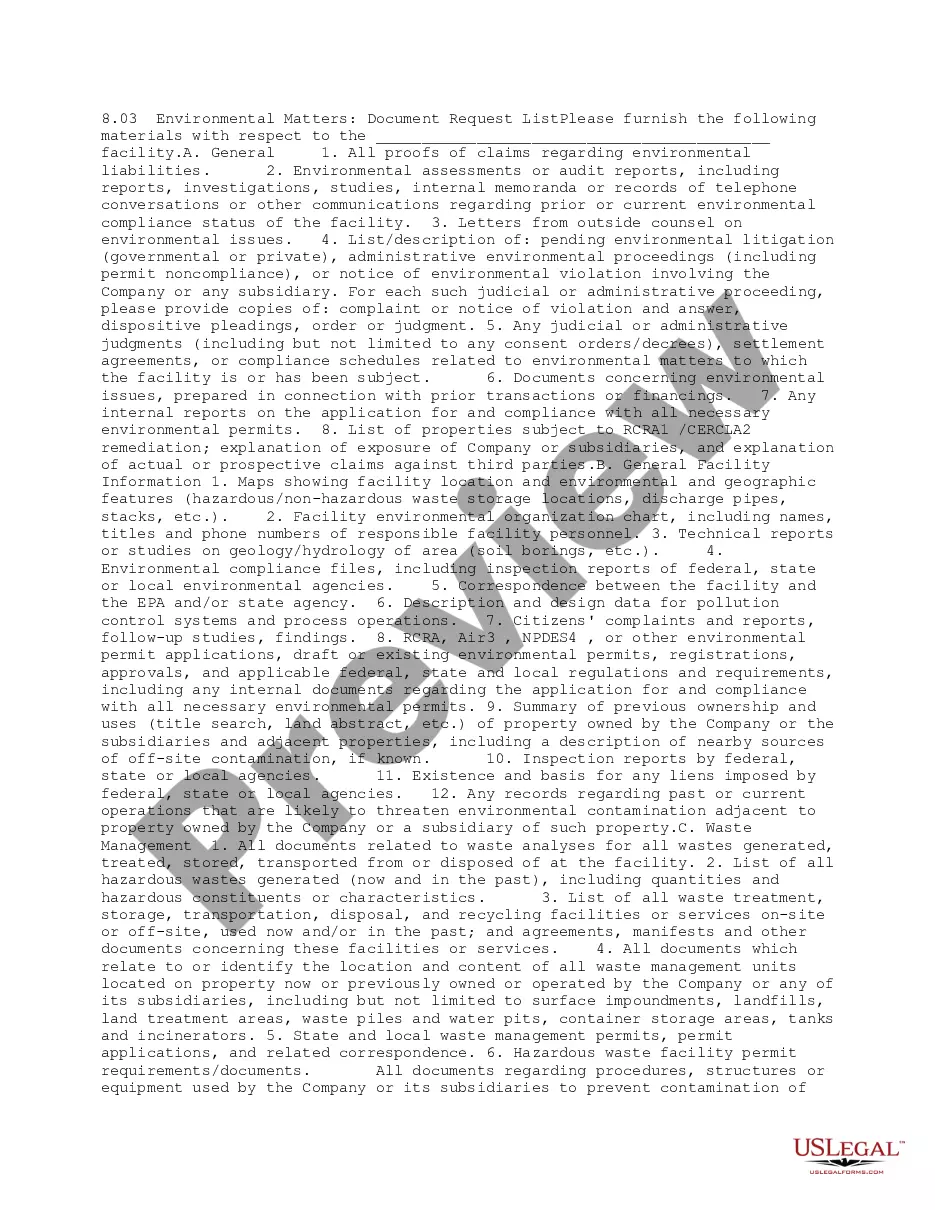
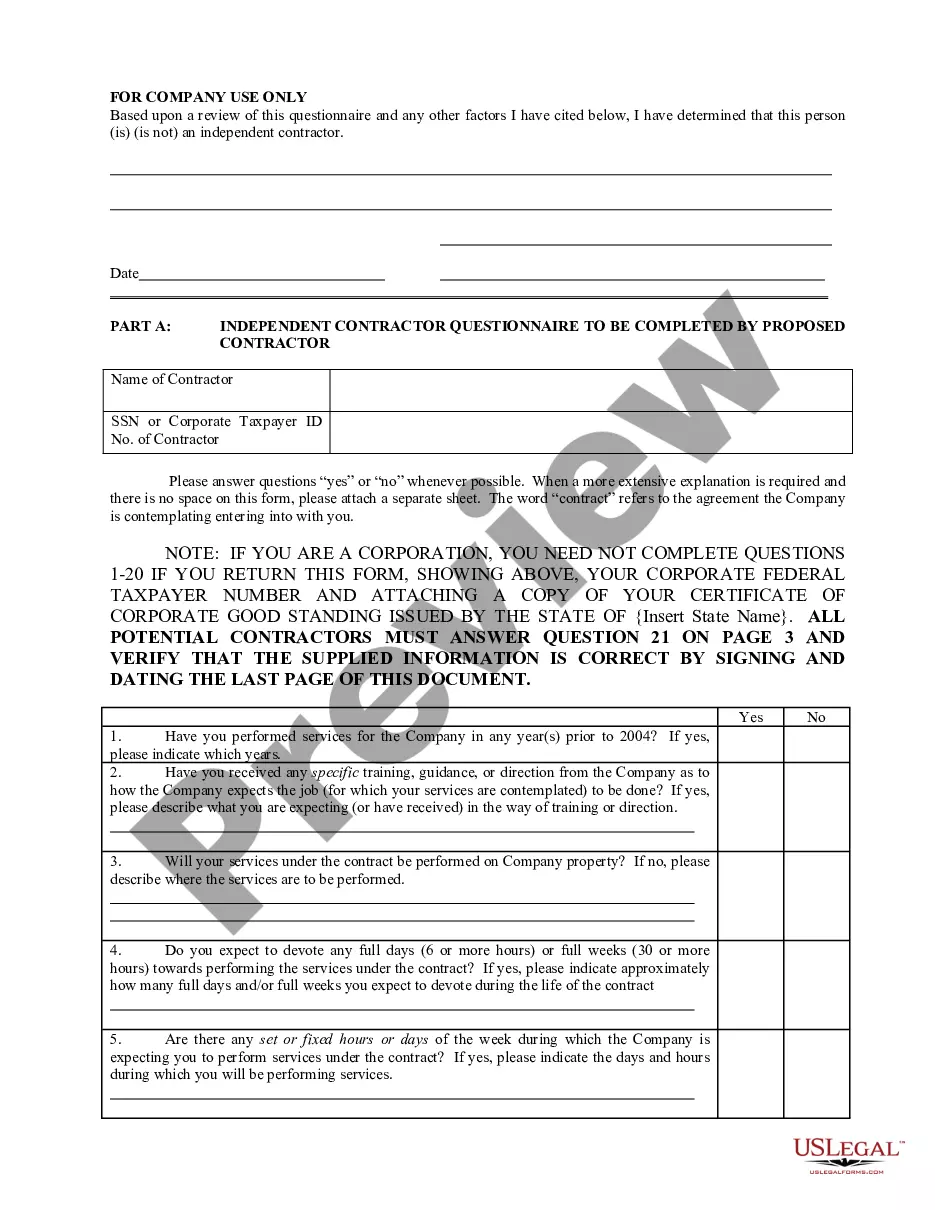
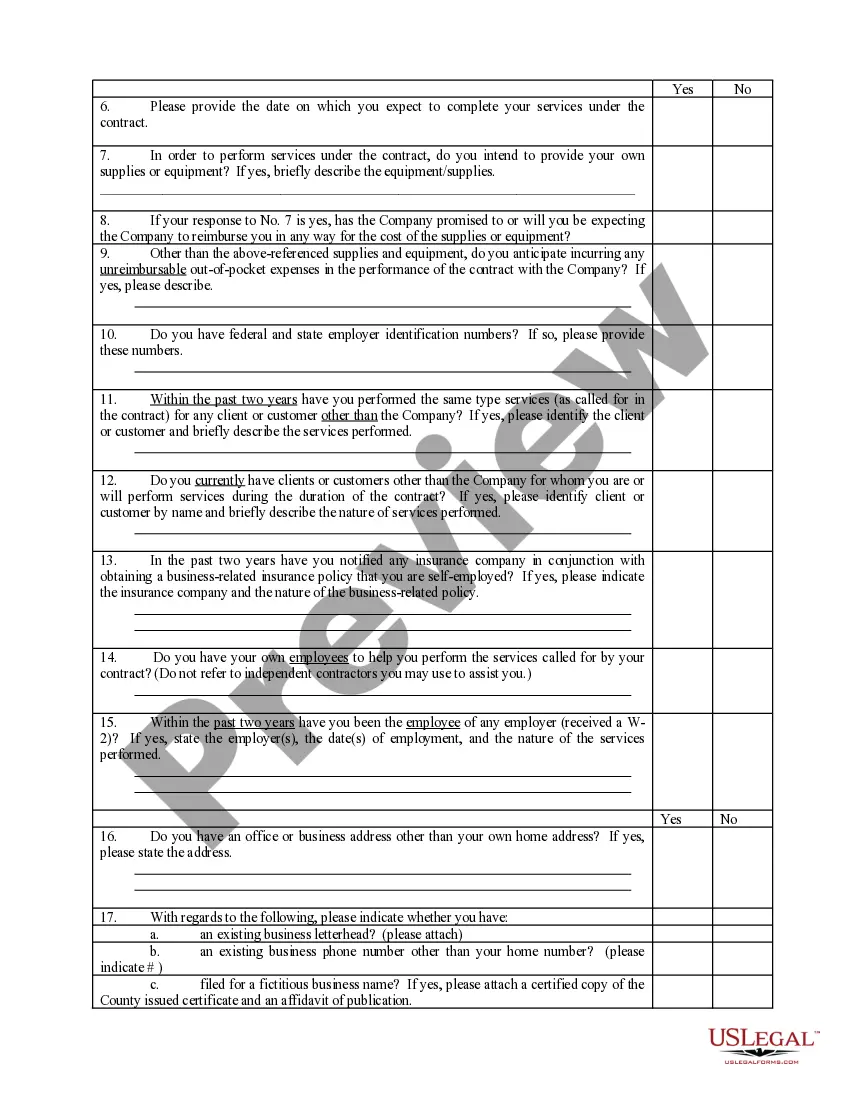
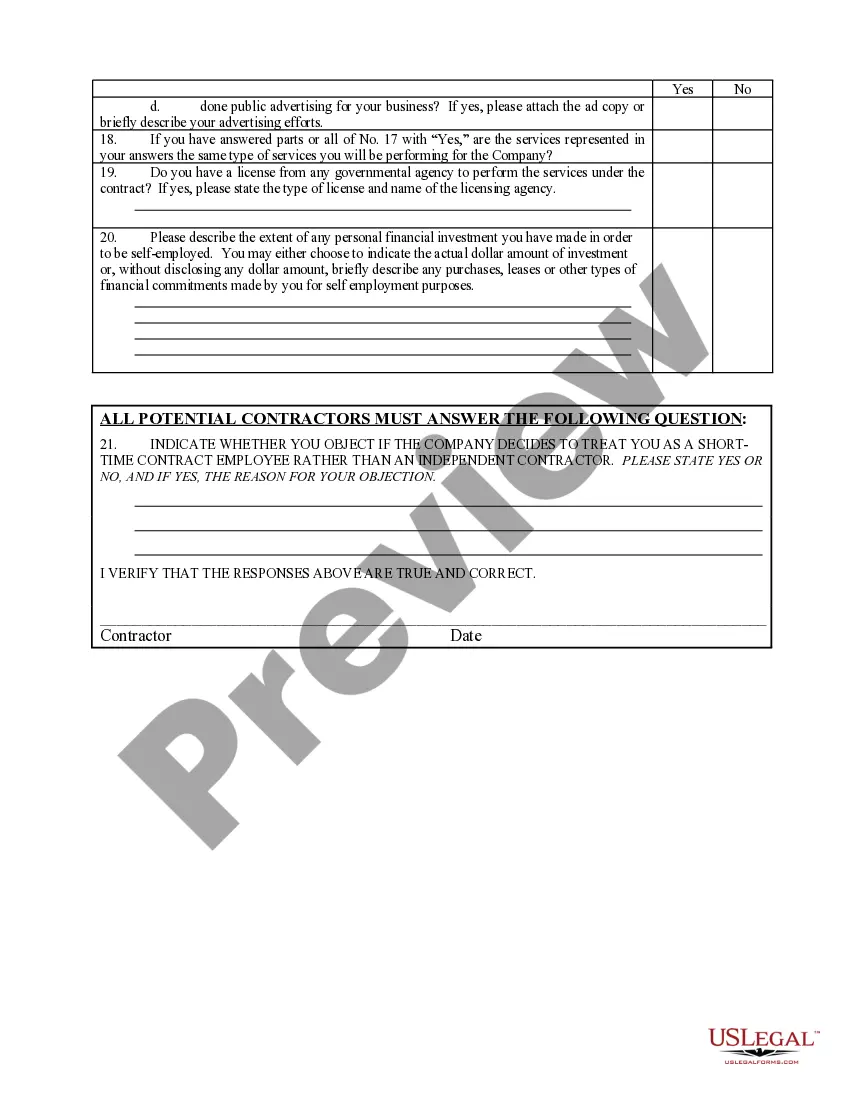
South Dakota Self-Employed Independent Contractor Questionnaire
Description
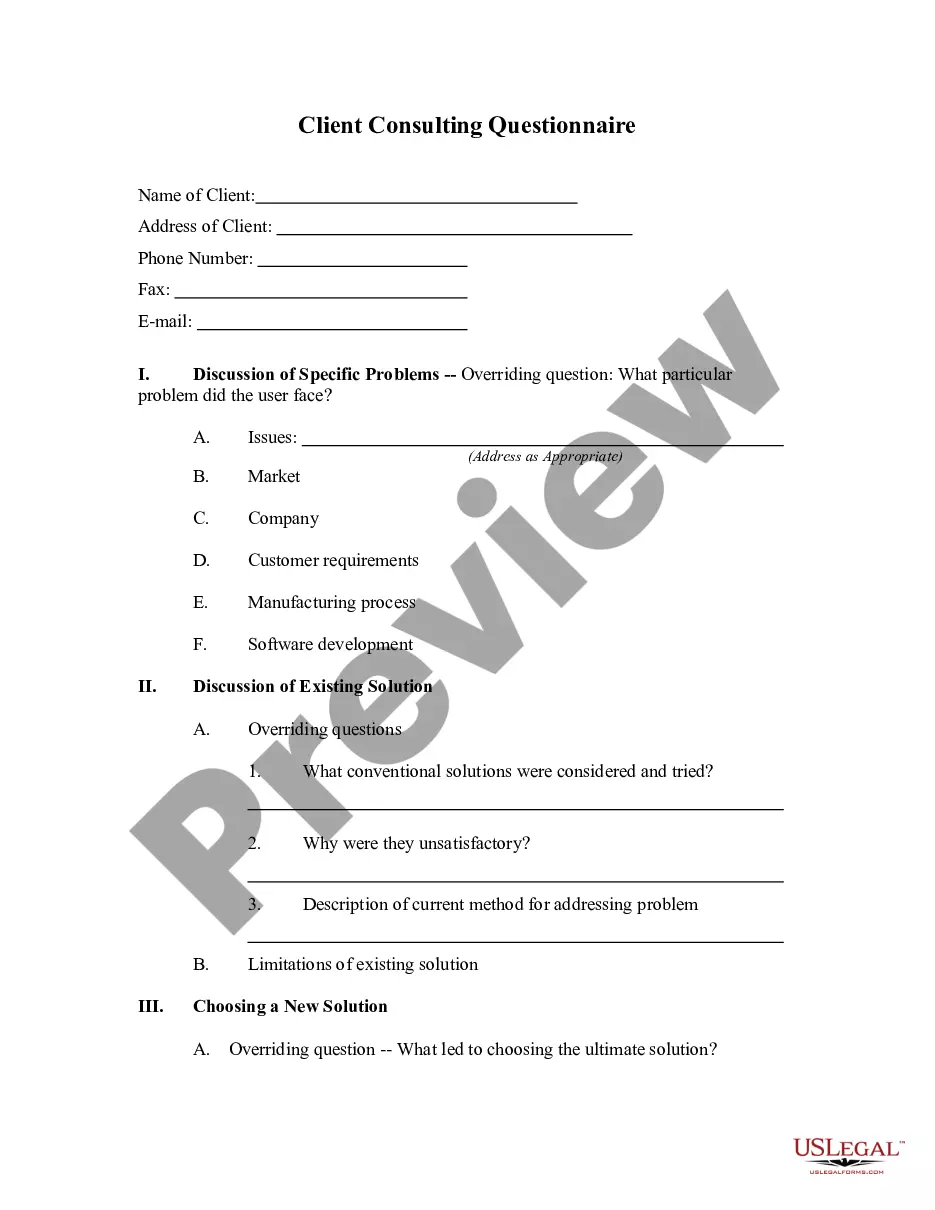
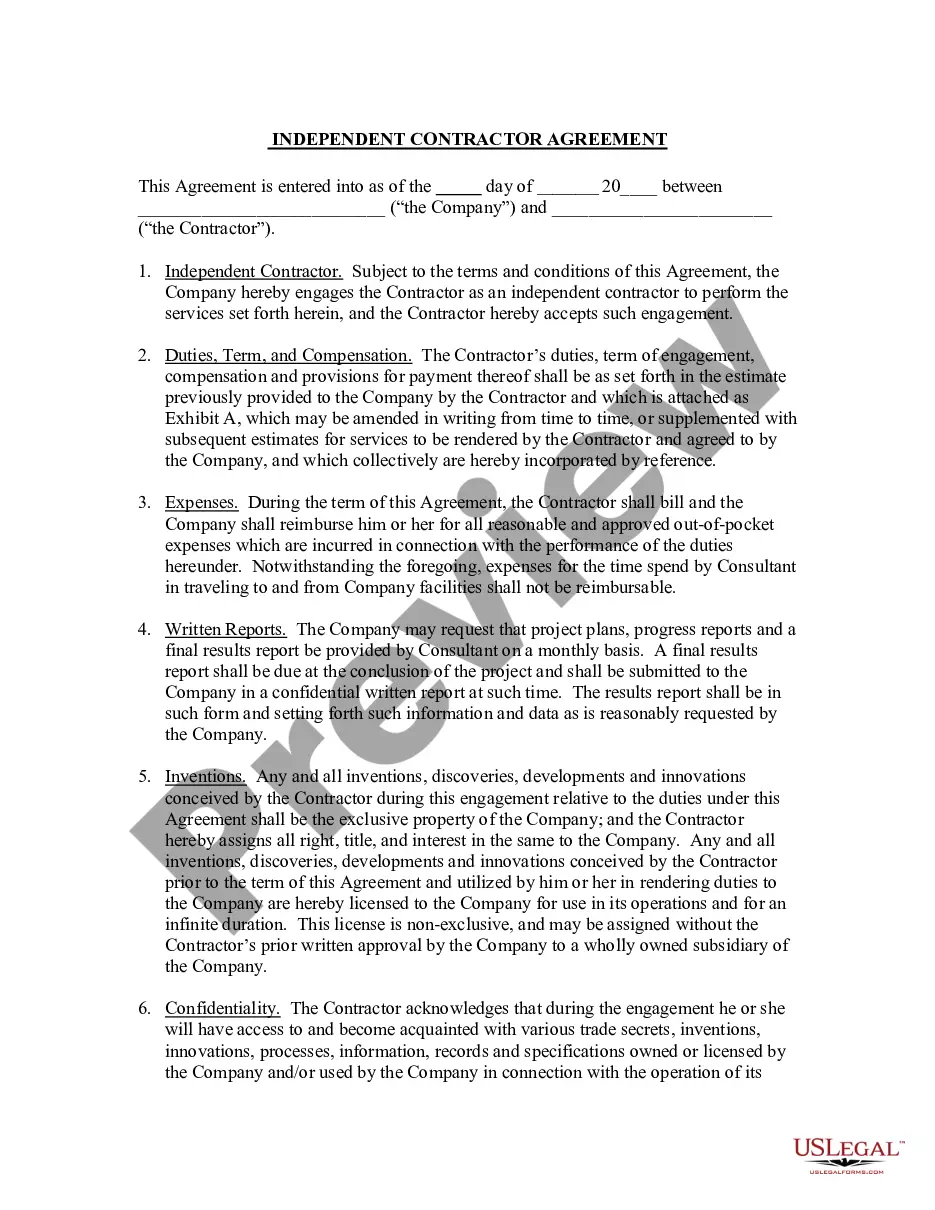
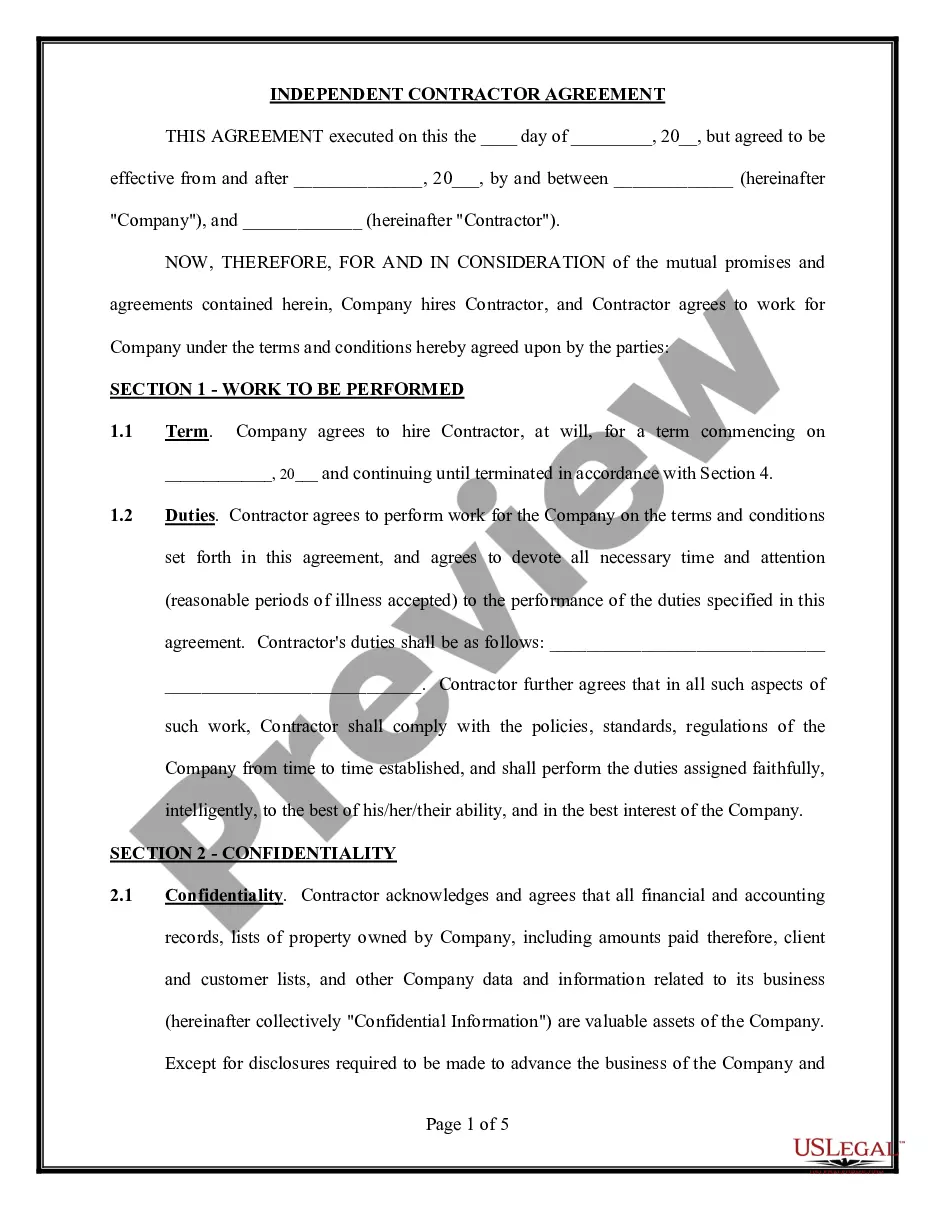
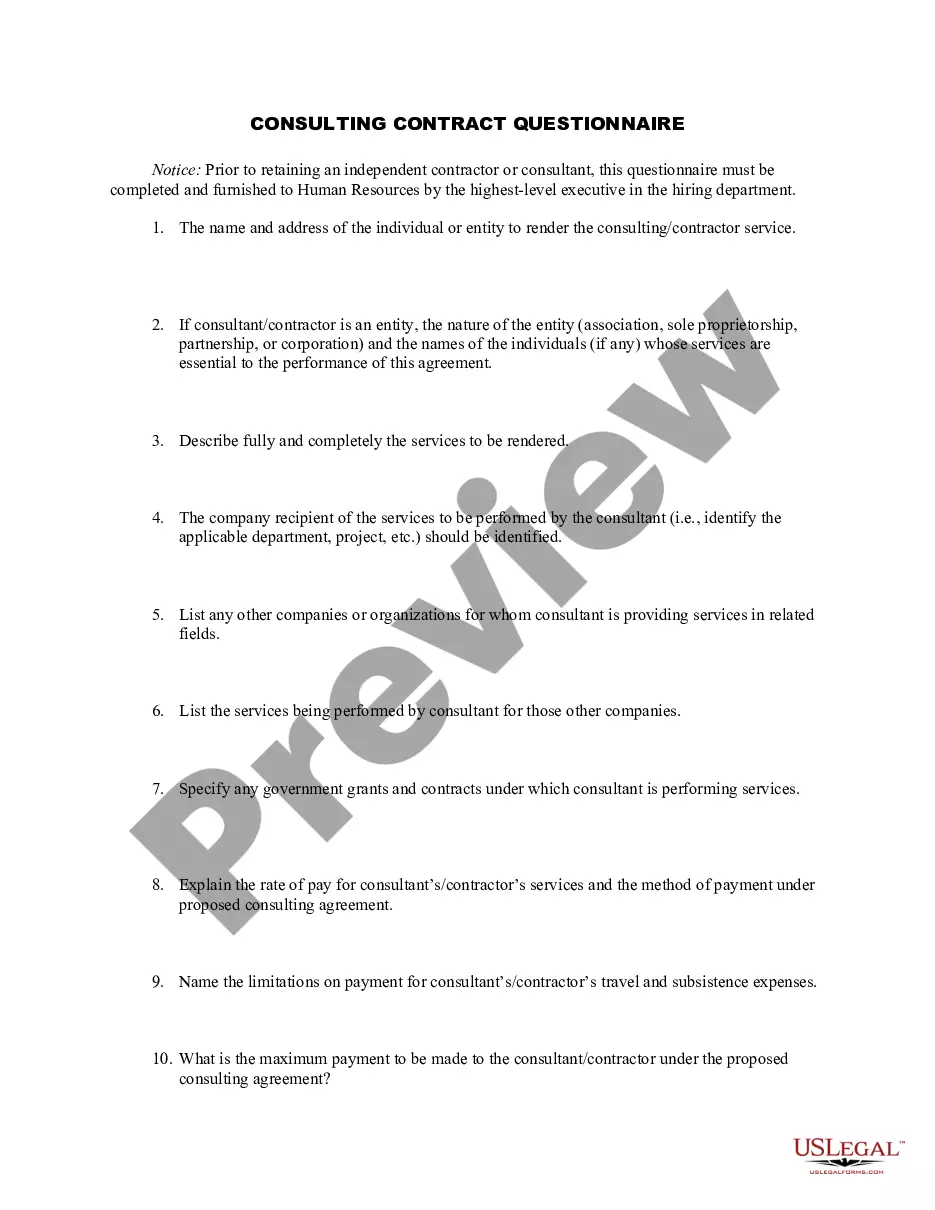
Get your form ready online
Our built-in tools help you complete, sign, share, and store your documents in one place.
Make edits, fill in missing information, and update formatting in US Legal Forms—just like you would in MS Word.
Download a copy, print it, send it by email, or mail it via USPS—whatever works best for your next step.
Sign and collect signatures with our SignNow integration. Send to multiple recipients, set reminders, and more. Go Premium to unlock E-Sign.
If this form requires notarization, complete it online through a secure video call—no need to meet a notary in person or wait for an appointment.
We protect your documents and personal data by following strict security and privacy standards.

Make edits, fill in missing information, and update formatting in US Legal Forms—just like you would in MS Word.

Download a copy, print it, send it by email, or mail it via USPS—whatever works best for your next step.

Sign and collect signatures with our SignNow integration. Send to multiple recipients, set reminders, and more. Go Premium to unlock E-Sign.

If this form requires notarization, complete it online through a secure video call—no need to meet a notary in person or wait for an appointment.

We protect your documents and personal data by following strict security and privacy standards.
Looking for another form?






How to fill out Self-Employed Independent Contractor Questionnaire?
Are you in a situation where you frequently require documents for either business or personal purposes.
There are numerous legal document templates accessible online, but finding reliable versions isn’t straightforward.
US Legal Forms offers thousands of document templates, including the South Dakota Self-Employed Independent Contractor Questionnaire, specifically designed to comply with state and federal regulations.
Select a convenient document format and download your copy.
View all the document templates you have purchased in the My documents section. You can obtain an additional copy of the South Dakota Self-Employed Independent Contractor Questionnaire anytime, if needed. Just click on the desired form to download or print the document template.
- If you are already familiar with the US Legal Forms website and have an account, just Log In.
- After logging in, you can download the South Dakota Self-Employed Independent Contractor Questionnaire template.
- If you do not have an account and wish to start using US Legal Forms, follow these steps.
- Locate the form you need, ensuring it is applicable to your city/state.
- Click the Review button to examine the document.
- Check the details to ensure you have selected the correct form.
- If the form isn’t what you are looking for, use the Search field to find the document that matches your needs and criteria.
- Once you find the correct form, click on Buy now.
- Choose the pricing plan you prefer, fill in the required details to create your account, and process your order using PayPal or credit card.
Form popularity
FAQ
Determining whether you are a freelancer or an independent contractor can depend on the nature of your work and your client relationships. If you perform tasks for multiple clients at your discretion, you likely qualify as a freelancer. However, if you enter into agreements for specific projects with set terms, you fall under the category of an independent contractor. Using the South Dakota Self-Employed Independent Contractor Questionnaire can help clarify your status and obligations.
Independent contractors are self-employed workers who provide services for an organisation under a contract for services. Independent contractors are not employees and are typically highly skilled, providing their clients with specialist skills or additional capacity on an as needed basis.
How Do You Become Self-Employed?Think of a Name for Your Self-Employed Business. Consider what services you will offer, and then pick a name that describes what you do.Choose a Self-Employed Business Structure and Get a Proper License.Open a Business Bank Account.Advertise Your Independent Contractor Services.7 Sept 2021
If you are an independent contractor, then you are self-employed. The earnings of a person who is working as an independent contractor are subject to self-employment tax. To find out what your tax obligations are, visit the Self-Employed Individuals Tax Center.
Remember that an independent contractor is considered to be self-employed, so in effect, you are running your own one-person business. Any income that you earn as an independent contractor must be reported on Schedule C. You'll then pay income taxes on the total profit.
Simply put, being an independent contractor is one way to be self-employed. Being self-employed means that you earn money but don't work as an employee for someone else.
In this article, we discuss five questions that you should ask yourself before deciding to become an independent contractor.What are the Advantages of Being an IC?What Do I Lose by Becoming an IC?Do I Have the Requisite Expertise?Can I Self-Motivate to Find Business and Complete Projects?More items...
Simply put, being an independent contractor is one way to be self-employed. Being self-employed means that you earn money but don't work as an employee for someone else.
A 1099 employee is a US self-employed worker that reports their income to the IRS on a 1099 tax form. Freelancers, gig workers, and independent contractors are all considered 1099 employees.
Becoming an independent contractor is one of the many ways to be classified as self-employed. By definition, an independent contractor provides work or services on a contractual basis, whereas, self-employment is simply the act of earning money without operating within an employee-employer relationship.