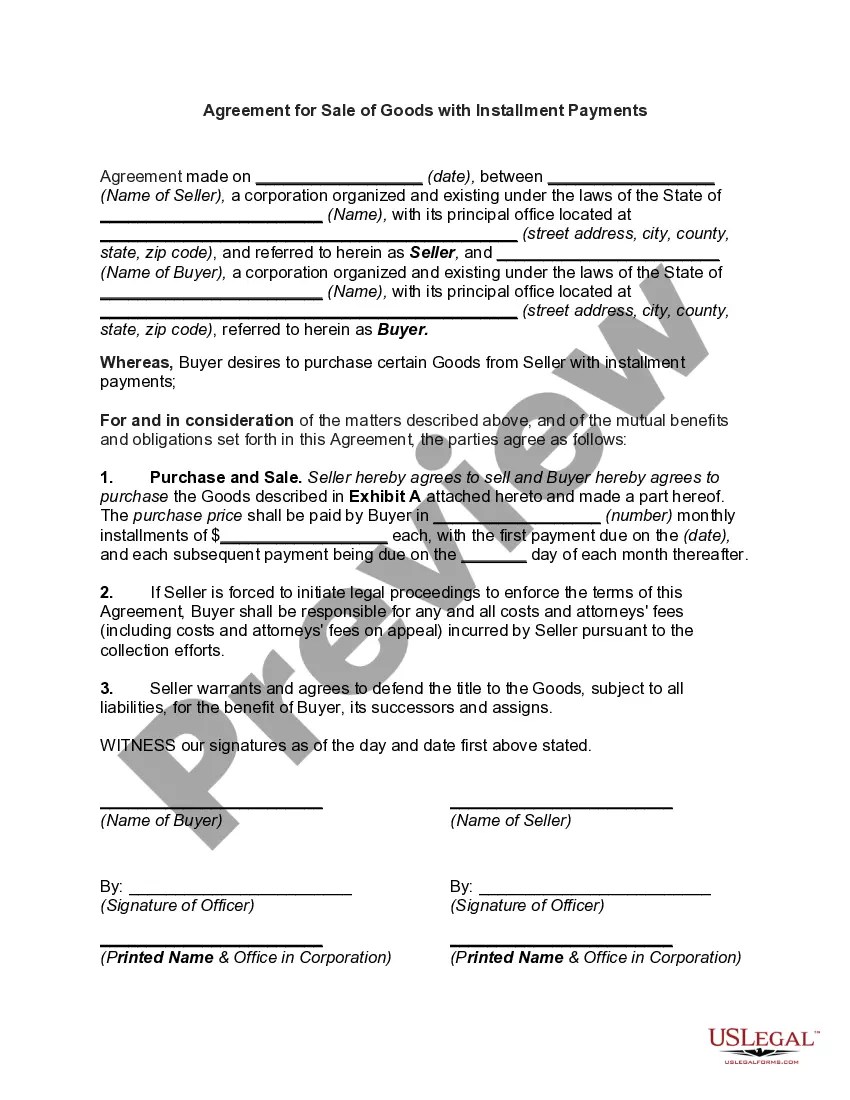
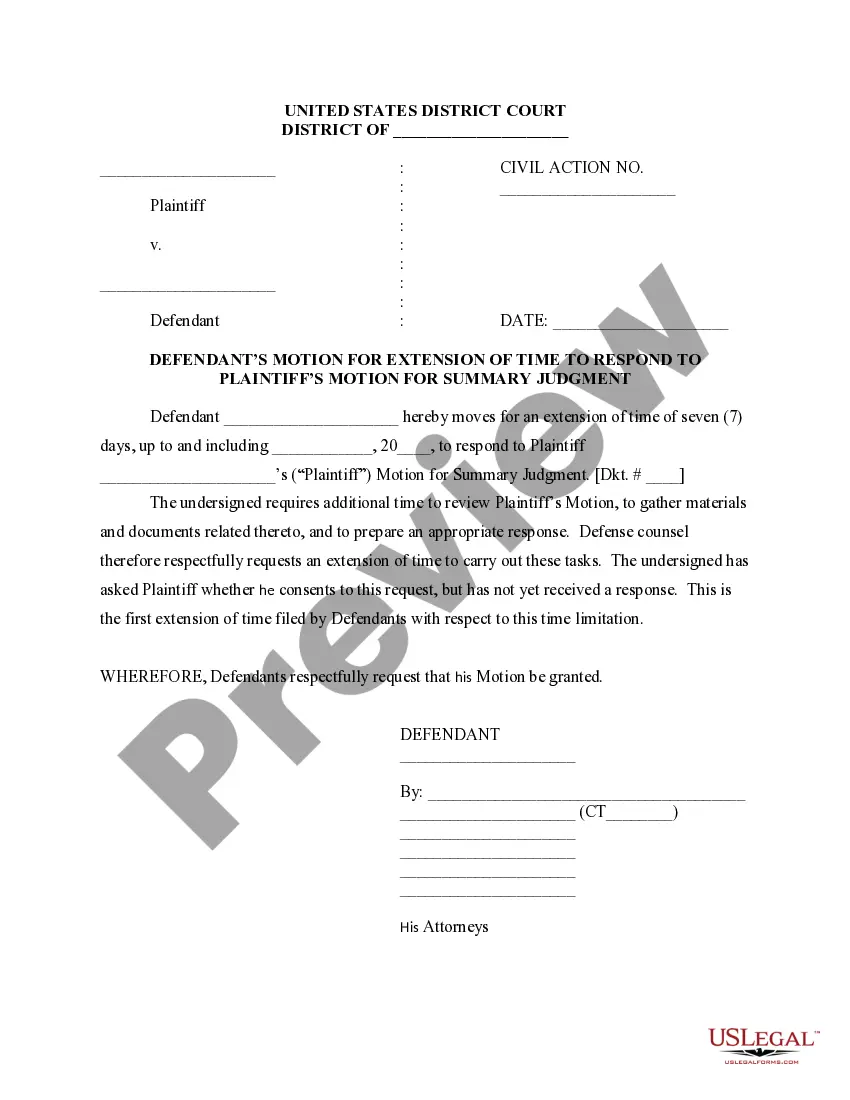
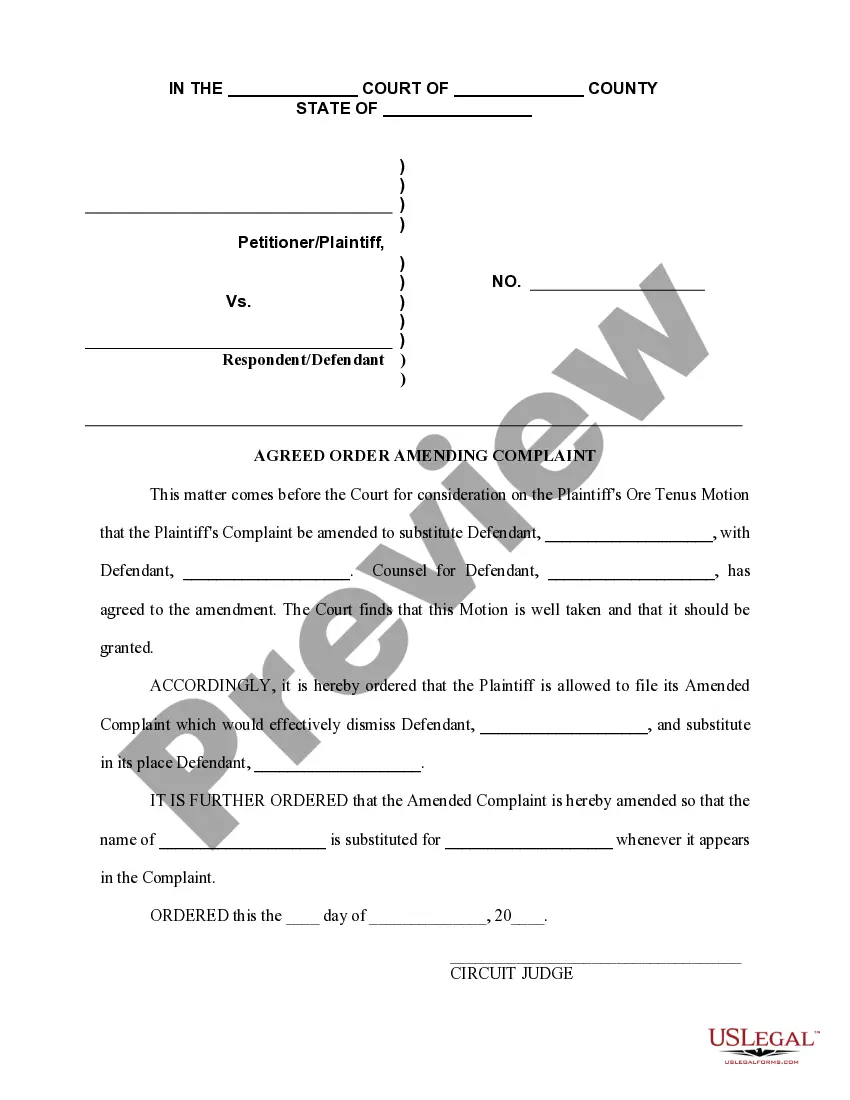
South Dakota Agreed Order Granting Additional Time to Plead
Description
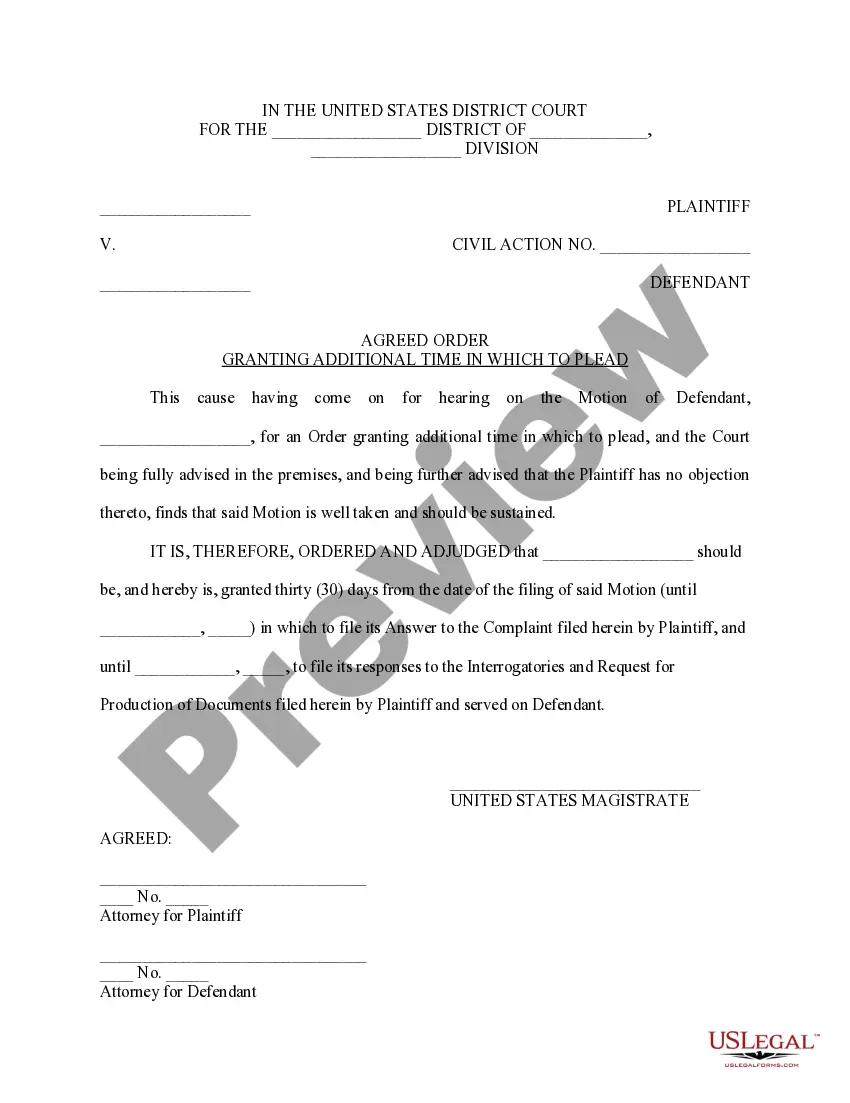
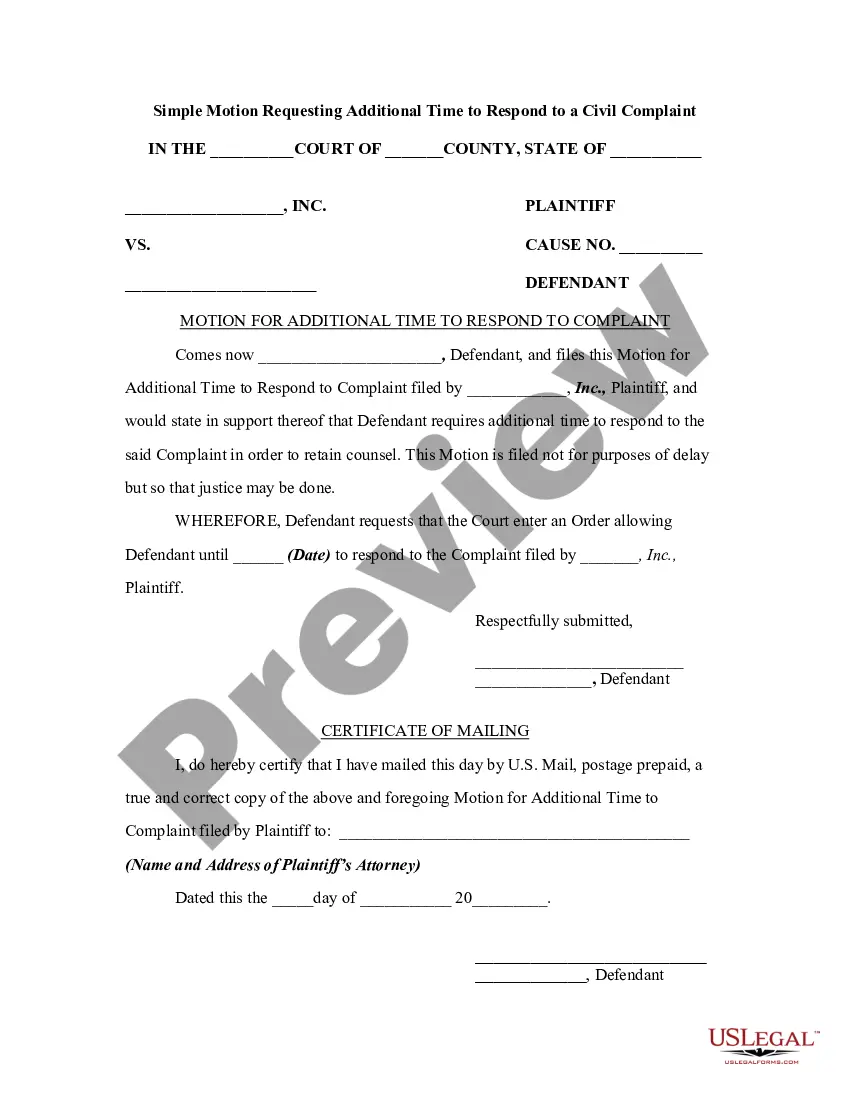
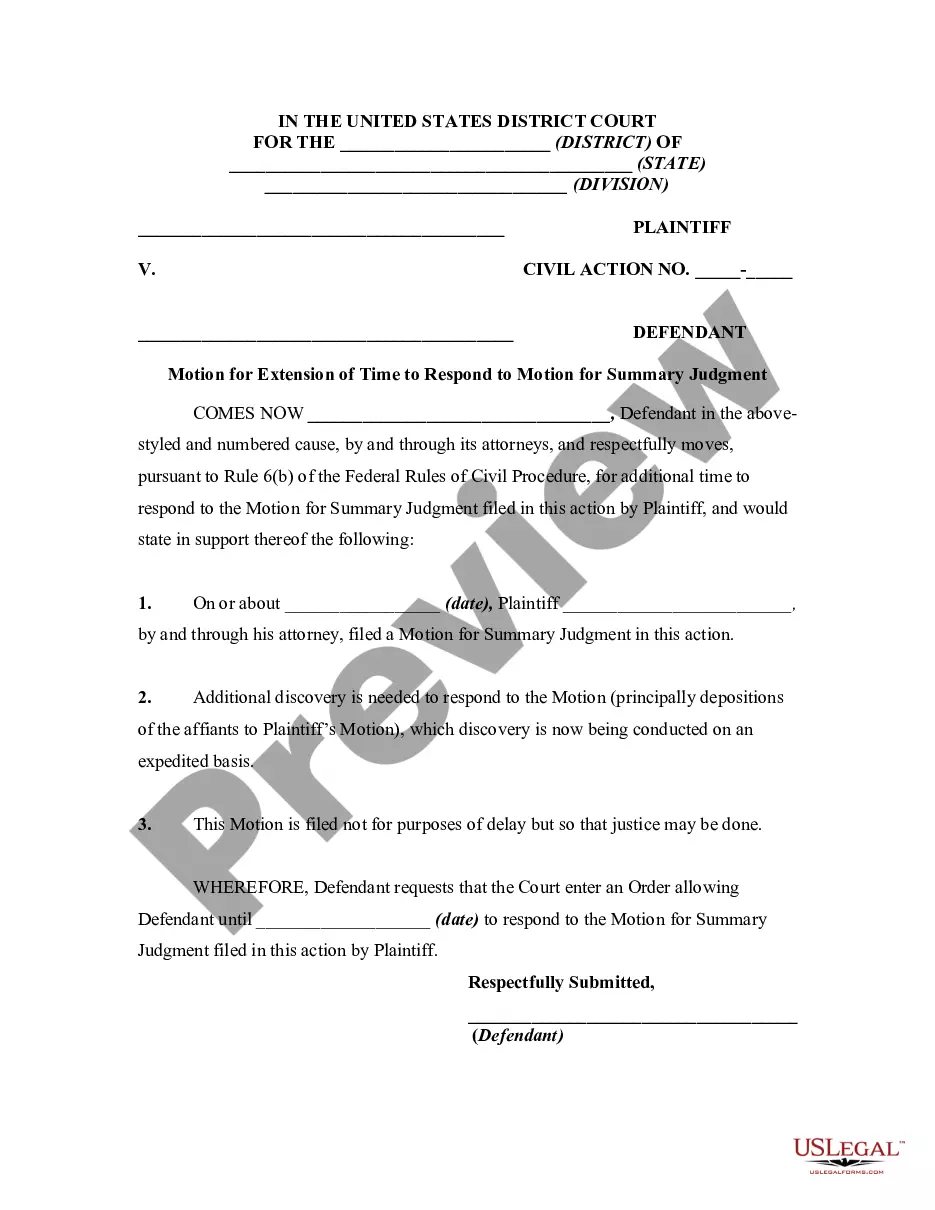
Get your form ready online
Our built-in tools help you complete, sign, share, and store your documents in one place.
Make edits, fill in missing information, and update formatting in US Legal Forms—just like you would in MS Word.
Download a copy, print it, send it by email, or mail it via USPS—whatever works best for your next step.
Sign and collect signatures with our SignNow integration. Send to multiple recipients, set reminders, and more. Go Premium to unlock E-Sign.
If this form requires notarization, complete it online through a secure video call—no need to meet a notary in person or wait for an appointment.
We protect your documents and personal data by following strict security and privacy standards.

Make edits, fill in missing information, and update formatting in US Legal Forms—just like you would in MS Word.

Download a copy, print it, send it by email, or mail it via USPS—whatever works best for your next step.

Sign and collect signatures with our SignNow integration. Send to multiple recipients, set reminders, and more. Go Premium to unlock E-Sign.

If this form requires notarization, complete it online through a secure video call—no need to meet a notary in person or wait for an appointment.

We protect your documents and personal data by following strict security and privacy standards.
Looking for another form?

How to fill out Agreed Order Granting Additional Time To Plead?
It is feasible to spend hours online searching for the valid document template that fulfills the federal and state criteria you require. US Legal Forms offers a vast array of valid forms that are reviewed by professionals.
You can download or print the South Dakota Agreed Order Granting Additional Time to Plead from my service. If you already possess a US Legal Forms account, you may Log In and click the Download button. Subsequently, you can complete, modify, print, or sign the South Dakota Agreed Order Granting Additional Time to Plead.
Each valid document template you purchase is yours permanently. To obtain another copy of a purchased form, visit the My documents section and click the corresponding button. If you are using the US Legal Forms website for the first time, follow the simple instructions below: First, ensure that you have chosen the correct document template for the state/city you select. Review the form details to confirm you have selected the right one. If available, utilize the Preview button to view the document template as well.
Utilize professional and state-specific templates to address your business or personal needs.
- If you wish to find another version of the form, use the Search field to locate the template that suits your needs and requirements.
- Once you have found the template you desire, click Purchase now to proceed.
- Select the payment plan you prefer, enter your details, and register for your account on US Legal Forms.
- Complete the purchase. You can use your Visa or Mastercard or PayPal account to buy the valid form.
- Choose the format of the document and download it to your device.
- Make modifications to your document if necessary. You can complete, alter, sign, and print the South Dakota Agreed Order Granting Additional Time to Plead.
- Download and print a multitude of document templates using the US Legal Forms website, which provides the largest collection of valid forms.
Form popularity
FAQ
To change a custody agreement in South Dakota, you must file a motion in the court that issued the original custody order. It's essential to present a valid reason for the change, such as a significant change in circumstances. The South Dakota Agreed Order Granting Additional Time to Plead can provide you with the necessary time to prepare your case and gather evidence. Using a platform like US Legal Forms can help you navigate the paperwork and ensure compliance with state laws.
In South Dakota, the time limit for enforcing a judgment is generally 10 years from the date of the judgment. After this period, the judgment becomes unenforceable, unless renewed. Knowing this timeframe is essential for both creditors and debtors, and if you find yourself in a dispute, a South Dakota Agreed Order Granting Additional Time to Plead can be a strategic move to address your legal needs.
SDCL 19-19-408 pertains to the rules of evidence, specifically addressing hearsay exceptions in South Dakota. This section outlines circumstances under which statements made outside of court may be admissible as evidence. If you are involved in a legal matter where this applies, a South Dakota Agreed Order Granting Additional Time to Plead can help ensure that you adequately prepare your argument.
The zero tolerance law in South Dakota enforces strict penalties for underage drinking and driving. Under this law, any driver under the age of 21 found with a blood alcohol concentration of 0.02% or higher faces severe consequences. If you are charged under this statute, obtaining a South Dakota Agreed Order Granting Additional Time to Plead can provide you with the necessary time to build your case.
South Dakota's 22-42-5 law deals with the unlawful use of a vehicle to facilitate a crime. This statute outlines the penalties for individuals who use a motor vehicle to commit certain offenses. Therefore, if you face charges related to this law, it might be beneficial to seek a South Dakota Agreed Order Granting Additional Time to Plead to better prepare your defense.
The one bite rule in South Dakota refers to a legal principle that holds dog owners liable for injuries caused by their pets only after the owner has knowledge of the dog's aggressive behavior. In essence, the first bite is often seen as a warning. If a dog has previously bitten someone, the owner may then be held responsible for any future incidents. Understanding this rule is crucial if you ever find yourself needing a South Dakota Agreed Order Granting Additional Time to Plead in a related case.
Under the South Dakota statute of limitations for personal injury, you have three years from the date of the accident to file your lawsuit. While there are some exceptions (such as when you need to sue a government entity), that's the rule for most injury claims.
A motion for reconsideration is not a separate and appealable order. Rather, it is ?an invitation to the court to consider exercising its inherent power to vacate or modify its own judgment.? Breeden v. , 598 NW2d 441, 444 ( 1999).
Criminal Statute of Limitations in South Dakota In South Dakota, all misdemeanors carry a lengthy seven-year statute of limitations. Most felonies also have a seven-year statute of limitations. Class A, B, and C felonies do not have any statute of limitations.
In South Dakota, all misdemeanors carry a lengthy seven-year statute of limitations. Most felonies also have a seven-year statute of limitations. Class A, B, and C felonies do not have any statute of limitations.