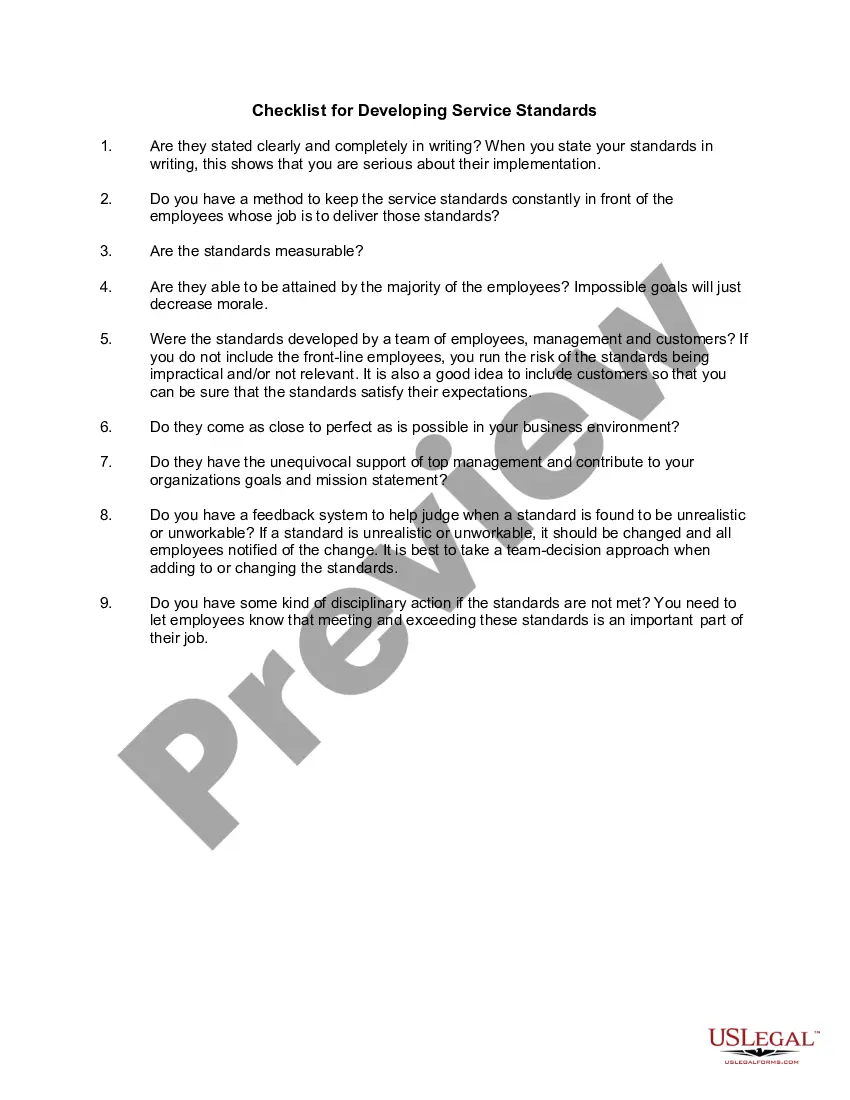
South Carolina Checklist for Developing Service Standards
Description
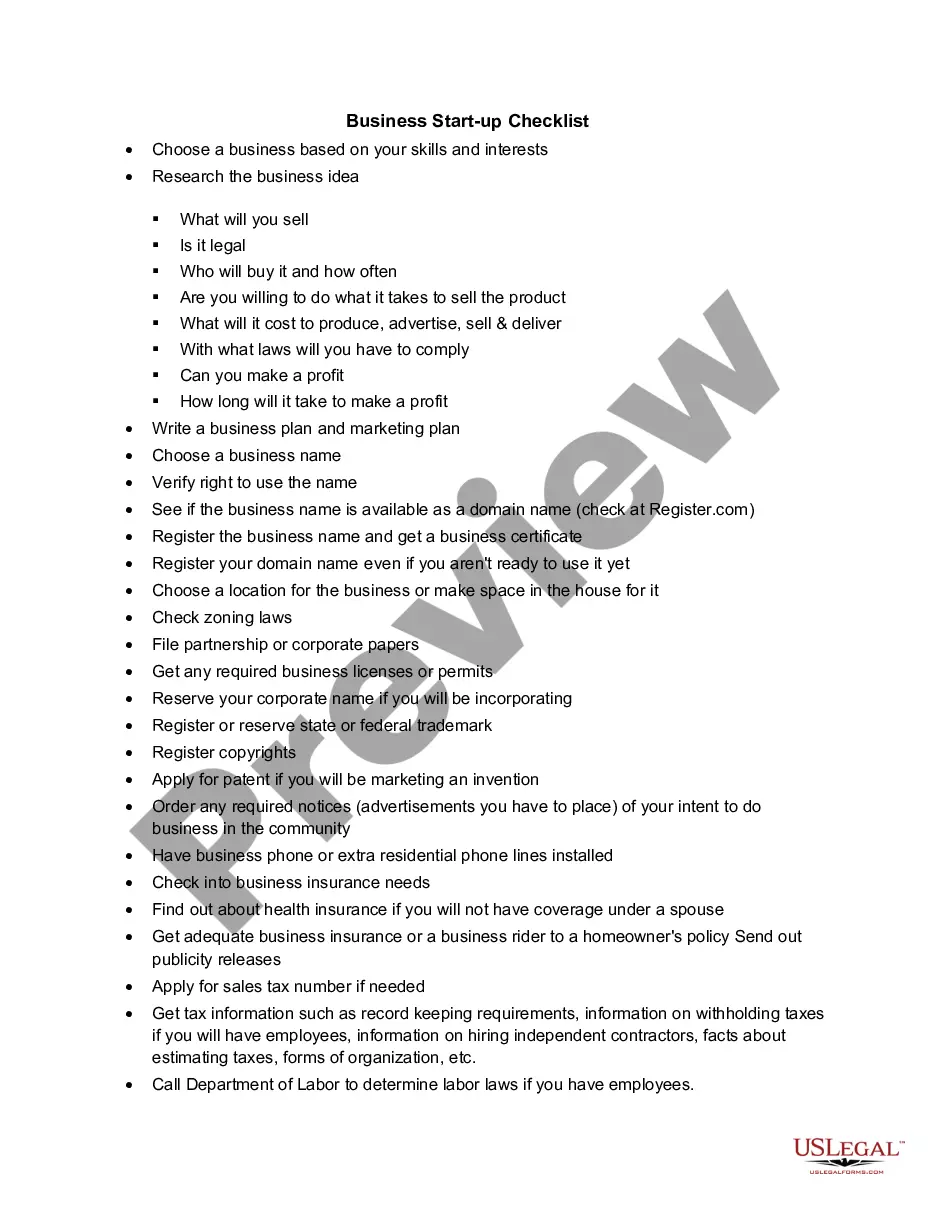
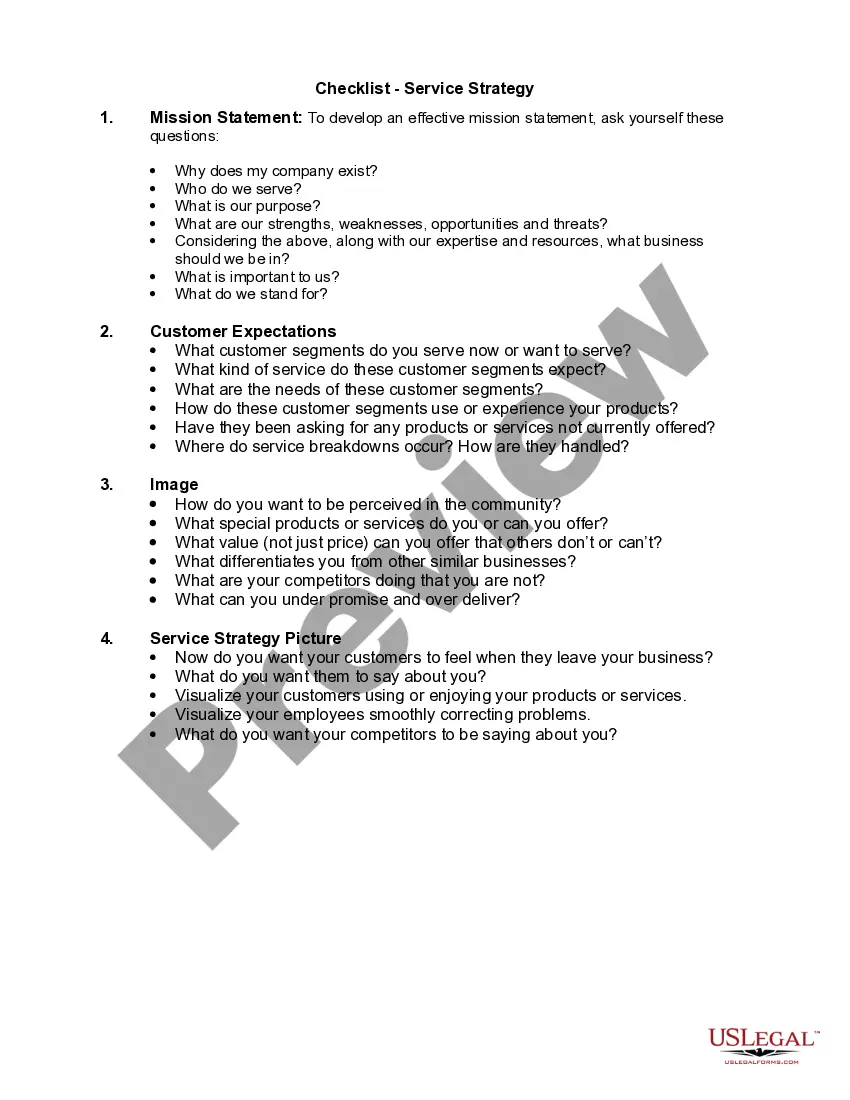
Get your form ready online
Our built-in tools help you complete, sign, share, and store your documents in one place.
Make edits, fill in missing information, and update formatting in US Legal Forms—just like you would in MS Word.
Download a copy, print it, send it by email, or mail it via USPS—whatever works best for your next step.
Sign and collect signatures with our SignNow integration. Send to multiple recipients, set reminders, and more. Go Premium to unlock E-Sign.
If this form requires notarization, complete it online through a secure video call—no need to meet a notary in person or wait for an appointment.
We protect your documents and personal data by following strict security and privacy standards.

Make edits, fill in missing information, and update formatting in US Legal Forms—just like you would in MS Word.

Download a copy, print it, send it by email, or mail it via USPS—whatever works best for your next step.

Sign and collect signatures with our SignNow integration. Send to multiple recipients, set reminders, and more. Go Premium to unlock E-Sign.

If this form requires notarization, complete it online through a secure video call—no need to meet a notary in person or wait for an appointment.

We protect your documents and personal data by following strict security and privacy standards.
Looking for another form?




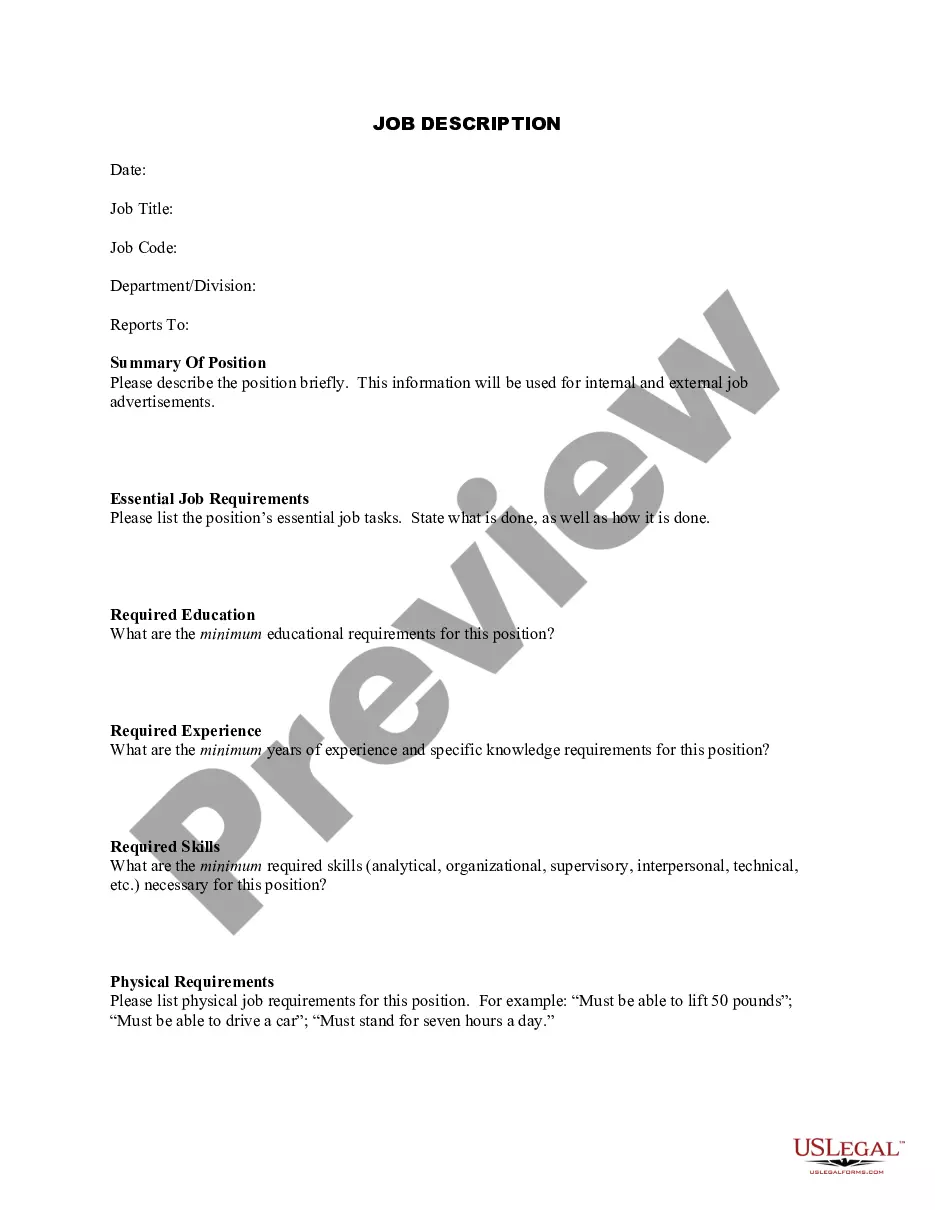

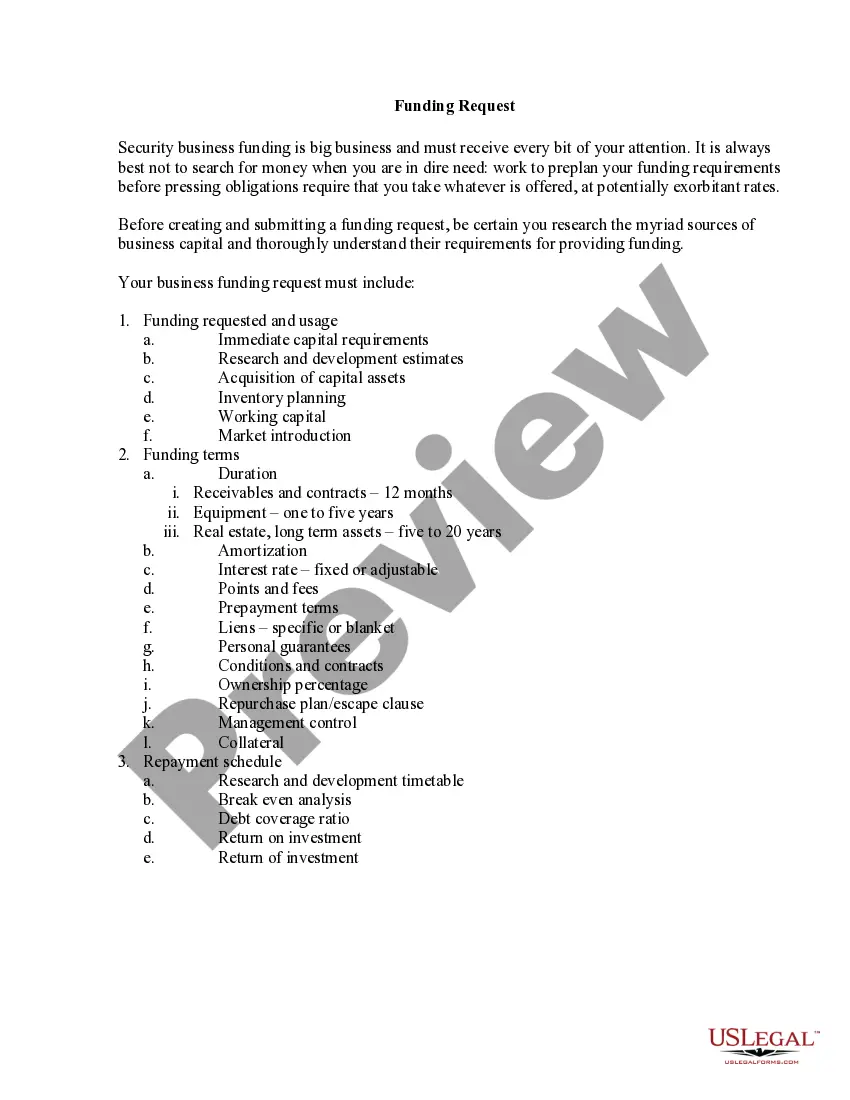


How to fill out Checklist For Developing Service Standards?
You might spend numerous hours online looking for the valid document template that meets the federal and state standards you require.
US Legal Forms provides a vast collection of valid templates that are vetted by professionals.
You can obtain or print the South Carolina Checklist for Establishing Service Standards from your service.
If available, utilize the Preview button to review the document template as well.
- If you currently possess a US Legal Forms account, you can sign in and click on the Download button.
- After that, you will be able to complete, modify, print, or sign the South Carolina Checklist for Establishing Service Standards.
- Every valid document template you receive is yours permanently.
- To get another copy of the downloaded form, visit the My documents tab and click on the appropriate button.
- If you are using the US Legal Forms website for the first time, follow the simple instructions below.
- First, ensure that you have selected the correct document template for the county/city of your choice.
- Check the form information to make sure you have selected the right template.
Form popularity
FAQ
To legally change your last name in South Carolina, you must petition the local court with relevant documentation, such as proof of marriage or a court order. After a court hearing, if approved, you will receive a court order confirming the name change. Make sure to use the South Carolina Checklist for Developing Service Standards to streamline the process and ensure compliance with local laws.
Changing your last name in South Carolina generally involves legal steps such as filing a name change petition with the court. You will also need to provide supporting documentation, such as a marriage certificate or court order. Utilizing the South Carolina Checklist for Developing Service Standards will help you navigate this process efficiently.
Yes, if you earn income in South Carolina, you typically need to file a state tax return. This includes wages, business income, and other forms of revenue. It’s important to check the South Carolina Checklist for Developing Service Standards to determine specific filing requirements based on your income and residency status.
Proof of service in South Carolina refers to the legal confirmation that a party has been officially notified of a legal proceeding. This can be achieved through various methods, such as delivering documents directly or using certified mail. For clarity and accuracy, follow the South Carolina Checklist for Developing Service Standards to meet all legal requirements.
The easiest way to change your last name after marriage is to obtain a certified copy of your marriage certificate. Once you have this, you can update your name on essential documents, including your driver’s license, Social Security card, and bank accounts. Consider using the South Carolina Checklist for Developing Service Standards to ensure that you complete all necessary steps effectively.