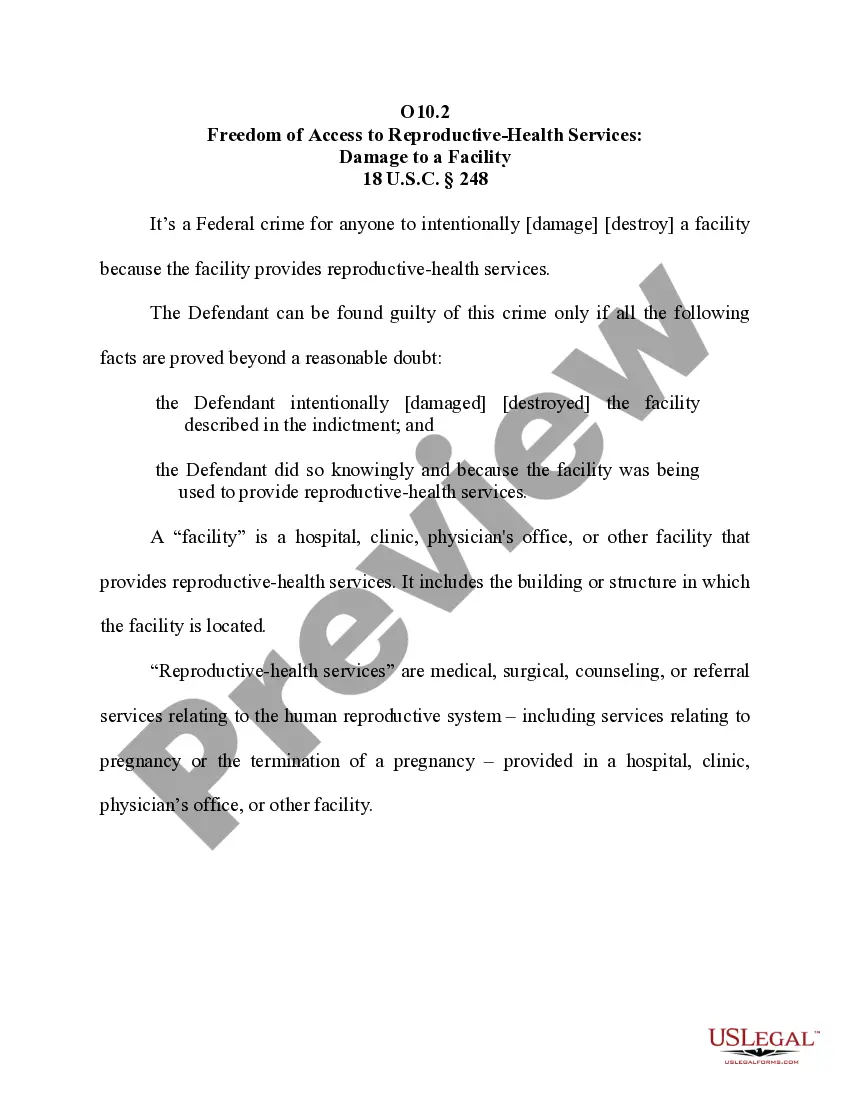
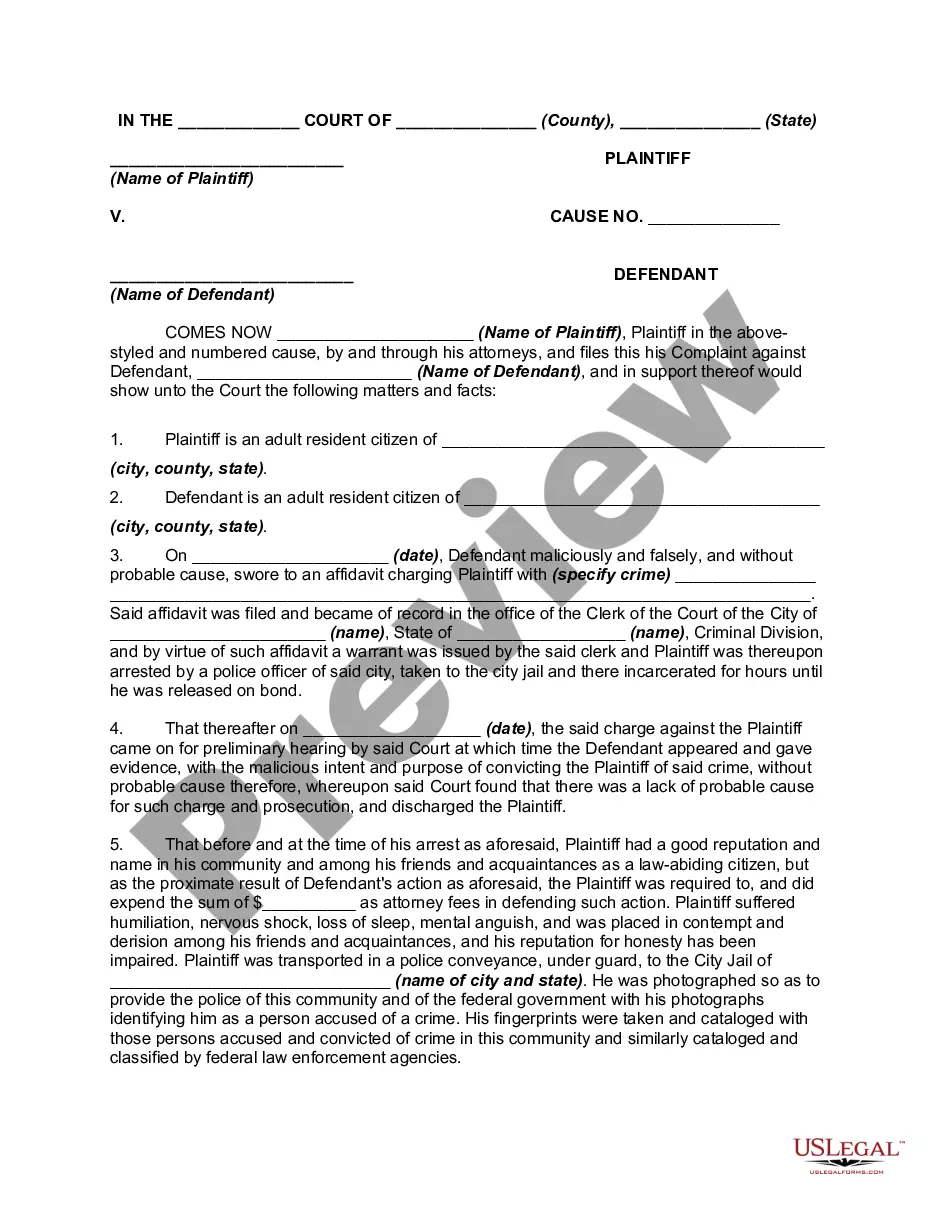
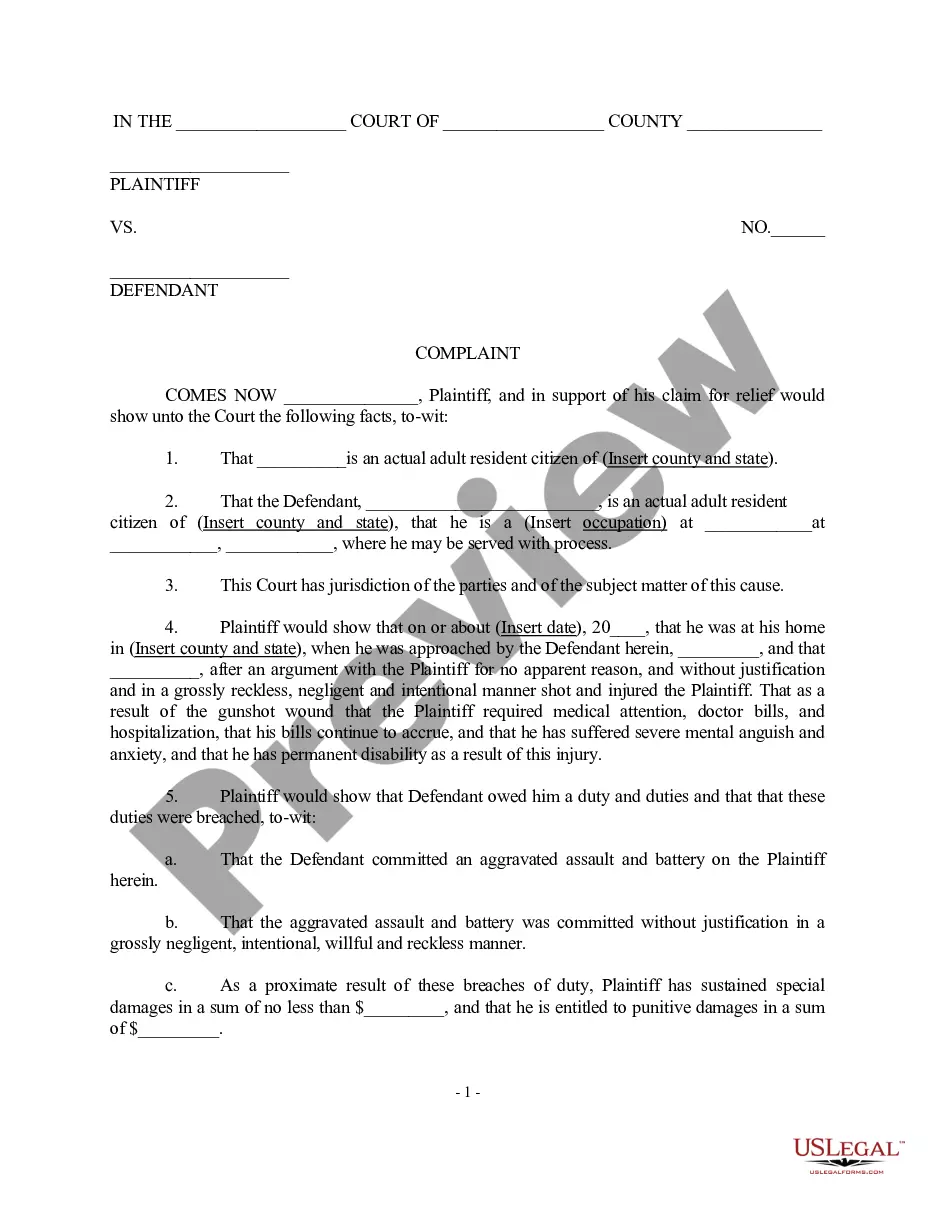
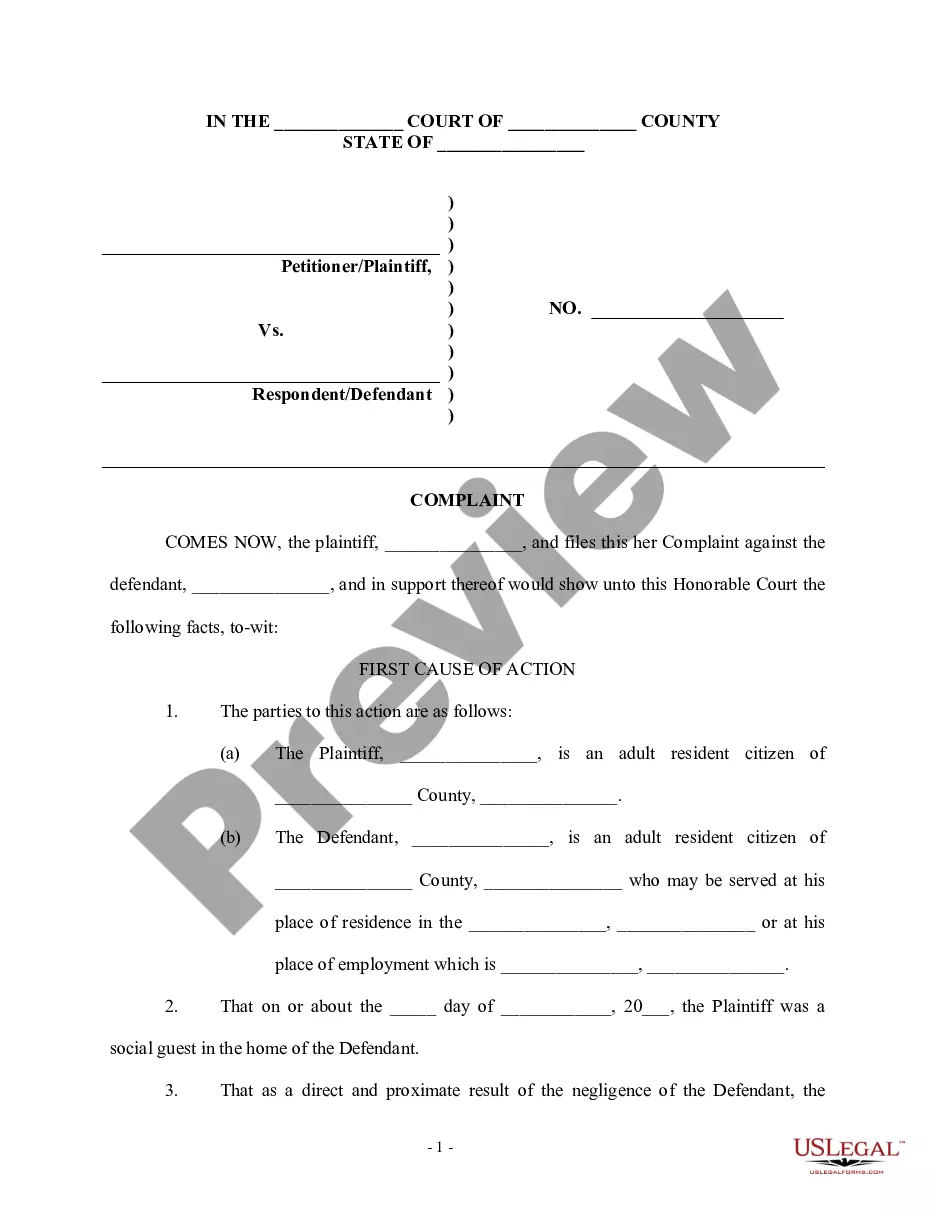
South Carolina Complaint for Malicious Prosecution, False Imprisonment, Abuse of Process
Description




Get your form ready online
Our built-in tools help you complete, sign, share, and store your documents in one place.
Make edits, fill in missing information, and update formatting in US Legal Forms—just like you would in MS Word.
Download a copy, print it, send it by email, or mail it via USPS—whatever works best for your next step.
Sign and collect signatures with our SignNow integration. Send to multiple recipients, set reminders, and more. Go Premium to unlock E-Sign.
If this form requires notarization, complete it online through a secure video call—no need to meet a notary in person or wait for an appointment.
We protect your documents and personal data by following strict security and privacy standards.

Make edits, fill in missing information, and update formatting in US Legal Forms—just like you would in MS Word.

Download a copy, print it, send it by email, or mail it via USPS—whatever works best for your next step.

Sign and collect signatures with our SignNow integration. Send to multiple recipients, set reminders, and more. Go Premium to unlock E-Sign.

If this form requires notarization, complete it online through a secure video call—no need to meet a notary in person or wait for an appointment.

We protect your documents and personal data by following strict security and privacy standards.
Looking for another form?




How to fill out Complaint For Malicious Prosecution, False Imprisonment, Abuse Of Process?
US Legal Forms - among the largest collections of legal documents in the United States - offers a range of legal document templates that you can download or print. By using the website, you can access thousands of forms for business and personal purposes, organized by categories, states, or keywords. You can obtain the latest versions of forms such as the South Carolina Complaint for Malicious Prosecution, False Imprisonment, Abuse of Process in just a few minutes.
If you already have a subscription, Log In and download the South Carolina Complaint for Malicious Prosecution, False Imprisonment, Abuse of Process from the US Legal Forms library. The Download button will appear on every form you view. You can access all previously saved forms in the My documents section of your account.
If this is your first time using US Legal Forms, here are some simple steps to get started: Ensure you have selected the correct form for your city/state. Click the Preview button to review the form’s content. Check the form summary to confirm that you have chosen the right document. If the form does not meet your requirements, use the Search box at the top of the screen to find one that does. Once you are satisfied with the form, confirm your selection by clicking the Buy now button. Then, select the payment plan you prefer and provide your details to register for an account. Process the transaction. Use your credit card or PayPal account to complete the payment. Choose the format and download the form to your device. Make edits. Fill out, modify, print, and sign the saved South Carolina Complaint for Malicious Prosecution, False Imprisonment, Abuse of Process. Every template you add to your account has no expiration date and is yours permanently. Thus, if you wish to download or print another copy, simply visit the My documents section and click on the form you need.
- Access the South Carolina Complaint for Malicious Prosecution, False Imprisonment, Abuse of Process with US Legal Forms, one of the most comprehensive libraries of legal document templates.
- Utilize a wide array of professional and state-specific templates that meet your business or personal needs and requirements.
Form popularity
FAQ
Abuse of process has been described as misusing a "criminal or civil process against another party for a purpose different than the proceeding's intended purposes" and thereby causing the party damages (e.g., arrest, seizure of property, or economic injury). abuse of process | Wex - Law.Cornell.Edu cornell.edu ? wex ? abuse_of_process cornell.edu ? wex ? abuse_of_process
Most recently, the Supreme Court determined that malicious prosecution finds its constitutional home in the Fourth Amendment, so § 1983 claims require a showing of both a Fourth Amendment violation and the common law elements of a malicious prosecution claim.
The Elements of a Malicious Prosecution Claim A legal action commenced or prosecuted without probable cause. ... The legal action was brought or initiated with malice or malicious intent. Final, favorable termination or resolution of the action (or relevant claims) in the defendant's favor. ... Legally recognizable damages.
Malicious Prosecution & Abuse of Process Cases in South Carolina. In order to sustain an action for malicious prosecution, a plaintiff must have been charged with some criminal or civil wrong and been exonerated. In malicious prosecution cases, the burden is on the plaintiff to show that probable cause exists. Malicious Prosecution & Abuse of Process Clawson Fargnoli Utsey ? malicious-prosecution-abus... Clawson Fargnoli Utsey ? malicious-prosecution-abus...
Malicious prosecution This is a violation of a person's civil rights to liberty and due process under the Fourteenth Amendment. Essentially, malicious prosecution is a baseless accusation brought against someone in order to harass or intimidate them ? an arrest without probable cause. Los Angeles Civil Rights Violations Lawyers, CA | Taylor & Ring taylorring.com ? civil-rights-violation taylorring.com ? civil-rights-violation
(B) A person who violates the provisions of this section is guilty of the misdemeanor offense of false imprisonment and, upon conviction, must be fined not more than one thousand dollars and imprisoned for not more than three years. H 4918 - South Carolina Legislature scstatehouse.gov ? query scstatehouse.gov ? query
A malicious prosecution case can be difficult to prove, but with a few key elements it can be won in court. First, it must be clear that the defendant did not have probable cause to bring the action.
Malicious prosecution is the filing of a lawsuit for an improper purpose, and without grounds or probable cause. The improper lawsuit may either be civil or criminal in nature. To remedy an act of malicious prosecution, an alleged victim files a malicious prosecution action.