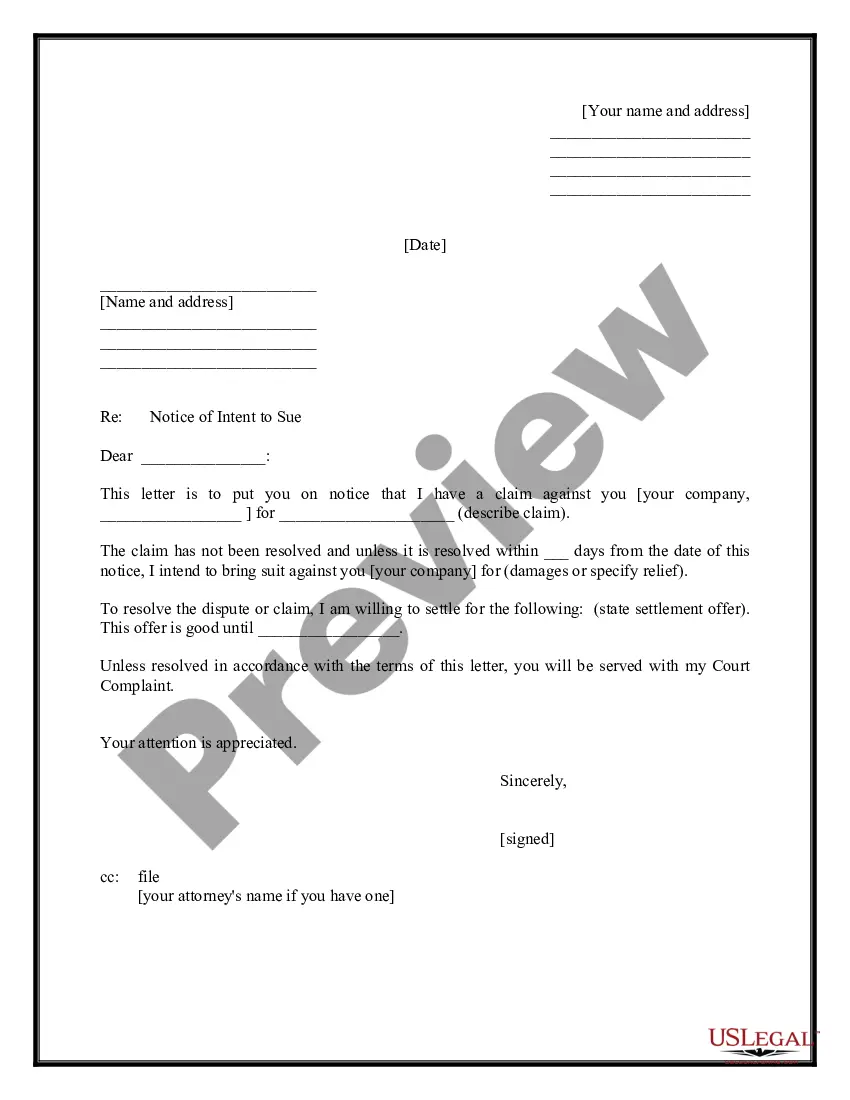
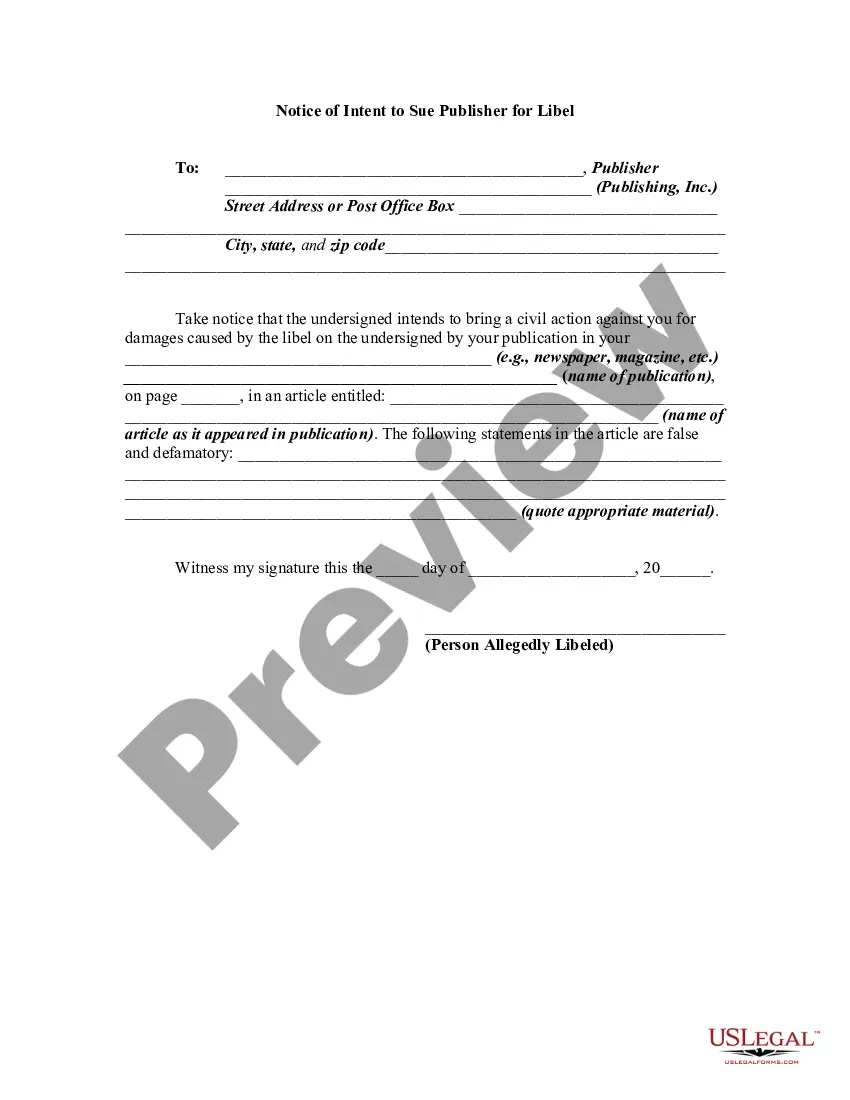
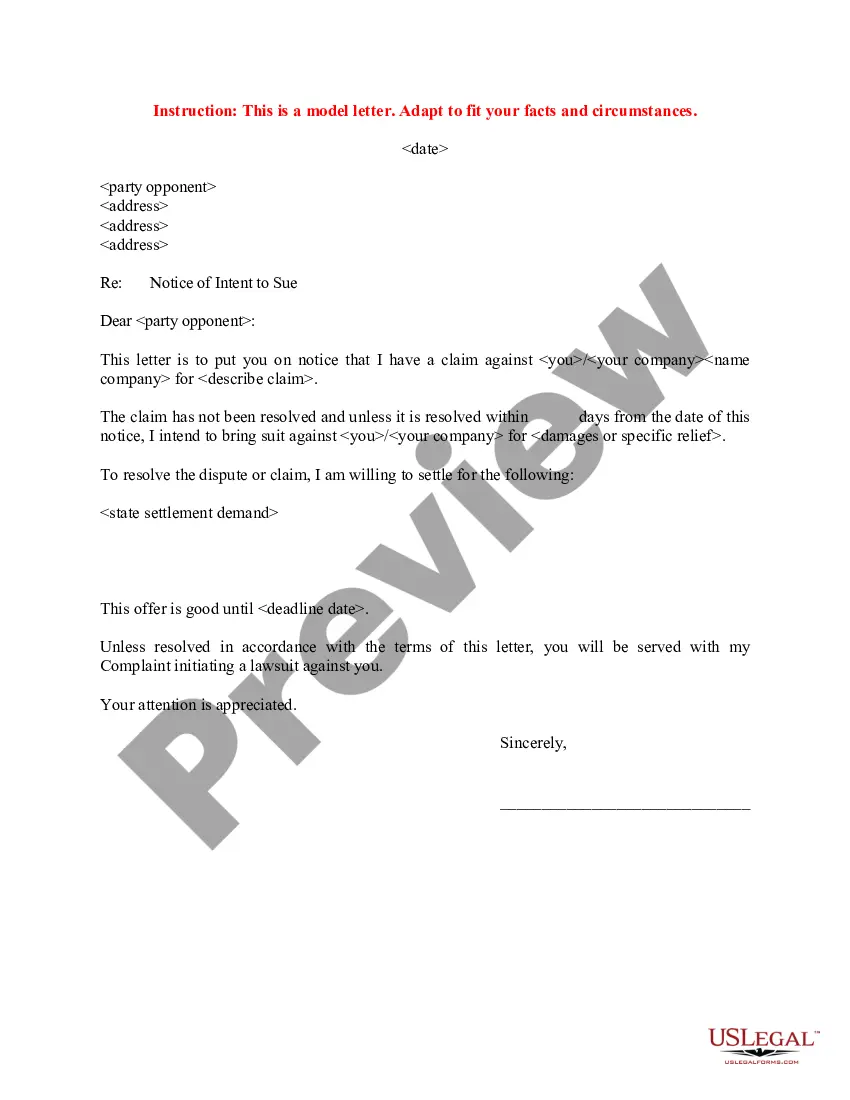
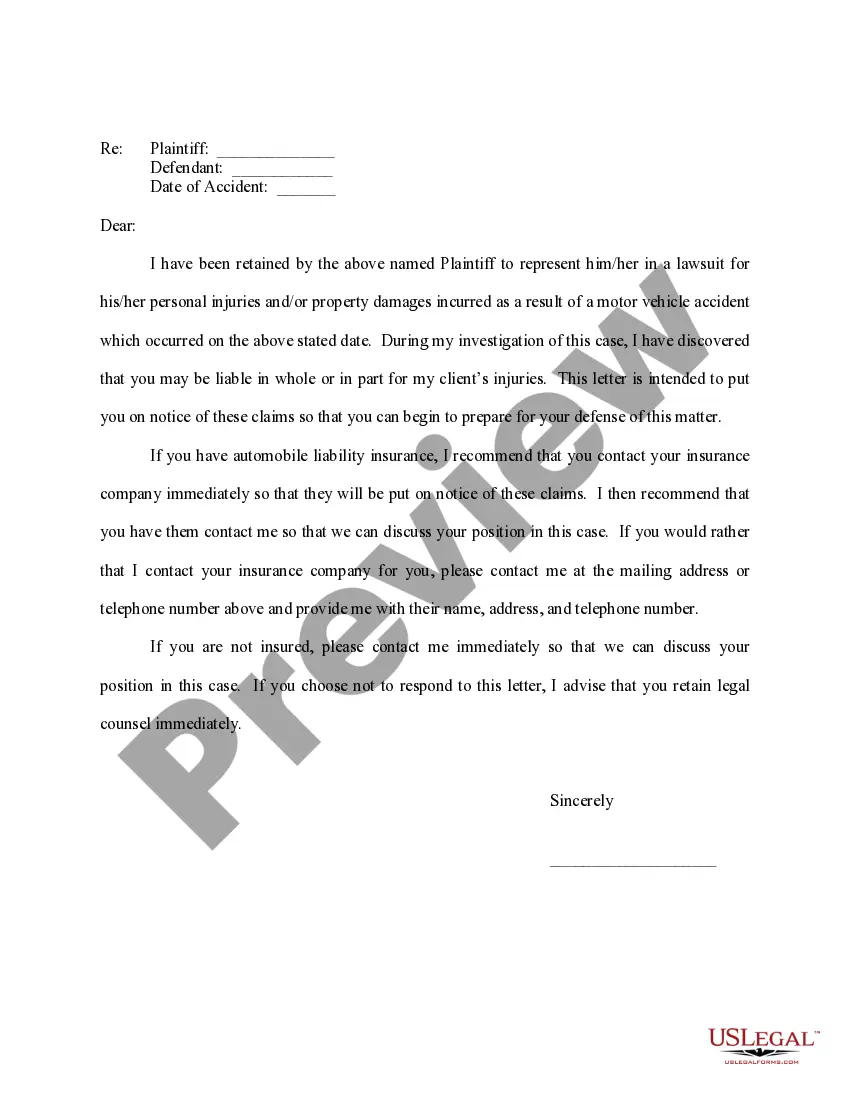
South Carolina Letter of Intent to Sue
Description
Get your form ready online
Our built-in tools help you complete, sign, share, and store your documents in one place.
Make edits, fill in missing information, and update formatting in US Legal Forms—just like you would in MS Word.
Download a copy, print it, send it by email, or mail it via USPS—whatever works best for your next step.
Sign and collect signatures with our SignNow integration. Send to multiple recipients, set reminders, and more. Go Premium to unlock E-Sign.
If this form requires notarization, complete it online through a secure video call—no need to meet a notary in person or wait for an appointment.
We protect your documents and personal data by following strict security and privacy standards.

Make edits, fill in missing information, and update formatting in US Legal Forms—just like you would in MS Word.

Download a copy, print it, send it by email, or mail it via USPS—whatever works best for your next step.

Sign and collect signatures with our SignNow integration. Send to multiple recipients, set reminders, and more. Go Premium to unlock E-Sign.

If this form requires notarization, complete it online through a secure video call—no need to meet a notary in person or wait for an appointment.

We protect your documents and personal data by following strict security and privacy standards.
Looking for another form?
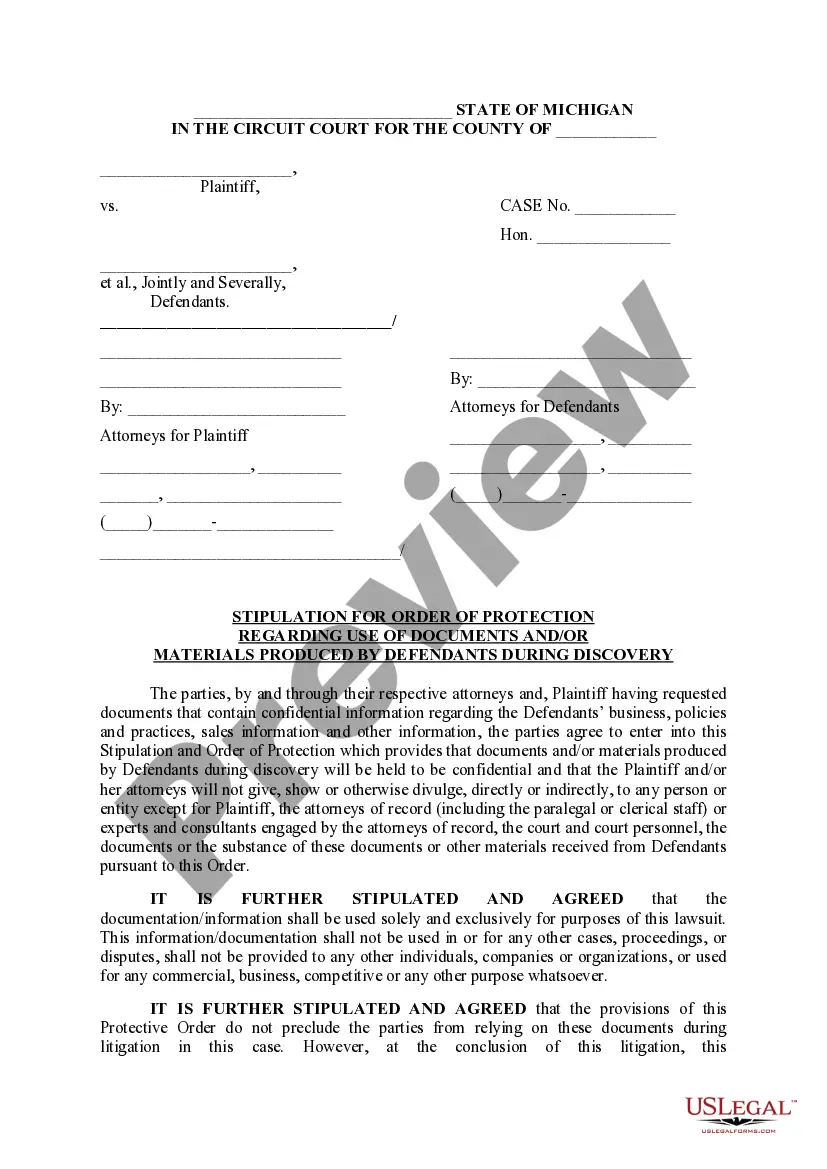
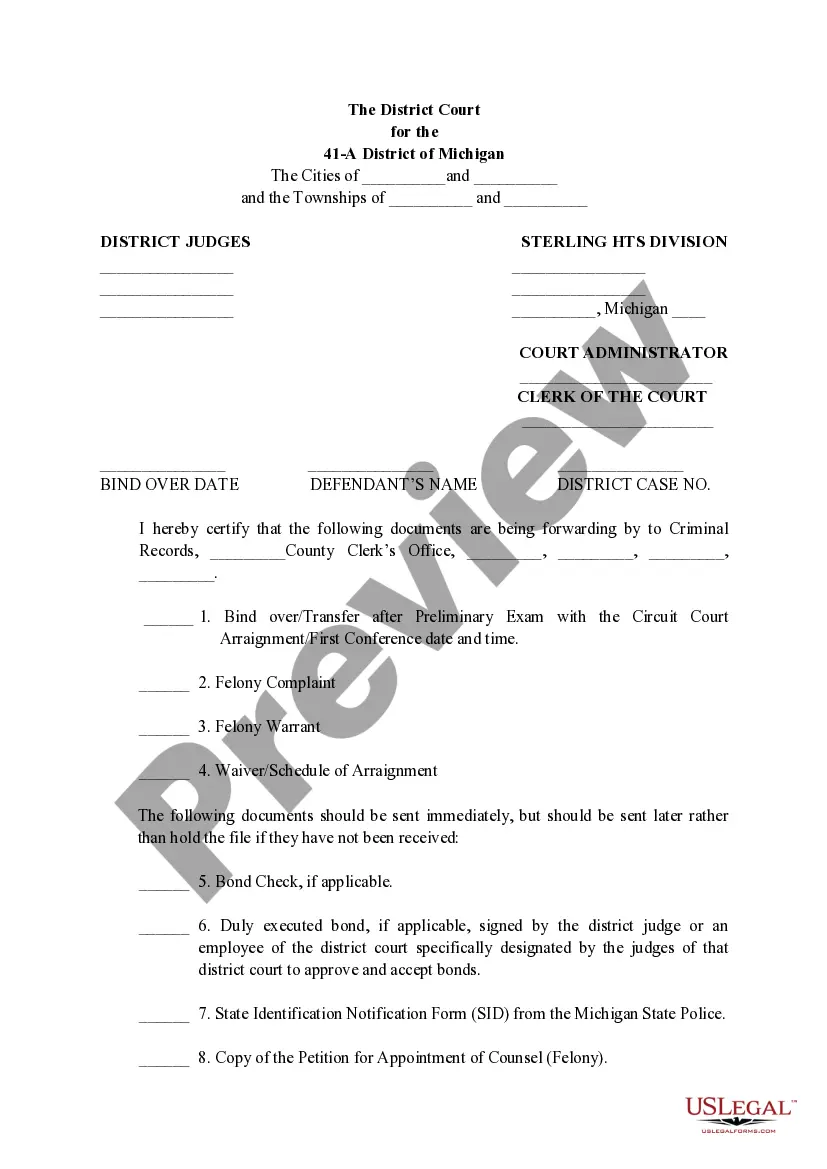
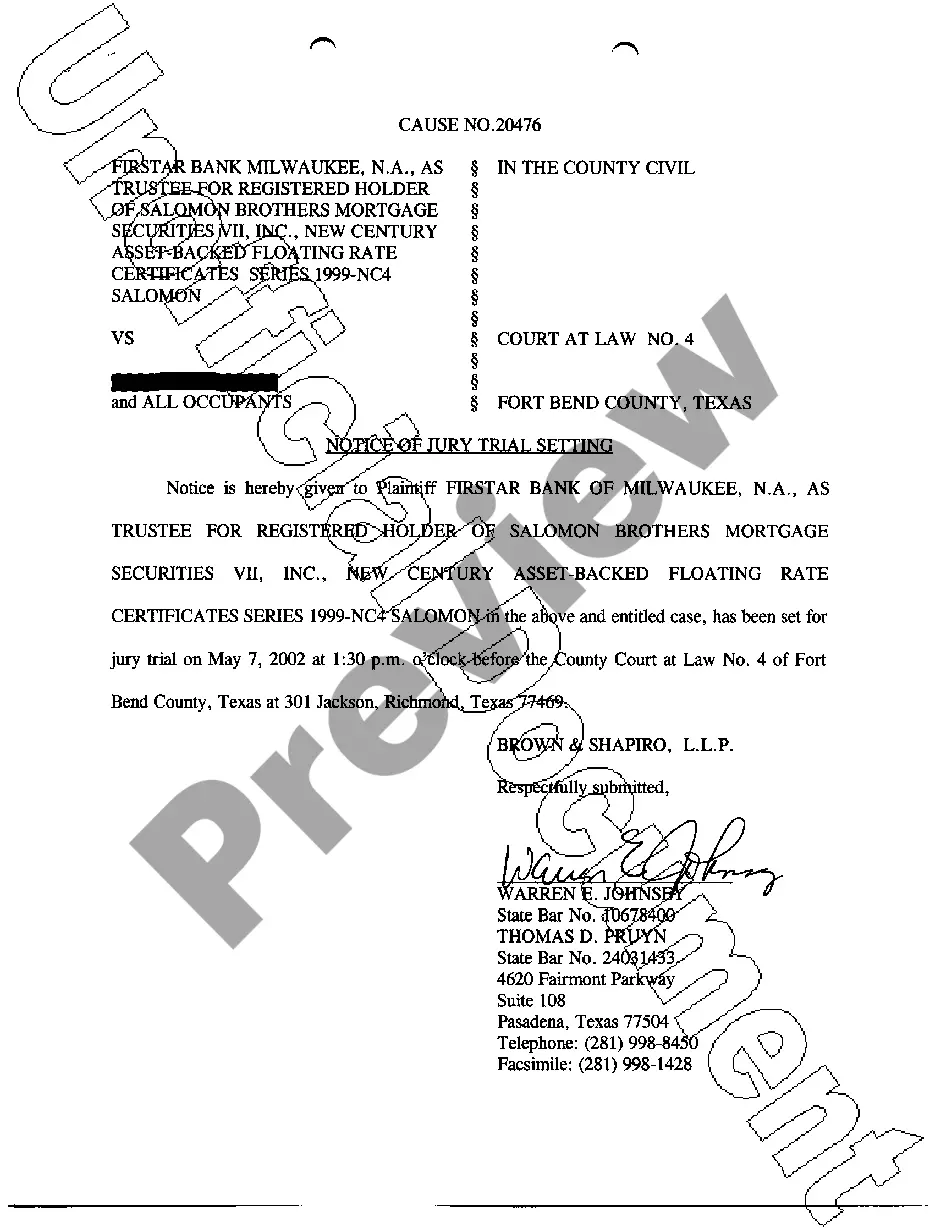
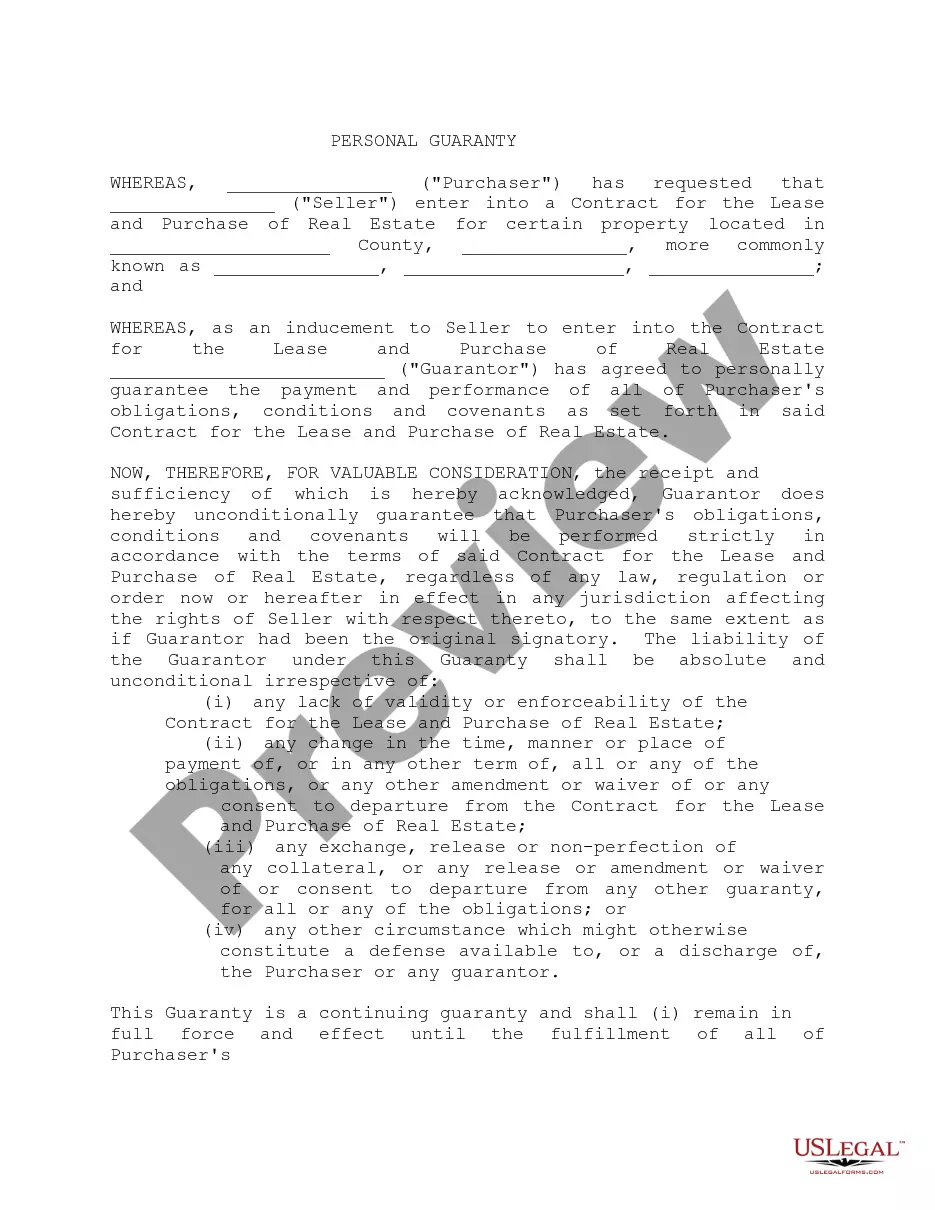
How to fill out Letter Of Intent To Sue?
You can spend numerous hours online searching for the legal document template that fulfills the state and federal criteria you need.
US Legal Forms provides thousands of legal forms that have been reviewed by professionals.
You can obtain or print the South Carolina Letter of Intent to Sue from our service.
If you wish to find another version of your form, utilize the Search field to locate the template that meets your needs and specifications. Once you have found the template you desire, click Purchase now to proceed. Select the pricing plan you prefer, enter your credentials, and register for your account on US Legal Forms. Complete the transaction. You can use your Visa or Mastercard or PayPal account to pay for the legal form. Choose the format of your document and download it to your device. Make alterations to your document if needed. You can complete, edit, sign, and print the South Carolina Letter of Intent to Sue. Download and print thousands of document templates using the US Legal Forms website, which offers the largest selection of legal forms. Utilize professional and state-specific templates to address your business or personal needs.
- If you possess a US Legal Forms account, you can Log In and click the Download button.
- Subsequently, you can complete, modify, print, or sign the South Carolina Letter of Intent to Sue.
- Every legal document template you purchase is yours indefinitely.
- To obtain another copy of any purchased form, navigate to the My documents tab and click the relevant button.
- If you are using the US Legal Forms website for the first time, follow the simple instructions below.
- First, ensure that you have selected the correct document template for your desired county/city.
- Review the form description to confirm you have chosen the right form.
- If available, use the Preview button to view the document template as well.
Form popularity
FAQ
To officially start a lawsuit, you need to: File a complaint with the proper court and pay the filing fee, and. Serve the defendant with a copy of the complaint and summons.
Presuit Requirement?Notice of Intent to File Suit. South Carolina law requires the filing of a Notice of Intent to File Suit and an affidavit of an expert witness as a prerequisite to filing a medical malpractice lawsuit. SCCL § 15-79-125(A).
How to Write a Medical Malpractice Demand Letter Keep in mind some general considerations. ... Start off with a proper heading. ... Summarize all of the relevant facts. ... Go into detail about your injuries. ... Explain your treatments and ongoing care. ... Mention the intangible damages that impact your life.
A: In California, medical malpractice suits are the only type of personal injury case for which non-economic damages are capped. This cap is set at $250,000.
Section 364 - Notice to health care provider of intention to commence action (a) No action based upon the health care provider's professional negligence may be commenced unless the defendant has been given at least 90 days' prior notice of the intention to commence the action.
In sum, section 364 requires a litigant pursuing a medical-malpractice action to provide at least 90 days of notice to a healthcare defendant before initiating a lawsuit. If the letter is sent within the last 90 days of the statute of limitations, a plaintiff has an extra 90 days to file the lawsuit.
In most cases, you have 3 years to file suit against a non-governmental defendant. Please note that you only have 2 years to file a suit against a governmental defendant such as a county hospital, local police department, or government official.
In California, the deadline for filing a medical malpractice claim is generally three years after the injury or one year after the discovery or detection of the injury. These deadlines are set by law and can't be extended.