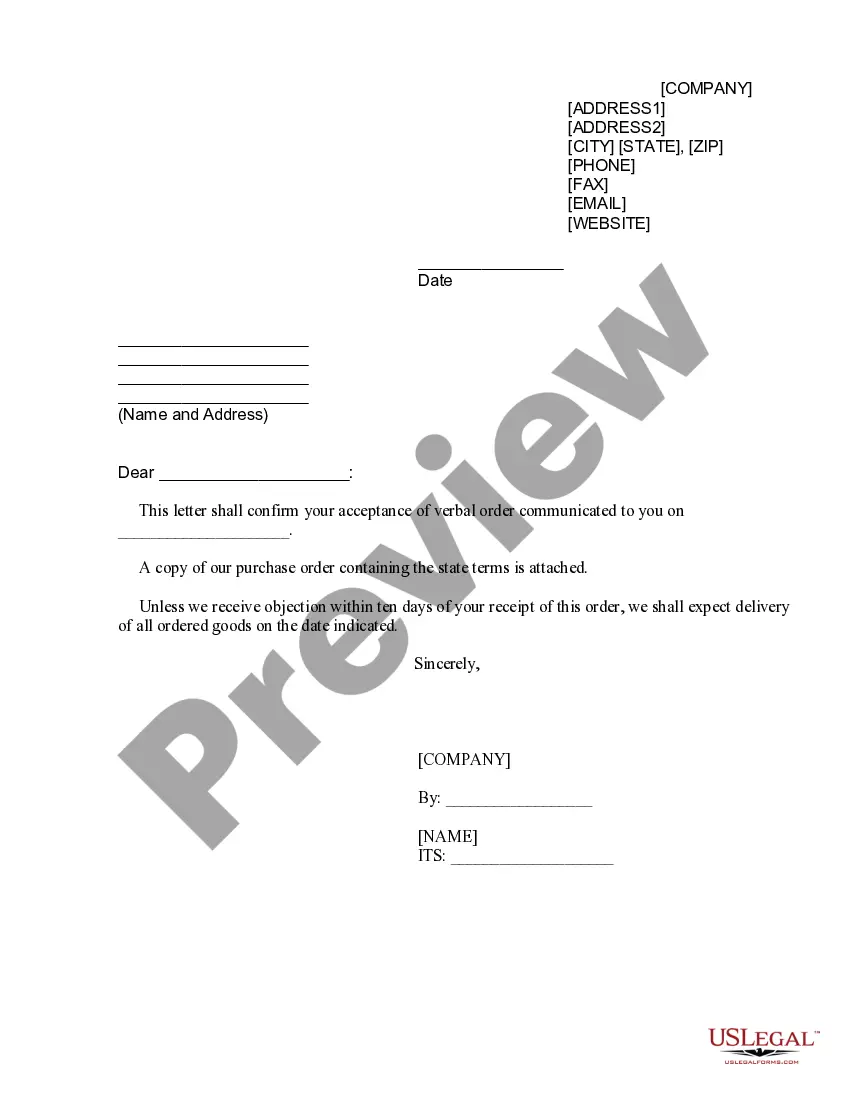
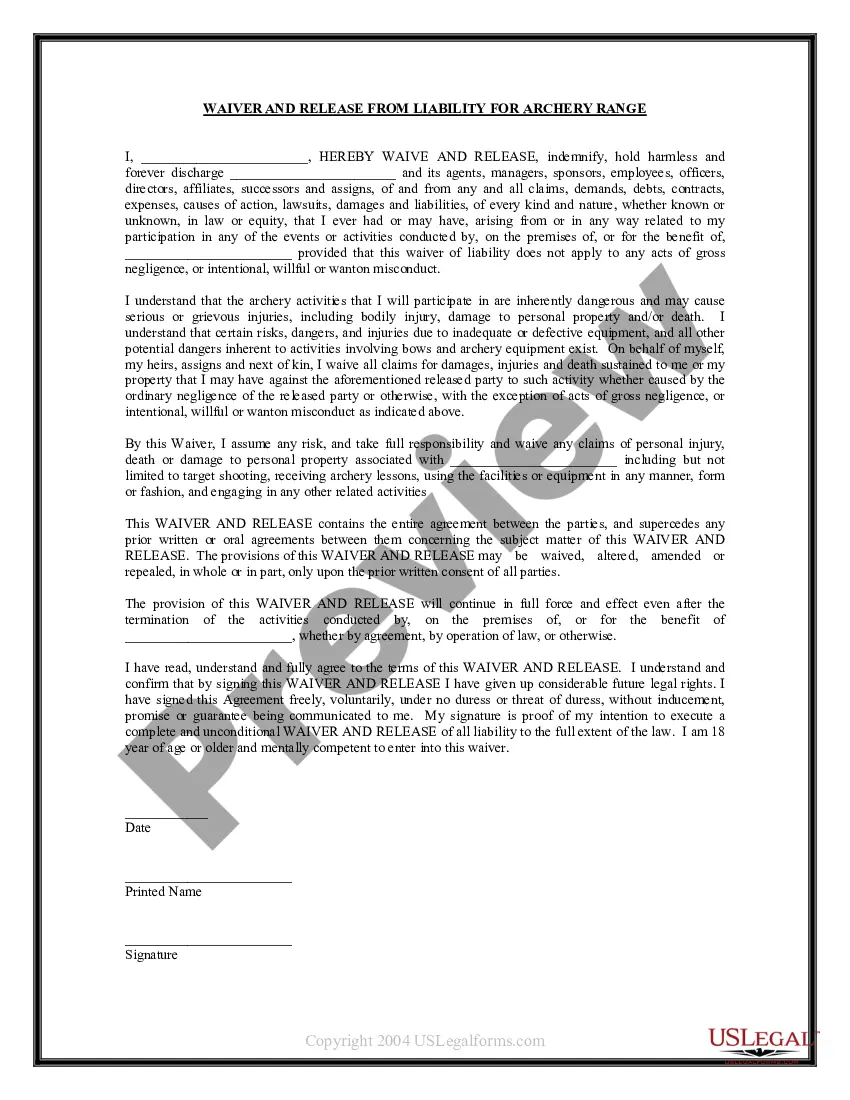
Rhode Island Waiver and Release From Liability For Adult for Archery Range
Description
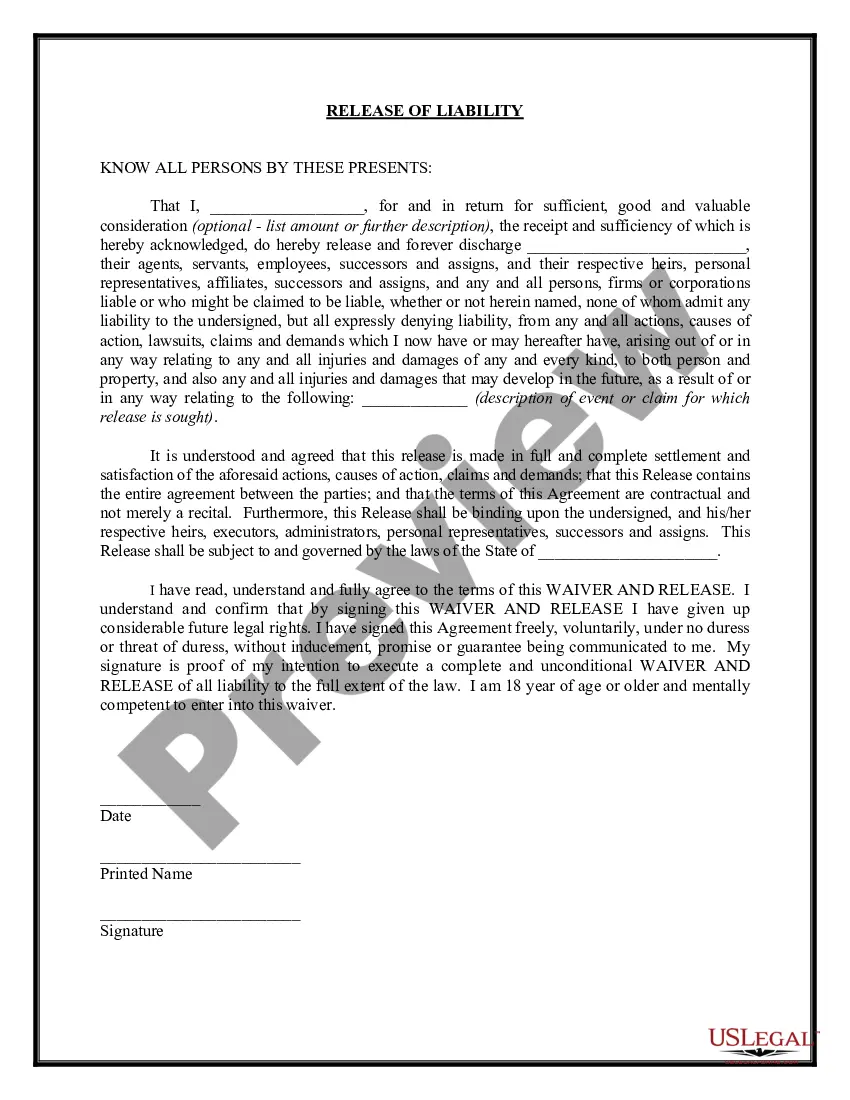
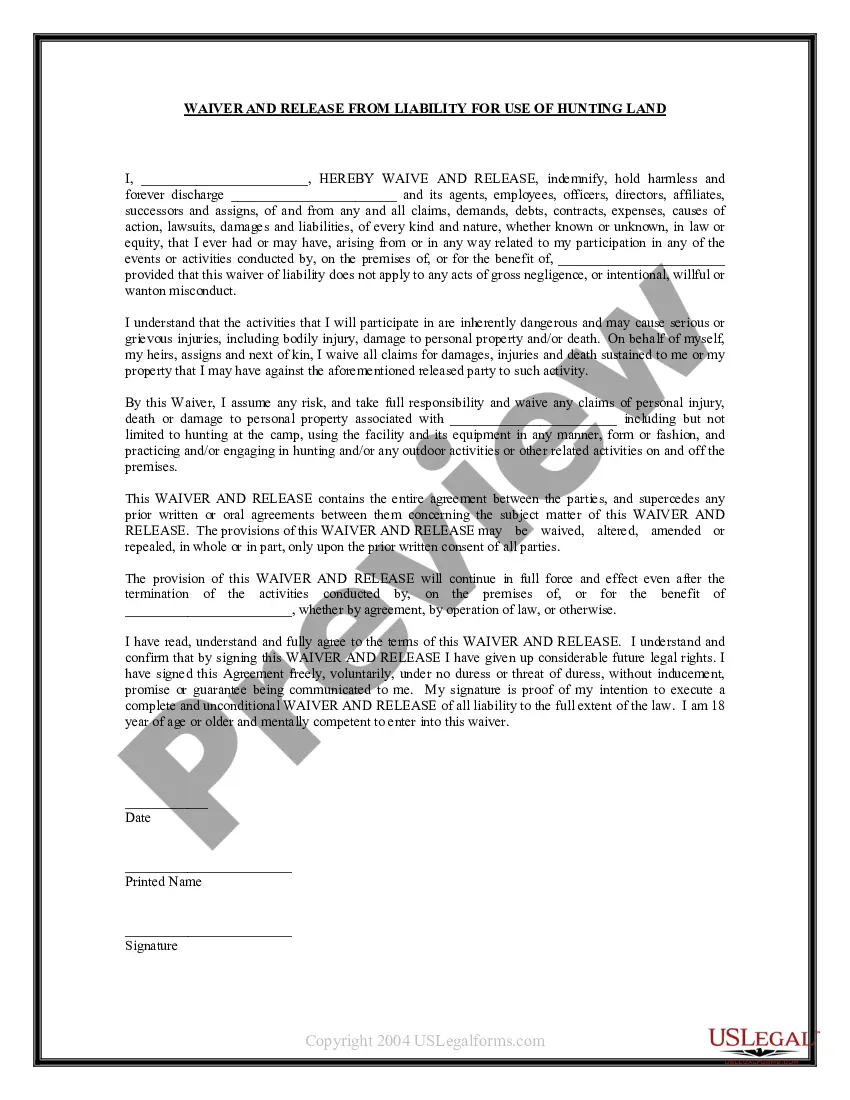
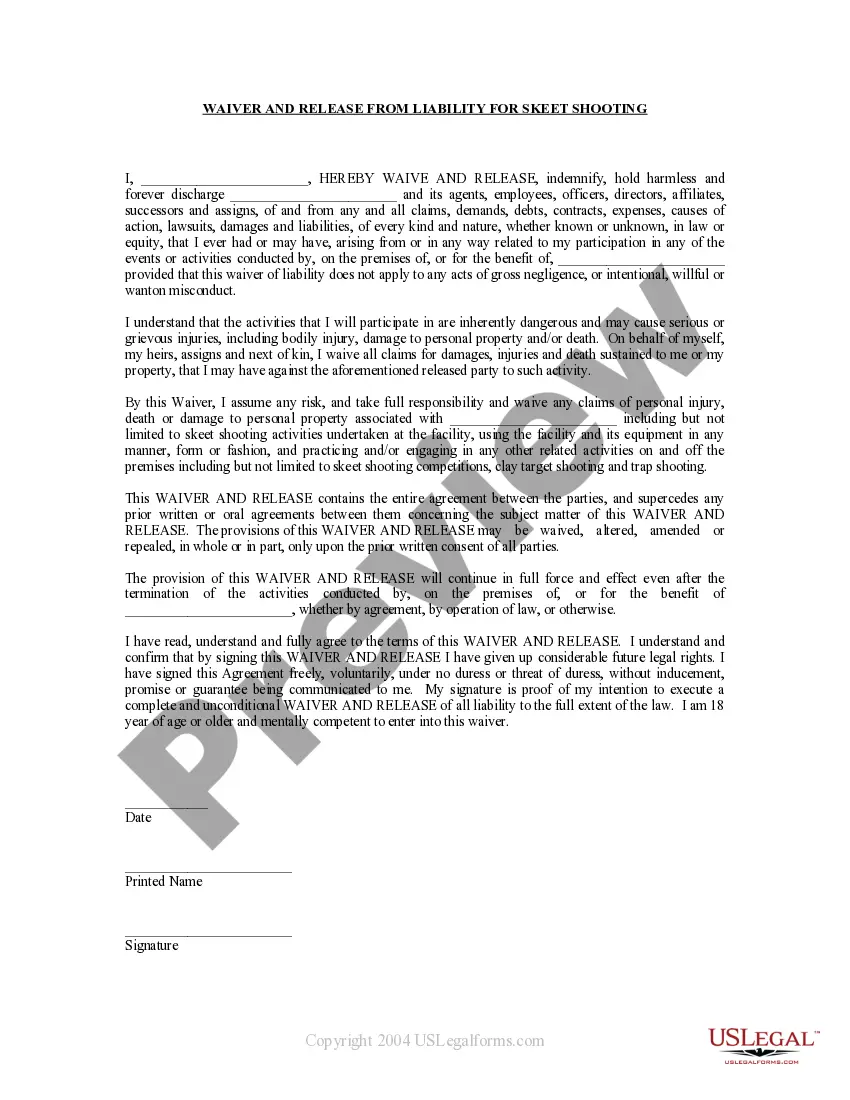
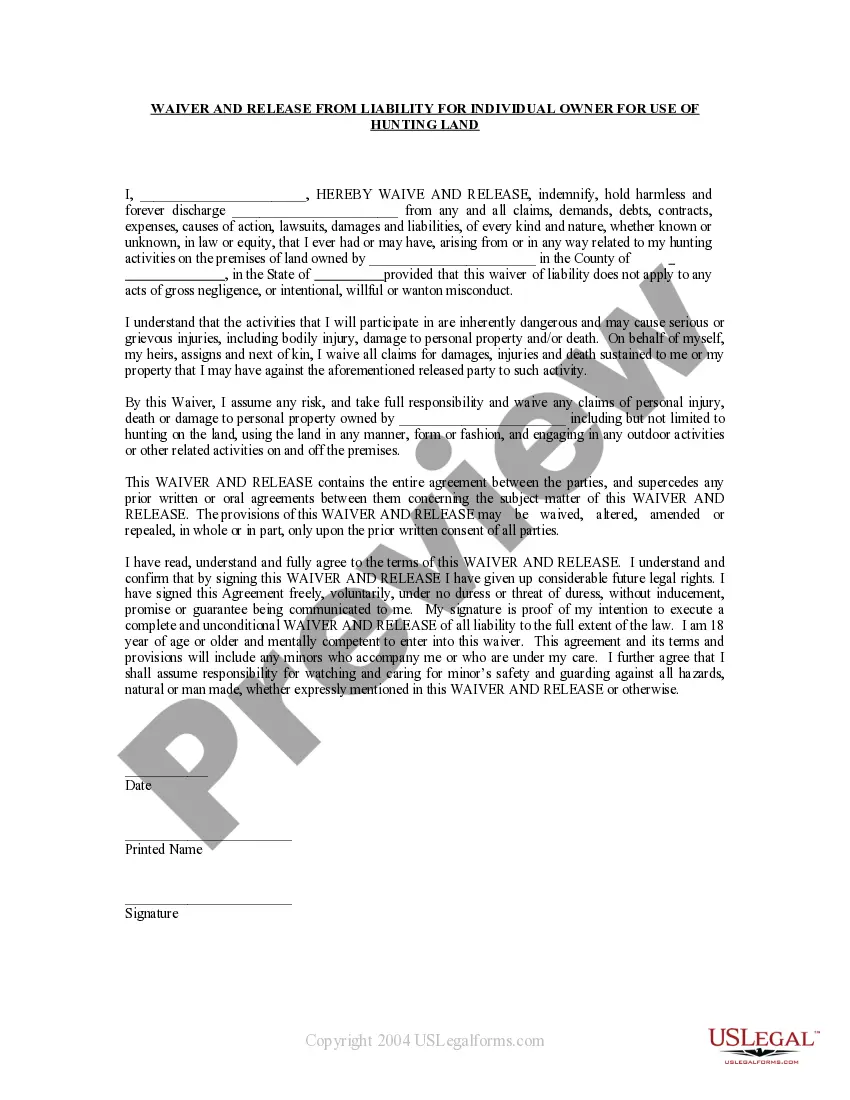
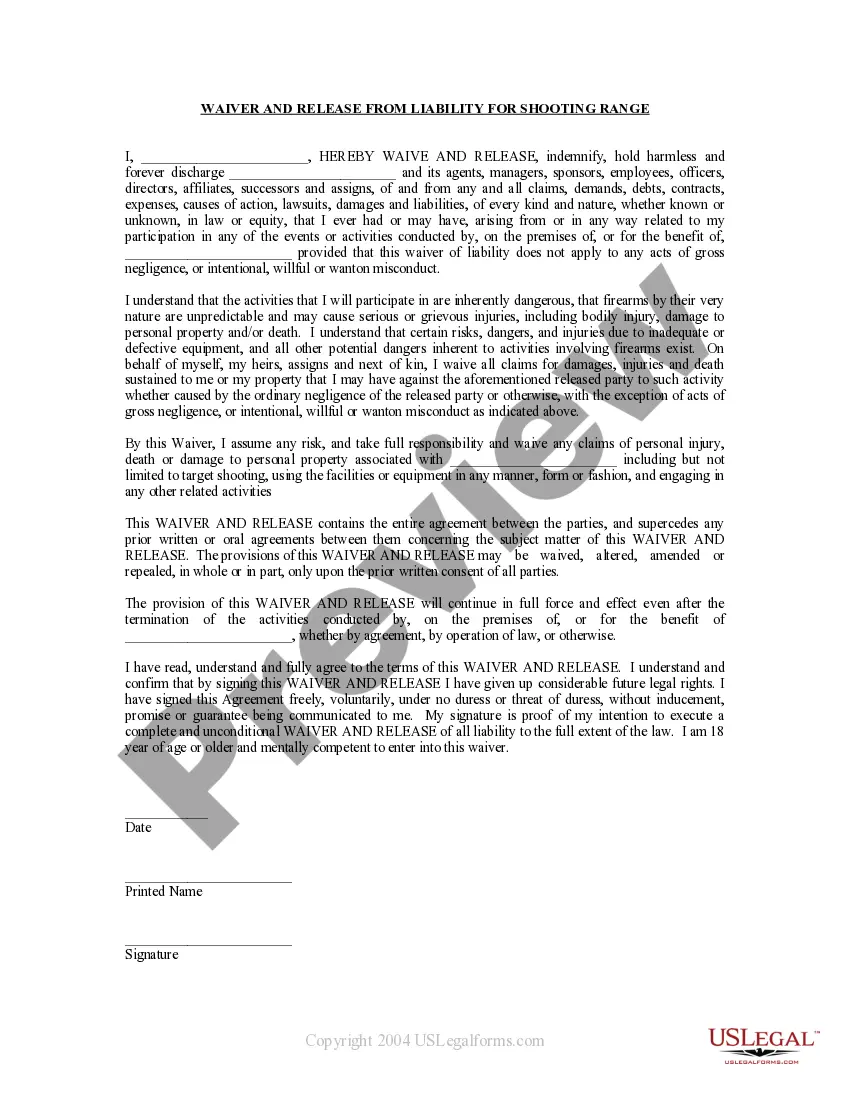
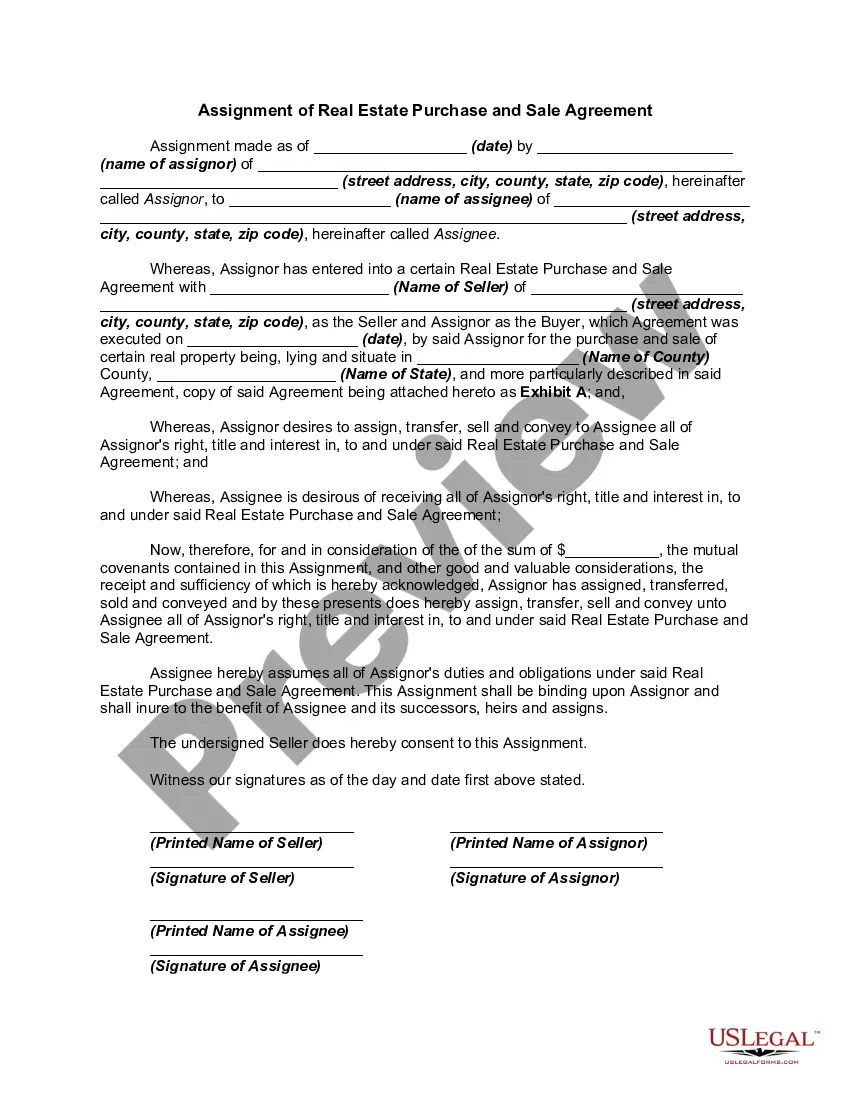
How to fill out Waiver And Release From Liability For Adult For Archery Range?
You can spend multiple hours online searching for the appropriate legal document template that meets the federal and state requirements you need. US Legal Forms provides a vast array of legal documents that have been reviewed by professionals.
It is easy to obtain or create the Rhode Island Waiver and Release From Liability For Adult for Archery Range from my services. If you have a US Legal Forms account, you can Log In and then click the Acquire button. After that, you can complete, edit, print, or sign the Rhode Island Waiver and Release From Liability For Adult for Archery Range. Every legal document template you purchase belongs to you forever.
To obtain an additional copy of a purchased form, visit the My documents tab and click the relevant button. If you are using the US Legal Forms website for the first time, follow the simple instructions below: First, ensure that you have selected the correct document template for the state/city of your choice. Review the document description to confirm you have chosen the right template. If available, use the Review button to examine the document template as well.
Avoid altering or deleting any HTML tags. Only synonymize plain text outside of the HTML tags.
- If you want to find another version of your document, use the Lookup field to search for the template that suits your needs and requirements.
- Once you have located the template you need, click Get now to continue.
- Select the payment plan you want, enter your details, and register for a free account on US Legal Forms.
- Complete the payment. You can use your Visa or Mastercard or PayPal account to pay for the legal document.
- Choose the format of your document and download it to your device.
- Make changes to your document if necessary. You can complete, edit, and sign and print the Rhode Island Waiver and Release From Liability For Adult for Archery Range.
- Obtain and print a multitude of document templates using the US Legal Forms website, which offers the largest selection of legal forms. Utilize professional and state-specific templates to address your business or personal needs.
Form popularity
FAQ
The statute of limitations in Rhode Island varies depending on the type of claim. Generally, personal injury claims must be filed within three years from the date of the incident. This timeframe is crucial for anyone using a Rhode Island Waiver and Release From Liability For Adult for Archery Range, as it influences your legal rights. To protect yourself, it's wise to stay informed and seek guidance from legal resources or professionals.
In most cases, a liability waiver does not need to be notarized to be valid. However, having a notarized Rhode Island Waiver and Release From Liability For Adult for Archery Range can add an extra layer of protection and credibility. It ensures that the signer is who they claim to be and that they understand the terms of the waiver. If you're unsure, consider consulting legal experts or using platforms like uslegalforms for tailored solutions.
Generally, a liability waiver document is a legally binding agreement that relinquishes the right of one party to pursue legal remedy for injuries accrued on the property, regardless of fault involved.
written waiver, signed voluntarily by an adult participant, will, under certain circumstances, protect a service provider from liability for negligence in at least 45 states. In fact, a number of states now enforce waivers signed by a parent on behalf of a minor participant.
So, if an accident happens and injury occurs, is a Waiver effective in protecting the institution from liability and preventing a lawsuit from the injured party? The answer is that, if properly worded and signed, the Waiver is likely valid and will preclude legal claims for injuries.
Liability waivers are enforceable in California solely to the extent they shift to the customer the risk of ordinary negligence. Under California law, a liability waiver cannot excuse an injury caused by a defendant's gross negligence, recklessness or intentionally wrongful act.
A liability waiver, or release waiver, is a legal document that a company or organization requires members of the public to sign in order to protect their organization from being sued if you sustain an injury.
A waiver is a demonstration, usually in written form, of a party's intent to relinquish a legal right or claim. The key point to note is that the relinquishment is voluntary, and can apply to a variety of legal situations. Essentially, a waiver removes a real or potential liability for the other party in the agreement.
How long do I keep signed waivers? The sponsoring unit is required to retain the waiver for six (6) years after the end of the event or activity for which the waiver was signed.
Ambiguous language or missing information can invalidate a waiver. The waiver contains errors that make it invalid. The language of the waiver must obey relevant state laws. An improperly worded or drafted waiver, as well as one that violates the law or public policy, may not hold up in court.