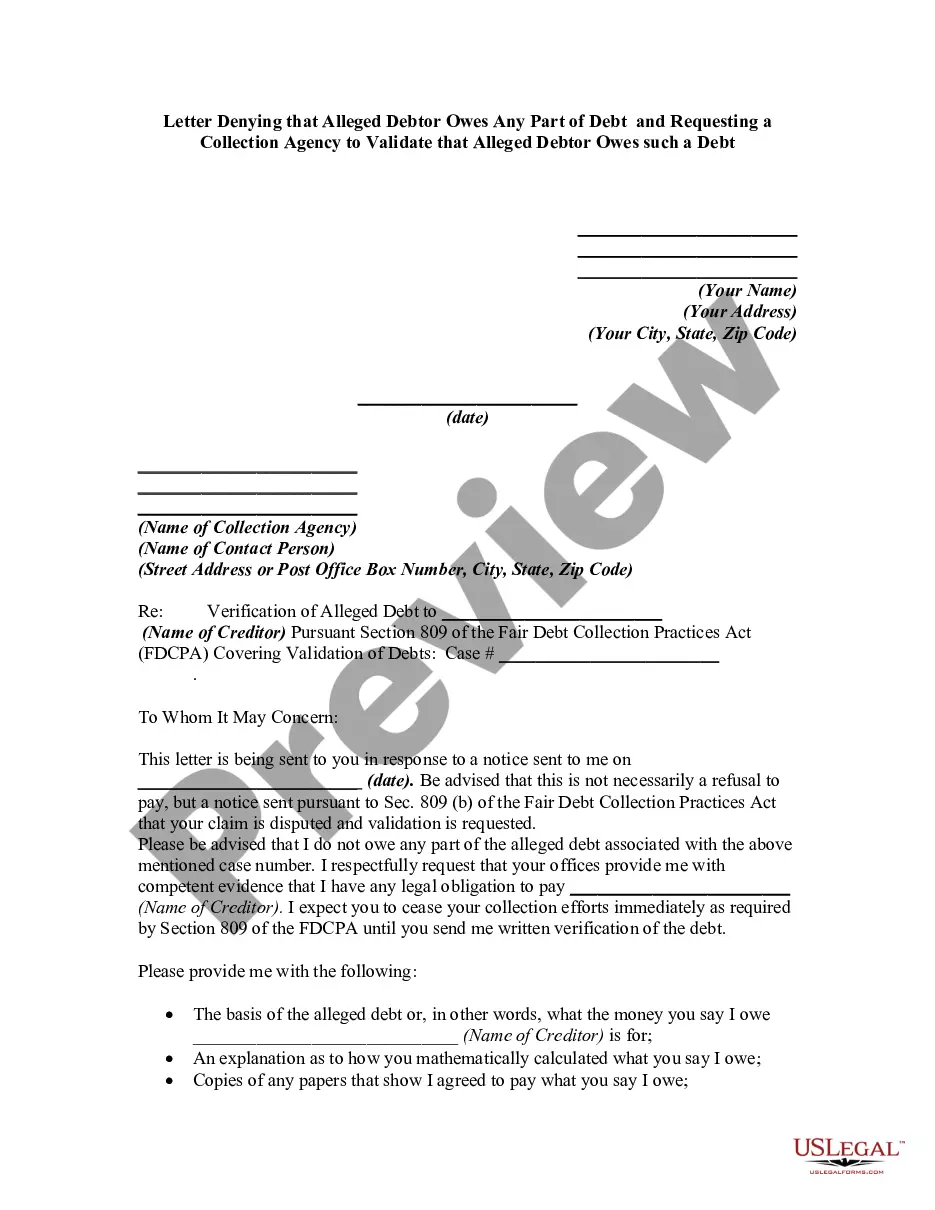
Rhode Island Second Letter Requesting a Collection Agency to Validate a Debt that You Allegedly Owe a Creditor
Description
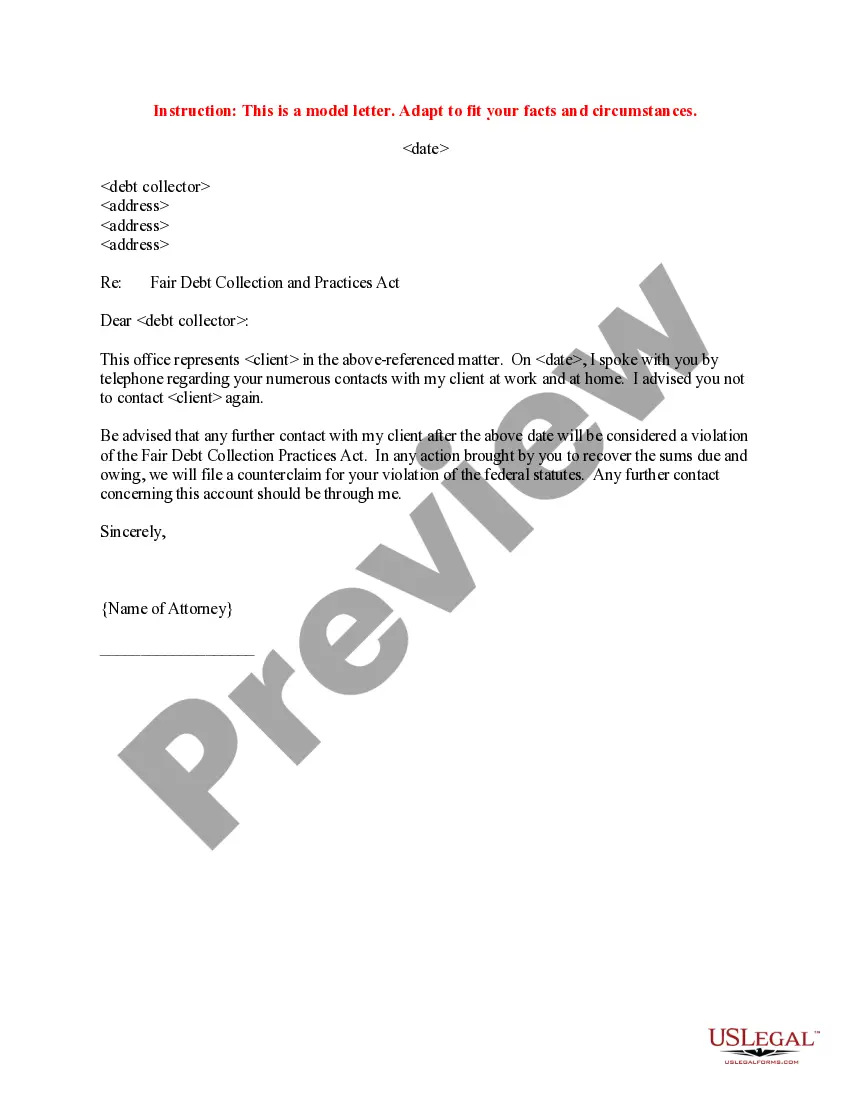
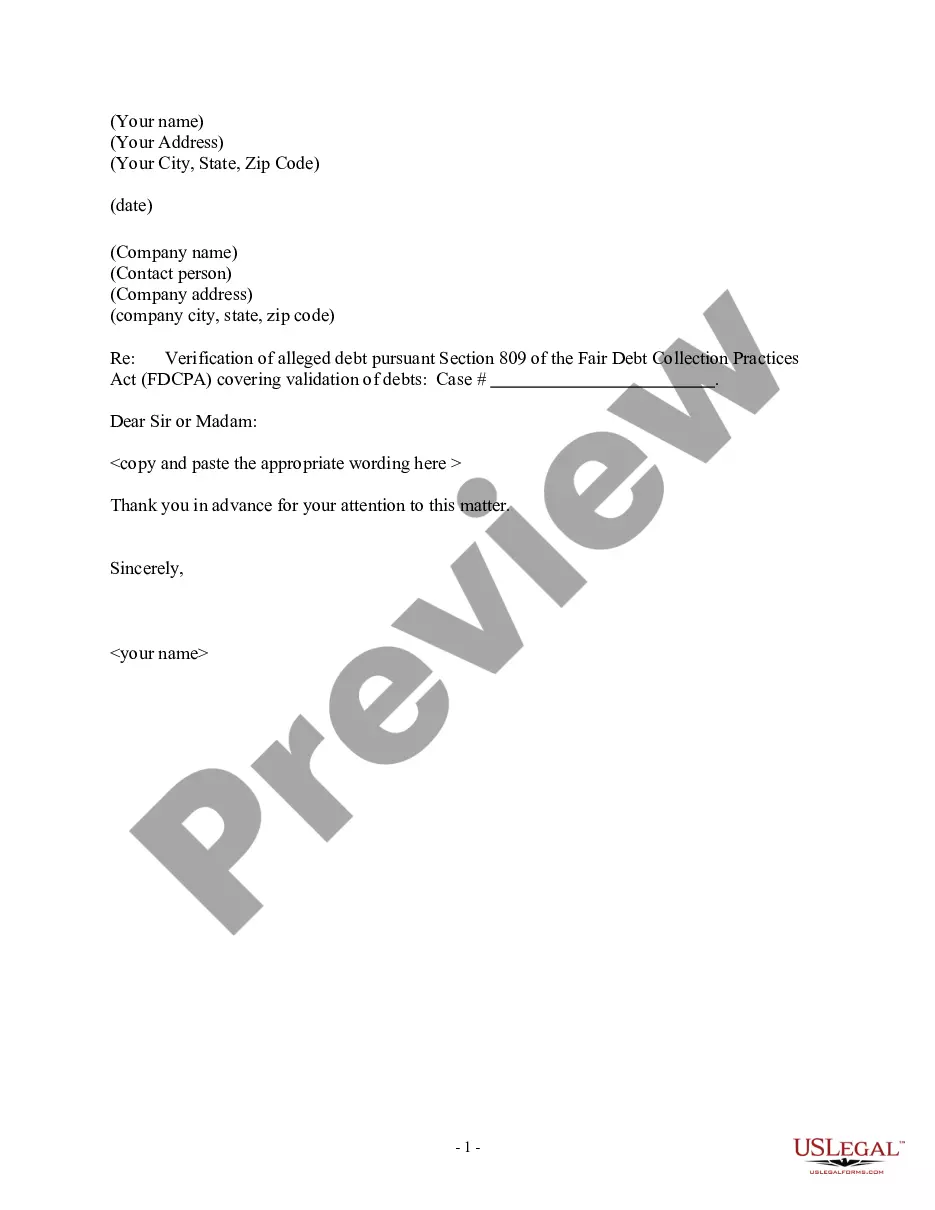
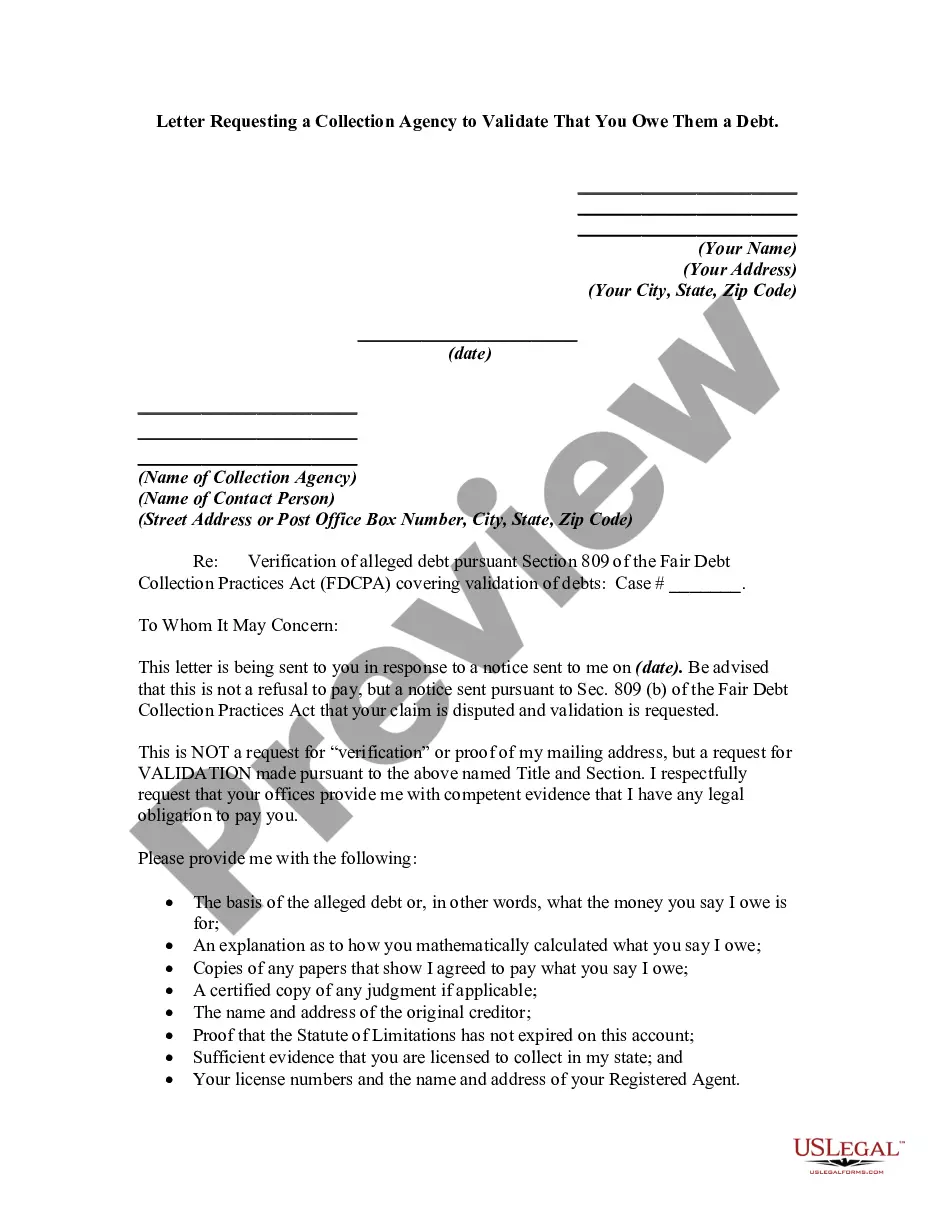
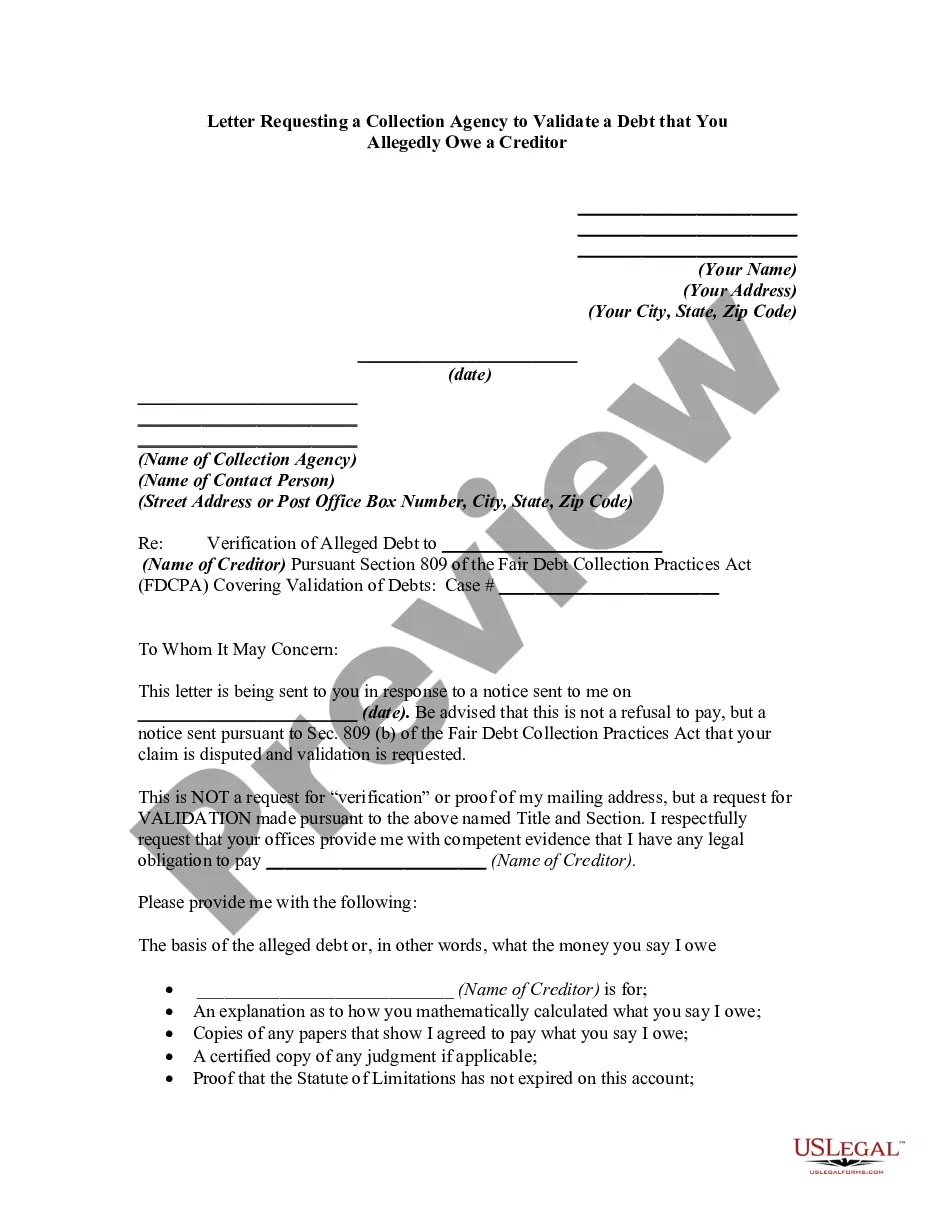
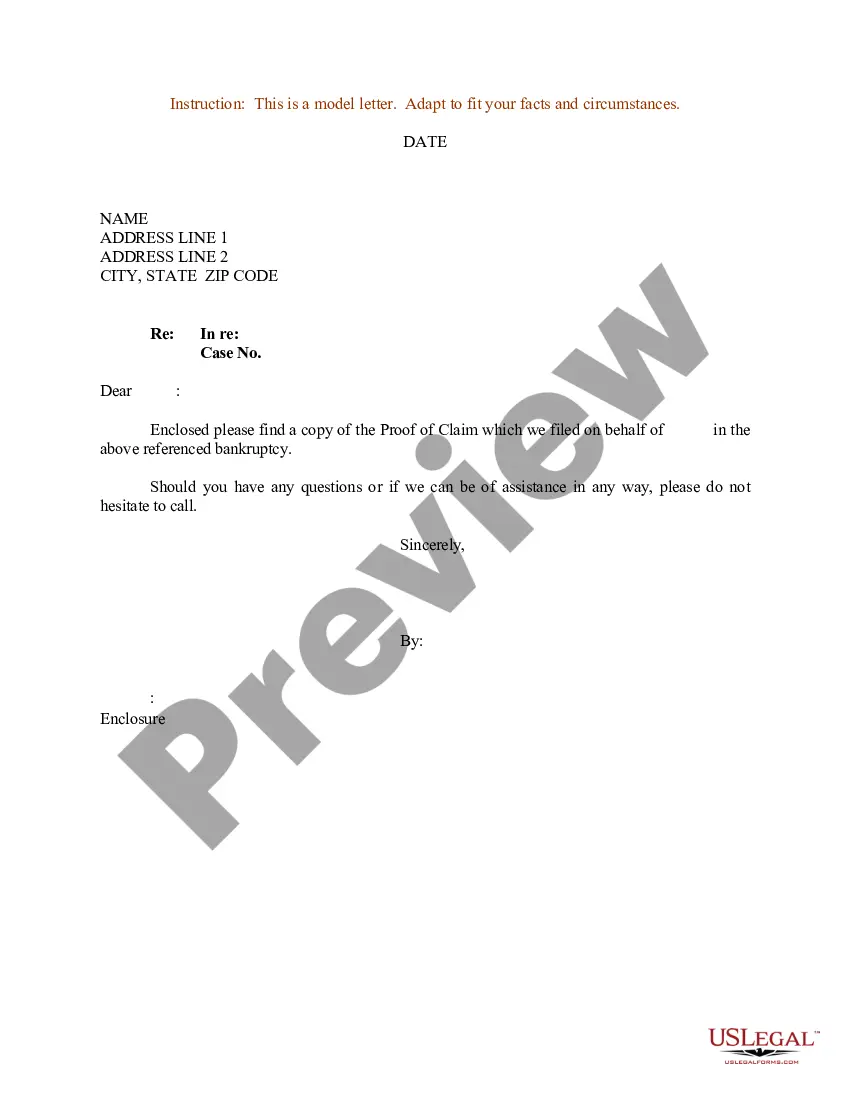
How to fill out Second Letter Requesting A Collection Agency To Validate A Debt That You Allegedly Owe A Creditor?
Are you in a circumstance where you frequently require documents for either business or personal purposes? There are numerous legal document templates available online, but finding ones you can trust is not simple.
US Legal Forms provides a vast array of form templates, including the Rhode Island Second Letter Requesting a Collection Agency to Validate a Debt that You Allegedly Owe a Creditor, which can be crafted to meet federal and state requirements.
If you are already familiar with the US Legal Forms website and possess an account, simply Log In. Subsequently, you may download the Rhode Island Second Letter Requesting a Collection Agency to Validate a Debt that You Allegedly Owe a Creditor template.
Select a convenient file format and download your copy.
Access all the document templates you have purchased in the My documents section. You can obtain another copy of the Rhode Island Second Letter Requesting a Collection Agency to Validate a Debt that You Allegedly Owe a Creditor at any time, if necessary. Simply select the desired form to download or print the document template. Utilize US Legal Forms, one of the largest collections of legal forms, to save time and avoid mistakes. The service offers professionally crafted legal document templates that can be used for various purposes. Create an account on US Legal Forms and start making your life a bit easier.
- If you do not have an account and wish to start using US Legal Forms, follow these steps.
- Acquire the form you need and ensure it is for the correct city/state.
- Utilize the Preview button to review the form.
- Examine the description to confirm you have selected the appropriate form.
- If the form is not what you are looking for, use the Search field to find the form that suits your needs and requirements.
- Once you find the correct form, click Buy now.
- Choose the pricing plan you prefer, fill in the required information to create your account, and complete the order using your PayPal or credit card.
Form popularity
FAQ
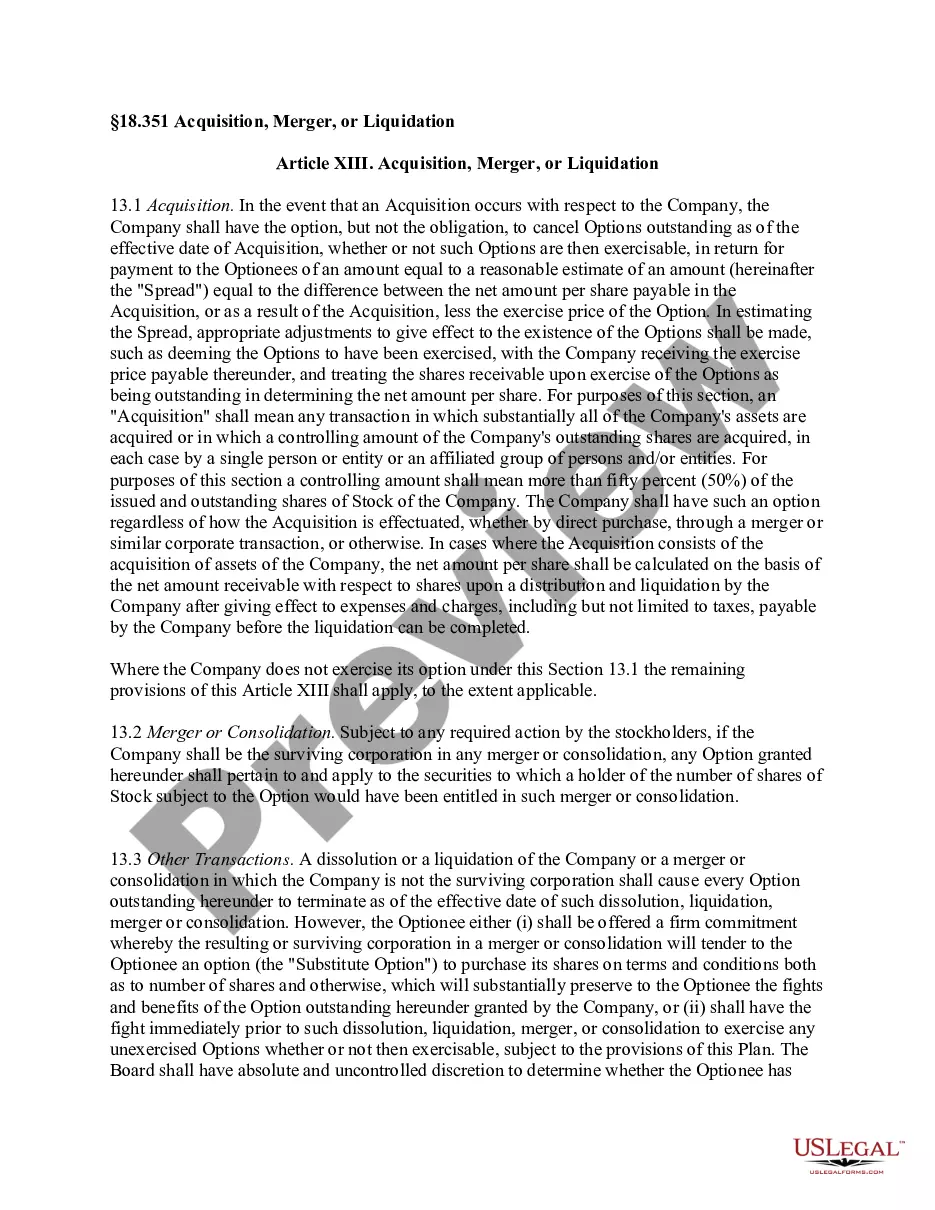
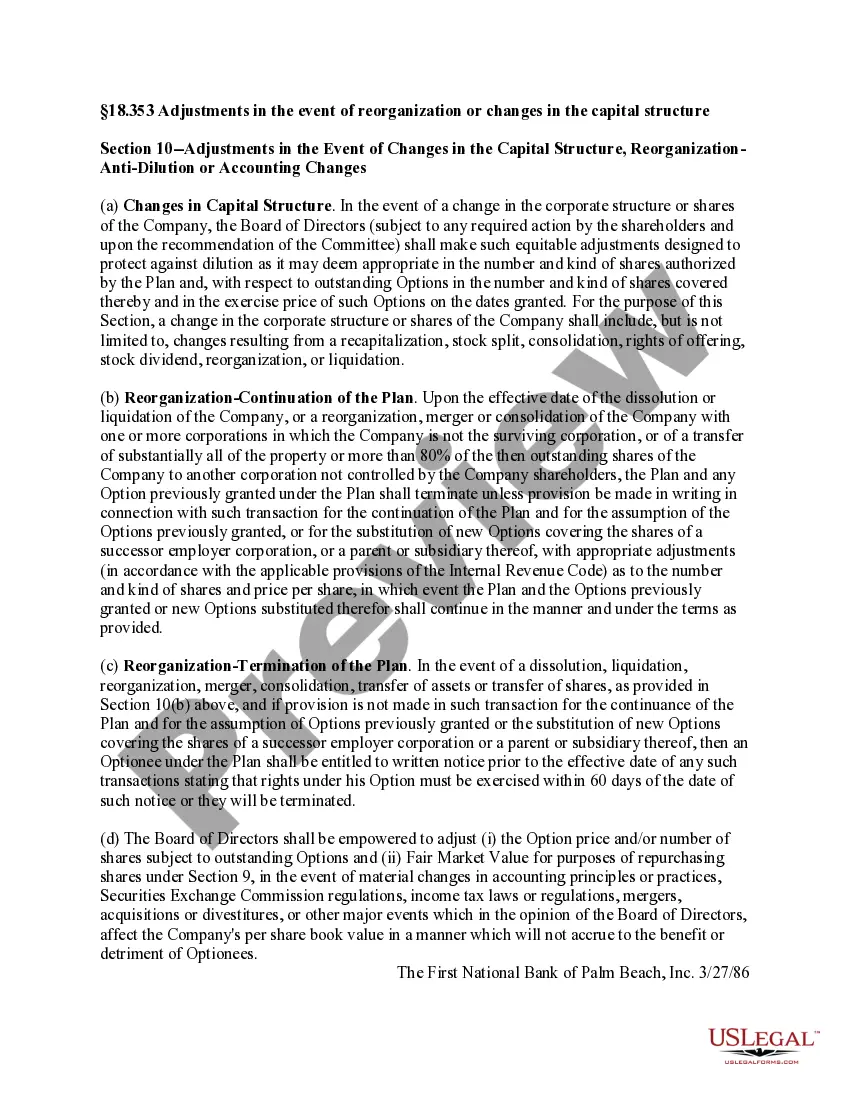
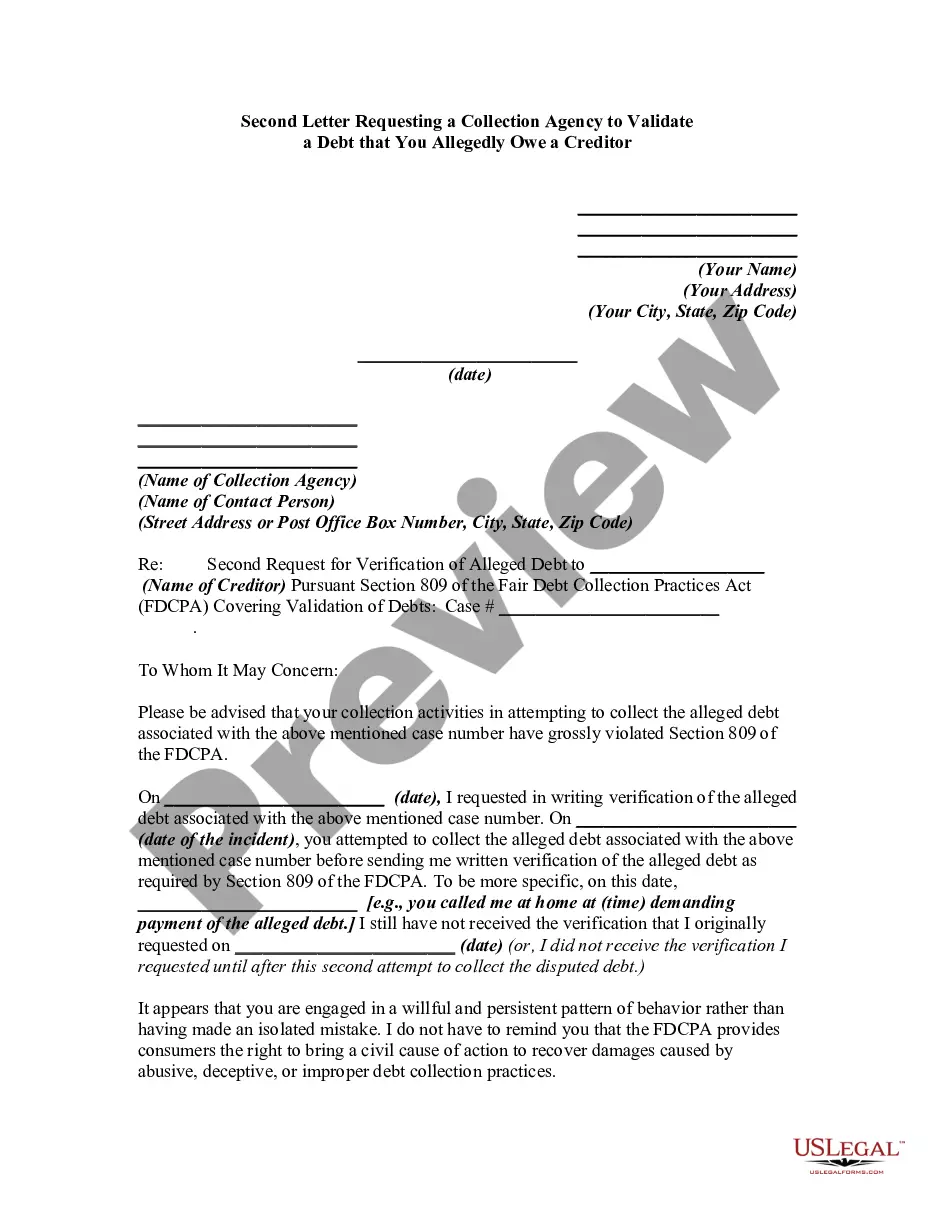
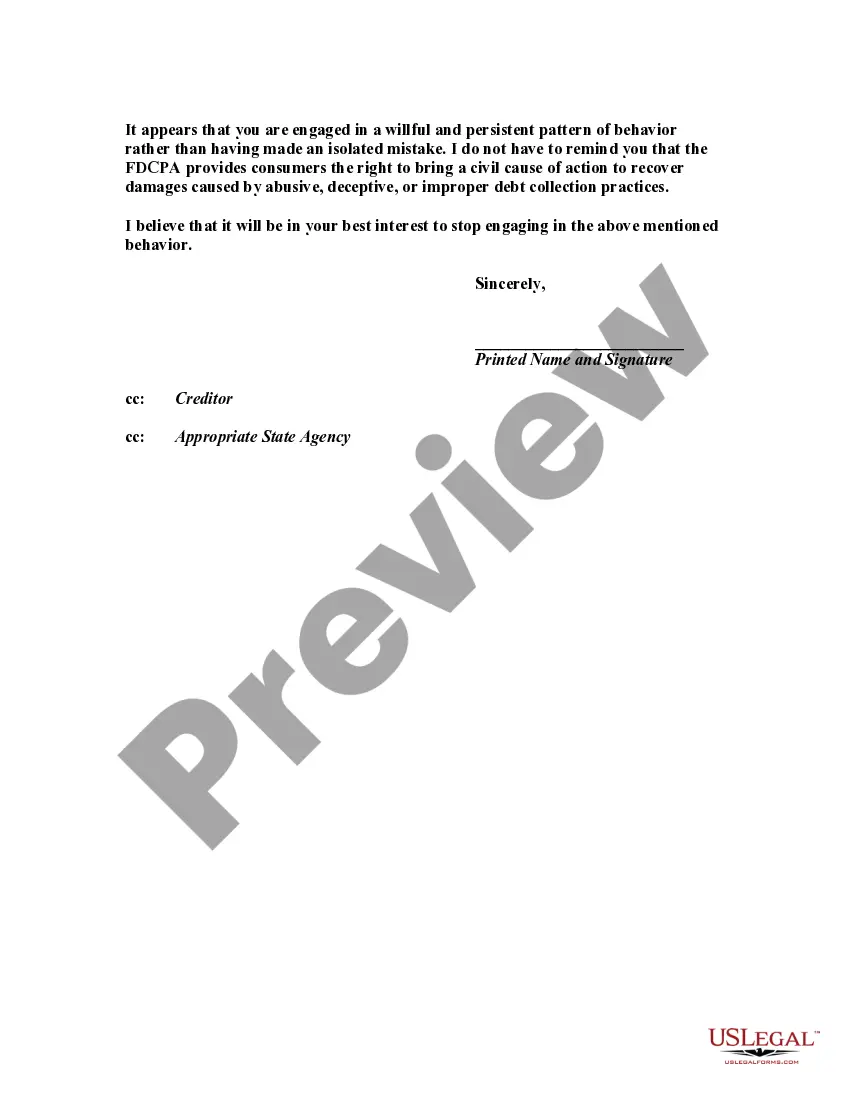
An example of a letter to verify a debt contains your information, a polite request for validation, and specific details about the debt you are inquiring about. For instance, you may write, 'Dear Collector's Name, please provide documentation regarding the alleged debt of amount owed to original creditor.' This serves as your Rhode Island Second Letter Requesting a Collection Agency to Validate a Debt that You Allegedly Owe a Creditor, affirming your right to confirm the legitimacy of the debt before making any payments.
To request debt validation, send a written letter to the collection agency within 30 days of first receiving their notice. Include your personal information, the account number, and clearly state your request for validation of the debt. Utilizing the Rhode Island Second Letter Requesting a Collection Agency to Validate a Debt that You Allegedly Owe a Creditor can provide a strong basis for your request and ensure compliance with regulations.
To request verification, send a letter to the collection agency stating that you dispute the validity of the debt and that you want documentation verifying the debt. Also, request the name and address of the original creditor.
The name of the creditor. The assumption that the debt will be valid unless you dispute it within 30 days. Notification that you can request verification of the debt within 30 days. Notification that you can request the name and address of the original creditor within 30 days2feff
In dismissing a putative class action under the Fair Debt Collection Practices Act (FDCPA), the Court held that a debt collector may place the validation notice in the body of an email serving as the initial communication with the consumer without having to comply with the Electronic Signatures in Global Commerce Act (
I am requesting that you provide verification of this debt. Please send the following information: The name and address of the original creditor, the account number, and the amount owed. Verification that there is a valid basis for claiming I am required to pay the current amount owed.
A debt validation letter should include the name of your creditor, how much you supposedly owe, and information on how to dispute the debt. After receiving a debt validation letter, you have 30 days to dispute the debt and request written evidence of it from the debt collector.
Debt validation is your federal right granted under the Fair Debt Collection Practices Act (FDCPA). To request debt validation, you must send a written request to the debt collector within 30 days of being contacted by the collection agency.
How to Write a Debt Verification LetterDetermine the exact amounts you owe.Gather documents that verify your debt.Get information on who you owe.Determine how old the debt is.Place a pause on the collection proceedings.
The key is to be thorough in your request for debt verification. In your letter, ask for details on: Why the collector thinks you owe the debt: Ask who the original creditor is and request documentation that verifies you owe the debt, such as a copy of the original contract.