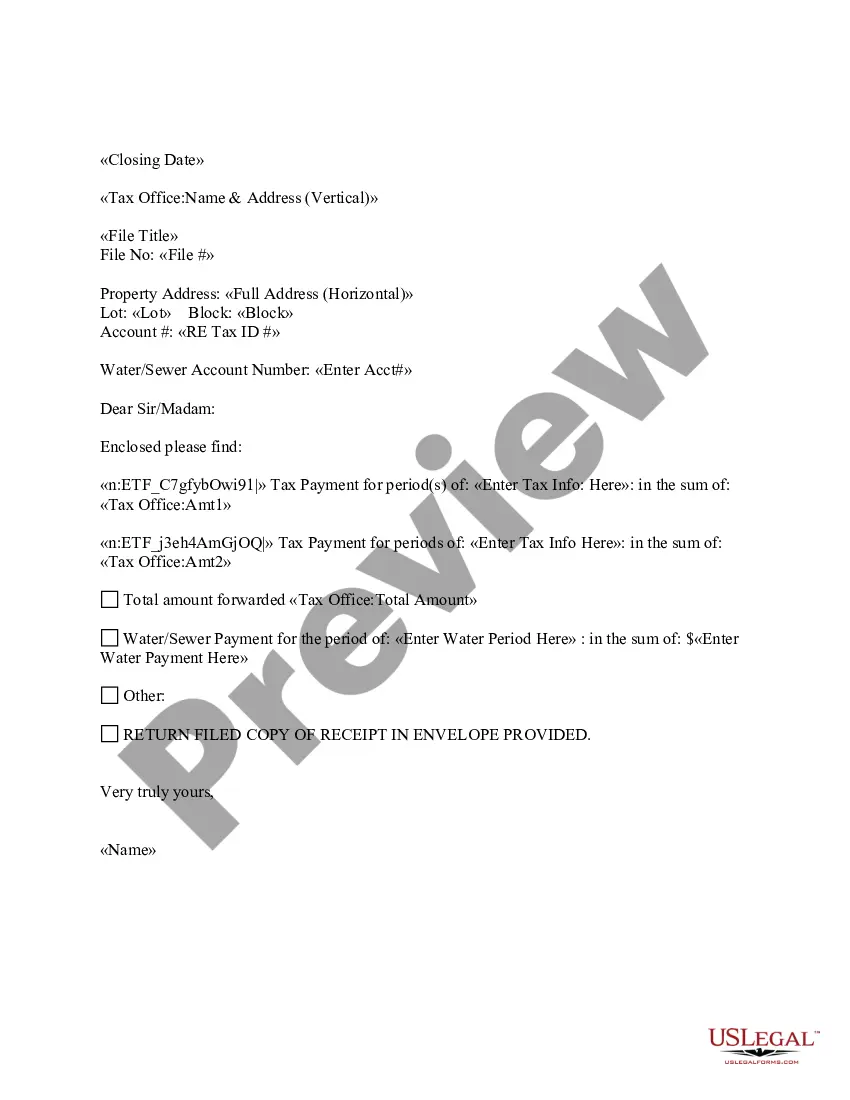
Rhode Island Musical Composition Agency Agreement
Description
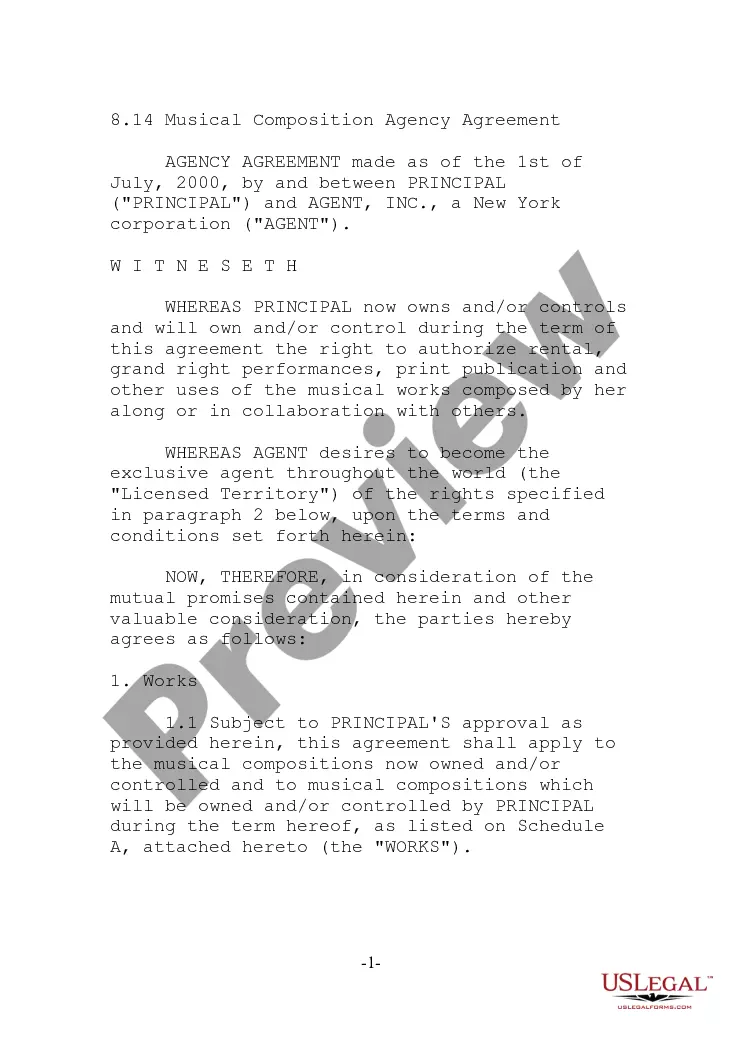
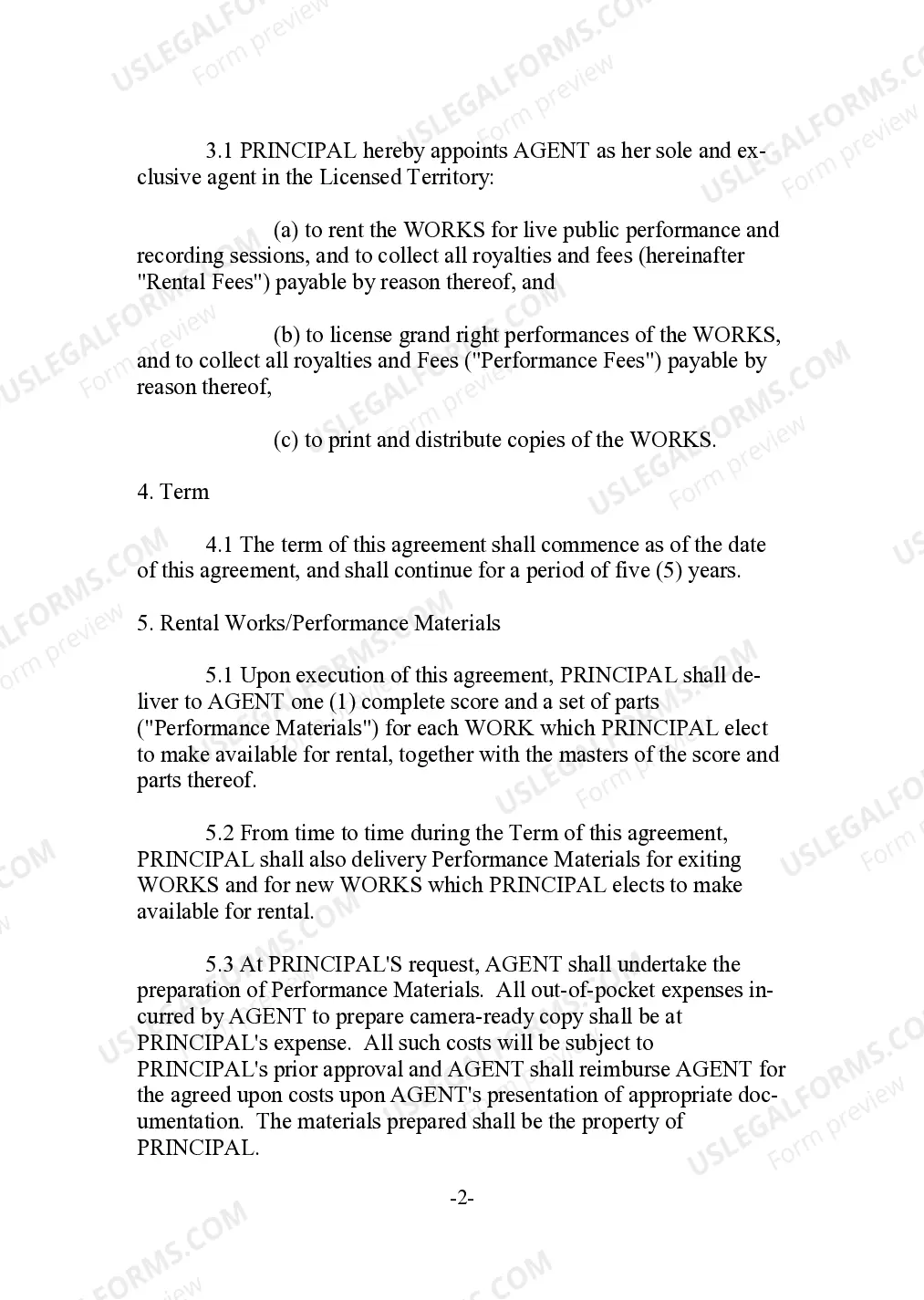
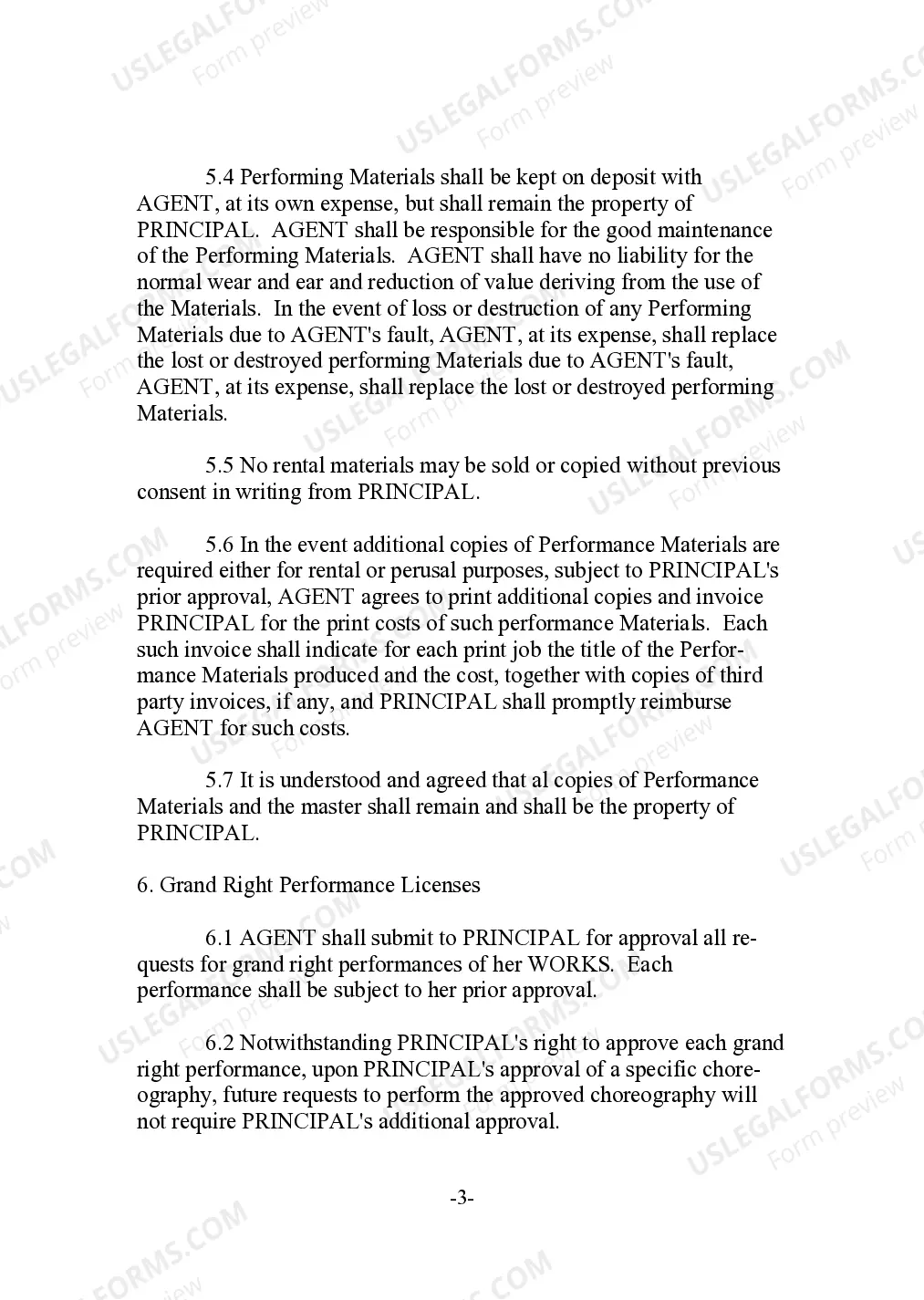
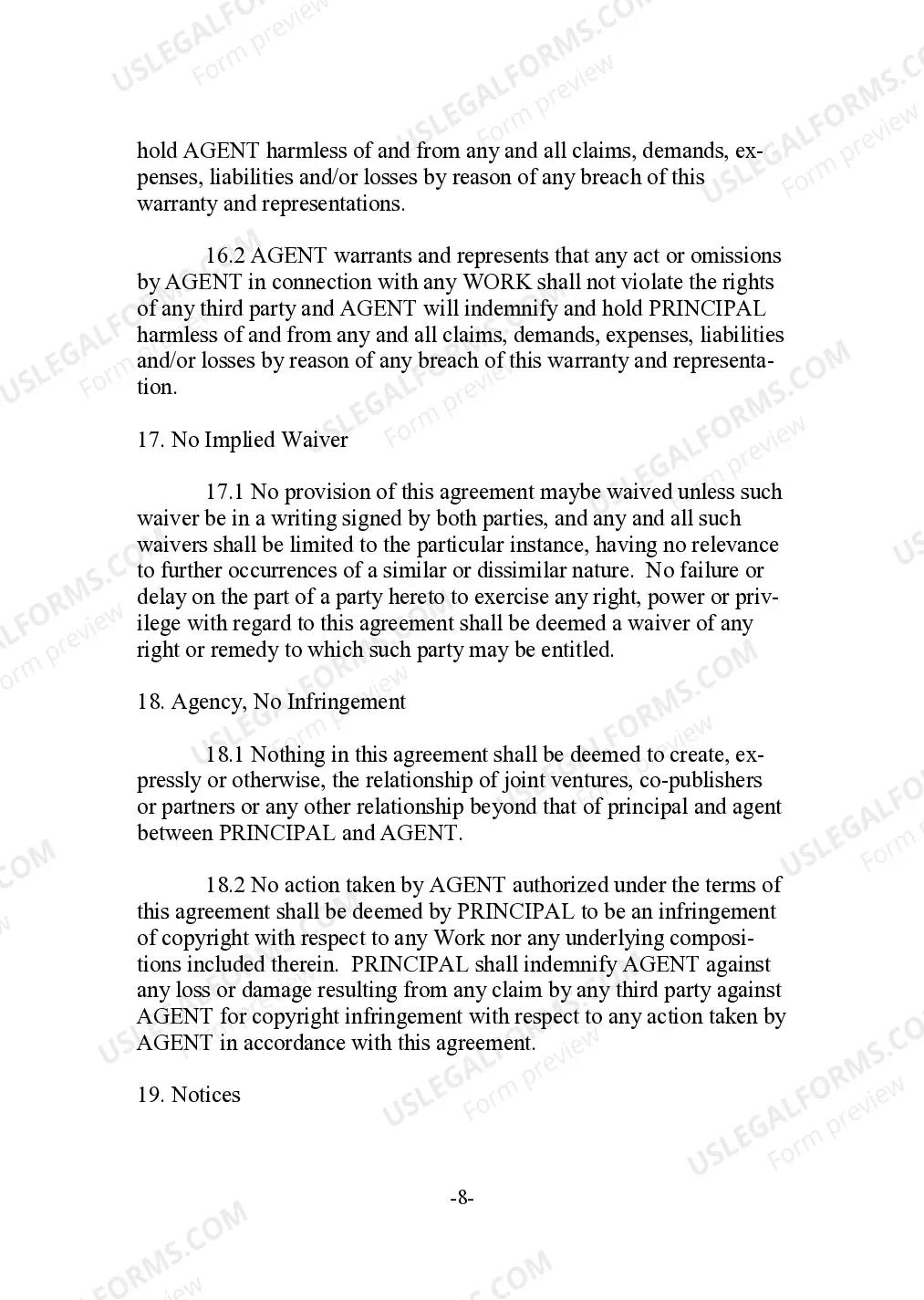
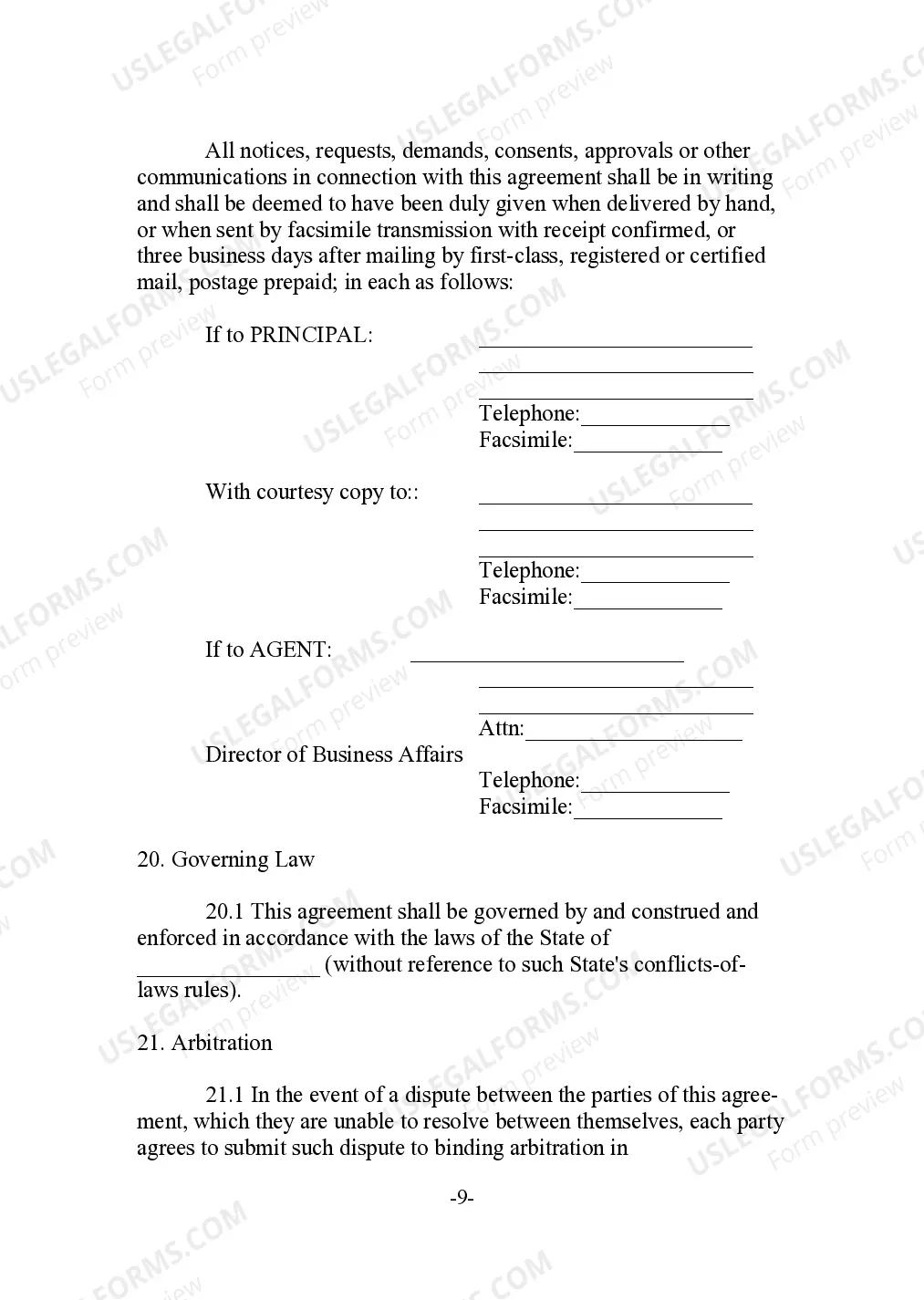
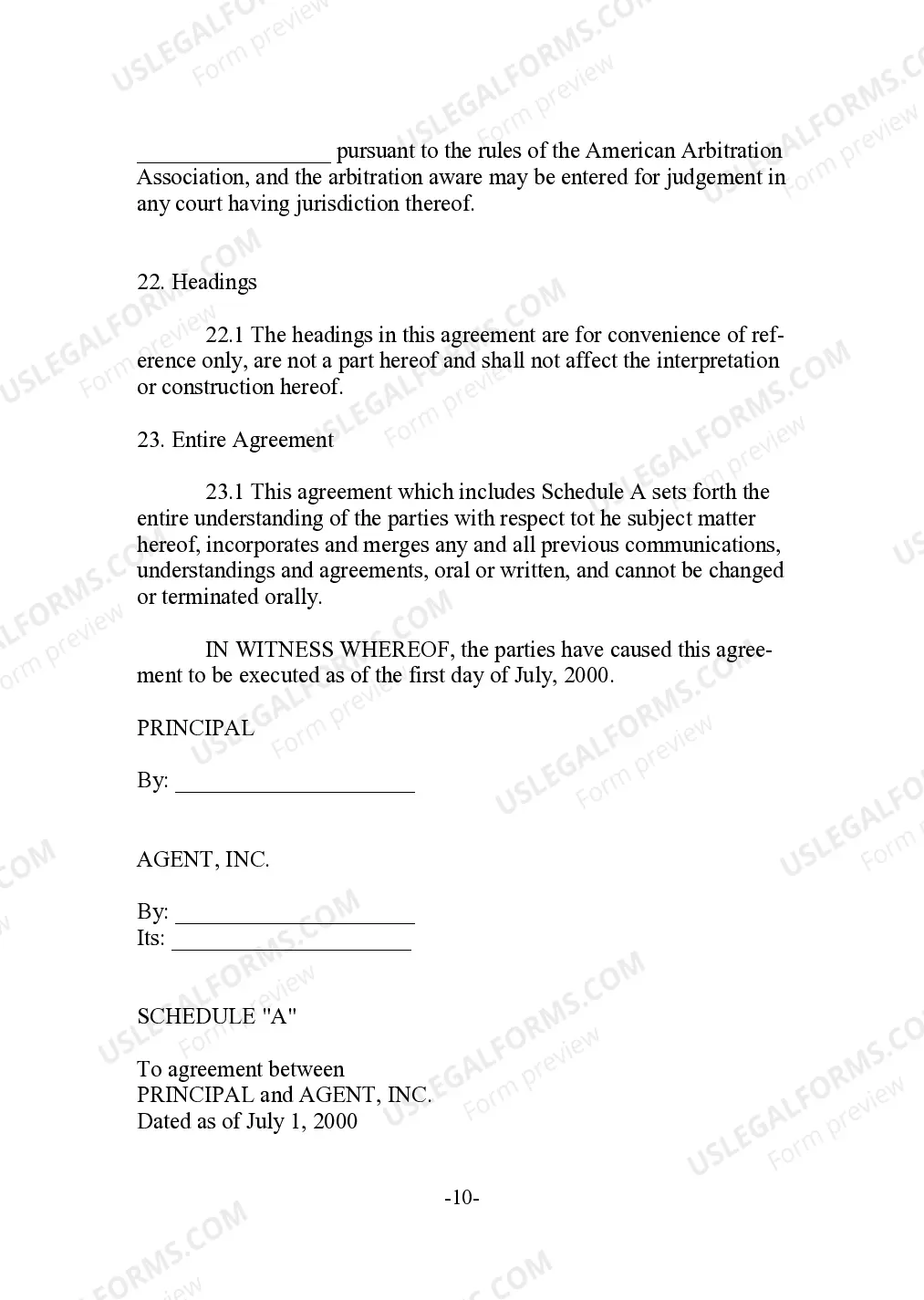

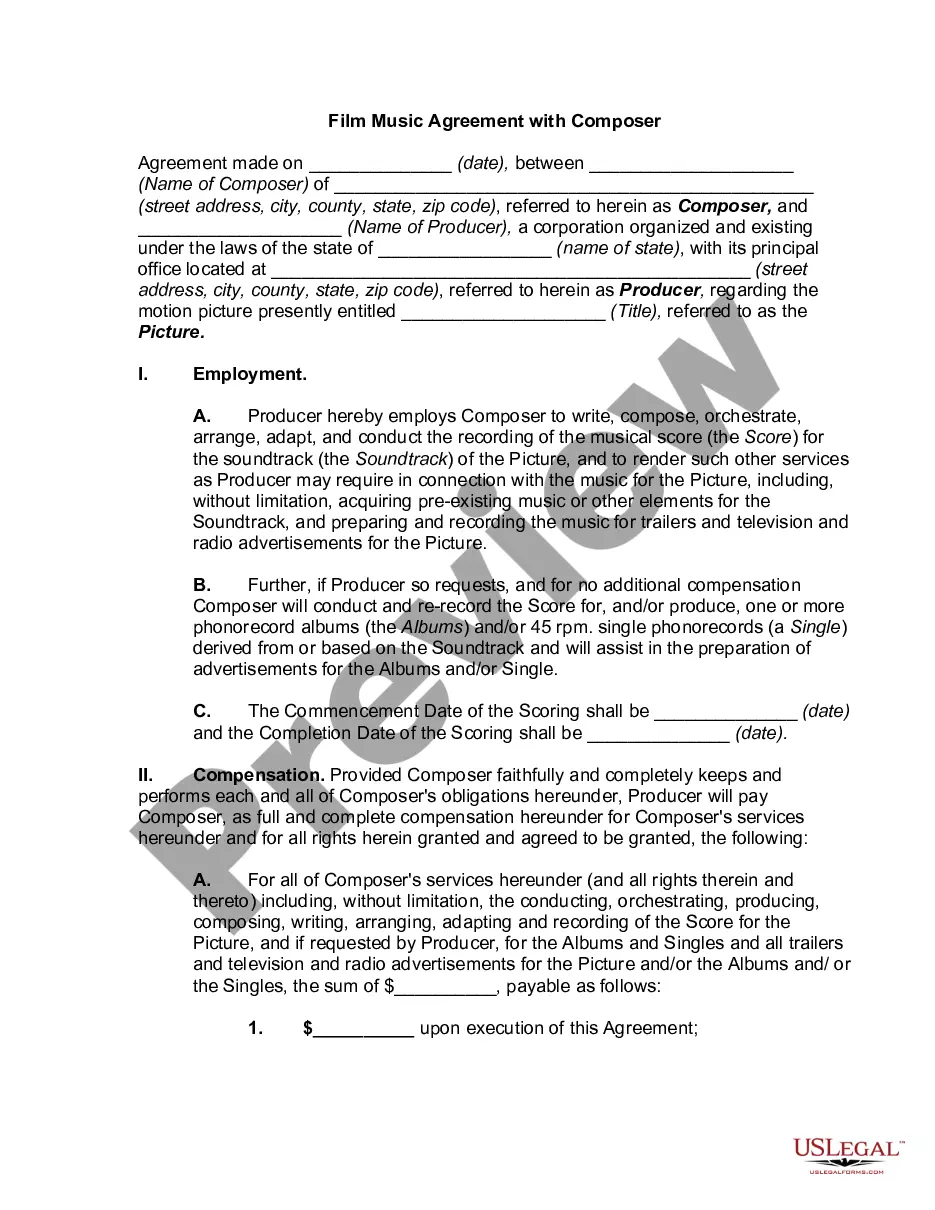
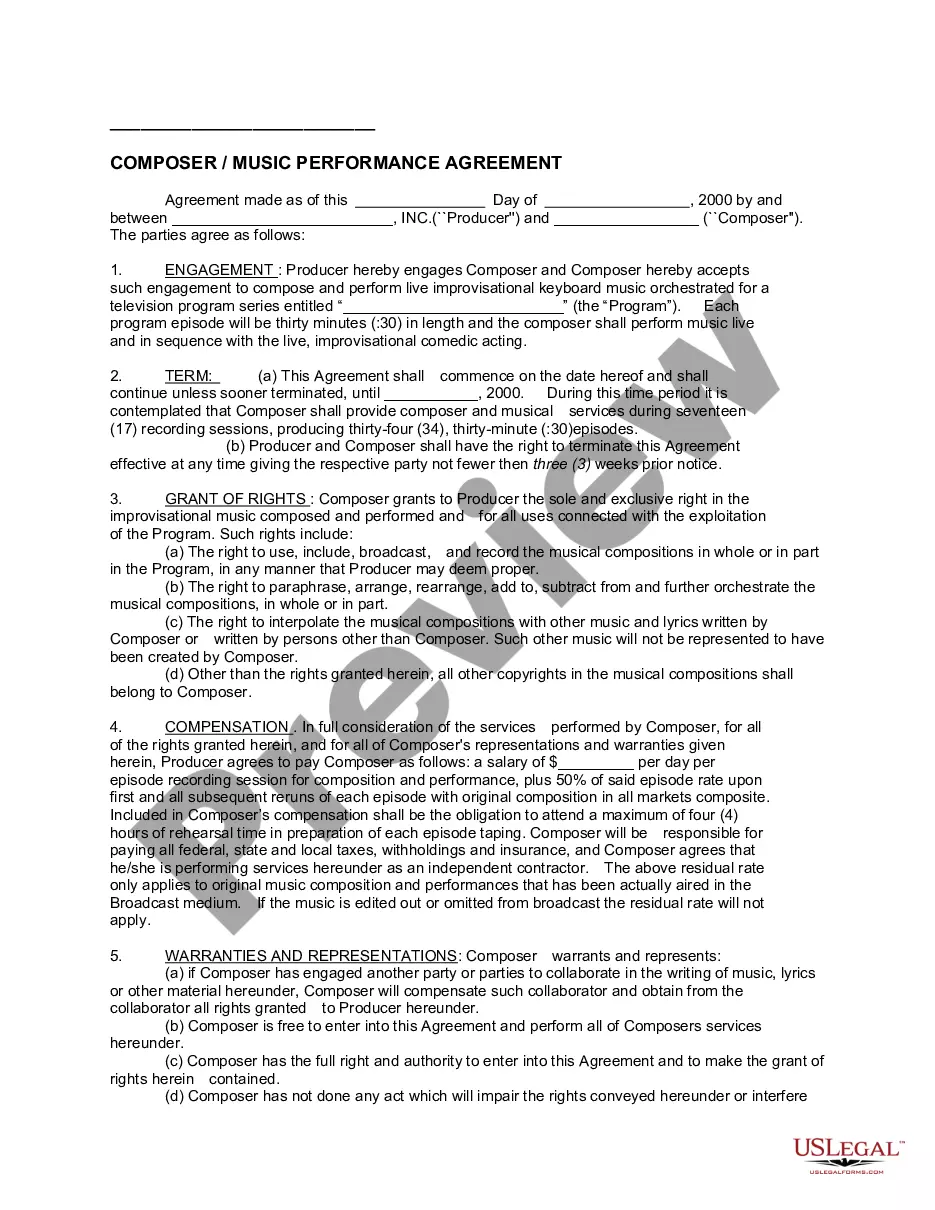
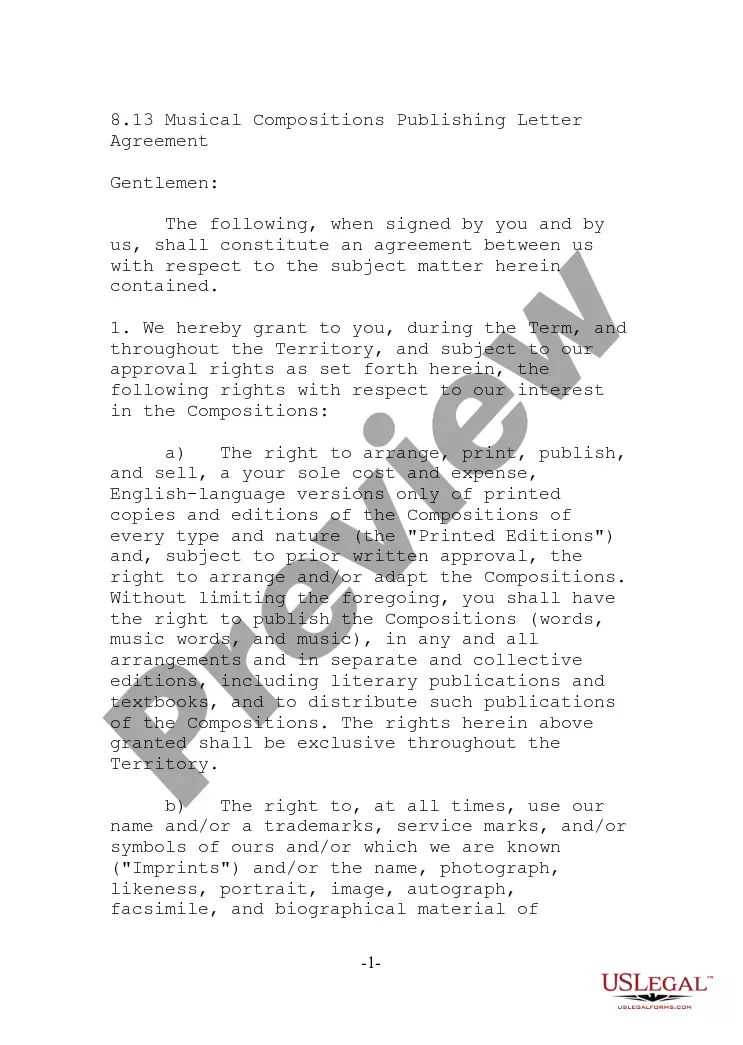
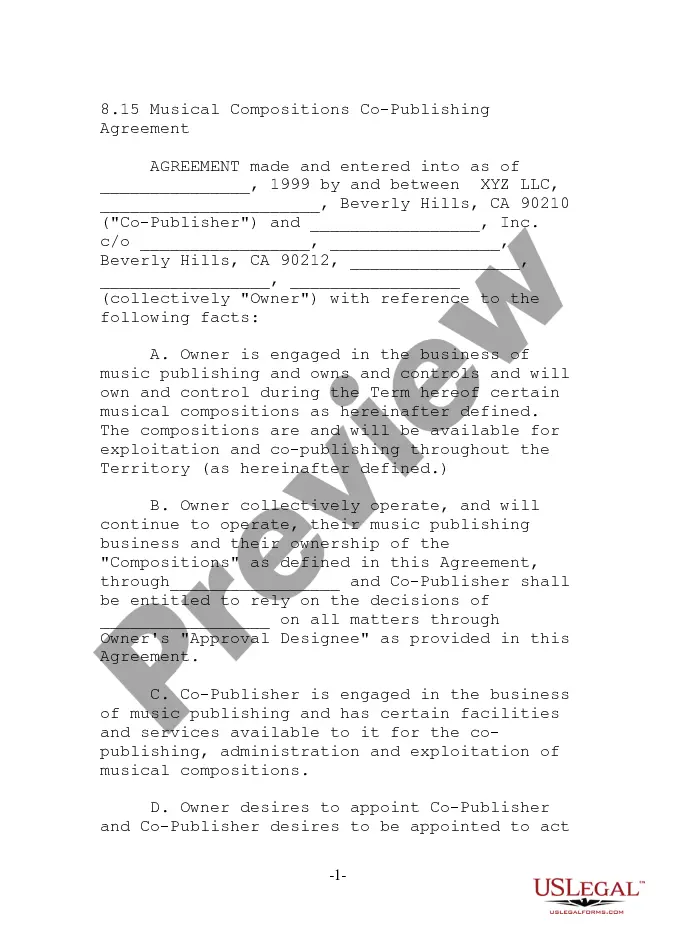
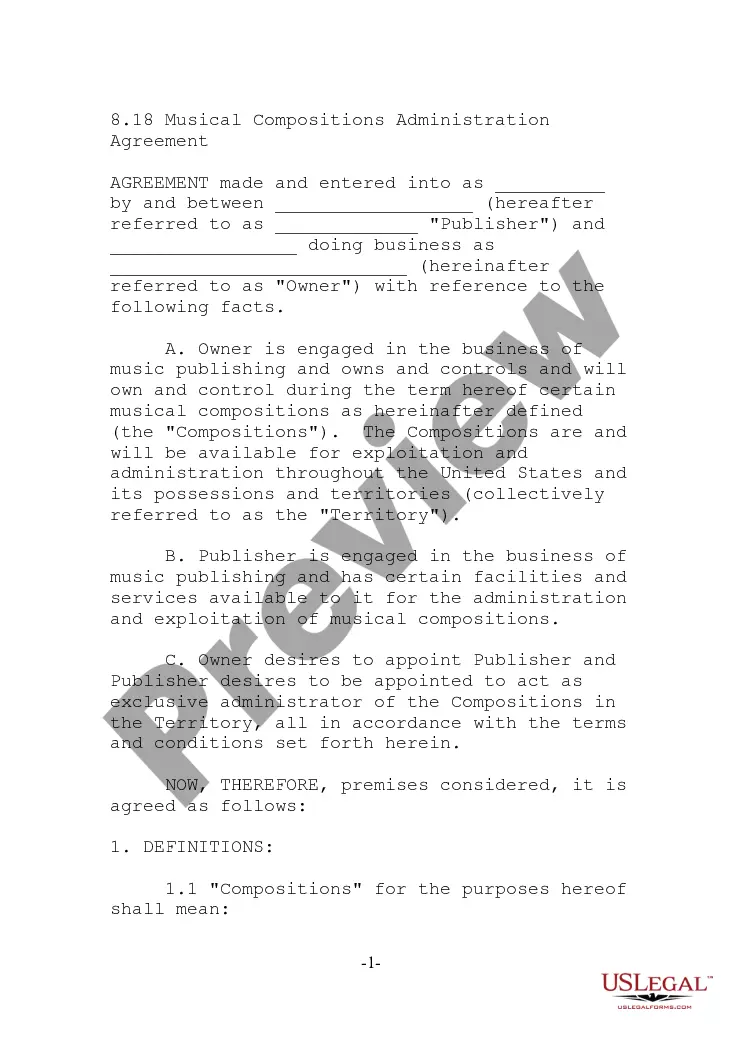




How to fill out Musical Composition Agency Agreement?
You are able to devote hours on the web searching for the legal record design which fits the state and federal demands you require. US Legal Forms gives 1000s of legal forms which are reviewed by experts. It is simple to obtain or print the Rhode Island Musical Composition Agency Agreement from our support.
If you have a US Legal Forms profile, you may log in and click on the Download key. After that, you may complete, modify, print, or signal the Rhode Island Musical Composition Agency Agreement. Every single legal record design you get is yours permanently. To have another backup associated with a bought develop, check out the My Forms tab and click on the corresponding key.
If you work with the US Legal Forms web site the very first time, follow the basic guidelines beneath:
- Very first, make certain you have selected the right record design to the area/area that you pick. Browse the develop description to ensure you have selected the correct develop. If available, utilize the Preview key to look with the record design too.
- If you would like find another version in the develop, utilize the Search discipline to obtain the design that suits you and demands.
- When you have identified the design you would like, simply click Get now to continue.
- Choose the prices strategy you would like, type in your credentials, and sign up for your account on US Legal Forms.
- Comprehensive the financial transaction. You can utilize your charge card or PayPal profile to pay for the legal develop.
- Choose the file format in the record and obtain it to the system.
- Make changes to the record if needed. You are able to complete, modify and signal and print Rhode Island Musical Composition Agency Agreement.
Download and print 1000s of record themes using the US Legal Forms Internet site, which provides the largest collection of legal forms. Use skilled and state-distinct themes to handle your company or specific requires.
Form popularity
FAQ
The U.S. copyright law requires those that publicly perform copyrighted music -- including websites and other digital services that transmit music to the public -- to first obtain a license from the copyright owners of the songs performed.
A music licensing agreement is a legal contract between the owner of the musical composition and a party which wishes to use it. The agreement typically includes provisions specifying what rights are granted, how much money will be paid for these rights, and when the payments will occur.
A music license is a right held by someone to distribute and/or use a piece of copyrighted music. Often seen in movies, a music license is also used for commercials, television shows, internet videos, and any other visual medium that wants to use a song with permission.
Key Takeaways. A licensing agreement allows one party (the licensee) to use and/or earn revenue from the property of the owner (the licensor). Licensing agreements generate revenues, called royalties, earned by a company for allowing its copyrighted or patented material to be used by another company.
In short, the business owner is responsible for paying music licensing fees. Since the business ultimately controls what performances occur on its premises, the business is typically responsible for obtaining public performance authorization.