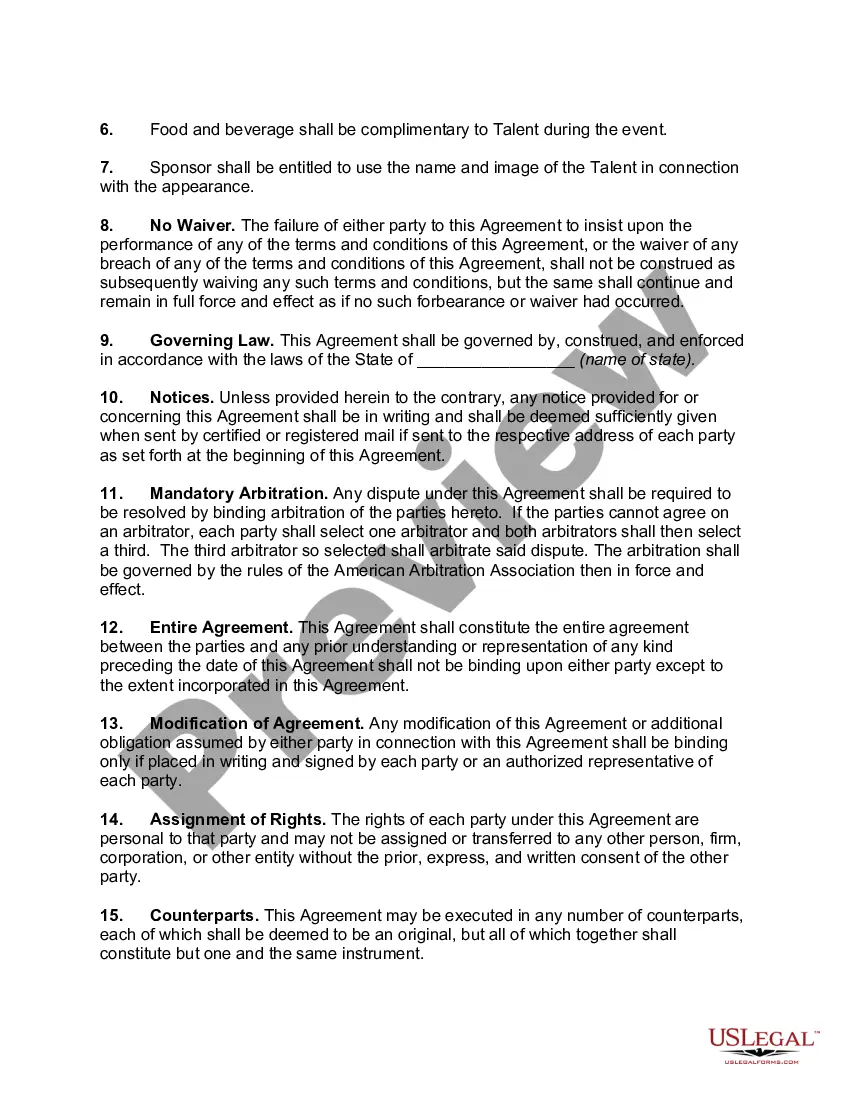
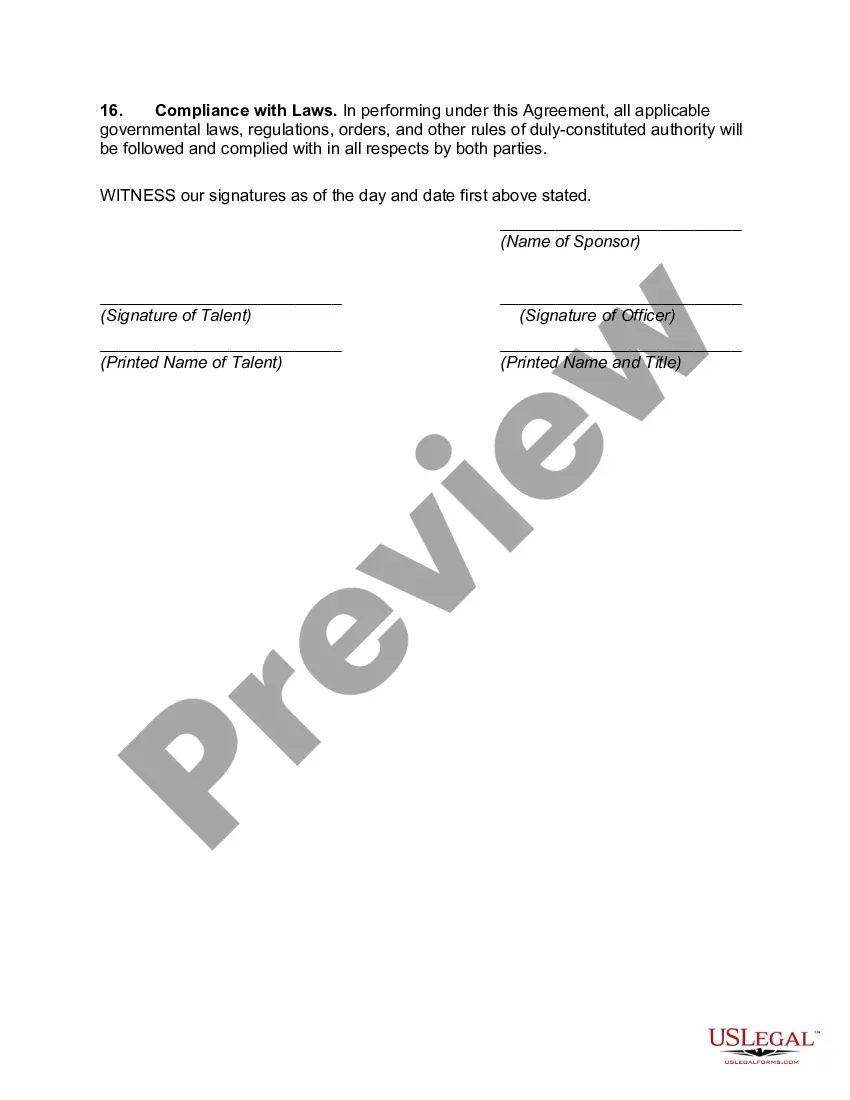
Rhode Island Personal Appearance
Description
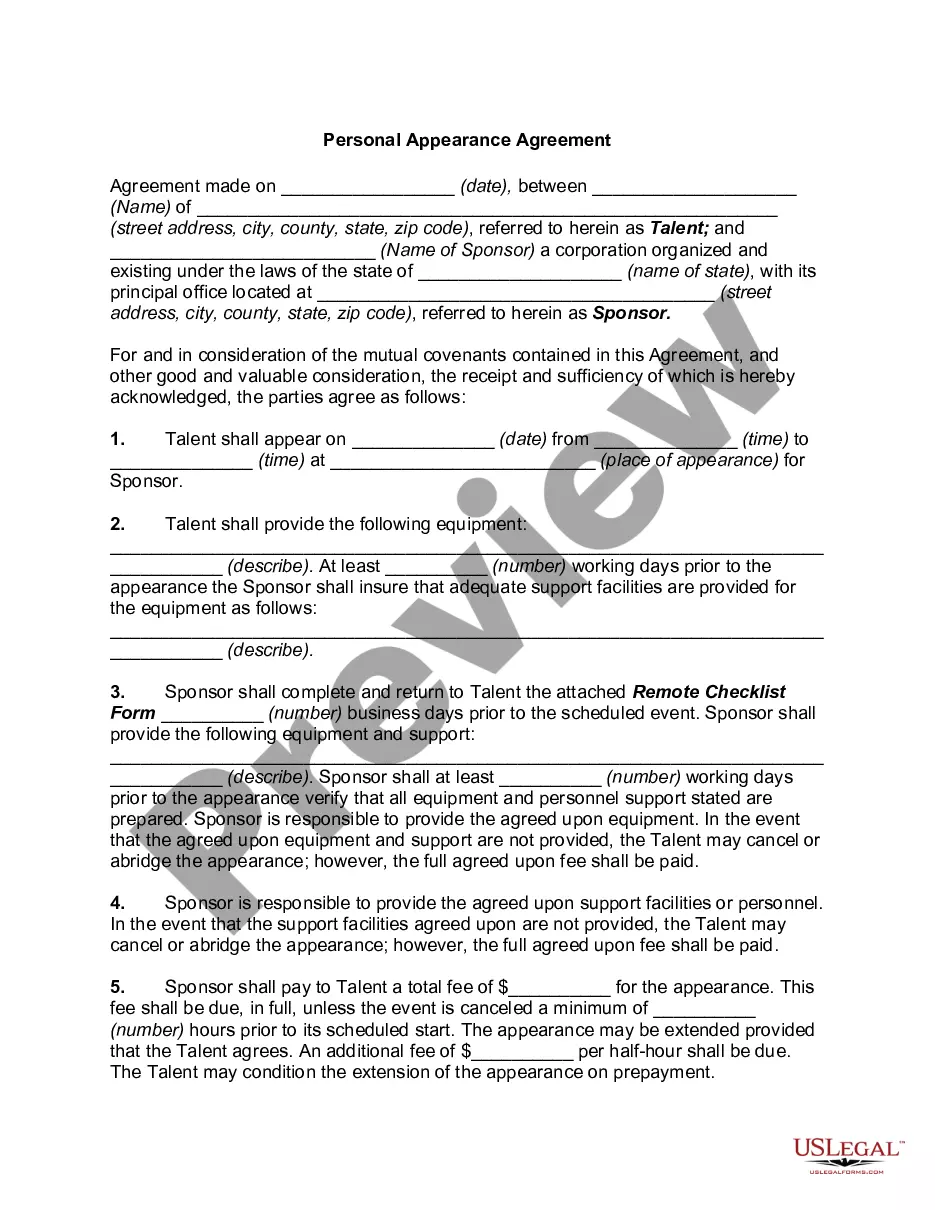
Get your form ready online
Our built-in tools help you complete, sign, share, and store your documents in one place.
Make edits, fill in missing information, and update formatting in US Legal Forms—just like you would in MS Word.
Download a copy, print it, send it by email, or mail it via USPS—whatever works best for your next step.
Sign and collect signatures with our SignNow integration. Send to multiple recipients, set reminders, and more. Go Premium to unlock E-Sign.
If this form requires notarization, complete it online through a secure video call—no need to meet a notary in person or wait for an appointment.
We protect your documents and personal data by following strict security and privacy standards.

Make edits, fill in missing information, and update formatting in US Legal Forms—just like you would in MS Word.

Download a copy, print it, send it by email, or mail it via USPS—whatever works best for your next step.

Sign and collect signatures with our SignNow integration. Send to multiple recipients, set reminders, and more. Go Premium to unlock E-Sign.

If this form requires notarization, complete it online through a secure video call—no need to meet a notary in person or wait for an appointment.

We protect your documents and personal data by following strict security and privacy standards.
Looking for another form?



How to fill out Personal Appearance?
It is feasible to spend hours online trying to locate the legal document template that meets the federal and state stipulations you require.
US Legal Forms provides thousands of legal templates that have been reviewed by professionals.
It is easy to download or print the Rhode Island Personal Appearance from your service.
If available, use the Preview button to review the document template as well.
- If you possess a US Legal Forms account, you can Log In and click the Download button.
- Then, you can fill out, modify, print, or sign the Rhode Island Personal Appearance.
- Every legal document template you acquire is yours permanently.
- To obtain another copy of the purchased form, visit the My documents section and click the appropriate button.
- If this is your first time using the US Legal Forms website, follow the simple instructions below.
- First, ensure you have selected the correct document template for the state/city of your choice.
- Check the form details to confirm you have chosen the right template.
Form popularity
FAQ
Rule #26 refers to a specific set of provisions concerning discovery in civil litigation. In the context of Rhode Island, it outlines how parties should handle information sharing and what is required during the discovery process. For those facing a Rhode Island Personal Appearance, knowing the ins and outs of rule #26 can enhance your preparedness and strategy in legal proceedings.
The rule of civil procedure 26 in the Rhode Island Superior Court focuses on the discovery phase in civil cases. It emphasizes the importance of transparency and cooperation between parties regarding the exchange of evidence. For those involved in a Rhode Island Personal Appearance, grasping this rule is crucial for building a robust case.
Rule 26 in the Rhode Island Superior Court deals with the disclosure and discovery processes in civil litigation. It mandates parties to share pertinent information and documentation relevant to their claims or defenses. If you're preparing for a Rhode Island Personal Appearance, familiarizing yourself with this rule ensures that you understand what information must be disclosed.
Rule 26 of the Delaware Superior Court rules addresses the general provisions governing discovery. It outlines the obligations of parties to disclose relevant information and the scope of discovery in civil cases. While you may be specifically interested in Rhode Island Personal Appearance, understanding Delaware's rules can provide helpful context for similar regulations in other jurisdictions.
In Rhode Island, any attorney representing a party in a legal matter can file a notice of appearance. This document is essential as it officially informs the court of the attorney's involvement in the case and ensures that the attorney receives all relevant legal documents. Additionally, individuals may file their own notice if they choose to represent themselves, which is known as pro se representation. Understanding the process of filing a notice of appearance is crucial for maintaining effective communication throughout your Rhode Island personal appearance proceedings.
While experiences can vary widely, some people find states with less strict residency requirements easier to navigate. Generally, states that do not impose lengthy residency periods or significant documentation make the process smoother. However, when considering the Rhode Island Personal Appearance and local connections, establishing residency in Rhode Island can yield many benefits, including access to quality education and community resources. For layered assistance, seek help from legal platforms like uslegalforms.
Proving residency in Rhode Island typically requires you to provide several forms of documentation. Common proofs include a utility bill, lease agreement, or bank statement that shows your name and address. Additionally, a valid Rhode Island driver’s license or state ID complements your Rhode Island Personal Appearance by confirming your intent to reside in the state. If you are unsure of all the necessary documents, uslegalforms can guide you through the requirements.
To establish Rhode Island residency, you must physically live in the state and intend to remain there permanently. Factors such as securing employment, enrolling in local schools, and registering for beneficial services can support your claim of residency. Ensure you gather evidence like utility bills or bank statements that display your Rhode Island address, as these reinforce your Rhode Island Personal Appearance. If you need assistance with the legal documentation, uslegalforms can provide helpful resources.
Becoming a resident of Rhode Island involves a clear and straightforward process. First, you need to establish your primary residence in the state, which may include renting or buying a home. Additionally, you should register to vote and obtain a Rhode Island driver’s license or state ID to strengthen your Rhode Island Personal Appearance. These steps demonstrate your commitment to living in Rhode Island and can help simplify various legal processes.
To qualify for in-state tuition in Rhode Island, you typically must reside in the state for at least one year prior to your enrollment. This timeframe allows you to establish your Rhode Island Personal Appearance through consistent presence in the community. It is important to provide documentation of your residency and personal ties to Rhode Island, such as job contracts or rental agreements. Always confirm the specific requirements with your institution, as they may vary.