Rhode Island Requests for Admissions
Description
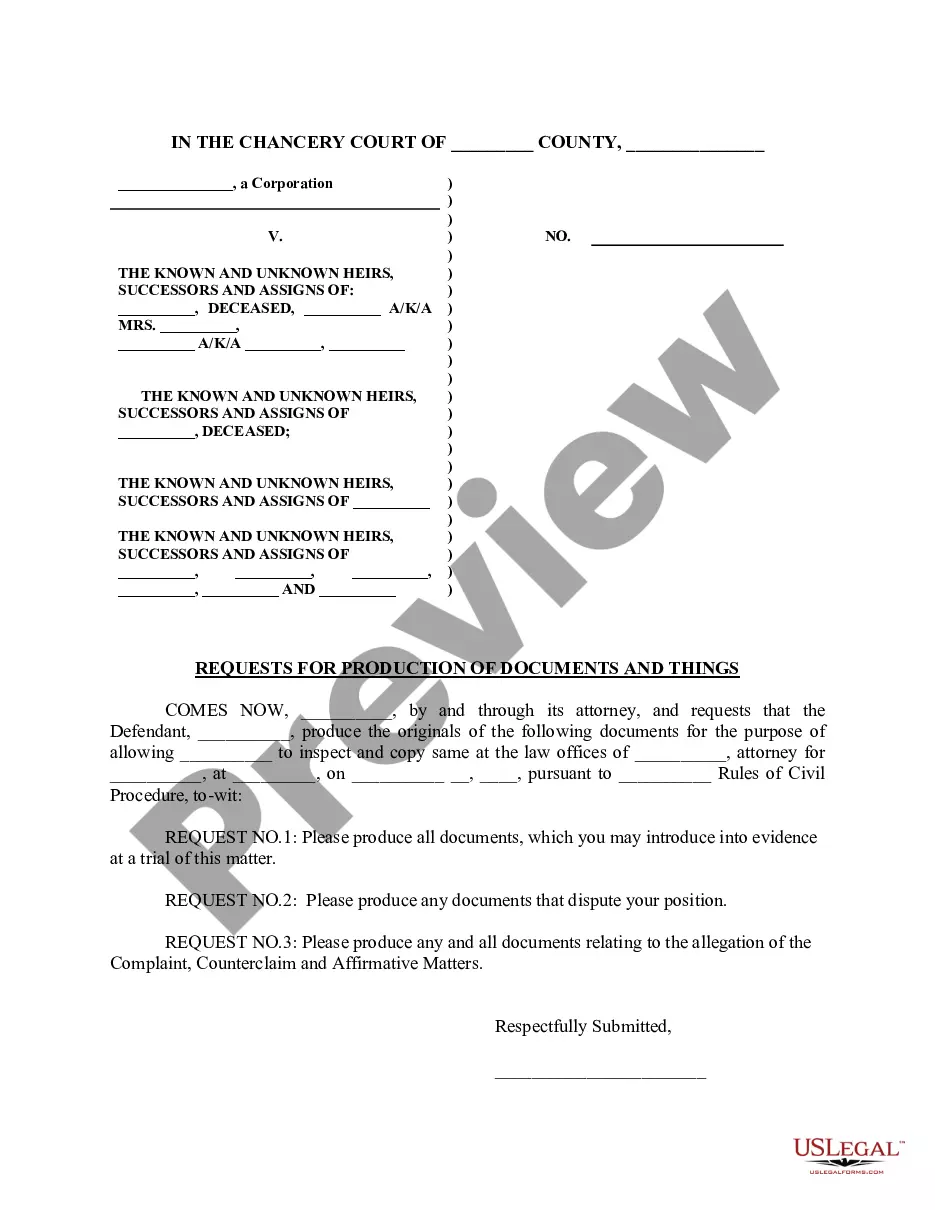
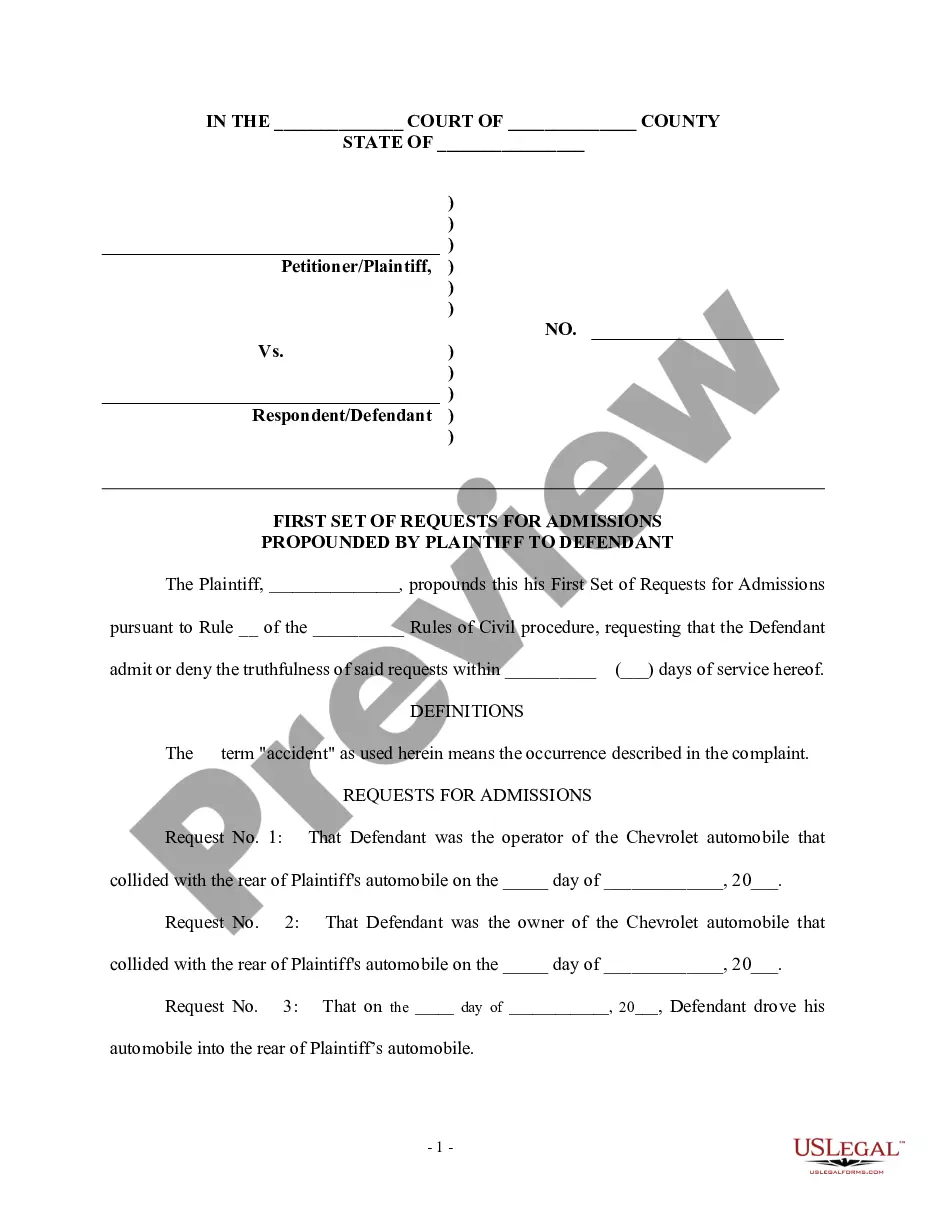
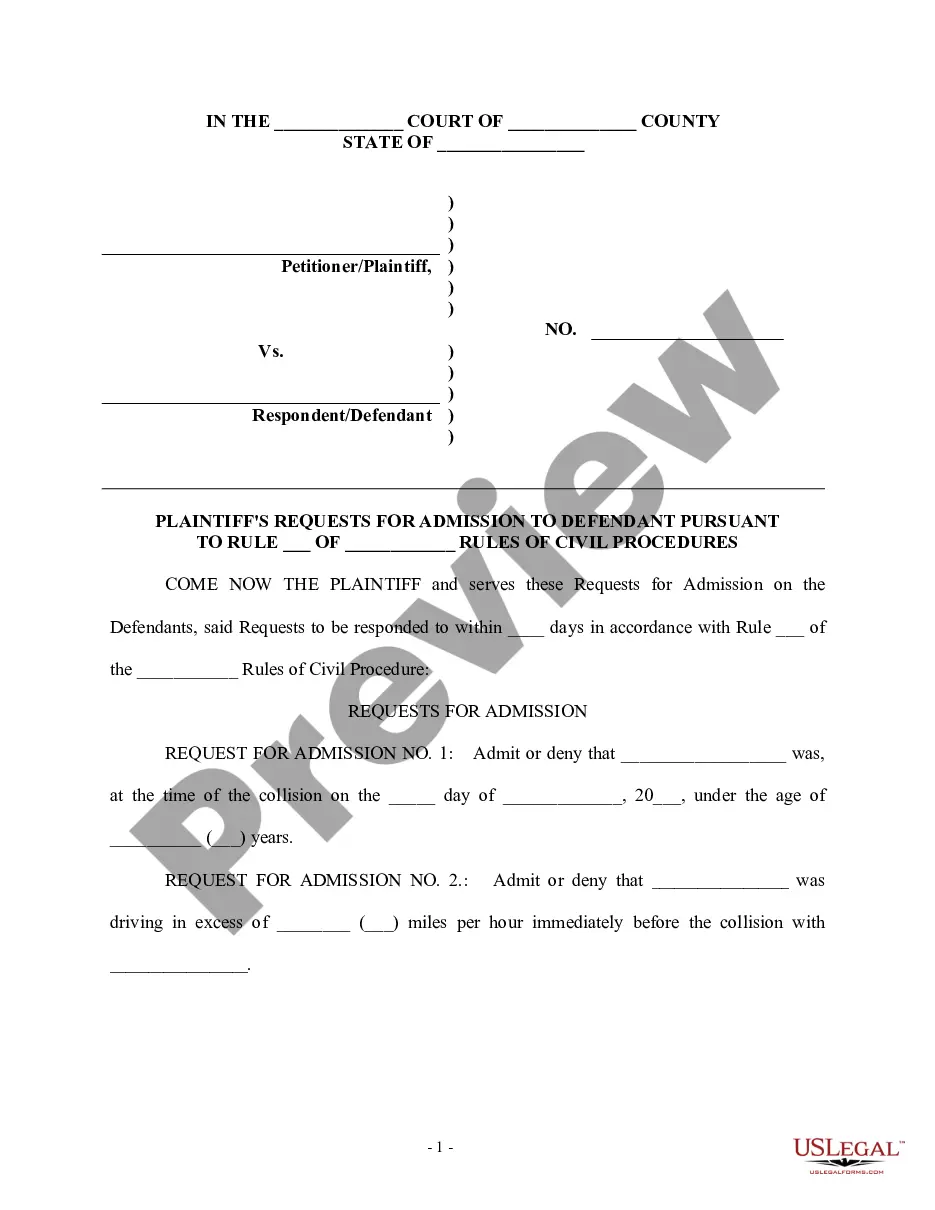
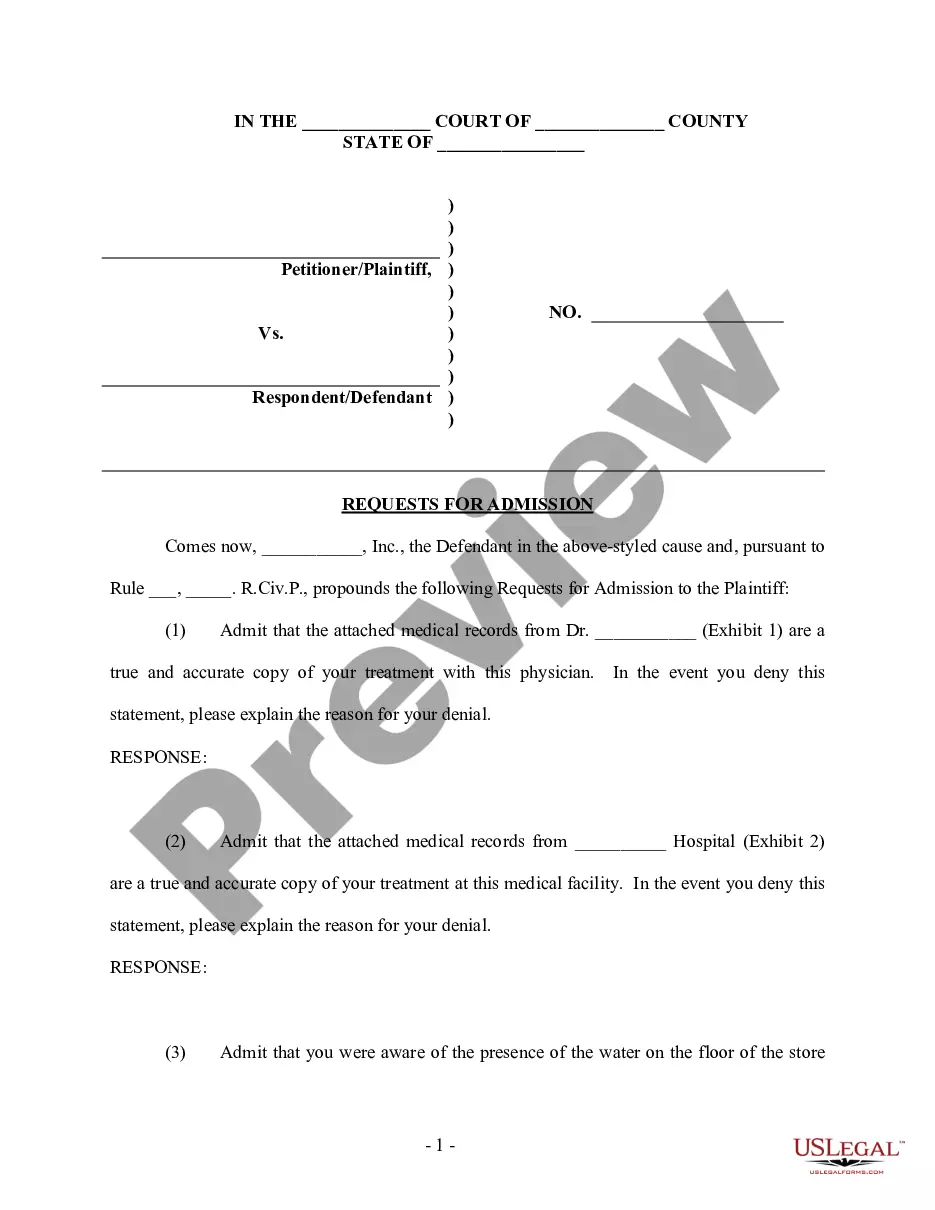
Get your form ready online
Our built-in tools help you complete, sign, share, and store your documents in one place.
Make edits, fill in missing information, and update formatting in US Legal Forms—just like you would in MS Word.
Download a copy, print it, send it by email, or mail it via USPS—whatever works best for your next step.
Sign and collect signatures with our SignNow integration. Send to multiple recipients, set reminders, and more. Go Premium to unlock E-Sign.
If this form requires notarization, complete it online through a secure video call—no need to meet a notary in person or wait for an appointment.
We protect your documents and personal data by following strict security and privacy standards.

Make edits, fill in missing information, and update formatting in US Legal Forms—just like you would in MS Word.

Download a copy, print it, send it by email, or mail it via USPS—whatever works best for your next step.

Sign and collect signatures with our SignNow integration. Send to multiple recipients, set reminders, and more. Go Premium to unlock E-Sign.

If this form requires notarization, complete it online through a secure video call—no need to meet a notary in person or wait for an appointment.

We protect your documents and personal data by following strict security and privacy standards.
Looking for another form?



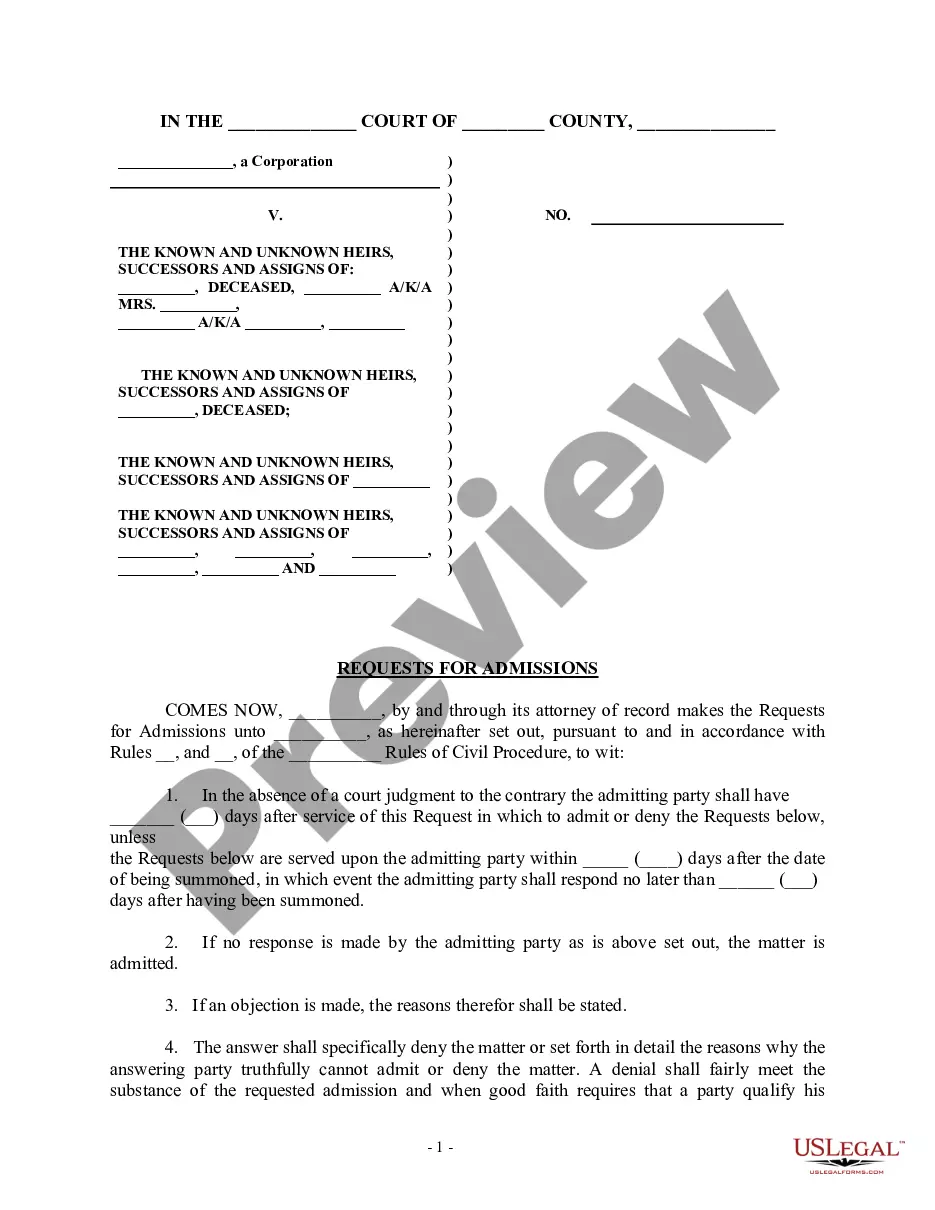
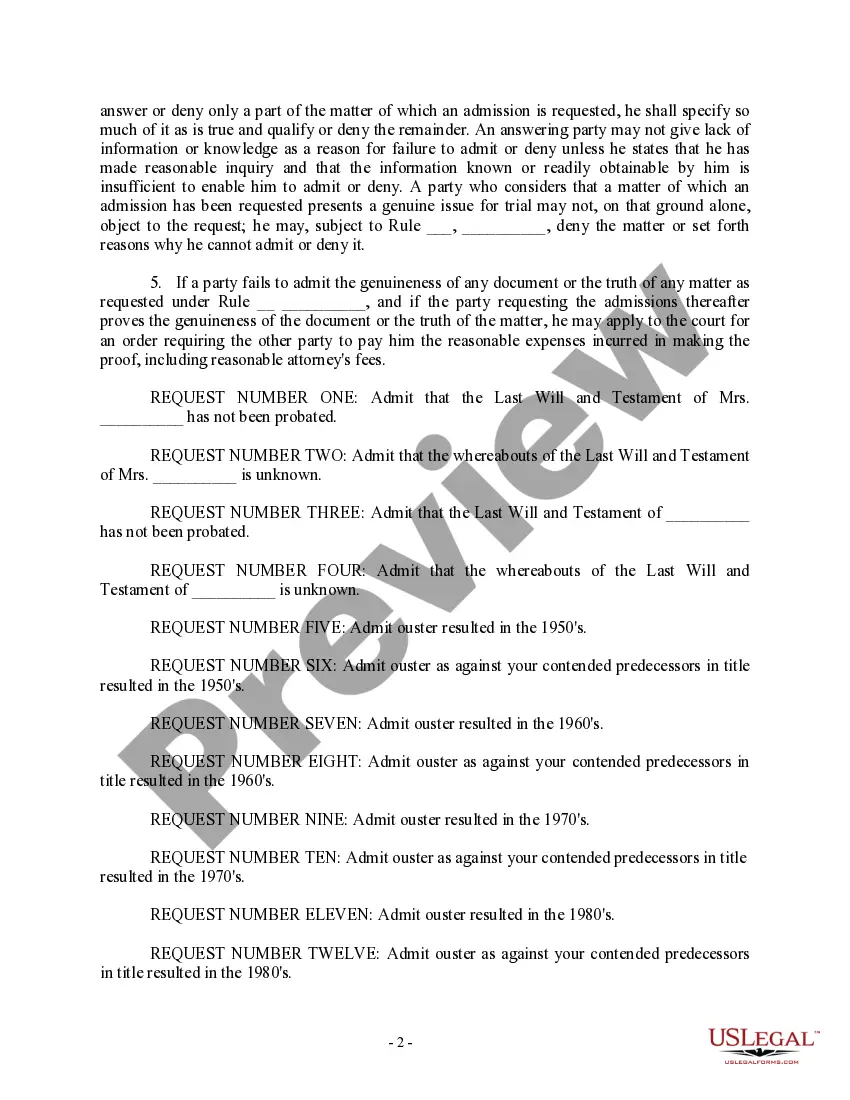
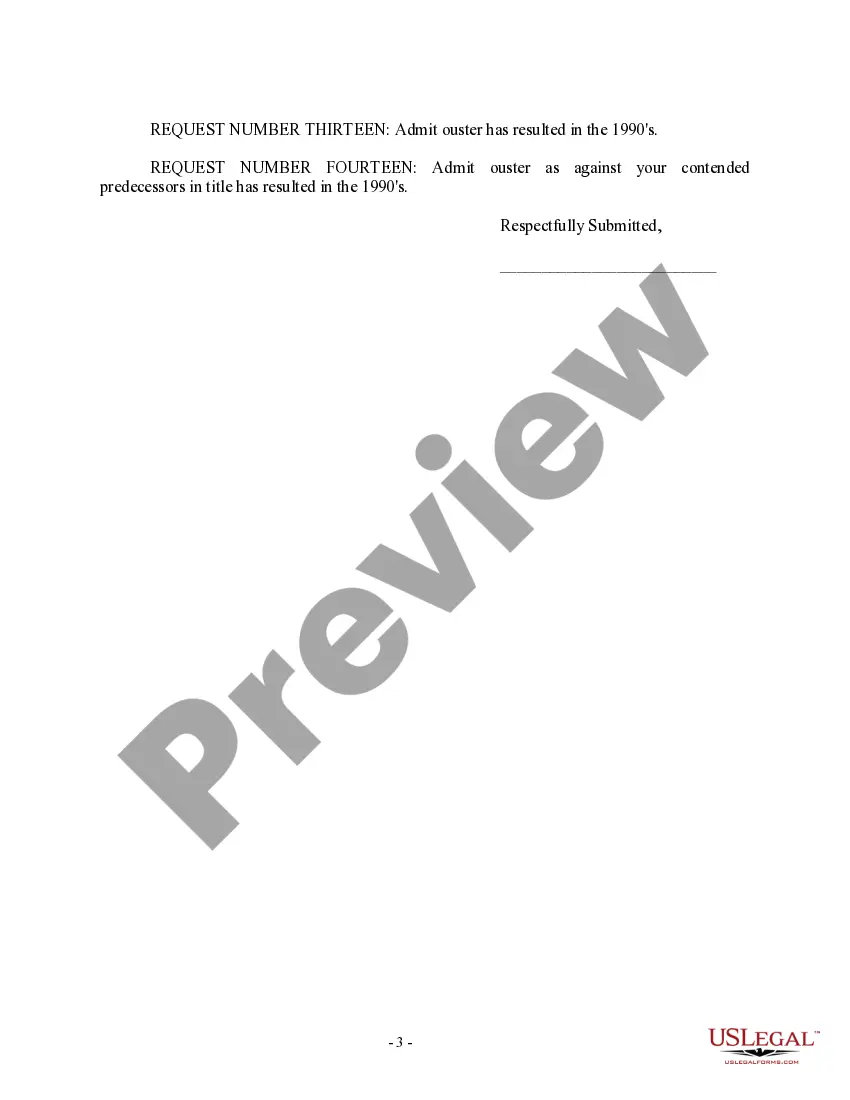
How to fill out Requests For Admissions?
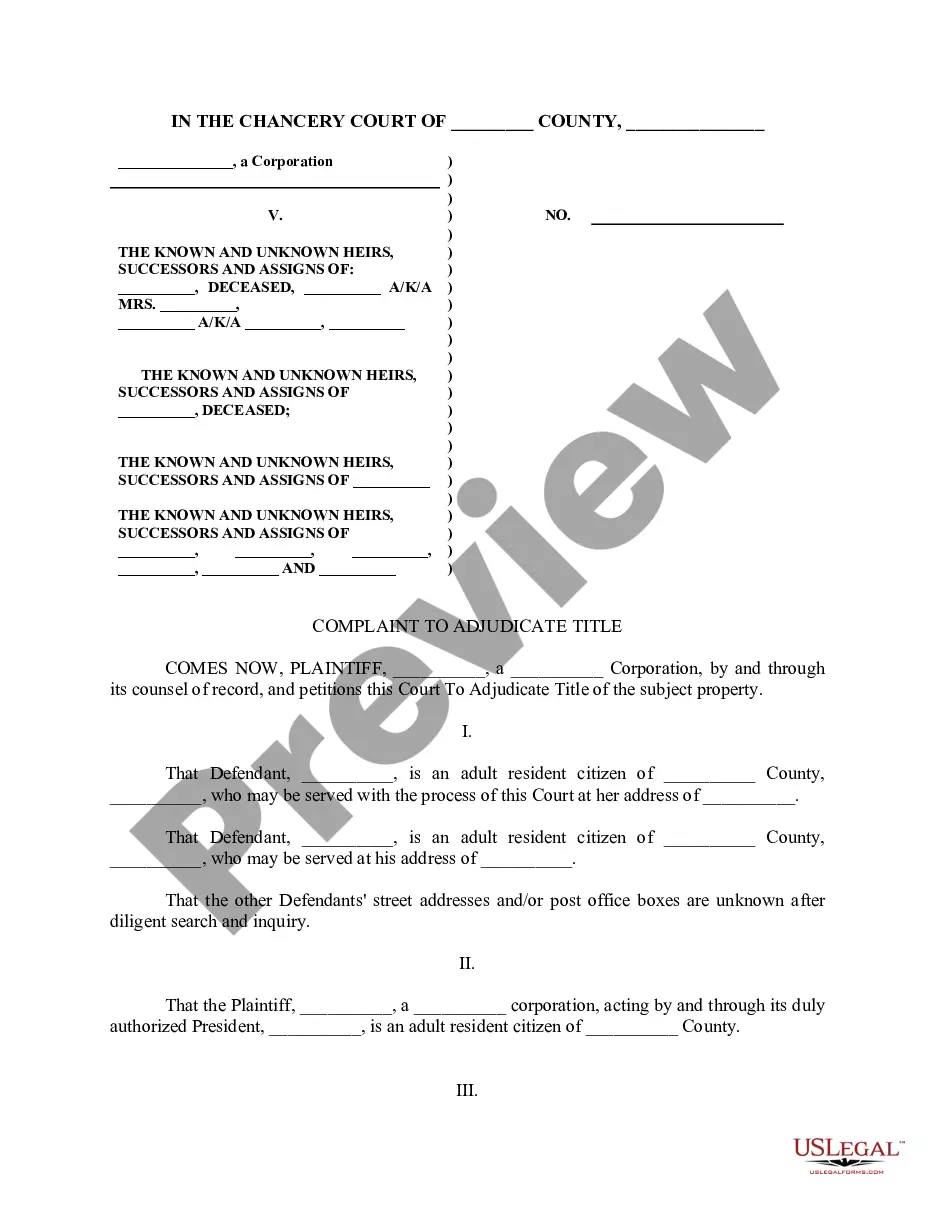
Selecting the optimal legal document template can be a challenge. Naturally, there are numerous templates available online, but how can you locate the legal form you require? Use the US Legal Forms platform. The service offers an extensive array of templates, including the Rhode Island Requests for Admissions, which you can utilize for business and personal purposes. All of the forms are vetted by professionals and comply with federal and state regulations.
If you are already registered, Log In to your account and click on the Download button to retrieve the Rhode Island Requests for Admissions. Use your account to review the legal forms you have previously obtained. Navigate to the My documents section of your account and obtain another copy of the document you require.
If you are a new user of US Legal Forms, here are simple steps for you to follow: First, ensure you have selected the correct form for your city/state. You can review the form using the Preview button and examine the form outline to confirm it is suitable for you. If the form does not fulfill your needs, use the Search field to find the correct form. Once you are confident that the form is appropriate, click on the Purchase now button to obtain the form. Choose the pricing plan you prefer and enter the required information. Create your account and complete your purchase using your PayPal account or credit card. Select the file format and download the legal document template to your device. Finally, complete, edit, print, and sign the acquired Rhode Island Requests for Admissions.
Leverage the platform to access expertly designed documents that adhere to legal standards.
- US Legal Forms is the largest collection of legal documents.
- You will find various document templates.
- Utilize the service to download professionally crafted papers.
- All documents comply with state regulations.
- Ideal for both business and personal use.
- Forms are reviewed by experts.
Form popularity
FAQ
New Rule 35(c) of the Rhode Island Superior Court Rules of Criminal Procedure allows probationers to ask the court to terminate their probation early if they meet certain conditions.
A matter is admitted unless, within 30 days after being served, the party to whom the request is directed serves on the requesting party a written answer or objection addressed to the matter and signed by the party or its attorney.
A party who considers that a matter of which an admission has been requested presents a genuine issue for trial may not, on that ground alone, object to the request; the party may, subject to the provisions of Rule 37(c), deny the matter or set forth reasons why the party cannot admit or deny it.
California law places strict limits on the number of discovery requests a party can make. In a limited civil case (cases less than $25,000) you may ask each party only 35 questions total, whether they are form interrogatories, special interrogatories, requests for admission, or requests for production of documents.
Rule 12 - Pleadings and Motions before Trial-defenses and Objections. (a)Pleadings and Motions. Pleadings in criminal proceedings shall be the indictment, information, or complaint, and the pleas of not guilty, guilty and nolo contendere.
If your case is a limited civil case ($25,000 or less) you can request up to a total of 35 combined request for admissions, form interrogatories , special interrogatories, and requests for production.
If the Plaintiff does not respond to your request for admissions within 30 days, then they have admitted each of the statements in your requests. The court considers that the plaintiff admits all the statements are true if they do not deny or object to them.
A defendant who is charged with an offense which is punishable by imprisonment for a term of more than six (6) months shall be advised by the Court, at the time of the defendant's initial appearance, that the defendant has a right to trial by jury in the first instance, but in the event the defendant chooses to waive ...
Failure by any person without adequate excuse to obey a subpoena served upon that person may be deemed a contempt of the court in which the action is pending.
Settlement, Voluntary Dismissal, or Compromise A court-approved class action can only be settled, voluntarily dismissed, or compromised with the court's permission. FRCP 23 outlines steps that the court must take in any of the above scenarios, including offering notice of the action to members of the class.