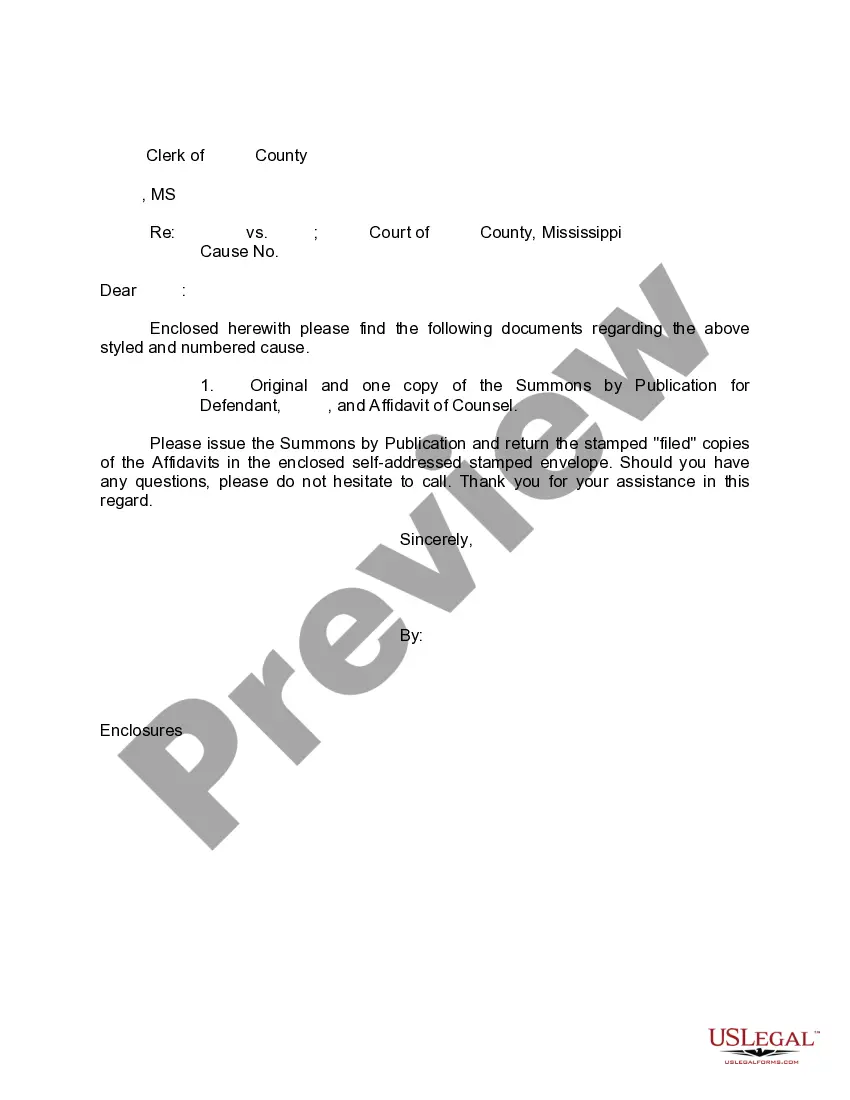
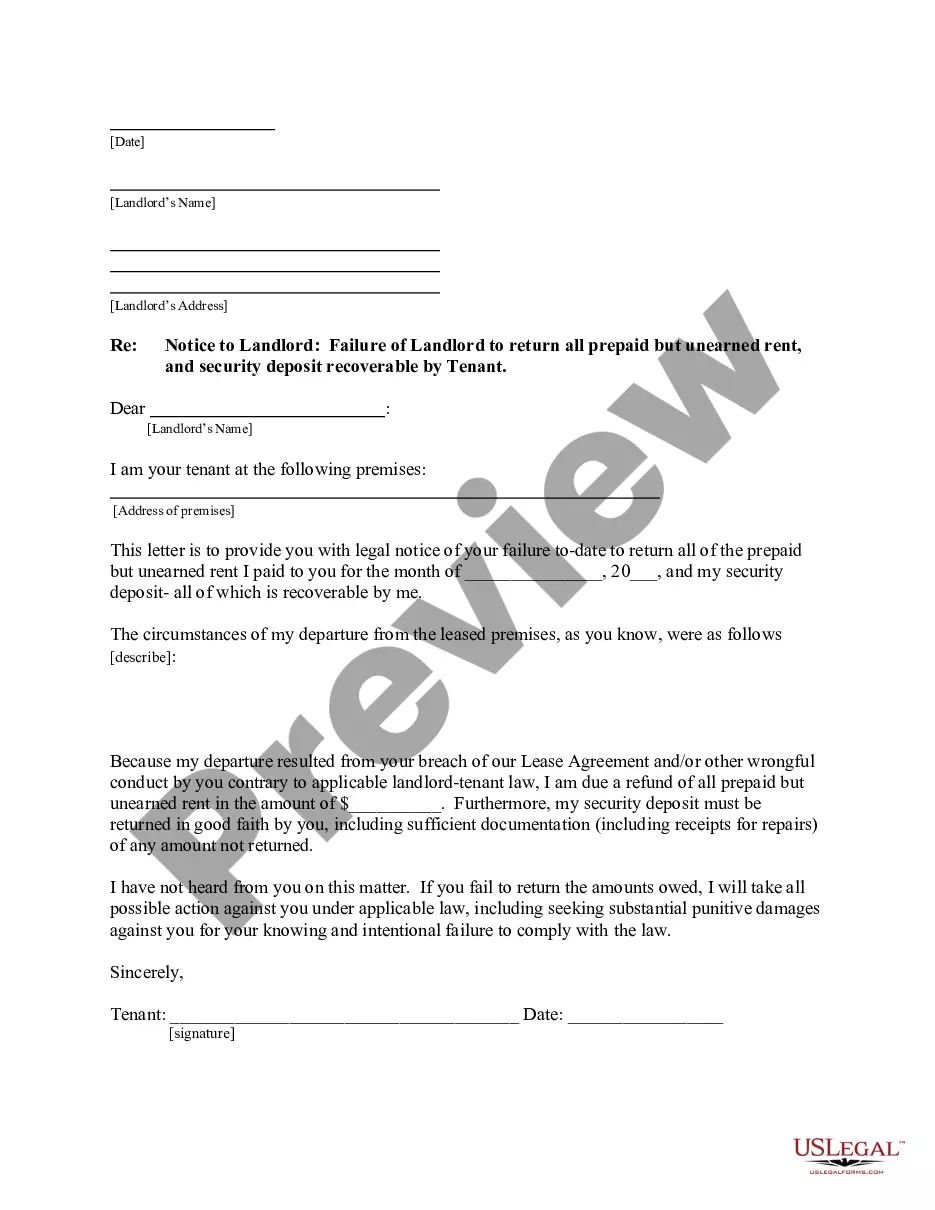
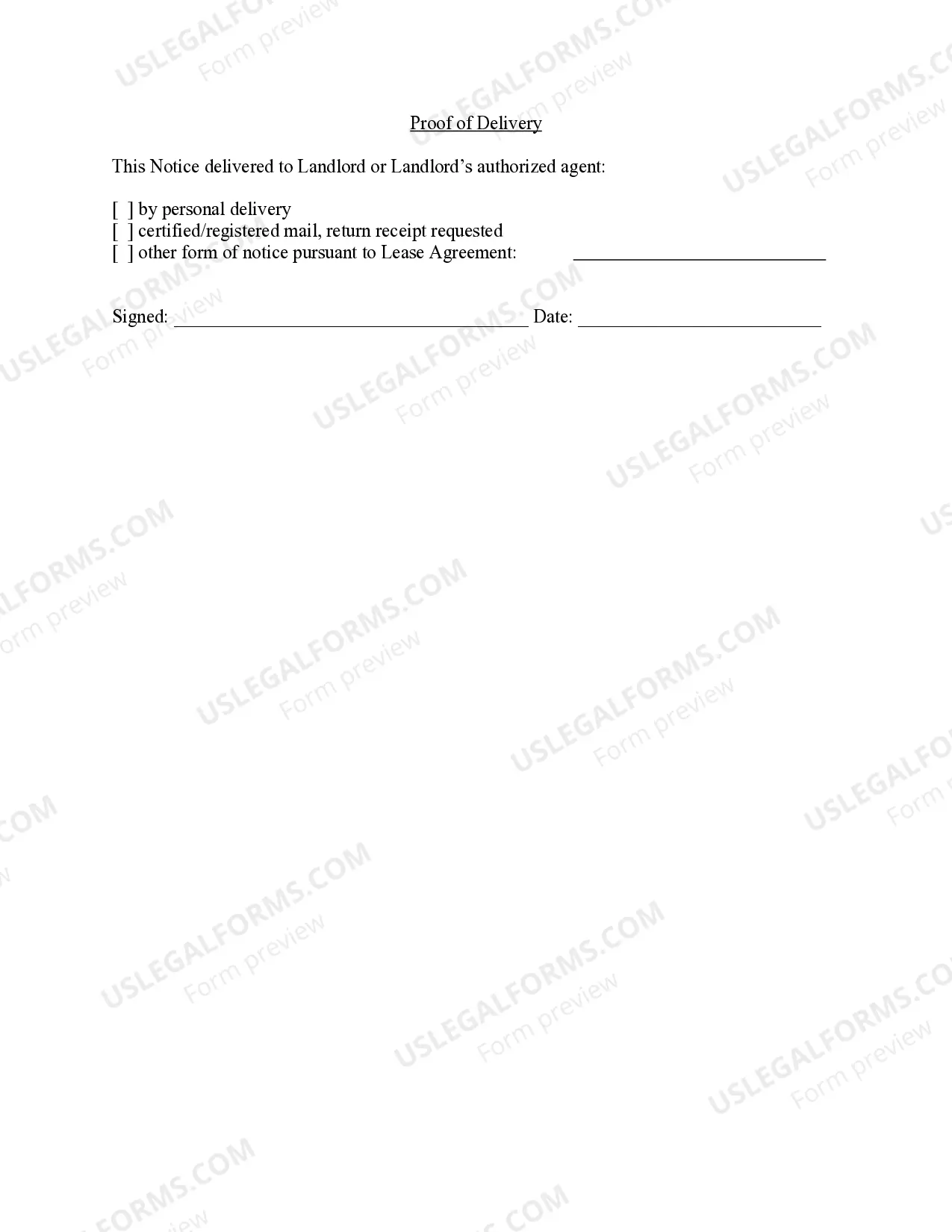
Rhode Island Letter from Tenant to Landlord for Failure of Landlord to return all prepaid and unearned rent and security recoverable by Tenant
Description


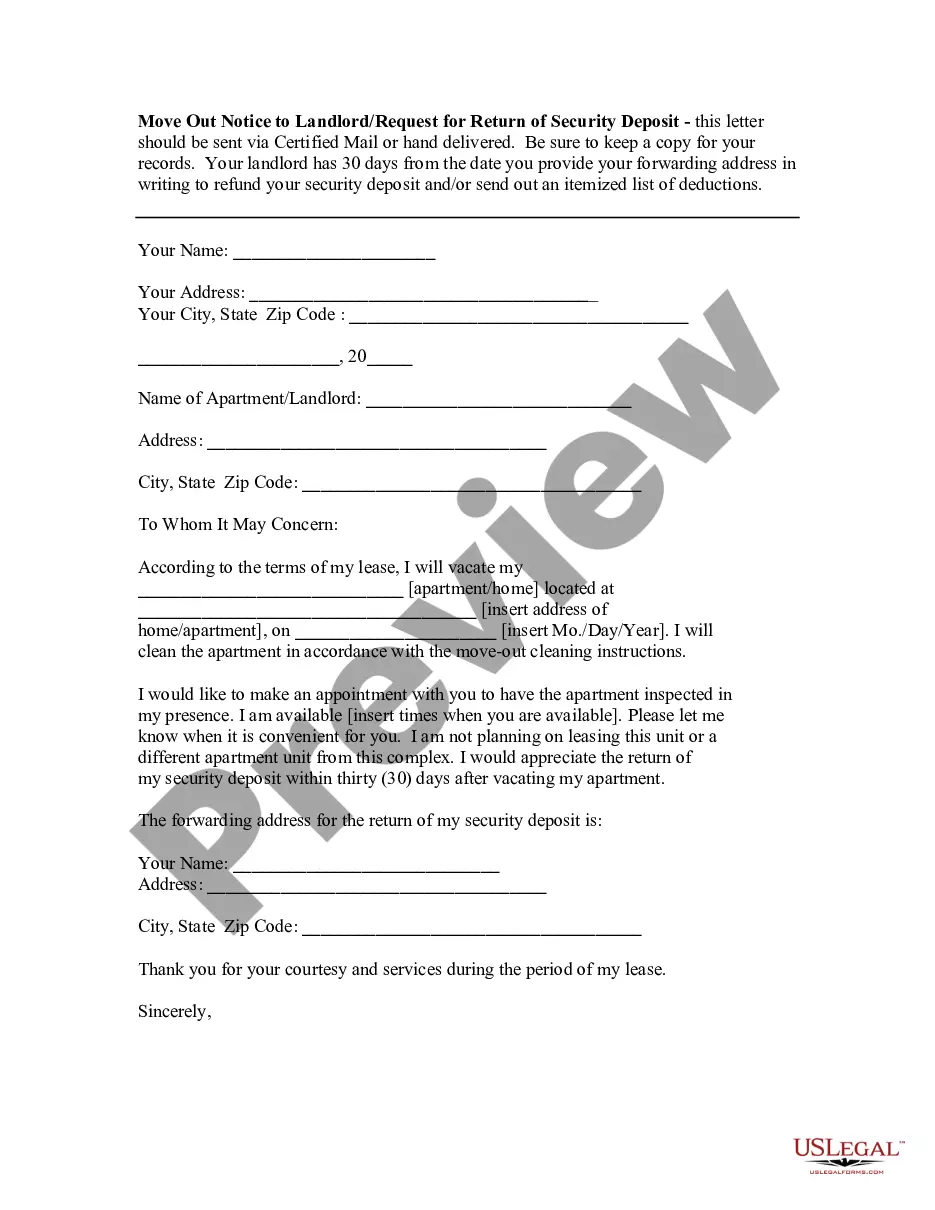


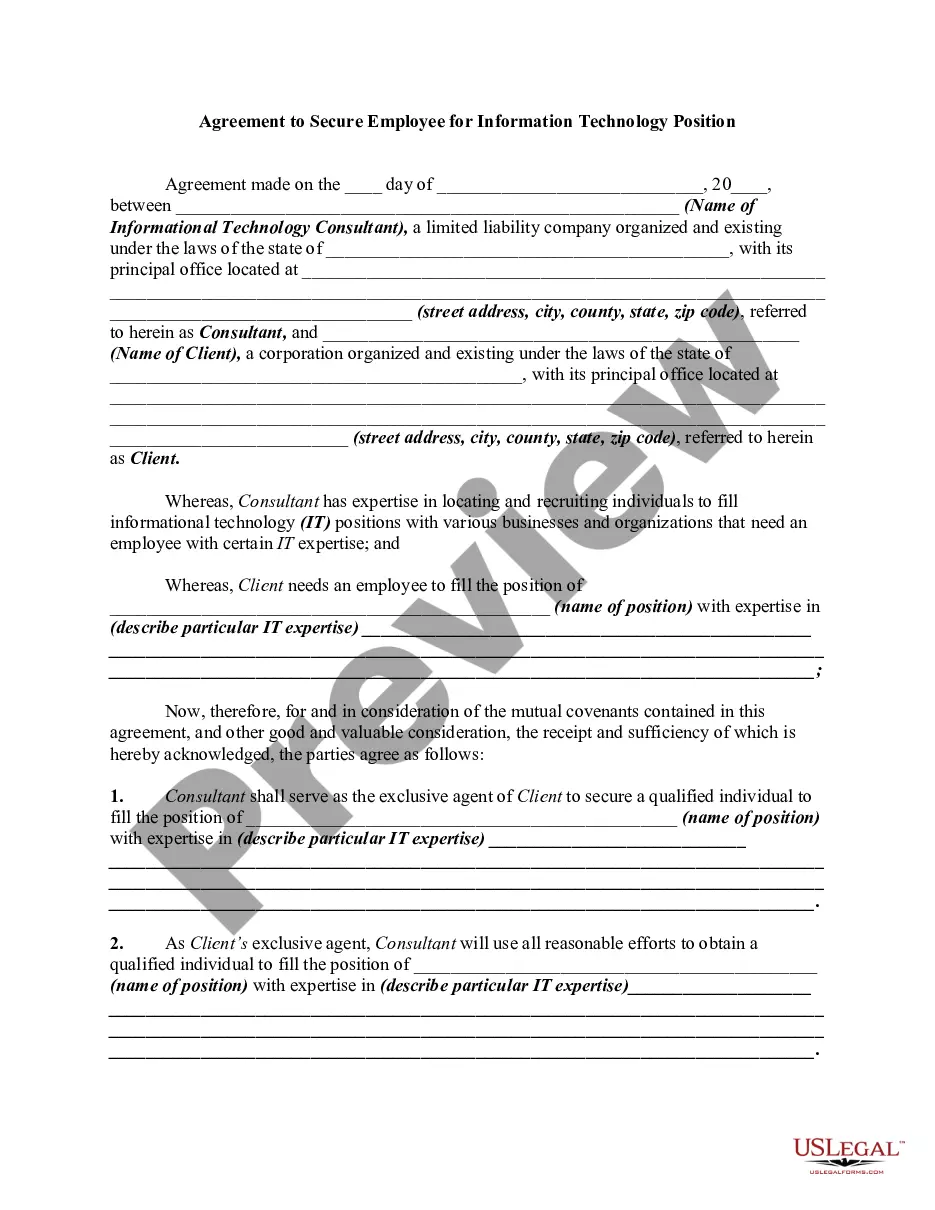
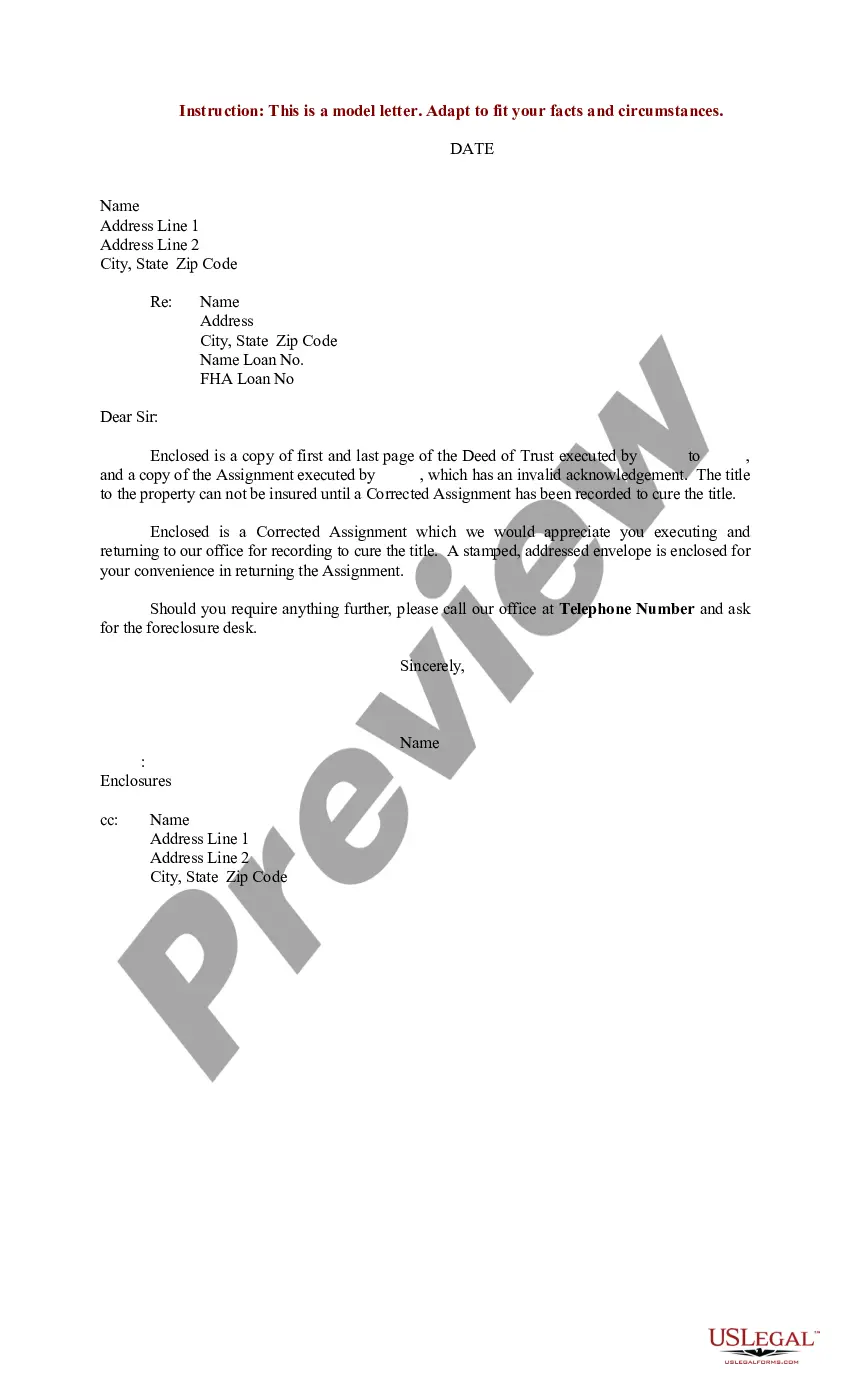
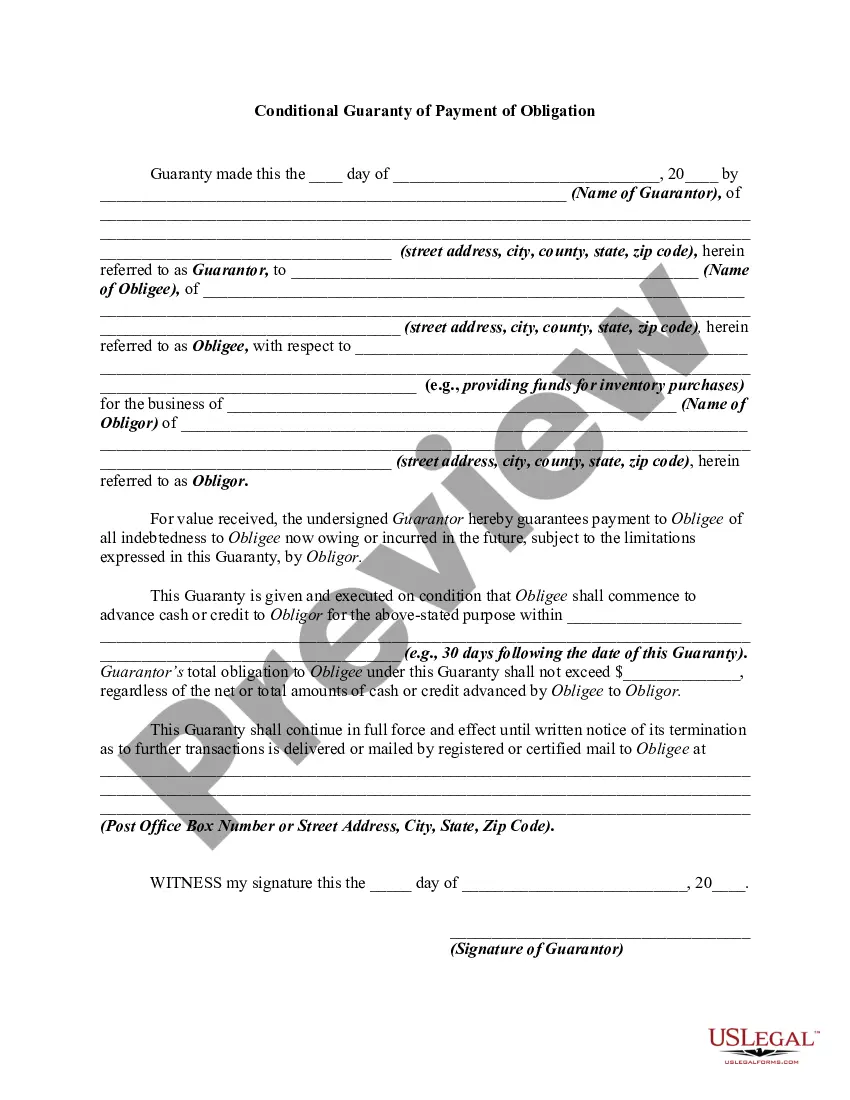
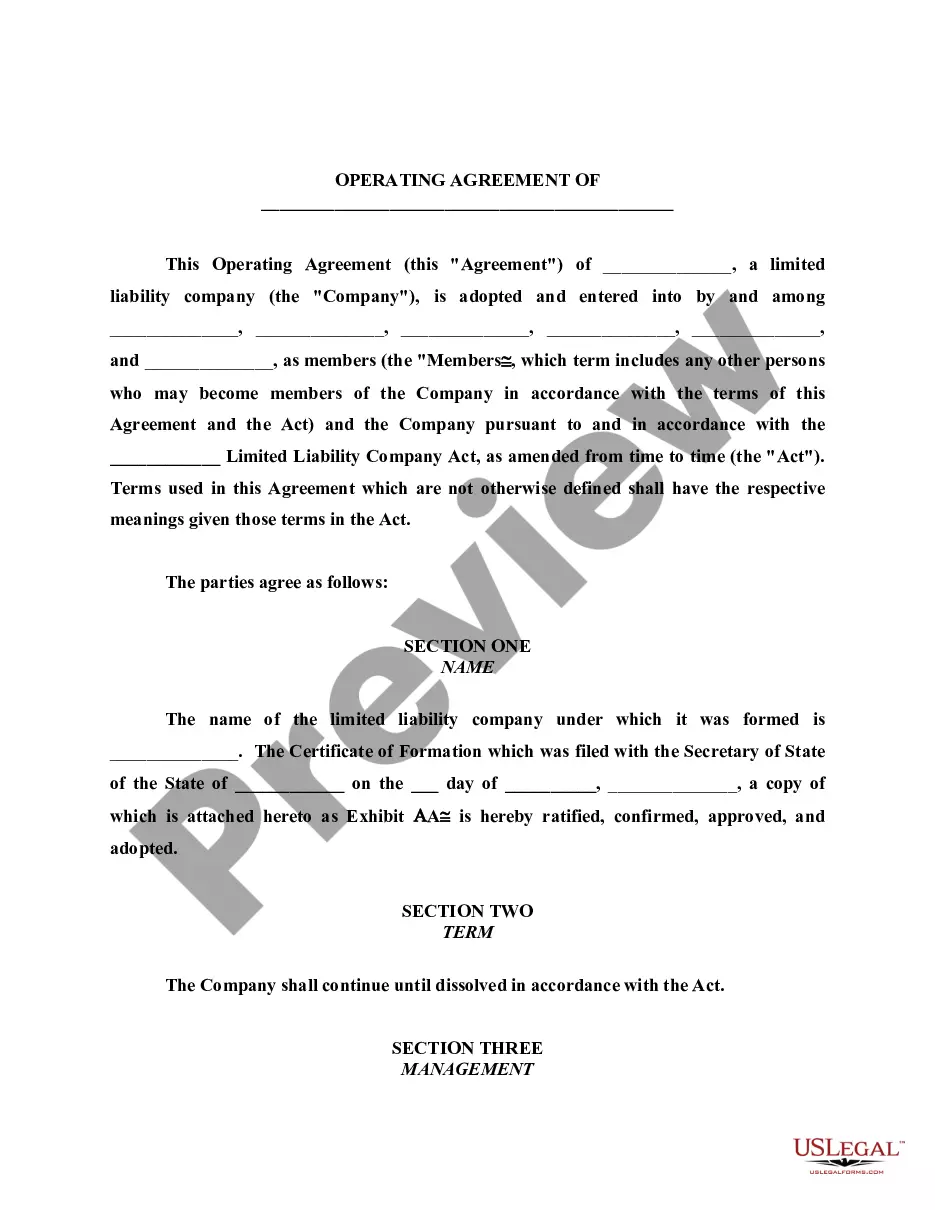
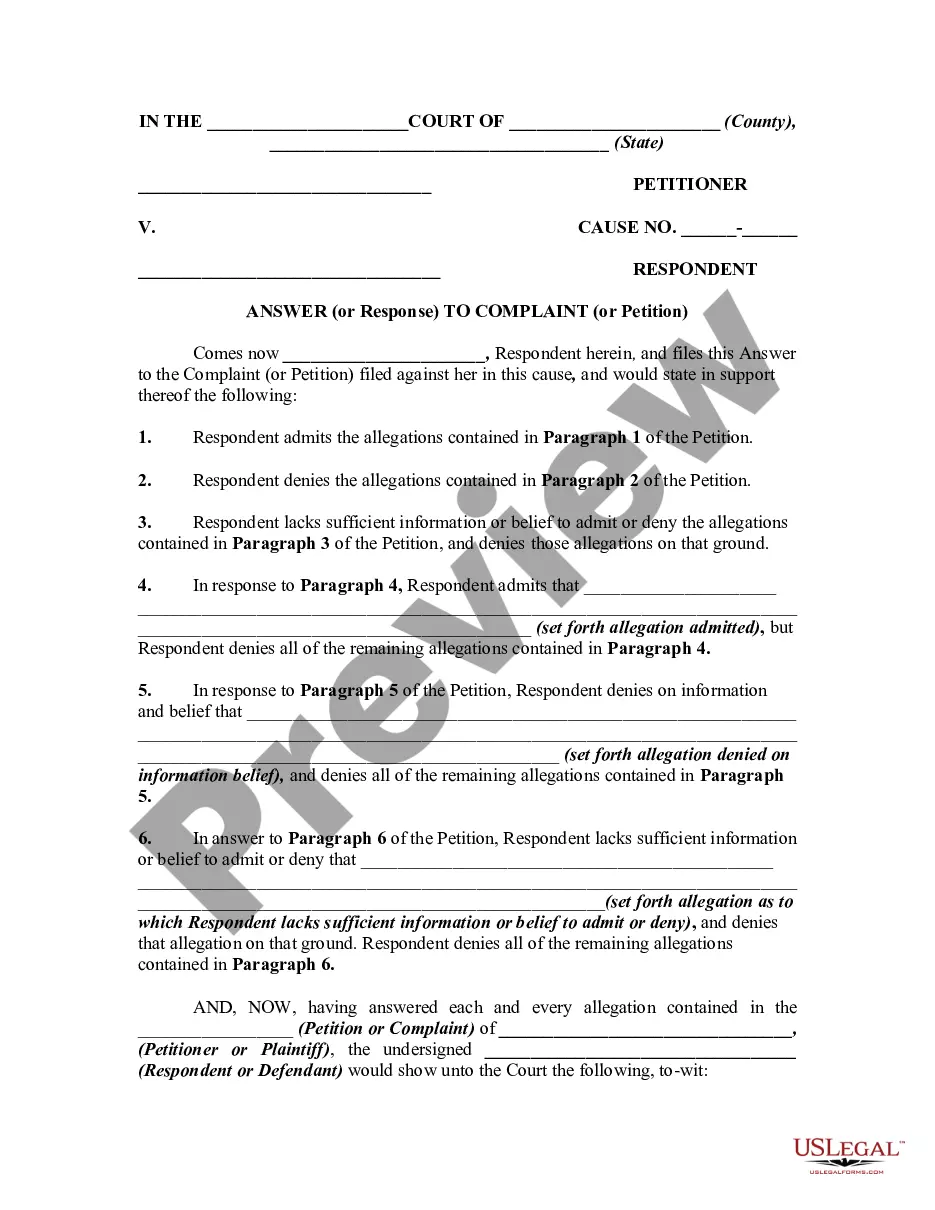
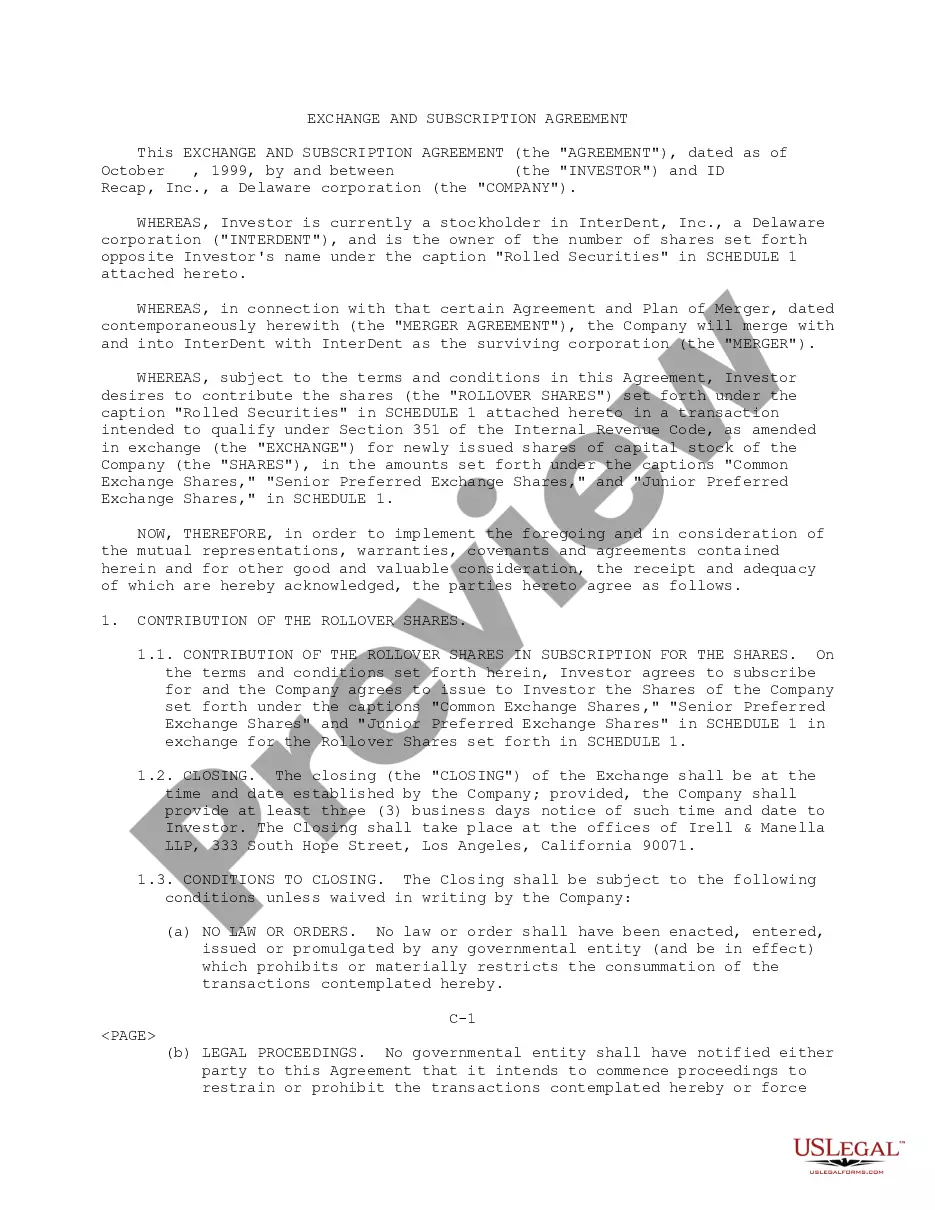
How to fill out Rhode Island Letter From Tenant To Landlord For Failure Of Landlord To Return All Prepaid And Unearned Rent And Security Recoverable By Tenant?
The work with documents isn't the most easy job, especially for those who rarely work with legal papers. That's why we recommend making use of accurate Rhode Island Letter from Tenant to Landlord for Failure of Landlord to return all prepaid and unearned rent and security recoverable by Tenant templates created by professional lawyers. It gives you the ability to avoid difficulties when in court or working with formal institutions. Find the templates you need on our website for high-quality forms and accurate information.
If you’re a user having a US Legal Forms subscription, just log in your account. When you are in, the Download button will automatically appear on the template page. Soon after getting the sample, it will be stored in the My Forms menu.
Users without a subscription can easily create an account. Utilize this simple step-by-step help guide to get your Rhode Island Letter from Tenant to Landlord for Failure of Landlord to return all prepaid and unearned rent and security recoverable by Tenant:
- Be sure that the form you found is eligible for use in the state it is needed in.
- Confirm the file. Utilize the Preview feature or read its description (if available).
- Click Buy Now if this file is the thing you need or use the Search field to get a different one.
- Choose a suitable subscription and create your account.
- Utilize your PayPal or credit card to pay for the service.
- Download your document in a wanted format.
Right after completing these straightforward actions, it is possible to complete the sample in a preferred editor. Check the completed details and consider asking an attorney to examine your Rhode Island Letter from Tenant to Landlord for Failure of Landlord to return all prepaid and unearned rent and security recoverable by Tenant for correctness. With US Legal Forms, everything becomes much simpler. Try it now!
Form popularity
FAQ
The landlord verification form is a document used by a landlord when verifying the previous rental information of an applicant for tenancy. The requesting landlord must send the form to the applicant's current or past landlord in order to obtain all details related to the tenancy of the individual.
Uninhabitable conditions can include dangerous ones, such as holes in the floor, unsafe or exposed wiring, or non-working air conditioning in dangerously hot summer months. Gross infestations of roaches, fleas or other pests are also uninhabitable conditions.
You can file a lawsuit for negligence against the manager of a real estate property in the same way you can sue the owner of any type of business. Generally speaking, with certain exceptions, filing a lawsuit for negligence against a property manager is a straightforward process.
Know your state's landlord/tenant laws. Read and respond to the court summons. Try to work out a settlement. Consider legal counsel. Show up for court. Look sharp and provide evidence.
HOW DO I GET MY SECURITY DEPOSIT BACK? The landlord must give you back your security deposit within 20 days after you leave the apartment if you give a new mailing address to him/her. Before you leave the apartment, you should make a list describing the condition of the apartment.
If you're seeking damages for emotional distress caused by a landlord's discrimination, or punitive damages for especially blatant and intentional discrimination, a lawsuit may well be your best bet. Understand what's involved in suing your landlord. You may file a lawsuit in either federal or state court.
The landlord had a duty to reasonably maintain the property; The landlord knew or should have known of the dangerous condition; The landlord breached their duty by failing to repair/fix the dangerous condition;
Landlord Rights When Tenant Destroys PropertyIf the tenant is evicted or already abandoned the property the landlord can deduct money from the security deposit. If the damages exceed the funds in the security deposit the landlord can sue the tenant in small claims court.
If your deposit didn't need to be protected and your landlord refuses to give it back, you might have to take them to court.You'll need to take your landlord to the small claims court to get your money back.