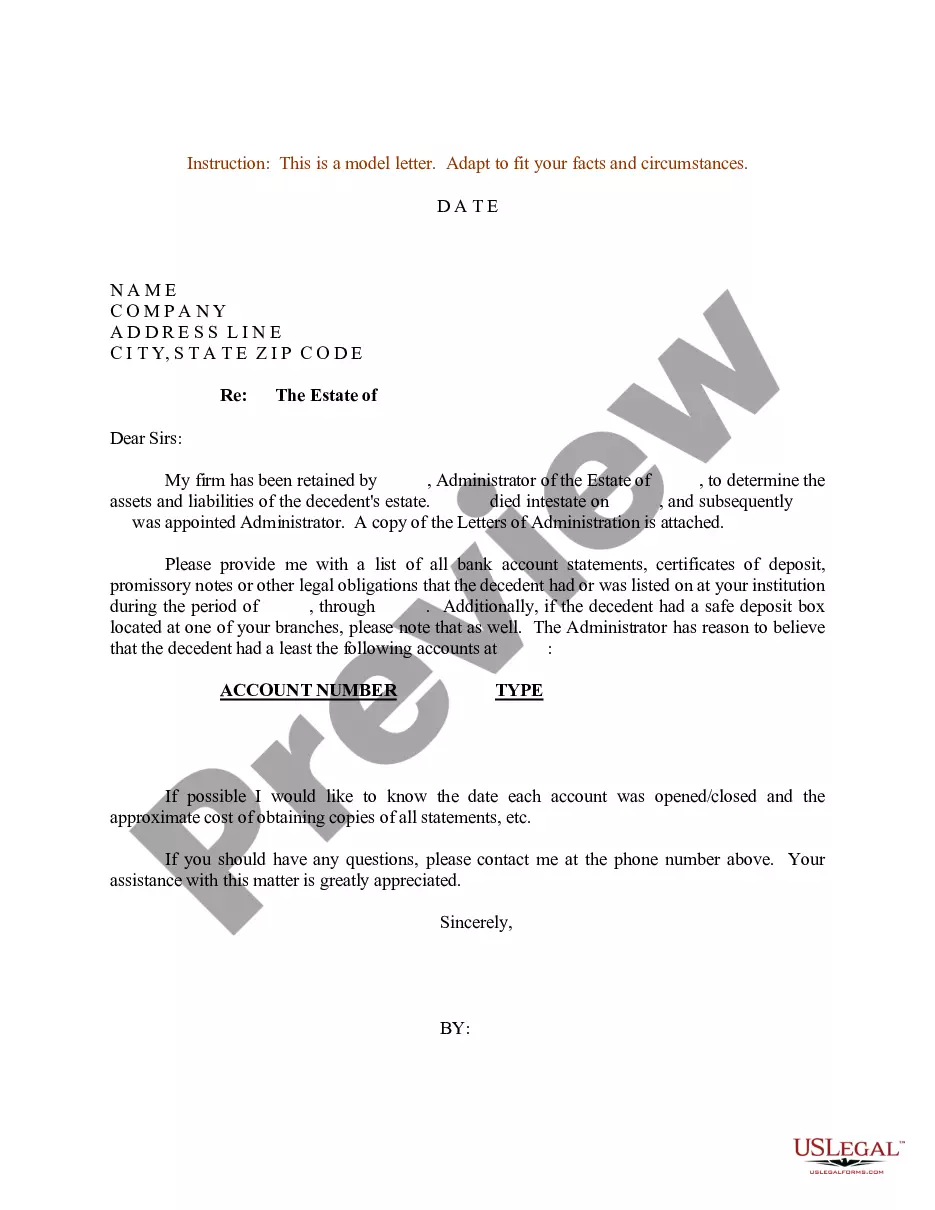
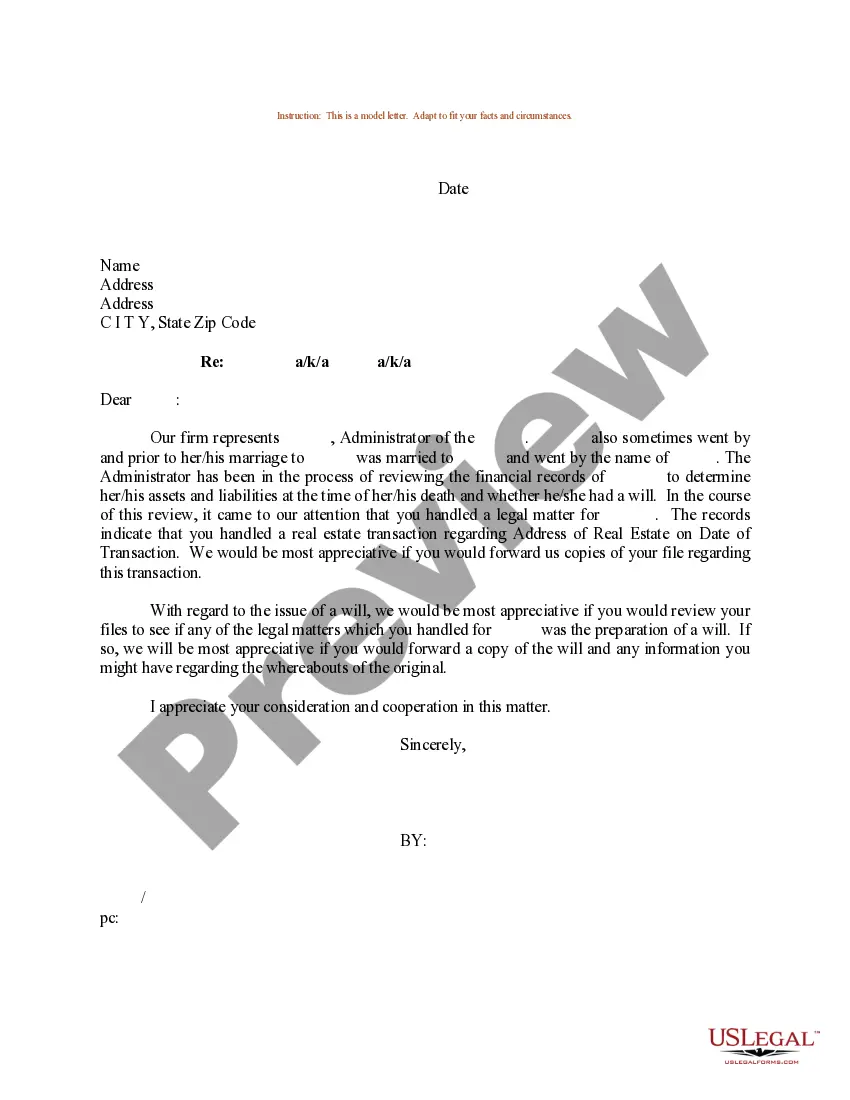
Pennsylvania Sample Letter for Assets and Liabilities of Decedent's Estate
Description

Get your form ready online
Our built-in tools help you complete, sign, share, and store your documents in one place.
Make edits, fill in missing information, and update formatting in US Legal Forms—just like you would in MS Word.
Download a copy, print it, send it by email, or mail it via USPS—whatever works best for your next step.
Sign and collect signatures with our SignNow integration. Send to multiple recipients, set reminders, and more. Go Premium to unlock E-Sign.
If this form requires notarization, complete it online through a secure video call—no need to meet a notary in person or wait for an appointment.
We protect your documents and personal data by following strict security and privacy standards.

Make edits, fill in missing information, and update formatting in US Legal Forms—just like you would in MS Word.

Download a copy, print it, send it by email, or mail it via USPS—whatever works best for your next step.

Sign and collect signatures with our SignNow integration. Send to multiple recipients, set reminders, and more. Go Premium to unlock E-Sign.

If this form requires notarization, complete it online through a secure video call—no need to meet a notary in person or wait for an appointment.

We protect your documents and personal data by following strict security and privacy standards.
Looking for another form?
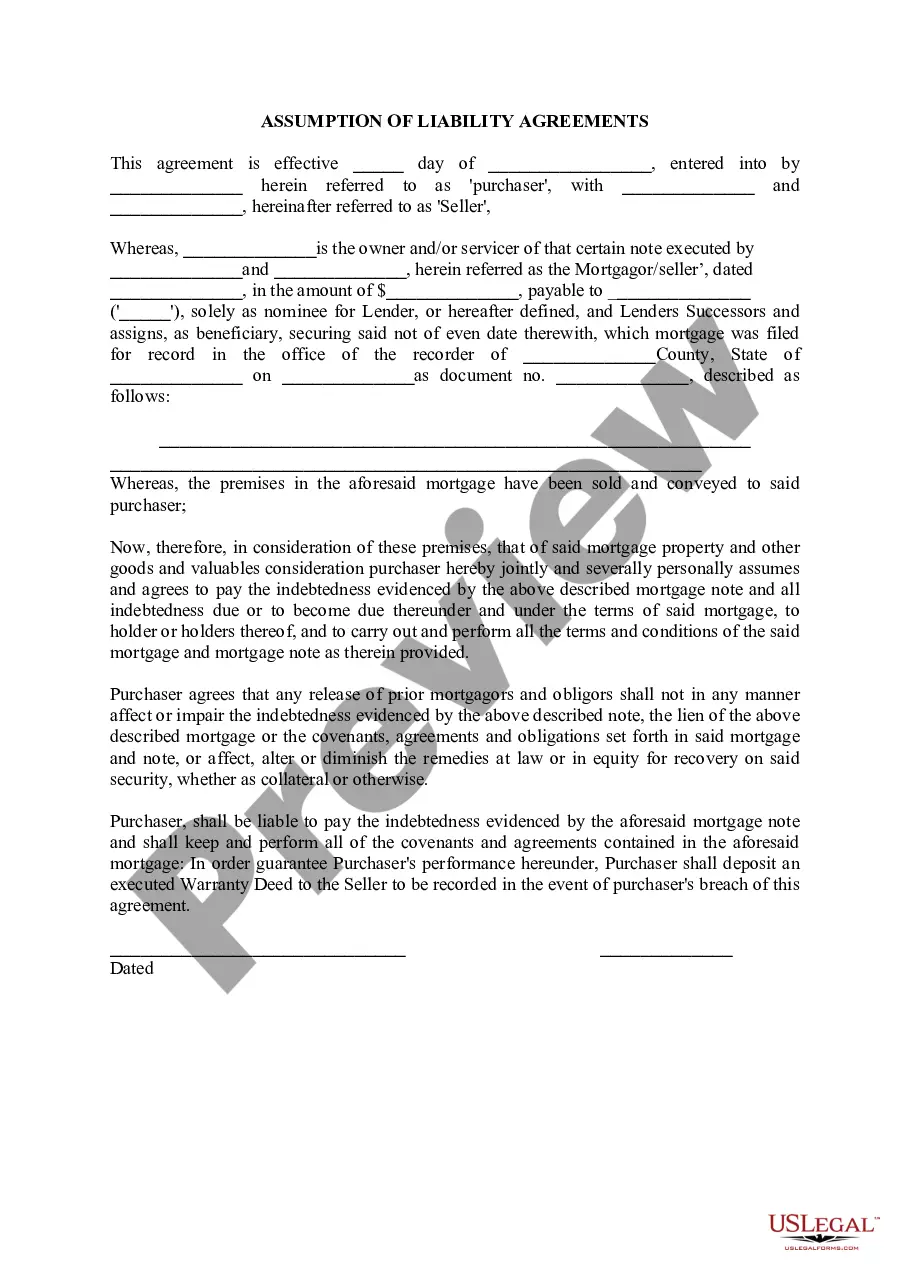
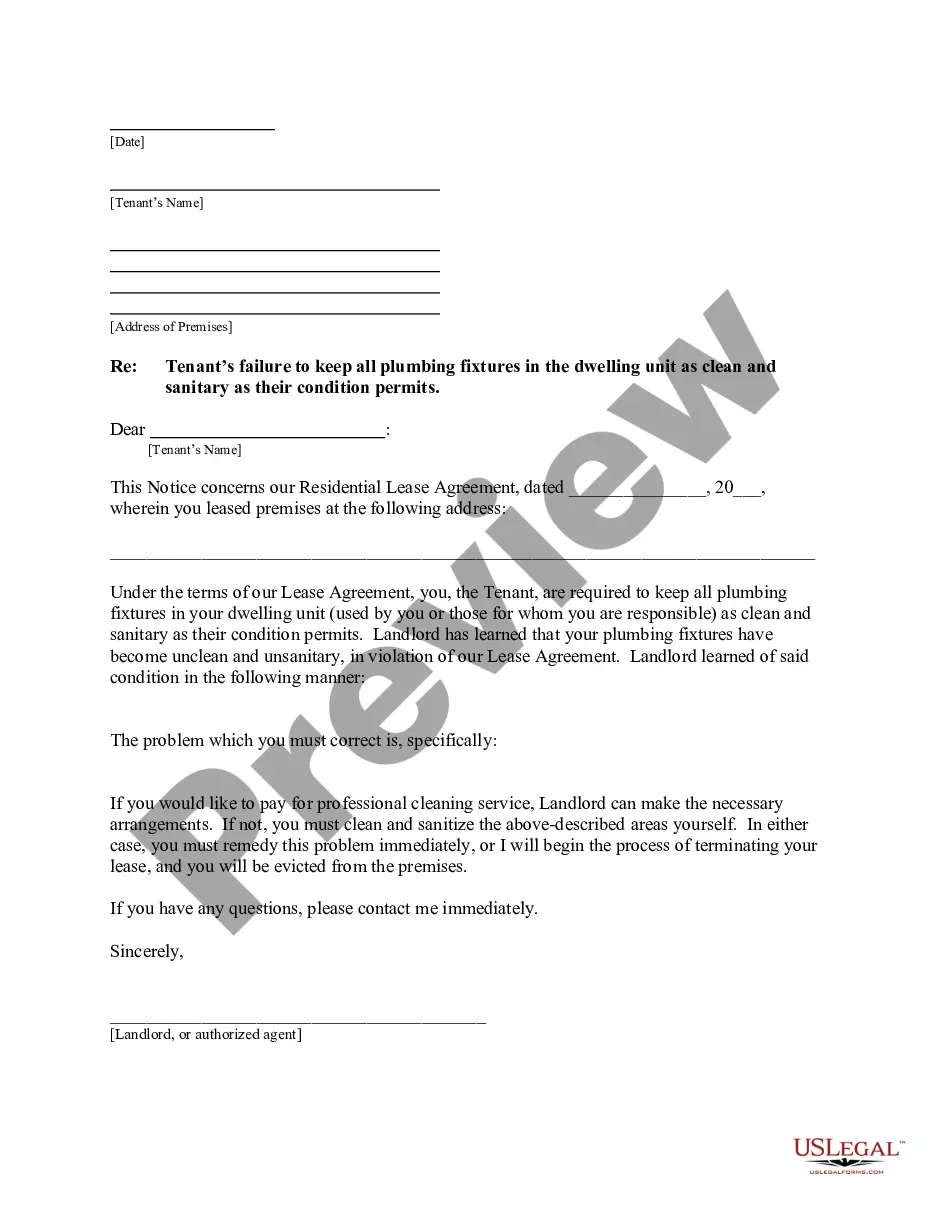
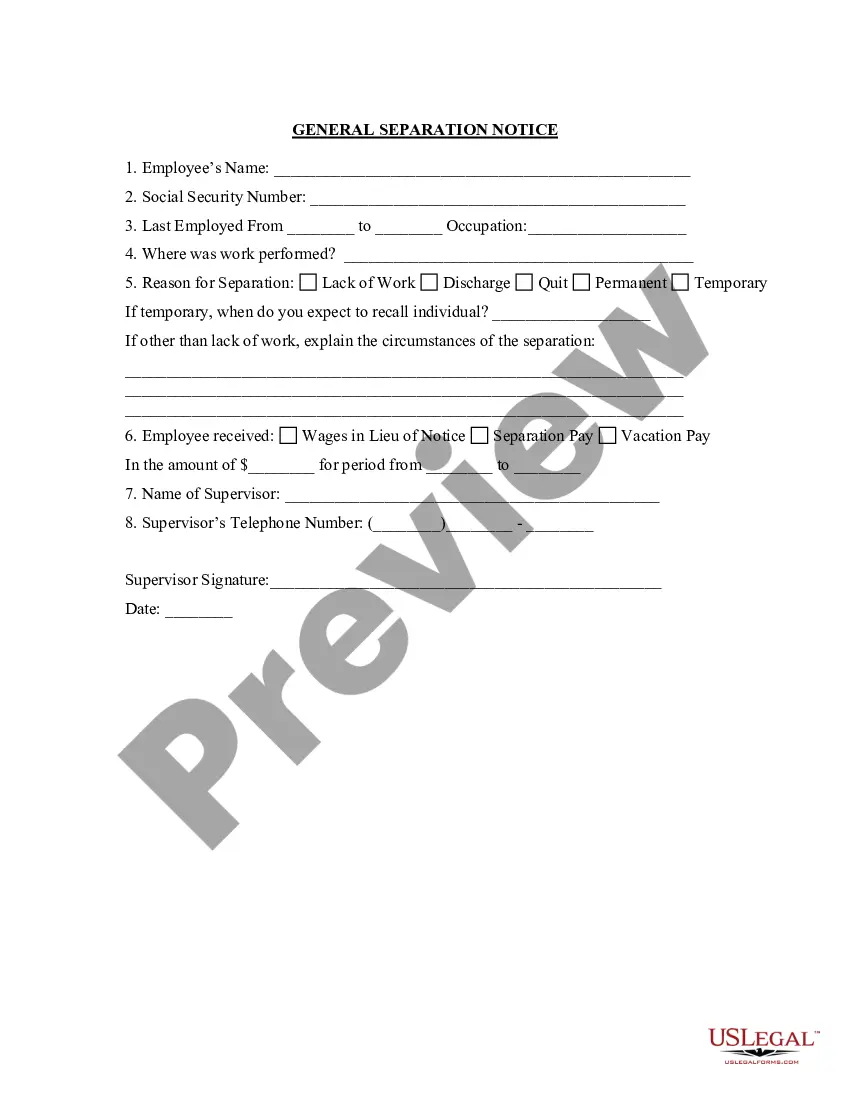
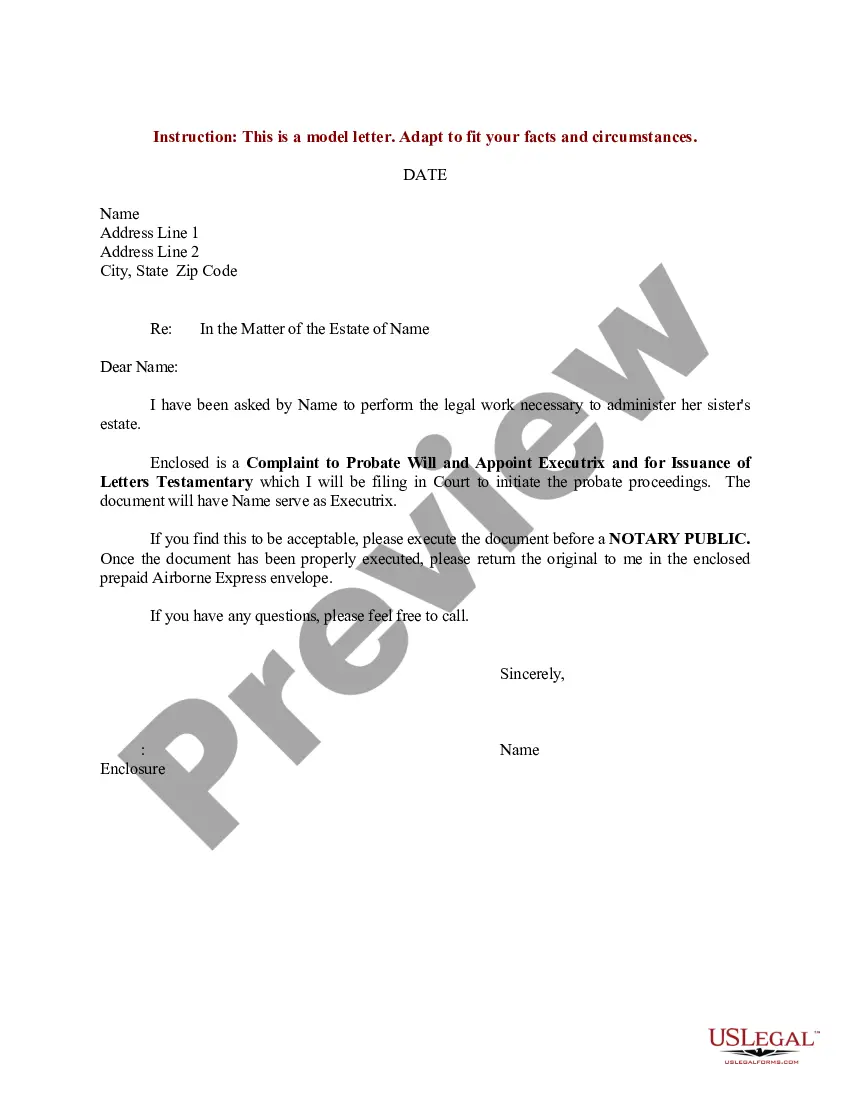
How to fill out Sample Letter For Assets And Liabilities Of Decedent's Estate?
It is possible to spend time online trying to find the legitimate record template which fits the state and federal needs you require. US Legal Forms provides thousands of legitimate types which can be evaluated by specialists. You can easily download or printing the Pennsylvania Sample Letter for Assets and Liabilities of Decedent's Estate from our assistance.
If you already have a US Legal Forms account, you can log in and click on the Obtain key. After that, you can full, modify, printing, or indication the Pennsylvania Sample Letter for Assets and Liabilities of Decedent's Estate. Every legitimate record template you purchase is your own property for a long time. To acquire another duplicate of the bought type, check out the My Forms tab and click on the corresponding key.
If you are using the US Legal Forms website initially, stick to the easy instructions under:
- Initially, ensure that you have selected the best record template for that area/town of your choice. See the type explanation to ensure you have selected the appropriate type. If available, take advantage of the Review key to look with the record template too.
- If you want to find another edition of the type, take advantage of the Search industry to get the template that suits you and needs.
- When you have found the template you desire, click Purchase now to move forward.
- Pick the pricing strategy you desire, type in your qualifications, and register for a merchant account on US Legal Forms.
- Full the deal. You should use your bank card or PayPal account to cover the legitimate type.
- Pick the structure of the record and download it to the gadget.
- Make adjustments to the record if needed. It is possible to full, modify and indication and printing Pennsylvania Sample Letter for Assets and Liabilities of Decedent's Estate.
Obtain and printing thousands of record templates while using US Legal Forms web site, which offers the biggest assortment of legitimate types. Use professional and condition-distinct templates to handle your organization or personal needs.
Form popularity
FAQ
In Pennsylvania, it is only necessary to probate if the decedent owned assets, whether financial or real estate holdings, solely in their name which did not already have a beneficiary designated. Such assets are called probate assets, and in order to convey ownership of them it is necessary to probate.
Overview of Estate Administration in Pennsylvania Find the Will, or alternatively, figure out if you need a will. ... Figure out who the personal representative is: the ?executor? or ?administrator.? ... Determine whether to probate. ... Prepay the inheritance taxes. ... Marshall the assets and pay the debts.
The inventory is used to report only assets which are part of the decedent's probate estate. Assets outside of Pennsylvania and assets which pass by a beneficiary designation are excluded from the inventory.
The process of settling an estate involves naming a personal representative, collecting estate assets, filling appropriate forms with the Register of Wills, notifying heirs, providing a public notice, paying all debts and taxes, and distributing the remaining assets to heirs named in the will or under the laws of ...
The process of settling an estate involves naming a personal representative, collecting estate assets, filling appropriate forms with the Register of Wills, notifying heirs, providing a public notice, paying all debts and taxes, and distributing the remaining assets to heirs named in the will or under the laws of ...
In general terms, the process of administering a decedent's estate involves collecting all assets, locating all creditors, paying all debts, paying all applicable taxes, and then distributing the remaining assets to the persons entitled to inherit under the decedent's Will, or where there is no Will, under the laws of ...
Section 3392 states that all creditor claims shall be paid in the following order: (1) the costs of administering the decedent's estate, which includes any probate fees, attorneys' fees, or personal representative commissions; (2) the family exemption, which is $3,500.00 for each family member who resided with the ...