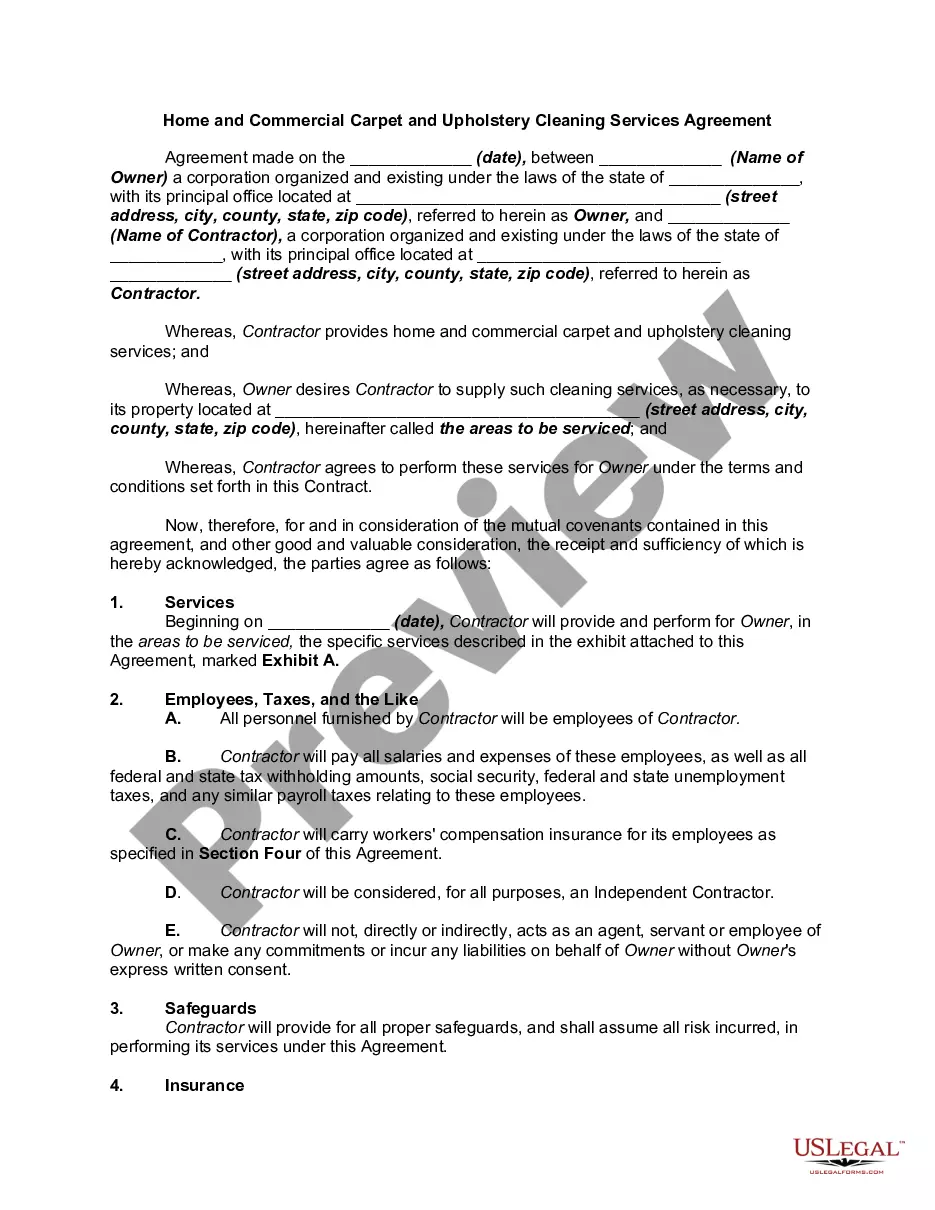
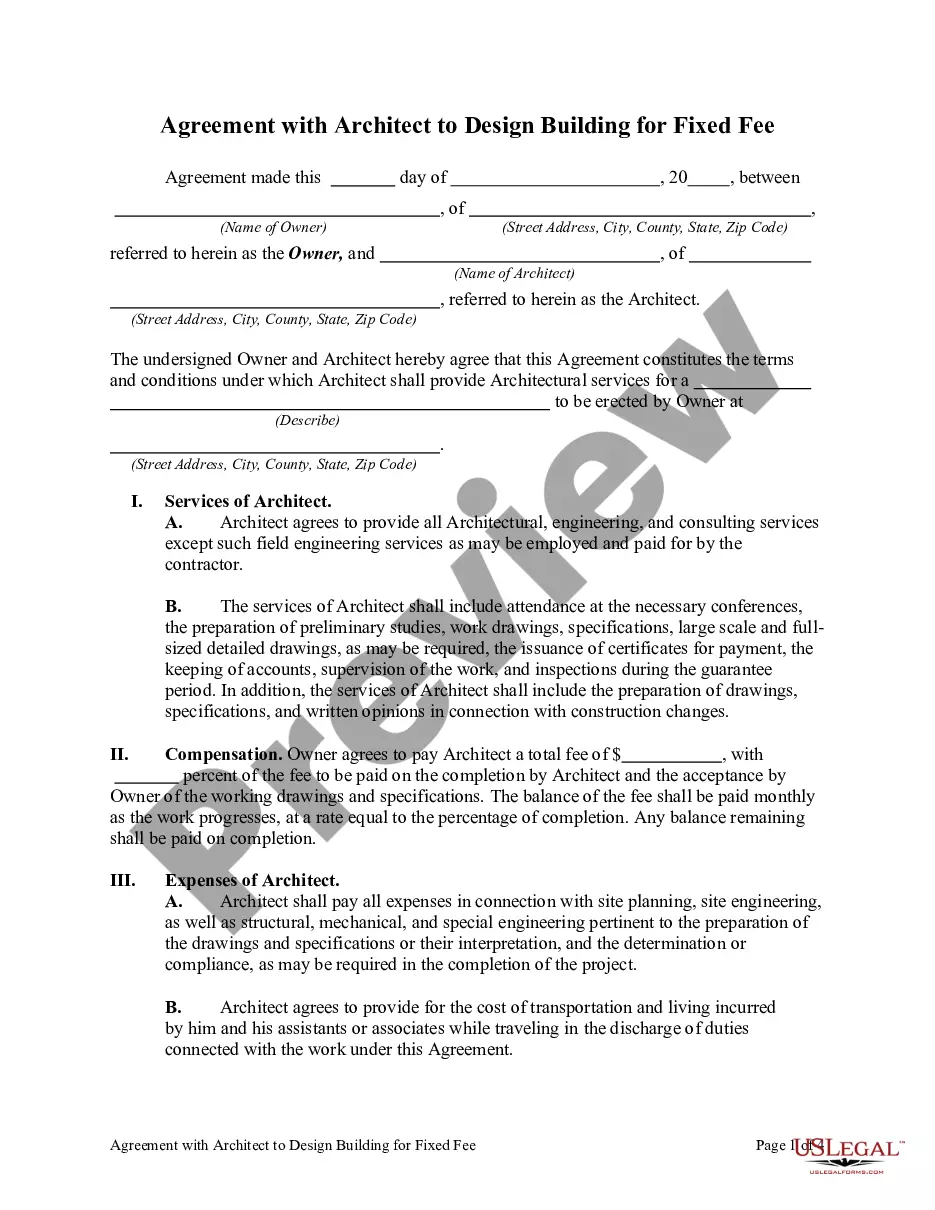
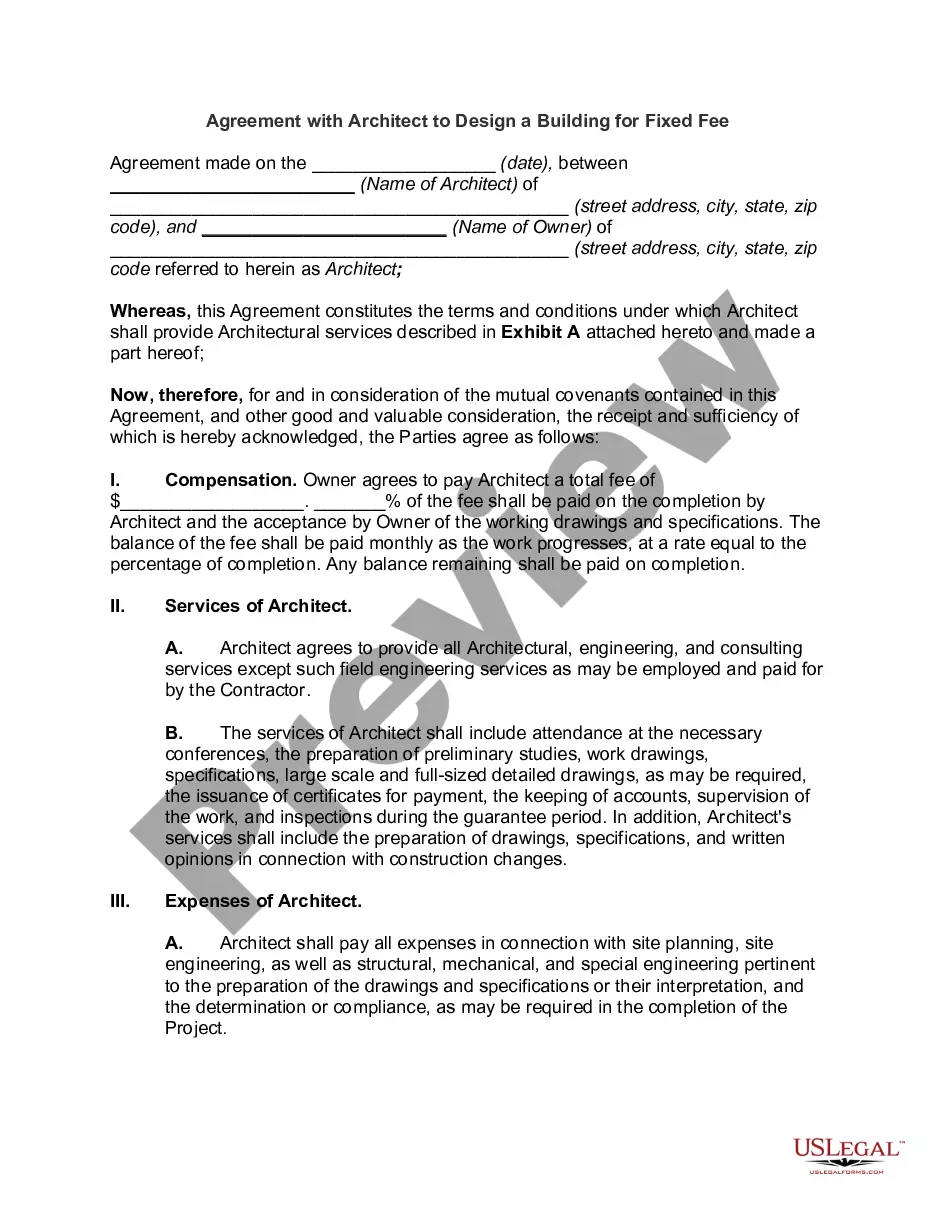
Pennsylvania Architect Contract for Design
Description

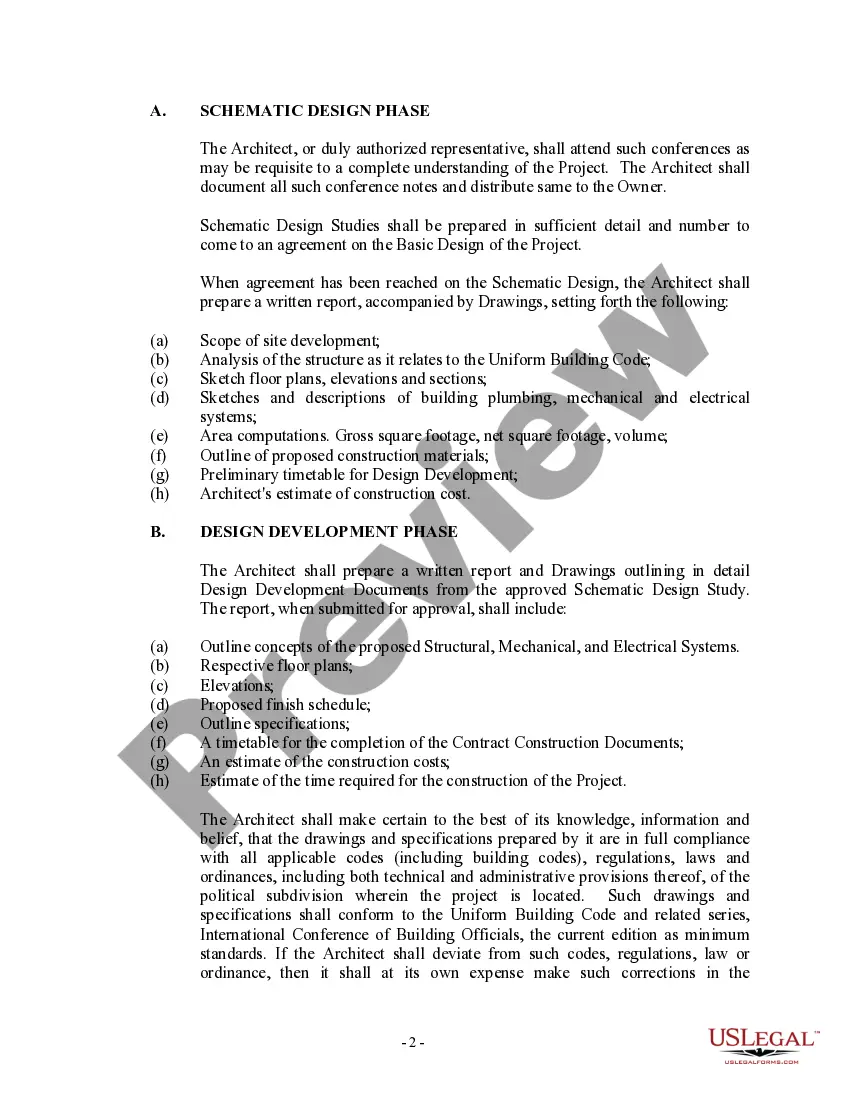
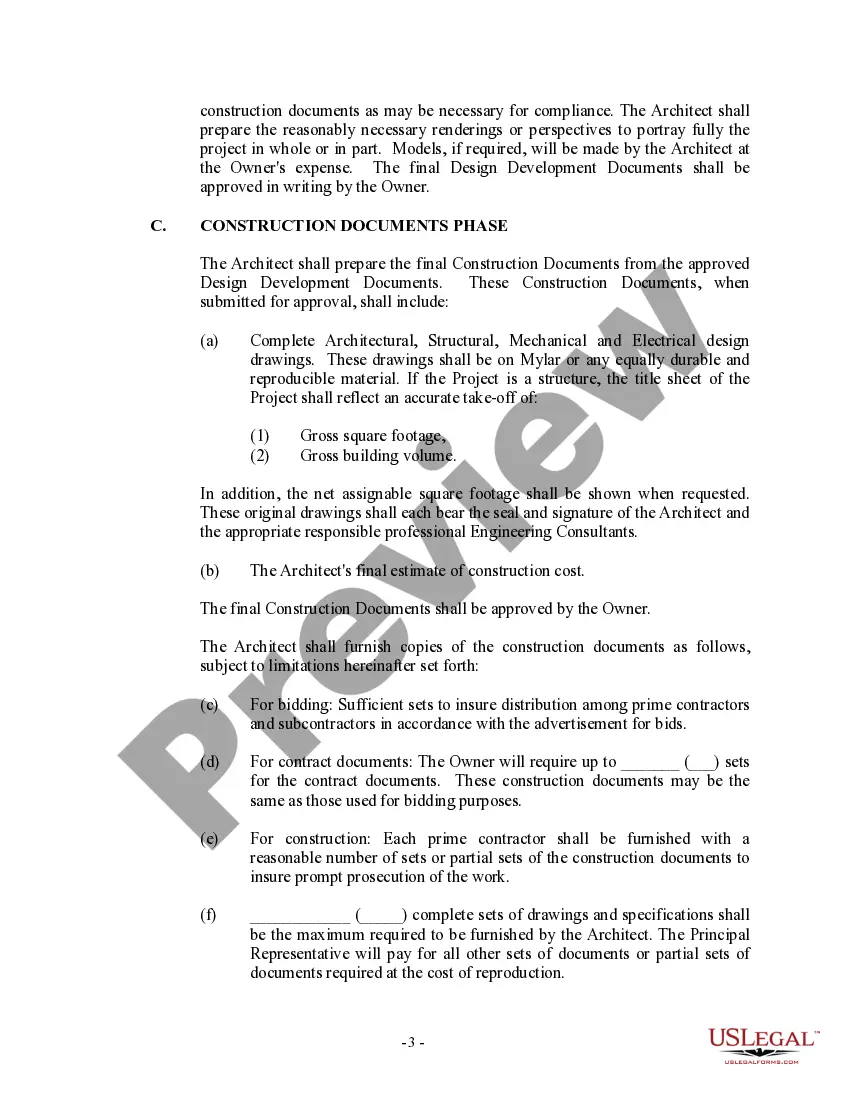
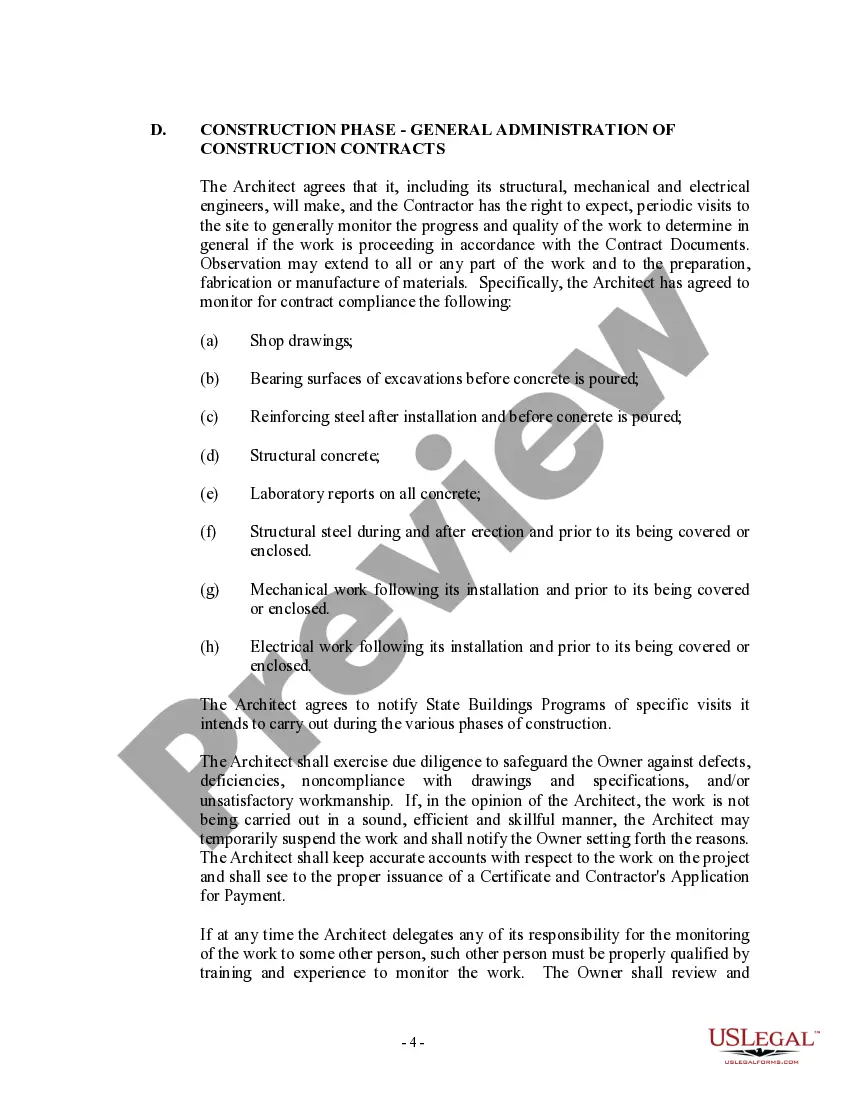
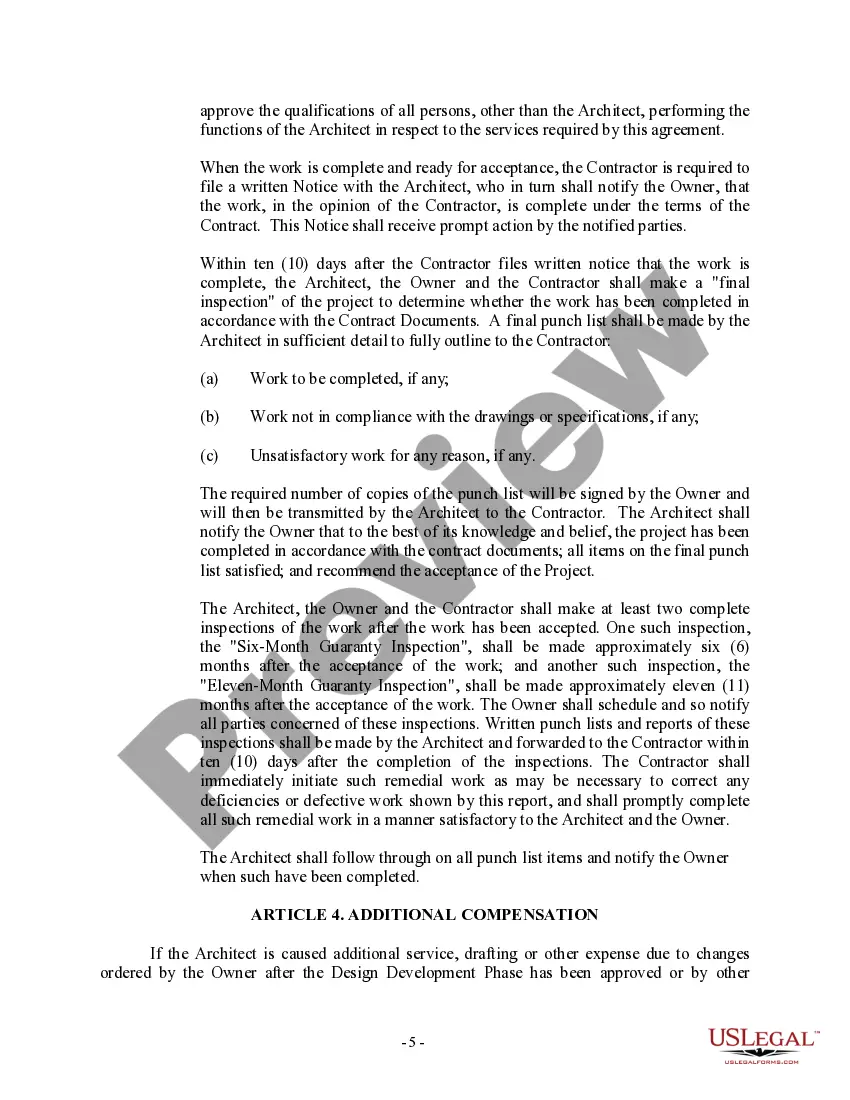
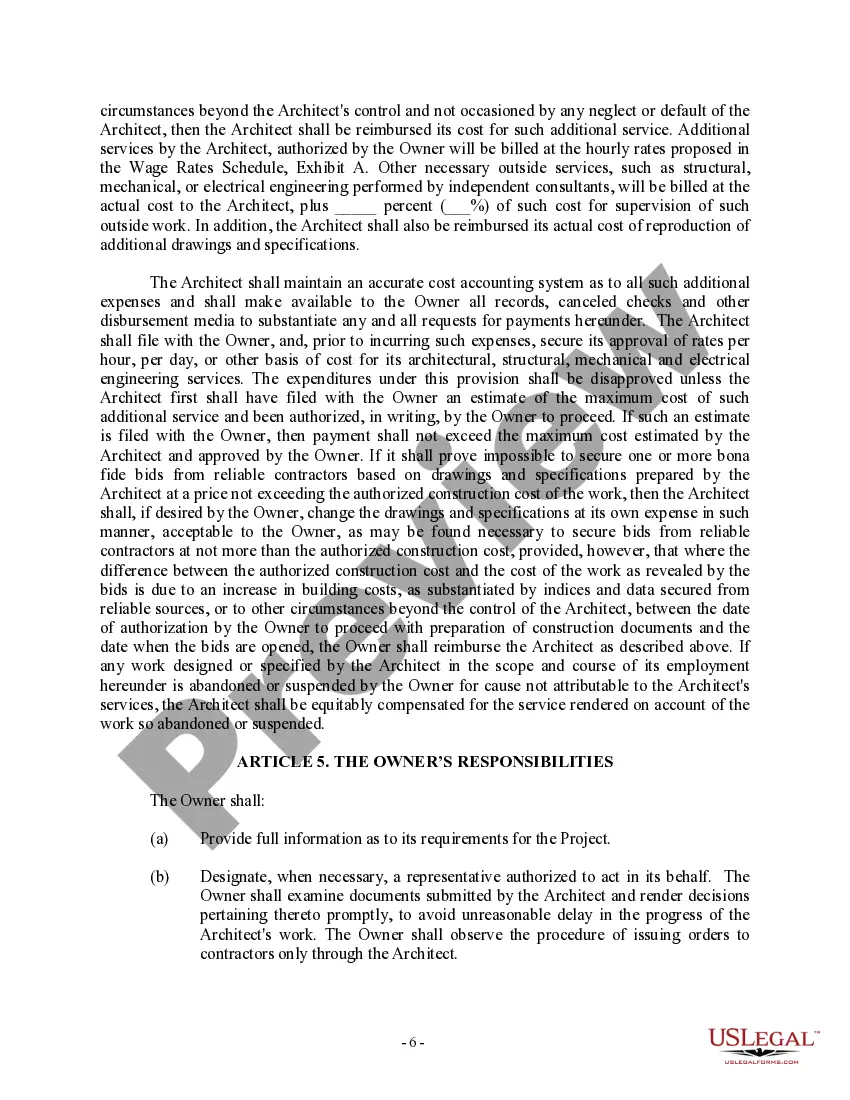
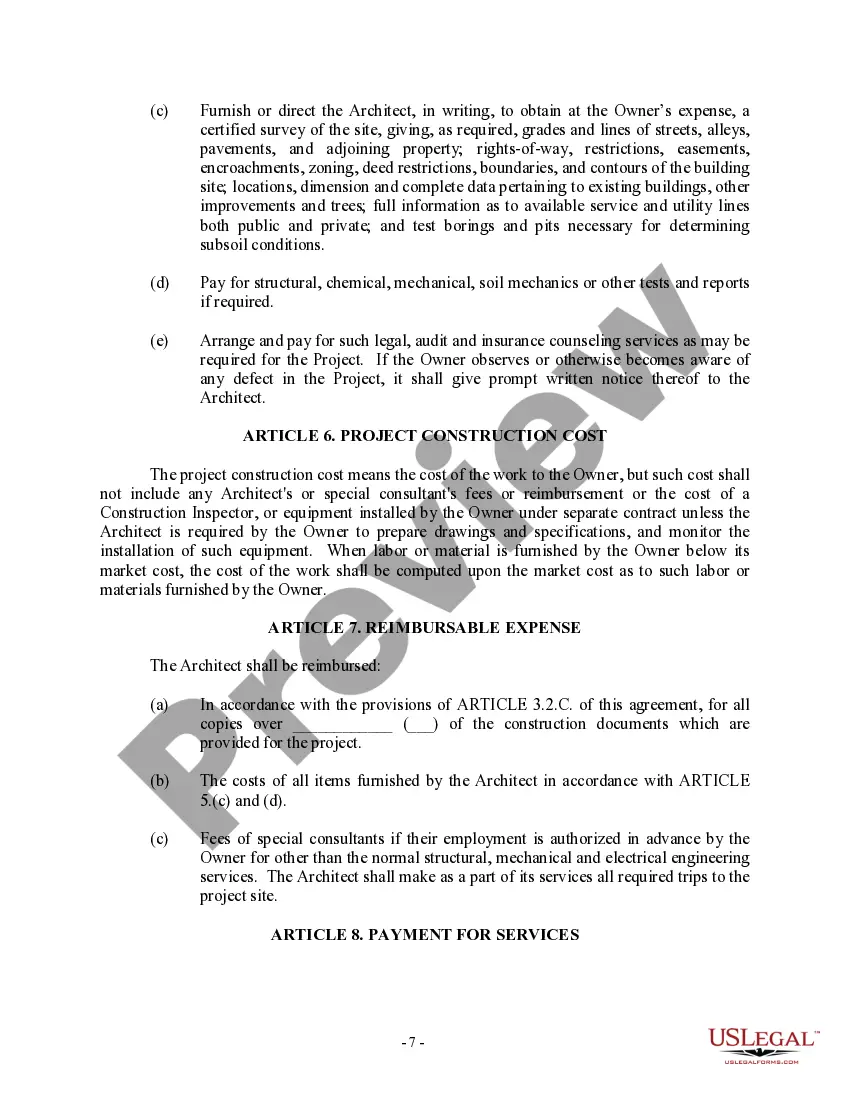
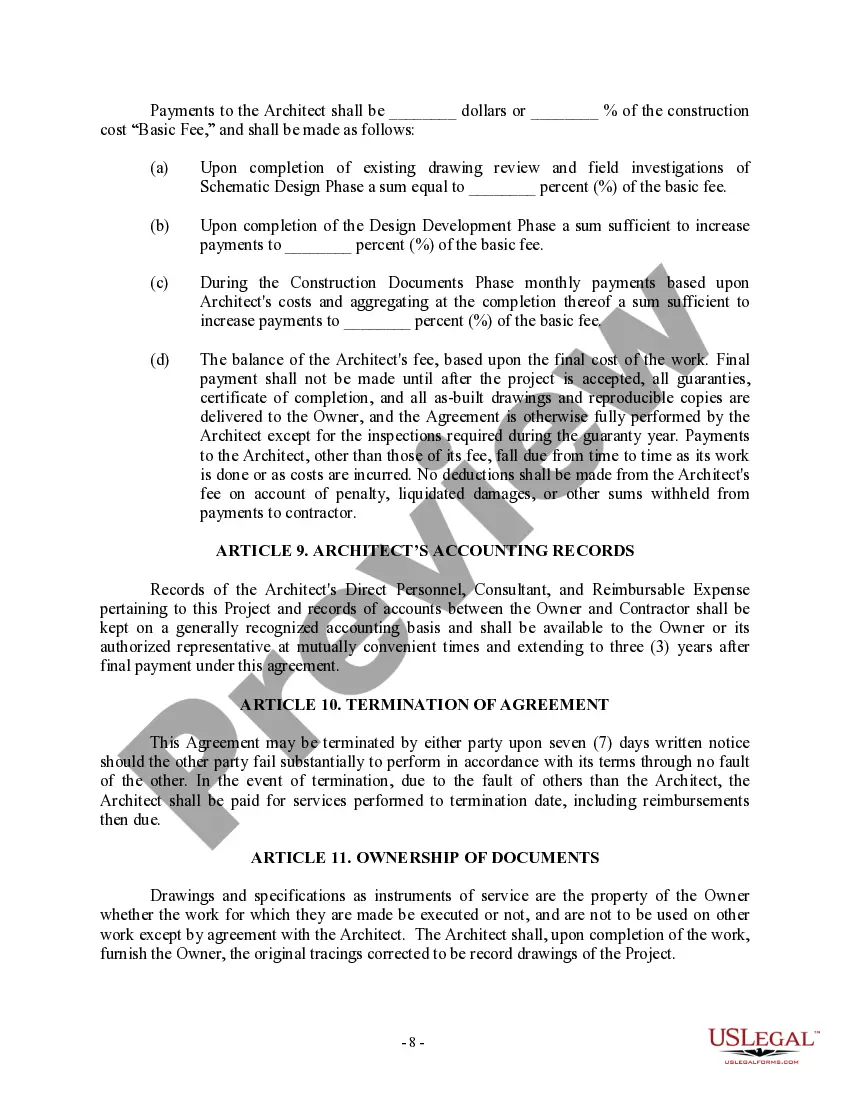
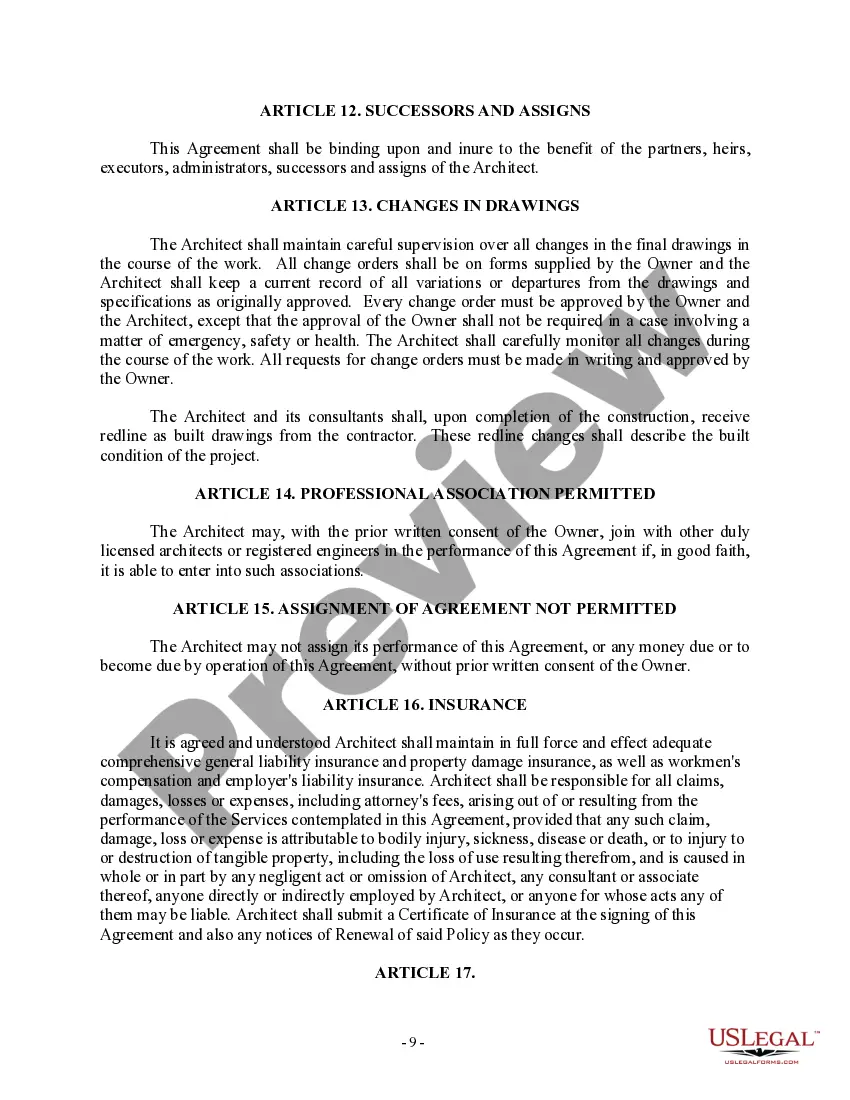
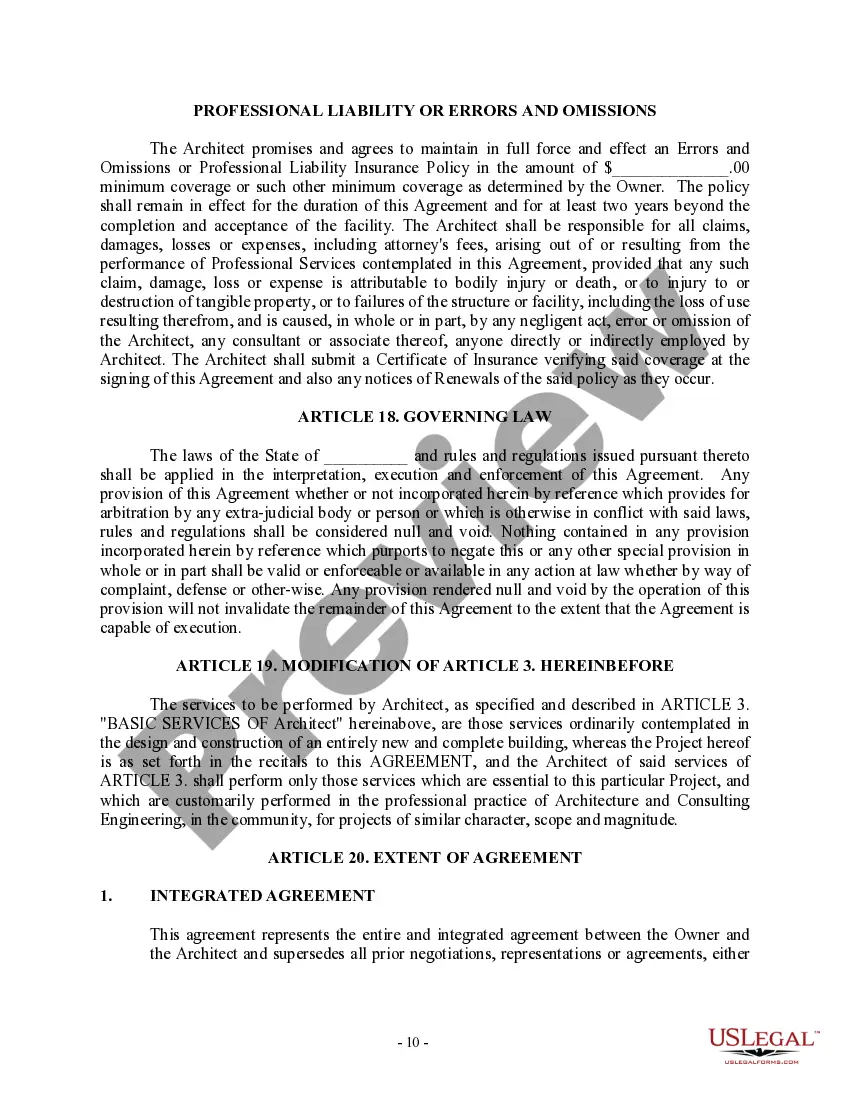

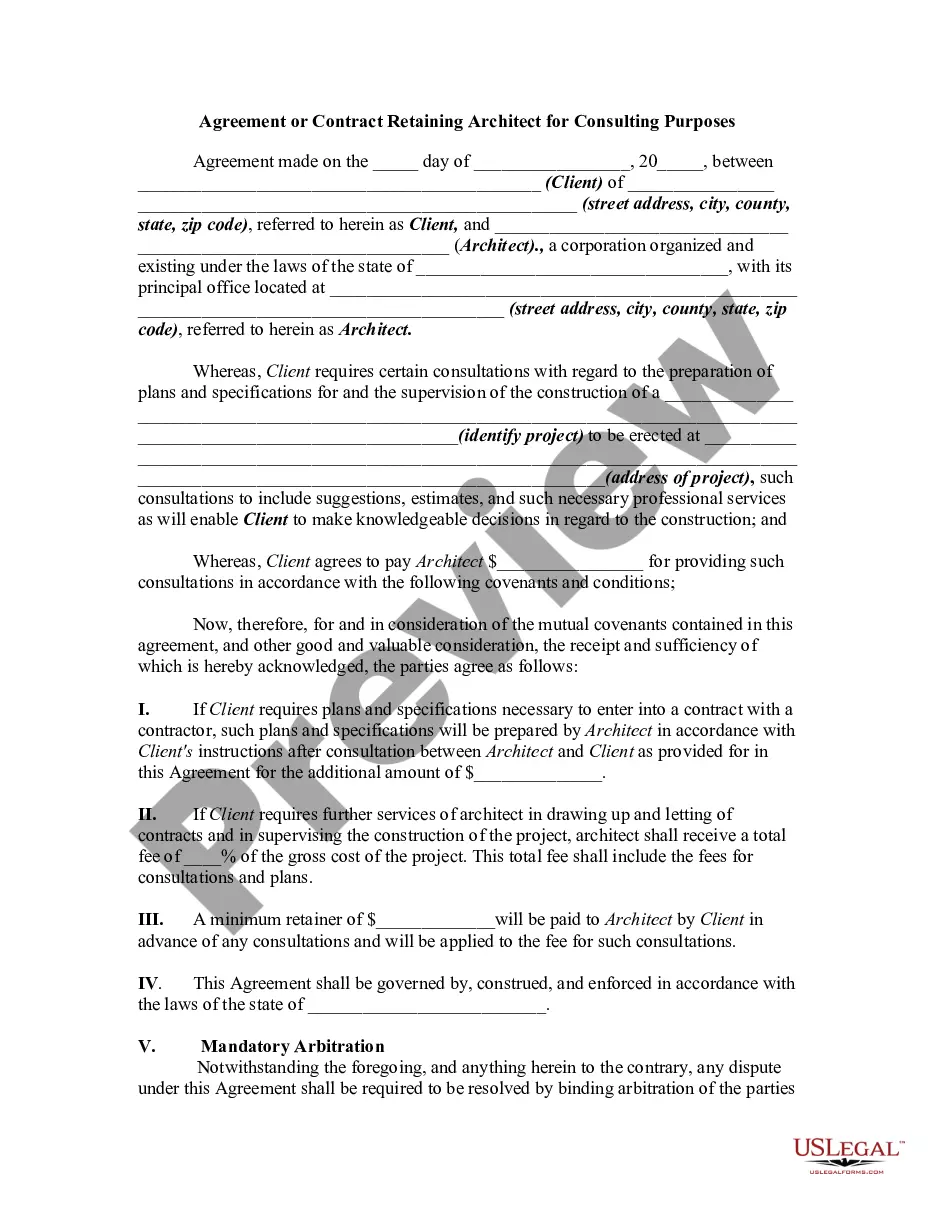
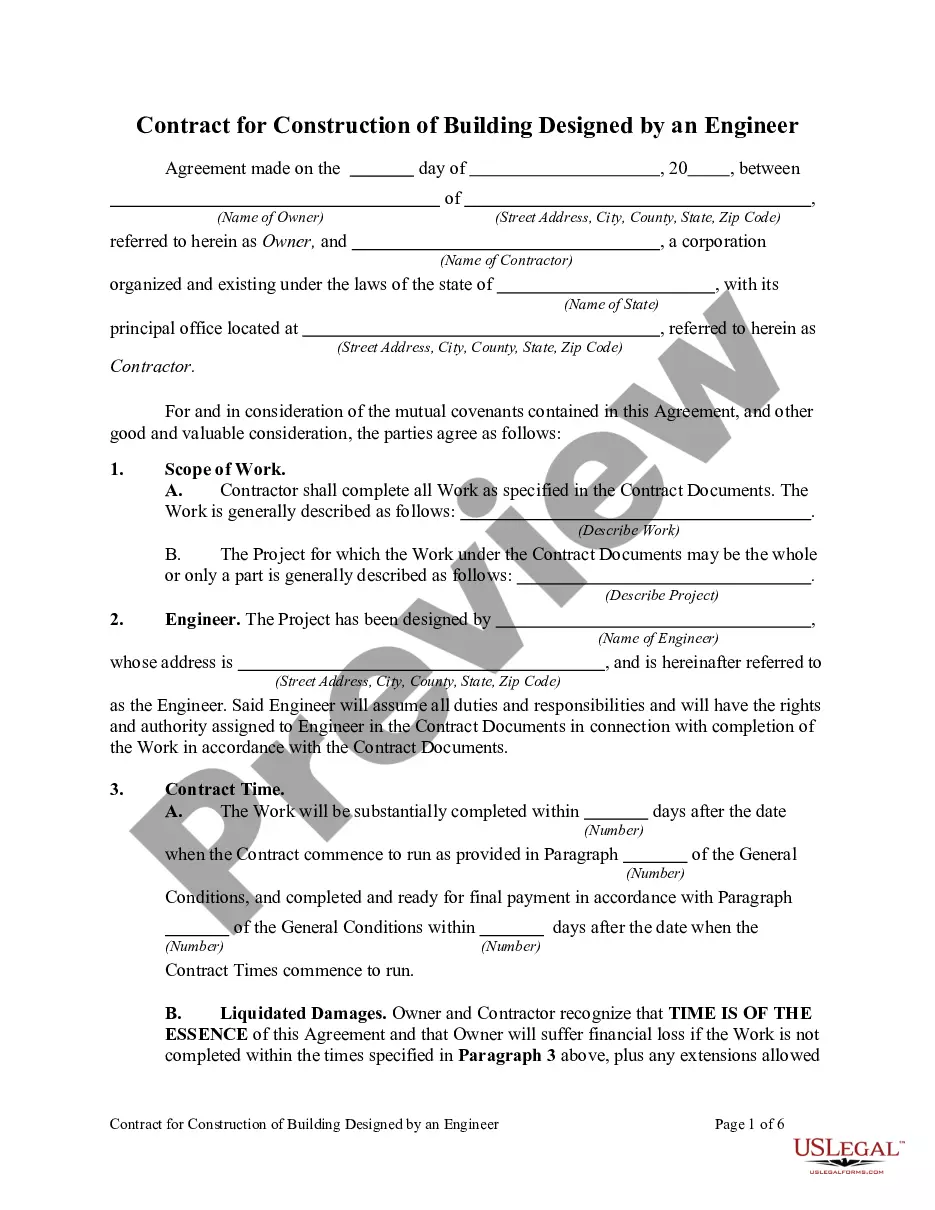
Get your form ready online
Our built-in tools help you complete, sign, share, and store your documents in one place.
Make edits, fill in missing information, and update formatting in US Legal Forms—just like you would in MS Word.
Download a copy, print it, send it by email, or mail it via USPS—whatever works best for your next step.
Sign and collect signatures with our SignNow integration. Send to multiple recipients, set reminders, and more. Go Premium to unlock E-Sign.
If this form requires notarization, complete it online through a secure video call—no need to meet a notary in person or wait for an appointment.
We protect your documents and personal data by following strict security and privacy standards.

Make edits, fill in missing information, and update formatting in US Legal Forms—just like you would in MS Word.

Download a copy, print it, send it by email, or mail it via USPS—whatever works best for your next step.

Sign and collect signatures with our SignNow integration. Send to multiple recipients, set reminders, and more. Go Premium to unlock E-Sign.

If this form requires notarization, complete it online through a secure video call—no need to meet a notary in person or wait for an appointment.

We protect your documents and personal data by following strict security and privacy standards.
Looking for another form?
How to fill out Architect Contract For Design?
Are you presently in a situation where you frequently require documents for potential business or personal activities almost every day.
There are numerous legal document templates accessible online, but finding forms you can trust is not easy.
US Legal Forms provides thousands of document templates, including the Pennsylvania Architect Agreement for Design, that are designed to comply with state and federal regulations.
Once you find the correct document, click Get now.
Choose a payment plan you desire, provide the necessary details to create your account, and pay for the order using your PayPal or credit card.
- If you are already familiar with the US Legal Forms website and have an account, simply Log In.
- Then, you can download the Pennsylvania Architect Agreement for Design template.
- If you do not have an account and wish to start using US Legal Forms, follow these steps.
- Obtain the document you need and ensure it is for the correct city/region.
- Use the Review button to inspect the document.
- Check the information to confirm that you have selected the correct document.
- If the document is not what you're looking for, use the Search field to find the form that meets your needs and requirements.
Form popularity
FAQ
Steps to Create the ContractIdentifiers for each party.the project location.a brief description of the project.a basic scope of services to be performed by you.a proposed compensation structure.actions for the client to take if they elect to move forward with you.
Architecture Contracts are the joint agreements between development partners and sponsors on the deliverables, quality, and fitness-for-purpose of an architecture. Successful implementation of these agreements will be delivered through effective architecture governance (see Architecture Governance).
Design and construct ("D&C") is a contractual pattern for project delivery where both the design and the construction is supplied by the Contractor. Legal responsibility for the design, its suitability and the 1.1 performance of the completed works after completion rests with the Contractor to varying degrees.
Use of the Design-Build family of AIA Contract Documents is appropriate when the project delivery method is design-build. In design-build project delivery, the owner enters into a contract with a design-builder who is obligated to design and construct the project.
EPC contractors are often handed little more than performance requirements (output levels, uptime levels, maintenance expense maximums, etc.), whereas most design-build contracts provide at least some design detail in the bridging documents.
The American Institute of Architects (AIA) defines the term as a process in which the Owner contracts directly with one entity that is to provide both design and construction services. Usually, the design-build contract is awarded by some process other than competitive bidding.
Design-build is a method of project delivery in which one entity - the design-build team - works under a single contract with the project owner to provide design and construction services. One entity, one contract, one unified flow of work from initial concept through completion.
AIA contracts and forms are consensus documents that reflect advice from practicing architects, contractors, engineers as well as owners, surety bond producers, insurers, and attorneys. AIA documents balance the interests of all the parties, so no one interest, including that of the architect, is unfairly represented.
In the Design-Bid-Build delivery, the owner contracts separately with the design firm that produces the construction documents, and the builder that physically builds the building. This is the traditional method, and is based on the sequential process of design, construction documents, bidding, then construction.
The basic elements that should be addressed in an agreement between an owner and architect include (1) the owner's objectives for the project, (2) the architect's scope of services and a description of the drawings or other deliverables the architect is to furnish; (3) the fees to be paid for providing those services