Pennsylvania Refrigeration Contract for Contractor
What is this form?
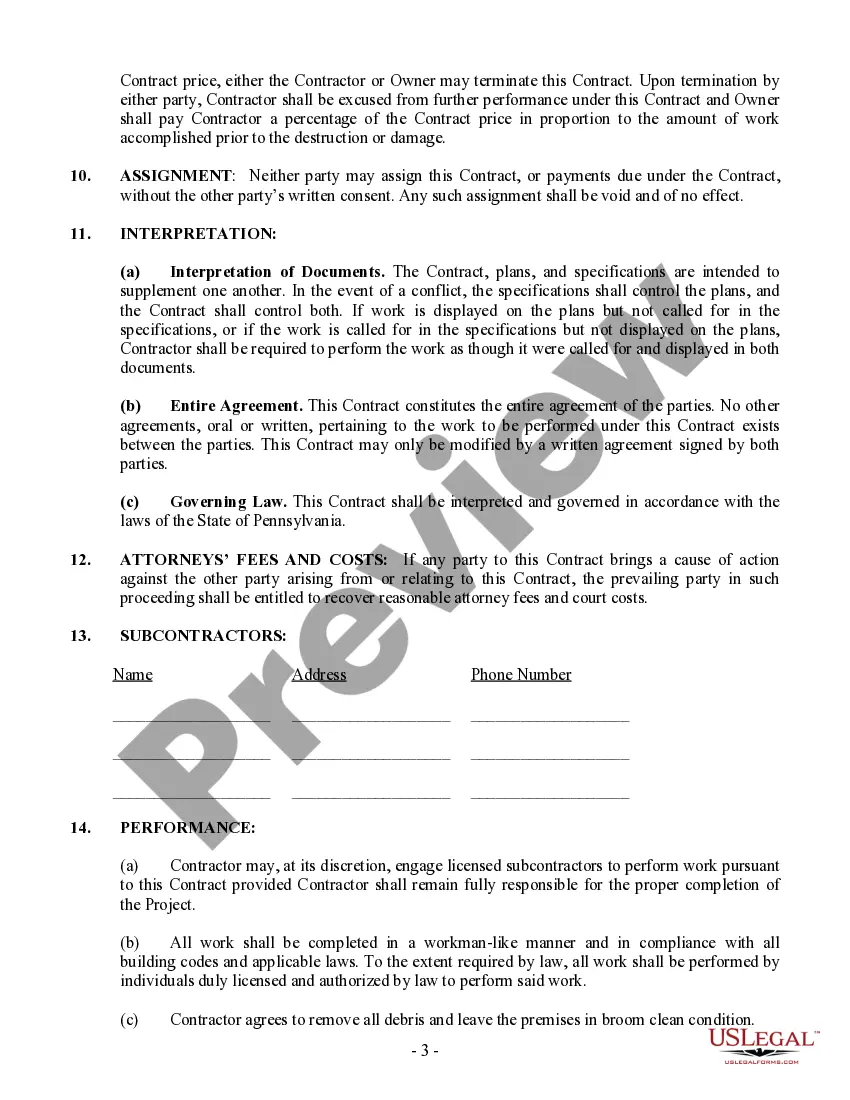
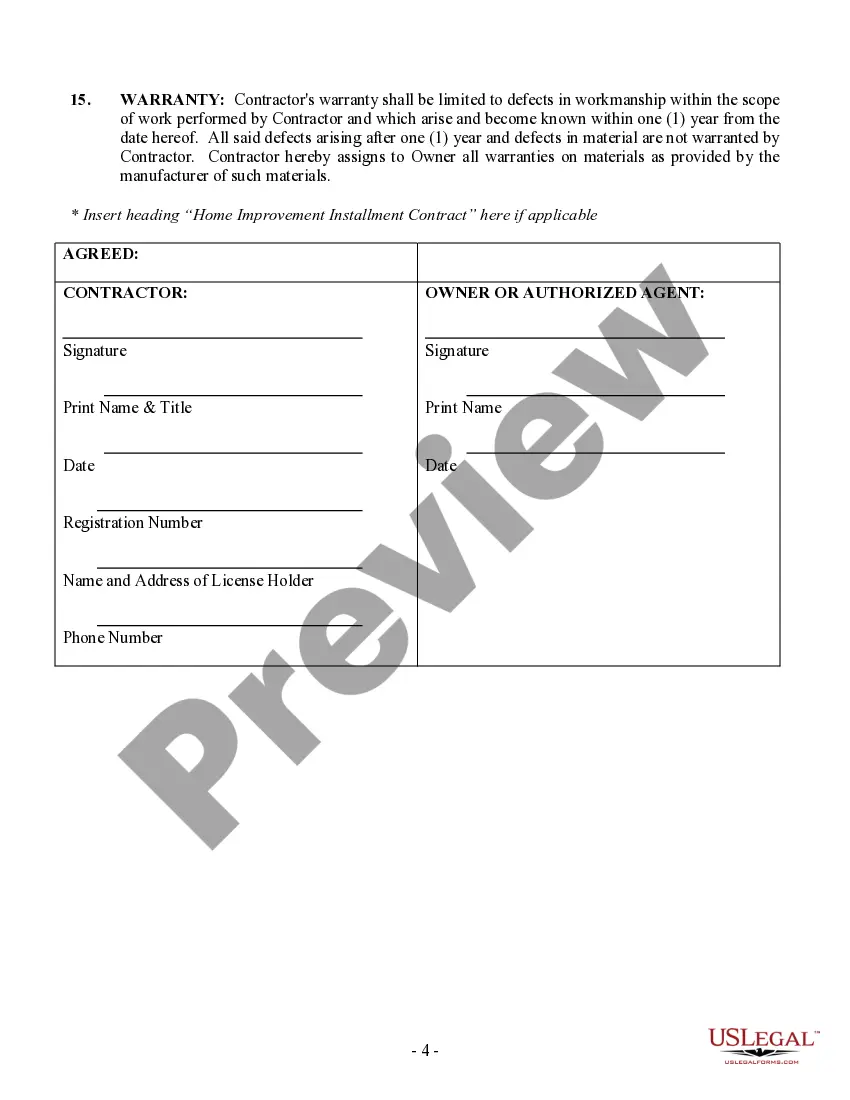
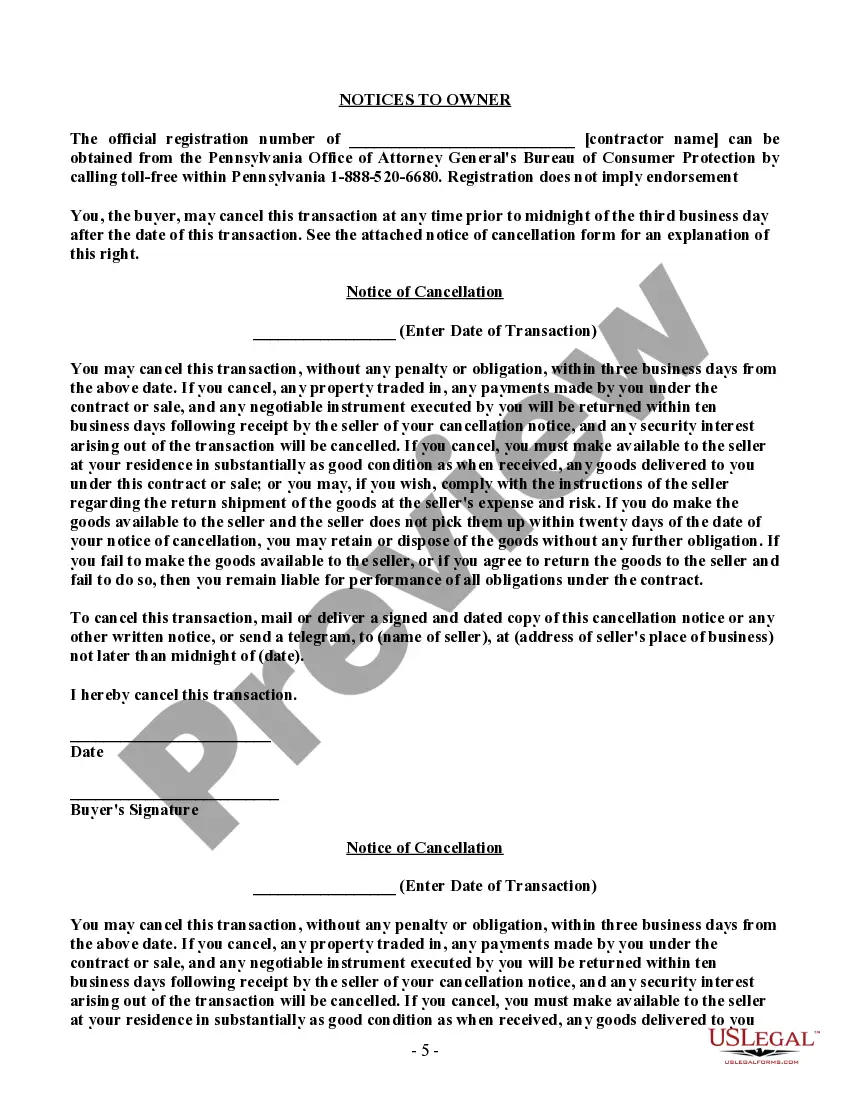
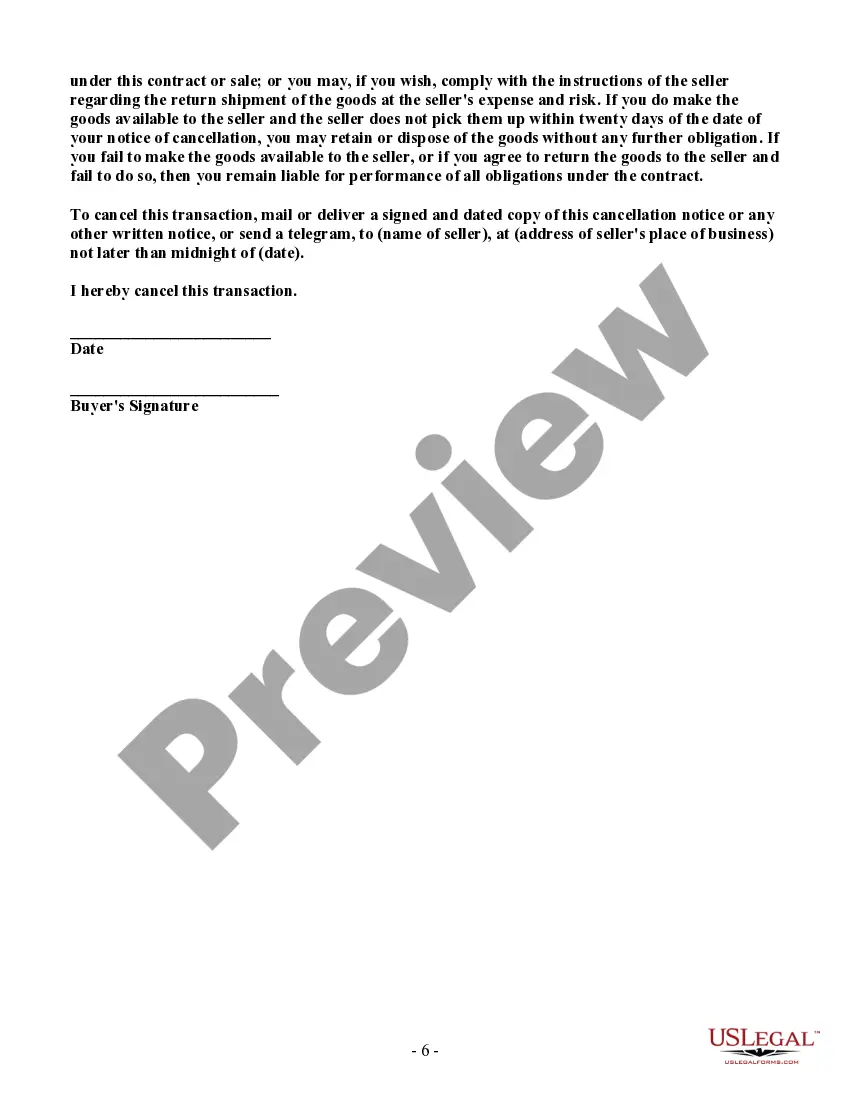
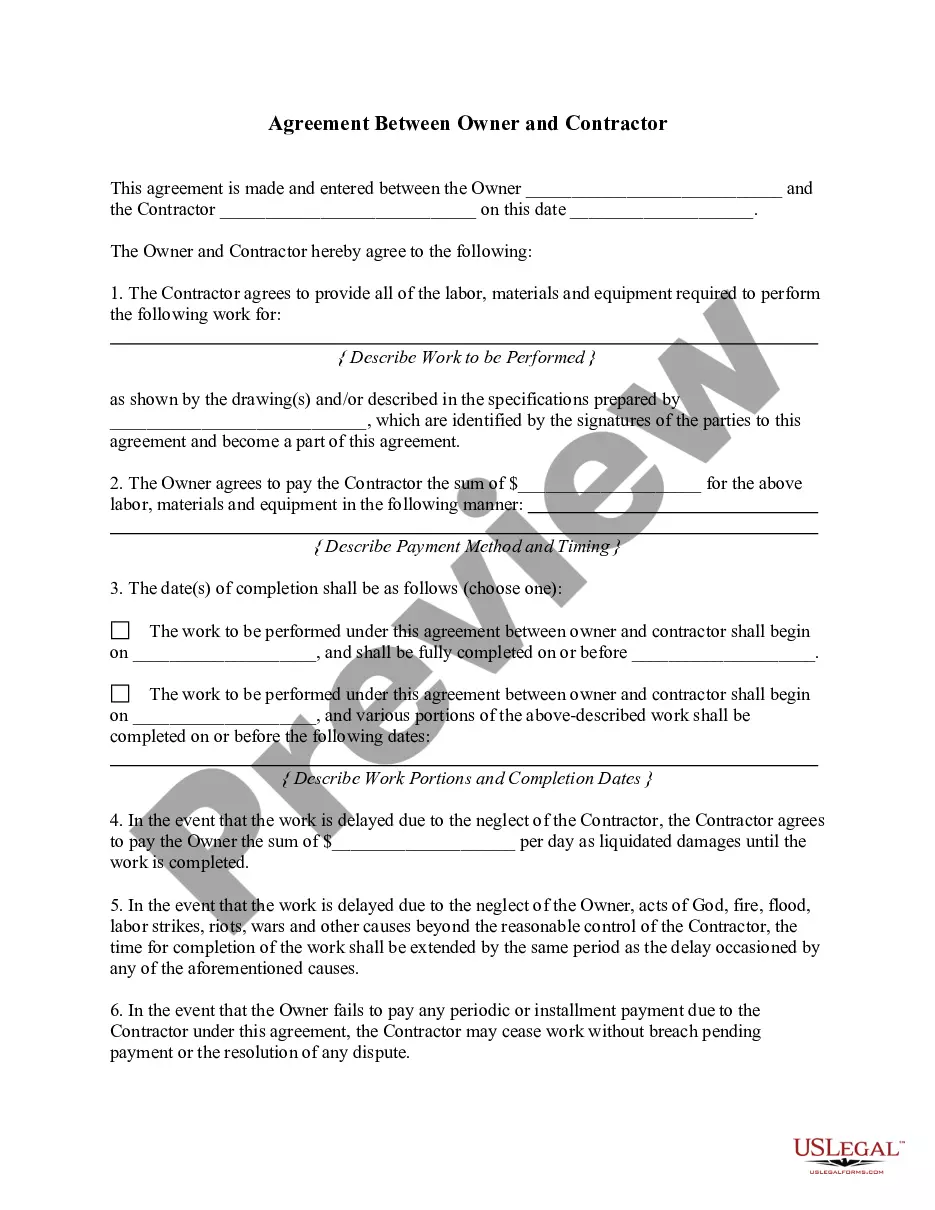
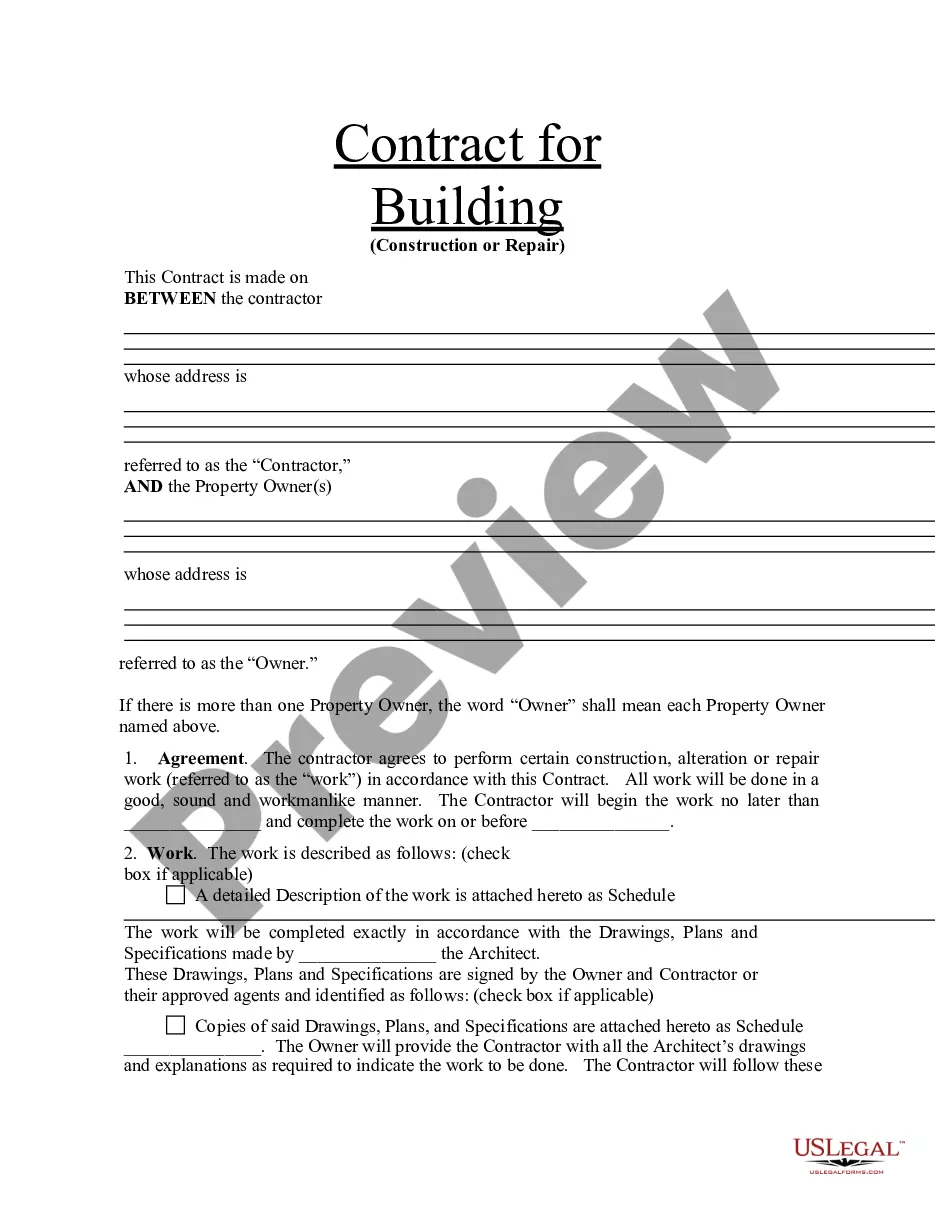
The Refrigeration Contract for Contractor is a legal document designed for use between refrigeration contractors and property owners in Pennsylvania. This contract establishes the terms of engagement, including payment arrangements, scope of work, and contractor responsibilities, making it essential for formalizing refrigeration services. It ensures clarity on the responsibilities of both parties while providing protection for both the contractor and the property owner.
What’s included in this form
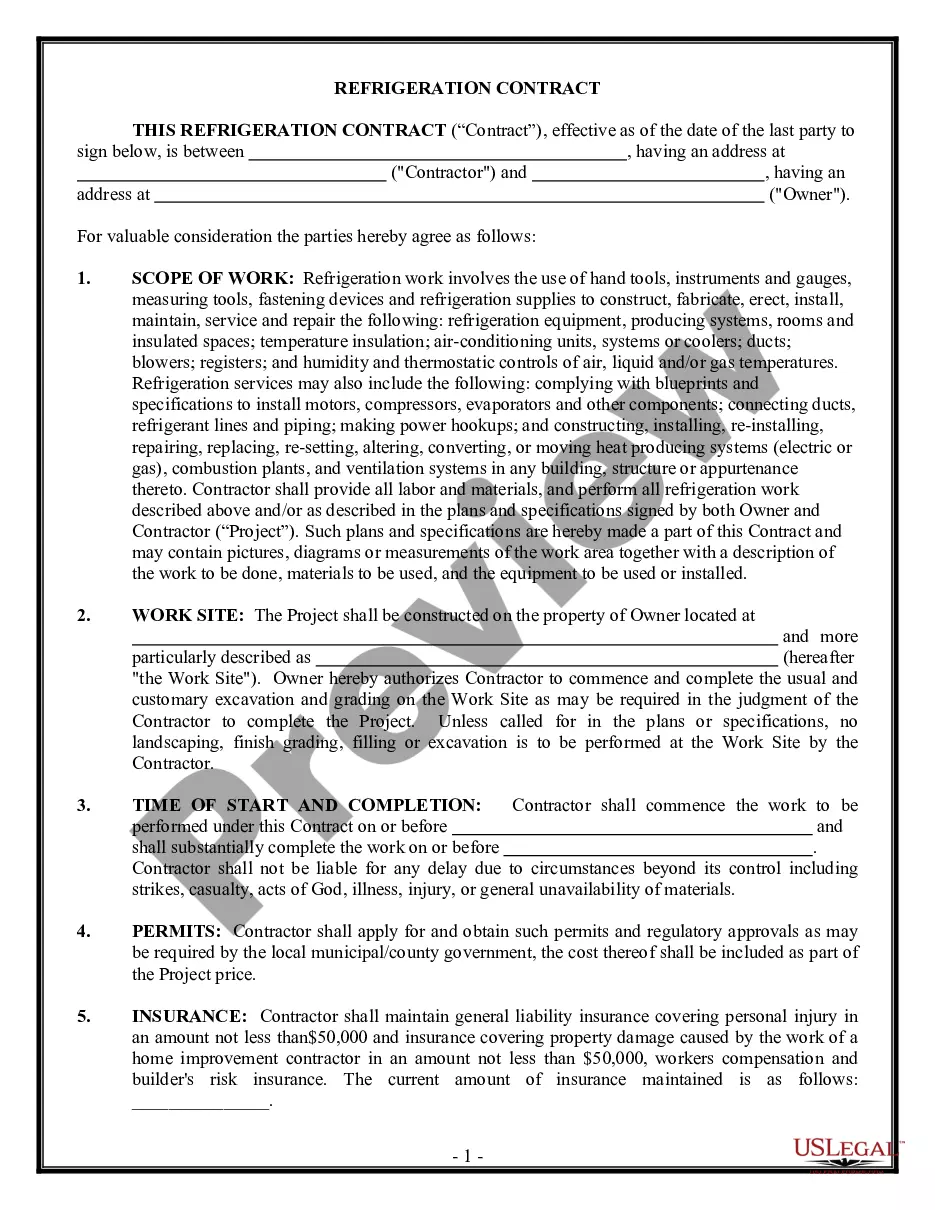
- Work site information: Specifies the project location.
- Permits: Outlines responsibility for obtaining necessary permits.
- Insurance: Details required insurance coverage for the contractor.
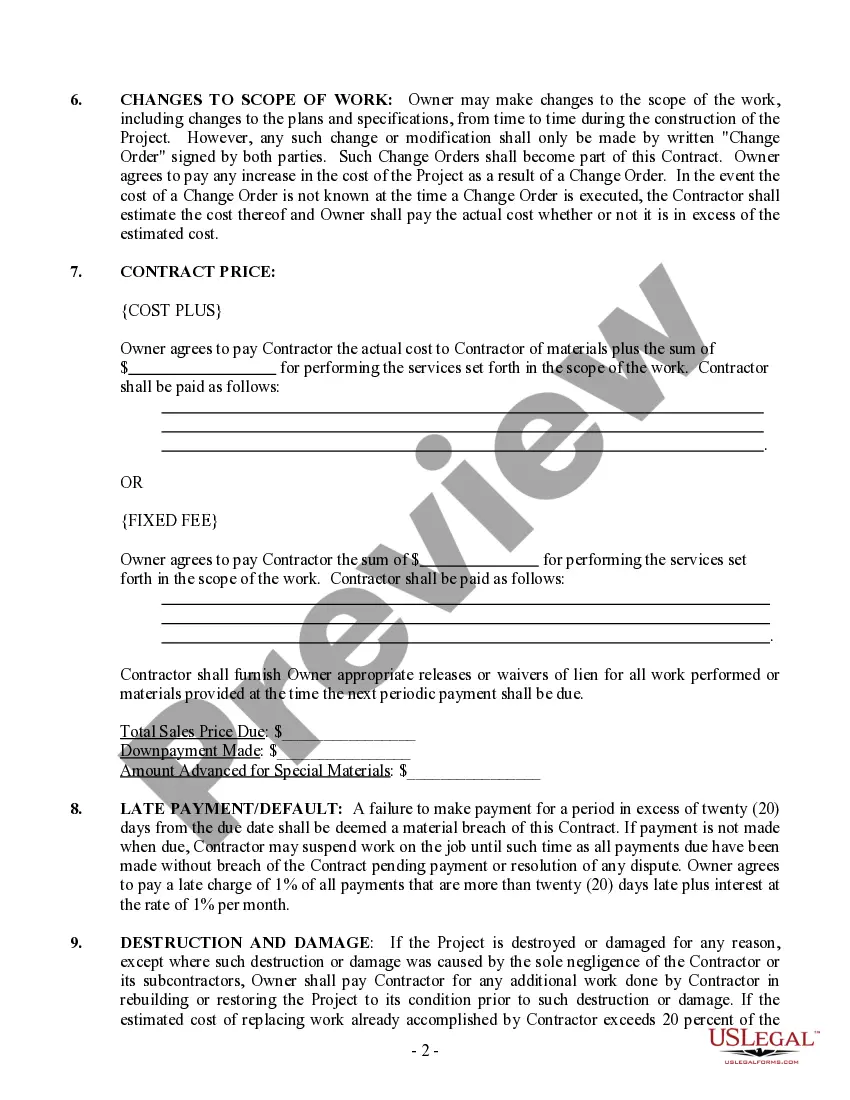
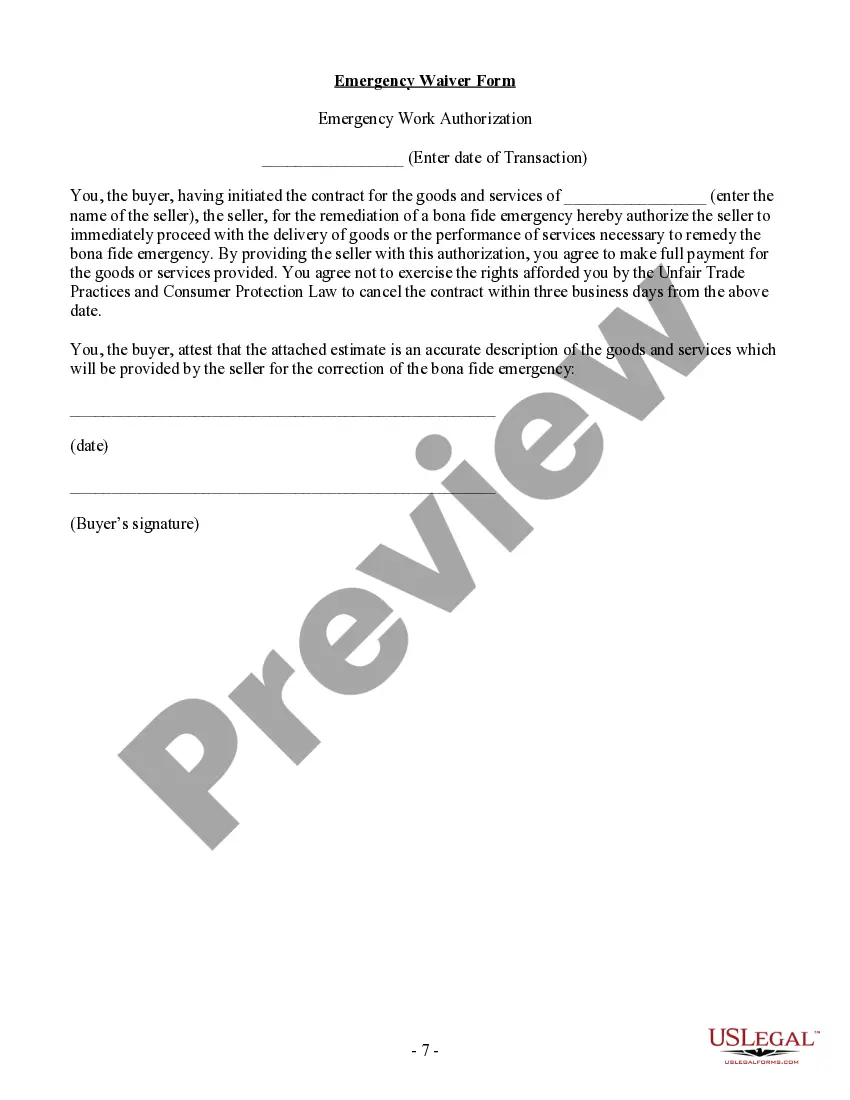
- Changes to scope of work: Allows for changes through written change orders.
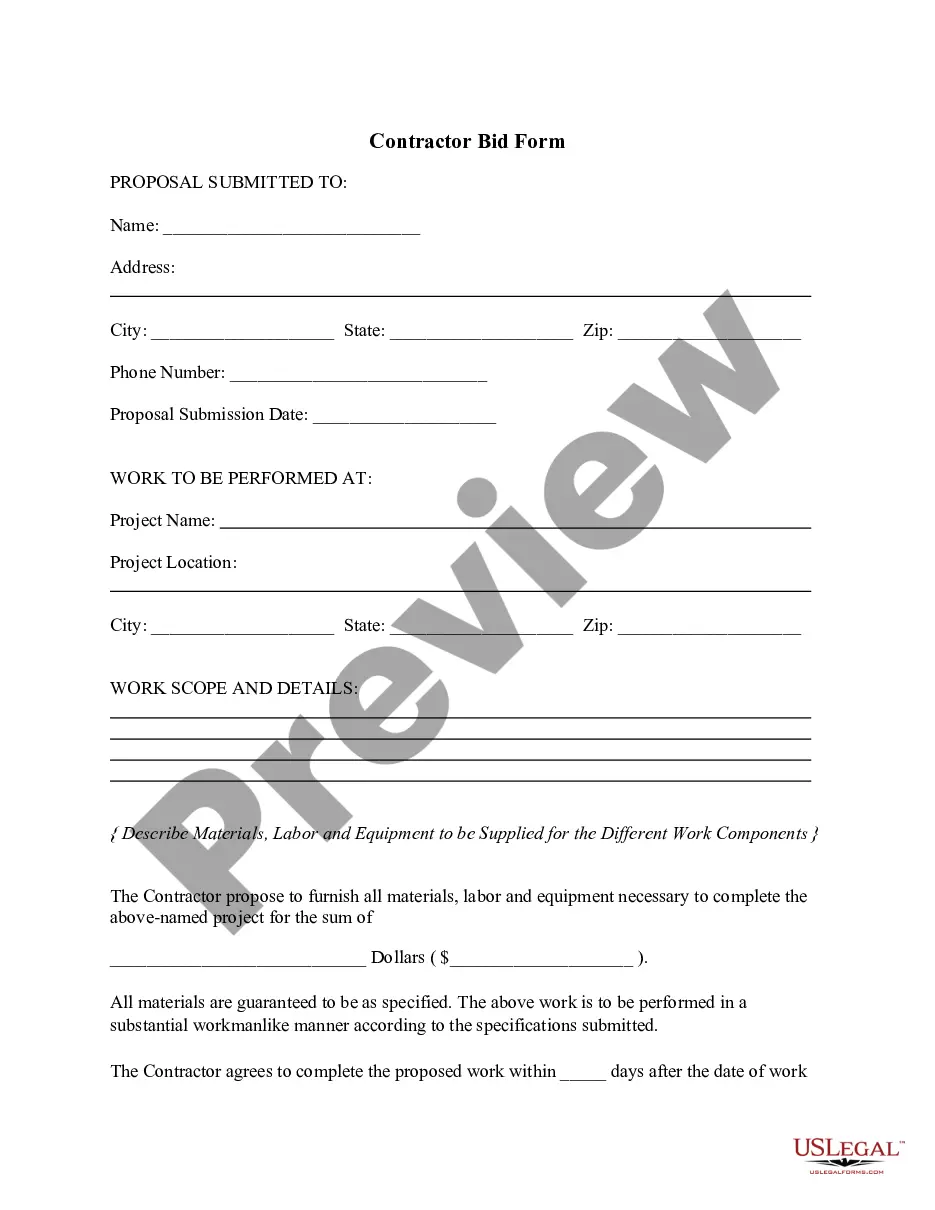
- Contract price options: Outlines payment structures, including cost plus and fixed fee.
- Late payment/default provisions: Defines consequences for late payments.
- Warranty details: Specifies warranty limits and conditions.

When this form is needed
This contract is necessary when a property owner wants to engage a refrigeration contractor for installation, repair, or maintenance services. It is particularly useful when there is an agreement on either a cost-plus or fixed-fee payment structure, ensuring that all parties understand their rights and obligations throughout the project.
Who can use this document
- Property owners who require refrigeration services.
- Refrigeration contractors looking to establish a formal agreement.
- Individuals or businesses in Pennsylvania seeking clear contractual terms.
Steps to complete this form
- Identify the parties: Fill in the names and addresses of the contractor and property owner.
- Specify the property: Clearly state the location of the work site.
- Detail payment arrangements: Choose the payment structure and enter agreed amounts.
- Signatures: Ensure both parties sign and date the contract to make it legally binding.
- Complete all necessary fields: Fill out any additional required information, such as insurance details.
Does this form need to be notarized?
Notarization is generally not required for this form. However, certain states or situations might demand it. You can complete notarization online through US Legal Forms, powered by Notarize, using a verified video call available anytime.
Get your form ready online
Our built-in tools help you complete, sign, share, and store your documents in one place.
Make edits, fill in missing information, and update formatting in US Legal Forms—just like you would in MS Word.
Download a copy, print it, send it by email, or mail it via USPS—whatever works best for your next step.
Sign and collect signatures with our SignNow integration. Send to multiple recipients, set reminders, and more. Go Premium to unlock E-Sign.
If this form requires notarization, complete it online through a secure video call—no need to meet a notary in person or wait for an appointment.
We protect your documents and personal data by following strict security and privacy standards.

Make edits, fill in missing information, and update formatting in US Legal Forms—just like you would in MS Word.

Download a copy, print it, send it by email, or mail it via USPS—whatever works best for your next step.

Sign and collect signatures with our SignNow integration. Send to multiple recipients, set reminders, and more. Go Premium to unlock E-Sign.

If this form requires notarization, complete it online through a secure video call—no need to meet a notary in person or wait for an appointment.

We protect your documents and personal data by following strict security and privacy standards.
Common mistakes
- Failing to specify the work site location.
- Not including all necessary permits in the contract terms.
- Omitting signatures from one or both parties, which can render the contract unenforceable.
- Ignoring the warranty period and conditions.
Why complete this form online
- Convenience: Easily accessible and downloadable from anywhere.
- Editability: Customize the form to fit specific project requirements.
- Time-saving: Quickly complete and print without needing to start from scratch.
- Legally reliable: Form drafted by licensed attorneys, ensuring enforceability.
Legal use & context
- This contract serves as a legally binding agreement, outlining obligations and rights for both the contractor and the property owner.
- Enforceability of terms is supported by compliance with local laws in Pennsylvania.
- Document provides recourse in case of disputes over payment or work quality.
Main things to remember
- The Refrigeration Contract for Contractor is essential for formalizing agreements between refrigeration contractors and property owners.
- Clear, detailed agreements can mitigate disputes and provide legal protection.
- Utilizing this form helps ensure compliance with Pennsylvania's specific legal requirements.
Looking for another form?


Form popularity
FAQ
If the contractor requests a large sum of money before work has begun, Mozen says you should ask specifically what types of work or materials those payments are covering.Contractors sometimes have other motives, other than purchasing materials, when they ask for large amounts of money in advance, Fowler says.
Full name; Date of birth; Home address and telephone number; Copy of driver's license or state-issued ID Card; Social Security Number;
Fortunately, Pennsylvania does a fairly good job of providing options to resolve your contractor dispute. Your first and least expensive option is to make a formal complaint to the Pennsylvania Attorney General's office. If you go to the website attorneygeneral.gov there is an option to File a Complaint.
Estimates, generally, must be professionally reasonable. A 10-20% overage might be considered reasonable, especially if the contractor discovered issues along the way that he couldn't have been aware of initially (for example, mold or flooding).
A: It's not uncommon for contractors to ask for a down payment up front to secure your spot on their schedule or purchase some of the job materials in advance. Asking for more than half of the project cost up front, though, is a big red flag.I recommend tying payments to progress made during the job.
Contractors can legally only ask for 1/3 of the contract price up front. It's considered fraud if a substantial portion of the work is not performed in the time requested, or more than 45 days go by without work being done.
Renovation. Repairing. Removal. Demolition. Remodeling. Replacement. Installation. Conversion.
In California, the state limits advance payment at the time of contract signing to 10% of the total estimated job cost or $1,000, whichever amount is lower! All payments thereafter are supposed to be made for work performed or for materials delivered to the job site.
Pennsylvania. You do not need a state license to work as a handyman in Pennsylvania. However, if you do more than $5,000 worth of home improvement work per year, you must register with the Attorney General's Office.