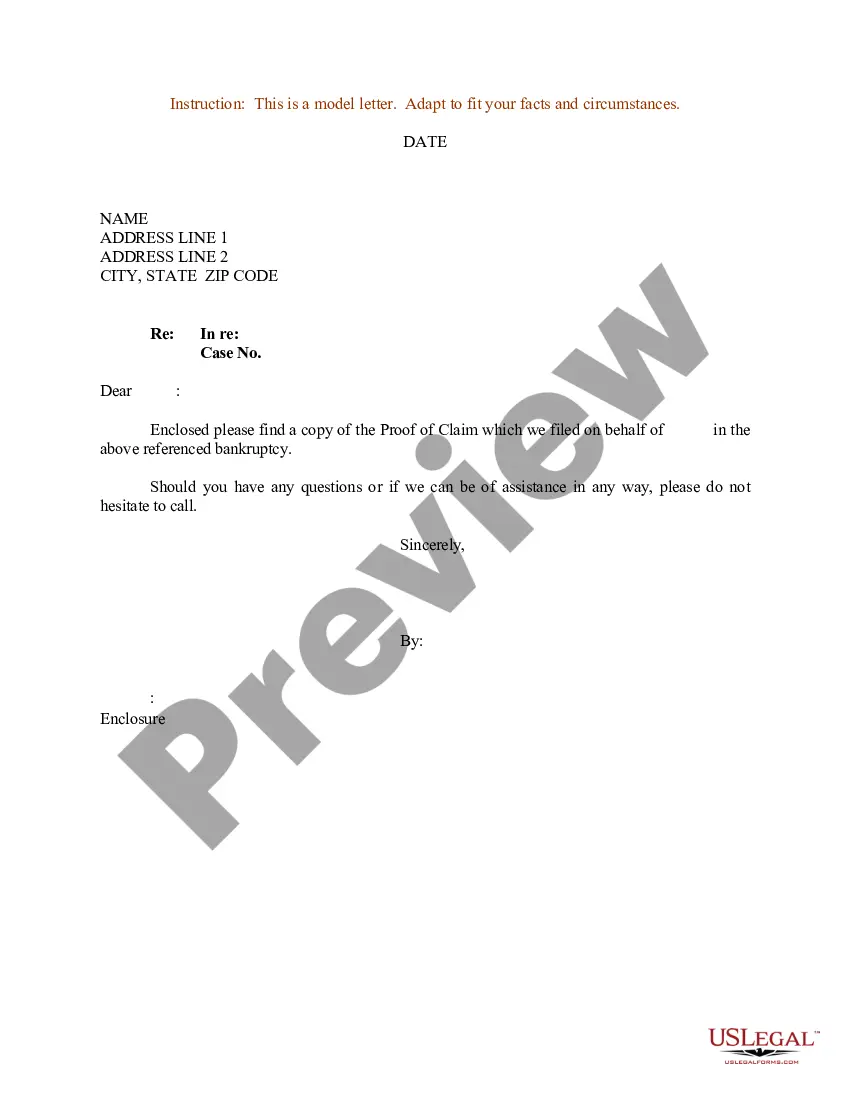
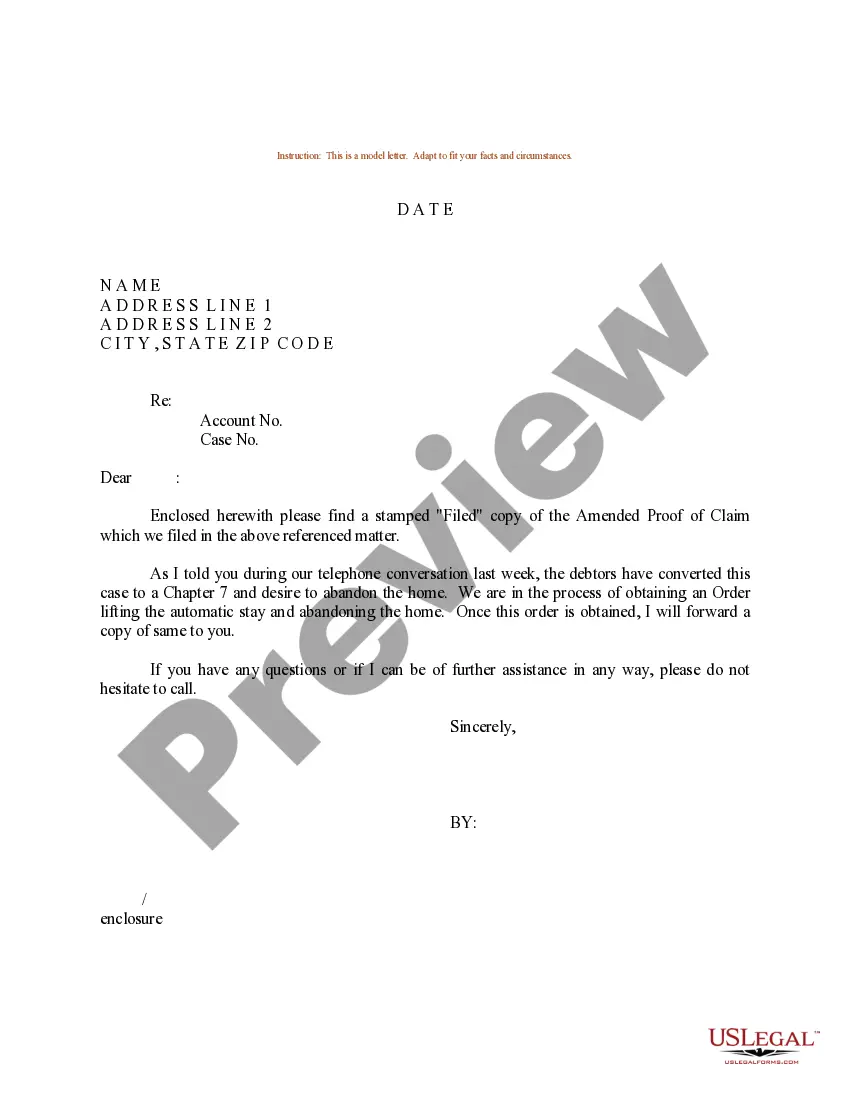
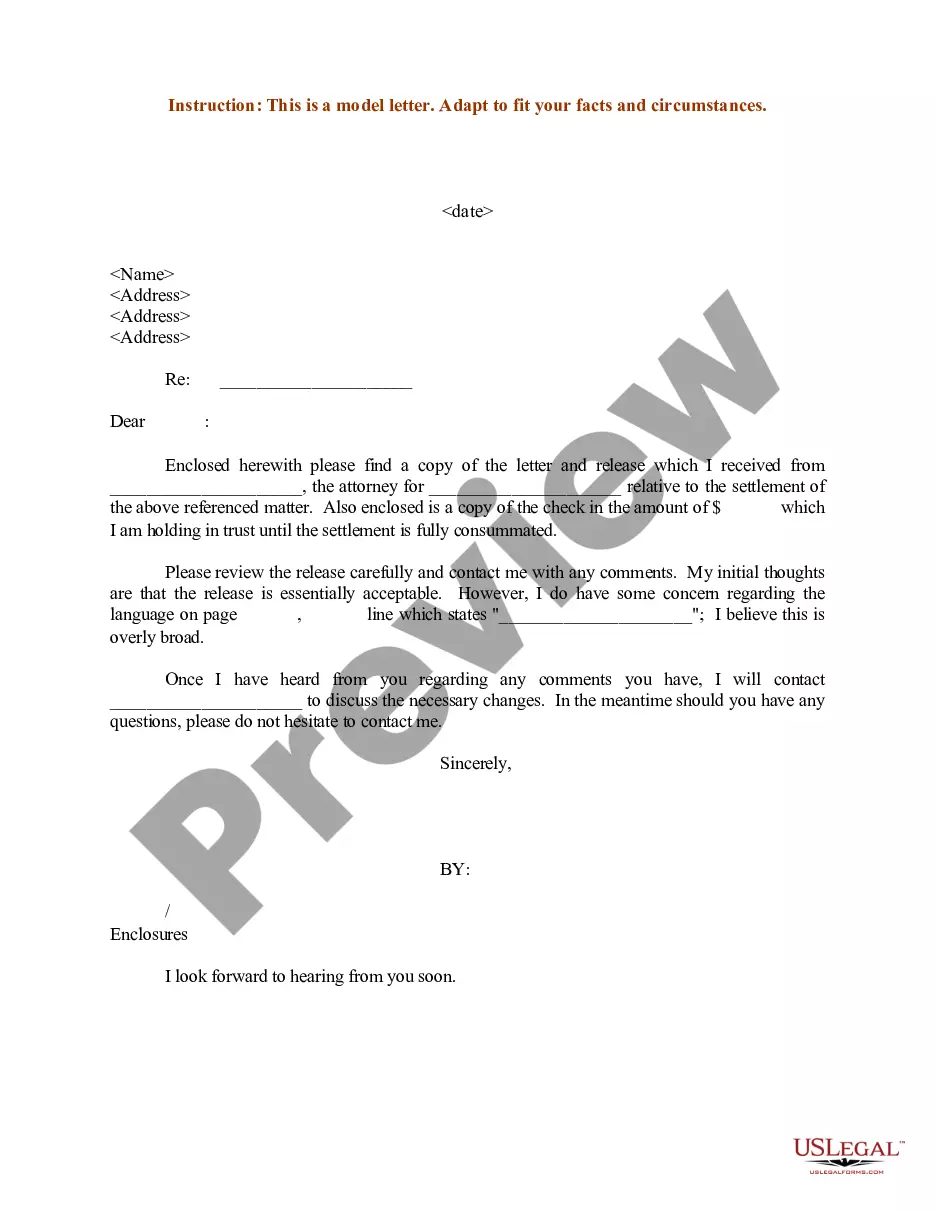
Oregon Sample Letter regarding Proof of Claim
Description
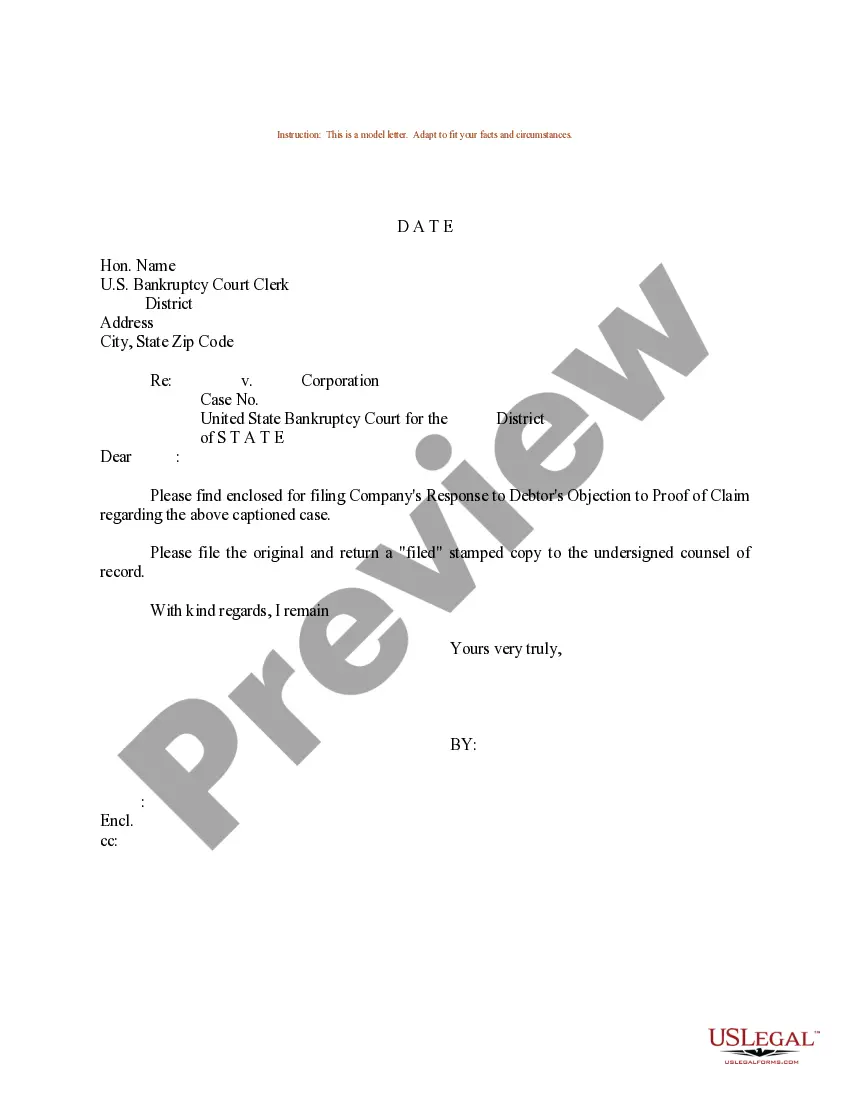
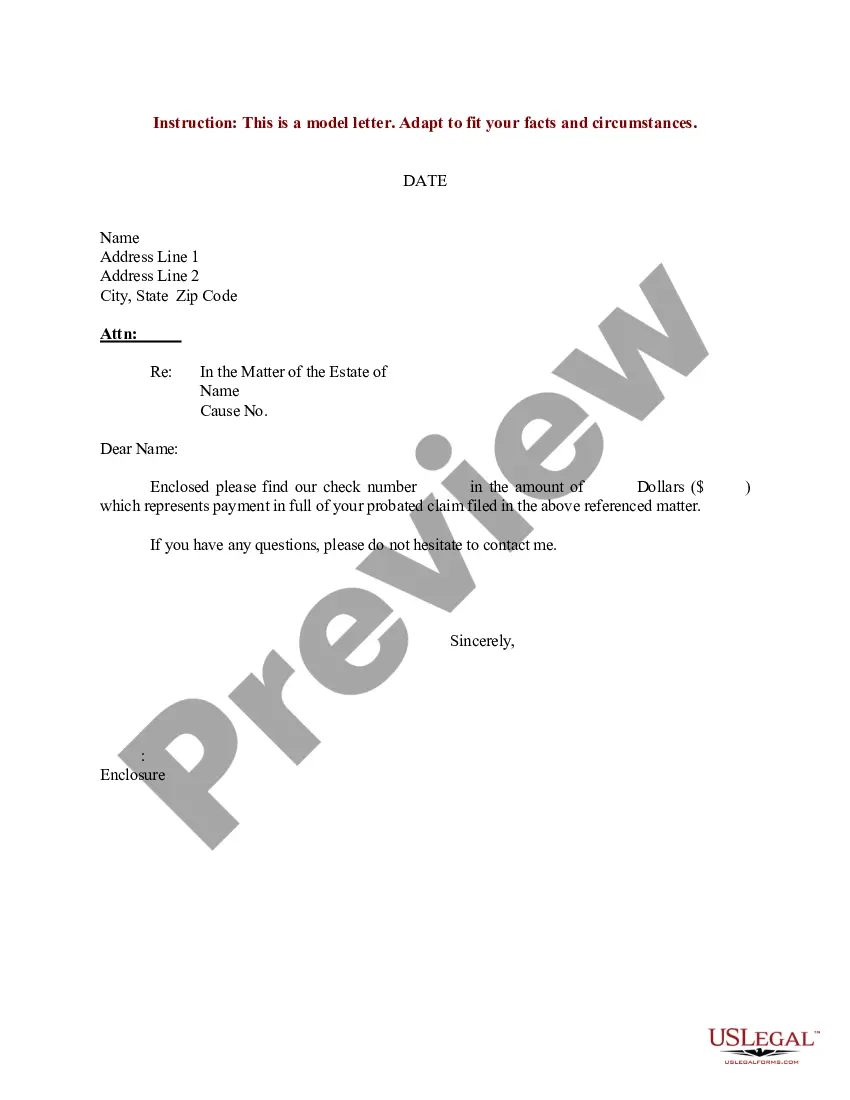
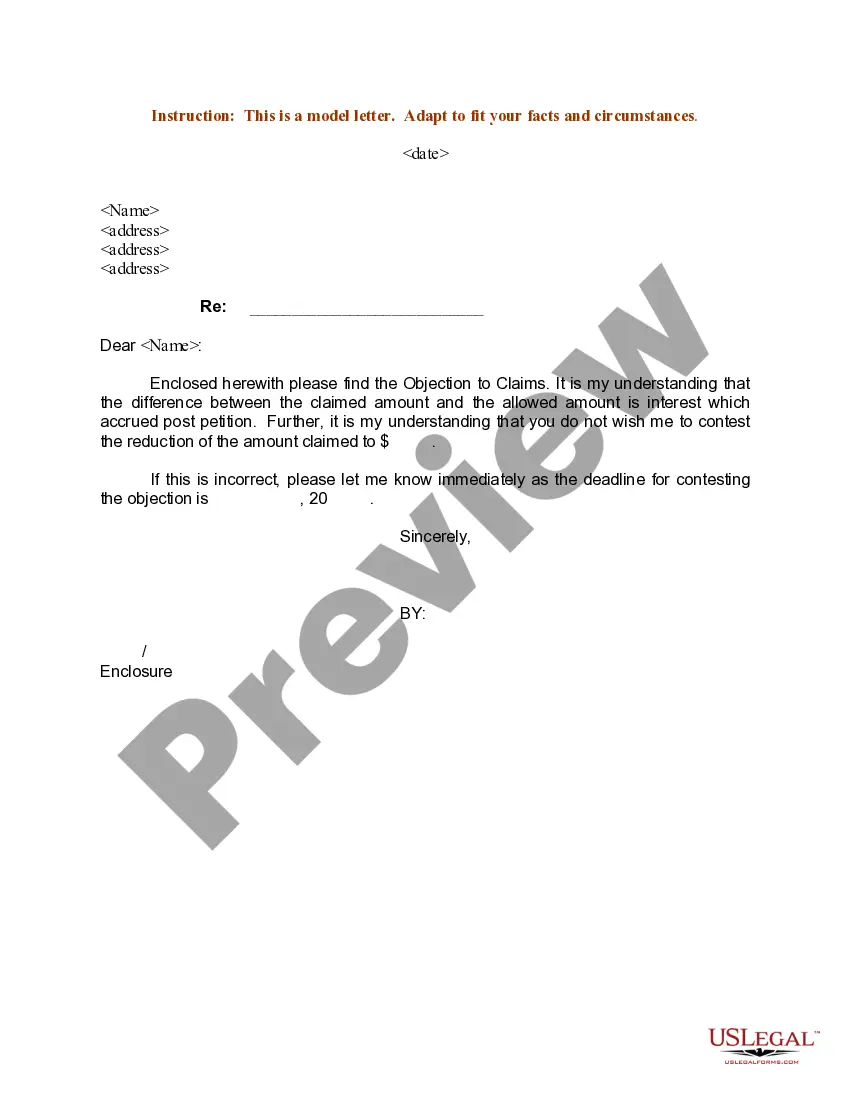
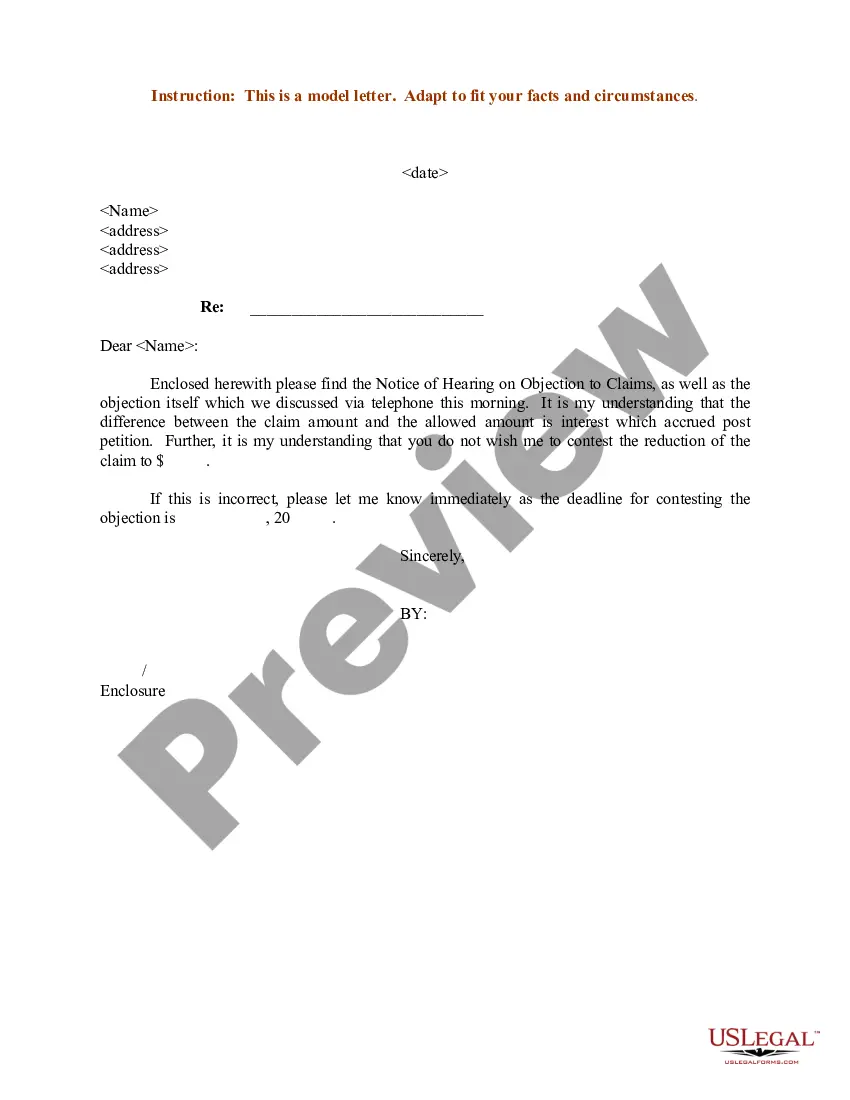
Get your form ready online
Our built-in tools help you complete, sign, share, and store your documents in one place.
Make edits, fill in missing information, and update formatting in US Legal Forms—just like you would in MS Word.
Download a copy, print it, send it by email, or mail it via USPS—whatever works best for your next step.
Sign and collect signatures with our SignNow integration. Send to multiple recipients, set reminders, and more. Go Premium to unlock E-Sign.
If this form requires notarization, complete it online through a secure video call—no need to meet a notary in person or wait for an appointment.
We protect your documents and personal data by following strict security and privacy standards.

Make edits, fill in missing information, and update formatting in US Legal Forms—just like you would in MS Word.

Download a copy, print it, send it by email, or mail it via USPS—whatever works best for your next step.

Sign and collect signatures with our SignNow integration. Send to multiple recipients, set reminders, and more. Go Premium to unlock E-Sign.

If this form requires notarization, complete it online through a secure video call—no need to meet a notary in person or wait for an appointment.

We protect your documents and personal data by following strict security and privacy standards.
Looking for another form?



How to fill out Sample Letter Regarding Proof Of Claim?
Are you currently in a situation where you need documents for both business or personal purposes almost every day.
There are many legal document templates available online, but finding ones you can trust isn't simple.
US Legal Forms offers a vast collection of form templates, such as the Oregon Sample Letter for Proof of Claim, that are designed to meet state and federal requirements.
Utilize US Legal Forms, the most extensive collection of legal forms, to save time and avoid mistakes.
The service provides professionally created legal document templates that you can use for a variety of purposes. Create an account on US Legal Forms and start making your life a bit easier.
- If you are already familiar with the US Legal Forms website and have an account, simply Log In.
- Then, you can download the Oregon Sample Letter for Proof of Claim template.
- If you do not have an account and wish to start using US Legal Forms, follow these steps.
- Find the form you need and ensure it is for the correct city/state.
- Use the Review button to examine the form.
- Check the description to confirm that you have selected the correct form.
- If the form isn't what you're looking for, use the Lookup field to find the form that suits your needs and requirements.
- Once you find the correct form, click on Acquire now.
- Choose the pricing plan you want, fill out the necessary information to create your account, and purchase the order using your PayPal or credit card.
- Select a convenient file format and download your copy.
- Find all the document templates you have purchased in the My documents list. You can download another copy of the Oregon Sample Letter for Proof of Claim anytime, if needed. Just click the desired form to download or print the document template.
Form popularity
FAQ
Some of the more common reasons to object to a proof of claim include: The creditor fails to attach sufficient documentation to prove that a debt is owed. The amount of the claim is incorrect. The claim isn't the debtor's debt.
Proof of claim: A form that shows the amount of debt the. debtor owed to a creditor on the date of the bankruptcy filing. The form must be filed in the district where the case is pending. Redaction of information: Masking, editing out, or deleting. certain information to protect privacy.
A proof of claim is a written statement setting forth a creditor's claim. A proof of claim shall conform substantially to the appropriate Official Form. (b) Who May Execute. A proof of claim shall be executed by the creditor or the creditor's authorized agent except as provided in Rules 3004 and 3005.
The addendum should set forth the pertinent background facts of the relationship between the debtor(s) and the creditor, and the manner in which the creditor believes that the claim arose.
A proof of claim is a form used by the creditor to indicate the amount of the debt owed by the debtor on the date of the bankruptcy filing. The creditor must file the form with the clerk of the same bankruptcy court in which the bankruptcy case was filed.
A proof of claim is a form submitted by a creditor in order to receive money from a debtor who has filed for bankruptcy. The document provides notice of the claim to all of the other relevant parties involved in the bankruptcy, including the court, the debtor, and any other creditors.
A Proof of Claim must include any pertinent documentation, such as promissory notes, purchase orders, contracts, invoices, delivery receipts or security agreements. Other documentation might include monthly statements, pay records and ledgers.
An objection to a proof of claim must be in writing and filed with the bankruptcy court. A copy of the objection and the notice of court hearing date must be mailed to the creditor, the trustee, and the debtor at least 30 days before the hearing.