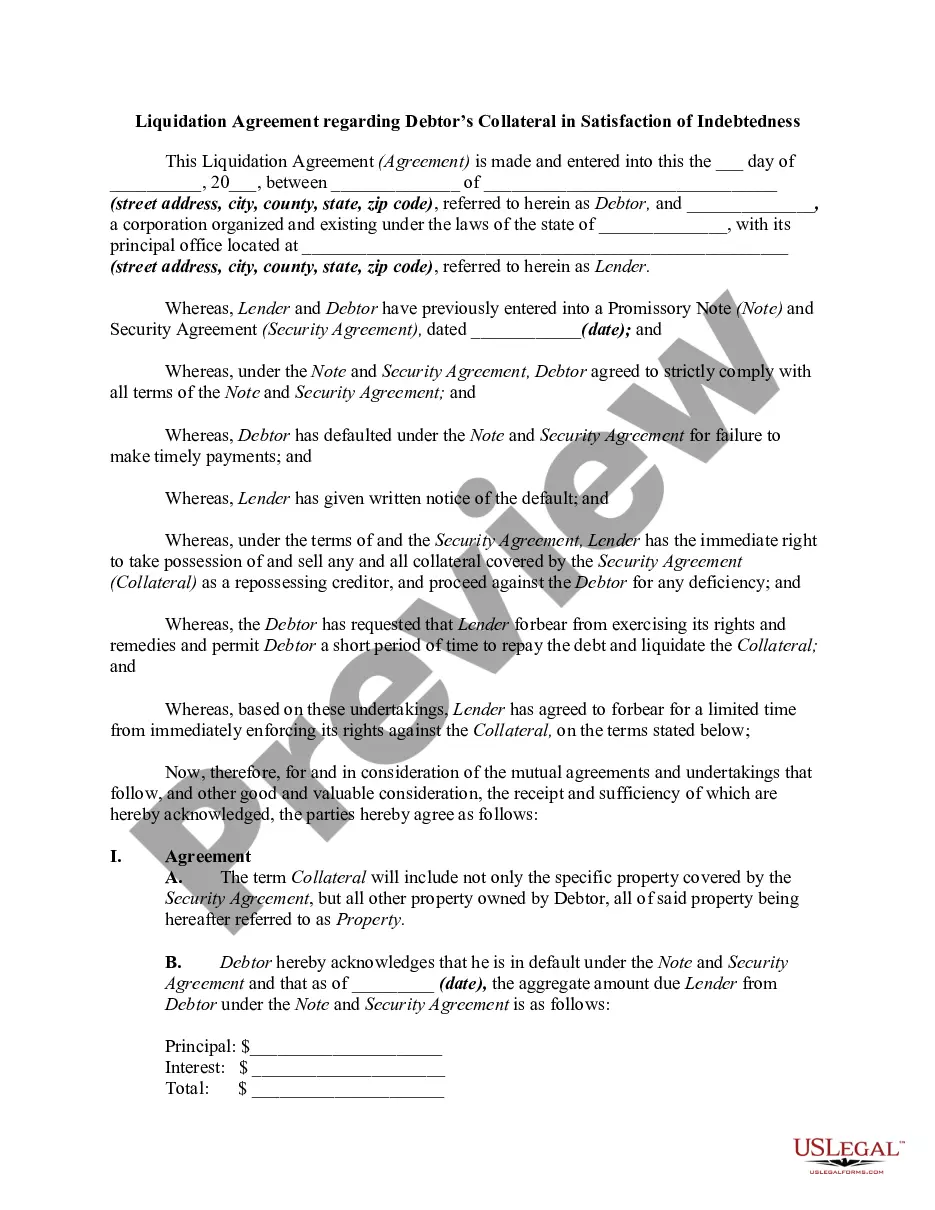
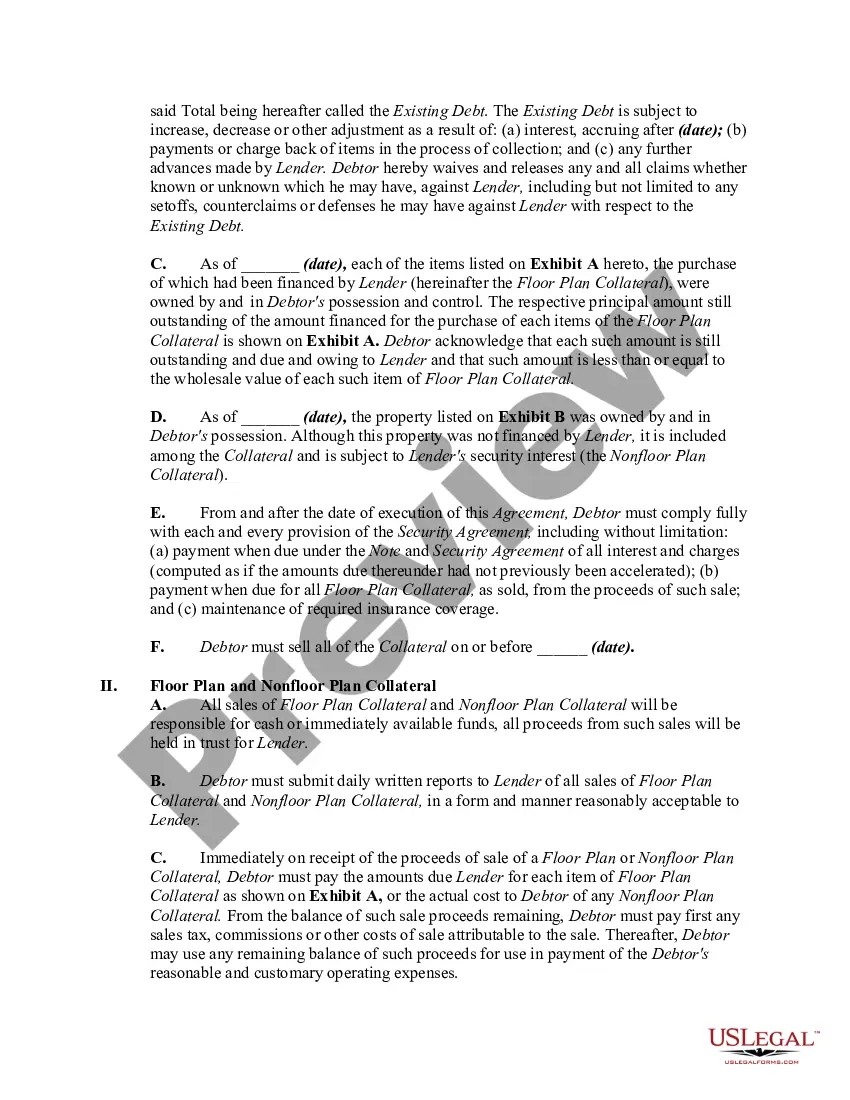
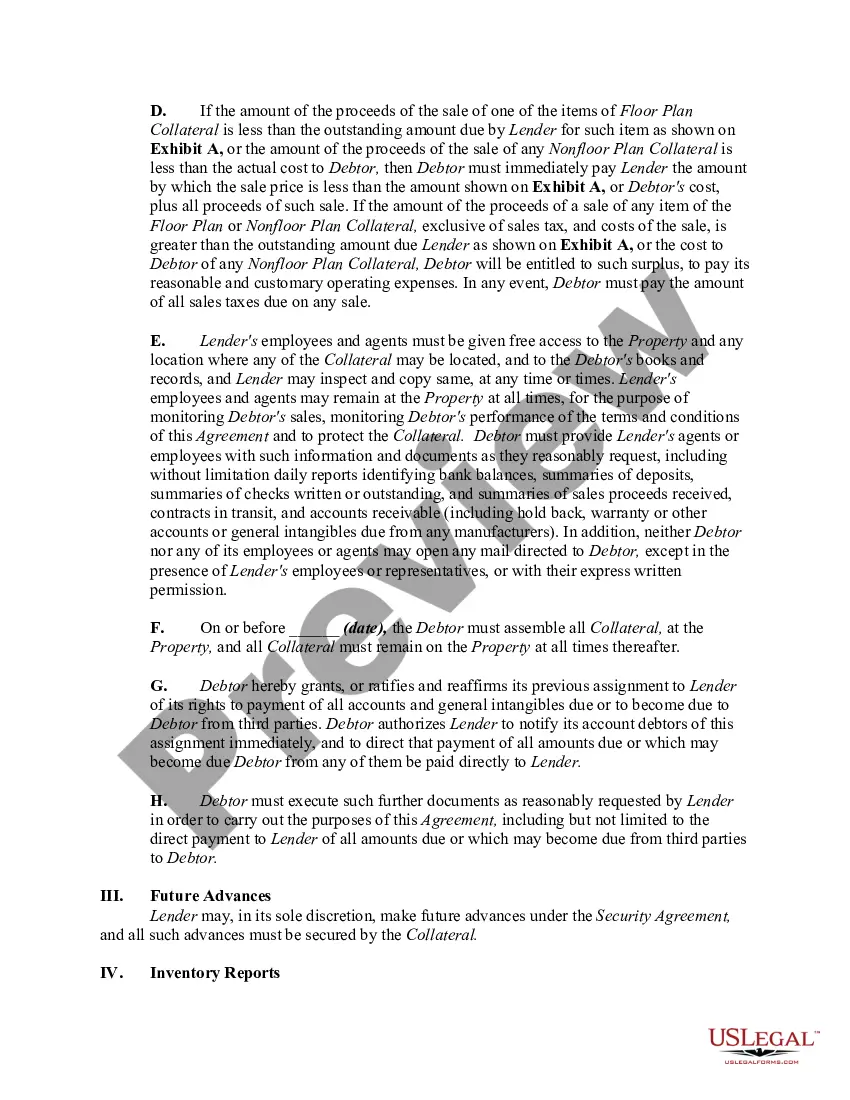
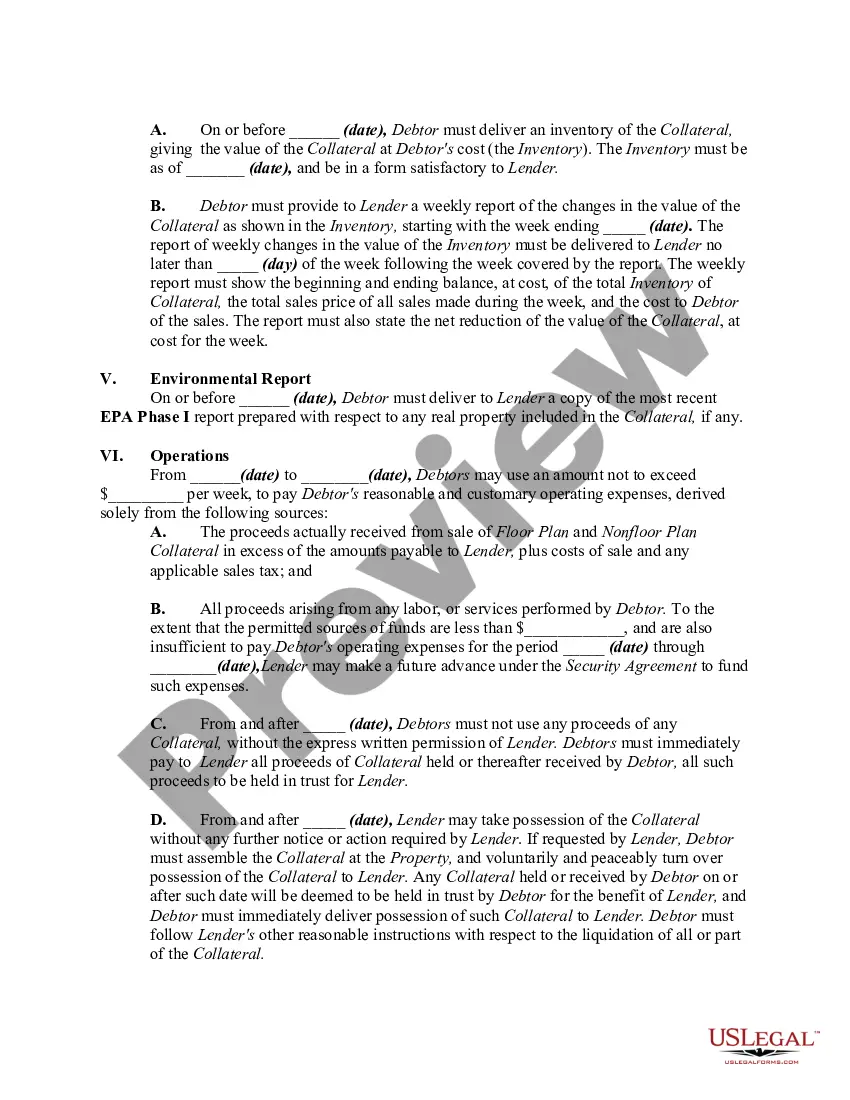
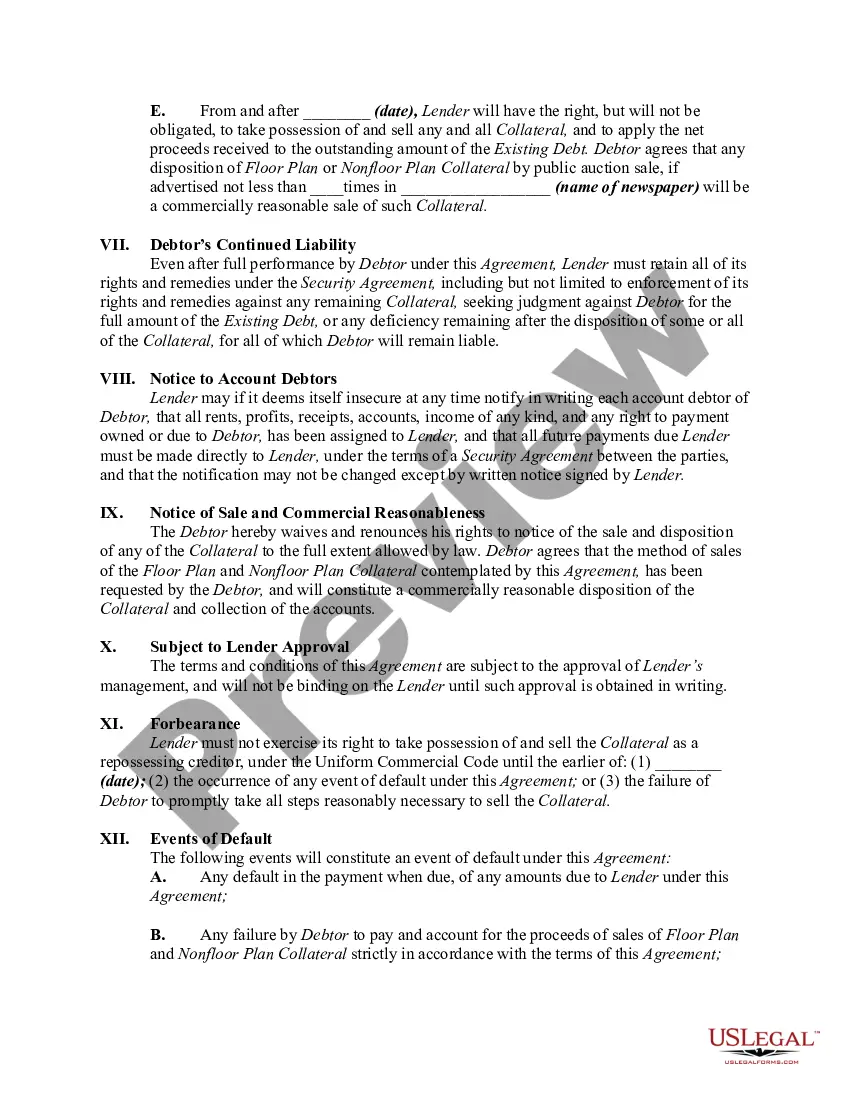
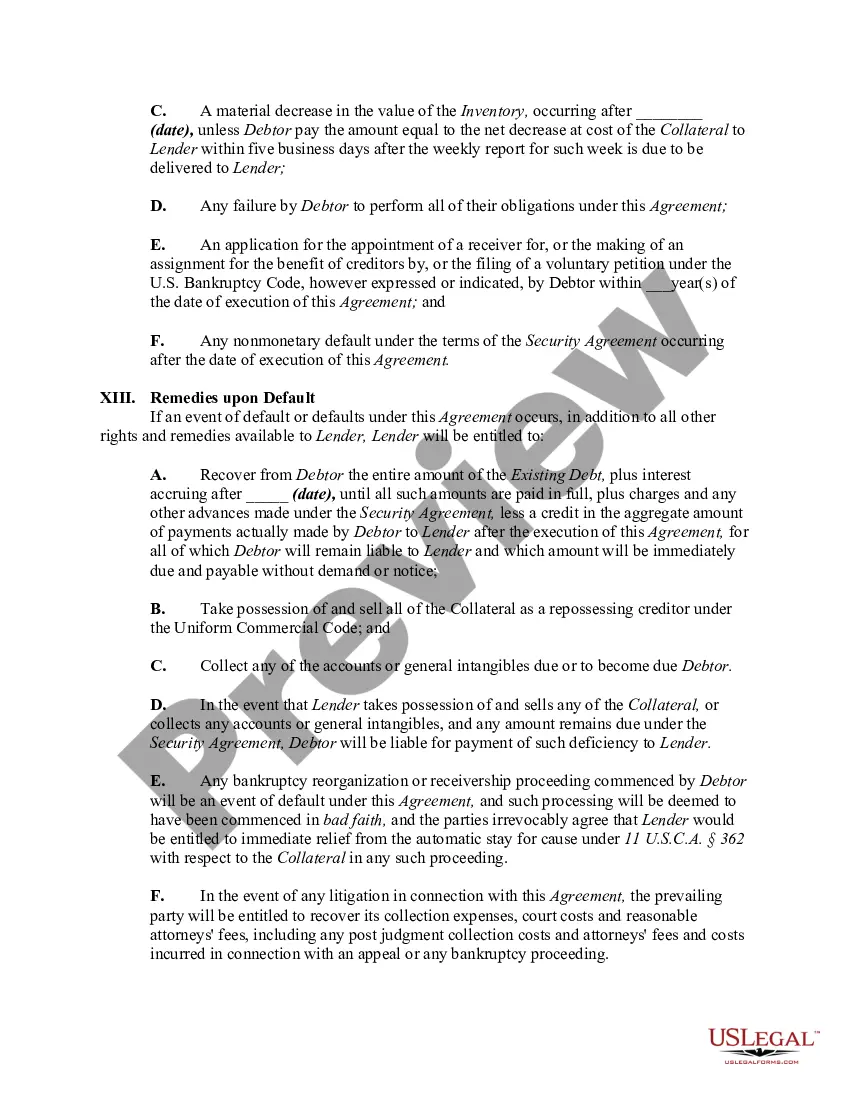
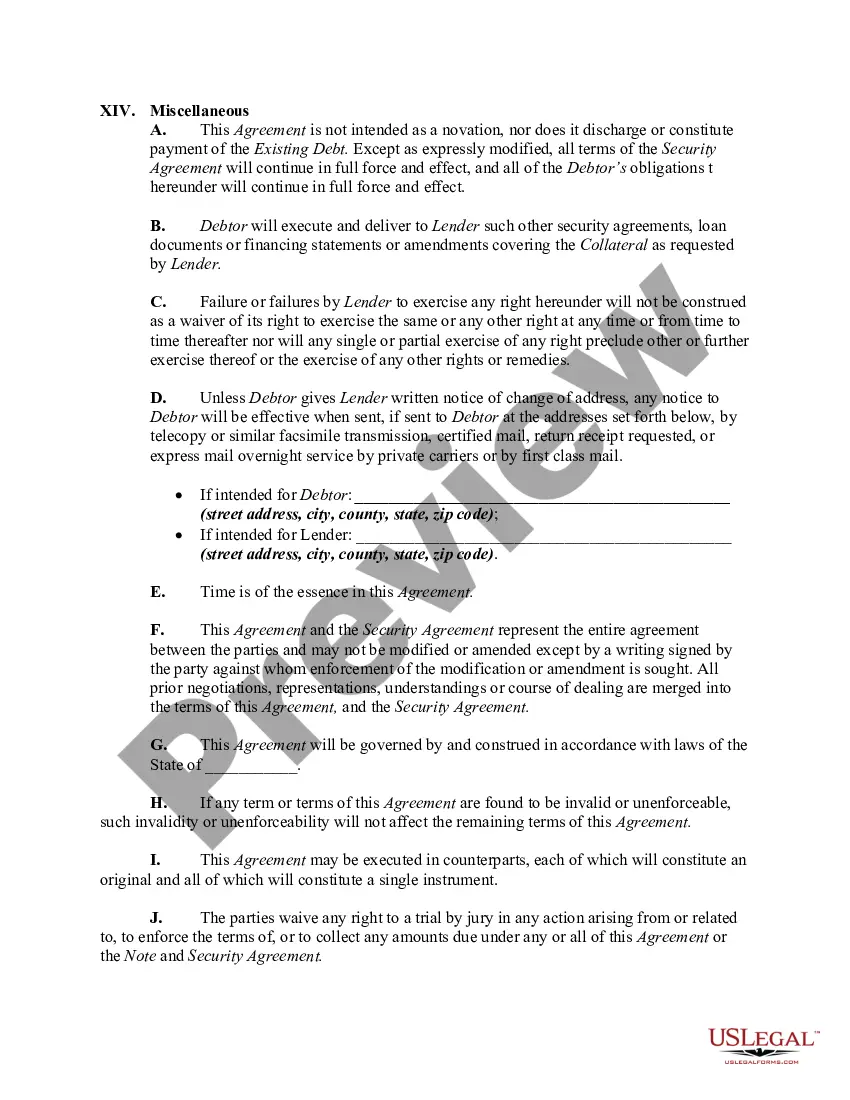
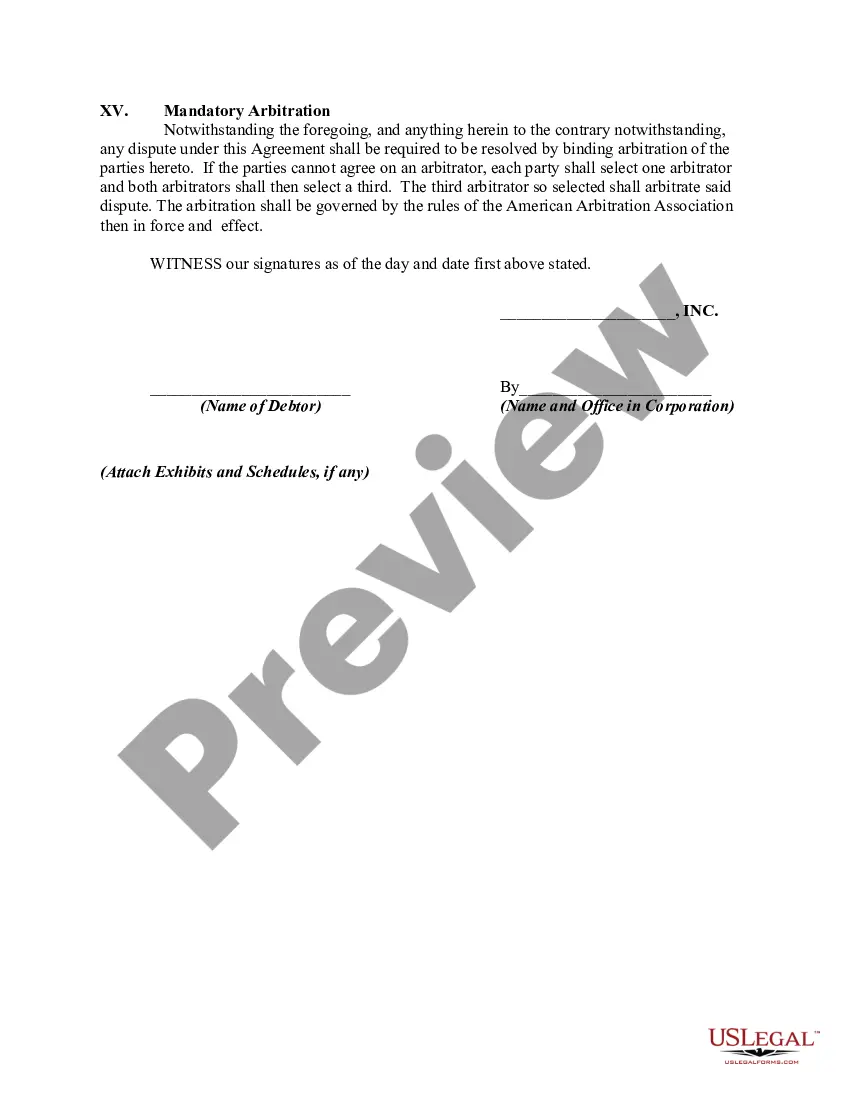
Oregon Liquidation Agreement regarding Debtor's Collateral in Satisfaction of Indebtedness
Description
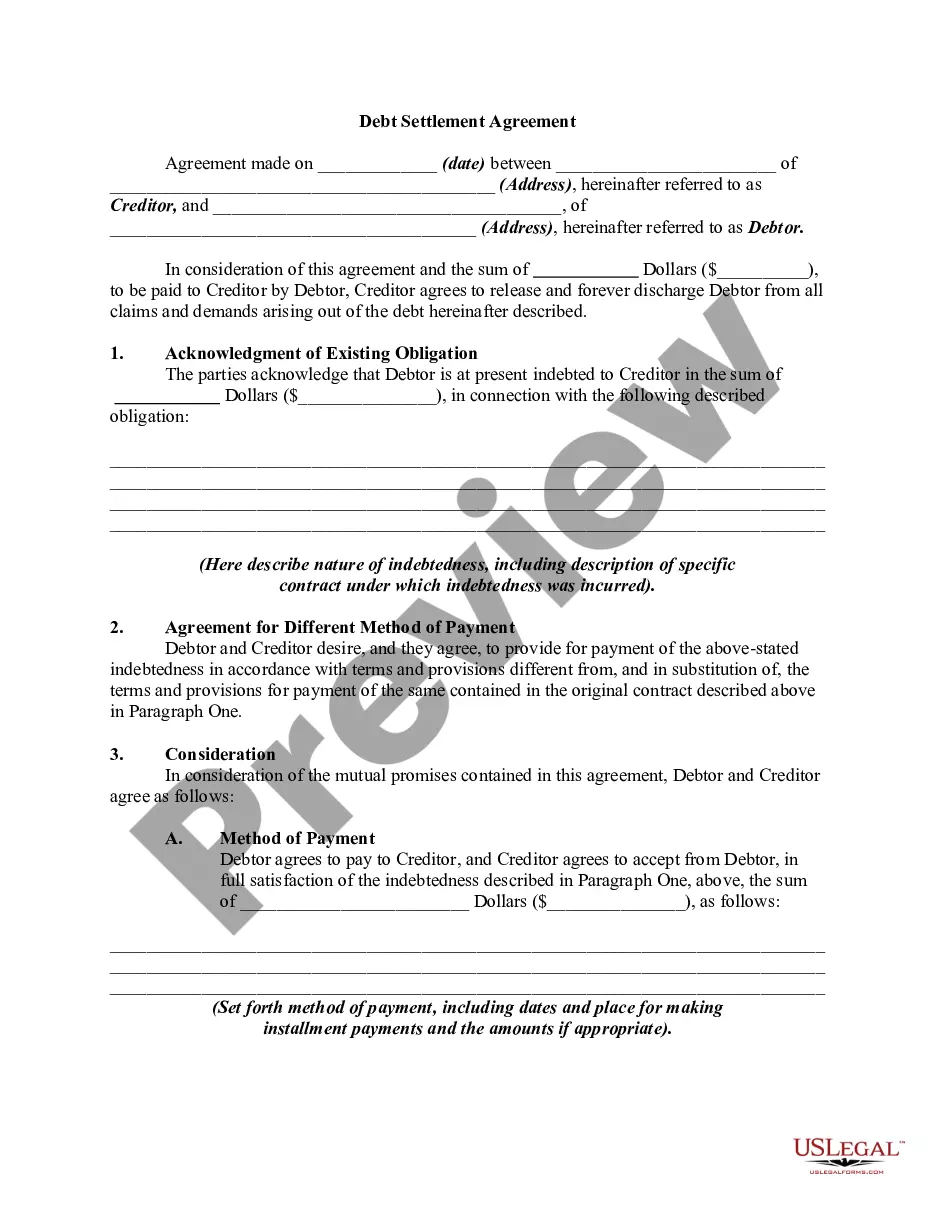
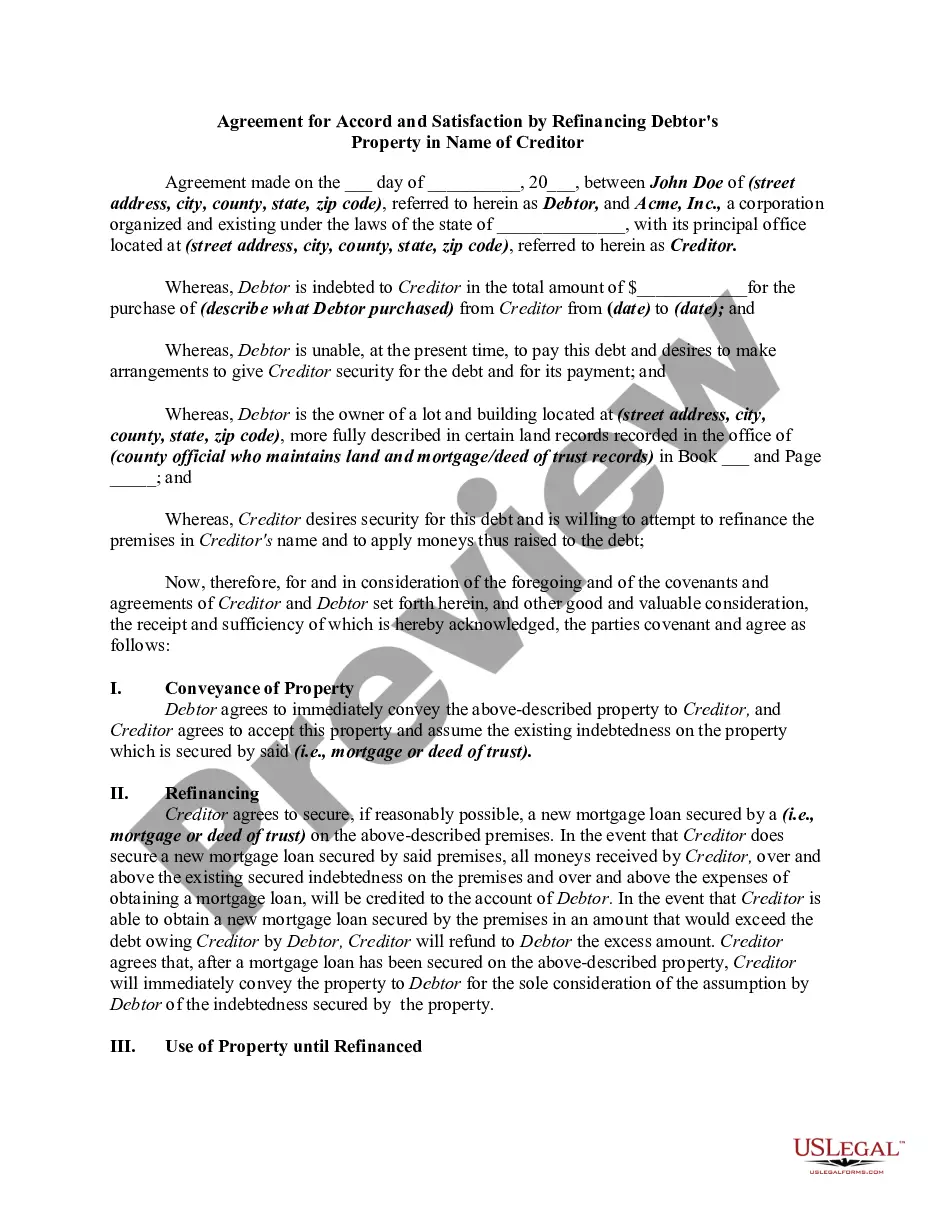
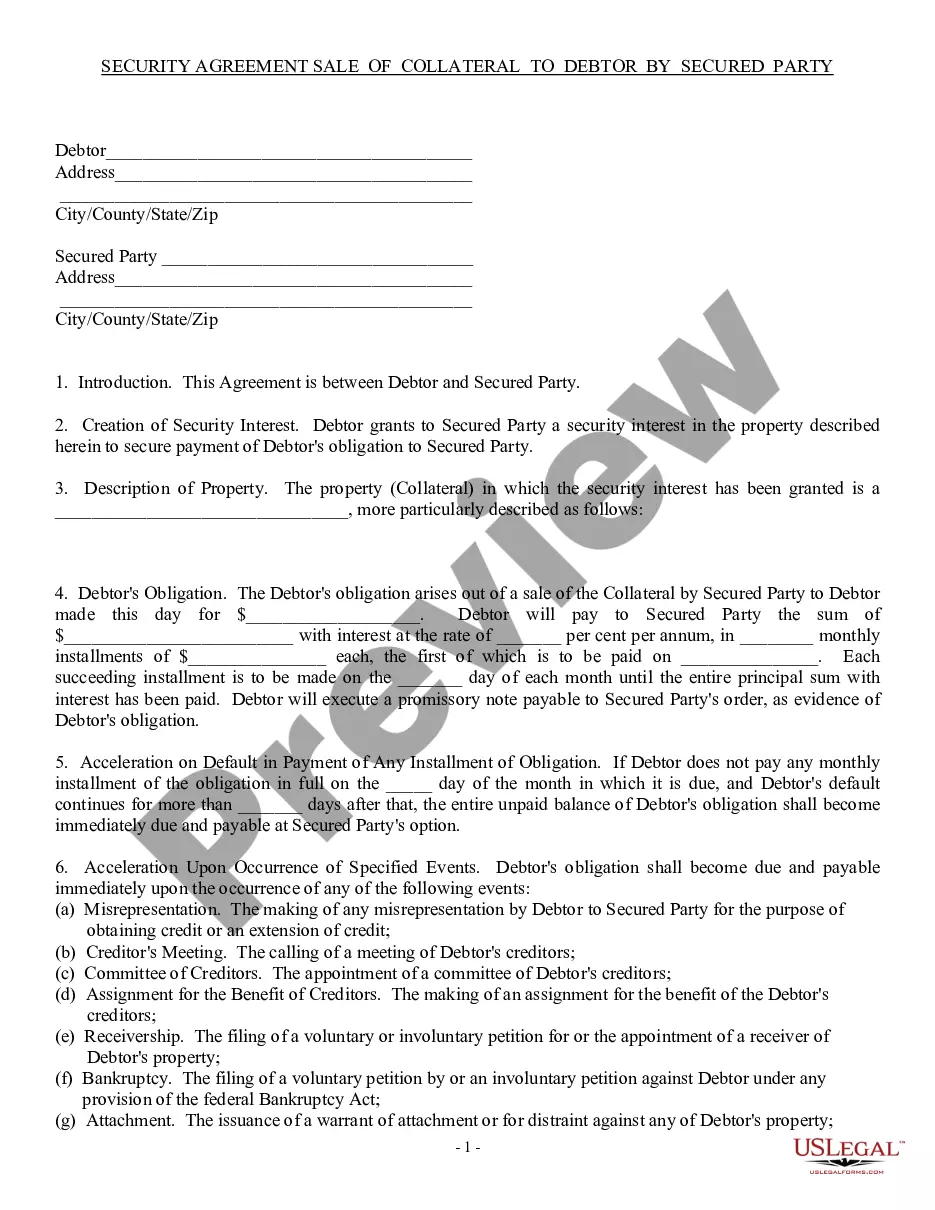
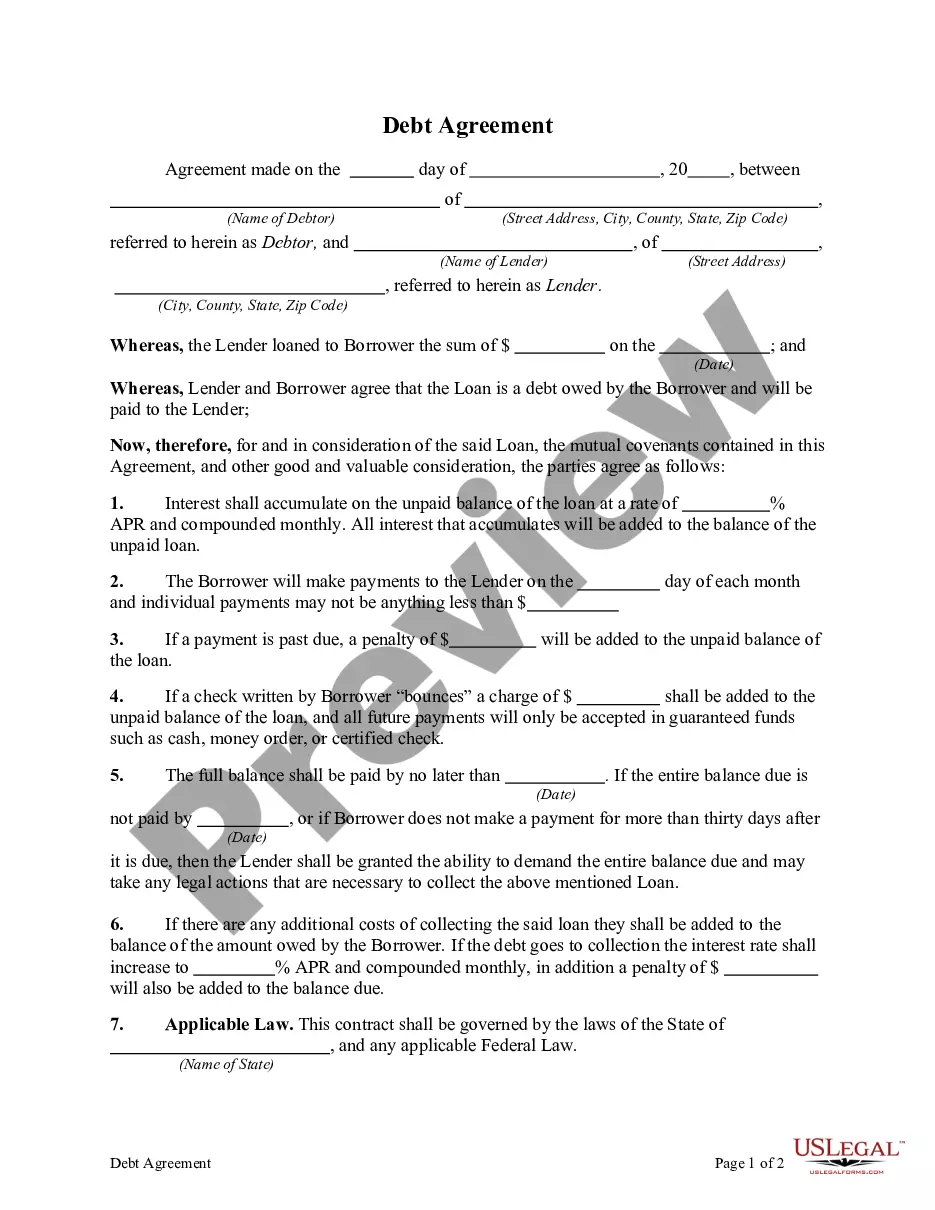
Get your form ready online
Our built-in tools help you complete, sign, share, and store your documents in one place.
Make edits, fill in missing information, and update formatting in US Legal Forms—just like you would in MS Word.
Download a copy, print it, send it by email, or mail it via USPS—whatever works best for your next step.
Sign and collect signatures with our SignNow integration. Send to multiple recipients, set reminders, and more. Go Premium to unlock E-Sign.
If this form requires notarization, complete it online through a secure video call—no need to meet a notary in person or wait for an appointment.
We protect your documents and personal data by following strict security and privacy standards.

Make edits, fill in missing information, and update formatting in US Legal Forms—just like you would in MS Word.

Download a copy, print it, send it by email, or mail it via USPS—whatever works best for your next step.

Sign and collect signatures with our SignNow integration. Send to multiple recipients, set reminders, and more. Go Premium to unlock E-Sign.

If this form requires notarization, complete it online through a secure video call—no need to meet a notary in person or wait for an appointment.

We protect your documents and personal data by following strict security and privacy standards.
Looking for another form?



How to fill out Liquidation Agreement Regarding Debtor's Collateral In Satisfaction Of Indebtedness?
If you need to total, acquire, or print authorized document templates, utilize US Legal Forms, the largest assortment of legal forms available online.
Take advantage of the website's straightforward and efficient search to locate the documents you require. An assortment of templates for business and personal purposes is categorized by types and states, or keywords.
Use US Legal Forms to find the Oregon Liquidation Agreement concerning Debtor's Collateral in Satisfaction of Debt with just a few clicks.
Every legal document template you purchase is yours permanently. You have access to each form you acquired within your account. Click on the My documents section and select a form to print or download again.
Compete and acquire, and print the Oregon Liquidation Agreement concerning Debtor's Collateral in Satisfaction of Debt with US Legal Forms. There are thousands of professional and state-specific forms you can use for your business or personal needs.
- If you are already a US Legal Forms user, Log In to your account and click the Download button to obtain the Oregon Liquidation Agreement concerning Debtor's Collateral in Satisfaction of Debt.
- You can also access forms you previously downloaded in the My documents tab of your account.
- If you are using US Legal Forms for the first time, follow the instructions below.
- Ensure you have selected the form for the correct region/state.
- Use the Review option to browse through the form's content. Don't forget to check the summary.
- If you are not satisfied with the form, utilize the Search field at the top of the screen to find other variations of the legal form template.
- Once you have found the form you need, click the Purchase now button. Select the pricing plan you prefer and enter your information to register for an account.
- Process the transaction. You can use your credit card or PayPal account to complete the transaction.
- Choose the format of the legal form and download it to your device.
- Complete, revise, and print or sign the Oregon Liquidation Agreement concerning Debtor's Collateral in Satisfaction of Debt.
Form popularity
FAQ
After the debtor defaults, the secured party may take possession of the collateral, dispose of the collateral, and seek a deficiency judgment against the debtor if necessary to cover the remaining debt.
If a borrower defaults on a secured credit product, the secured creditor has a legal right to the secured asset used as collateral. The secured asset may be seized by the secured creditor and sold to pay off any remaining obligations.
Default occurs when the debtor either fails to make a payment when due or violates his or her security agreement. After a debtor defaults, the secured party may obtain possession or control of the collateral by written consent of the debtor or by obtaining an order from the tribal court.
A secured party may perfect a security interest by having possession, either itself or through a third party, of the collateral. Possessory security interests are the oldest form of security interests in personal property.
A security interest is taken by a person who, by making advances or incurring an obligation, gives something of value that enables the debtor to acquire the rights in the collateral or to use it.
A purchase money security interest (PMSI) is created when a seller or lender agrees to extend credit to a buyer for all or part of the purchase price of: consumer goods. The process by which a creditor may take possession of (and usually sell) collateral to satisfy an unpaid debt is called: foreclosure.
In order for a security interest to be enforceable against the debtor and third parties, UCC Article 9 sets forth three requirements: Value must be provided in exchange for the collateral; the debtor must have rights in the collateral or the ability to convey rights in the collateral to a secured party; and either the ...
On the debtor's default, a secured party can take possession (peacefully or by the court order) of the collateral covered by the security agreement. This provision, because it occurs without the use of the judicial process, is often referred to as the "self-help" provision of article 9.
Article 9 of the Uniform Commercial Code requires that the debtor have "rights in the collateral" for the attachment of a security interest. The drafters of the Code, however, left the determination of this phrase's meaning to the courts.
Under the UCC, in order for a creditor to become a secured party?that is, a party with a legal right to take possession of the collateral if the debtor fails to pay?the creditor must take special steps (discussed below). These steps are known as "attachment of a security interest." Perfecting a security interest.
