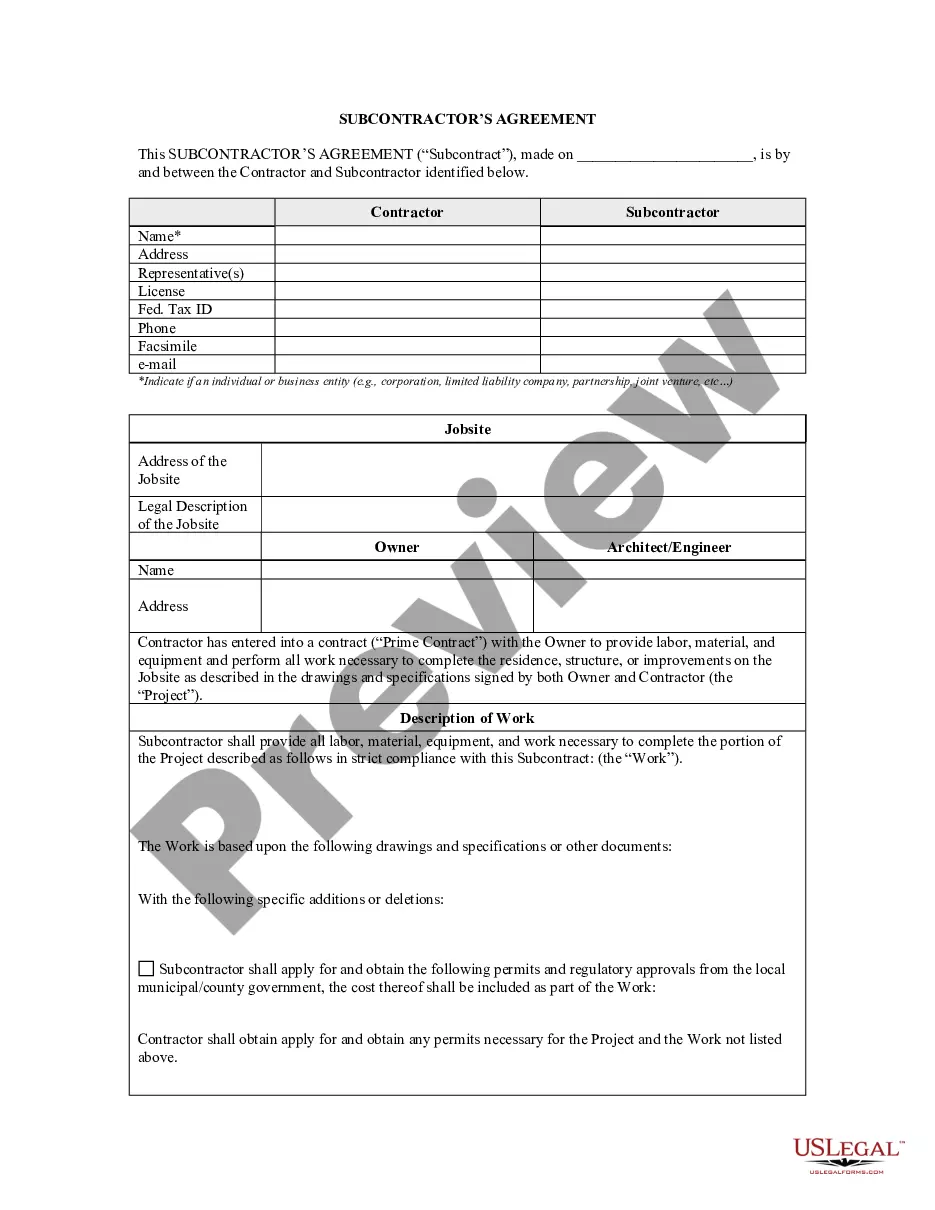
Oregon Defendants Answer - Forcible Entry and Unlawful Detainer
Understanding this form
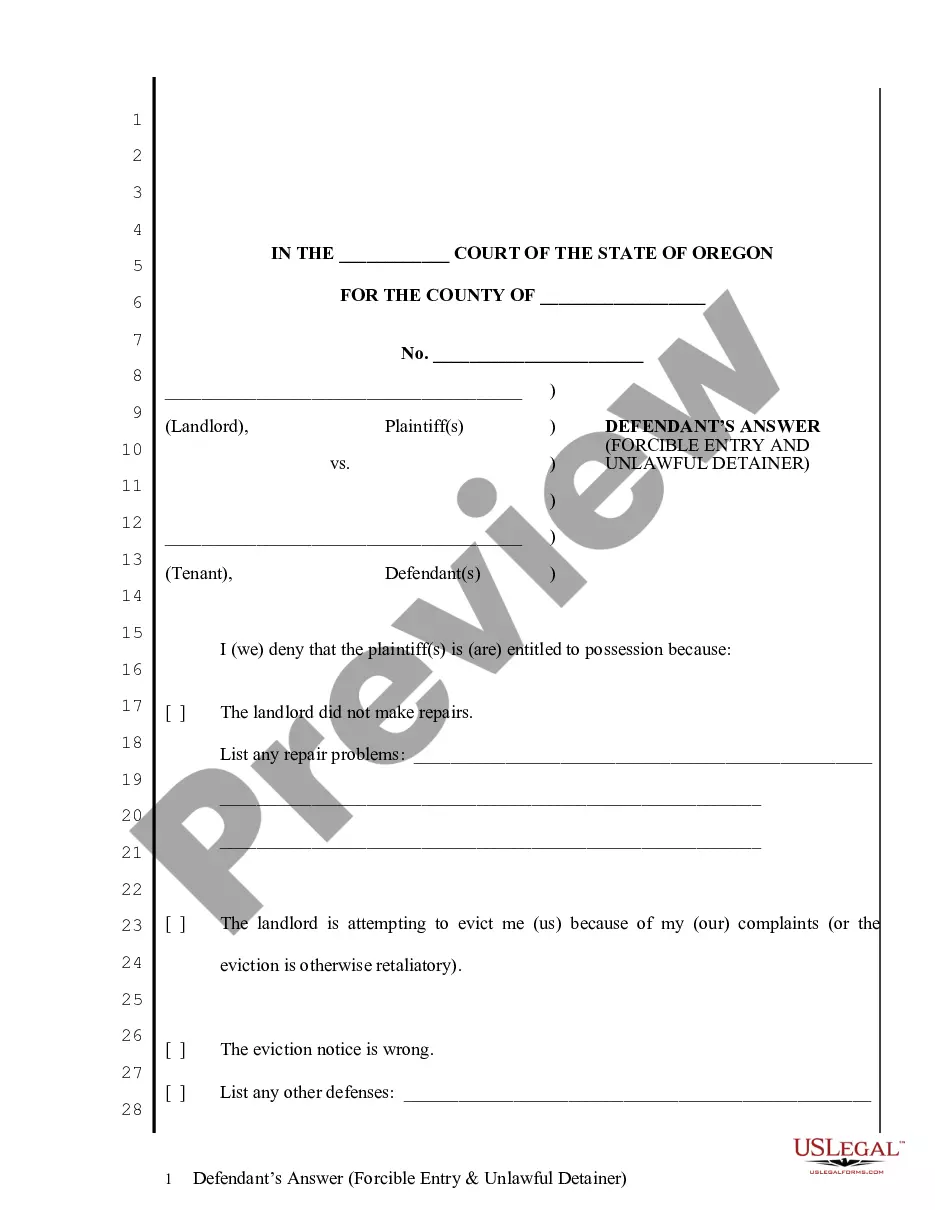
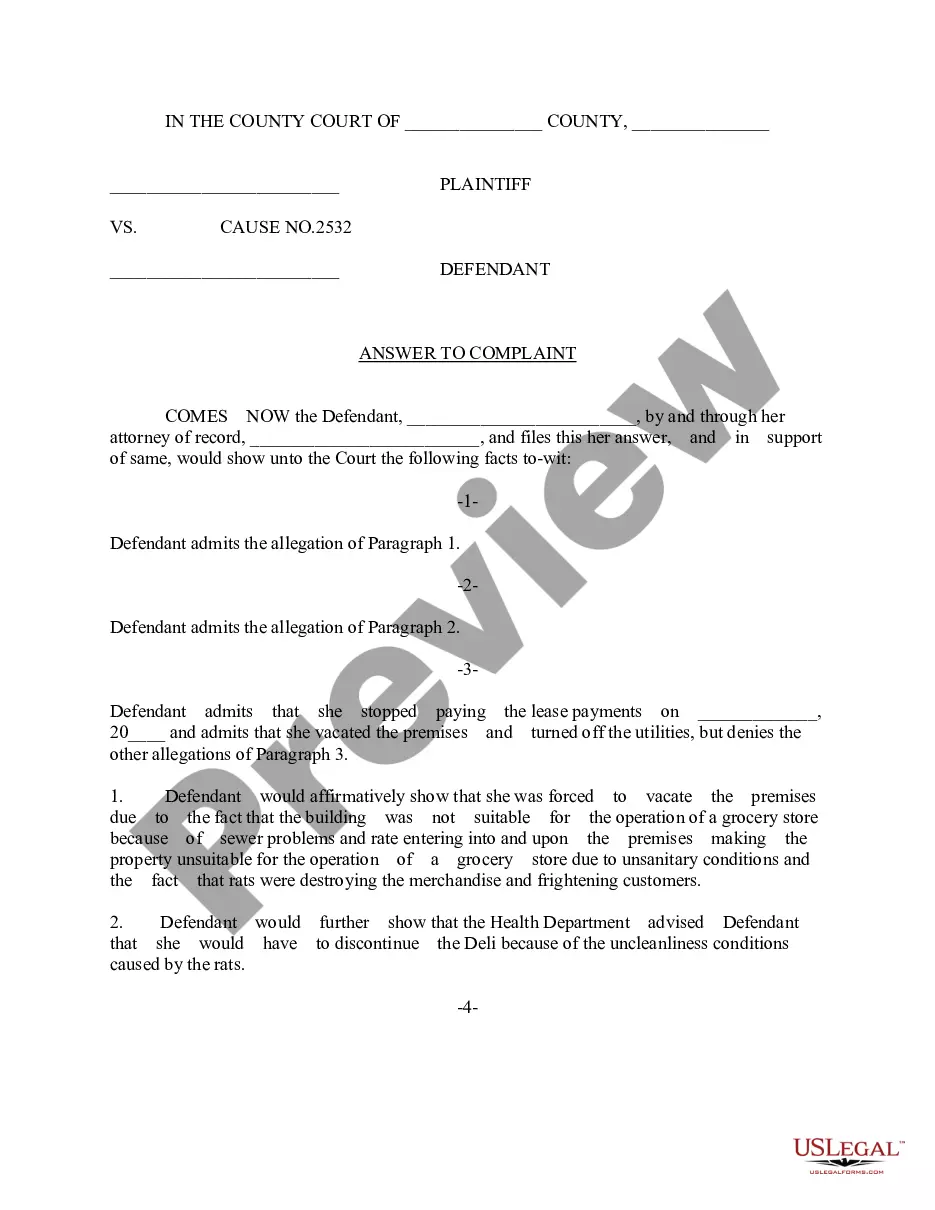
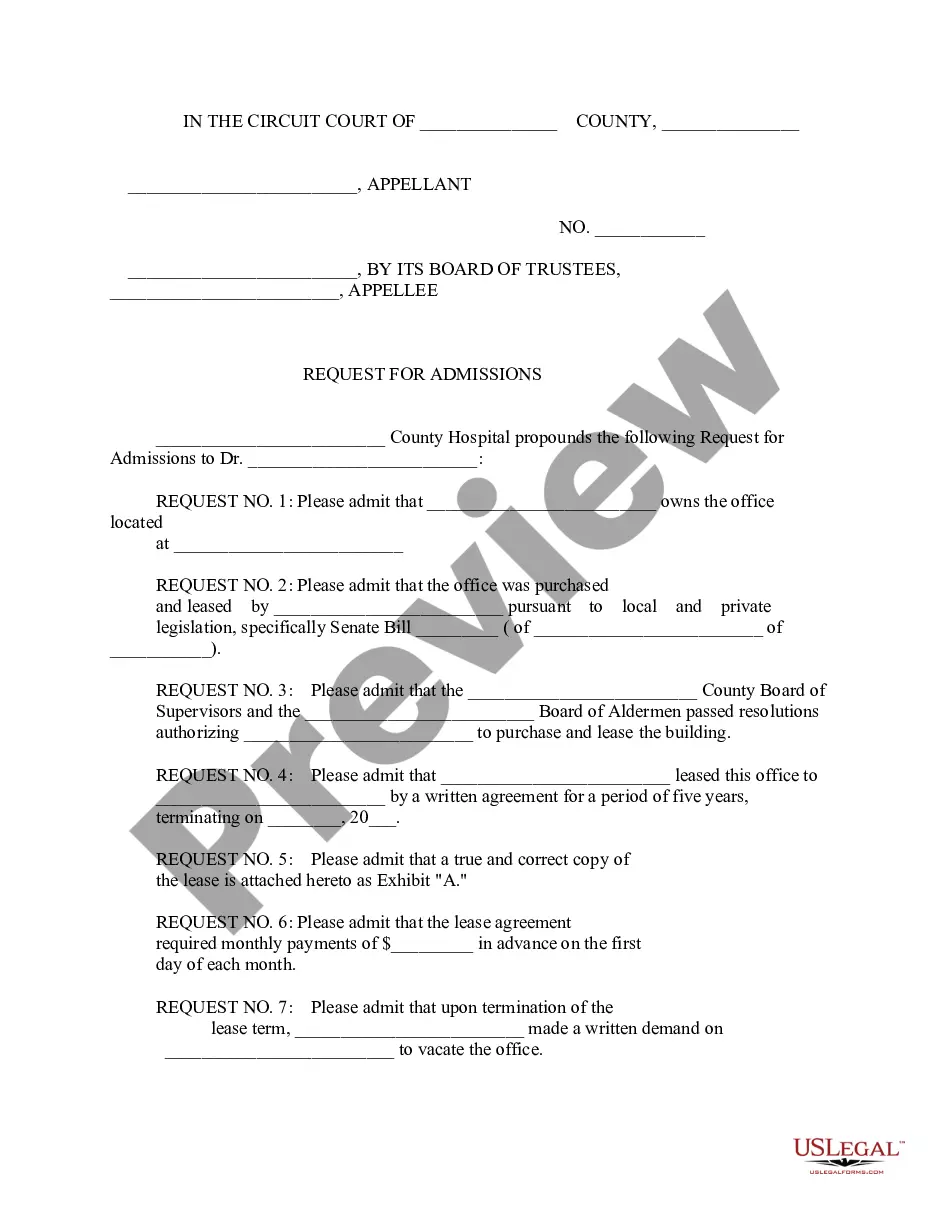
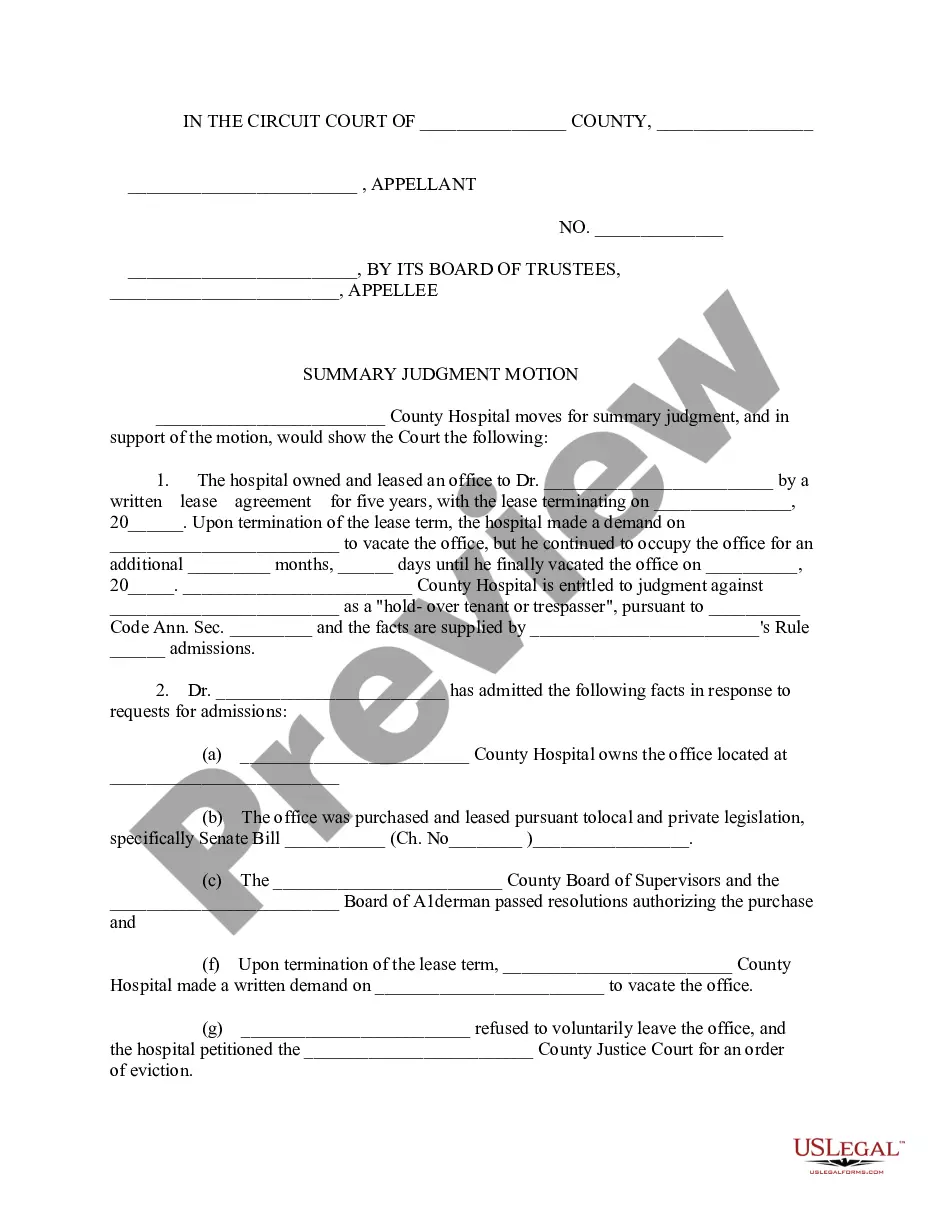
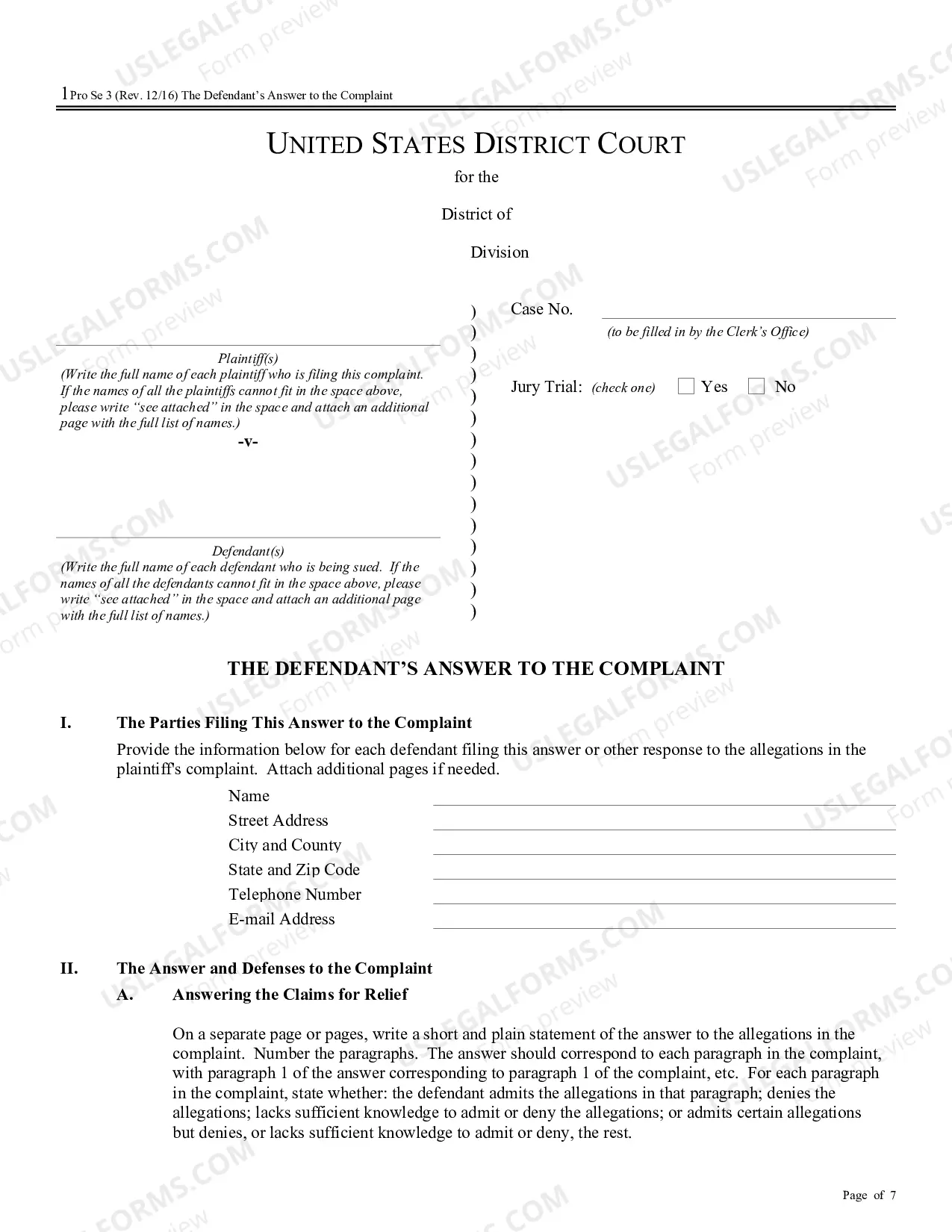
The Defendants Answer - Forcible Entry and Unlawful Detainer is a legal document used in Oregon civil litigation. It allows tenants to formally respond to an eviction action initiated by their landlord. This form is distinct from other types of legal answers as it specifically addresses forcible entry and unlawful detainer claims, focusing on the tenant's defenses against eviction.
What’s included in this form
- Heading identifying the court where the case is filed.
- Parties involved, including the landlord as plaintiff and the tenant as defendant.
- Sections for tenants to state their reasons for denying possession.
- Options to assert defenses, such as retaliatory eviction claims or repair issues.
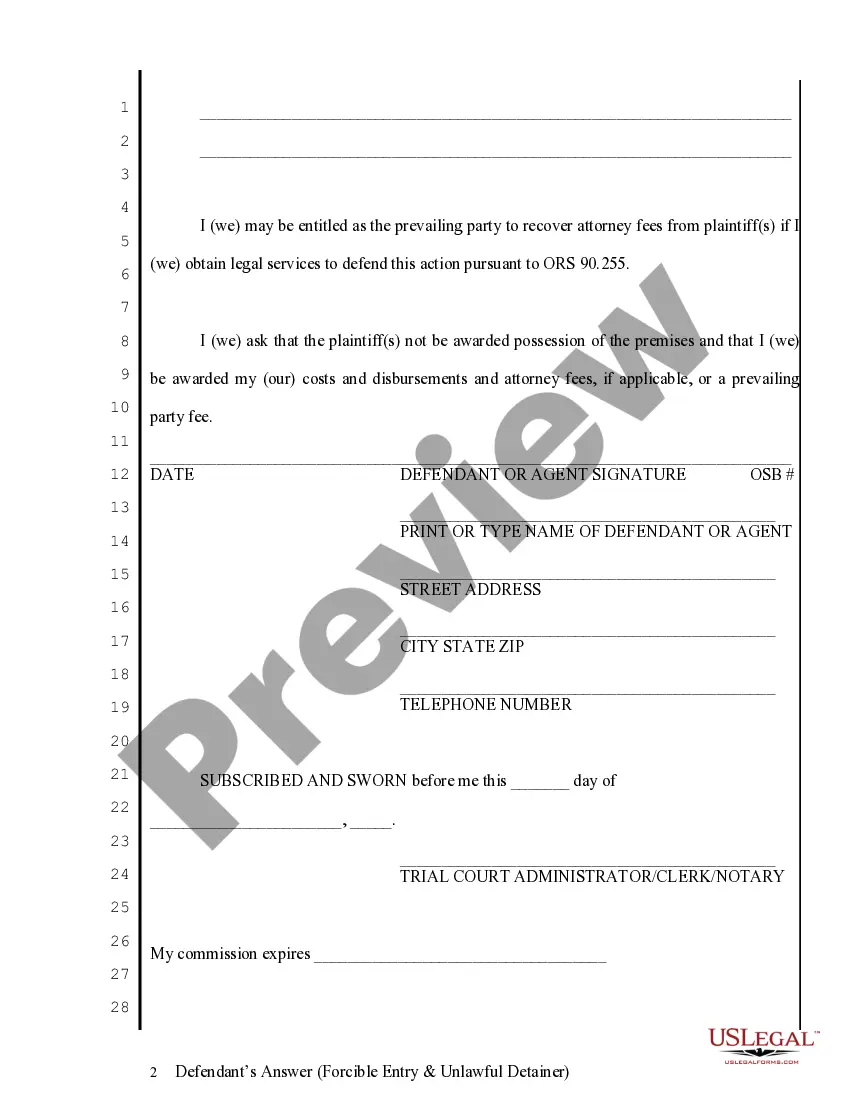
- Space for signature and contact information of the defendant or their agent.
- Notary acknowledgment area for official verification.
Common use cases
This form is used when a landlord files an eviction lawsuit against a tenant in Oregon. It is necessary for tenants to respond promptly to the eviction notice by filing this document in court, providing them the opportunity to present their defense. Typical scenarios include disputes over unpaid rent, claims of unaddressed maintenance repairs, or retaliatory eviction practices by the landlord.
Who can use this document
- Tenants facing eviction by their landlord in Oregon.
- Individuals who believe they have valid defenses against an unlawful detainer claim.
- Persons needing to assert their rights after receiving an eviction notice.
Instructions for completing this form
- Identify the court by filling in the court name and county at the top of the form.
- Fill in the case number provided in the eviction notice.
- Clearly state your defenses to the eviction, detailing any relevant facts or circumstances.
- Sign and date the document, including your contact information.
- If required, have the form notarized before submitting it to the court.
Is notarization required?
This form does not typically require notarization unless specified by local law. Always check your jurisdiction's requirements to ensure compliance before submission.
Get your form ready online
Our built-in tools help you complete, sign, share, and store your documents in one place.
Make edits, fill in missing information, and update formatting in US Legal Forms—just like you would in MS Word.
Download a copy, print it, send it by email, or mail it via USPS—whatever works best for your next step.
Sign and collect signatures with our SignNow integration. Send to multiple recipients, set reminders, and more. Go Premium to unlock E-Sign.
If this form requires notarization, complete it online through a secure video call—no need to meet a notary in person or wait for an appointment.
We protect your documents and personal data by following strict security and privacy standards.

Make edits, fill in missing information, and update formatting in US Legal Forms—just like you would in MS Word.

Download a copy, print it, send it by email, or mail it via USPS—whatever works best for your next step.

Sign and collect signatures with our SignNow integration. Send to multiple recipients, set reminders, and more. Go Premium to unlock E-Sign.

If this form requires notarization, complete it online through a secure video call—no need to meet a notary in person or wait for an appointment.

We protect your documents and personal data by following strict security and privacy standards.
Avoid these common issues
- Failing to respond by the deadline set in the eviction notice.
- Not providing sufficient detail or evidence to support defenses.
- Overlooking the requirement to sign the document before submission.
- Incomplete address or contact information for the tenant.
Benefits of using this form online
- Convenient access to legal forms from anywhere, allowing for quick responses to eviction notices.
- Editable format makes it easy to fill out your information accurately.
- Reliability of forms drafted by licensed attorneys ensures compliance with legal requirements.
Key takeaways
- The Defendants Answer - Forcible Entry and Unlawful Detainer is essential for tenants facing eviction in Oregon.
- Completing this form accurately is critical in presenting your defenses in court.
- Employing this form ensures that your legal rights as a tenant are properly asserted.
Looking for another form?
Form popularity
FAQ
Know Your Rights. It goes without saying, but take some time to know your rights as a tenant. Keep Good Records. Make Sure Notice is Proper. Service of the Unlawful Detainer. Talking to an Attorney. Managing Partner Lipton Legal Group, A PC Beverly Hills, CA.
A Forcible Entry and Detainer is an action that a landlord, or new property owner can take if the existing occupant refuses to leave after appropriate notice. ? This occupant could be either a tenant or original owner of property that was sold at a foreclosure or trustee's sale.
Courts commonly refer to eviction actions as "forcible entry and detainer" or "unlawful detainer" actions. The legal theory is that the landlord alleges the tenant unlawfully continues to have use and possession of the rental property, and the landlord seeks the assistance of the court to have the tenant removed.
The final court judgment is at least five years old and the tenant doesn't owe any money that was included in the judgment; The landlord and tenant made an agreement in court and the tenant complied with all of the terms of the agreement, including paying any money owed; or.
Forcible detainers are usually filed and served when the landlord is alleging that the tenant has stayed in her apartment without her permission.Like a proceeding for unlawful detainer, forcible detainer is a summary proceeding and the tenant must file a responsive pleading within five days after being served.
If you have an eviction record on your background, you can petition the court in the county where the case was filed to have the record expunged, or sealed. This typically requires filing a petition with the court and paying a filing... Hopefully I can at least get my money back if he is not going to help.
Home Government County Court Evictions. FORCIBLE ENTRY AND DETAINER: (Evictions) In a forcible entry and detainer, the tenant must be given a Notice to Leave the Premises. A three day notice is required if the tenant is in breach of any agreement, written or oral, i.e. non-payment of rent, utilities, etc.
If you file an eviction (unlawful detainer) case and you decide you do not want to move forward, you can ask the court to dismiss the case.You included more than one tenant in your eviction case but have decided you only want to evict one or some of them, so you dismiss the case as to the others.