Oregon 10 Day Notice to Pay Rent or Lease Terminates for Residential
What this document covers
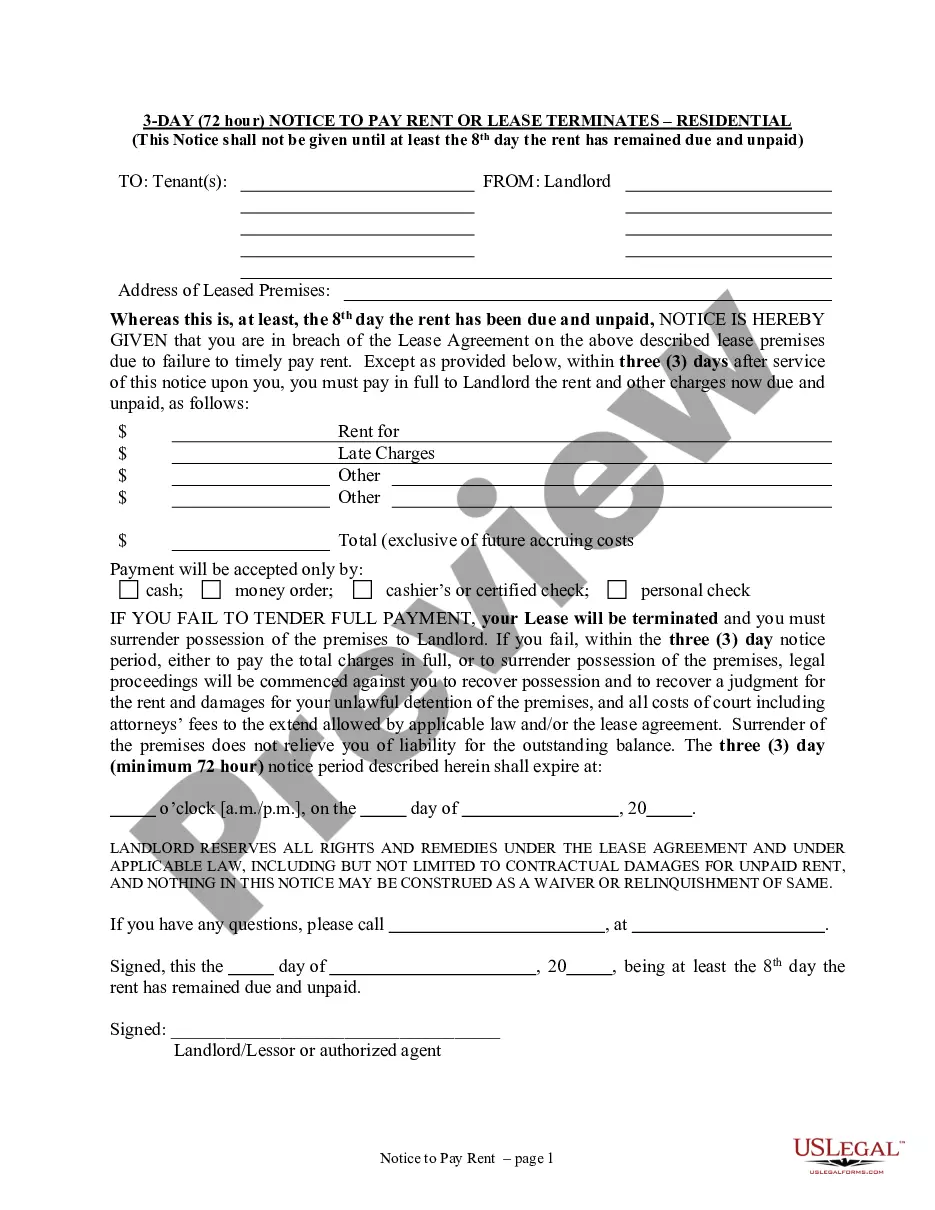
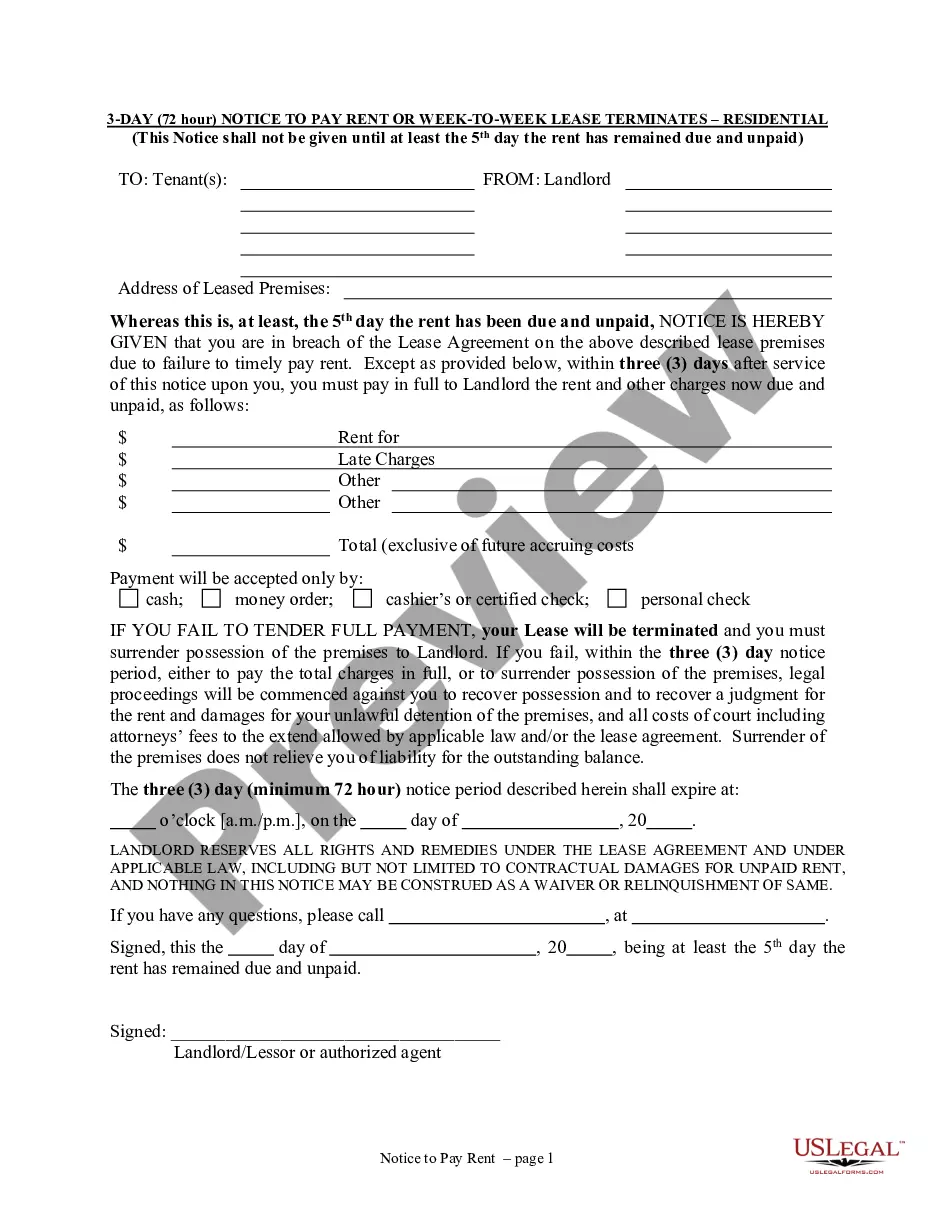
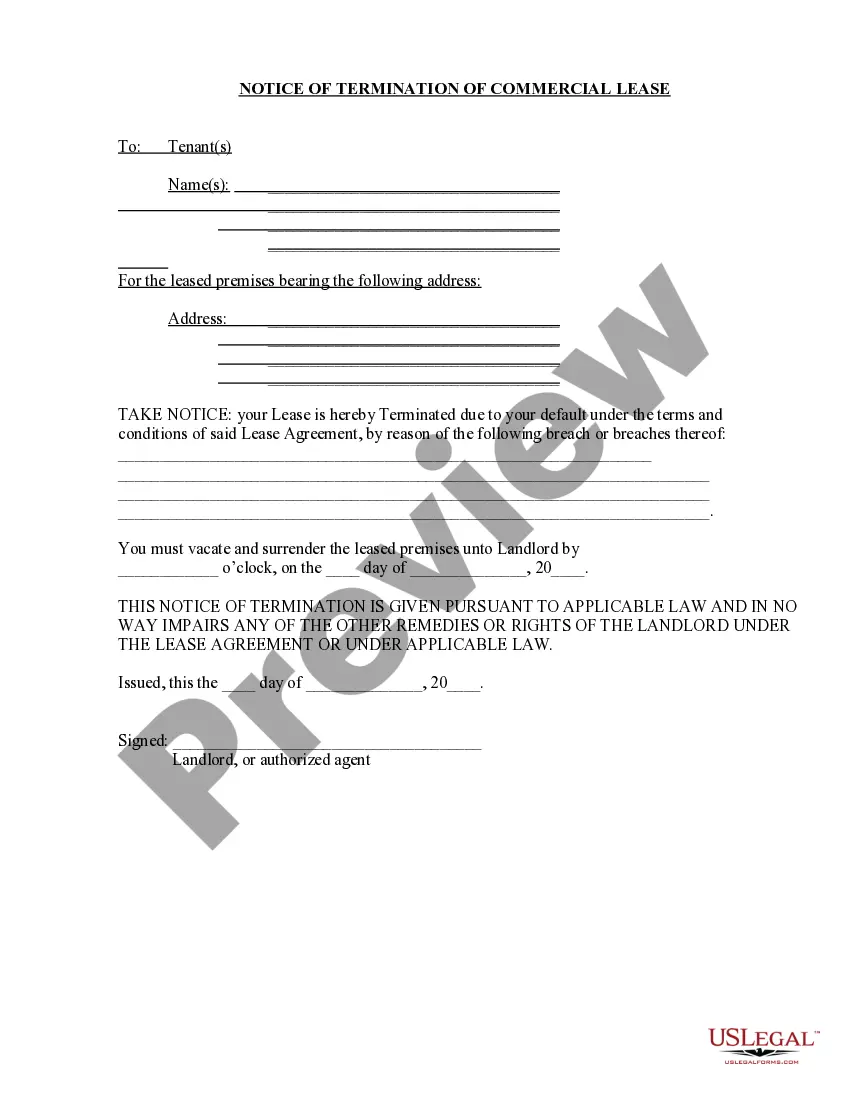
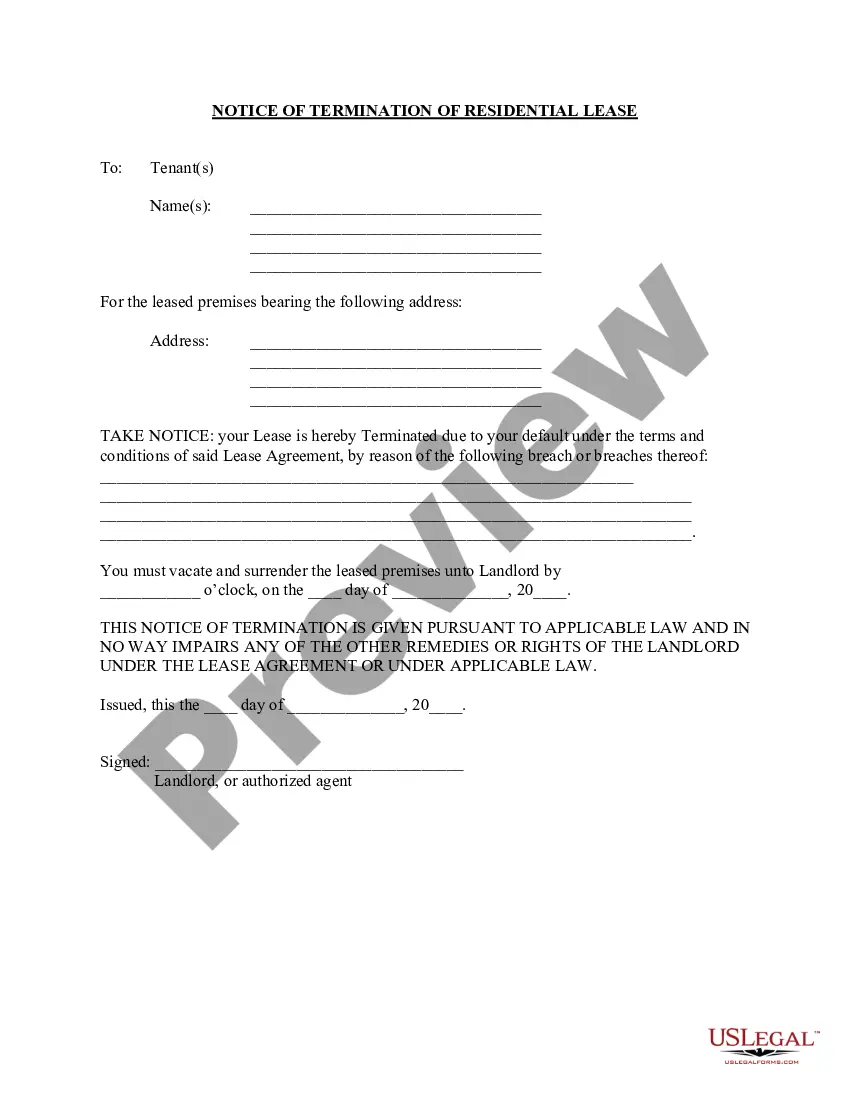
The 72 Hour Notice to Pay Rent or Lease Terminates for Residential properties, other than week-to-week leases, is a legal document used by landlords in Oregon to demand overdue rent payment from tenants. This notice is specifically applicable to residential leases, which can include houses, apartments, or condos. It differs from week-to-week notices, as it is not valid for that lease type. According to Oregon law, this notice can only be served after the rent is at least eight days overdue, providing tenants with a three-day period to settle their debts before eviction proceedings may commence.
What’s included in this form
- Effective date: Specifies when the notice is served to the tenant.
- Amount owed: Clearly states the overdue rent amount that requires payment.
- Payment methods: Lists accepted payment options for settling dues.
- Consequences of non-payment: Outlines the potential eviction process if the tenant does not pay within three days.
- Surrender of premises: Mentions tenant responsibilities regarding the property after notice expiration.
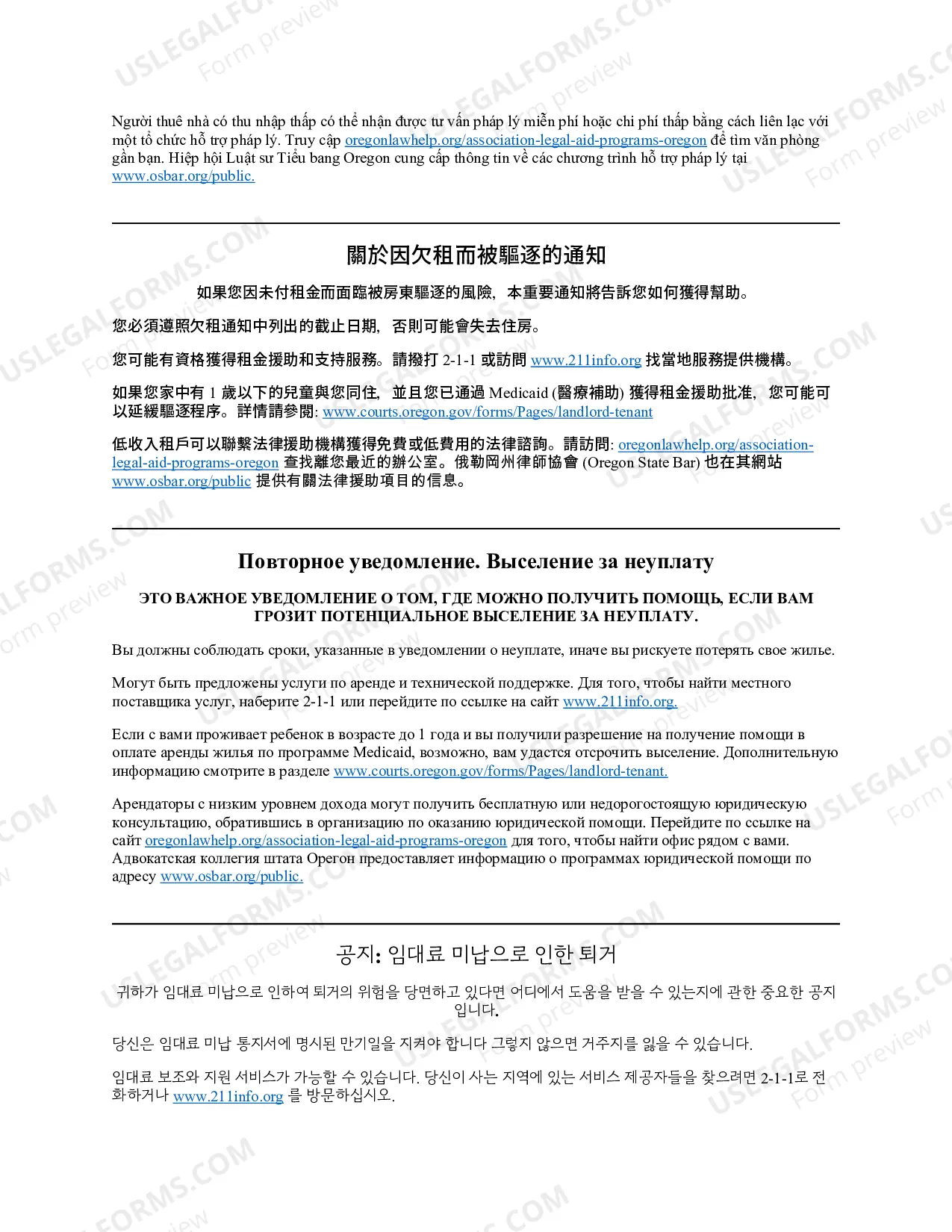

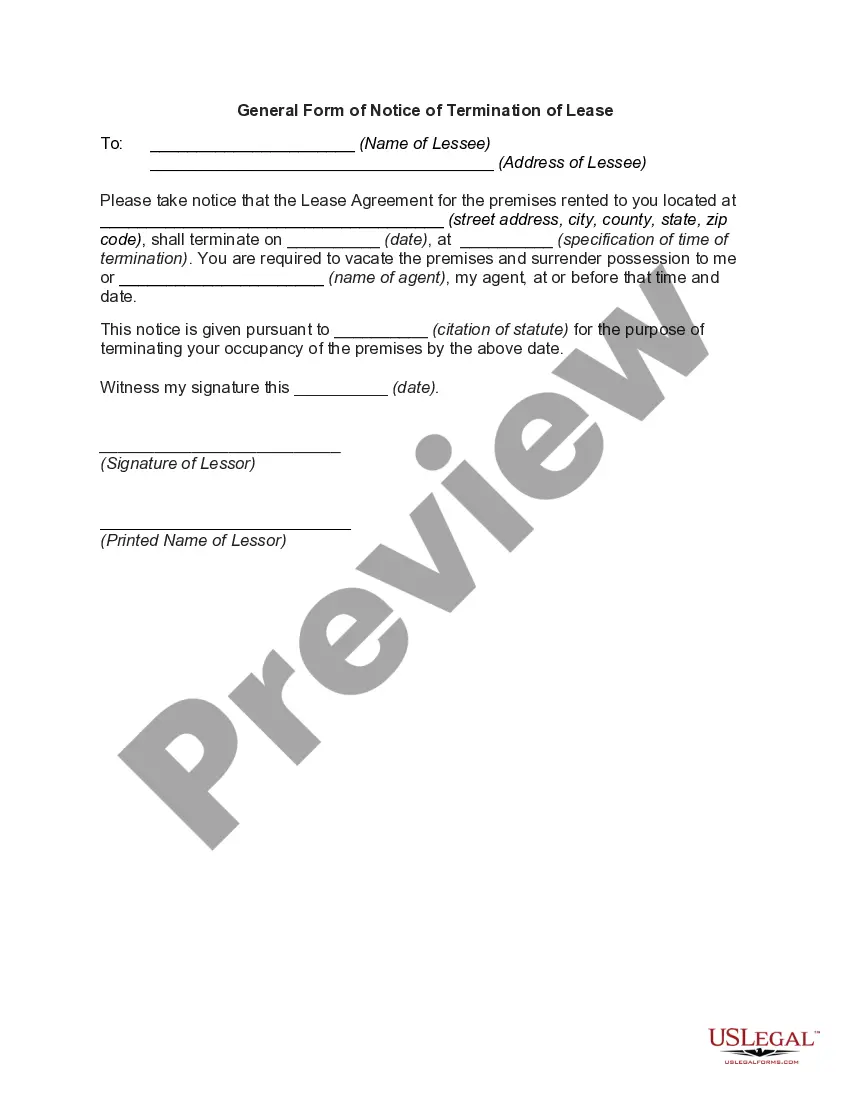
When to use this form
This form should be used when a landlord wants to collect overdue rent from a residential tenant (excluding week-to-week leases) in Oregon. It is appropriate to issue this notice if the rent has not been paid after eight days of it being due. The three-day notice period provides tenants with a final opportunity to pay their dues before potential eviction proceedings begin.
Who can use this document
This form is intended for:
- Landlords of residential properties in Oregon.
- Property managers who handle leases and tenant relations.
- Any individual or entity with a residential lease agreement (excluding week-to-week) who needs to enforce rent collection.
Instructions for completing this form
- Identify the landlord and tenant: Provide full names and addresses of both parties.
- Specify the property: Enter the address of the rental property subject to the lease.
- Clearly state the amount due: Include the total overdue rent that must be paid.
- Select payment methods accepted: Indicate how the tenant may pay the overdue rent.
- Sign and date the notice: Ensure that the notice is signed and dated to establish its validity.
Is notarization required?
This form usually doesn’t need to be notarized. However, local laws or specific transactions may require it. Our online notarization service, powered by Notarize, lets you complete it remotely through a secure video session, available 24/7.
Get your form ready online
Our built-in tools help you complete, sign, share, and store your documents in one place.
Make edits, fill in missing information, and update formatting in US Legal Forms—just like you would in MS Word.
Download a copy, print it, send it by email, or mail it via USPS—whatever works best for your next step.
Sign and collect signatures with our SignNow integration. Send to multiple recipients, set reminders, and more. Go Premium to unlock E-Sign.
If this form requires notarization, complete it online through a secure video call—no need to meet a notary in person or wait for an appointment.
We protect your documents and personal data by following strict security and privacy standards.

Make edits, fill in missing information, and update formatting in US Legal Forms—just like you would in MS Word.

Download a copy, print it, send it by email, or mail it via USPS—whatever works best for your next step.

Sign and collect signatures with our SignNow integration. Send to multiple recipients, set reminders, and more. Go Premium to unlock E-Sign.

If this form requires notarization, complete it online through a secure video call—no need to meet a notary in person or wait for an appointment.

We protect your documents and personal data by following strict security and privacy standards.
Common mistakes to avoid
- Issuing the notice before the rent is eight days overdue.
- Failing to provide an exact amount due.
- Not including clear payment instructions or acceptable payment methods.
- Neglecting to sign or date the notice before serving it to the tenant.
Benefits of completing this form online
- Convenient access: Easily download the form whenever needed.
- Editable format: Personalize the form to fit specific rent circumstances.
- Legal accuracy: Templates are drafted by licensed attorneys to ensure compliance.
Legal use & context
- This notice is a prerequisite for initiating eviction proceedings for unpaid rent in Oregon.
- Landlords may only use this form after notifying the tenant of non-payment on the eighth day.
- The three-day notice period must be respected to maintain legal enforceability.
Looking for another form?

Form popularity
FAQ
You can help the situation a lot by providing as much notice as possible and writing a sincere letter to your landlord explaining why you need to leave early. Ideally you can offer your landlord a qualified replacement tenant, someone with good credit and excellent references, to sign a new lease with your landlord.
The tenant must give the landlord notice of their intention to move out within 90 days of the event causing the need to move. The notice must be given to the landlord at least 14 days before the tenant intends to move out.
For 2020, the maximum rent increase is 9.9%. Between tenants, there is no limit to how much the rent can go up (except if a short-term tenant was just evicted from the unit, a provision that discourages a revolving door of tenants for rent increases.)
In the state of Oregon, if tenants hold over, or stay in the rental unit after the rental term has expired, then the landlord must give tenants notice before evicting them. This can include tenants without a written lease and week-to-week and month-to-month tenants.
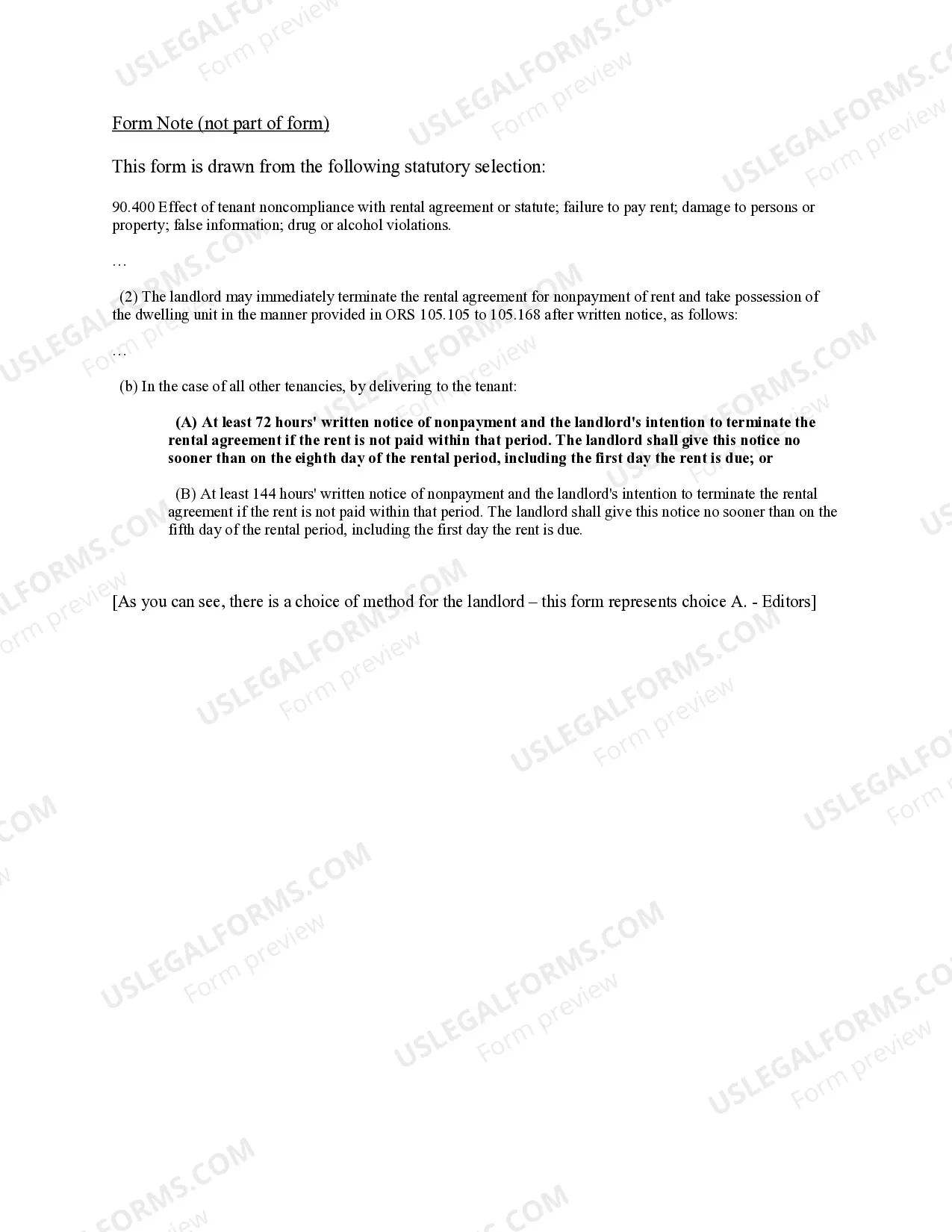
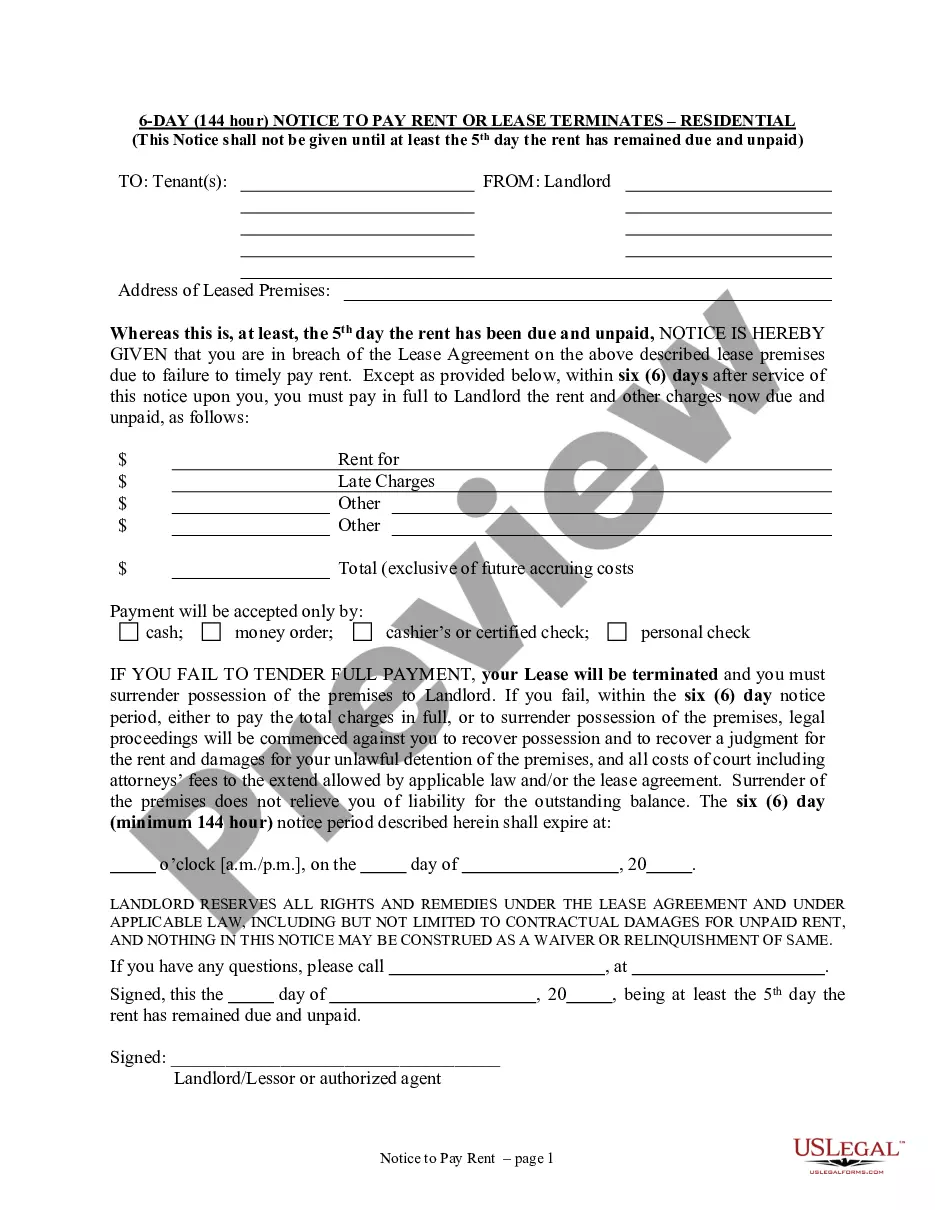
If you do not pay the rent within the 72 hours, your landlord may immediately file a court eviction proceeding.In the alternative, your landlord can give you notice after four days that would give you 144 hours to pay the rent.
The tenant will have fourteen days after receiving the thirty-day notice to fix the violation, and if the tenant fixes it, then the landlord must not proceed with the eviction. If the tenant does not fix the violation, then the landlord can proceed with the eviction after the thirty days has expired (see Ore.
In a month-to-month tenancy, the landlord need only give a 30 Day Termination Notice without any cause for eviction. If the tenant has lived in the property for more than one year, the notice is 60-days. If the property is being sold to someone who plans to live there as a primary residence, it is 30-days.
A. In a month-to-month tenancy, the landlord may raise the rent after giving the tenant 45 days' written notice.
A no-cause eviction means that your landlord is not giving any reason for the eviction. The notice must clearly state the date that the tenancy will end.