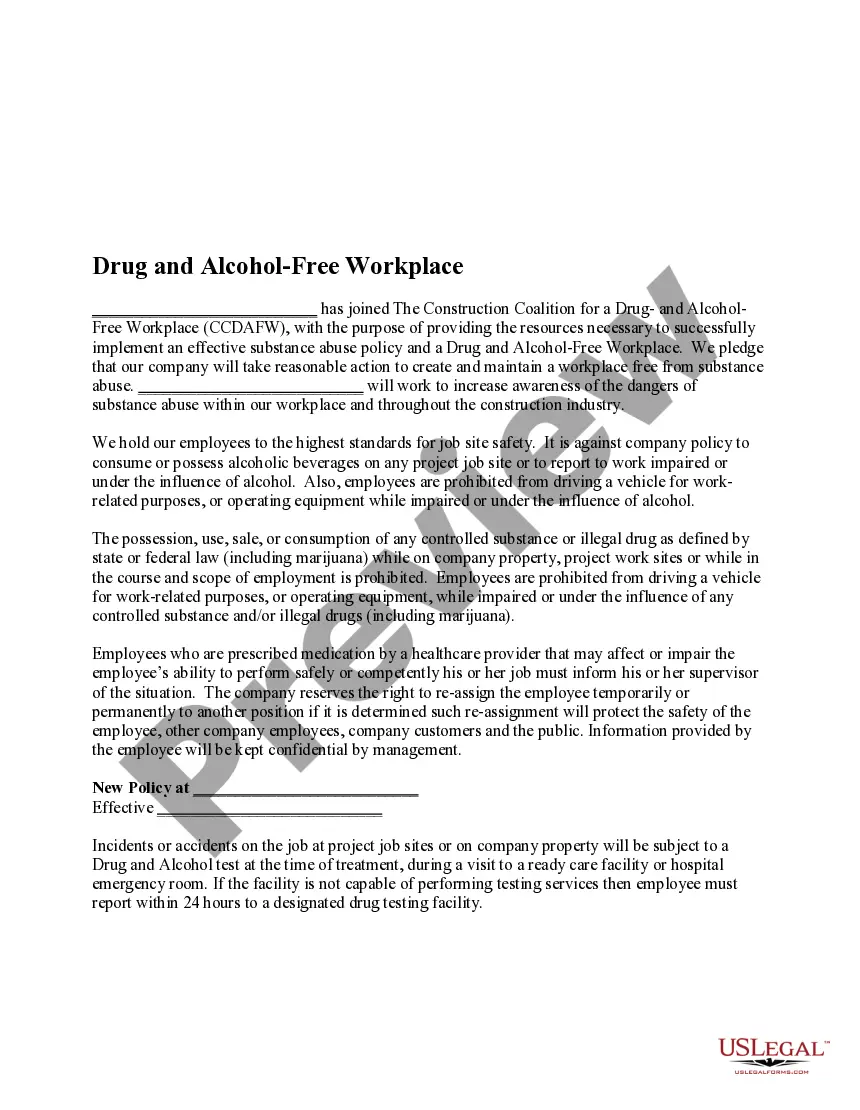
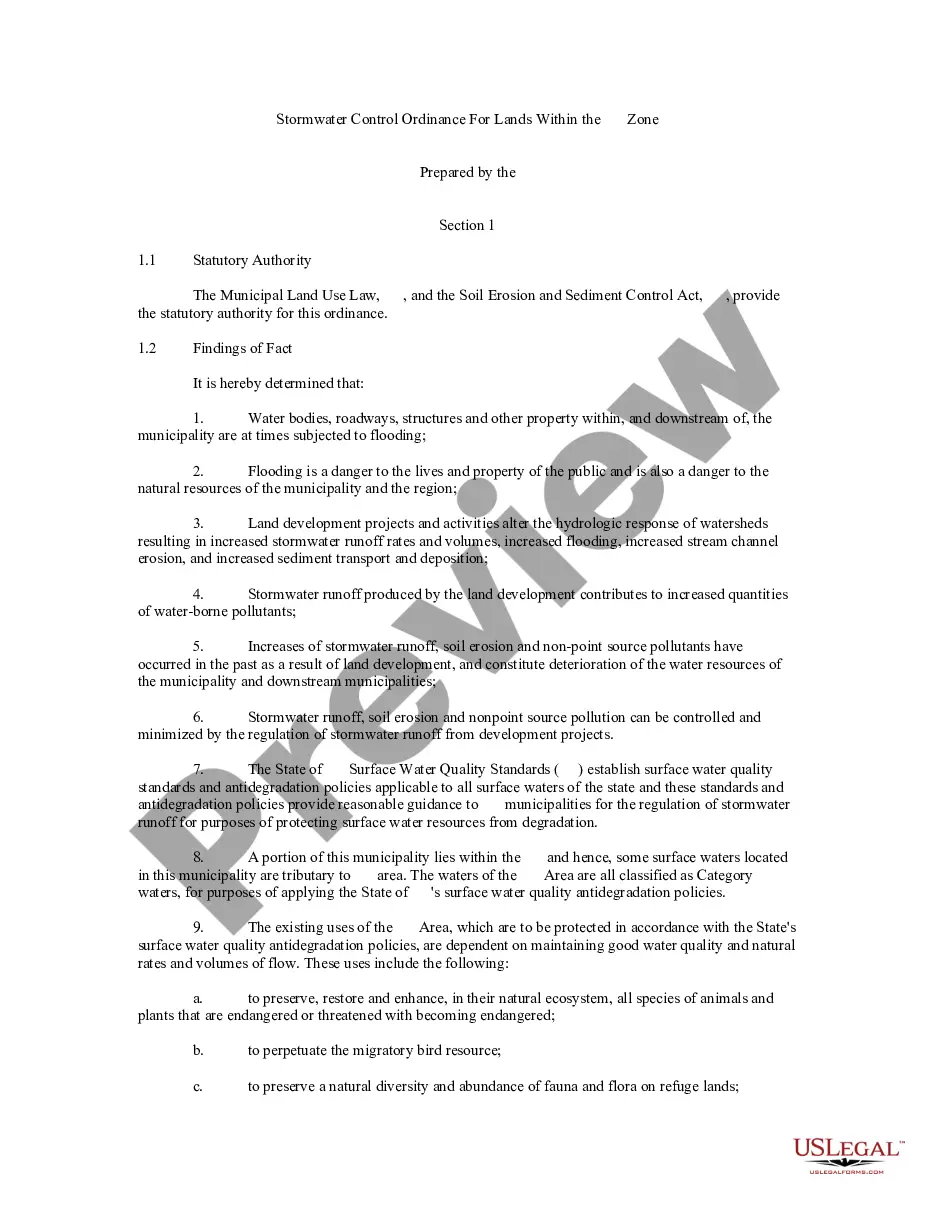
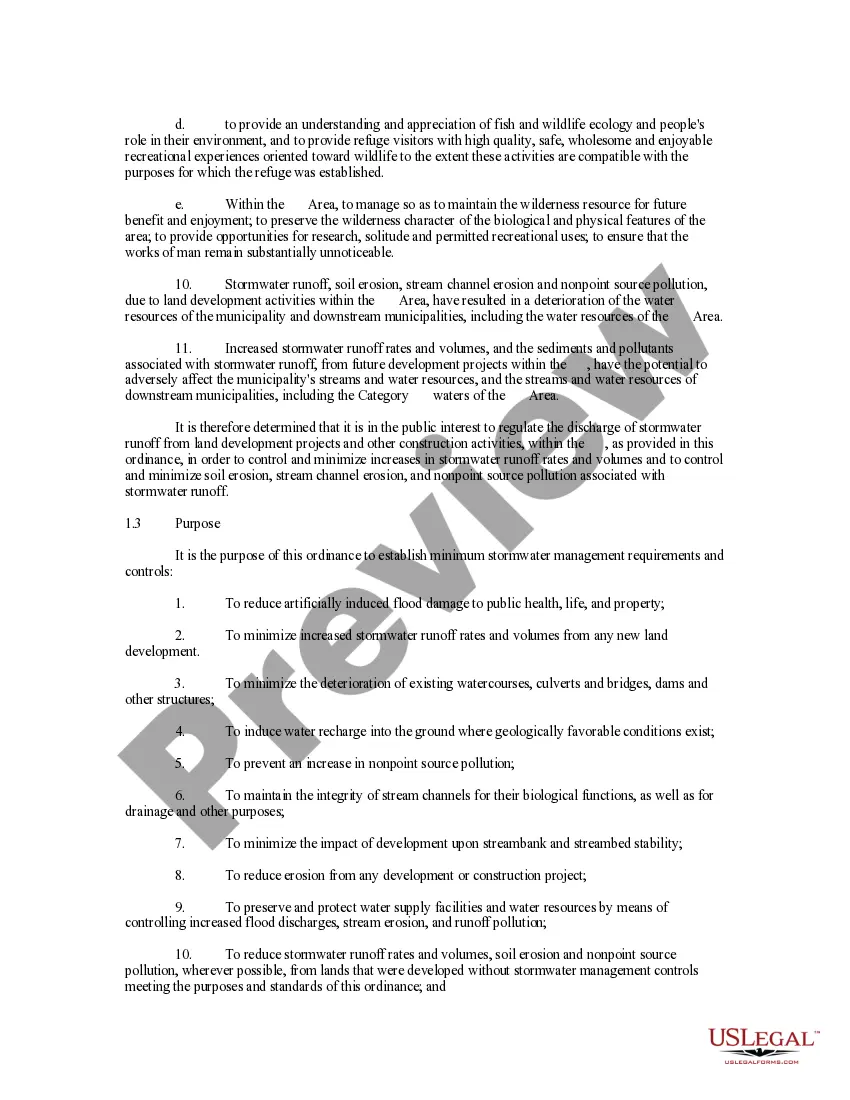
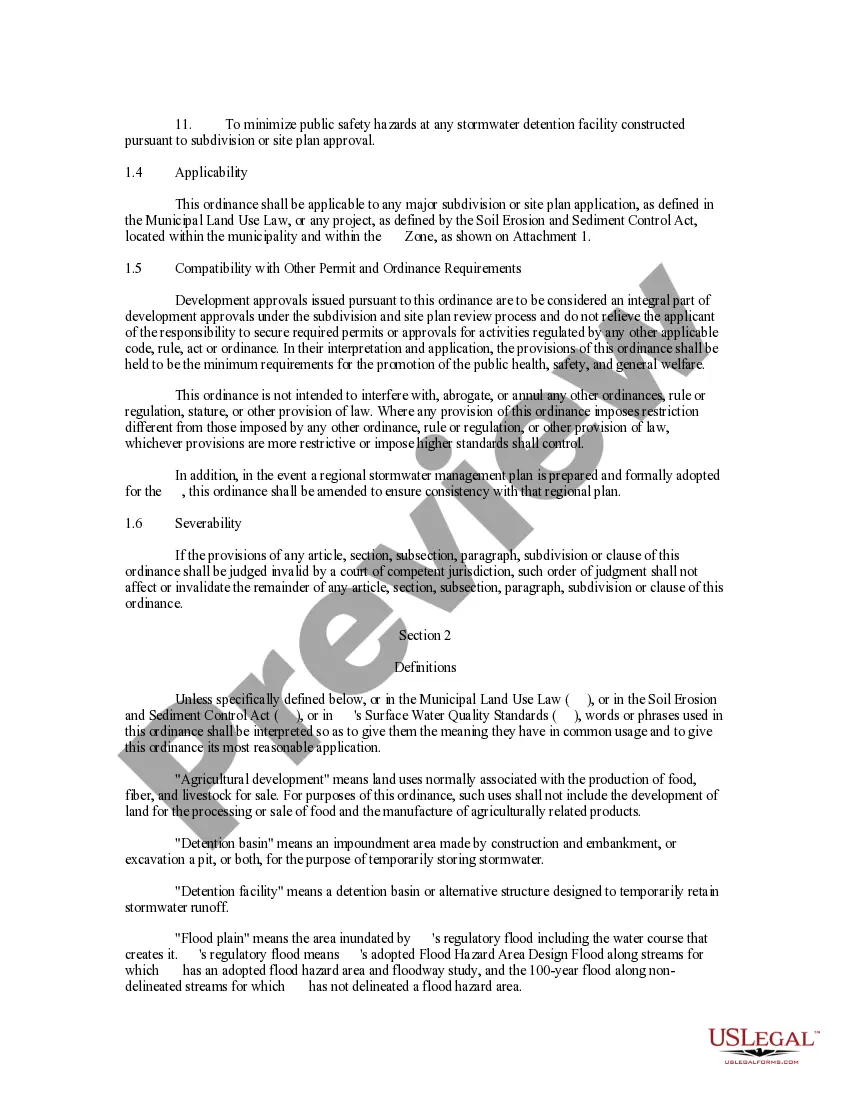
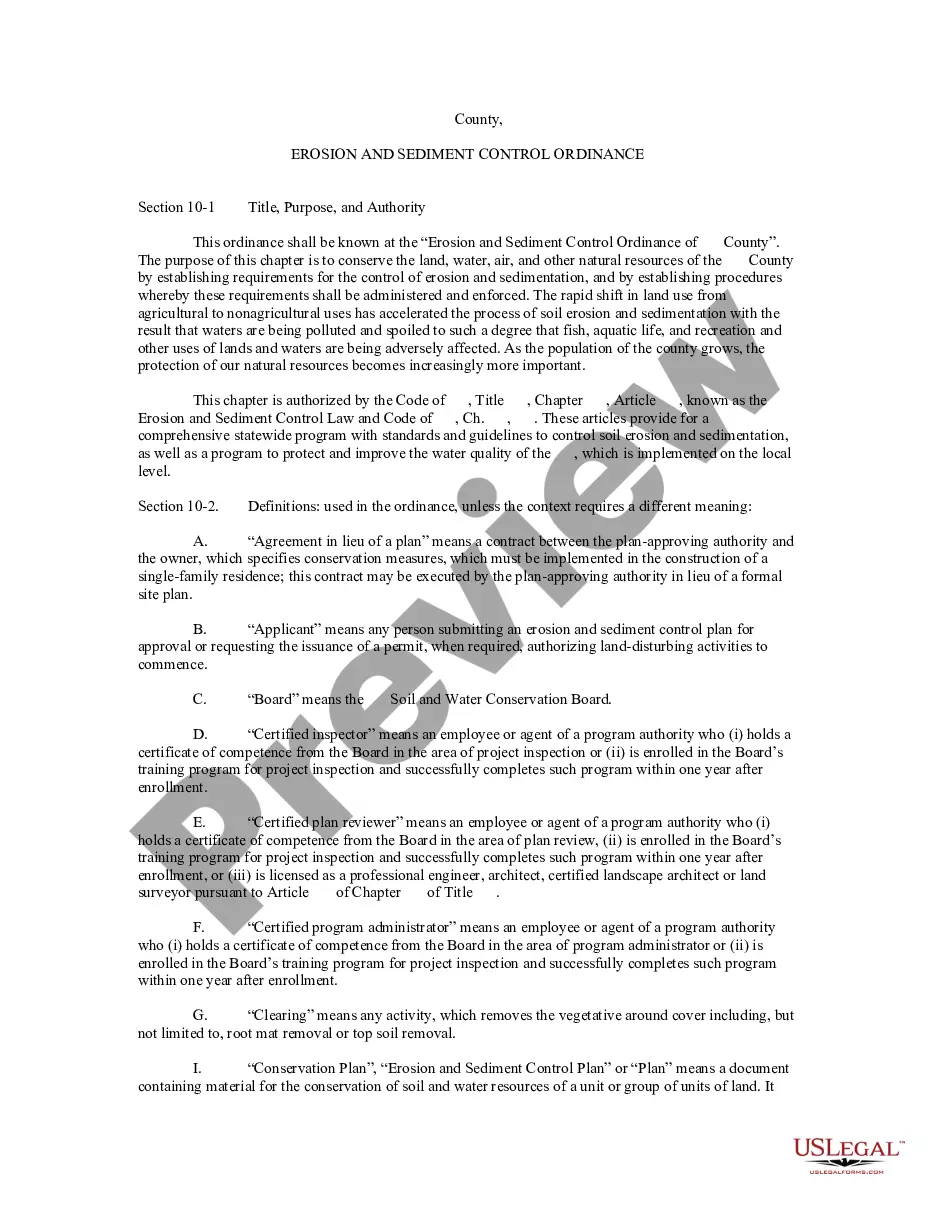
Oklahoma Stormwater Control Ordinance
Description
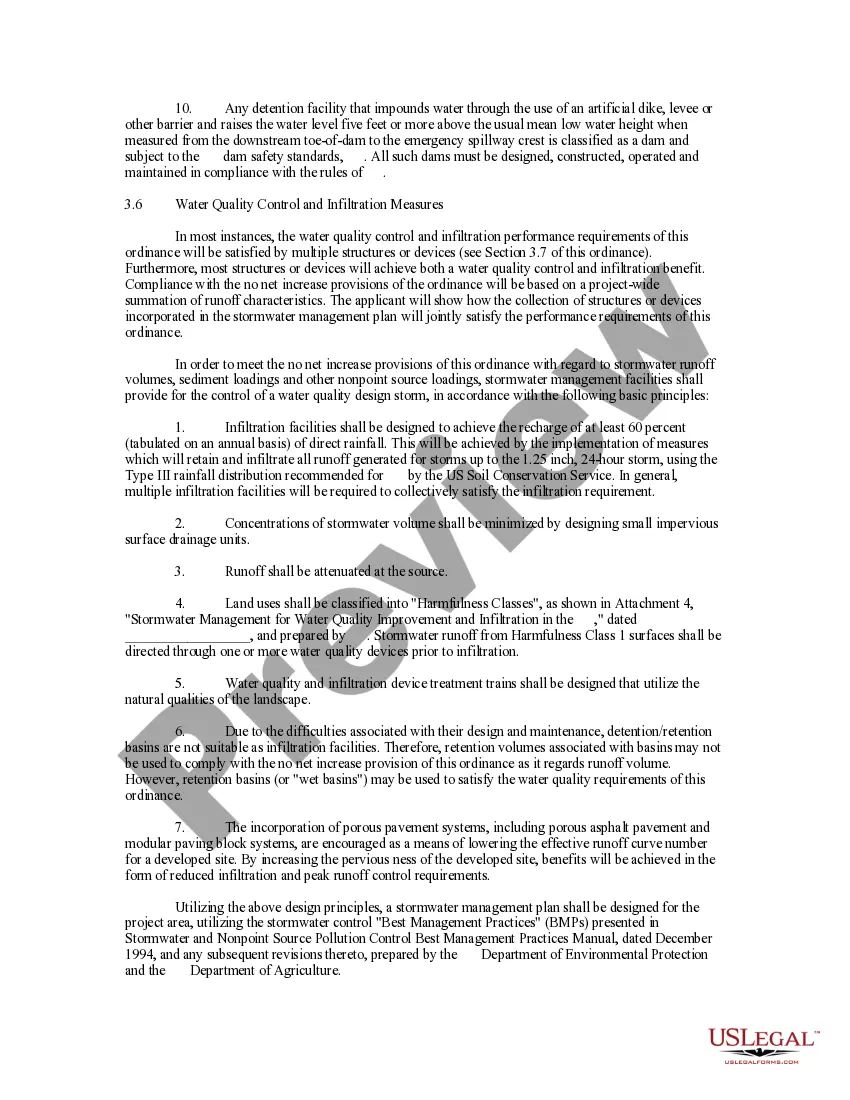
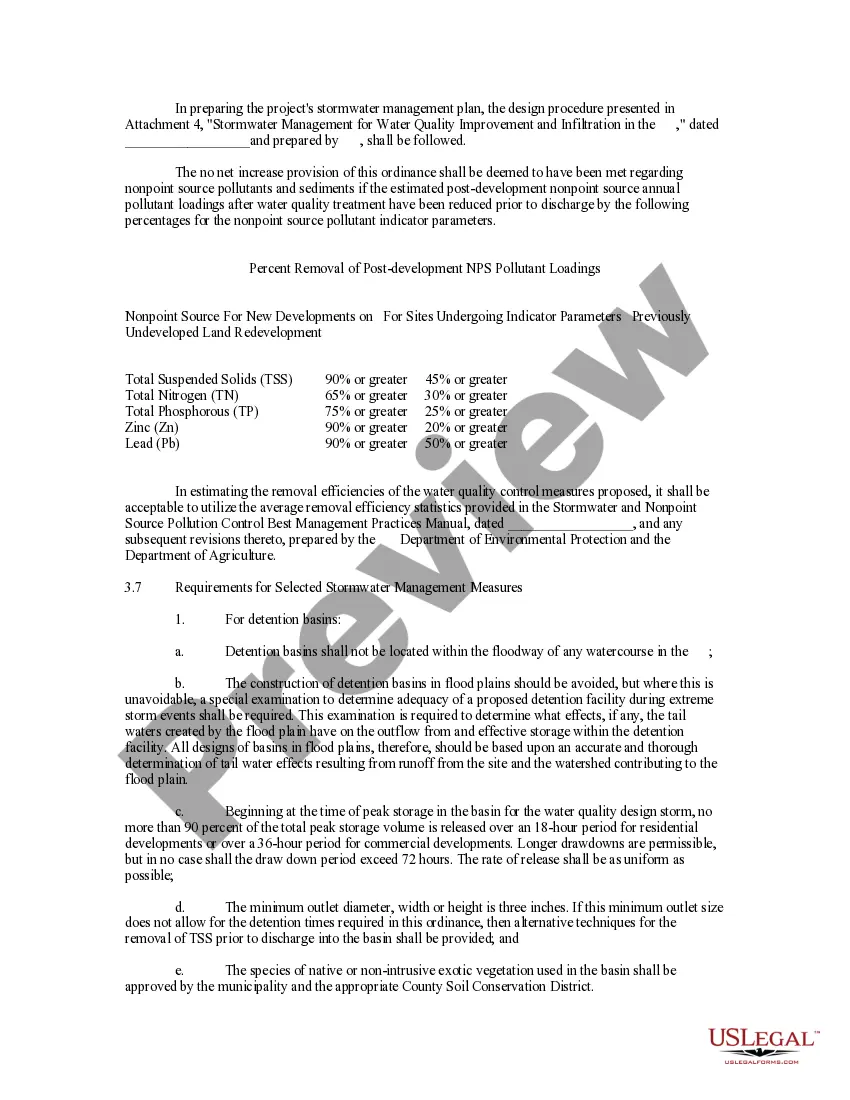
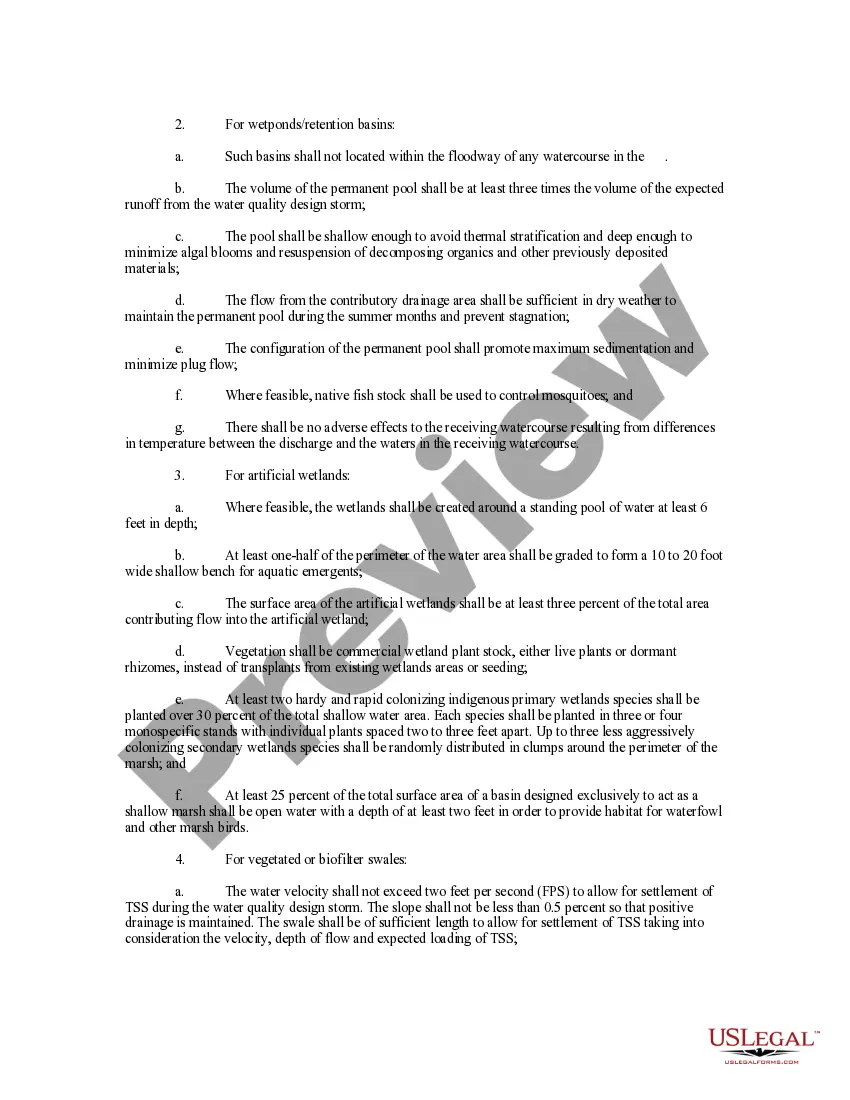

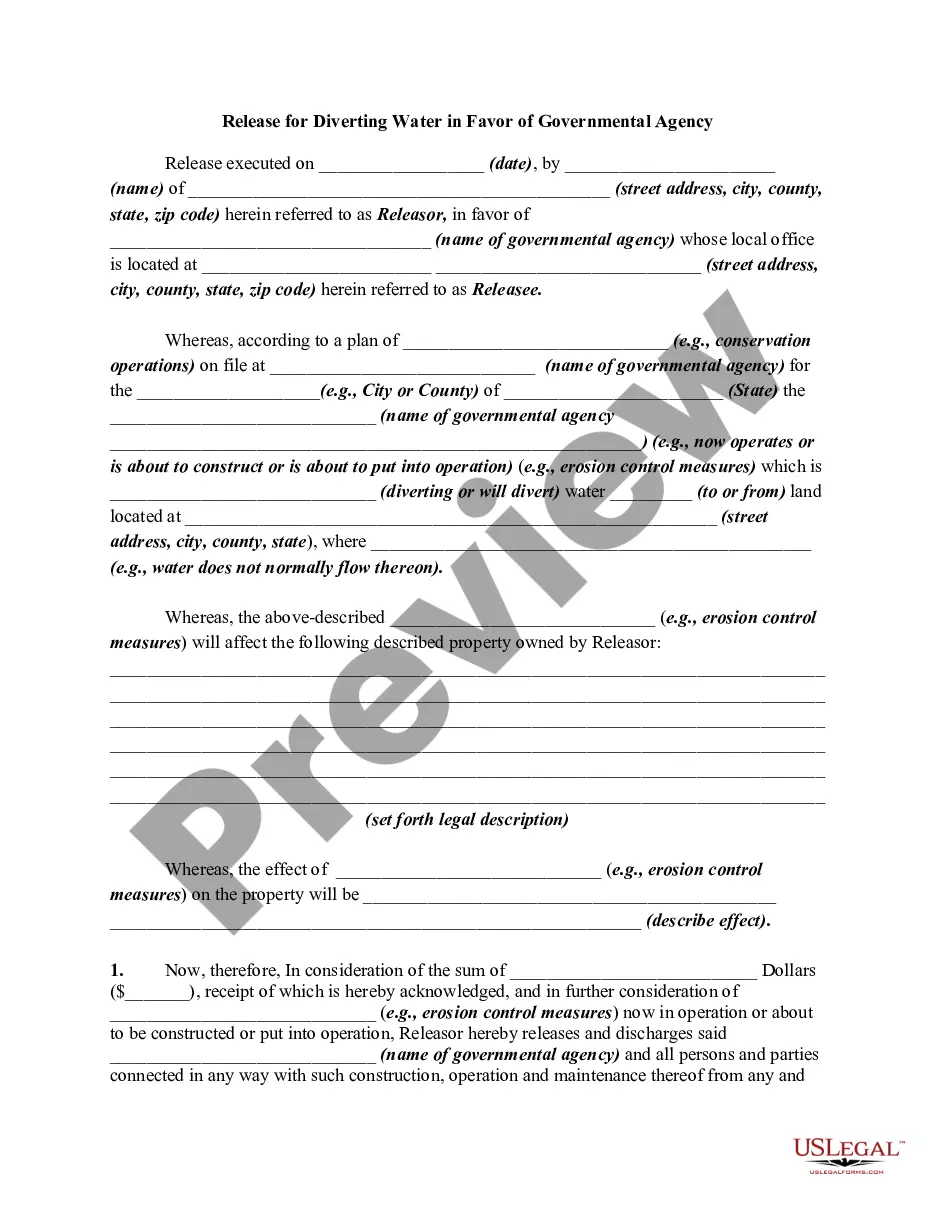
Get your form ready online
Our built-in tools help you complete, sign, share, and store your documents in one place.
Make edits, fill in missing information, and update formatting in US Legal Forms—just like you would in MS Word.
Download a copy, print it, send it by email, or mail it via USPS—whatever works best for your next step.
Sign and collect signatures with our SignNow integration. Send to multiple recipients, set reminders, and more. Go Premium to unlock E-Sign.
If this form requires notarization, complete it online through a secure video call—no need to meet a notary in person or wait for an appointment.
We protect your documents and personal data by following strict security and privacy standards.

Make edits, fill in missing information, and update formatting in US Legal Forms—just like you would in MS Word.

Download a copy, print it, send it by email, or mail it via USPS—whatever works best for your next step.

Sign and collect signatures with our SignNow integration. Send to multiple recipients, set reminders, and more. Go Premium to unlock E-Sign.

If this form requires notarization, complete it online through a secure video call—no need to meet a notary in person or wait for an appointment.

We protect your documents and personal data by following strict security and privacy standards.
Looking for another form?


How to fill out Stormwater Control Ordinance?
You are able to devote hours on-line attempting to find the legitimate file design that meets the state and federal specifications you will need. US Legal Forms offers thousands of legitimate kinds which can be reviewed by professionals. You can actually obtain or printing the Oklahoma Stormwater Control Ordinance from our support.
If you have a US Legal Forms profile, you may log in and click on the Acquire key. Next, you may total, edit, printing, or signal the Oklahoma Stormwater Control Ordinance. Every legitimate file design you buy is the one you have eternally. To have another backup associated with a acquired type, check out the My Forms tab and click on the related key.
Should you use the US Legal Forms internet site the first time, keep to the easy recommendations below:
- Initially, make sure that you have selected the right file design for your area/town of your choice. Look at the type explanation to make sure you have chosen the correct type. If available, take advantage of the Preview key to appear throughout the file design as well.
- If you want to locate another model of your type, take advantage of the Research discipline to obtain the design that meets your needs and specifications.
- After you have found the design you need, click on Get now to carry on.
- Find the prices plan you need, key in your references, and sign up for a free account on US Legal Forms.
- Total the purchase. You can use your Visa or Mastercard or PayPal profile to pay for the legitimate type.
- Find the formatting of your file and obtain it for your product.
- Make alterations for your file if needed. You are able to total, edit and signal and printing Oklahoma Stormwater Control Ordinance.
Acquire and printing thousands of file themes utilizing the US Legal Forms web site, that offers the greatest collection of legitimate kinds. Use expert and express-particular themes to handle your business or individual demands.
Form popularity
FAQ
EPA and the authorized states regulate stormwater discharges from regulated municipal separate storm sewer systems (MS4s), industrial activities, and construction sites under section 402(p) of the Clean Water Act. These stormwater discharges require NPDES permits. For details, see the NPDES stormwater program.
Cause Bacteria. Debris. Fertilizers. Nutrients (such as phosphorous and nitrogen) Oil. Pesticides. Pet waste. Soil particles.
Runoff picks up fertilizer, oil, pesticides, dirt, bacteria and other pollutants as it makes its way through storm drains and ditches - untreated - to our streams, rivers, lakes and the ocean. Polluted runoff is one of the greatest threats to clean water in the U.S.
In urban areas (like the MWMO watershed), common pollutants include things like bacteria from animal waste, nutrients from leaves and fertilizer, chloride from road salt, and sediment (i.e., dirt). An MWMO intern holds a water quality sample collected from the Mississippi River.
Lead is derived from a number of sources, including mining, smelting, lead-based paints, leaded gasoline, etc. For some soils and some lead sources, high concentrations of lead in the soil do not appear to be taken up as readily as lower concentrations from other sources and types of soil.
The Iowa Department of Natural Resources (IDNR) is charged on the state level to enforce the U.S. Environmental Protection Agency's NPDES stormwater regulations through a permitting process.
The SWP3 provides a strategy to prevent or minimize sediment and other pollutants originating from construction sites from reaching surface waters of the state during those construction activities.
Stormwater pollution can include chemicals, fast food wrappers, cigarette butts, Styrofoam cups, sewage overflow, cooking oil, bacteria from pet waste, used motor oil, fertilizers, paint and construction debris.