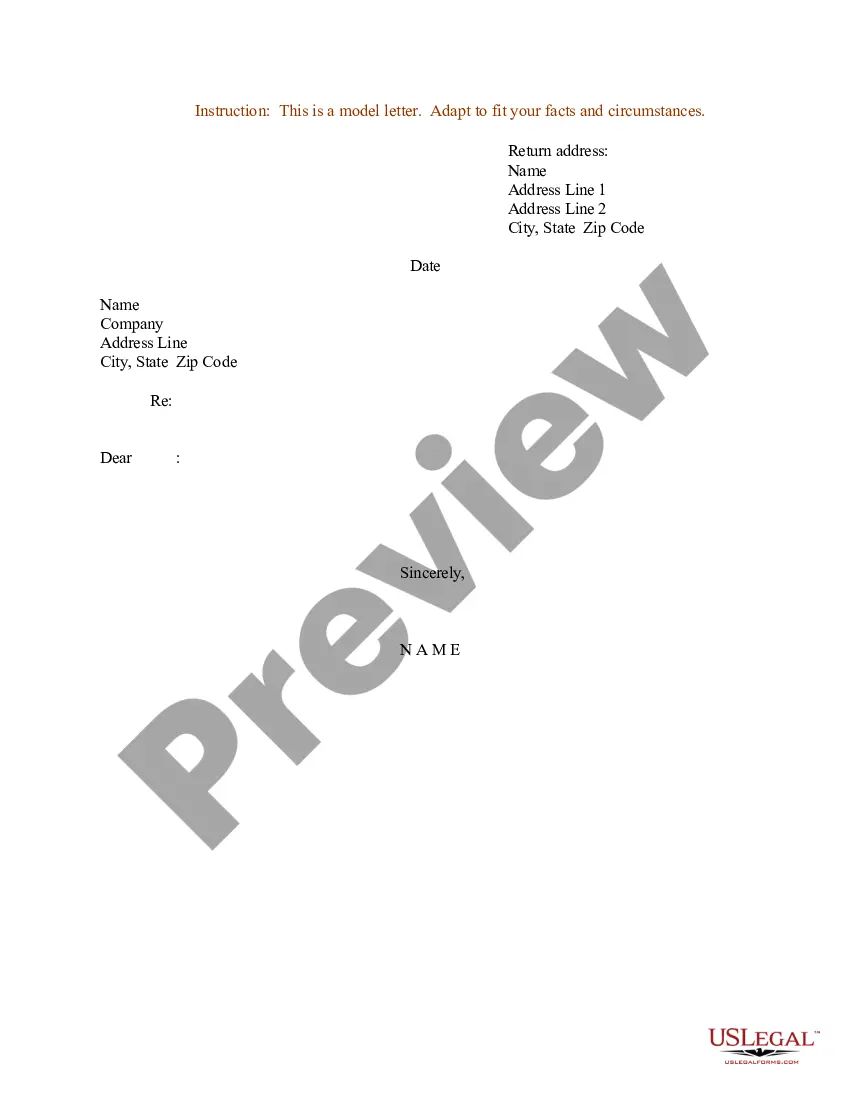
Oklahoma Sample Letter for Letter Template #1
Description
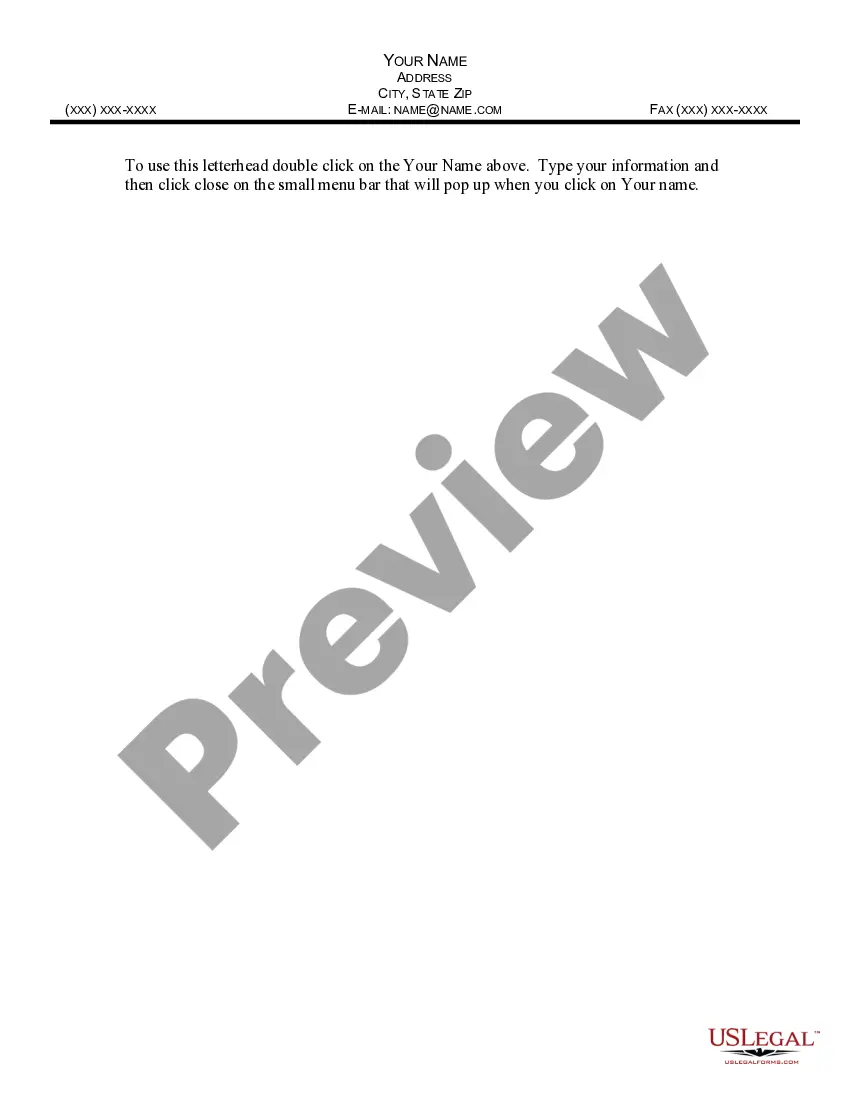
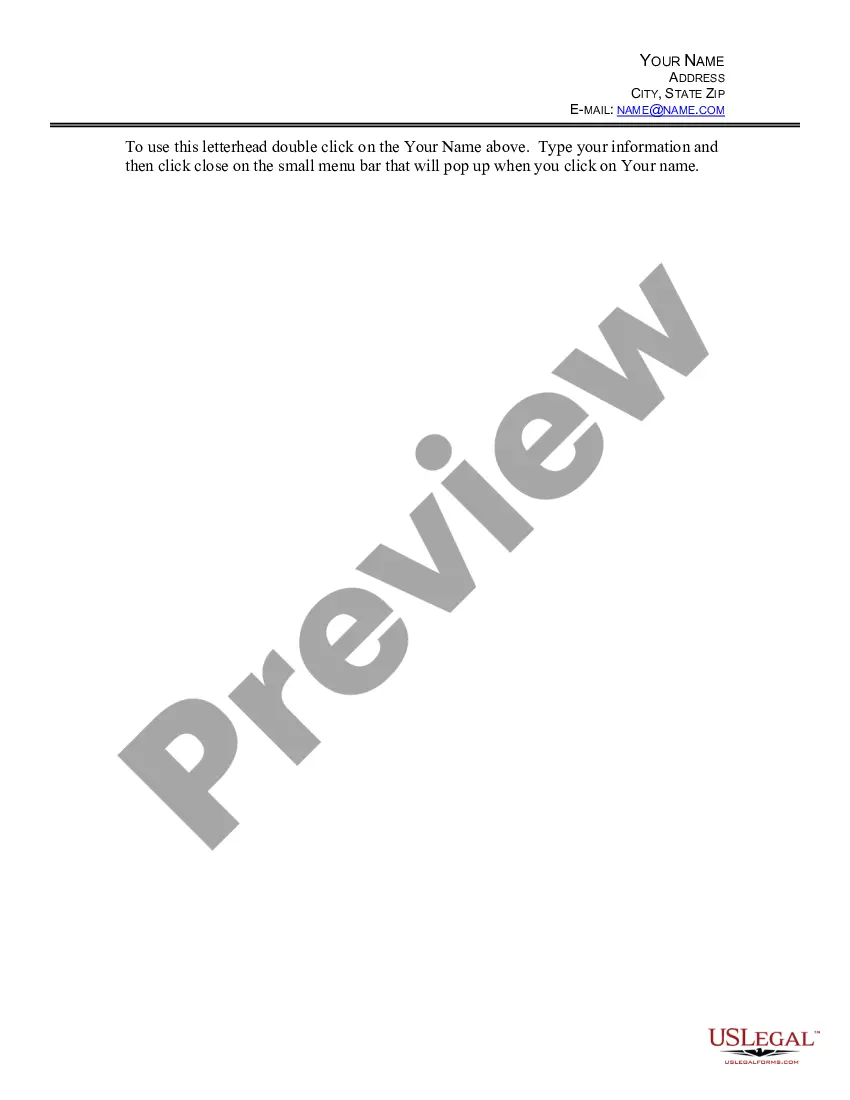
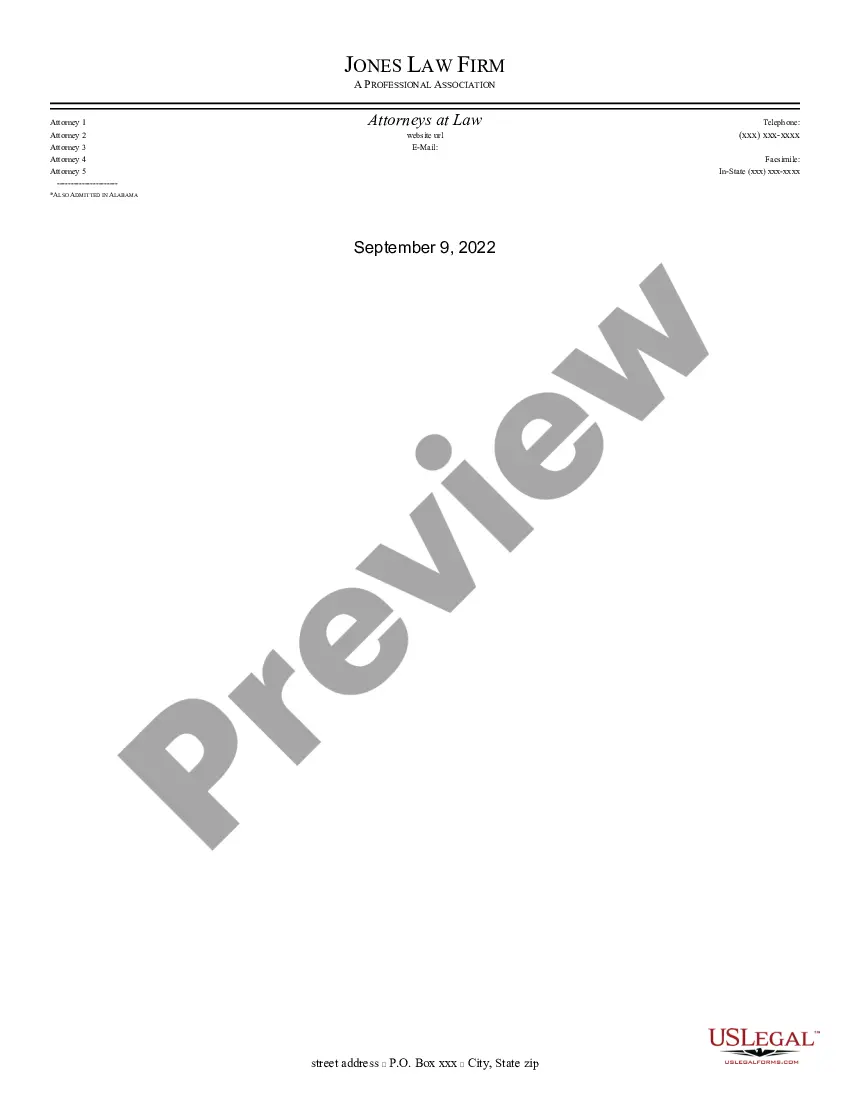
Get your form ready online
Our built-in tools help you complete, sign, share, and store your documents in one place.
Make edits, fill in missing information, and update formatting in US Legal Forms—just like you would in MS Word.
Download a copy, print it, send it by email, or mail it via USPS—whatever works best for your next step.
Sign and collect signatures with our SignNow integration. Send to multiple recipients, set reminders, and more. Go Premium to unlock E-Sign.
If this form requires notarization, complete it online through a secure video call—no need to meet a notary in person or wait for an appointment.
We protect your documents and personal data by following strict security and privacy standards.

Make edits, fill in missing information, and update formatting in US Legal Forms—just like you would in MS Word.

Download a copy, print it, send it by email, or mail it via USPS—whatever works best for your next step.

Sign and collect signatures with our SignNow integration. Send to multiple recipients, set reminders, and more. Go Premium to unlock E-Sign.

If this form requires notarization, complete it online through a secure video call—no need to meet a notary in person or wait for an appointment.

We protect your documents and personal data by following strict security and privacy standards.
Looking for another form?








How to fill out Sample Letter For Letter Template #1?
You might spend time online looking for the legal document template that fulfills the federal and state requirements you need.
US Legal Forms offers a vast array of legal forms that are evaluated by experts.
You can conveniently download or print the Oklahoma Sample Letter for Letter Template #1 from the service.
If available, use the Review option to browse the document template as well. If you want to find another version of the form, use the Search field to locate the template that suits your needs.
- If you already have a US Legal Forms account, you can Log In and click on the Download option.
- Then, you can complete, modify, print, or sign the Oklahoma Sample Letter for Letter Template #1.
- Every legal document template you obtain is yours indefinitely.
- To get another copy of a purchased form, visit the My documents tab and click on the corresponding option.
- If you are using the US Legal Forms website for the first time, follow the straightforward instructions below.
- First, ensure you have selected the correct document template for the region/city of your choice.
- Review the form description to make certain you have selected the right form.
Form popularity
FAQ
Writing a sample letter begins with identifying the purpose of your correspondence. Utilize the Oklahoma Sample Letter for Letter Template #1 to structure your thoughts effectively. Ensure that you cover all necessary details while maintaining a clear and concise format. Lastly, remember to tailor your letter to the specific audience and situation to achieve the best results.
The first paragraph of your letter should include information on why you are writing. Mention the position you are applying for and where you found the job listing. Include the name of a mutual contact, if you have one. The next section of your cover letter should describe what you have to offer the employer.
When writing a cover letter, you should:introduce yourself.mention the job (or kind of job) you're applying for (or looking for)show that your skills and experience match the skills and experience needed to do the job.encourage the reader to read your resume.More items...?
These are the four parts of a cover letter:your contact information.a cover letter introduction.body paragraphs (usually 2) that describe why you're a good fit for the company.a cover letter closing statement.
A cover letter is comprised of several sections: your contact information, a salutation, the body of the cover letter, an appropriate closing, and a signature.
Here's how to make a great cover letter for a job application:List your contact information (and the employer's details)Address the hiring manager (ideally by their name)Write an attention-getting opening paragraph.Explain why you're qualified for the job.Relate your experience to the company's needs.More items...?
To create an effective opening to your cover letter, follow these steps:Convey enthusiasm for the company.Highlight a mutual connection.Lead with an impressive accomplishment.Bring up something newsworthy.Express passion for what you do.Tell a creative story.Start with a belief statement.
First Paragraph: The first paragraph of your letter should include information on why you are writing. Mention the position you are applying for, and how you learned about it. Include the name of a mutual contact, if you have one. Be clear, concise, and enthusiastic regarding your interest in the job.
Header. All cover letters start with a header that includes your contact information.Greeting. The salutation or greeting of your cover letter is your first chance to differentiate yourself from other applicants by addressing the correct person.Introduction.Qualifications.Values and goals.Call to action.Signature.
The following information should be included in your cover letter.Information about you. Begin your cover letter with your contact information.Date.Contact Person's Name, Title, Employer, and Address.Salutation.Opening Paragraph.Middle Paragraph.Second Middle Paragraph.Contact Information and Closing.