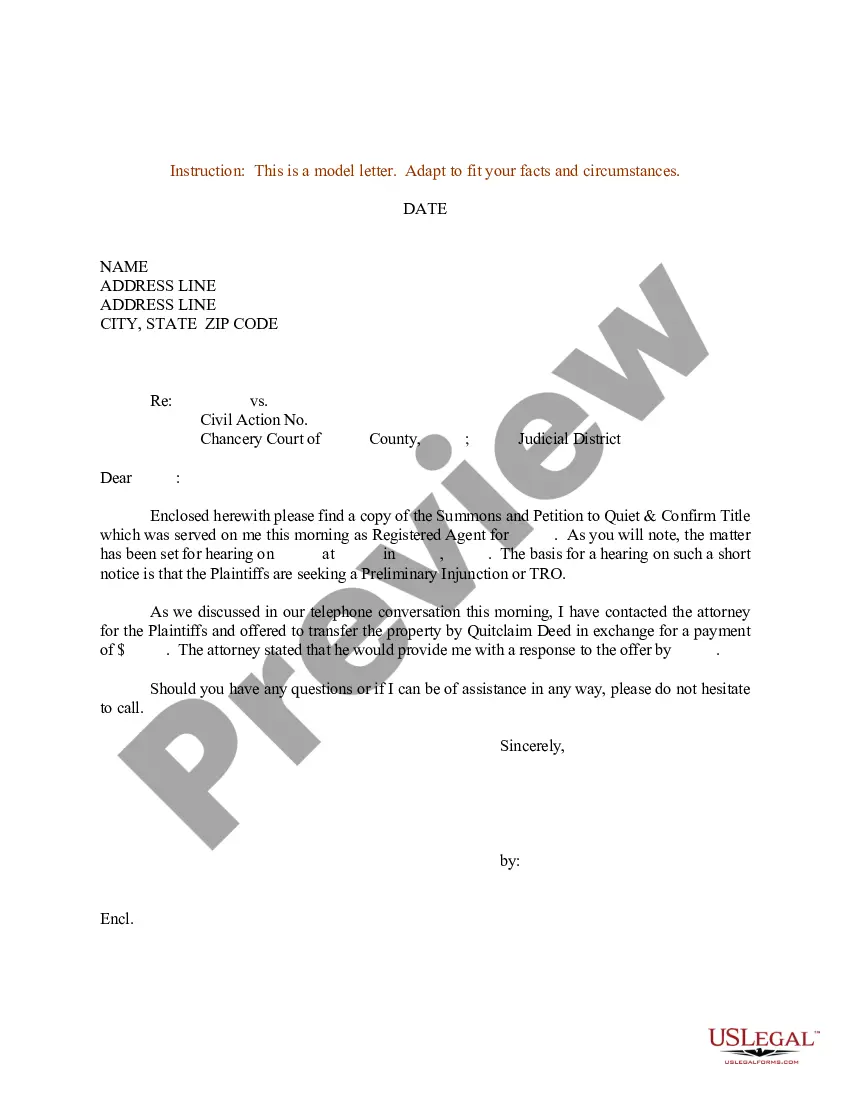
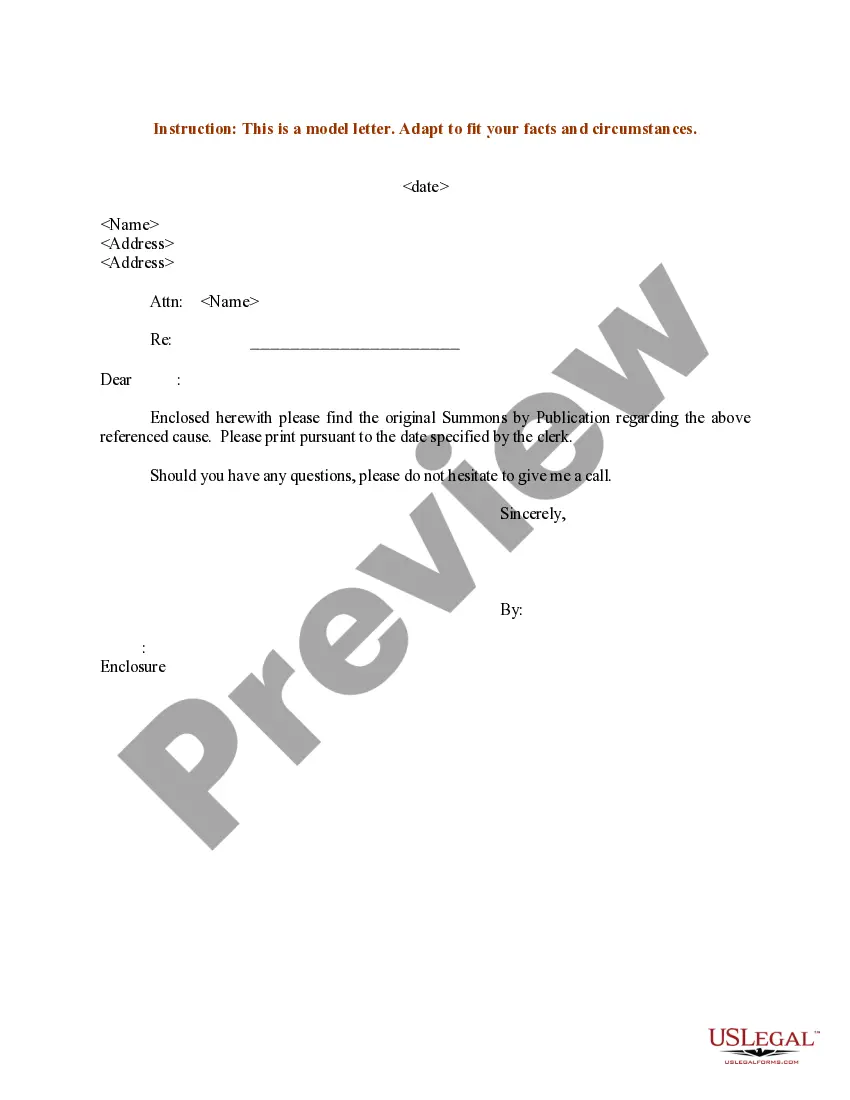
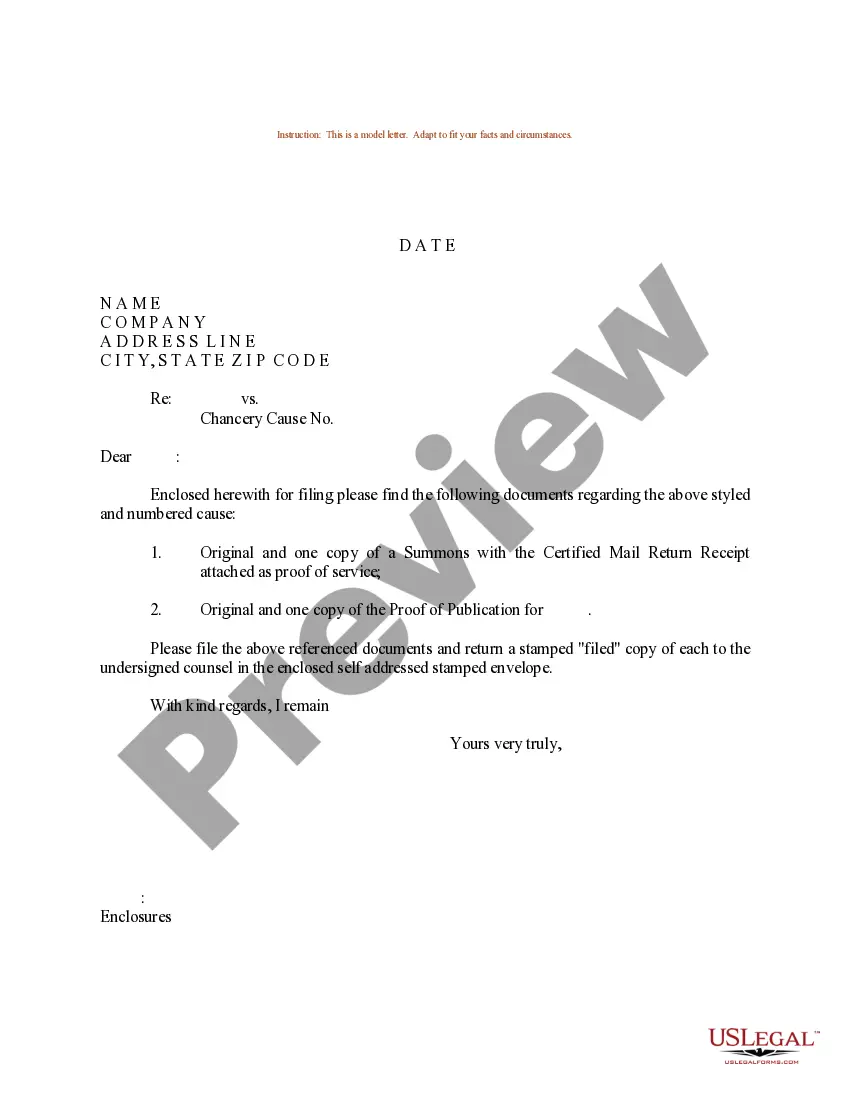
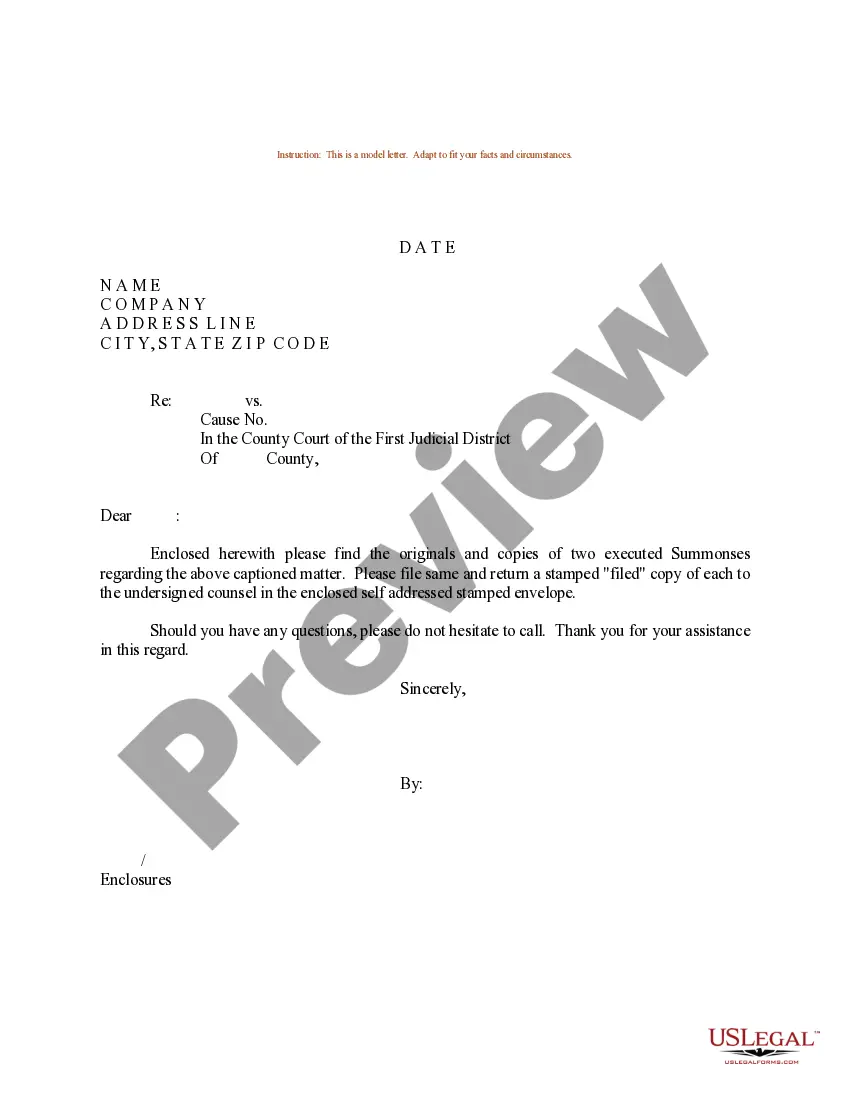
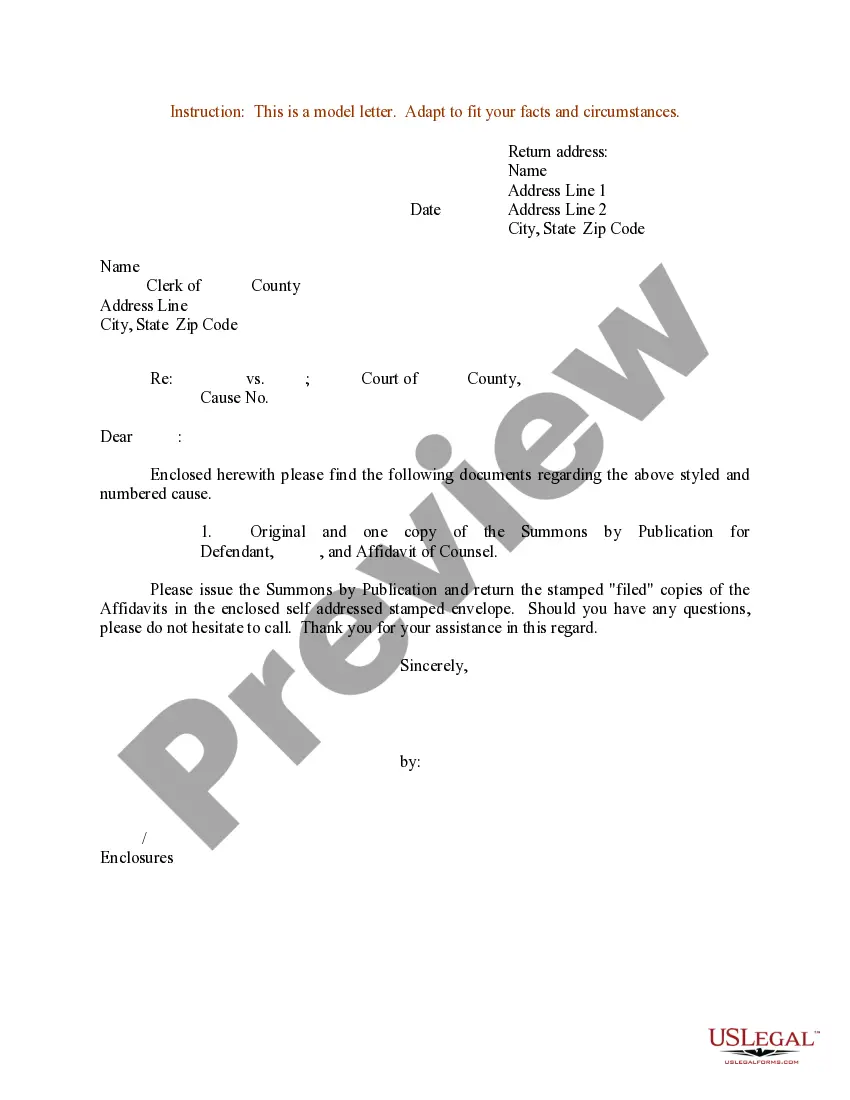
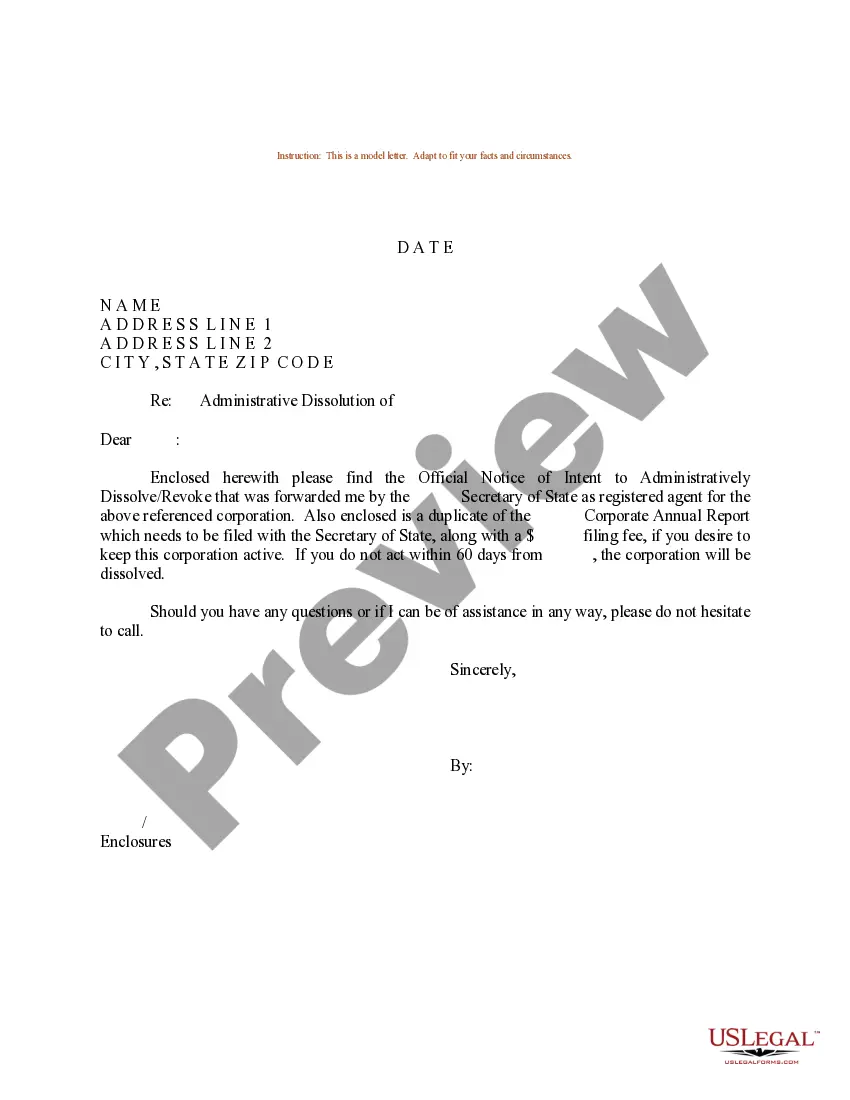
Oklahoma Sample Letter for Summons and Petition to Quiet and Confirm Title
Description
Get your form ready online
Our built-in tools help you complete, sign, share, and store your documents in one place.
Make edits, fill in missing information, and update formatting in US Legal Forms—just like you would in MS Word.
Download a copy, print it, send it by email, or mail it via USPS—whatever works best for your next step.
Sign and collect signatures with our SignNow integration. Send to multiple recipients, set reminders, and more. Go Premium to unlock E-Sign.
If this form requires notarization, complete it online through a secure video call—no need to meet a notary in person or wait for an appointment.
We protect your documents and personal data by following strict security and privacy standards.

Make edits, fill in missing information, and update formatting in US Legal Forms—just like you would in MS Word.

Download a copy, print it, send it by email, or mail it via USPS—whatever works best for your next step.

Sign and collect signatures with our SignNow integration. Send to multiple recipients, set reminders, and more. Go Premium to unlock E-Sign.

If this form requires notarization, complete it online through a secure video call—no need to meet a notary in person or wait for an appointment.

We protect your documents and personal data by following strict security and privacy standards.
Looking for another form?
How to fill out Sample Letter For Summons And Petition To Quiet And Confirm Title?
US Legal Forms - one of the largest collections of legal documents in the USA - offers a broad selection of legal document templates available for download or printing. By utilizing the site, you can access a vast number of forms for business and personal purposes, organized by categories, states, or keywords. You can quickly find the latest versions of forms such as the Oklahoma Sample Letter for Summons and Petition to Quiet and Confirm Title.
If you already have a subscription, Log In and download the Oklahoma Sample Letter for Summons and Petition to Quiet and Confirm Title from the US Legal Forms library. The Download button will appear on every form you view. You can access all previously downloaded forms in the My documents section of your account.
If you are using US Legal Forms for the first time, here are some straightforward steps to get you started: Make sure you have selected the correct form for your region/area. Click the Preview button to review the form's content. Read the form description to ensure you have chosen the correct form. If the form does not meet your needs, use the Search box at the top of the screen to find one that does. Once you are satisfied with the form, confirm your selection by clicking the Purchase now button. Then, choose the pricing plan you prefer and provide your details to register for an account. Process the payment. Use your Visa or Mastercard or PayPal account to complete the transaction. Select the format and download the form to your device. Make changes. Fill out, modify, print, and sign the downloaded Oklahoma Sample Letter for Summons and Petition to Quiet and Confirm Title.
- Every template you add to your account has no expiration date and is yours permanently.
- So, if you need to download or print another copy, simply go to the My documents section and click on the form you need.
- Access the Oklahoma Sample Letter for Summons and Petition to Quiet and Confirm Title with US Legal Forms, the most extensive library of legal document templates.
- Utilize a vast number of professional and state-specific templates that fulfill your business or personal needs and requirements.
Form popularity
FAQ
Uncertain property boundaries between neighbors, boundary disputes, unclear ownership of inherited property, and claims of adverse possession are some of the common reasons for filing quiet title actions in California.
Quiet title actions are common, for example, after the death of a title owner, especially when the property is left unoccupied for a long time. Squatters may try to claim adverse possession, or competing mortgage lenders may claim ownership interests.
The owner against liabilities and losses resulting from title defects. Why would a property owner file a quiet title suit? To force the grantor to defend the title against a third party claim.
As an example of a quiet title, there could be a Contractor whose primary job is flipping a house, meaning that Contractor A purchases a home for a low price, makes necessary home improvements, and then turns around and sells the home for a profit.
A quiet title action is a special legal proceeding to determine ownership of real property. A party with a claim of ownership to land can file an action to quiet title, which serves as a sort of lawsuit against anyone and everyone else who has a claim to the land.
Adverse possession is one possible theory of ownership that might be asserted within a quiet title action. Adverse possession is one of the only ways to obtain ownership of property other than deed or inheritance.
Proof Requirements A plaintiff seeking to quiet title against a person with legal title to property has the burden of proving title by clear and convincing proof, rather than by the prepon- derance of evidence usually used in civil cases.
A quiet title action attorney will: Describe the title defects to the court; Ask the judge to fix the defects with an order by declaring the true owner of the property; and. File the order in the county property records.