Oklahoma Eastern District Bankruptcy Guide and Forms Package for Chapters 7 or 13
About this form
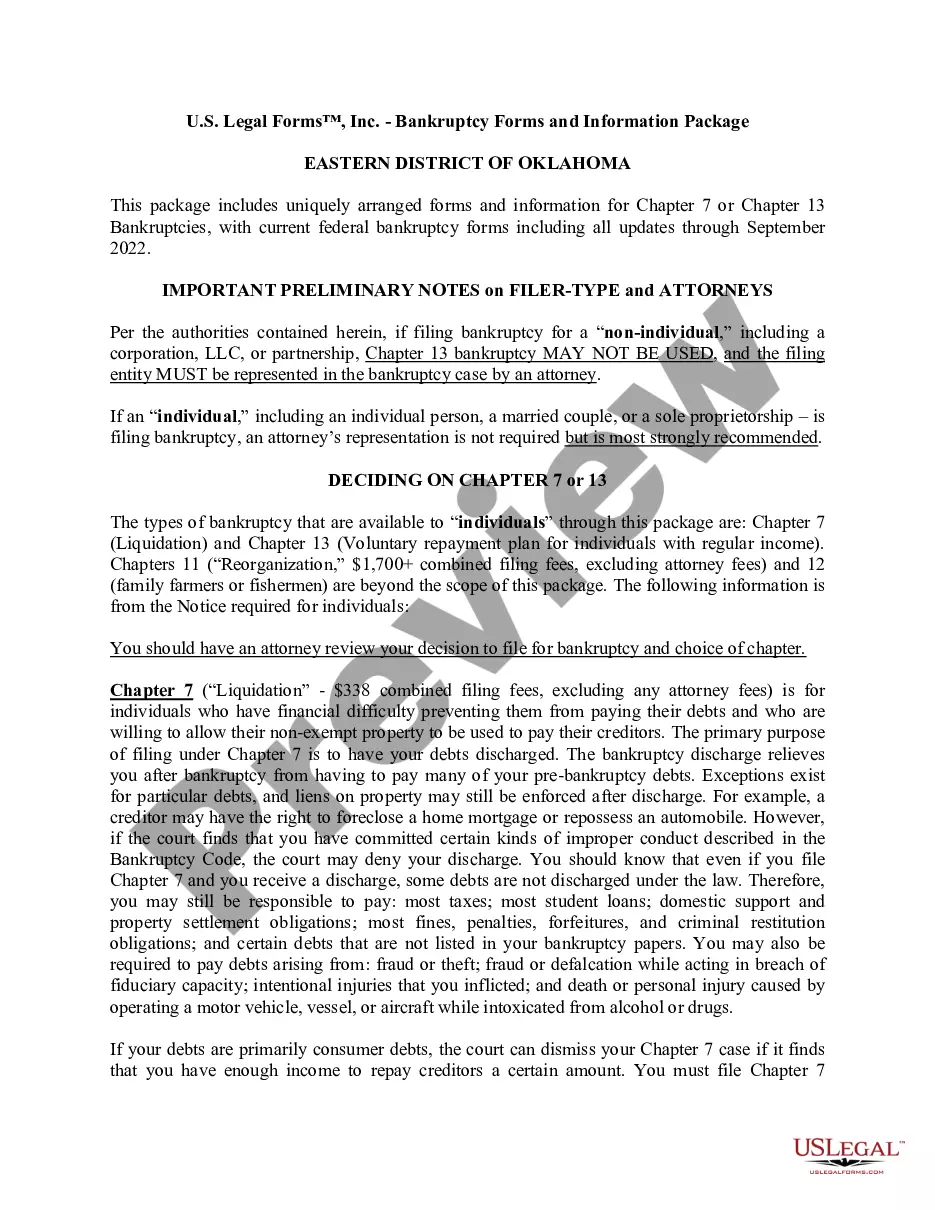
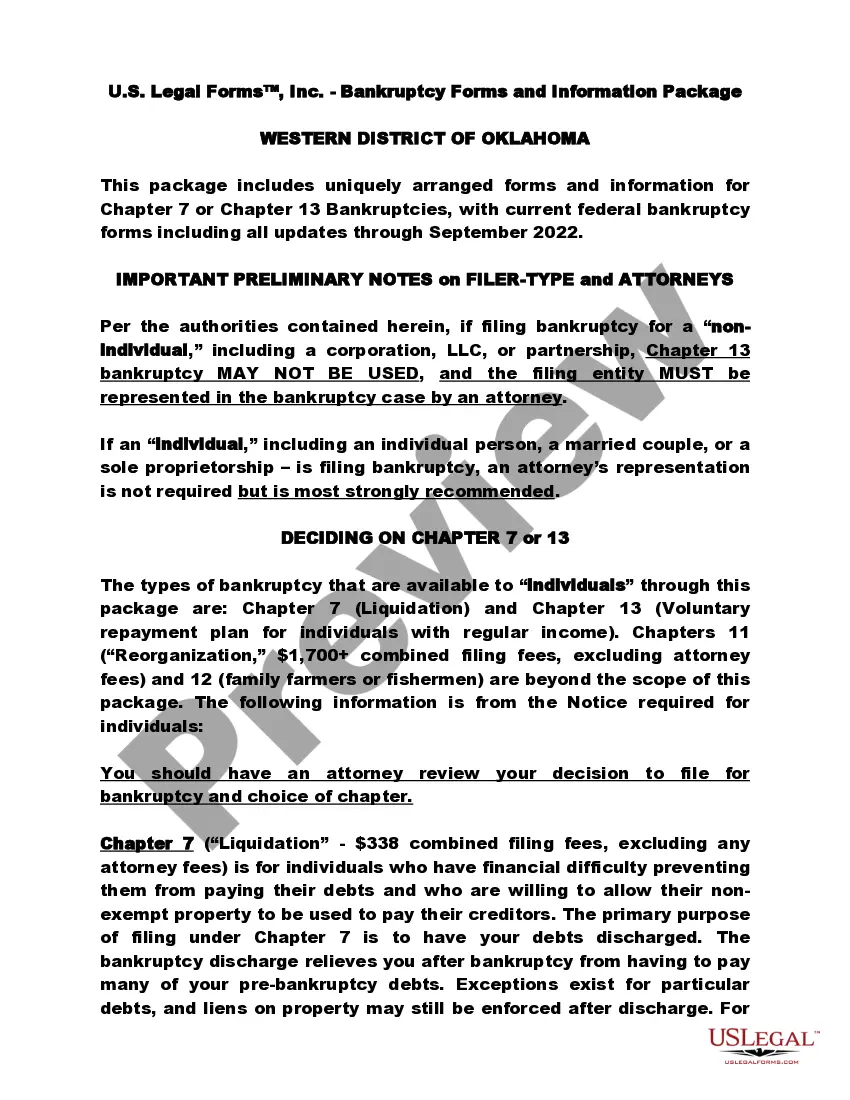
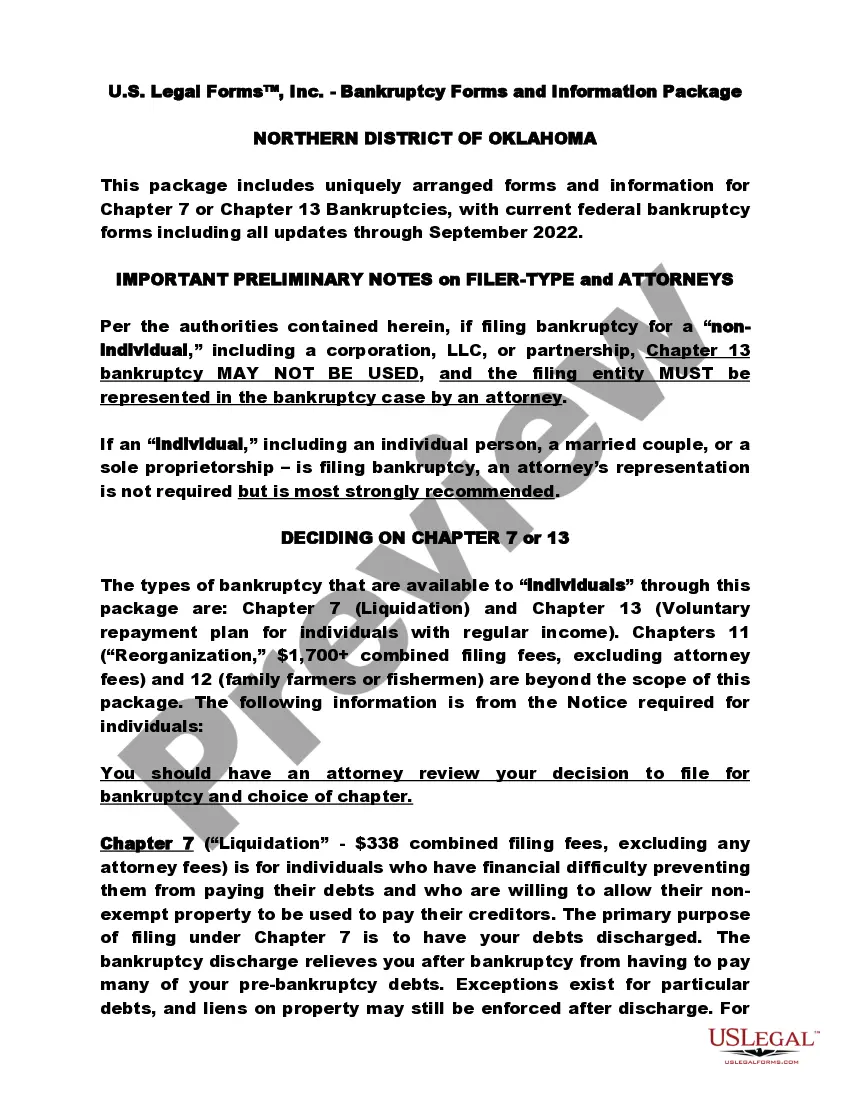
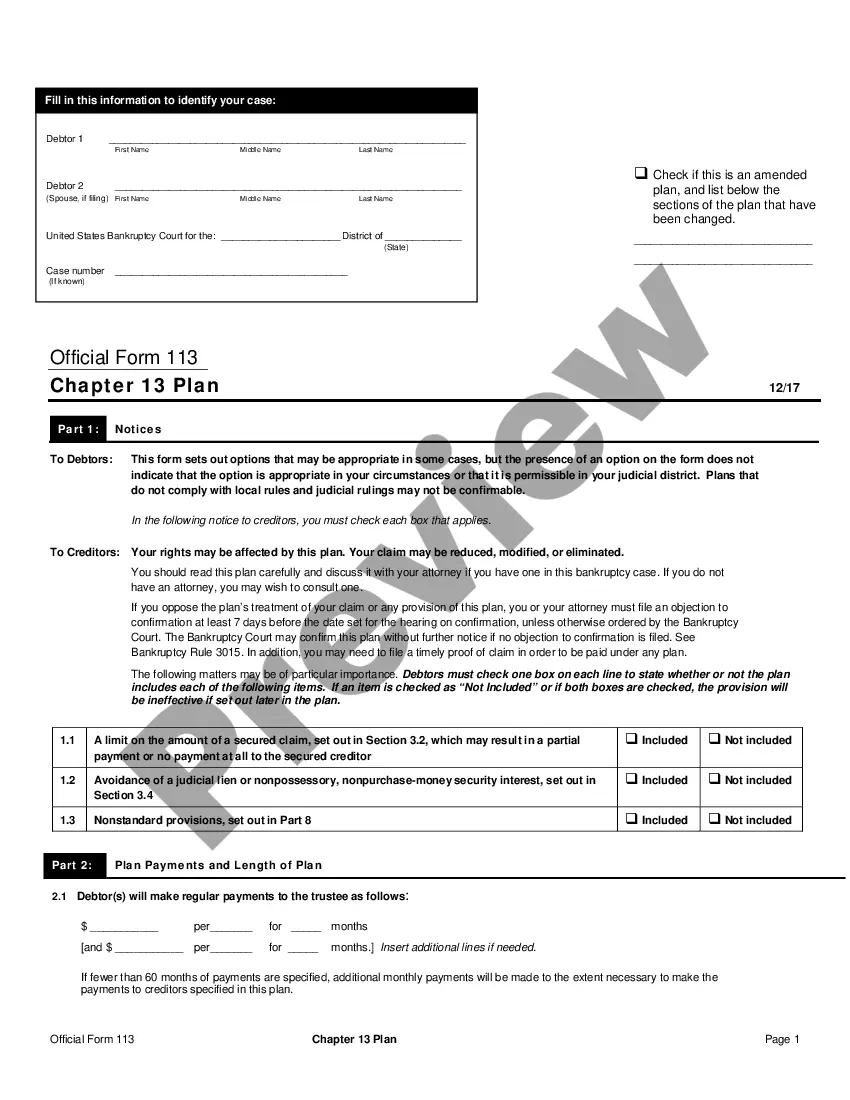
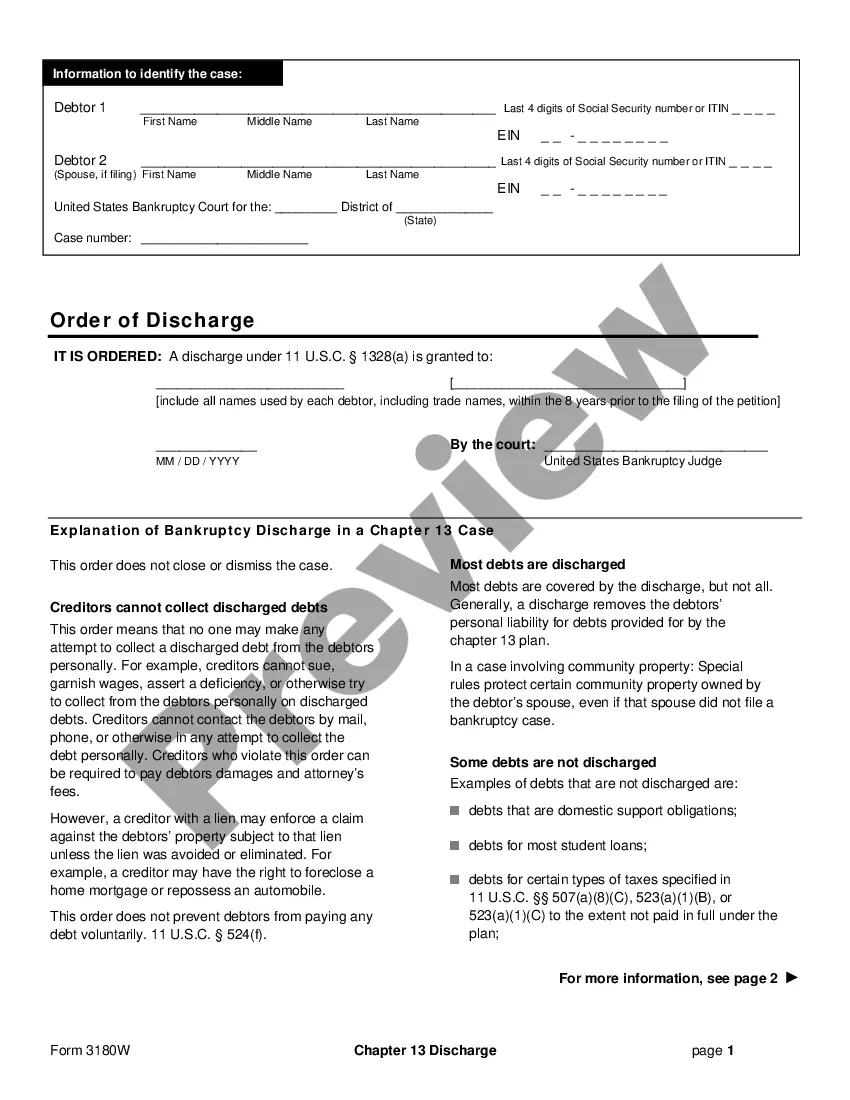
The Oklahoma Eastern District Bankruptcy Guide and Forms Package for Chapters 7 or 13 is a collection of essential forms and information specifically designed for individuals navigating bankruptcy procedures in Oklahoma. This package differentiates itself by providing detailed instructions tailored to both Chapter 7 (Liquidation) and Chapter 13 (Voluntary Repayment Plan) bankruptcies, ensuring users understand the necessary steps and requirements for their chosen bankruptcy chapter.
Key components of this form
- Chapter 7 eligibility criteria and application process.
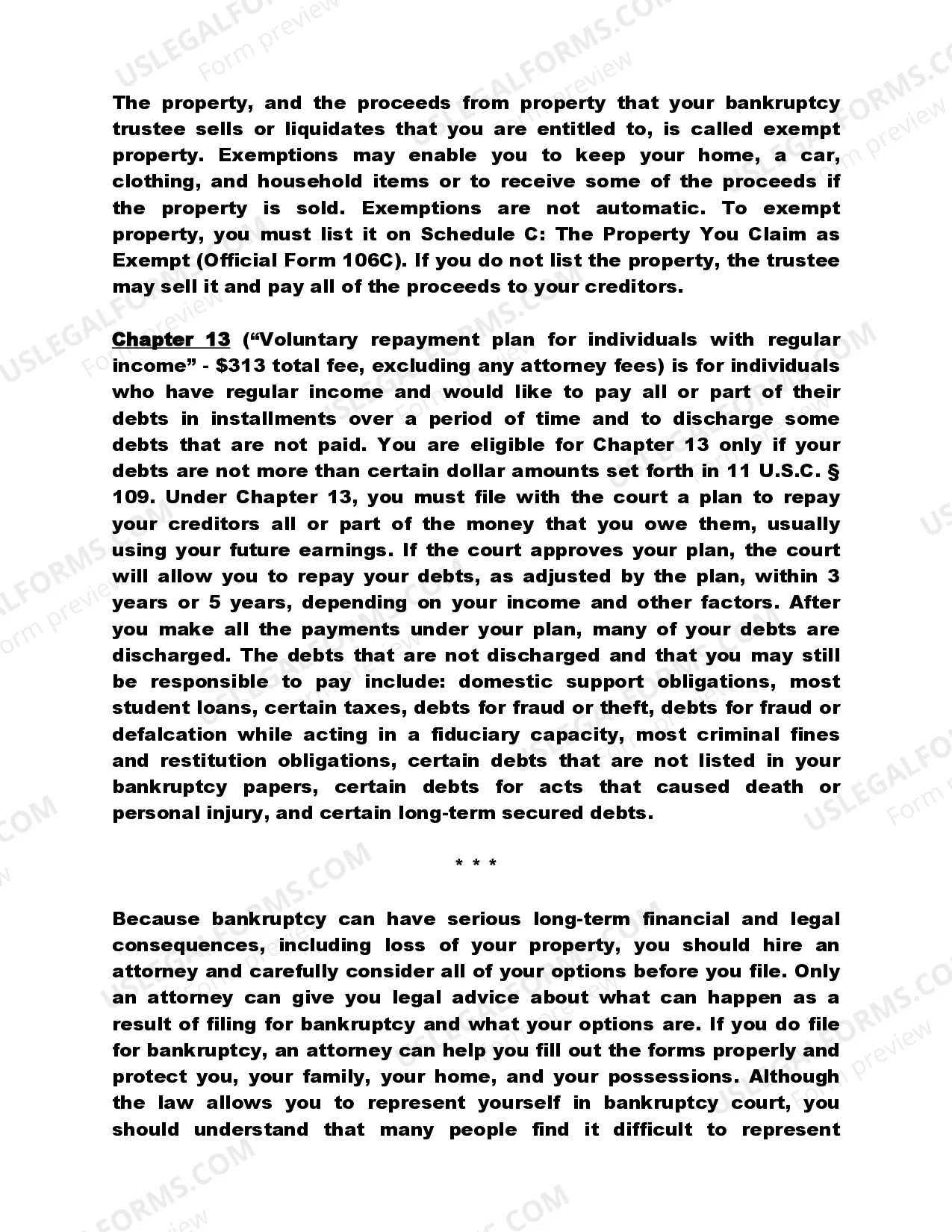
- Chapter 13 repayment plan requirements and guidelines.
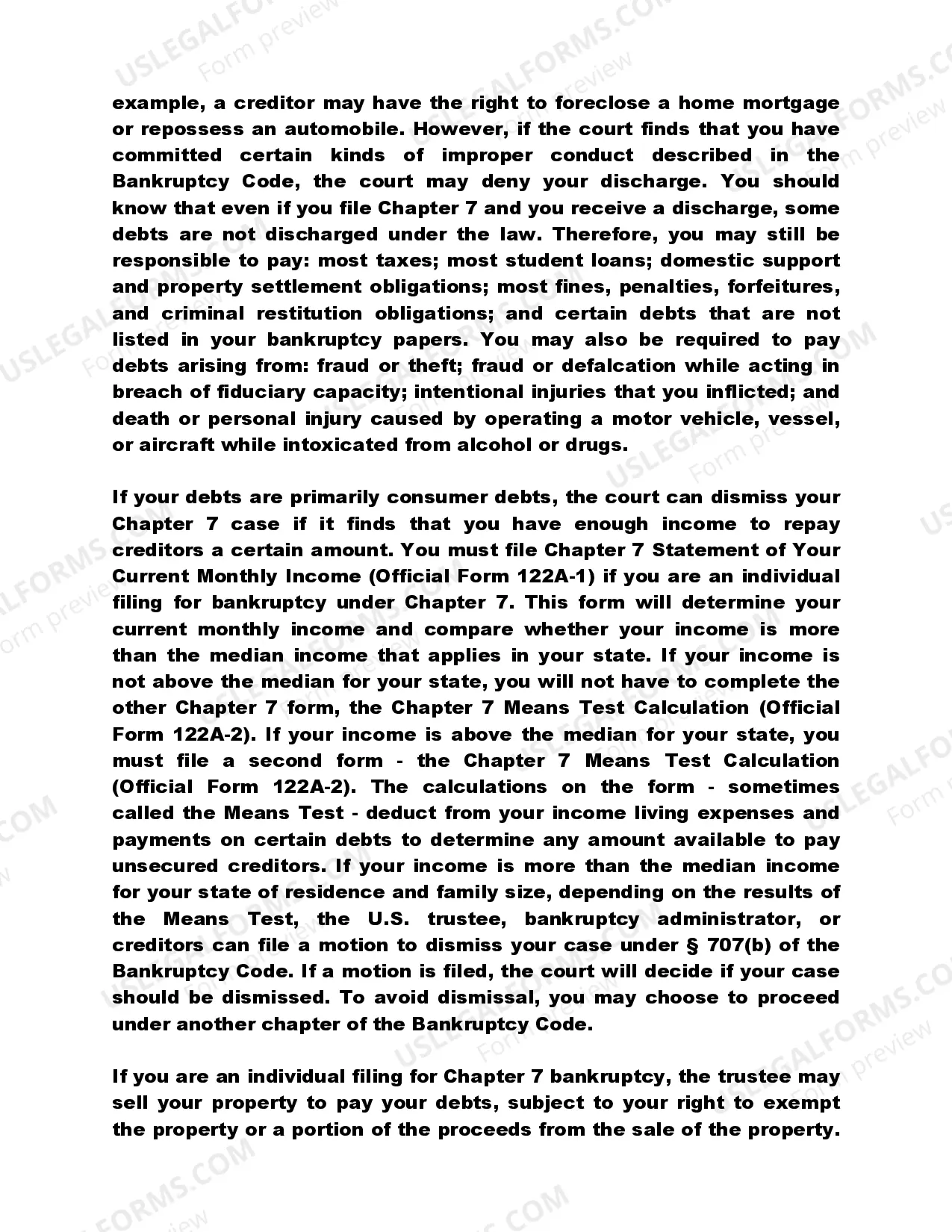
- Instructions on filing Chapter 7 Statement of Your Current Monthly Income.
- Exemption rules for property under bankruptcy law.
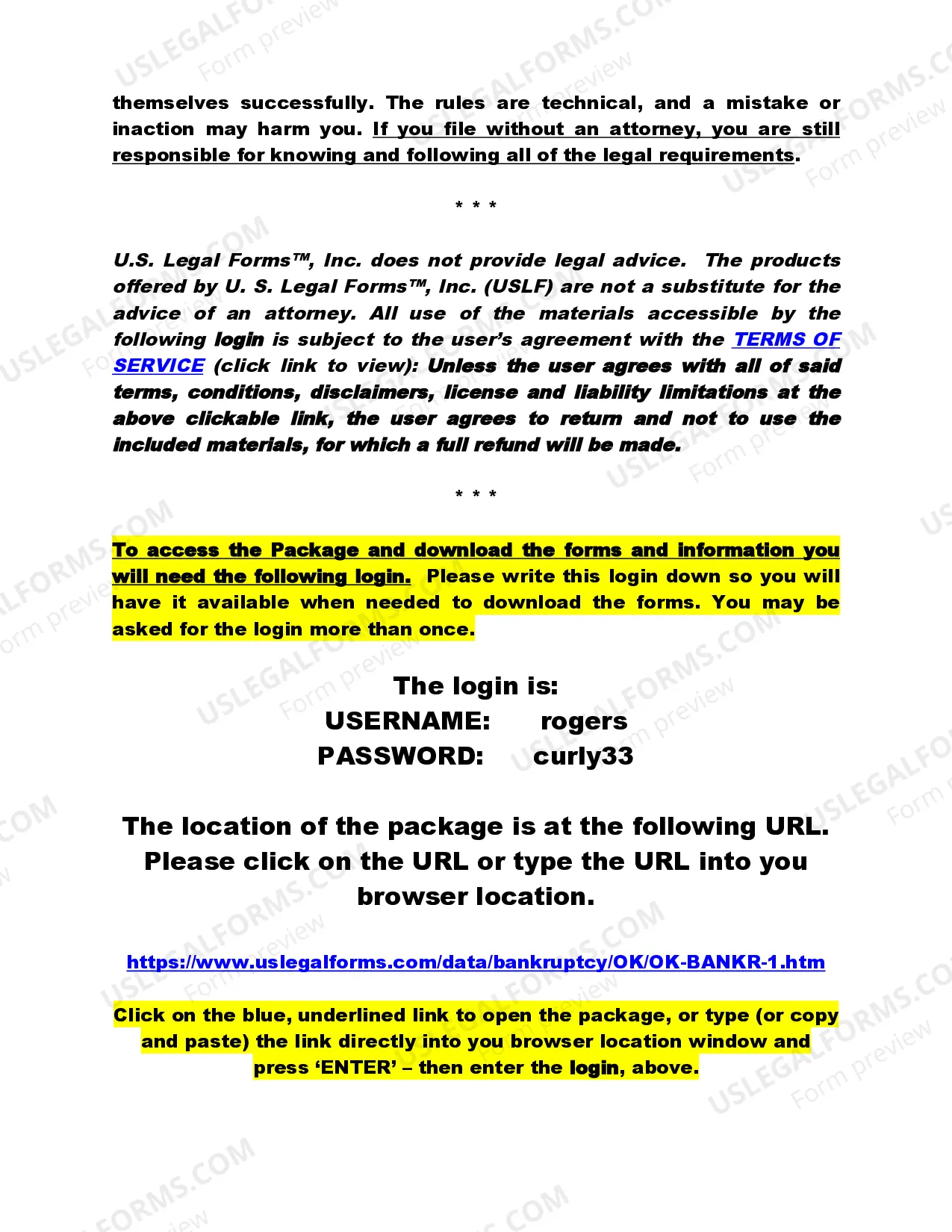
- Access information for downloading the forms and required login credentials.
Common use cases
You should use this form package if you are facing financial difficulties and are considering filing for bankruptcy as an individual in the Oklahoma Eastern District. It is particularly useful if you are unsure whether to file under Chapter 7 for total debt discharge or under Chapter 13 to create a repayment plan over time. This package provides the necessary forms and instructions no matter which chapter you choose to pursue.
Who can use this document
This form is intended for:
- Individuals considering bankruptcy due to financial hardship.
- Married couples looking to file jointly under Chapter 7 or Chapter 13.
- Individuals with regular income who want to develop a manageable repayment plan.
- Anyone seeking guidance on the bankruptcy filing process with the assistance of detailed instructions.
How to complete this form
To complete this form package, follow these steps:
- Review your financial situation to determine the appropriate bankruptcy chapter (7 or 13).
- Gather necessary financial documents, including income statements and a list of debts.
- Complete the Chapter 7 Statement of Your Current Monthly Income form if filing Chapter 7.
- Prepare a repayment plan if choosing Chapter 13 and fill in the applicable forms.
- File your completed forms with the court and follow any additional instructions provided in the package.
Notarization requirements for this form
This form does not typically require notarization unless specified by local law. However, seeking legal advice is recommended to ensure your forms meet all required standards before submission.
Get your form ready online
Our built-in tools help you complete, sign, share, and store your documents in one place.
Make edits, fill in missing information, and update formatting in US Legal Forms—just like you would in MS Word.
Download a copy, print it, send it by email, or mail it via USPS—whatever works best for your next step.
Sign and collect signatures with our SignNow integration. Send to multiple recipients, set reminders, and more. Go Premium to unlock E-Sign.
If this form requires notarization, complete it online through a secure video call—no need to meet a notary in person or wait for an appointment.
We protect your documents and personal data by following strict security and privacy standards.

Make edits, fill in missing information, and update formatting in US Legal Forms—just like you would in MS Word.

Download a copy, print it, send it by email, or mail it via USPS—whatever works best for your next step.

Sign and collect signatures with our SignNow integration. Send to multiple recipients, set reminders, and more. Go Premium to unlock E-Sign.

If this form requires notarization, complete it online through a secure video call—no need to meet a notary in person or wait for an appointment.

We protect your documents and personal data by following strict security and privacy standards.
Common mistakes to avoid
Common mistakes to avoid when completing bankruptcy forms include:
- Failing to include all debts, leading to potential discharge issues.
- Not providing accurate income information, which may affect eligibility for Chapter 7.
- Neglecting to list exempt property on Schedule C, risking its sale by the trustee.
- Submitting forms with incorrect or outdated information, which can delay the filing process.
Benefits of completing this form online
Benefits of using this form online include:
- Convenient access to the latest forms and information at any time.
- Editability, allowing for easy customization to fit individual circumstances.
- Reliable resources backed by licensed attorneys to ensure compliance with local laws.
- Immediate downloads without the need for physical visits, saving time and effort.
Looking for another form?

Form popularity
FAQ
Bankruptcies: 7 years for completed Chapter 13 bankruptcies and 10 years for Chapter 7 bankruptcies. Foreclosures: 7 years. Collections: Generally, about 7 years, depending on the age of the debt being collected. Public Record: 7 years.
Case Information Online Public Access to Court Electronic Records (PACER) is a web-based system that allows users with an internet connection and a PACER account to view or print case documents online. A fee is charged for each page viewed. To sign up for a PACER account, register at http://www.pacer.gov .
The filing fee for a Chapter 7 case is $335. The filing fee for a Chapter 11 case is $1,717. The filing fee for a Chapter 12 is $275. The filing fee for a Chapter 13 is $310.
Disadvantages of Filing for Chapter 13 Bankruptcy Be aware that it can take up 5 five years for you to repay your debts under a Chapter 13 plan, and debts must be paid out of your disposable income.A Chapter 13 bankruptcy can remain on your credit report for up to 10 years, and you will lose all your credit cards.
Unless sealed, all documents filed in a bankruptcy case are available for public viewing. Information contained in bankruptcy case documents is a matter of public record. Documents may be accessed in the Clerk's Office during regular business hours, or 24 hours a day via internet access to PACER.
A chapter 13 bankruptcy is also called a wage earner's plan. It enables individuals with regular income to develop a plan to repay all or part of their debts. Under this chapter, debtors propose a repayment plan to make installments to creditors over three to five years.
If you have a PACER account, you can search using the PACER Case Locator. You can visit the courthouse and use a public terminal. If you know the social security number, you can use the VCIS system. It's a toll free call to 1-866-222-8029. See VCIS instructions here.
In many cases, Chapter 7 bankruptcy is a better fit than Chapter 13 bankruptcy. For instance, Chapter 7 is quicker, many filers can keep all or most of their property, and filers don't pay creditors through a three- to five-year Chapter 13 repayment plan.
The truth: Bankruptcies are considered public records, which is how they're reported on your credit. The public record associated with a Chapter 7 bankruptcy will remain on your credit report for as long as 10 years. That time period starts on the date you file the bankruptcy petition.