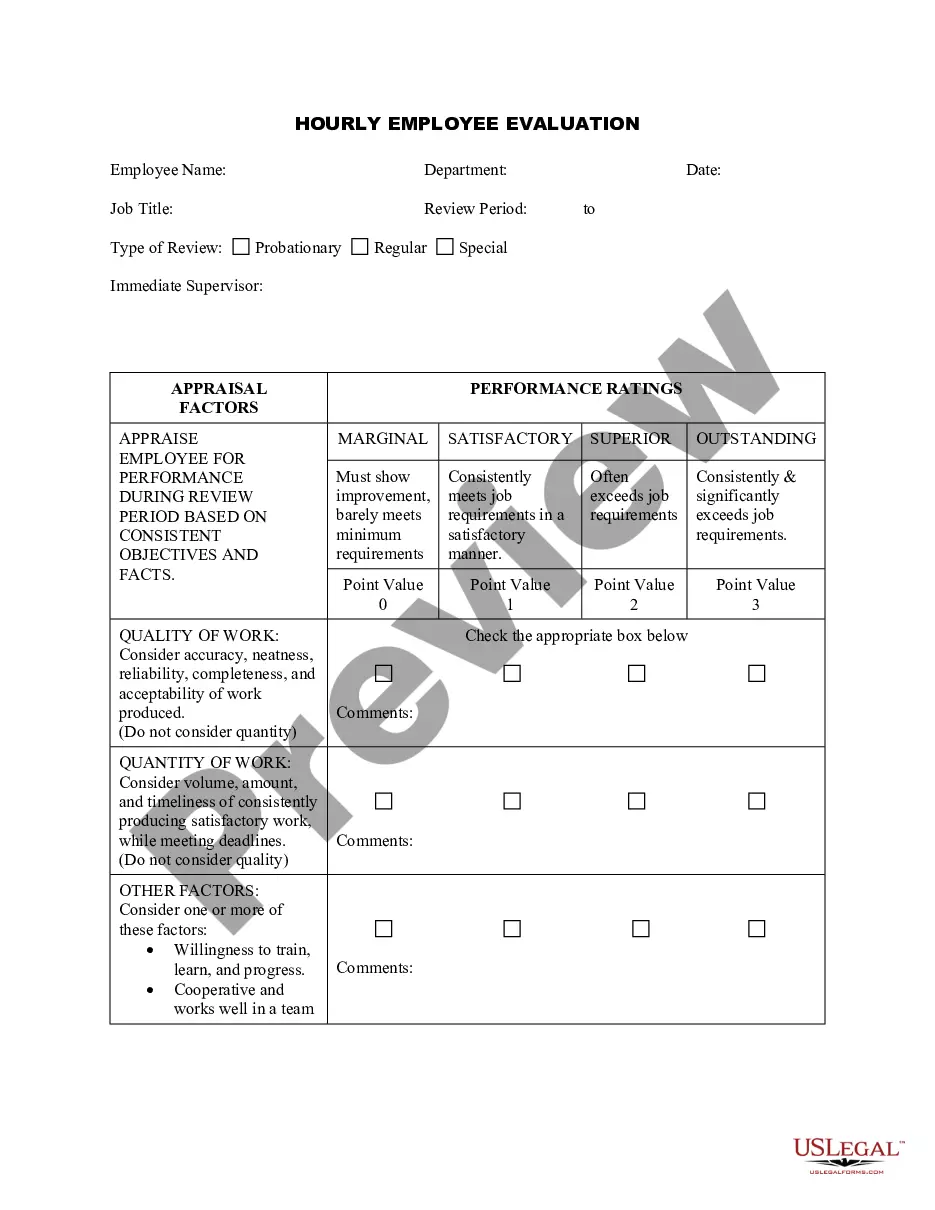
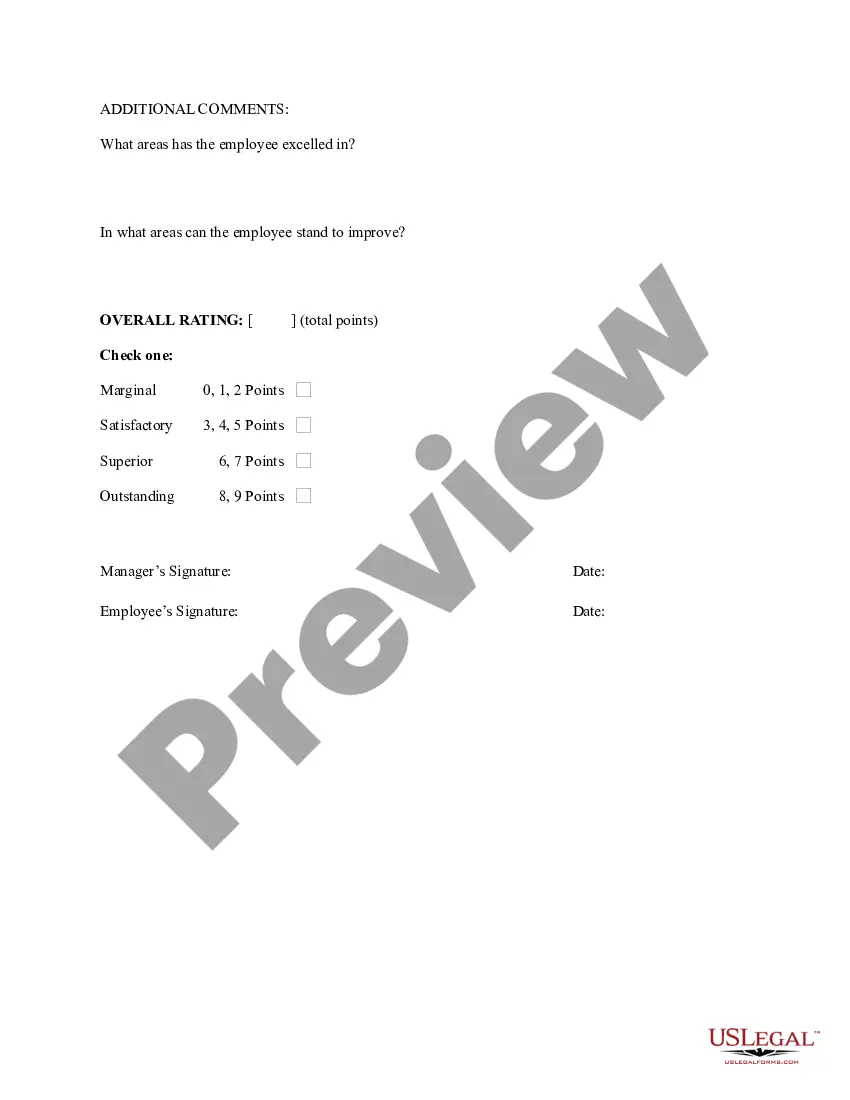
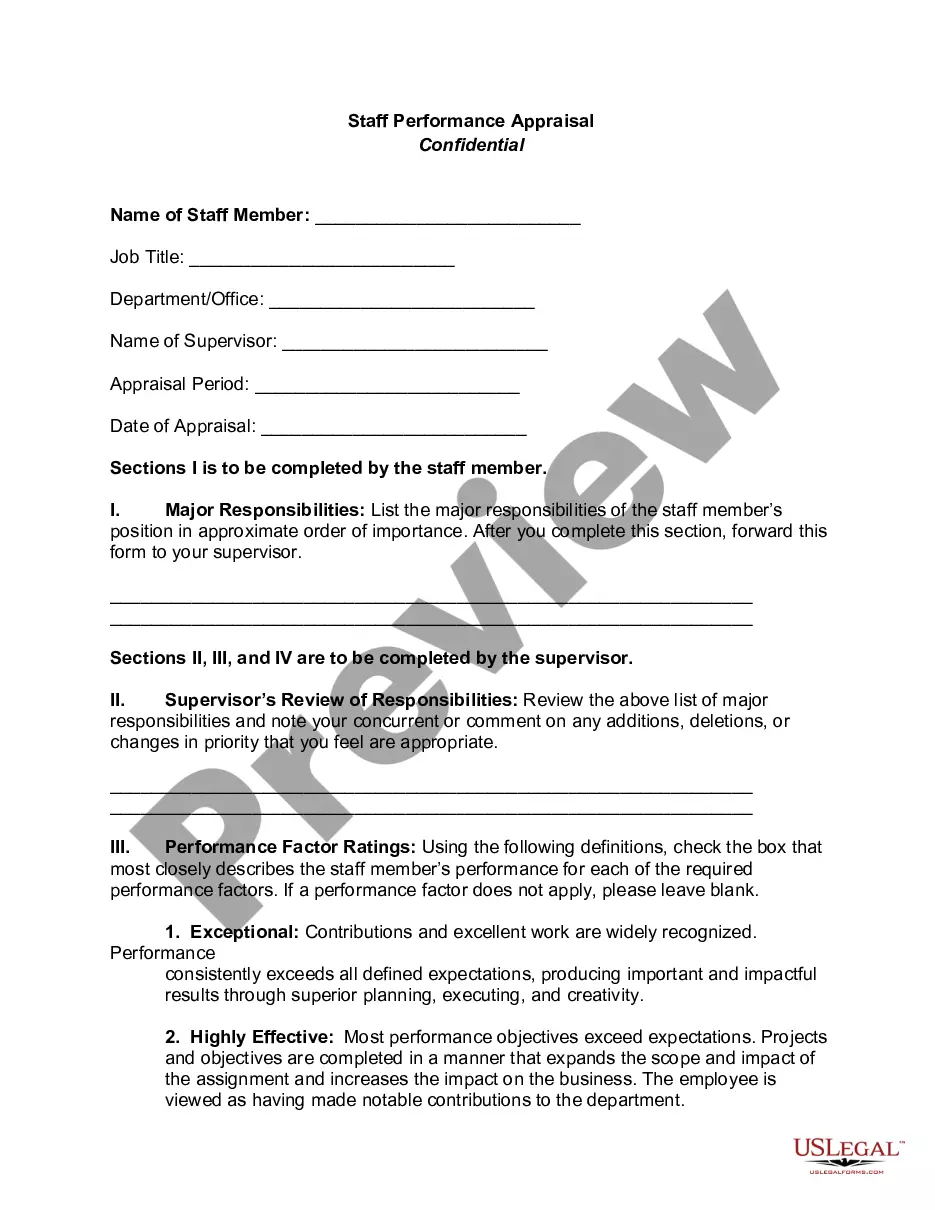
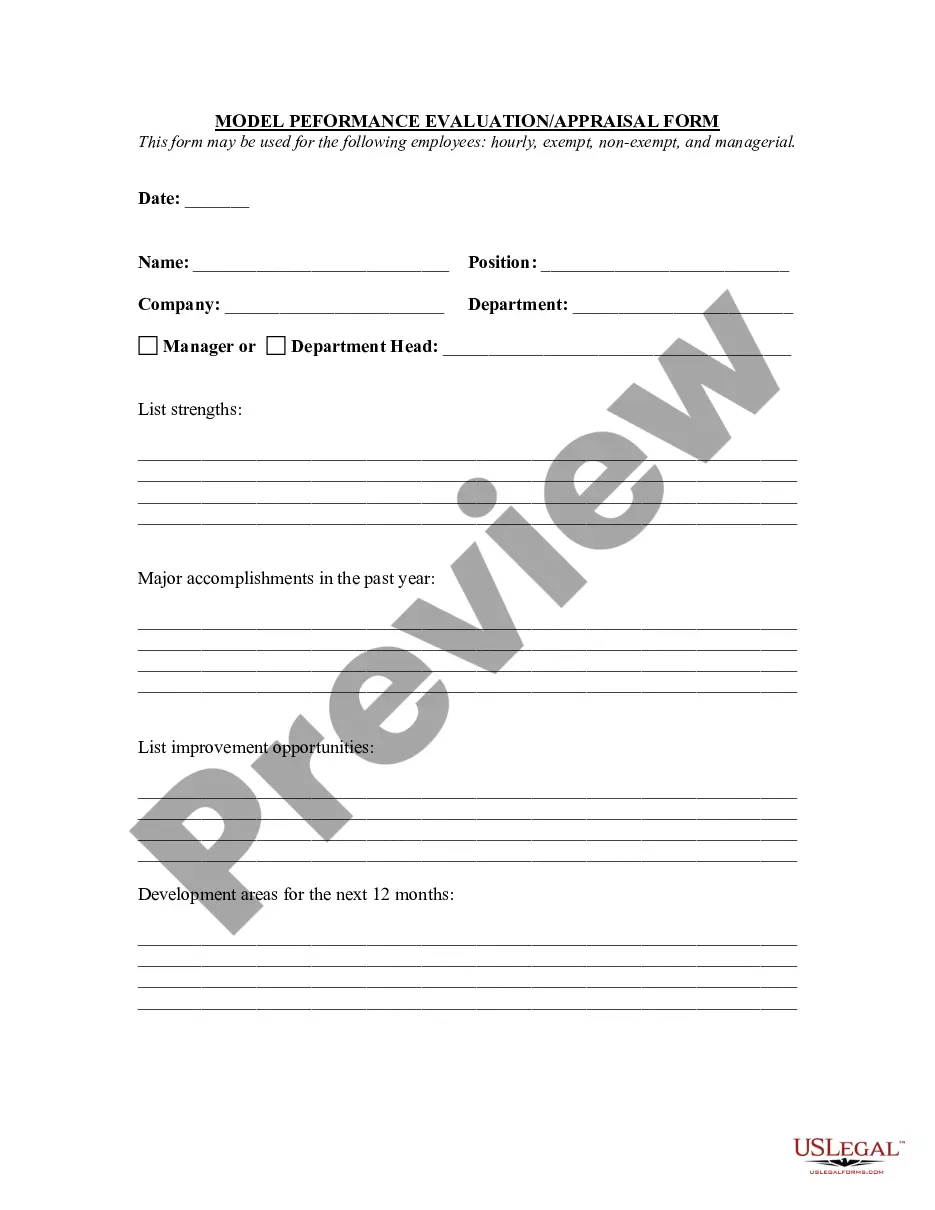
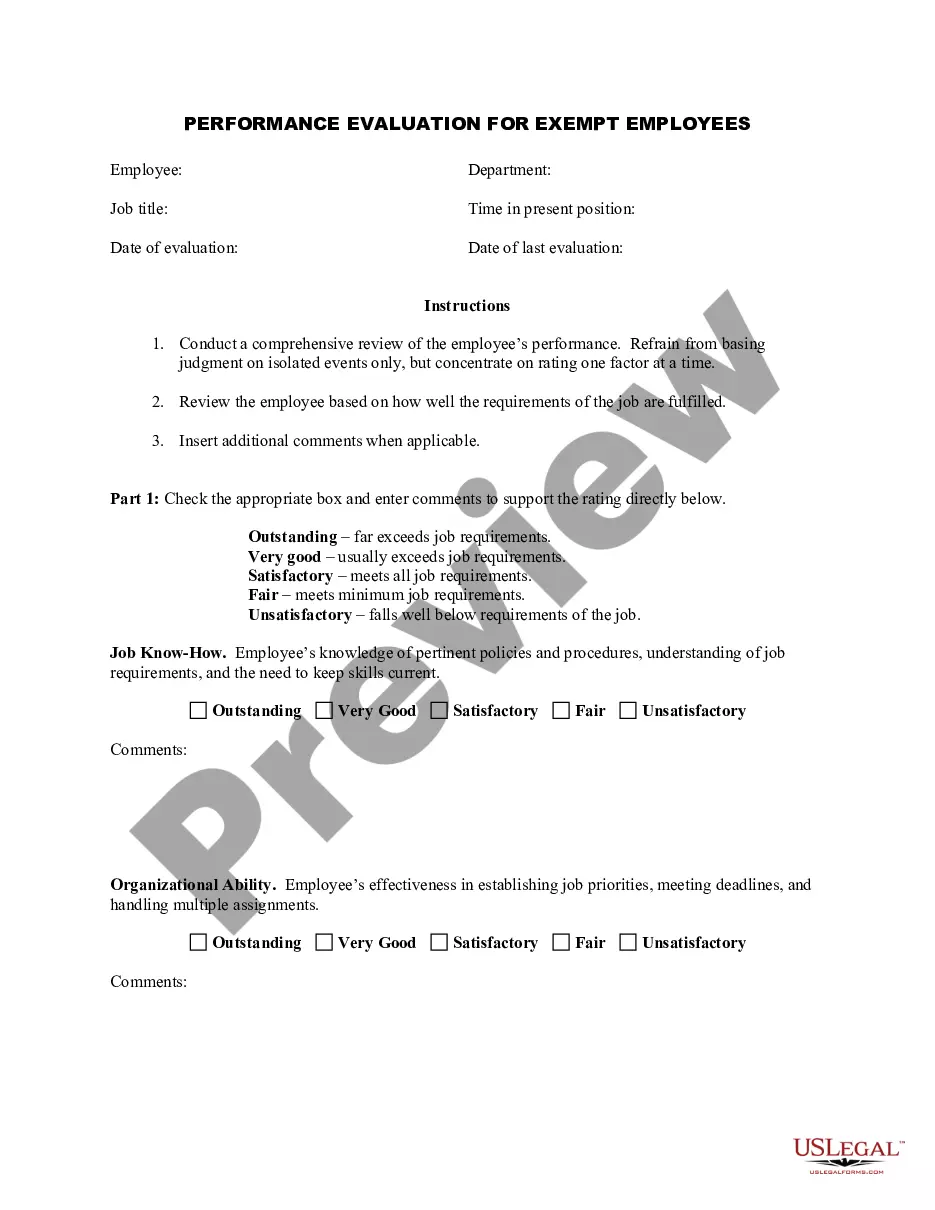
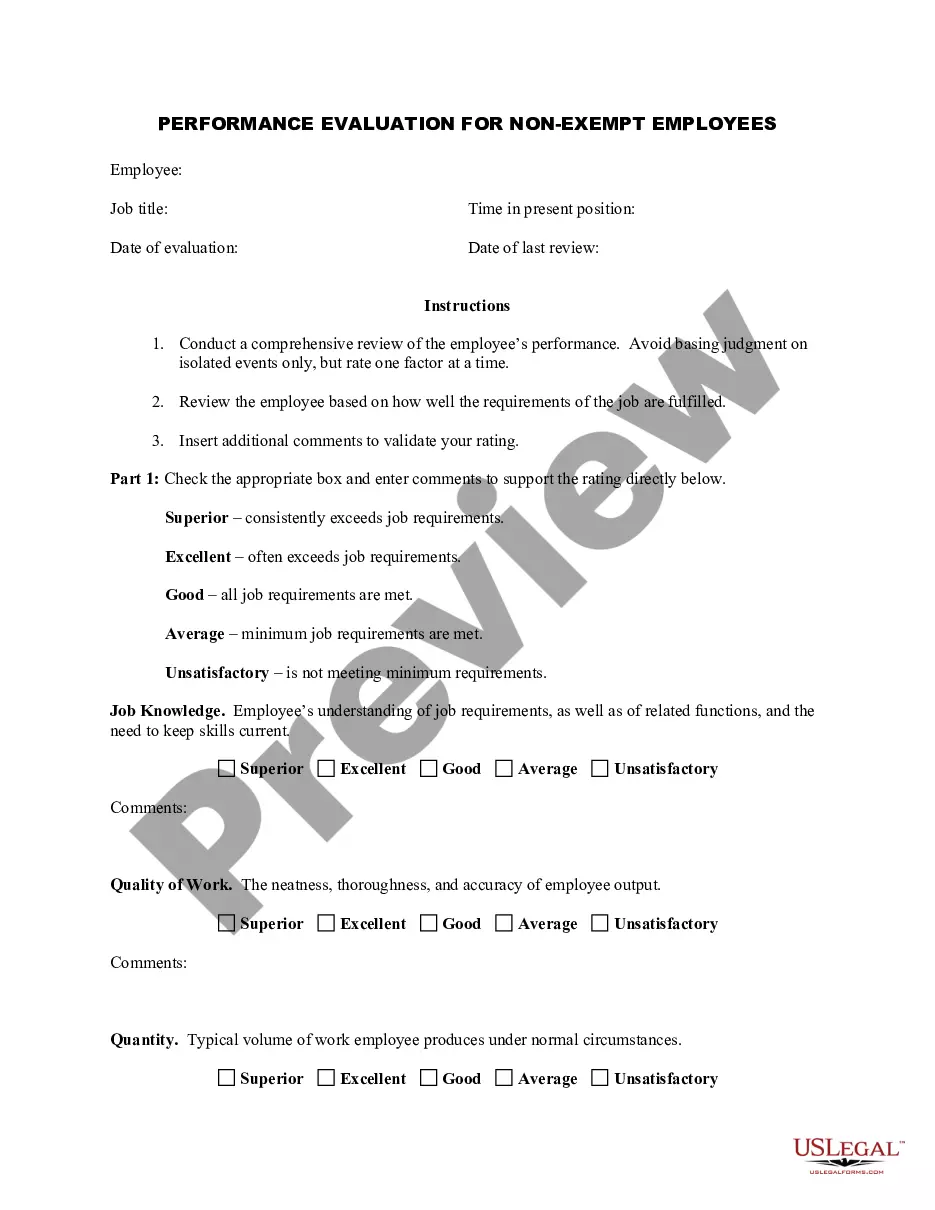
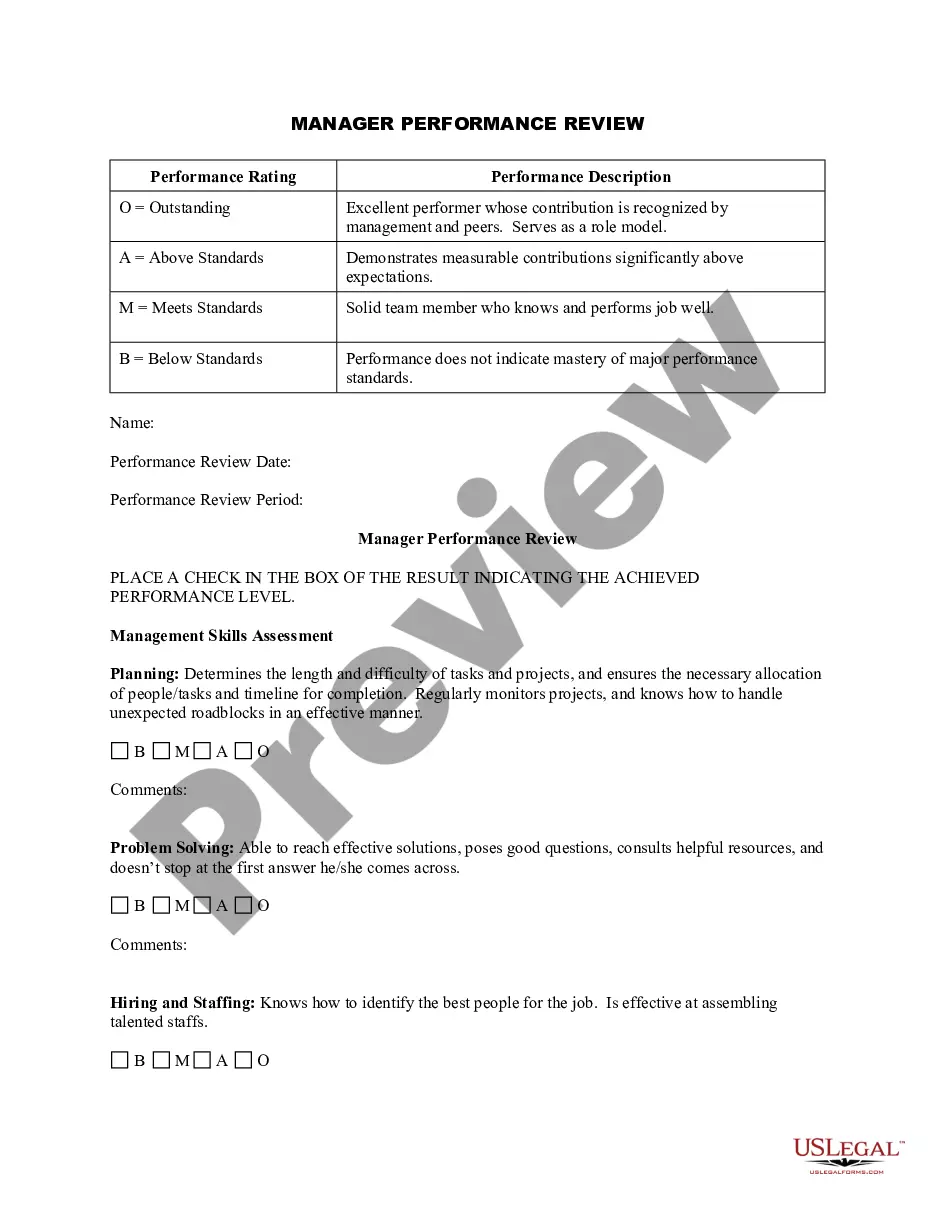
Ohio Hourly Employee Evaluation
Description
Get your form ready online
Our built-in tools help you complete, sign, share, and store your documents in one place.
Make edits, fill in missing information, and update formatting in US Legal Forms—just like you would in MS Word.
Download a copy, print it, send it by email, or mail it via USPS—whatever works best for your next step.
Sign and collect signatures with our SignNow integration. Send to multiple recipients, set reminders, and more. Go Premium to unlock E-Sign.
If this form requires notarization, complete it online through a secure video call—no need to meet a notary in person or wait for an appointment.
We protect your documents and personal data by following strict security and privacy standards.

Make edits, fill in missing information, and update formatting in US Legal Forms—just like you would in MS Word.

Download a copy, print it, send it by email, or mail it via USPS—whatever works best for your next step.

Sign and collect signatures with our SignNow integration. Send to multiple recipients, set reminders, and more. Go Premium to unlock E-Sign.

If this form requires notarization, complete it online through a secure video call—no need to meet a notary in person or wait for an appointment.

We protect your documents and personal data by following strict security and privacy standards.
Looking for another form?
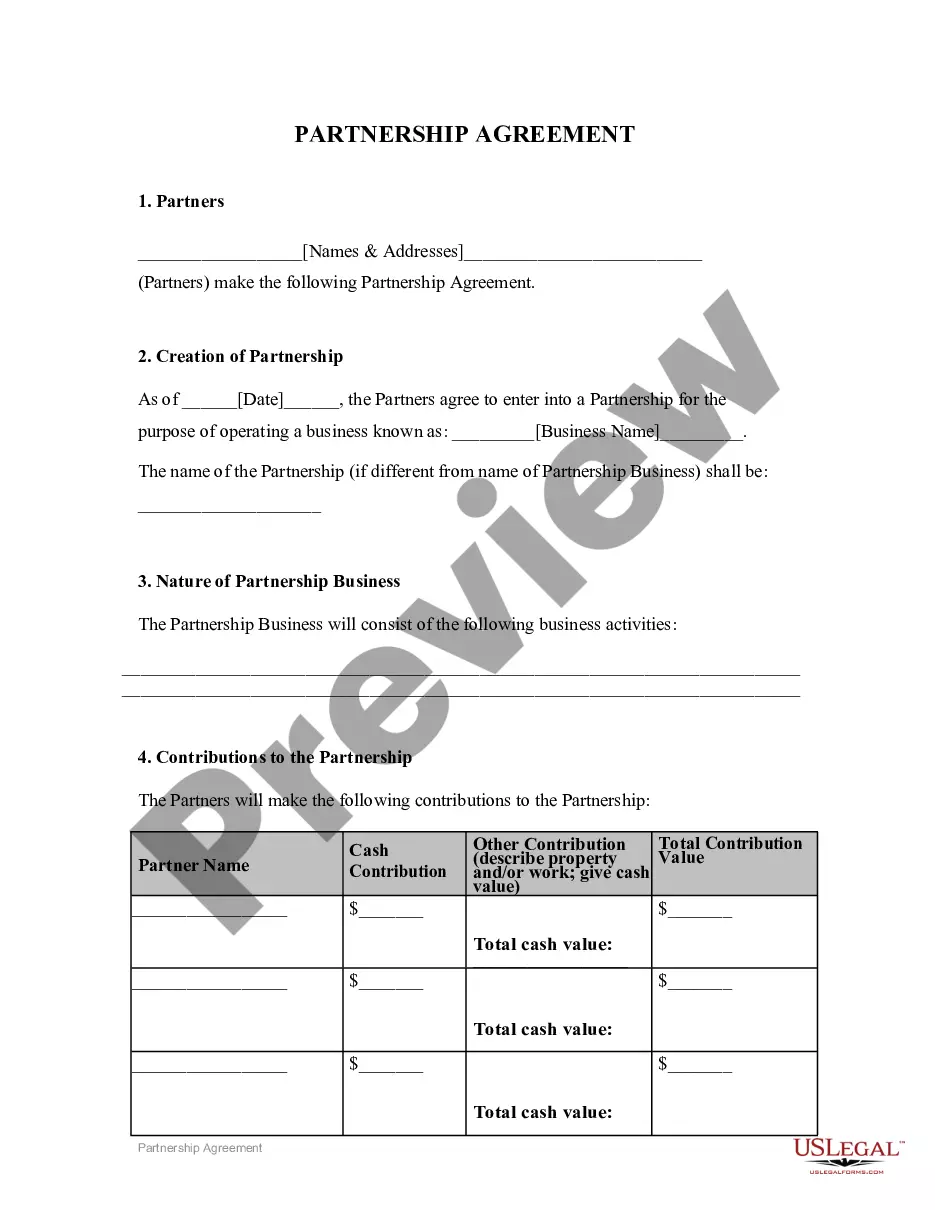





How to fill out Hourly Employee Evaluation?
If you desire to finalize, acquire, or produce legitimate document templates, utilize US Legal Forms, the premier selection of legal forms, accessible online.
Utilize the site’s straightforward and hassle-free search feature to find the documents you need.
Numerous templates for business and personal purposes are categorized by types and states, or keywords.
Step 4. Once you have located the form you need, click the Buy now button. Choose the pricing plan you prefer and enter your details to register for an account.
Step 5. Complete the transaction. You may use your credit card or PayPal account to finalize the purchase.
- Employ US Legal Forms to obtain the Ohio Hourly Employee Evaluation with just a couple of clicks.
- If you are already a US Legal Forms customer, sign in to your account and click the Download button to access the Ohio Hourly Employee Evaluation.
- Additionally, you can reach forms you previously downloaded from the My documents section of your account.
- If you are utilizing US Legal Forms for the first time, consult the guidelines below.
- Step 1. Ensure you have selected the form for your respective city/state.
- Step 2. Use the Review option to review the form’s content. Don’t forget to read the description.
- Step 3. If you are not satisfied with the form, utilize the Search field at the top of the screen to find alternate versions of the legal form template.
Form popularity
FAQ
The Fair Labor Standards Act (FLSA) does not require performance evaluations. Performance evaluations are generally a matter of agreement between an employer and employee (or the employee's representative).
Unless you are a part of a union or other such collective agreement, you and your coworkers have the right to openly discuss your salaries and benefits.
No law requires companies to conduct job reviews, but businesses that do may have a better understanding of their employees. The information gained from performance reviews can be used to determine raises, succession plans and employee-development strategies.
The Fair Labor Standards Act (FLSA) does not require performance evaluations. Performance evaluations are generally a matter of agreement between an employer and employee (or the employee's representative).
The Fair Labor Standards Act (FLSA) does not require performance evaluations. Performance evaluations are generally a matter of agreement between an employer and employee (or the employee's representative).
Legal Guidelines for Conducting Employee EvaluationsDevelop the Right Appraisal Form.Train the Evaluators.Develop a Rating Scale.Safeguard Against Inaccuracy.Ensure Against Evaluator Bias.Provide for Cross-Checks on the Evaluators.Provide for Employee Agreement.Require Employees to Sign Their Evaluations.More items...?
Legal Guidelines for Conducting Employee EvaluationsDevelop the Right Appraisal Form.Train the Evaluators.Develop a Rating Scale.Safeguard Against Inaccuracy.Ensure Against Evaluator Bias.Provide for Cross-Checks on the Evaluators.Provide for Employee Agreement.Require Employees to Sign Their Evaluations.More items...?
Here's a step-by-step guide to effectively evaluating employees:Set Performance Standards.Set Specific Goals.Take Notes Throughout the Year.Be Prepared.Be Honest and Specific with Criticism.Don't Compare Employees.Evaluate the Performance, Not the Personality.Have a Conversation.More items...
Under federal law, it's illegal to discriminate against a worker on the basis of age (over 40), disability, race, nationality, gender, religion or pregnancy status. Many states add additional categories to this list, too.
These may include:Laws that protect a worker's privacy from being infringed upon by an employer;Federal and state anti-discrimination laws, such as Title VII of the Civil Rights Act of 1964, the Equal Pay Act, and the Americans with Disabilities Act;More items...?