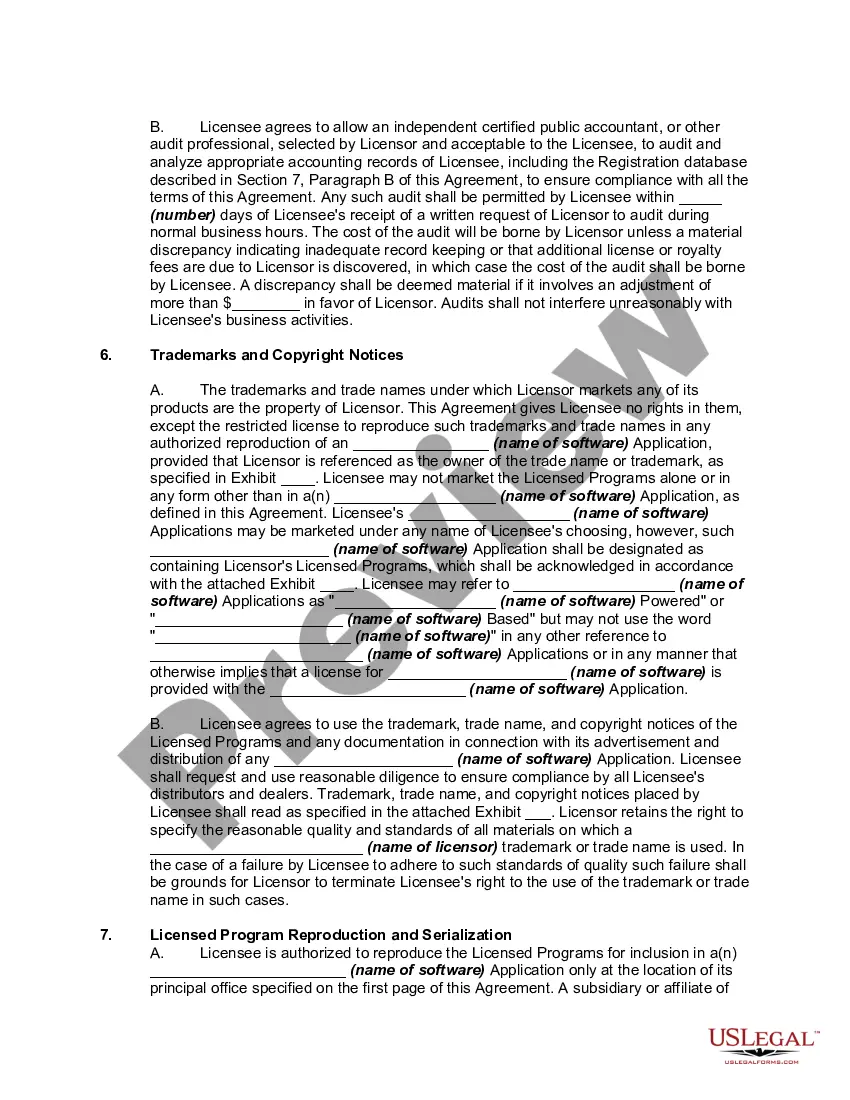
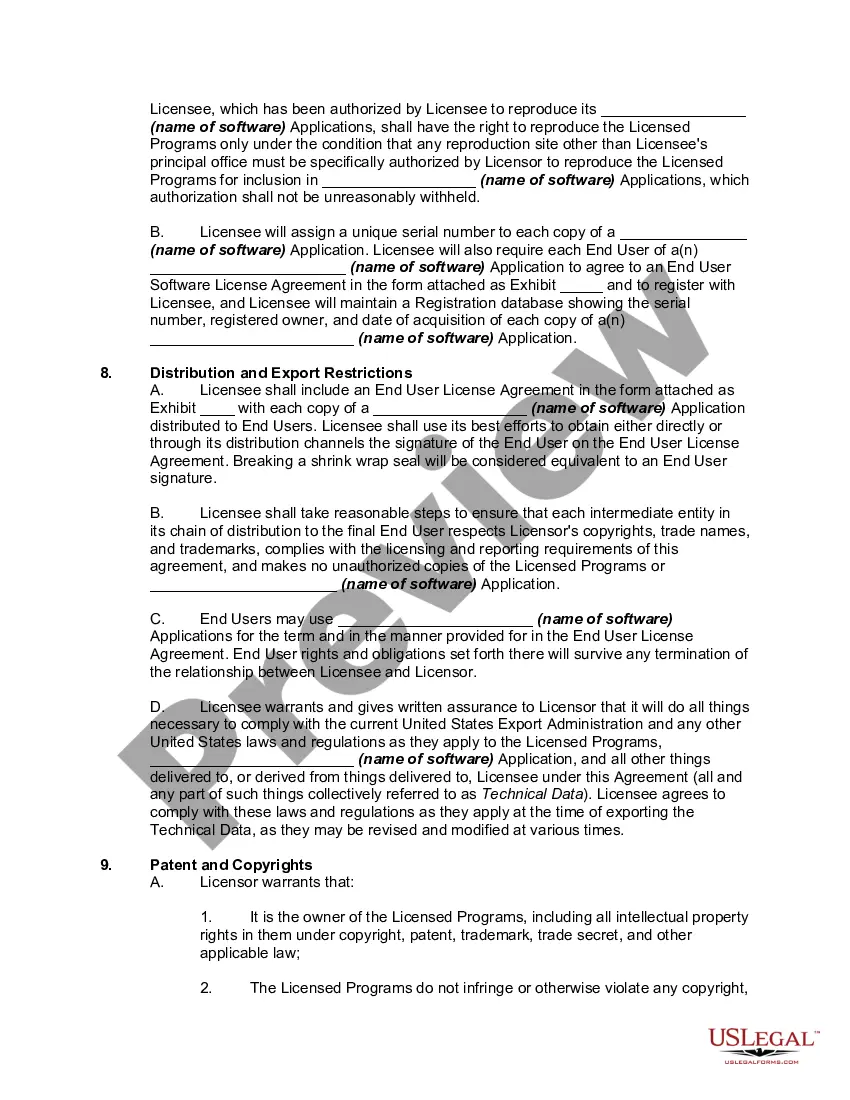
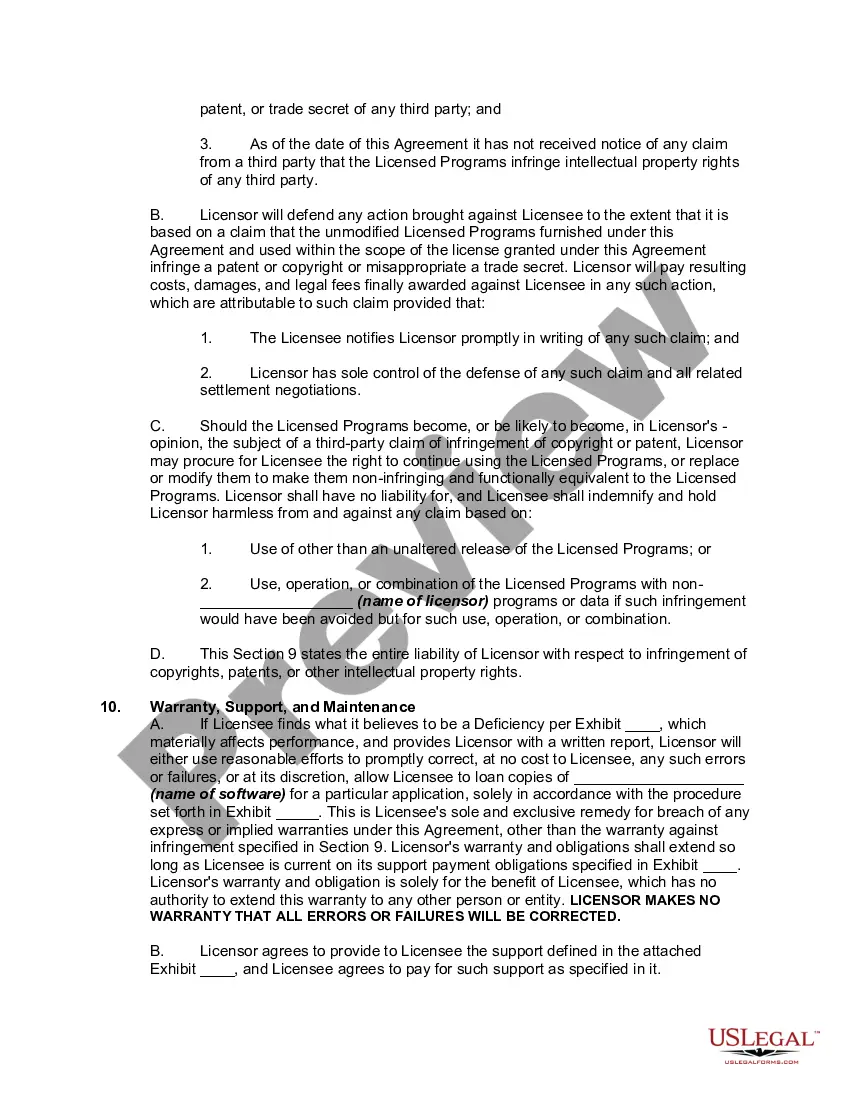
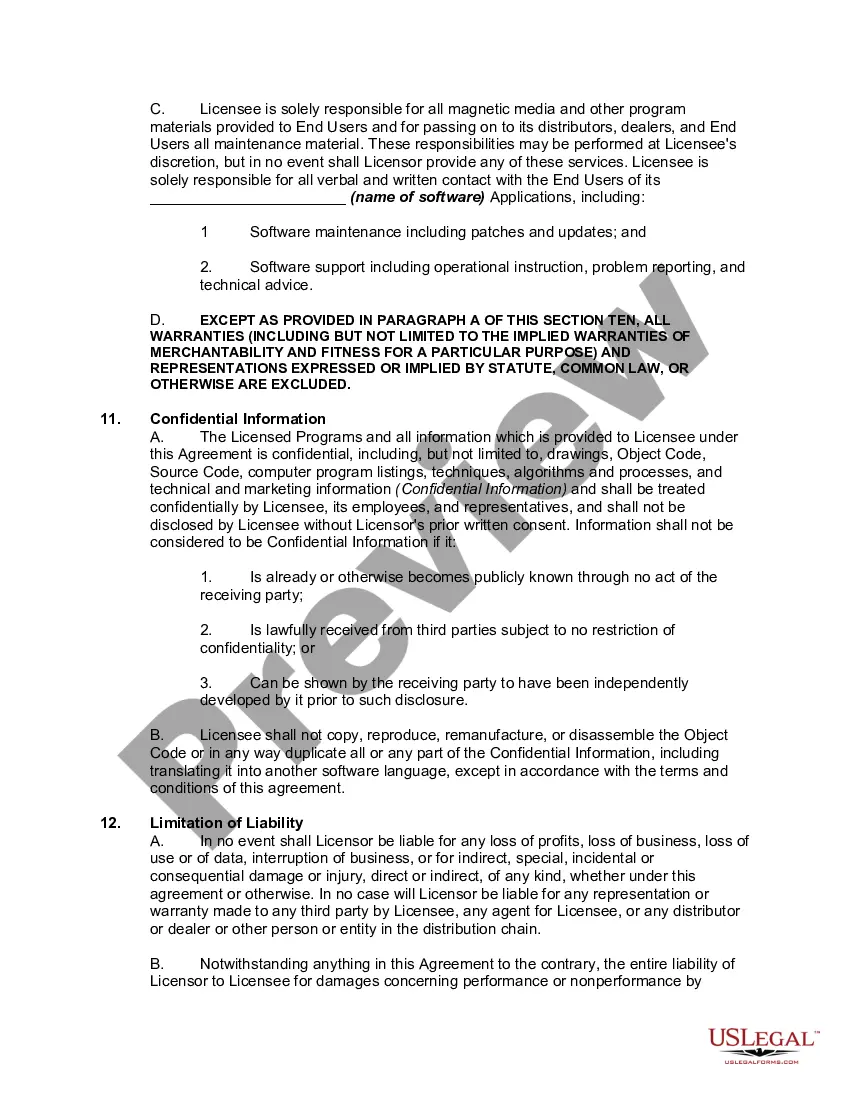
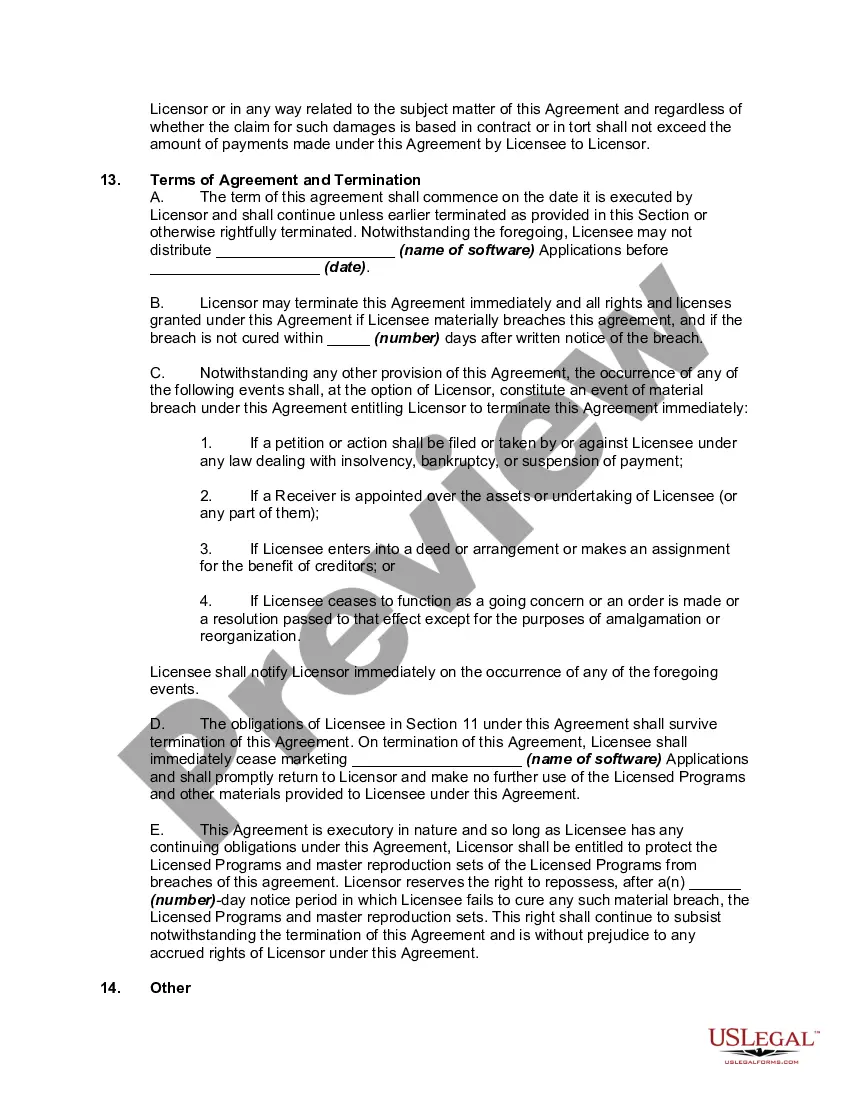
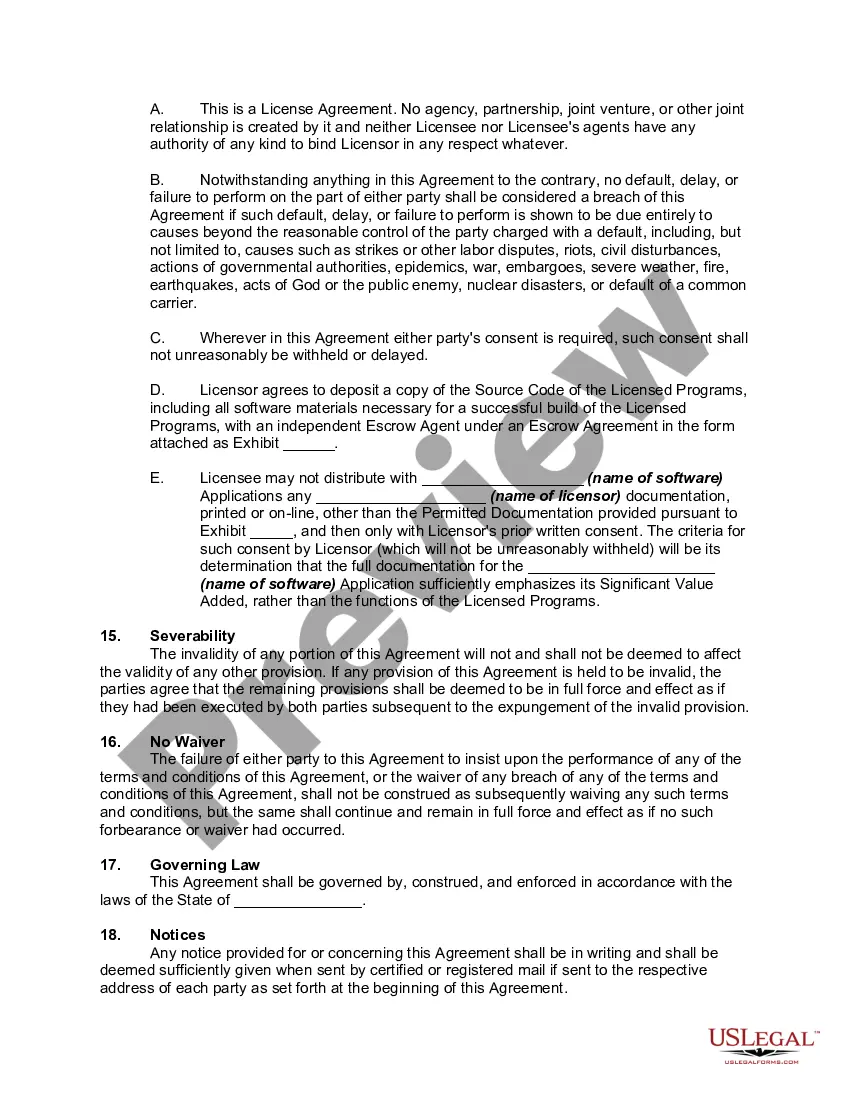
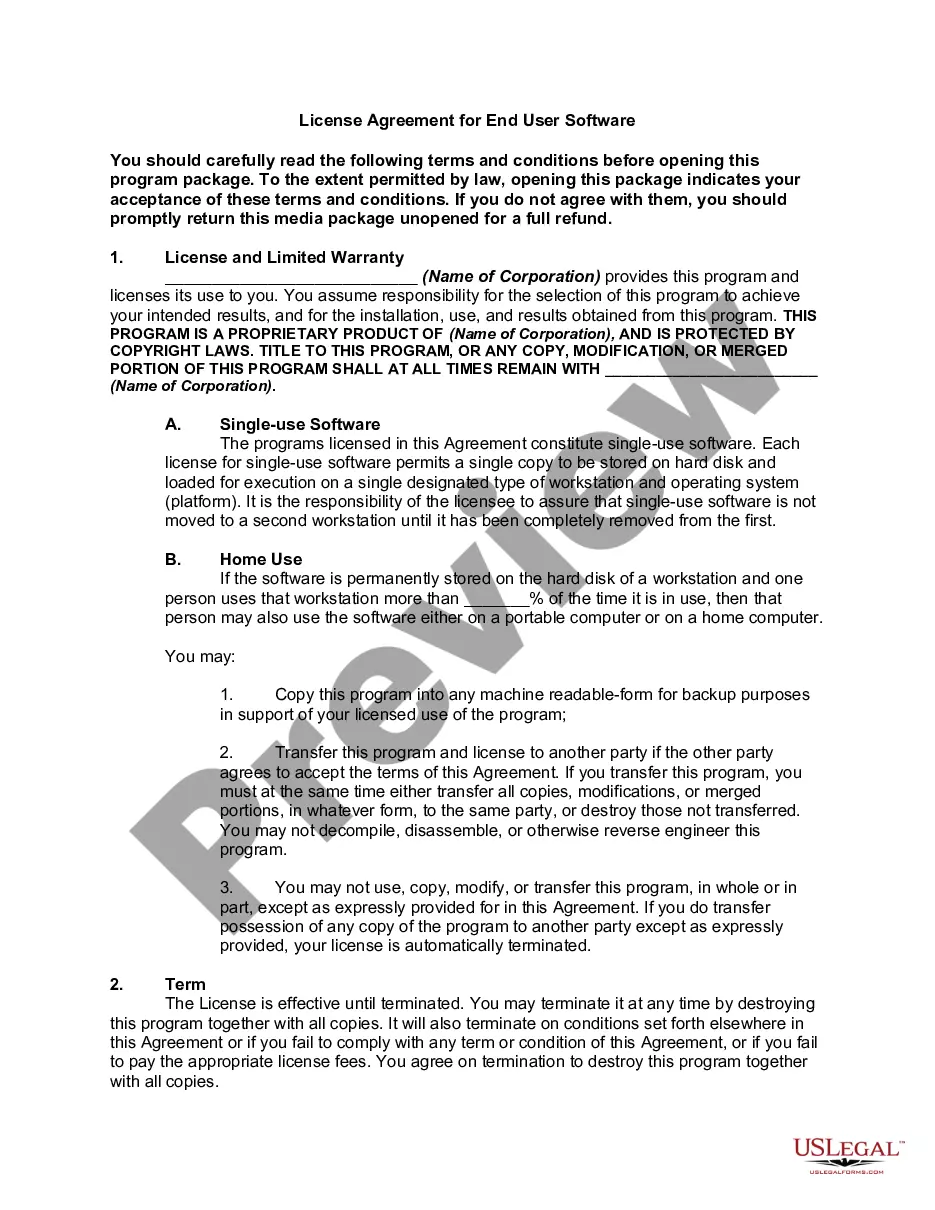
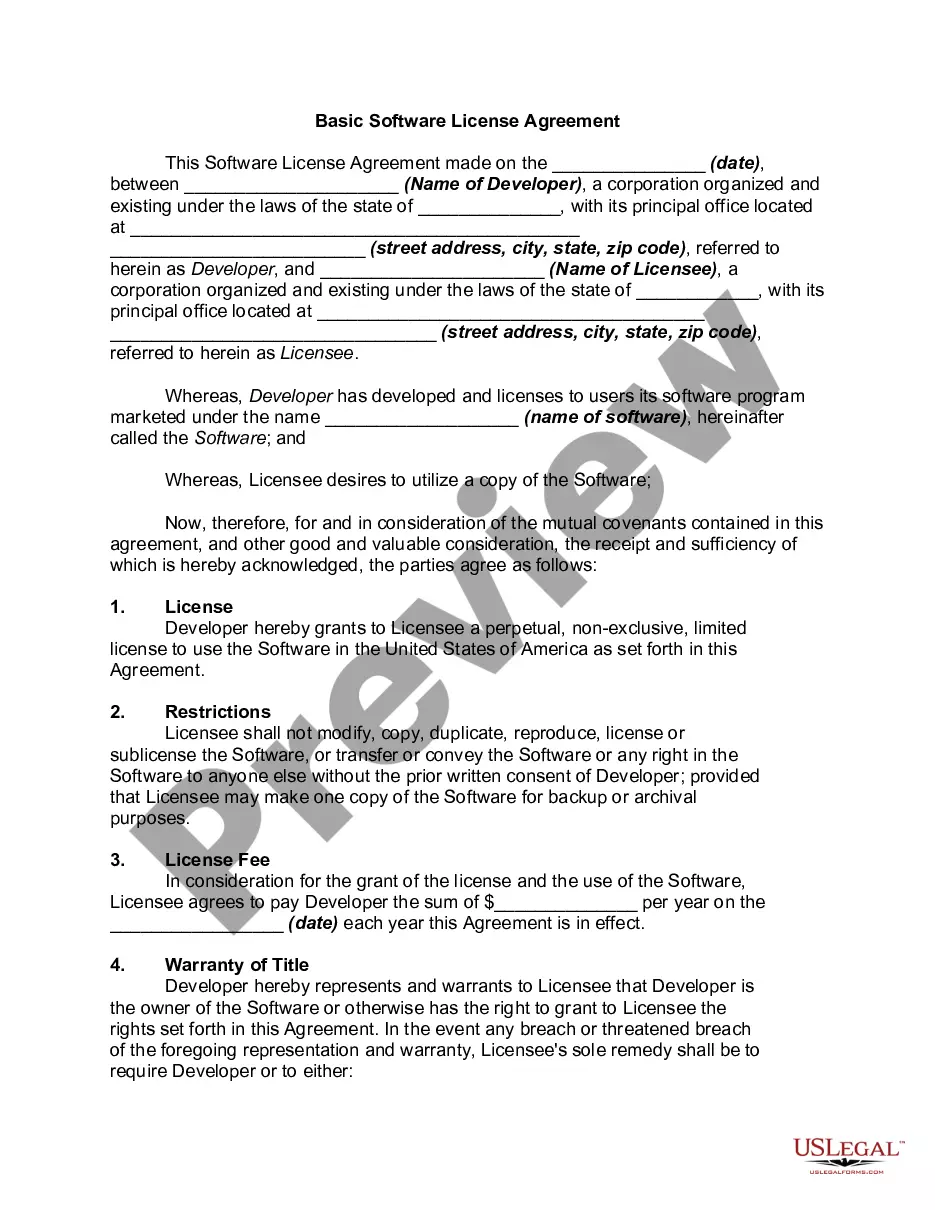
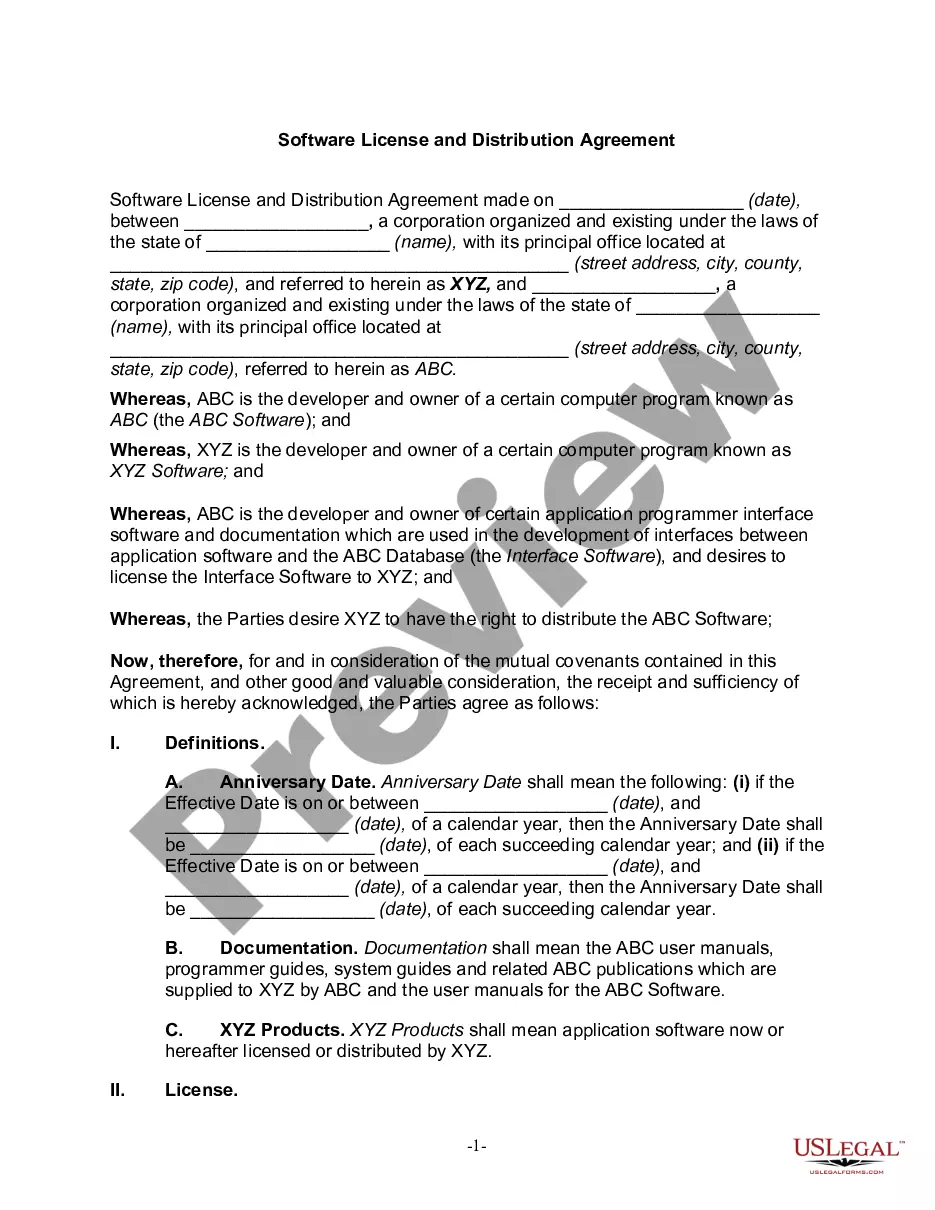
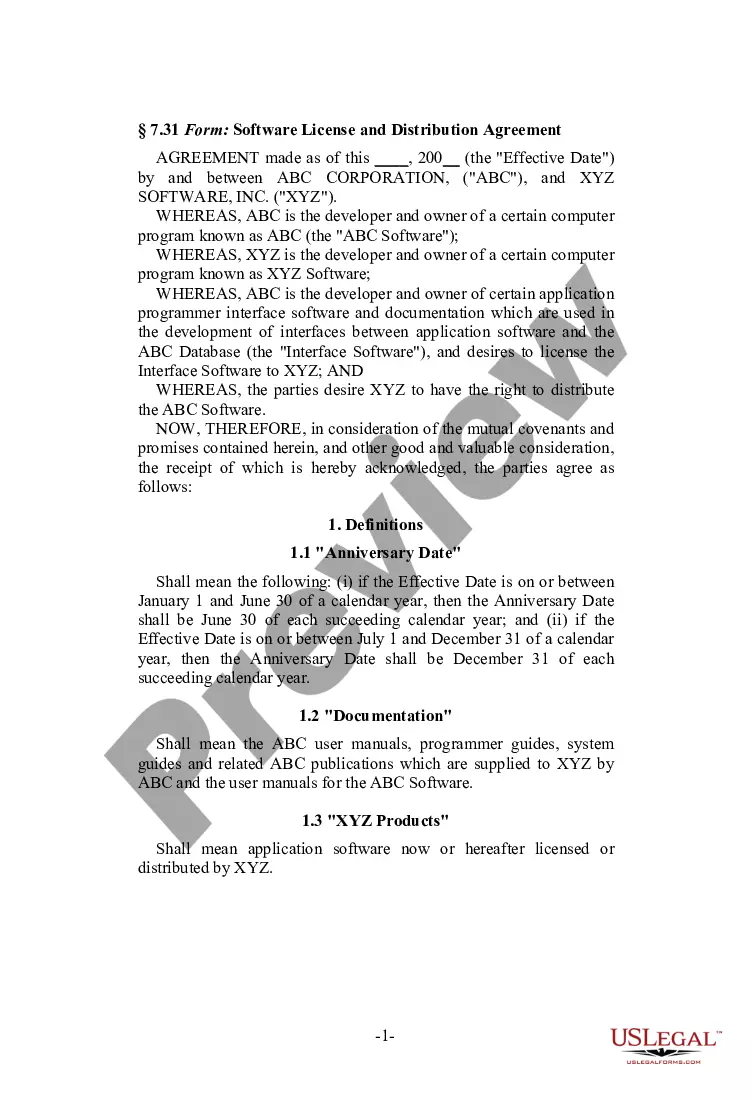
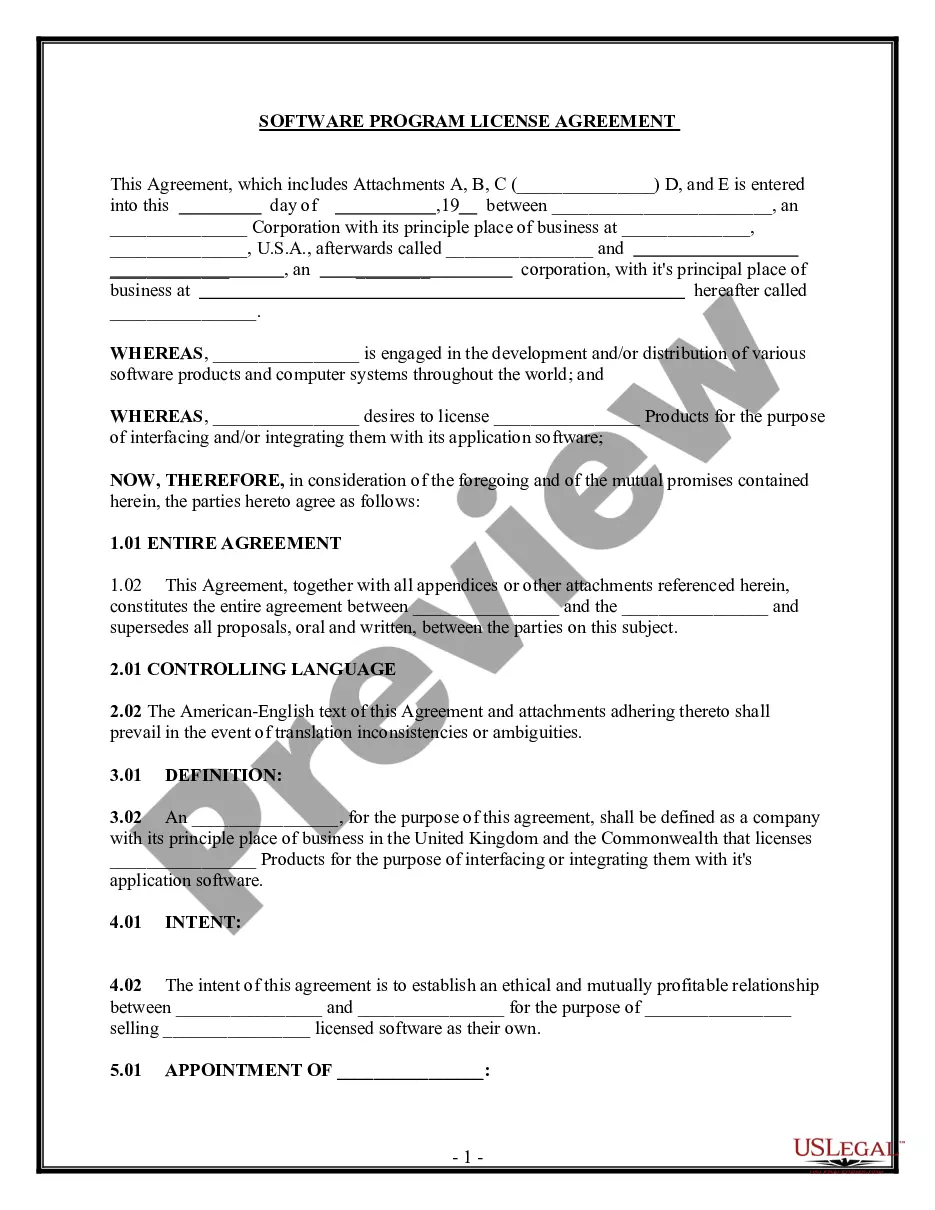
Ohio License Agreement for Software
Description
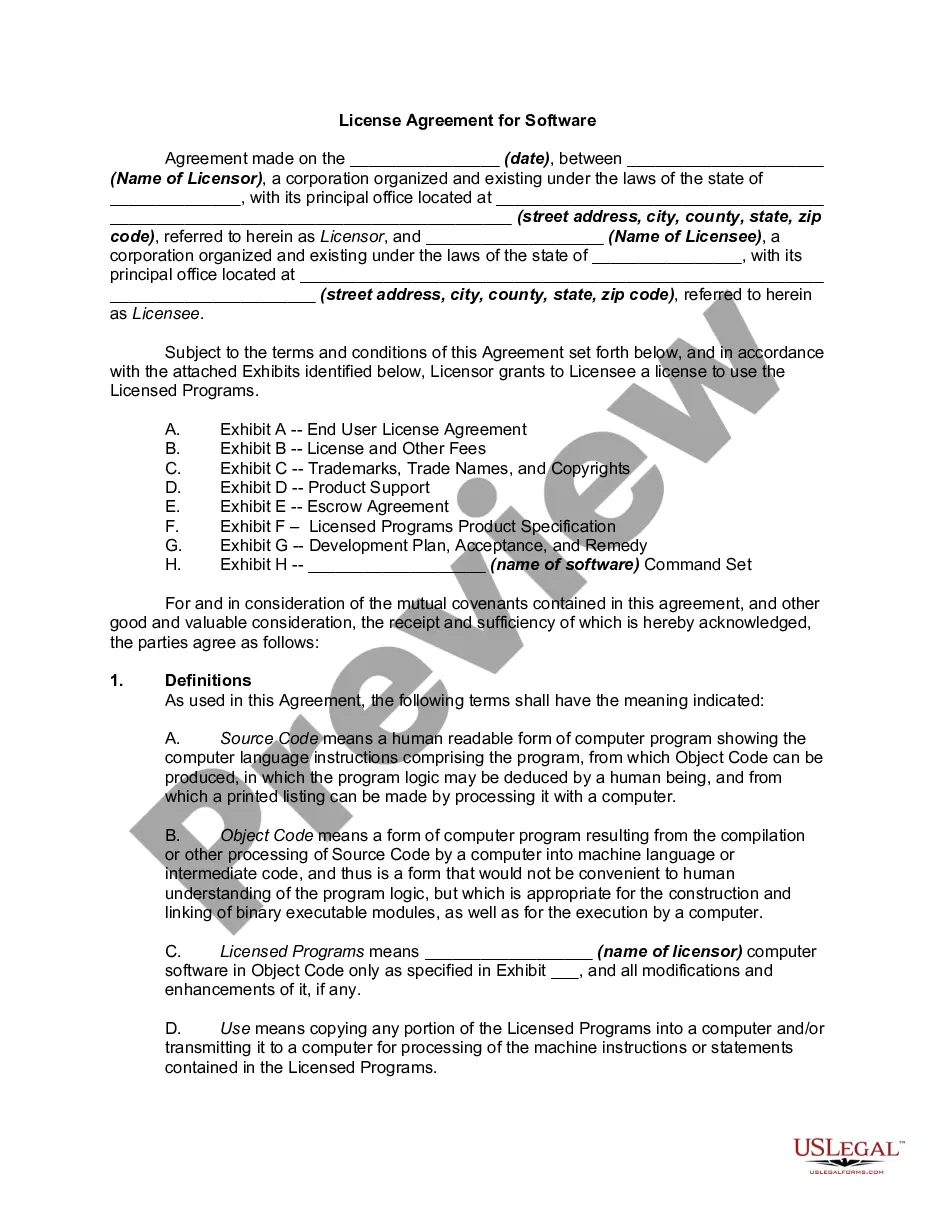
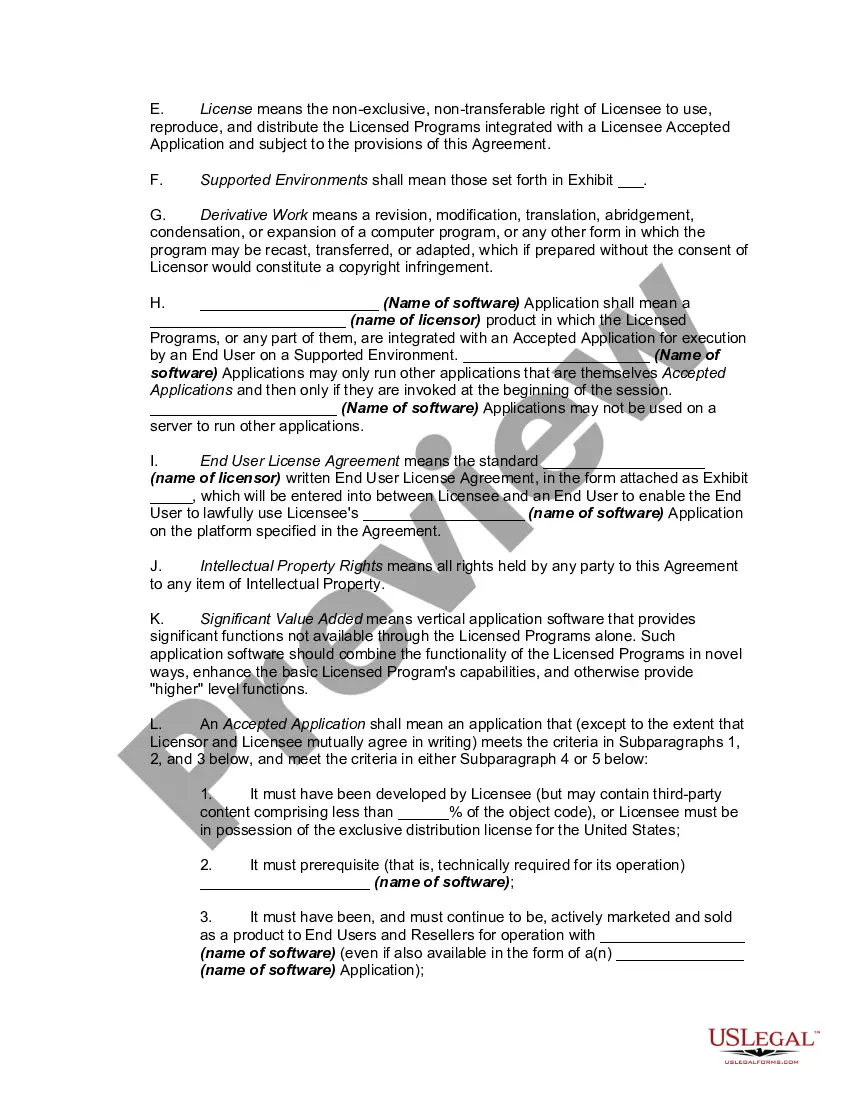
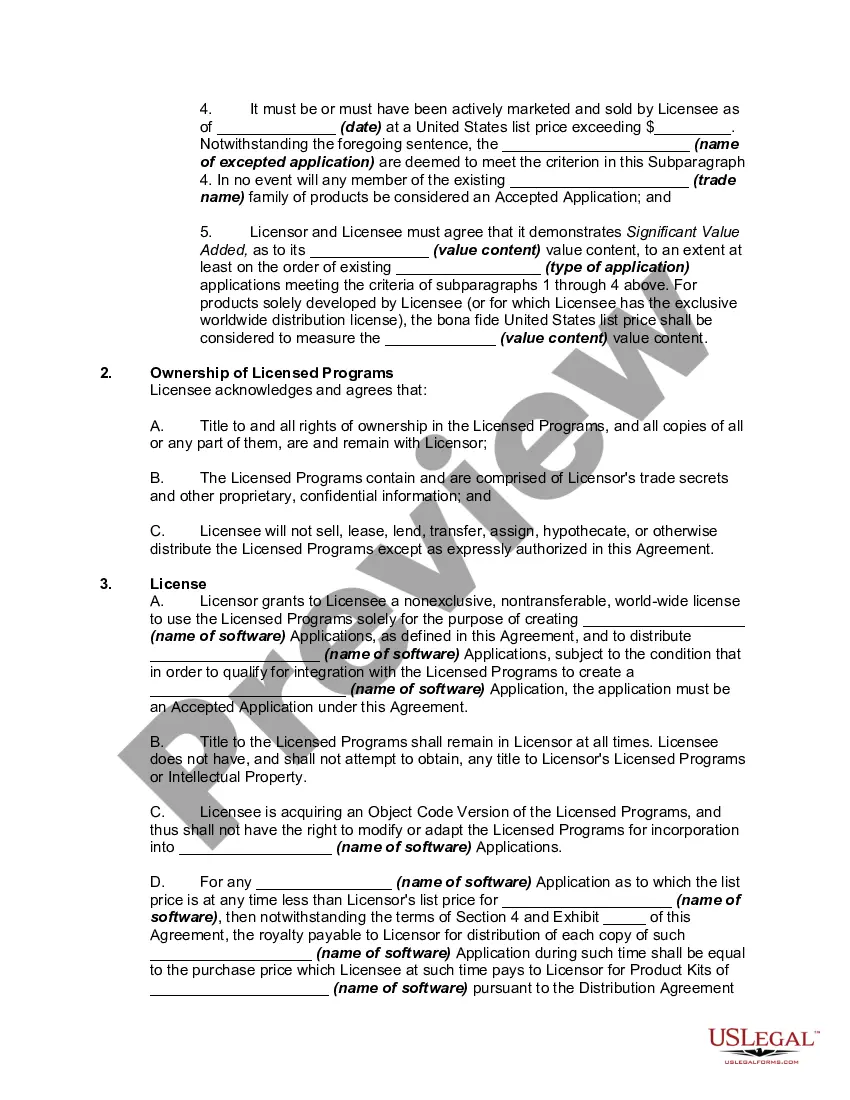
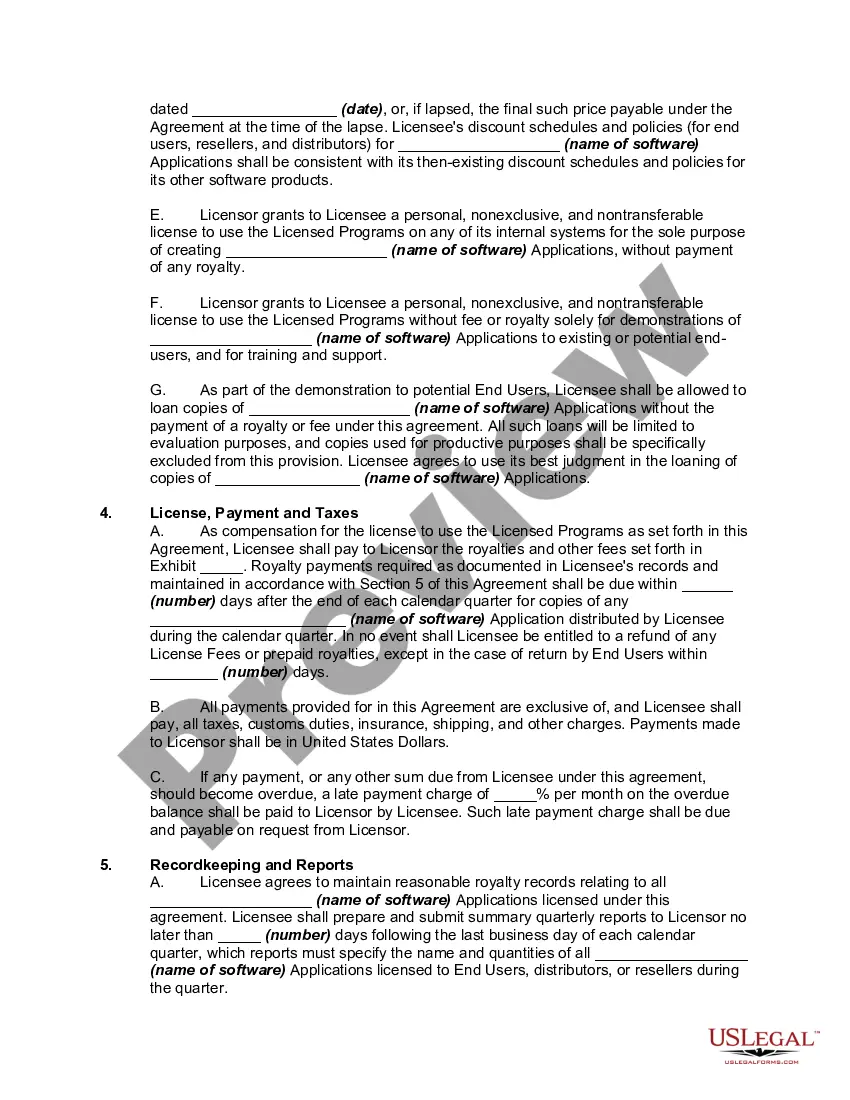

Get your form ready online
Our built-in tools help you complete, sign, share, and store your documents in one place.
Make edits, fill in missing information, and update formatting in US Legal Forms—just like you would in MS Word.
Download a copy, print it, send it by email, or mail it via USPS—whatever works best for your next step.
Sign and collect signatures with our SignNow integration. Send to multiple recipients, set reminders, and more. Go Premium to unlock E-Sign.
If this form requires notarization, complete it online through a secure video call—no need to meet a notary in person or wait for an appointment.
We protect your documents and personal data by following strict security and privacy standards.

Make edits, fill in missing information, and update formatting in US Legal Forms—just like you would in MS Word.

Download a copy, print it, send it by email, or mail it via USPS—whatever works best for your next step.

Sign and collect signatures with our SignNow integration. Send to multiple recipients, set reminders, and more. Go Premium to unlock E-Sign.

If this form requires notarization, complete it online through a secure video call—no need to meet a notary in person or wait for an appointment.

We protect your documents and personal data by following strict security and privacy standards.
Looking for another form?

How to fill out License Agreement For Software?
If you need to compile, acquire, or generate legal document templates, utilize US Legal Forms, the largest assortment of legal forms available online.
Take advantage of the website's straightforward and user-friendly search to locate the documents you need.
Various templates for business and personal purposes are categorized by groups and states or keywords.
Every legal document template you download is yours indefinitely. You have access to all documents you downloaded in your account.
Click on the My documents section and select a document to print or download again. Compete and download, and print the Ohio License Agreement for Software with US Legal Forms. There are millions of professional and state-specific forms you can utilize for your business or personal needs.
- Utilize US Legal Forms to locate the Ohio License Agreement for Software within just a few clicks.
- If you are already a US Legal Forms user, Log In to your account and then click the Acquire button to obtain the Ohio License Agreement for Software.
- You can also access forms you previously downloaded in the My documents section of your account.
- If you are using US Legal Forms for the first time, follow the steps below.
- Step 1. Ensure you have selected the correct form for the respective area/state.
- Step 2. Use the Review feature to examine the document's content. Don't forget to read the description.
- Step 3. If you are not satisfied with the template, utilize the Search area at the top of the screen to find other types of the legal form design.
- Step 4. Once you have found the form you need, click the Acquire now button. Choose the payment plan you prefer and provide your details to create an account.
- Step 5. Complete the transaction. You can use your Visa or MasterCard or PayPal account to finalize the purchase.
- Step 6. Choose the format of your legal document and download it to your device.
- Step 7. Complete, modify, and print or sign the Ohio License Agreement for Software.
Form popularity
FAQ
In Ohio, anyone operating a business that involves regulated activities may need a business license. This requirement often applies to fields like healthcare, construction, and food service. It's vital to verify exact local licensing needs based on your business type. If your business operates software solutions, having an Ohio License Agreement for Software in place can also be beneficial to ensure compliance and usage terms.
Yes, Ohio requires most small businesses to register with the state. This can include filing for a fictitious name or registering as a corporation or LLC, depending on your business structure. Ensuring your business is registered not only legitimizes it but also allows you to engage more formally, such as entering into an Ohio License Agreement for Software. This agreement will further outline your software rights clearly.
In Ohio, several types of businesses do not require a specific license. For example, sole proprietorships with no specific regulatory requirements may not need licensing unless they sell regulated goods or services. However, even if a license isn’t mandatory, creating an Ohio License Agreement for Software can help safeguard your intellectual property while you run your business smoothly.
Ohio does not have a universal business license requirement. However, many cities and counties require local business licenses based on the type of business operations you intend to conduct. It is wise to check local regulations to ensure compliance. Additionally, if you create an Ohio License Agreement for Software, it’s also advised to secure any necessary local licenses to protect your enterprise.
In Ohio, a small business is generally defined as a company with fewer than 500 employees. These businesses may also meet revenue criteria, usually around $1 million in average annual receipts, depending on the industry. Understanding this classification can help you navigate the legal landscape, especially when creating an Ohio License Agreement for Software. This agreement can protect your software assets while you operate within these guidelines.
To fill out an Ohio License Agreement for Software, begin by clearly identifying the parties involved. Then, specify the software being licensed, including any relevant details such as version numbers or usage rights. It is important to outline the terms of use, payment details, and duration of the agreement. For a seamless experience, consider using templates available through platforms like US Legal Forms.
While there is some overlap, terms of service and EULA are not the same. A EULA typically focuses on the use of software and user rights, whereas terms of service cover broader guidelines for accessing a platform or service. Understanding both documents is important for navigating the legalities of the Ohio License Agreement for Software.
Creating a license agreement involves clearly defining the terms of use, restrictions, and responsibilities of both parties. It’s important to outline payment terms and any warranties. You can simplify this task by utilizing a template for an Ohio License Agreement for Software, ensuring that you cover all necessary legal grounds.
To obtain a licensing agreement, you need to negotiate terms with the software owner or provider. This process often involves discussing the scope of use, duration, and fees. Using a template for the Ohio License Agreement for Software, available through platforms like uslegalforms, can help streamline the process.
A EULA controls how a user may interact with software, while a Service Level Agreement (SLA) sets expectations for service performance and support. Essentially, the EULA addresses the usage rights of the software, while the SLA focuses on service quality and availability. Both are essential when establishing an Ohio License Agreement for Software to ensure clarity and compliance.