Ohio Judgment
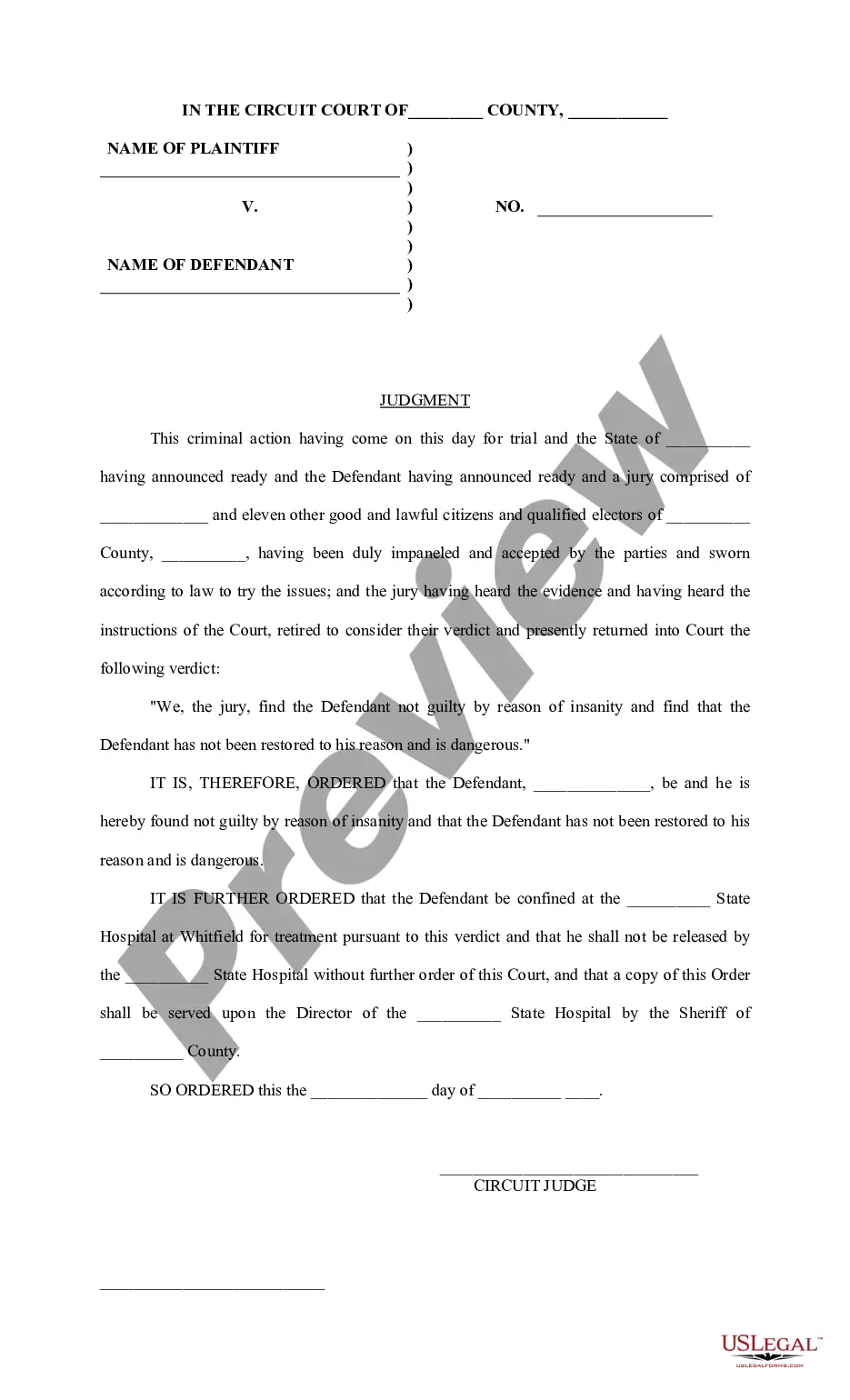
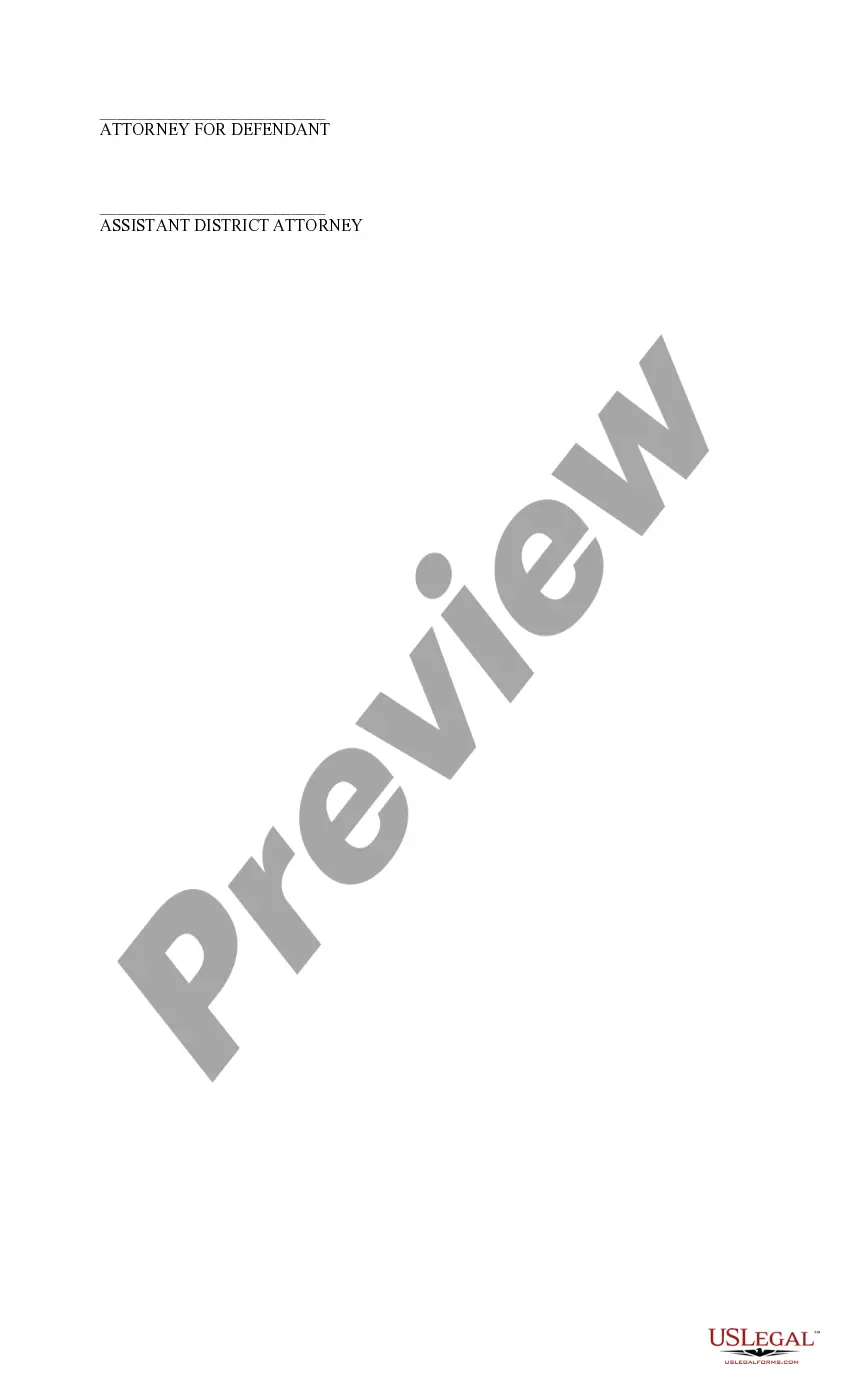
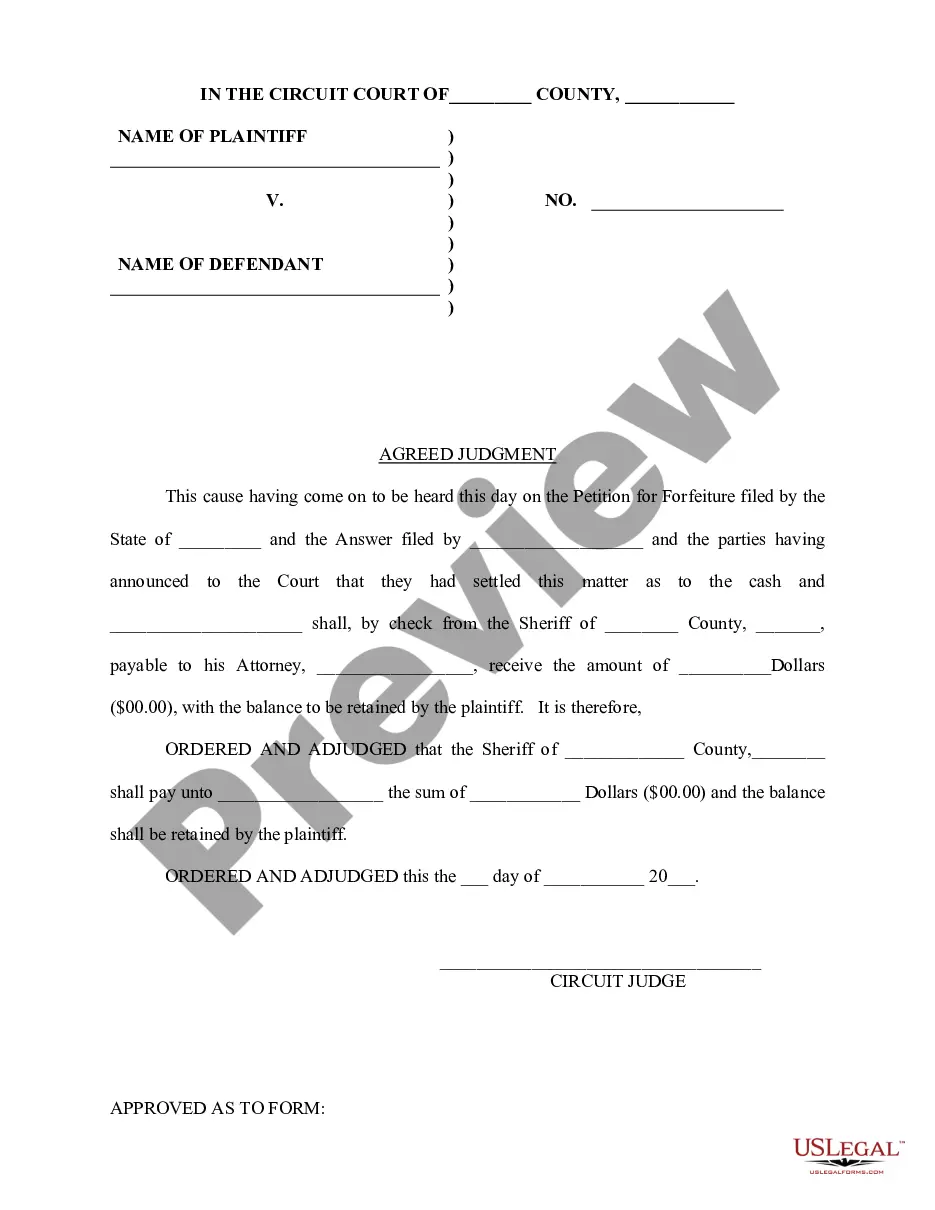
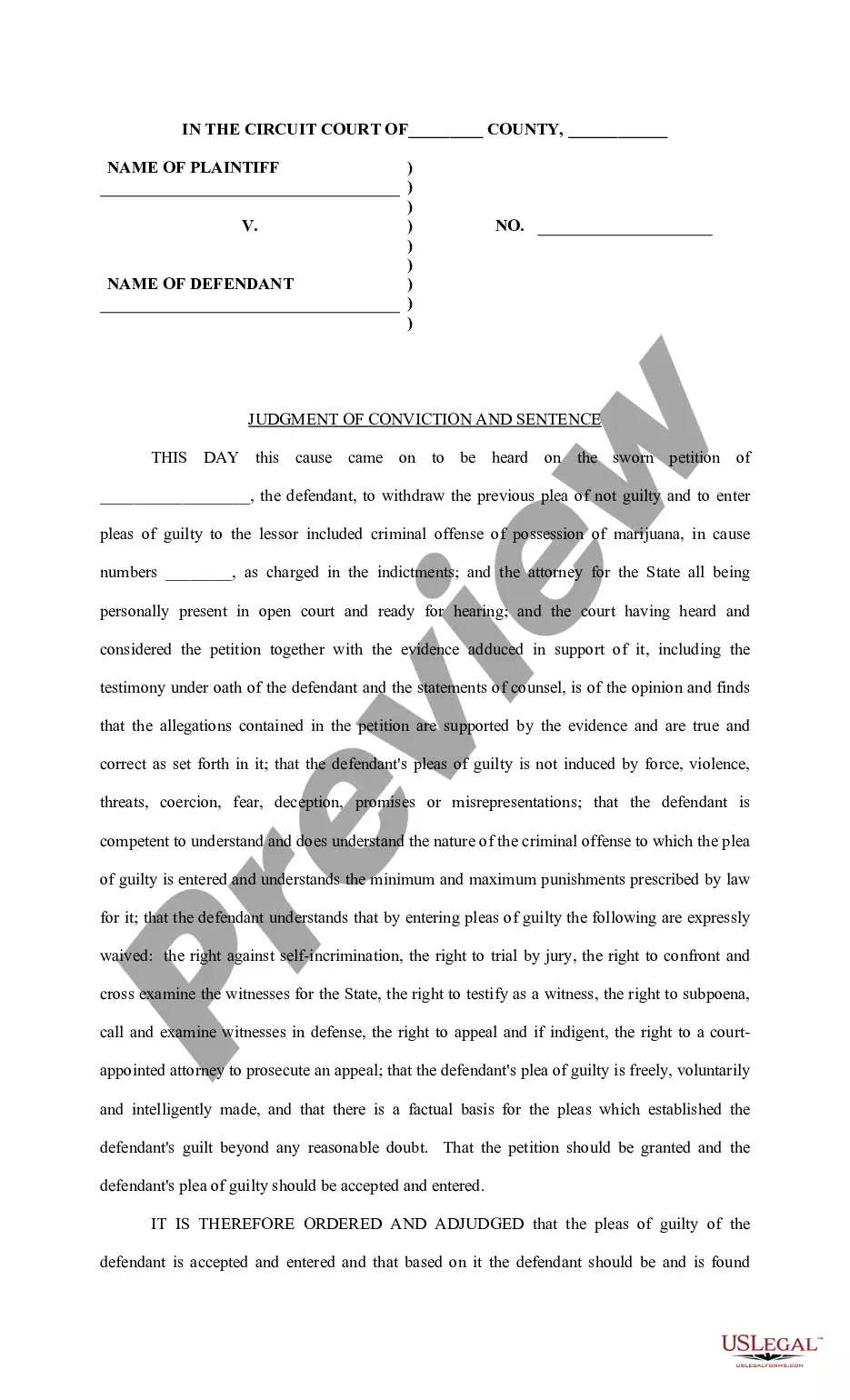
Description
Get your form ready online
Our built-in tools help you complete, sign, share, and store your documents in one place.
Make edits, fill in missing information, and update formatting in US Legal Forms—just like you would in MS Word.
Download a copy, print it, send it by email, or mail it via USPS—whatever works best for your next step.
Sign and collect signatures with our SignNow integration. Send to multiple recipients, set reminders, and more. Go Premium to unlock E-Sign.
If this form requires notarization, complete it online through a secure video call—no need to meet a notary in person or wait for an appointment.
We protect your documents and personal data by following strict security and privacy standards.

Make edits, fill in missing information, and update formatting in US Legal Forms—just like you would in MS Word.

Download a copy, print it, send it by email, or mail it via USPS—whatever works best for your next step.

Sign and collect signatures with our SignNow integration. Send to multiple recipients, set reminders, and more. Go Premium to unlock E-Sign.

If this form requires notarization, complete it online through a secure video call—no need to meet a notary in person or wait for an appointment.

We protect your documents and personal data by following strict security and privacy standards.
Looking for another form?

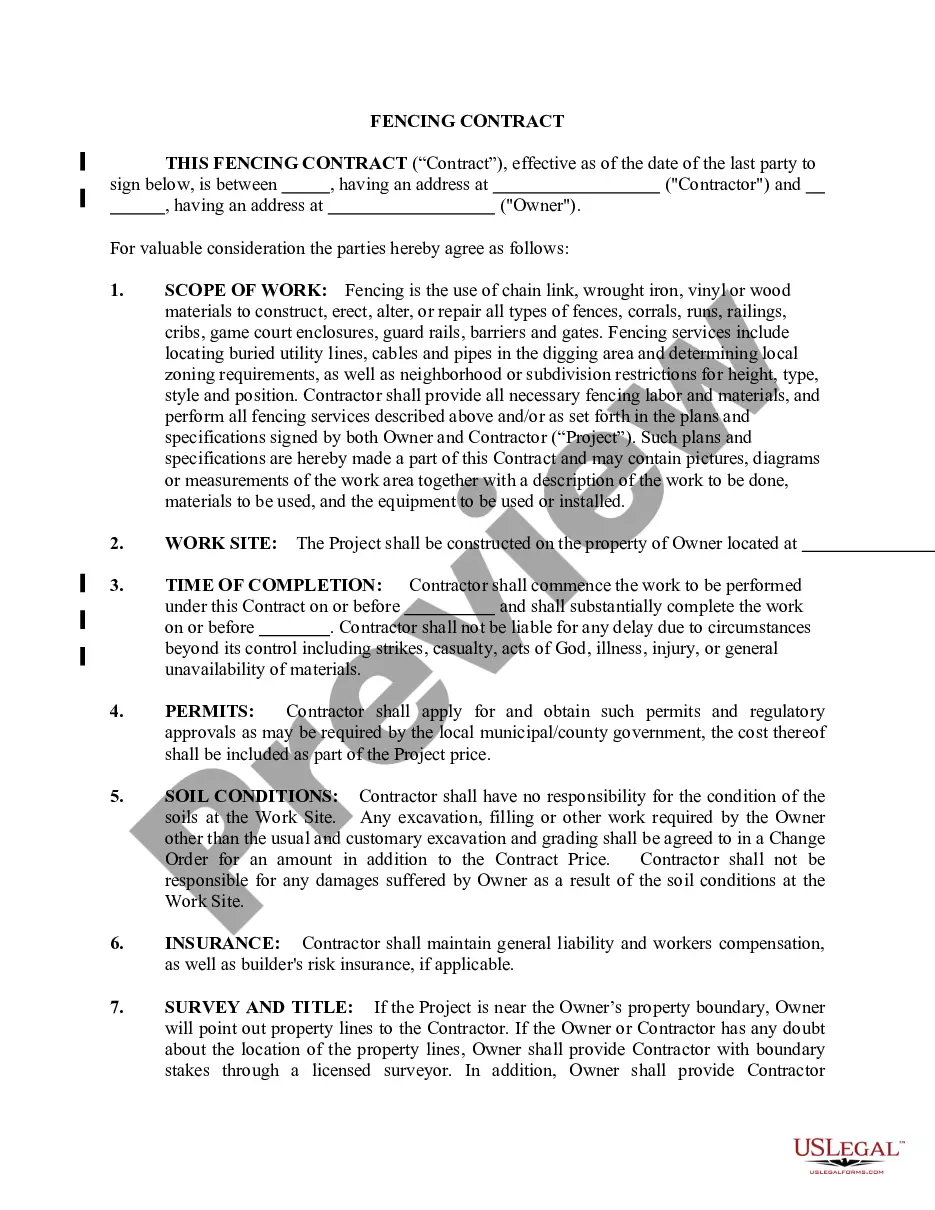
How to fill out Judgment?
If you need to acquire, obtain, or print official document templates, utilize US Legal Forms, the largest collection of legal forms, accessible online.
Employ the site's straightforward and convenient search feature to locate the documents you require. Numerous templates for commercial and personal purposes are organized by categories and states, or keywords.
Use US Legal Forms to find the Ohio Judgment within a few clicks.
Every legal document template you purchase belongs to you for an extended period. You will have access to all forms you downloaded within your account. Visit the My documents section and select a form to print or download again.
Complete and download, and print the Ohio Judgment with US Legal Forms. There are millions of professional and state-specific templates available for your personal or business needs.
- If you are currently a US Legal Forms user, Log In to your account and then click the Download button to access the Ohio Judgment.
- You can also retrieve forms you previously downloaded in the My documents tab of your account.
- If you are using US Legal Forms for the first time, follow the instructions below.
- Step 1. Ensure you have selected the form for your specific city/state.
- Step 2. Use the Preview option to review the form's details. Don't forget to read the description.
- Step 3. If you are unsatisfied with the form, utilize the Search field at the top of the screen to find alternative templates for your legal form.
- Step 4. Once you have found the form you need, click the Buy now button. Choose your preferred pricing plan and enter your details to register for an account.
- Step 5. Process the transaction. You can use your Visa or Mastercard or PayPal account to complete the payment.
- Step 6. Select the format of your legal form and download it to your device.
- Step 7. Complete, edit, and print or sign the Ohio Judgment.
Form popularity
FAQ
Summary: A certificate of judgment in Ohio is essentially a legal document that gives someone the right to place a lien on another's property after a court has made a judgment and it has not been fulfilled.
Regardless of whether any payments are made, your judgment does not last forever. In Ohio, judgments go ?dormant? in 5 years after the latter of: (a) when the judgment was issued, or (b) the last time it was used to create a lien, generate a seizure, obtain a garnishment order, or any other similar effort.
But a judgment from an Ohio court is valid for 5 years, and then becomes dormant unless revived, giving creditors the ability to collect on judgments for much longer. Section 2325.18(B) sets Ohio's statute of limitations for judgment enforcement at fifteen years.
When an appeal is taken the appellant may obtain a stay of execution of a judgment or any proceedings to enforce a judgment by giving an adequate supersedeas bond. The bond may be given at or after the time of filing the notice of appeal. The stay is effective when the supersedeas bond is approved by the court.
Regardless of whether any payments are made, your judgment does not last forever. In Ohio, judgments go ?dormant? in 5 years after the latter of: (a) when the judgment was issued, or (b) the last time it was used to create a lien, generate a seizure, obtain a garnishment order, or any other similar effort.
And some states also allow judgment liens on the debtor's personal property -- things like jewelry, art, antiques, and other valuables. In Ohio, a judgment lien can be attached to real estate only (such as a house, land, or similar property interest).
Once a creditor has a obtained the judgment, they seek to collect the money owed under the judgment through various means including: garnishing wages, placing a lien on a debtor's bank account and withdrawing money from that account pursuant to a court order or placing a judgment lien on personal property that a debtor ...
If a person is deemed judgment proof, it likely means that they have no assets and no job. Creditors cannot seize the assets of someone who the court names judgment proof. Social security, disability, and unemployment benefits do not count as assets that can be taken by creditors.