Ohio Sample Letter with Breakdown of Amounts Due to Plaintiff
Description
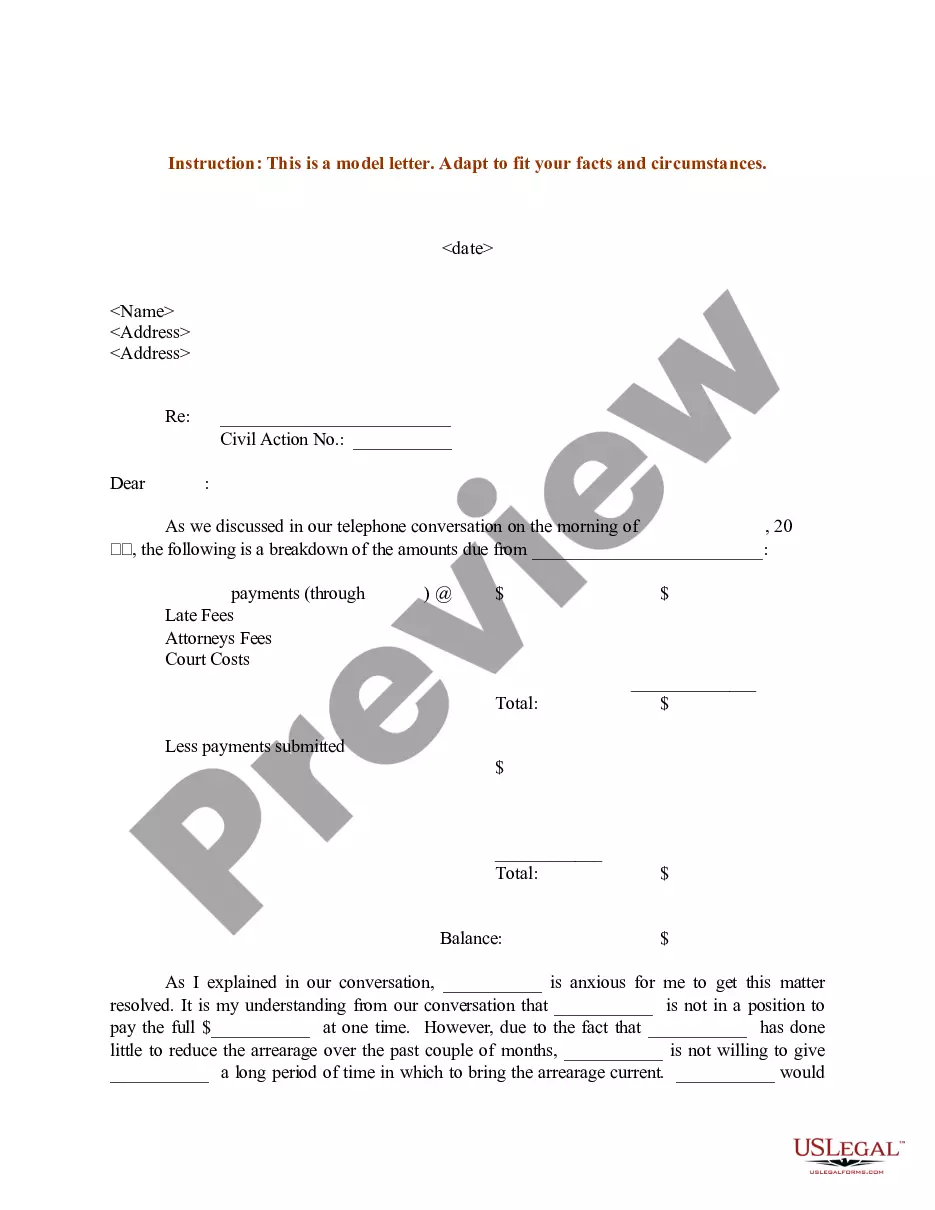
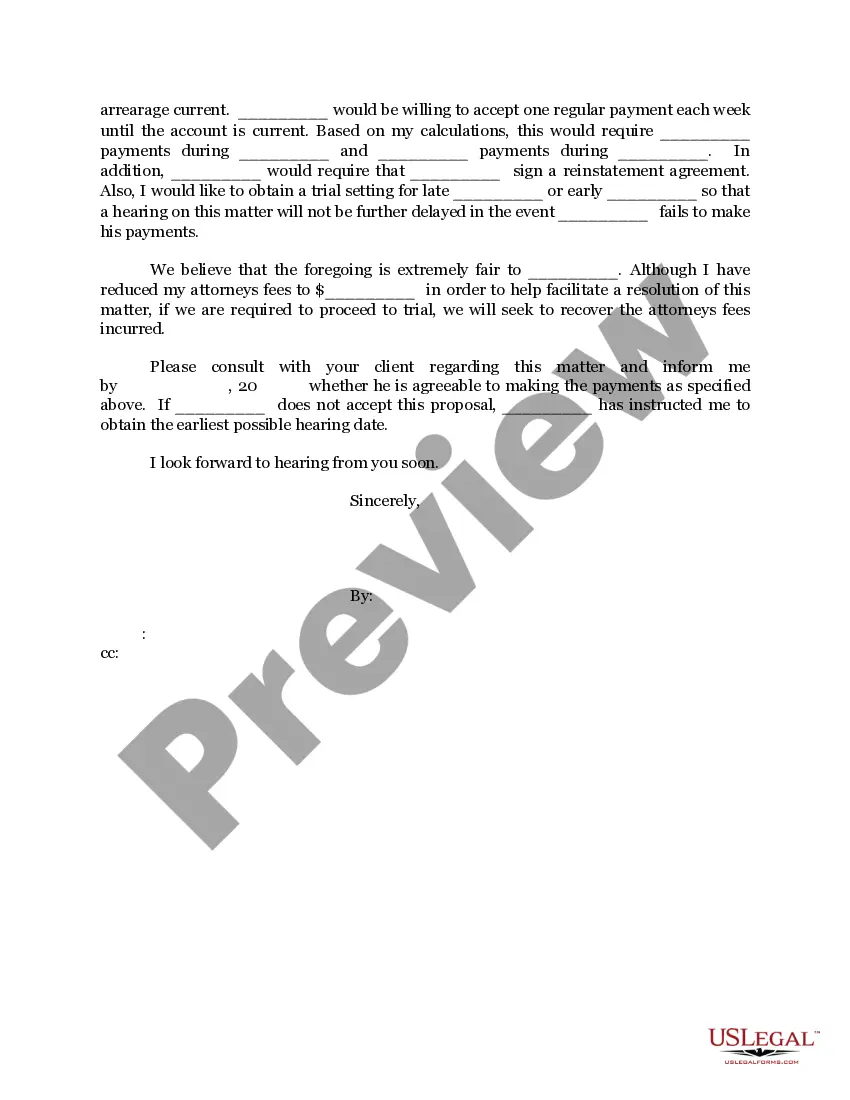
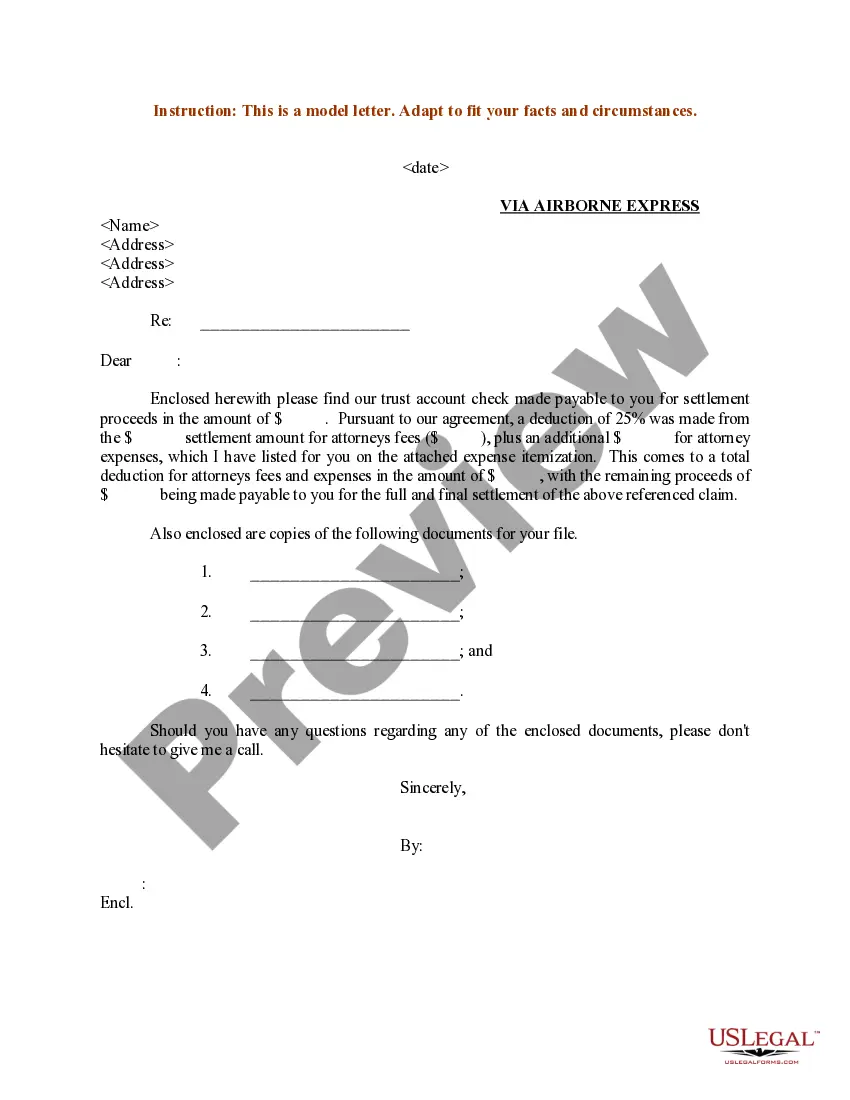
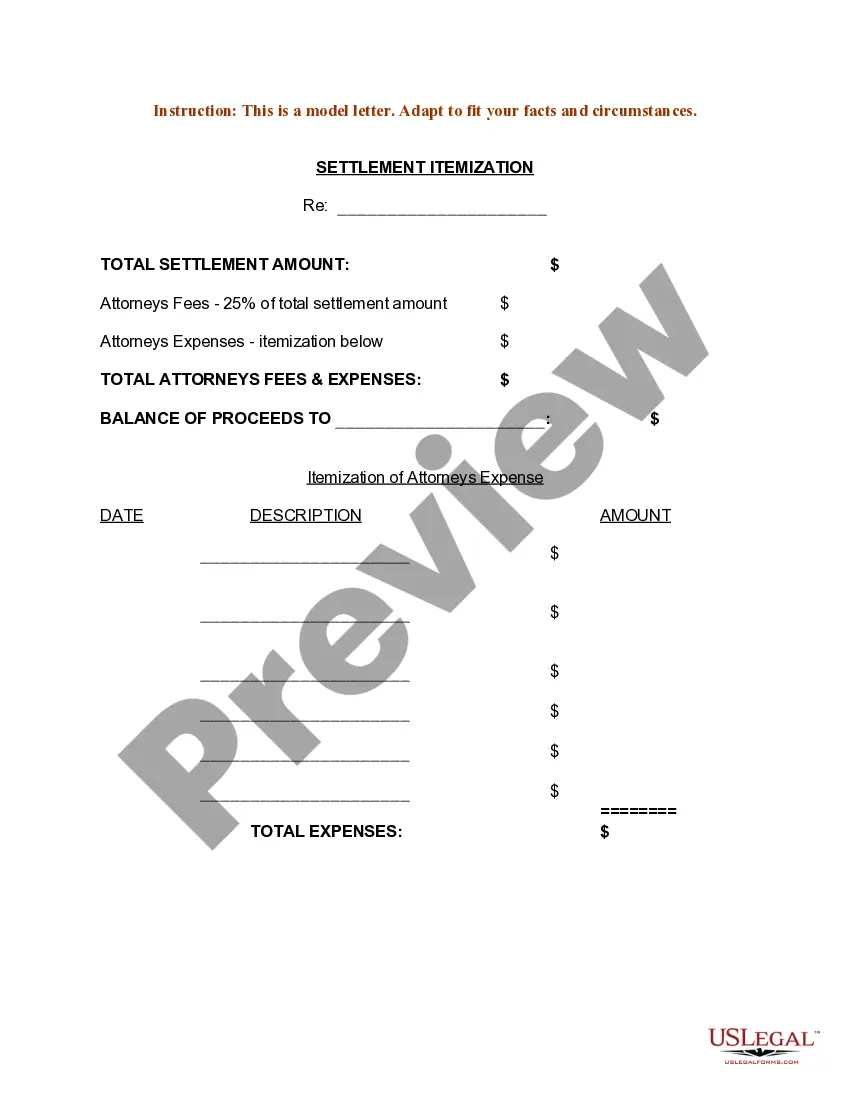
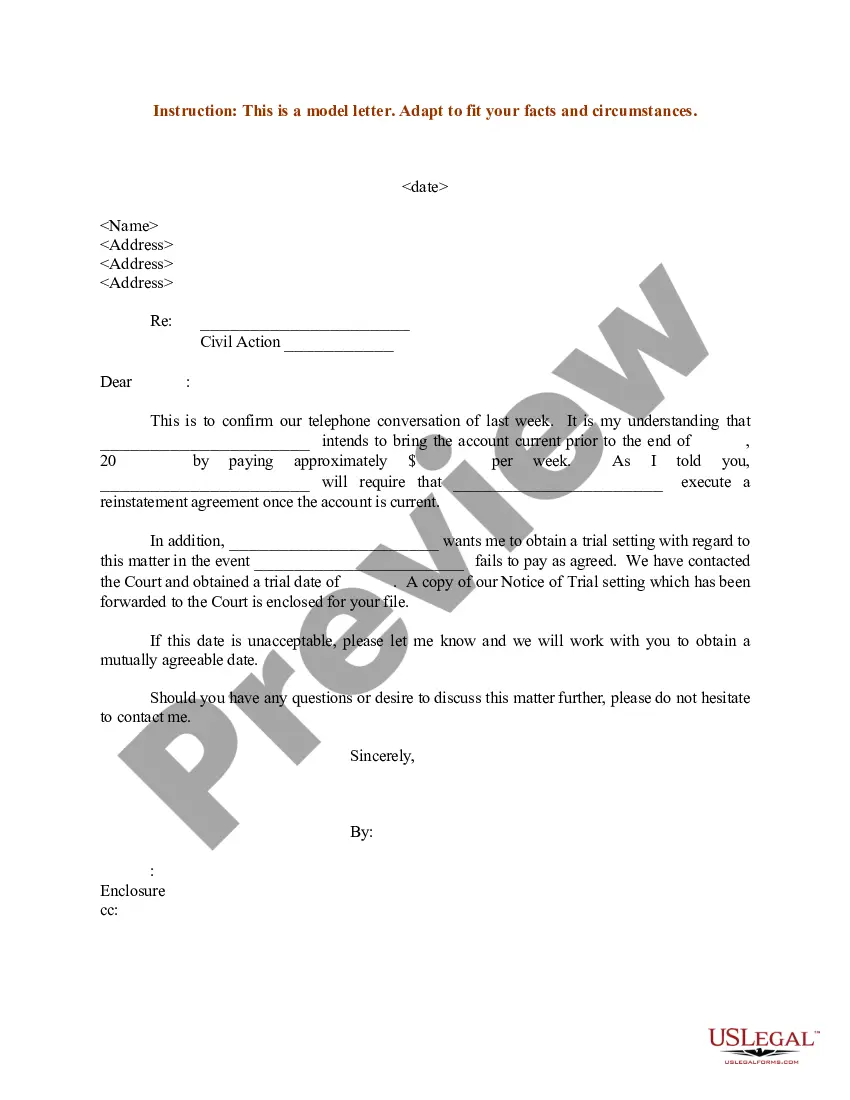
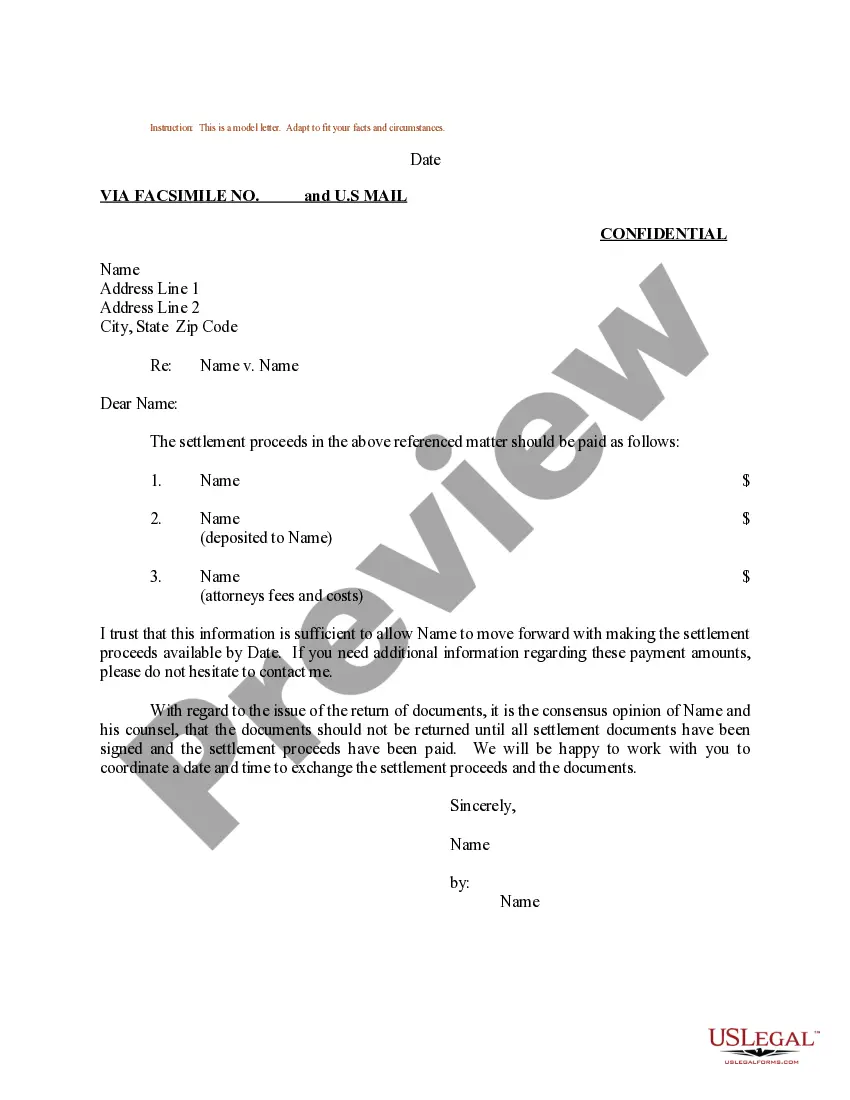

How to fill out Sample Letter With Breakdown Of Amounts Due To Plaintiff?
US Legal Forms - one of the largest repositories of legal documents in the USA - provides a vast selection of legal document templates that you can download or print.
By using the website, you can find thousands of forms for business and personal purposes, sorted by categories, states, or keywords. You can access the latest versions of forms such as the Ohio Sample Letter with Breakdown of Amounts Due to Plaintiff within minutes.
If you already possess a subscription, Log In and download the Ohio Sample Letter with Breakdown of Amounts Due to Plaintiff from the US Legal Forms library. The Download button will appear on every form you view. You can access all previously obtained forms in the My documents section of your account.
Complete the payment. Use your credit card or PayPal account to finalize the payment.
Choose the format and download the form to your device. Make modifications. Fill out, edit, and print and sign the acquired Ohio Sample Letter with Breakdown of Amounts Due to Plaintiff. Each template you added to your account has no expiration date and is yours forever. So, if you wish to download or print another copy, simply go to the My documents section and click on the form you want. Access the Ohio Sample Letter with Breakdown of Amounts Due to Plaintiff with US Legal Forms, one of the most extensive collections of legal document templates. Utilize thousands of professional and state-specific templates that meet your business or personal requirements.
- To use US Legal Forms for the first time, here are simple instructions to get started.
- Ensure you have selected the correct form for your city/state.
- Choose the Preview option to inspect the form's content.
- Review the form summary to confirm you have selected the right form.
- If the form doesn’t meet your needs, use the Search field at the top of the screen to find one that does.
- If you are satisfied with the form, confirm your choice by clicking the Download now button.
- Next, select the pricing plan you prefer and provide your details to register for an account.
Form popularity
FAQ
Ohio Civil Rule 12 (C) provides: "After the pleadings are closed but within such time as not to delay trial, any party may move for judgment on the pleadings".
Please be advised that I demand payment of the invoiced amount plus an amount of $[amount] for late payment interest as agreed in our contract dated on select date within seven days of the date of this letter. Payment should be made by [describe how you'd like to be paid, including any bank details].
Rule 26 - General Provisions Governing Discovery (A)Policy; discovery methods It is the policy of these rules (1) to preserve the right of attorneys to prepare cases for trial with that degree of privacy necessary to encourage them to prepare their cases thoroughly and to investigate not only the favorable but the ...
Your demands are unreasonable or too high. You included threats or disparaging language in your demand letter. Your case is complex, and the other person needs more time to consider your demands. They think the issue will go away on its own, and you won't take legal action.
Frequently Asked Questions (FAQ) Type your letter. ... Concisely review the main facts. ... Be polite. ... Write with your goal in mind. ... Ask for exactly what you want. ... Set a deadline. ... End the letter by stating you will promptly pursue legal remedies if the other party does not meet your demand. Make and keep copies.
Don't Look Unprofessional. No one is going to take a handwritten letter seriously. A typed letter with no grammatical mistakes will go a long way. Even better, a letter from a law firm with a professional letterhead is an effective way to show the other party that you are serious about resolving the issue.
Civ. R. 37(F) provides factors for judges to consider when a party seeks sanctions against an opponent who has lost potentially relevant electronically stored information. This rule does not attempt to address the larger question of when the duty to preserve electronically stored information is triggered.
Using an Angry Tone. Writing in an angry tone or personally attacking the other party is the worst thing you can do in a demand letter. If you let your emotions speak, you'll only invite the receiver to respond in the same tone.