Ohio Construction Contract for Homeowner
Description
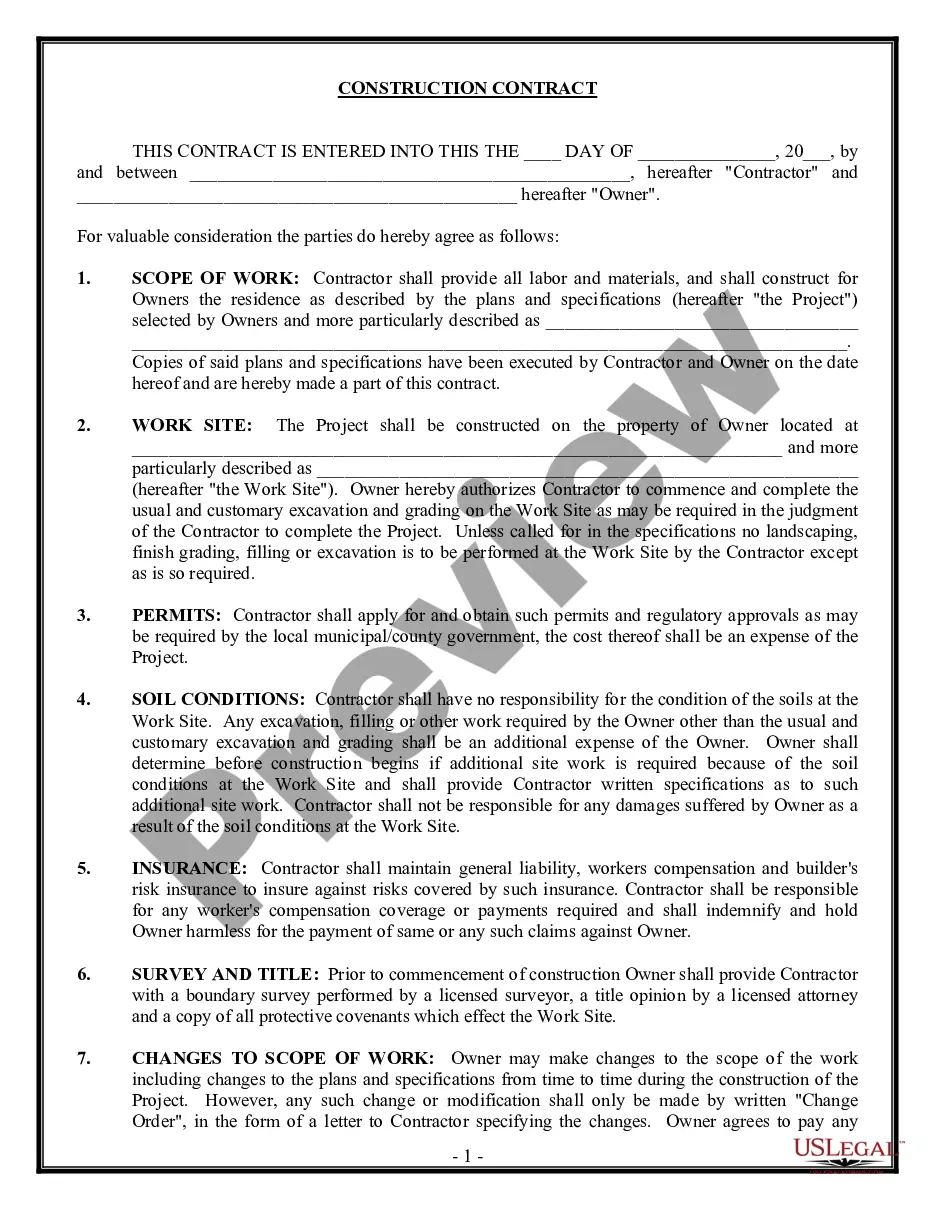
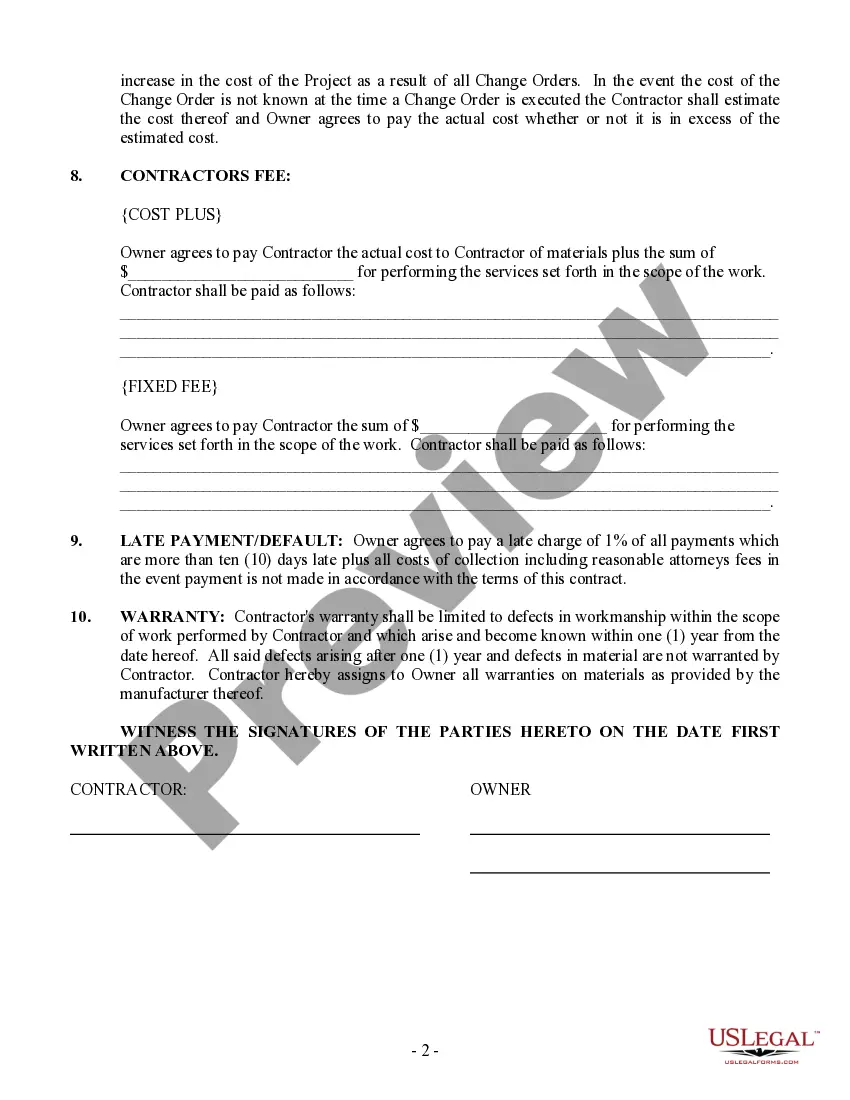
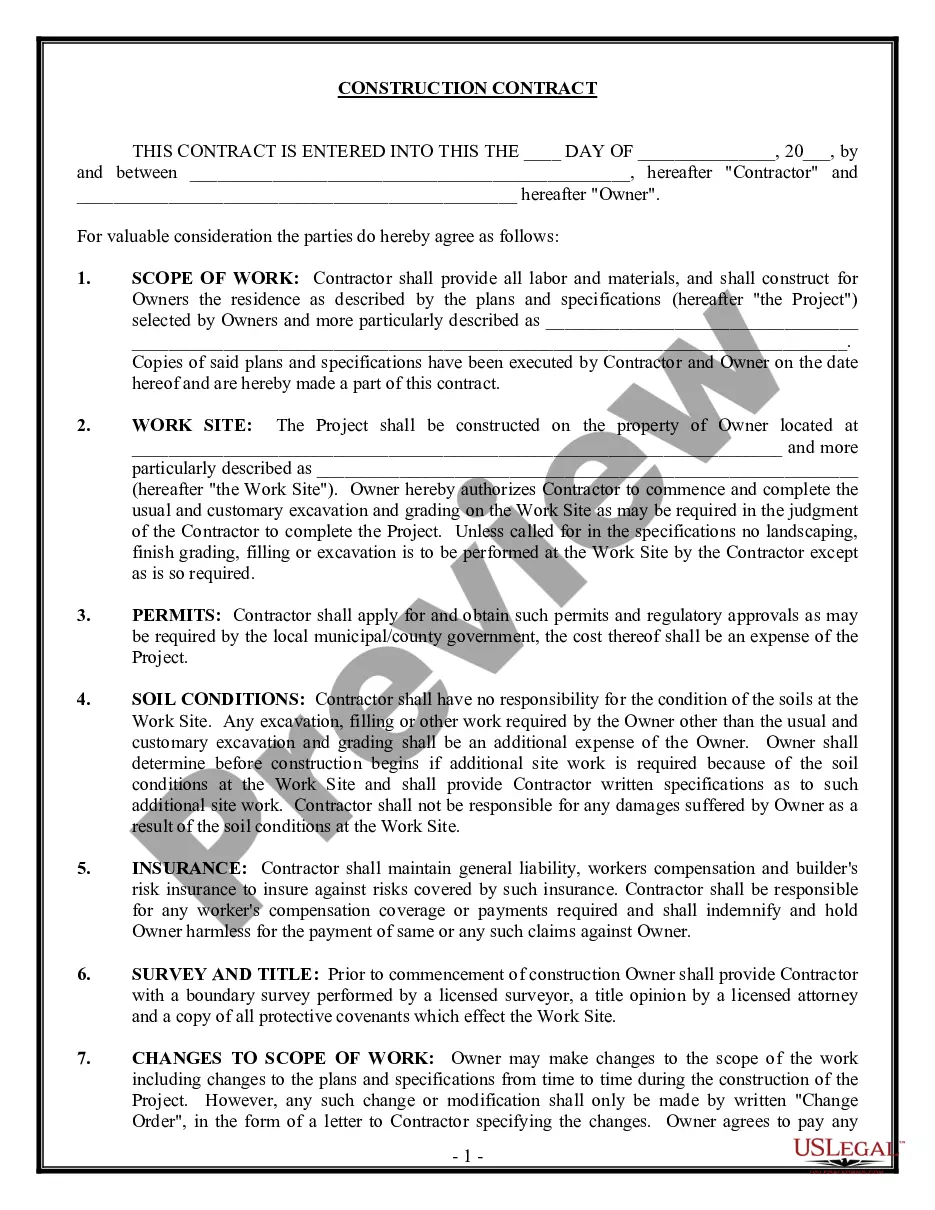
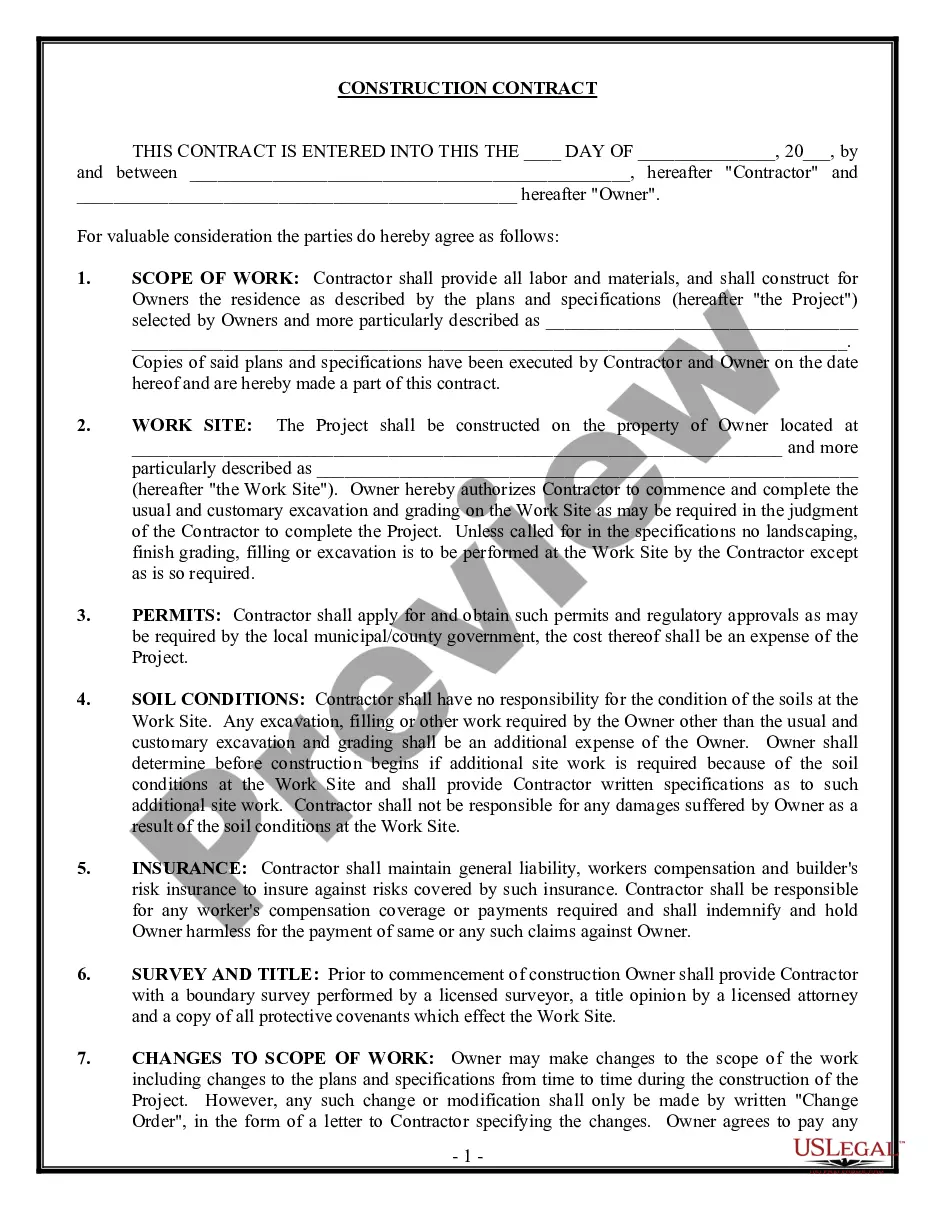
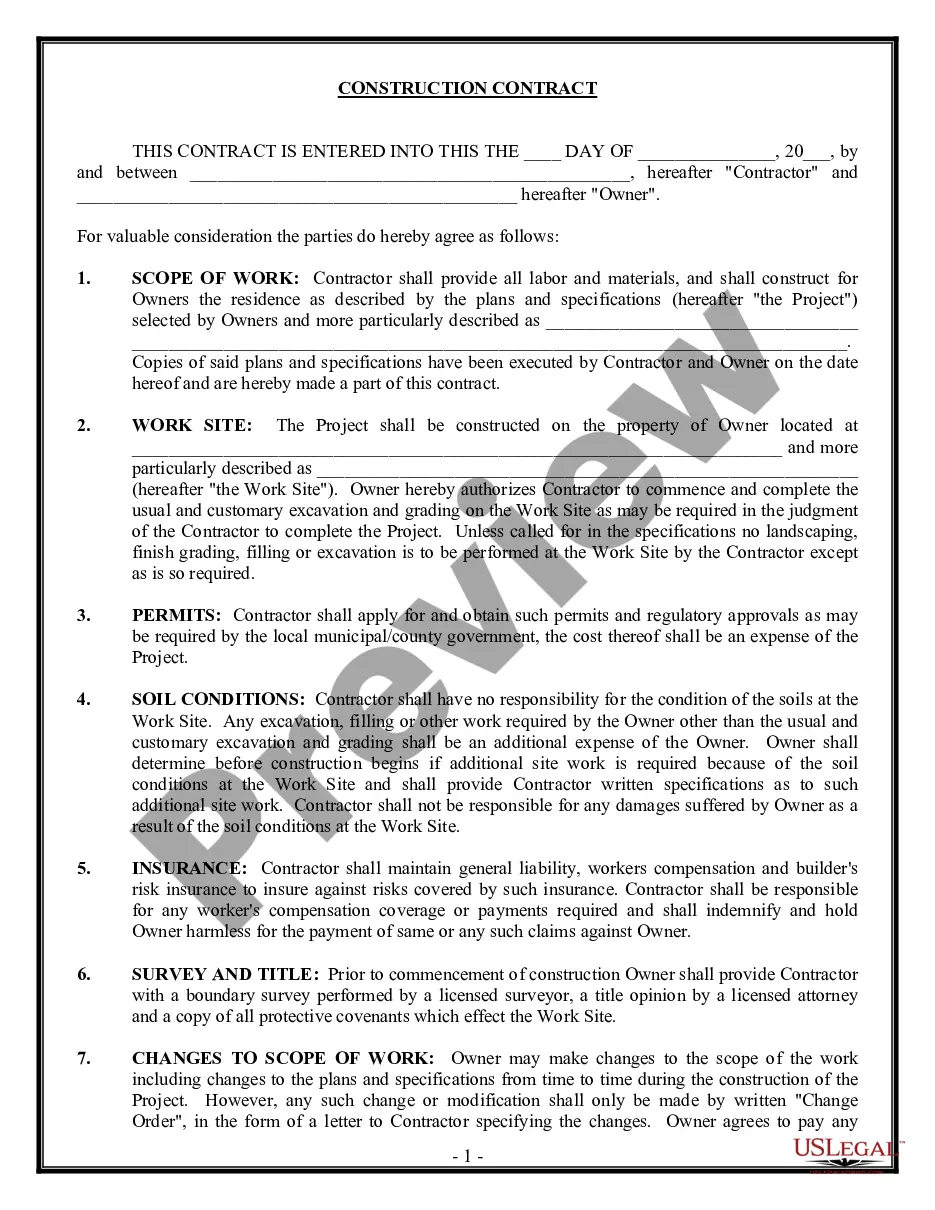
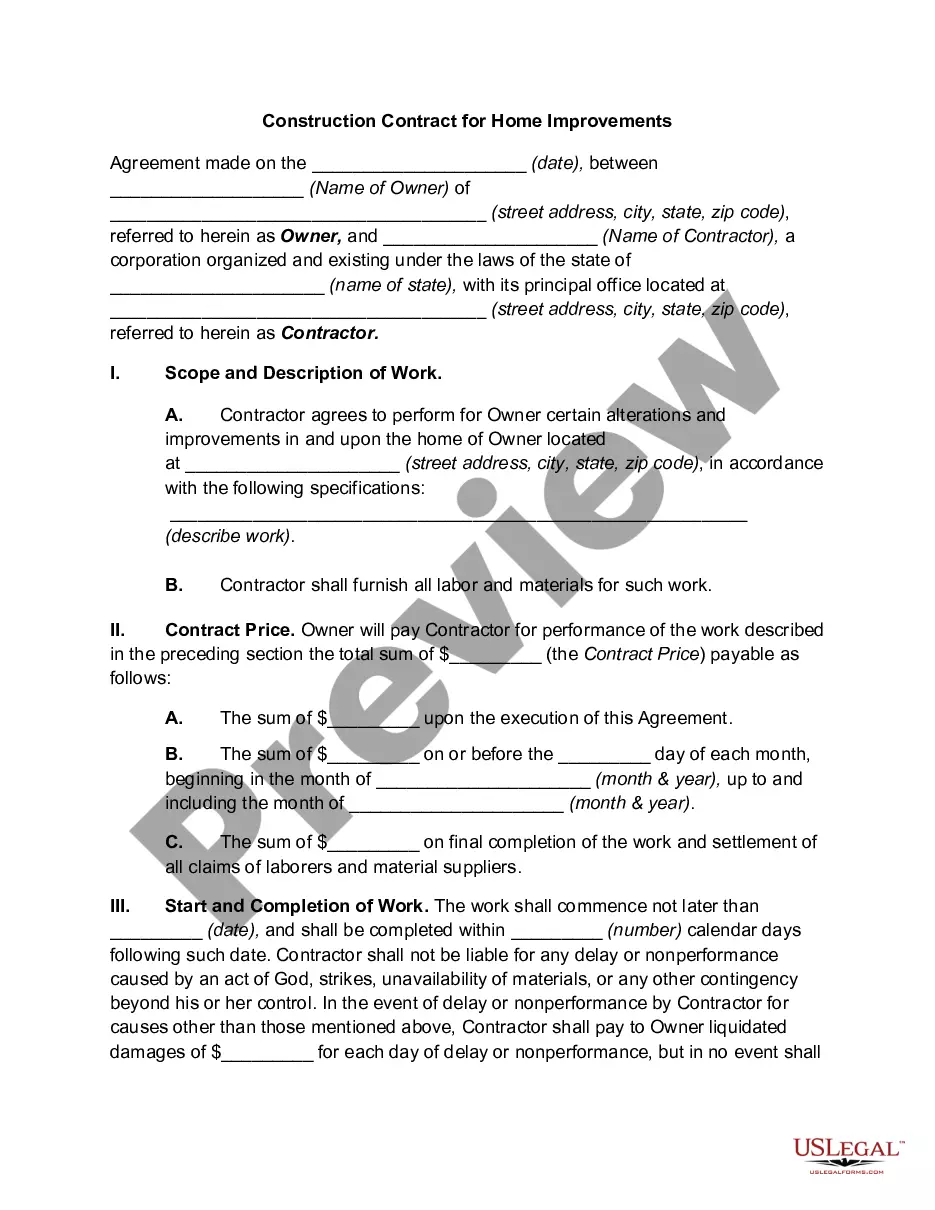
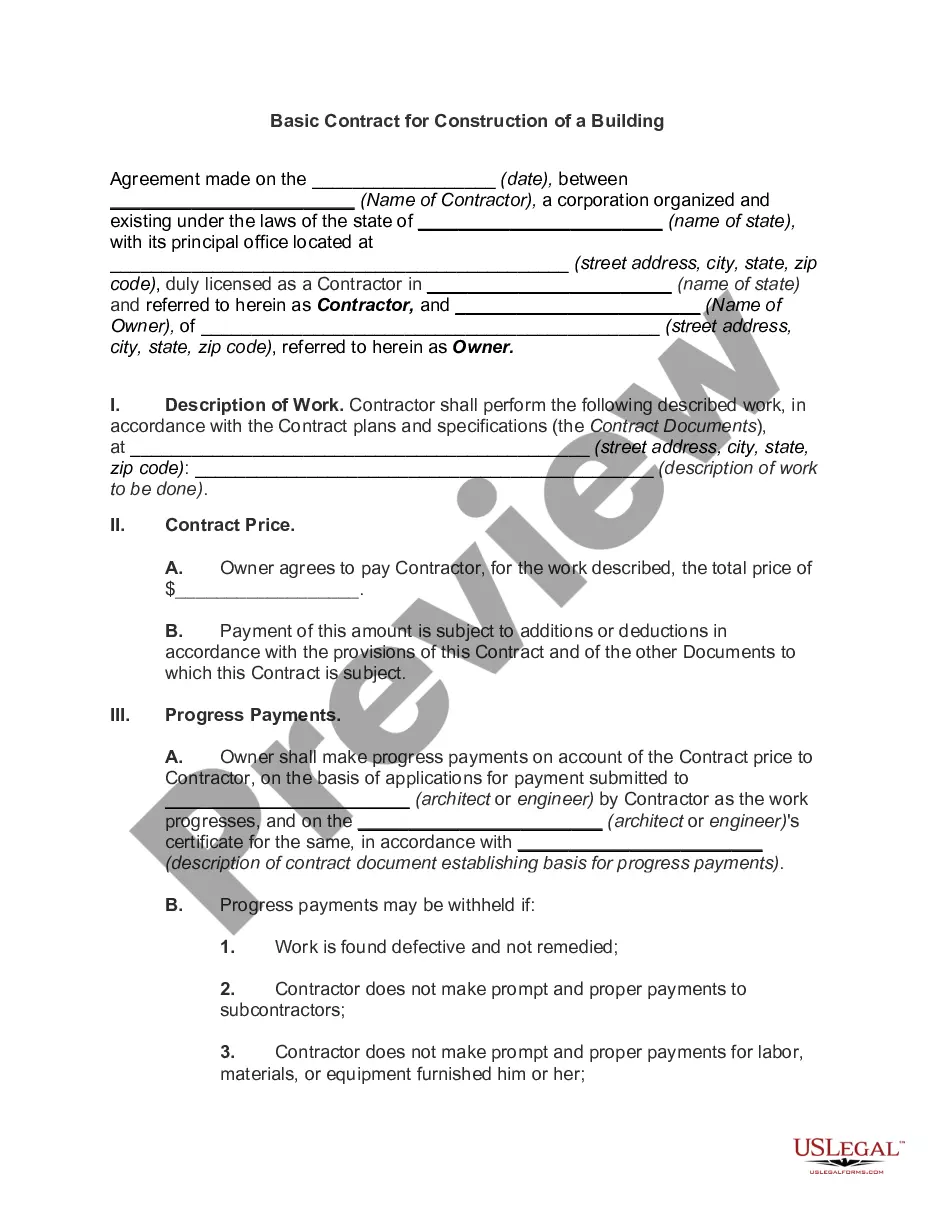
Get your form ready online
Our built-in tools help you complete, sign, share, and store your documents in one place.
Make edits, fill in missing information, and update formatting in US Legal Forms—just like you would in MS Word.
Download a copy, print it, send it by email, or mail it via USPS—whatever works best for your next step.
Sign and collect signatures with our SignNow integration. Send to multiple recipients, set reminders, and more. Go Premium to unlock E-Sign.
If this form requires notarization, complete it online through a secure video call—no need to meet a notary in person or wait for an appointment.
We protect your documents and personal data by following strict security and privacy standards.

Make edits, fill in missing information, and update formatting in US Legal Forms—just like you would in MS Word.

Download a copy, print it, send it by email, or mail it via USPS—whatever works best for your next step.

Sign and collect signatures with our SignNow integration. Send to multiple recipients, set reminders, and more. Go Premium to unlock E-Sign.

If this form requires notarization, complete it online through a secure video call—no need to meet a notary in person or wait for an appointment.

We protect your documents and personal data by following strict security and privacy standards.
Looking for another form?


How to fill out Construction Contract For Homeowner?
Are you currently in a situation where you require documents for potential business or personal purposes almost every day.
There are many legal document templates available online, but finding forms you can trust is not easy.
US Legal Forms offers thousands of form templates, including the Ohio Construction Contract for Homeowner, that are designed to meet state and federal requirements.
Once you have the correct form, click on Buy now.
Select the payment plan you prefer, enter the required information to create your account, and complete the purchase with your PayPal or credit card.
- If you are already familiar with the US Legal Forms website and have an account, simply Log In.
- After that, you can download the Ohio Construction Contract for Homeowner template.
- If you do not have an account and wish to start using US Legal Forms, follow these steps.
- Find the form you need and ensure it is for the correct city/county.
- Utilize the Review option to check the form.
- Read the description to confirm that you have selected the correct form.
- If the form isn't what you need, use the Search box to find a form that meets your needs.
Form popularity
FAQ
A poorly written Ohio Construction Contract for Homeowner can result from vague language, lack of detail, and absence of timelines. Additionally, omitting necessary legal protections or relevant clauses can leave homeowners vulnerable. Failing to clearly define project scope can lead to disagreements between parties. It is essential to draft a clear, detailed, and well-structured contract to avoid complications during the construction process.
Many homeowners overlook the dispute resolution clause in an Ohio Construction Contract for Homeowner. This section outlines how conflicts will be managed, often setting the stage for escalation or costly legal battles. Ignoring this clause can lead to confusion and disputes down the line. By paying attention to this important part of your contract, you can ensure a smoother project.
An Ohio Construction Contract for Homeowner can become invalid if it lacks essential elements, such as mutual consent, a lawful object, and consideration. If either party does not meet the legal capacity to contract, the agreement may also be deemed void. Furthermore, contracts that violate local laws or public policy are considered invalid. Avoiding these pitfalls is crucial for homeowners to ensure their construction agreements are enforceable.
Construction contracts in Ohio do not necessarily need to be notarized. However, doing so may safeguard both parties in case of any legal complications down the line. It's important for homeowners to ensure that their Ohio Construction Contract for Homeowner is detailed and transparent in its terms. If you're unsure about the requirements, leveraging platforms like uslegalforms can also assist you in creating compliant contracts.
While notarization is not a strict requirement in Ohio, having a construction contract notarized can provide benefits. It serves as a form of verification, helping to prevent disputes about the contract's authenticity. If you are entering into an Ohio Construction Contract for Homeowner, consider notarization to enhance clarity and security. Consulting with a legal professional can also guide you on whether it suits your specific situation.
Yes, a contract can still be valid in Ohio even if it is not notarized. Its validity typically hinges on whether both parties have agreed to the terms and whether the contract fulfills legal requirements. That said, not having a notarization could complicate matters in disputes, making it harder to prove the legitimacy of the agreement. For homeowners, an Ohio Construction Contract for Homeowner should ideally be clear and well-documented, whether notarized or not.
A construction contract becomes legally binding when it includes essential elements like offer, acceptance, consideration, and mutual intent. In Ohio, both parties must agree to the terms outlined in the Ohio Construction Contract for Homeowner. Clear and precise language enhances the enforceability of the contract, reducing the risk of misunderstandings. When drafting your contract, ensure all details are specifically outlined to protect both parties.
Not all work contracts in Ohio require notarization to be legally valid. However, notarization adds an extra layer of security and can help in disputes by proving authenticity. If you're concerned about the enforceability of your Ohio Construction Contract for Homeowner, consider having it notarized to strengthen your position. It's always wise to consult a legal expert for personalized advice.
In Ohio, a contractor is generally liable for their work for a period of six years under the statute of limitations. This period begins once the construction is completed, and any defects become evident. Homeowners should keep this timeline in mind when considering repairs or seeking compensation for poor workmanship. Understanding this liability can help you navigate your Ohio Construction Contract for Homeowner effectively.
A valid Ohio Construction Contract for Homeowners must include essential details such as project description, work timelines, payment terms, and signatures from both parties. Additional state-specific regulations may also apply, so consider utilizing templates from US Legal Forms to ensure compliance. This approach simplifies the process and provides peace of mind.