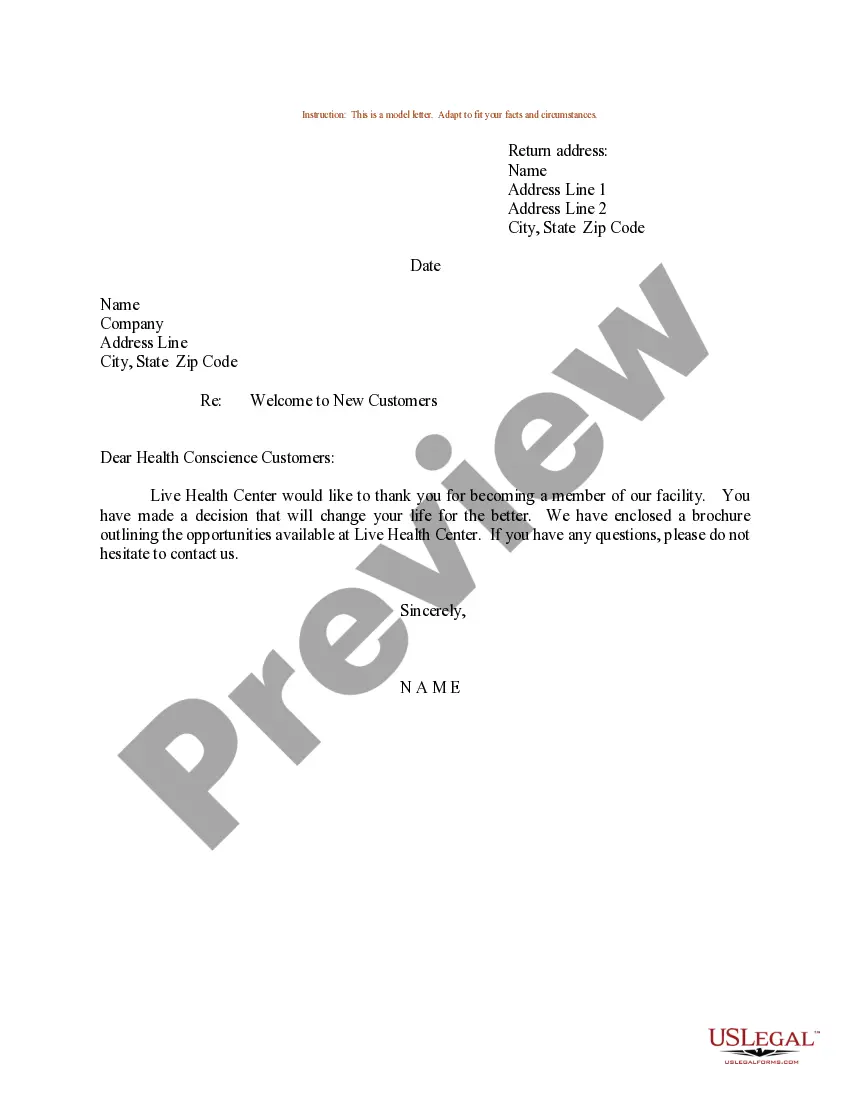
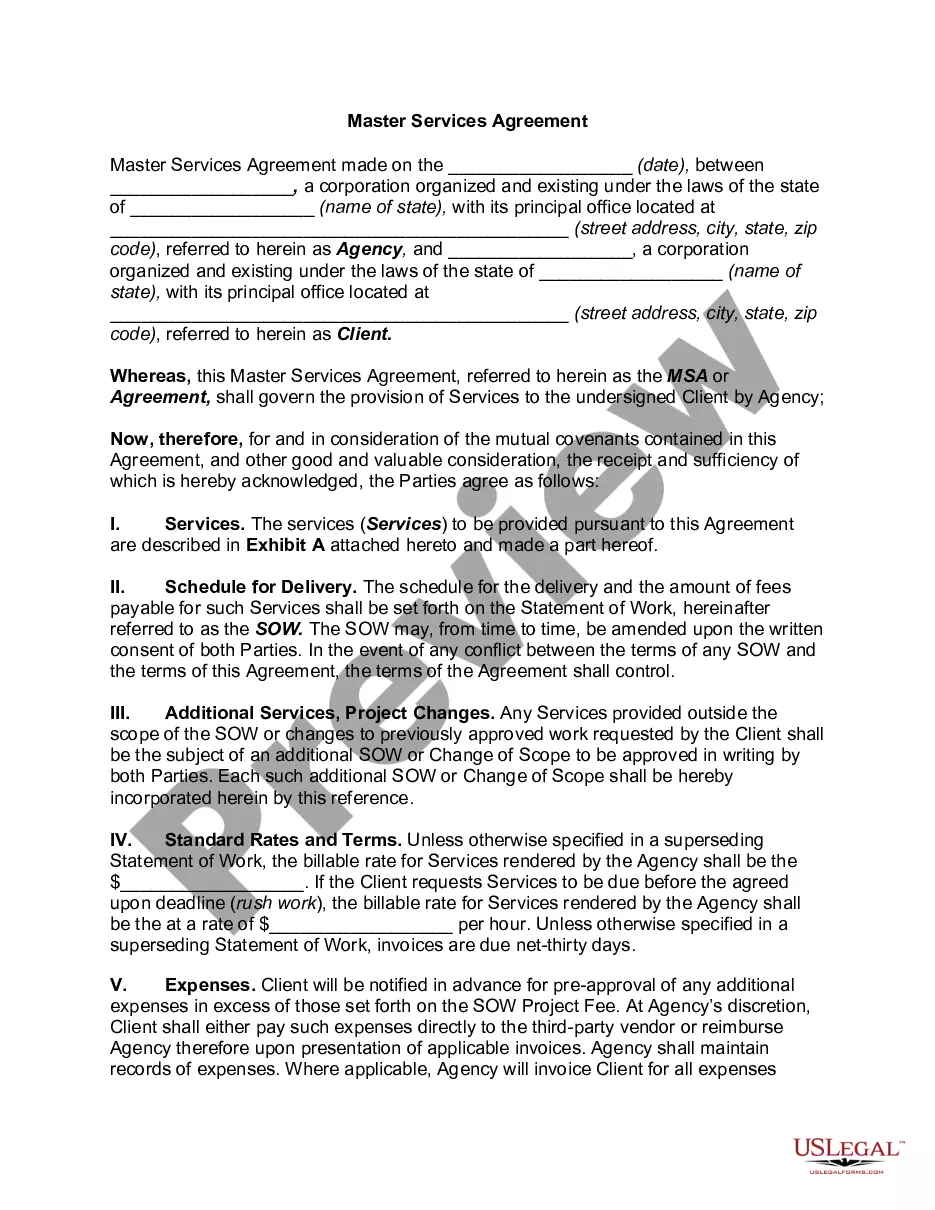
New York Master Services Agreement
Description
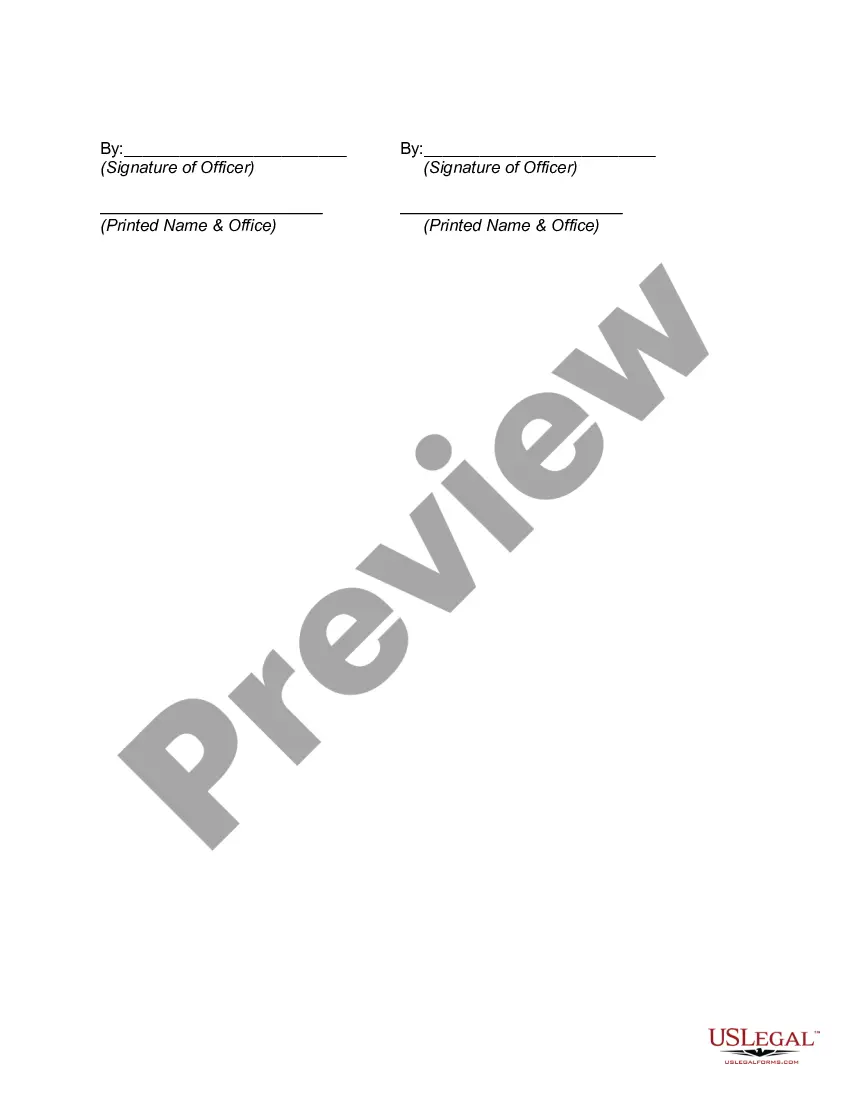
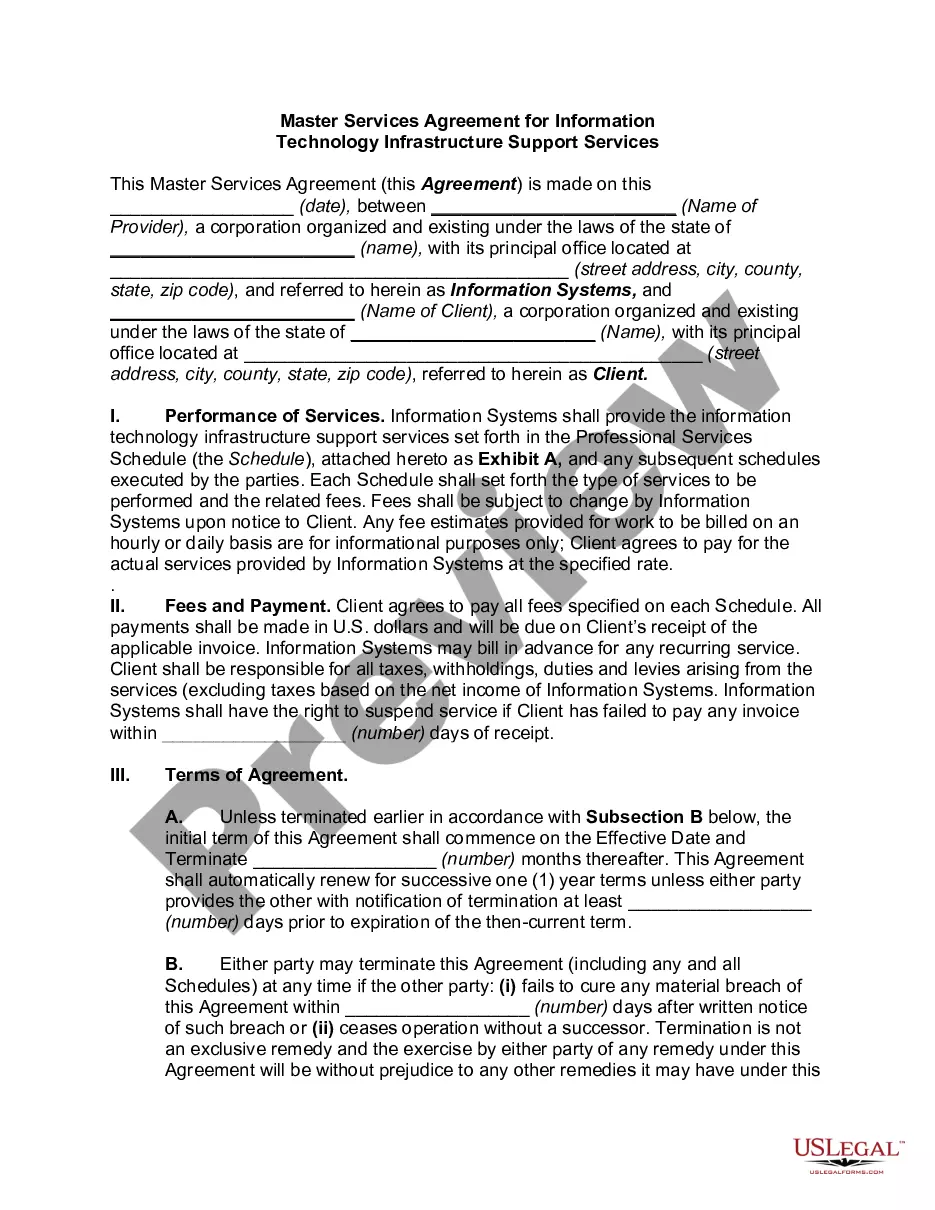
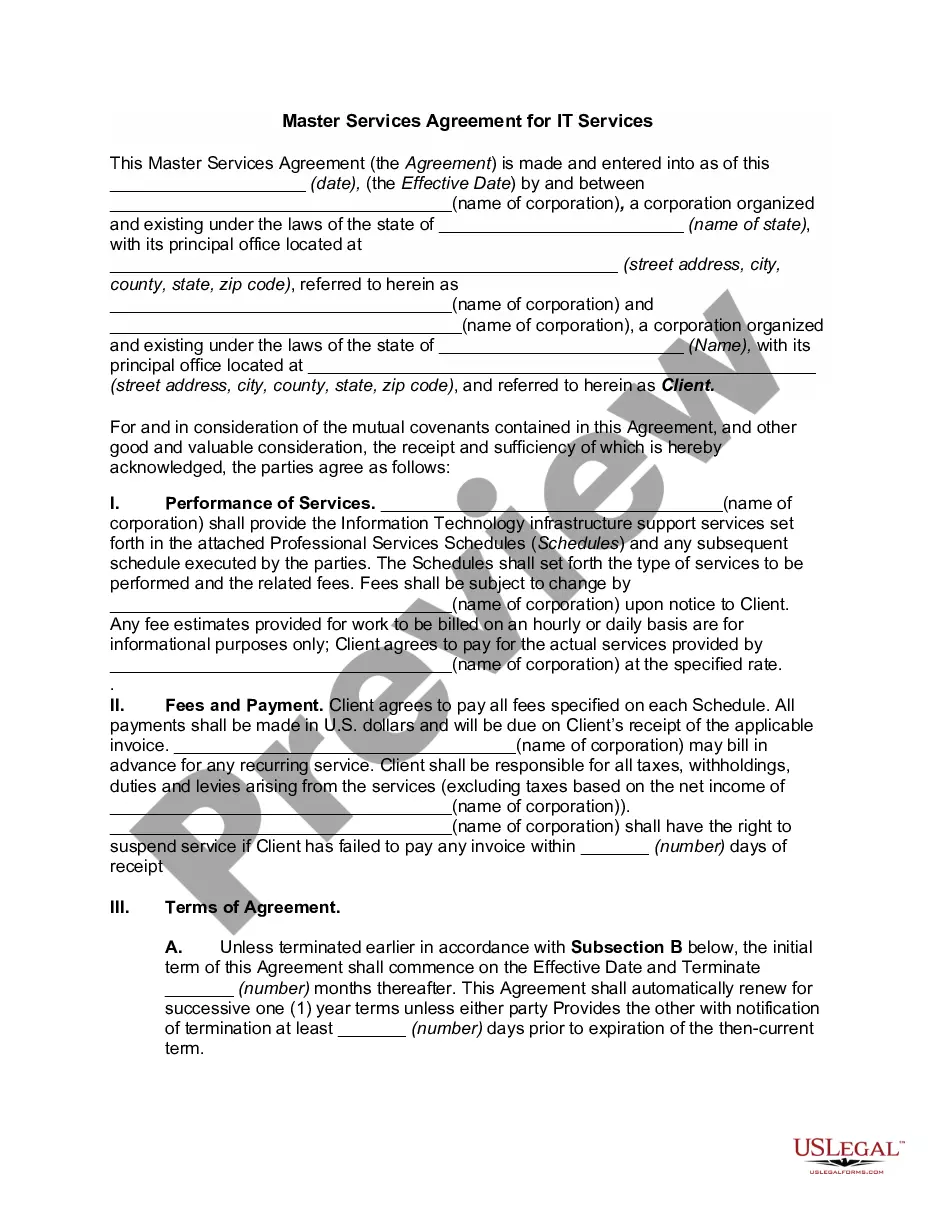
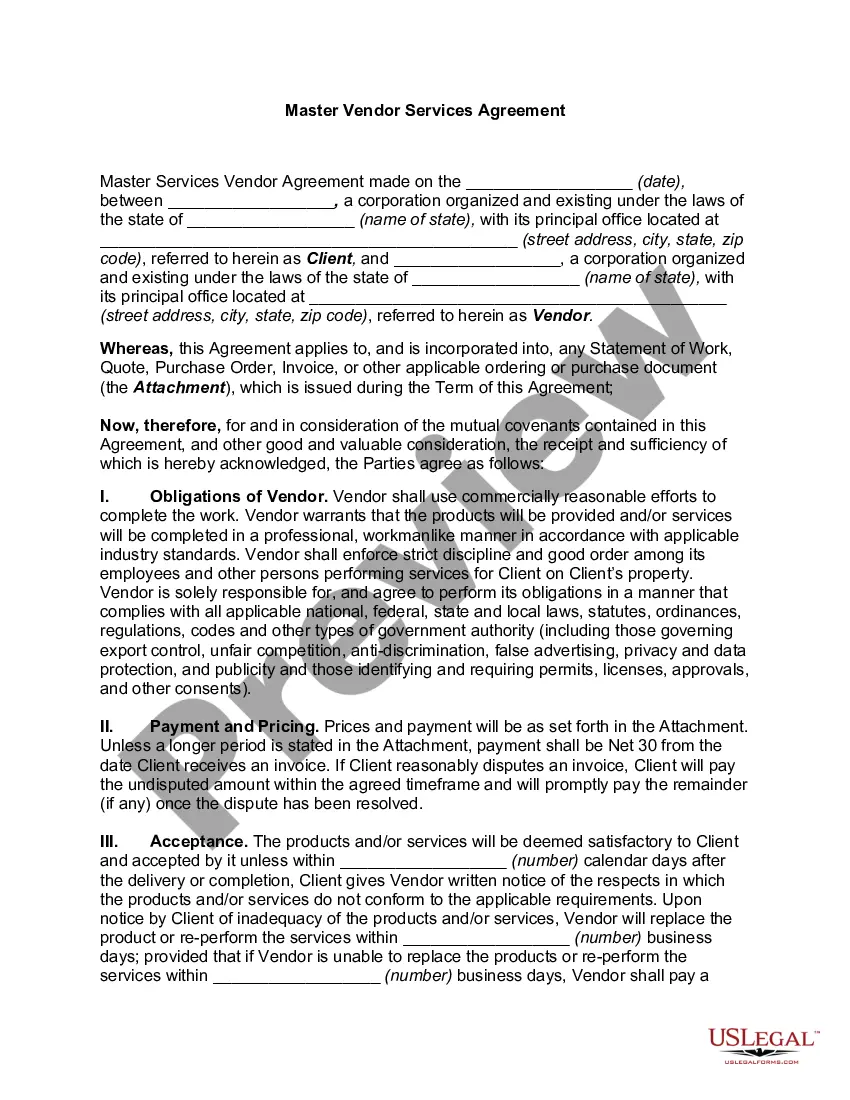
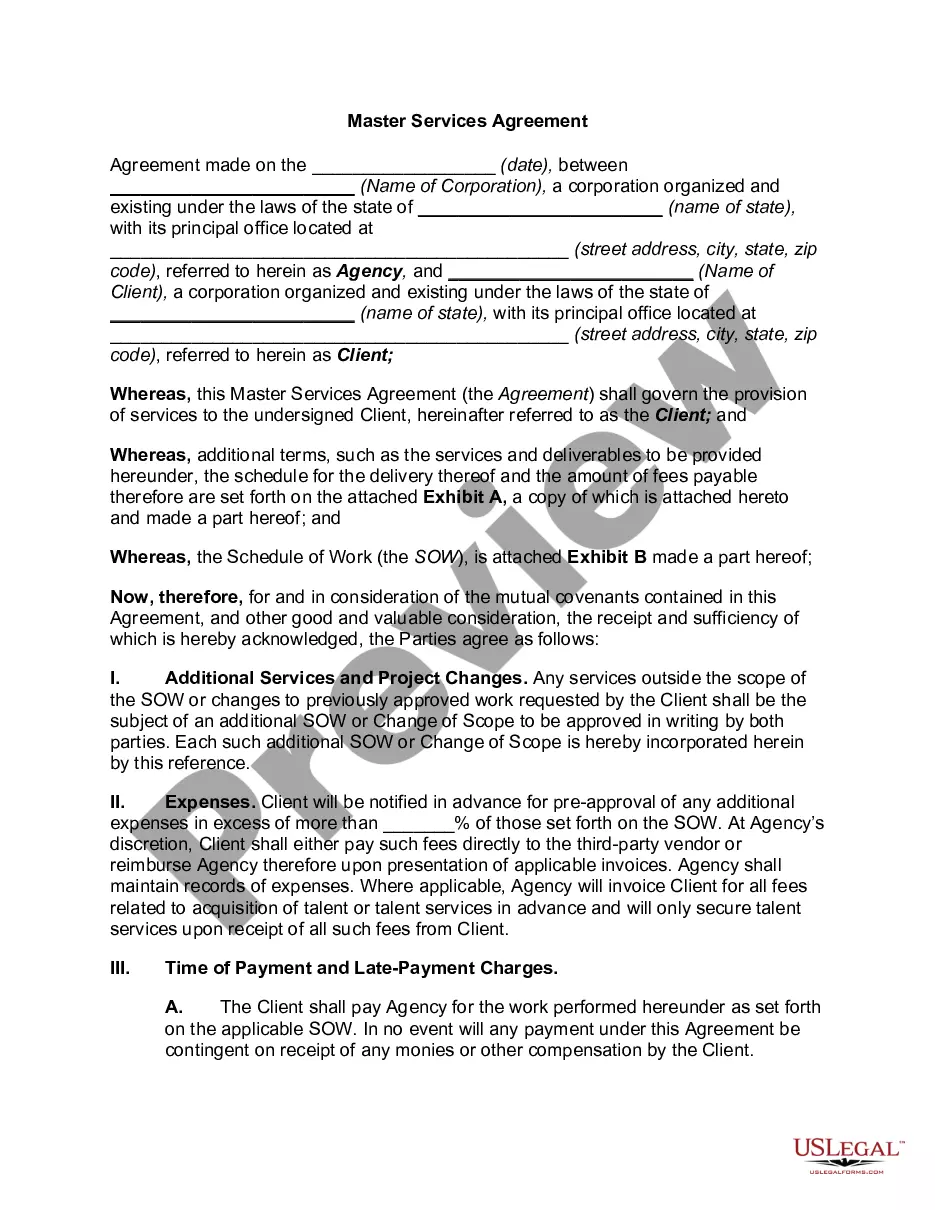
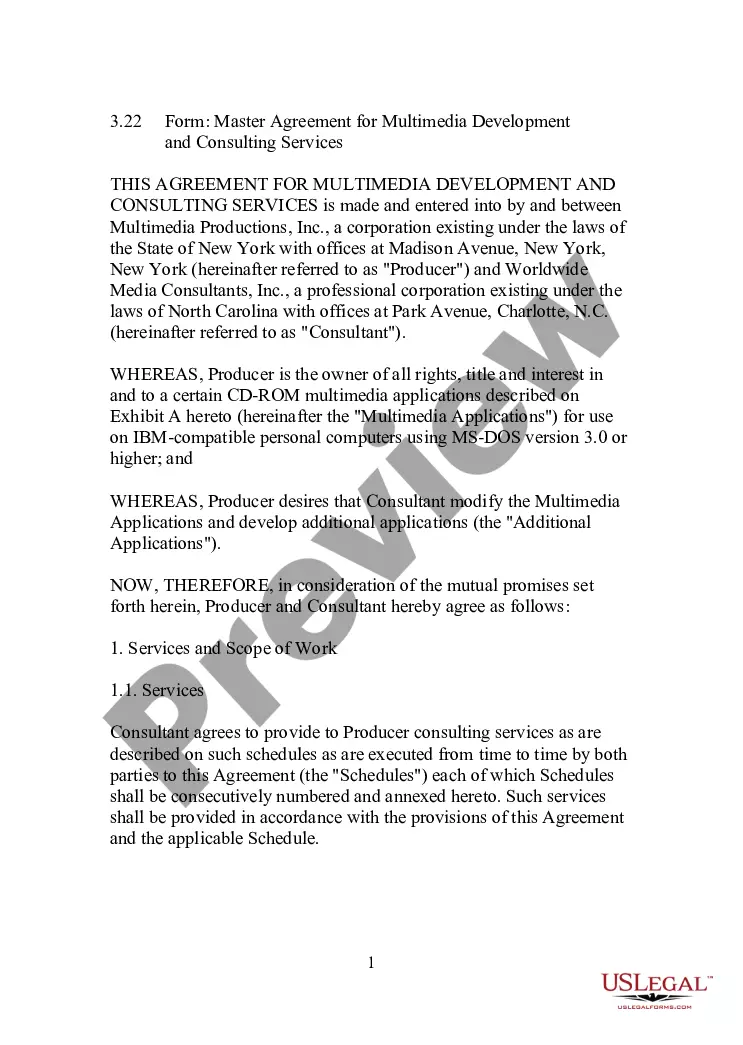
Get your form ready online
Our built-in tools help you complete, sign, share, and store your documents in one place.
Make edits, fill in missing information, and update formatting in US Legal Forms—just like you would in MS Word.
Download a copy, print it, send it by email, or mail it via USPS—whatever works best for your next step.
Sign and collect signatures with our SignNow integration. Send to multiple recipients, set reminders, and more. Go Premium to unlock E-Sign.
If this form requires notarization, complete it online through a secure video call—no need to meet a notary in person or wait for an appointment.
We protect your documents and personal data by following strict security and privacy standards.

Make edits, fill in missing information, and update formatting in US Legal Forms—just like you would in MS Word.

Download a copy, print it, send it by email, or mail it via USPS—whatever works best for your next step.

Sign and collect signatures with our SignNow integration. Send to multiple recipients, set reminders, and more. Go Premium to unlock E-Sign.

If this form requires notarization, complete it online through a secure video call—no need to meet a notary in person or wait for an appointment.

We protect your documents and personal data by following strict security and privacy standards.
Looking for another form?
How to fill out Master Services Agreement?
You might spend hours online searching for the legal document template that fulfills the federal and state requirements you require.
US Legal Forms offers thousands of legal templates that have been reviewed by experts.
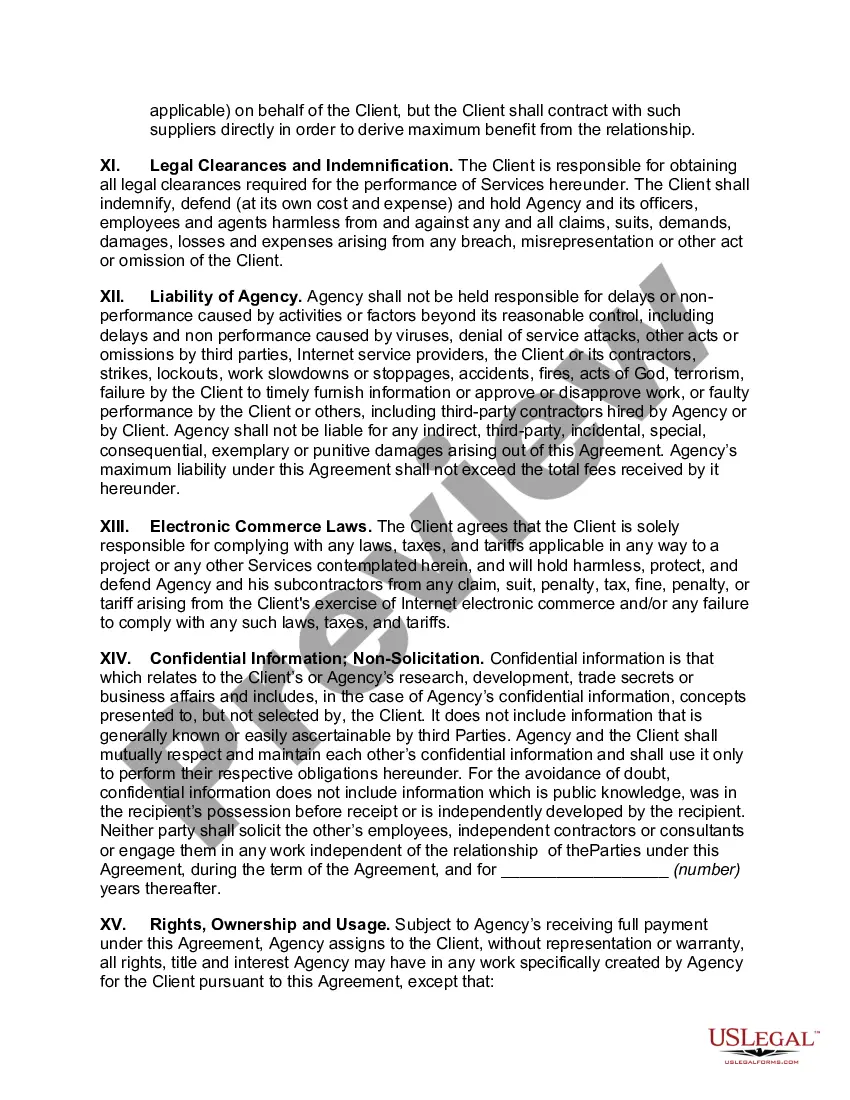
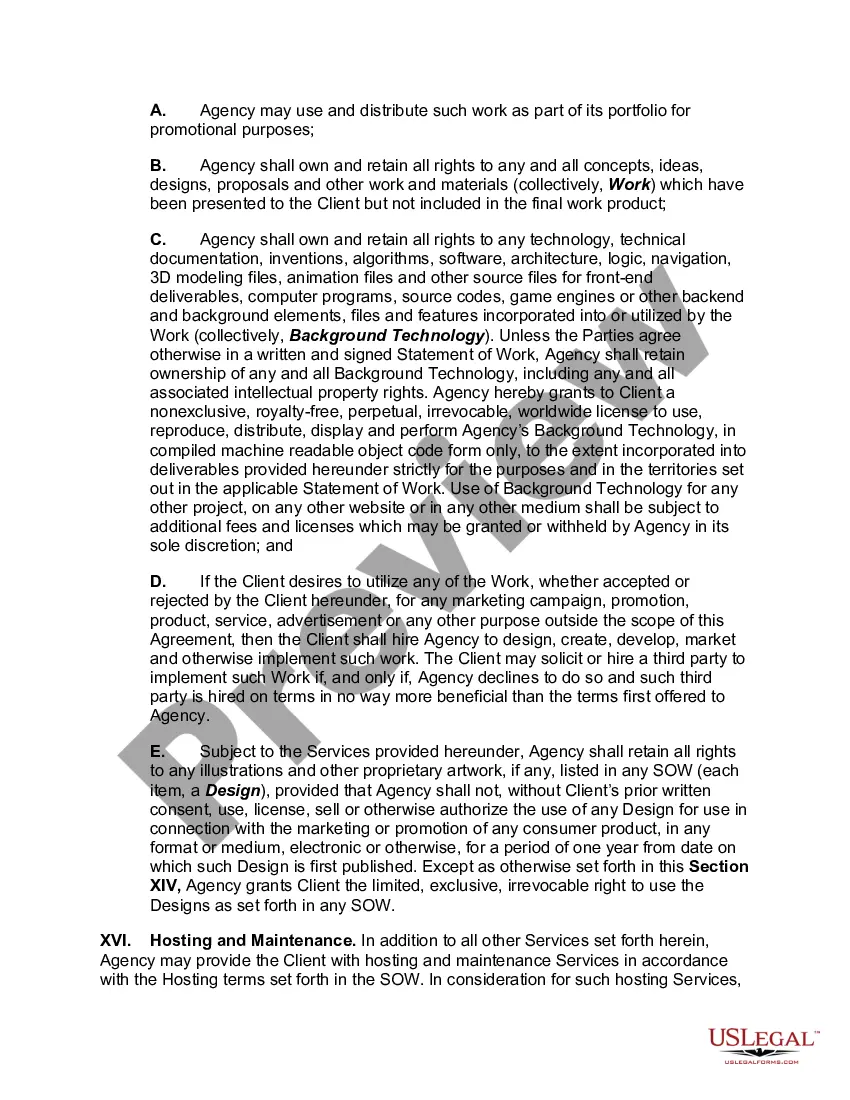
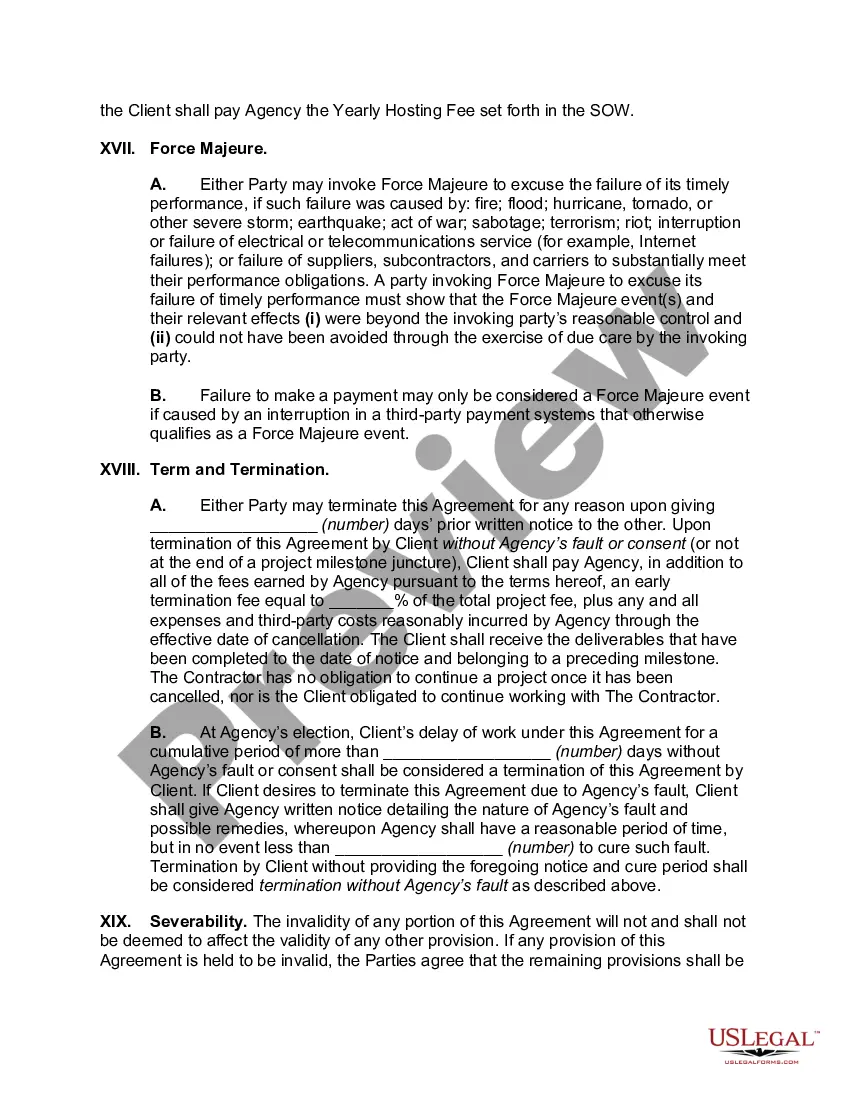
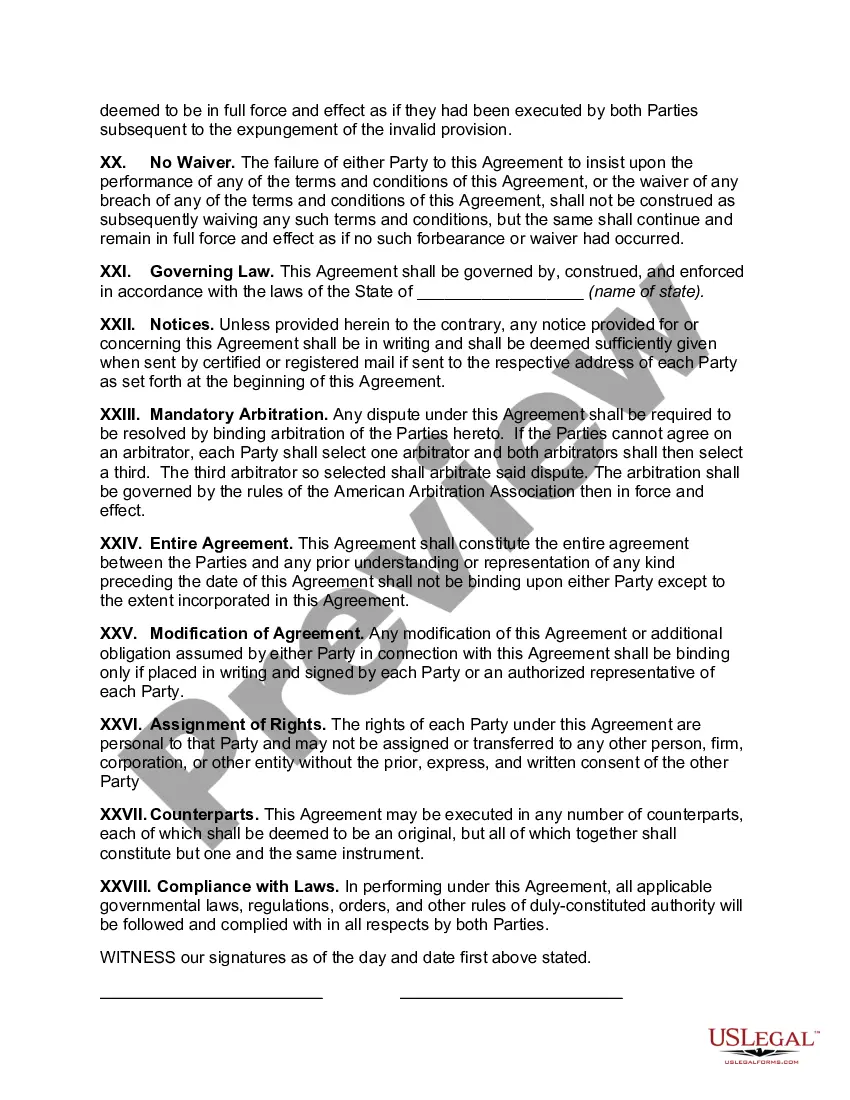
It is easy to download or print the New York Master Services Agreement from our platform.
Review the form description to confirm you have chosen the right template. If available, use the Preview button to look through the document template as well.
- If you already have a US Legal Forms account, you can sign in and click the Download button.
- After that, you can fill out, modify, print, or sign the New York Master Services Agreement.
- Every legal document template you purchase belongs to you indefinitely.
- To obtain an additional copy of any purchased form, visit the My documents tab and click the corresponding button.
- If you are using the US Legal Forms website for the first time, follow the simple instructions below.
- First, ensure you have selected the correct document template for the area/city of your choice.
Form popularity
FAQ
A Master Services Agreement (MSA) is a contract that details the responsibilities and obligations of two parties to each other.
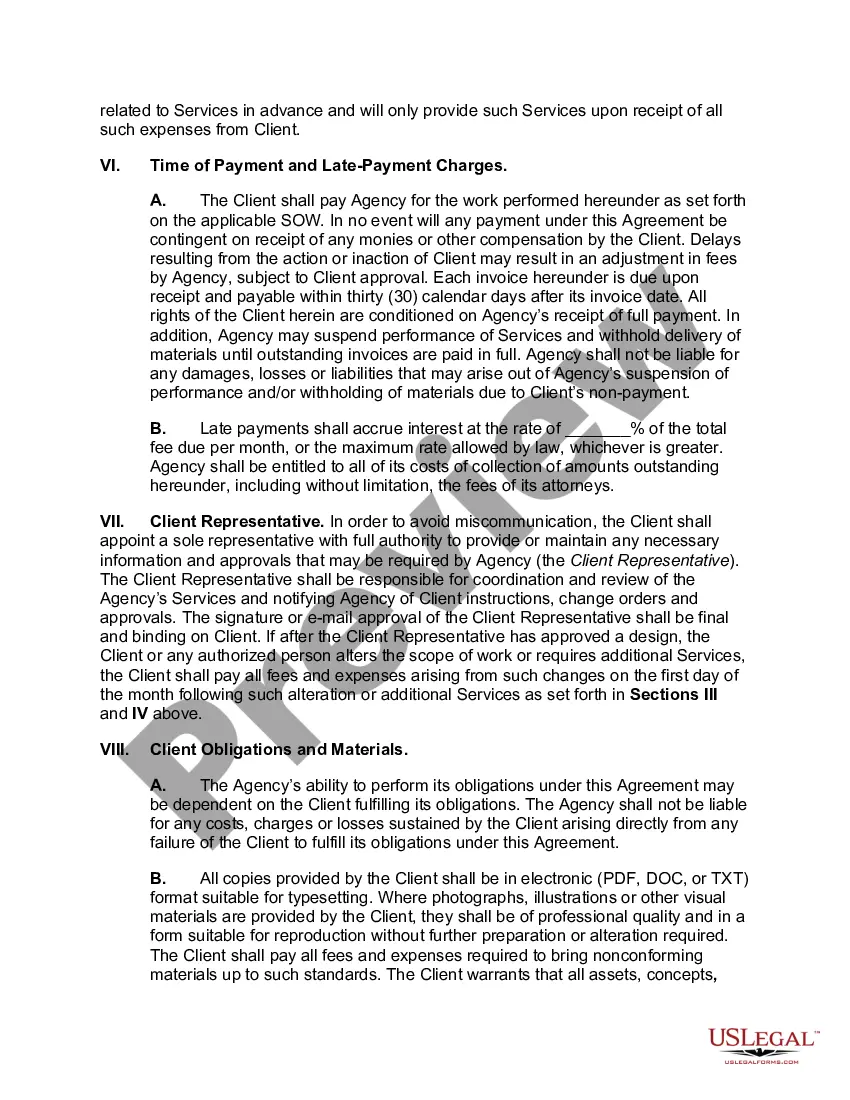
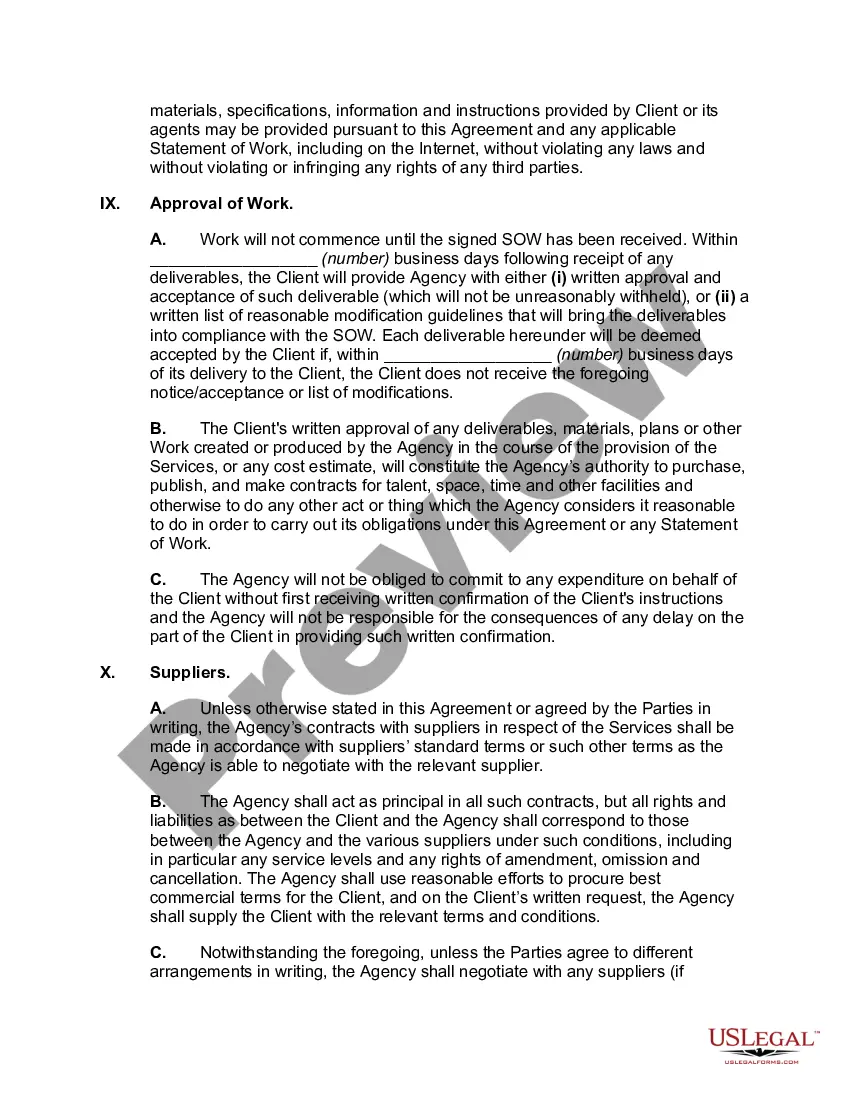
Common Terms. Master services agreements usually spell out payment terms, delivery requirements, intellectual property rights, warranties, limitations, dispute resolutions, confidentiality and work standards, according to Klemchuk.
Two Good Reasons You Need a Master Service AgreementAn MSA allocates risk, and it provides indemnification. Risk Allocation: Master Service Agreements let a business implement a comprehensive risk allocation strategy that takes business realities into consideration.
Master Service Agreement (MSA) defines as a contract between IT-vendor and a client that outlines project expectations, responsibilities, roles, provided services, terms, and other essential agreements between parties.
What is a Master Service Agreement? A Master Service Agreement is a contractual agreement in which two parties, a client and a service provider, agree to the terms and conditions that are to govern all long-term. transactions between them.
Typically, the Master Service Agreement specifies generic terms such as payment terms, product warranties, intellectual property ownership, dispute resolution, and liabilities.
At its most basic, an MSA is a contract between two or more parties that establishes what terms and conditions will govern all current and future activities and responsibilities. MSAs are useful because they allow the parties to plan for the future while also speeding the ratification of future agreements.
It spells out:Confidentiality: The parties both agree they won't share any secrets of the company with outside parties.Delivery requirements: The businesses decide who will deliver what and when.Dispute resolution: Should issues come up, the MSA outlines how the parties will resolve their conflict.More items...
Both MSAs and SOWs are used in service transaction contracts. The major difference between them is that, while an MSA sets the legal framework for the relationship between contracting parties, an SOW deals with specific projects or transactions.
MSA Meaning in Business A master service agreement (MSA) is a contract that spells out most but not all of the terms between the signing parties. Its purpose is to speed up and simplify future contracts. The initial time-consuming negotiation is done once, at the beginning.