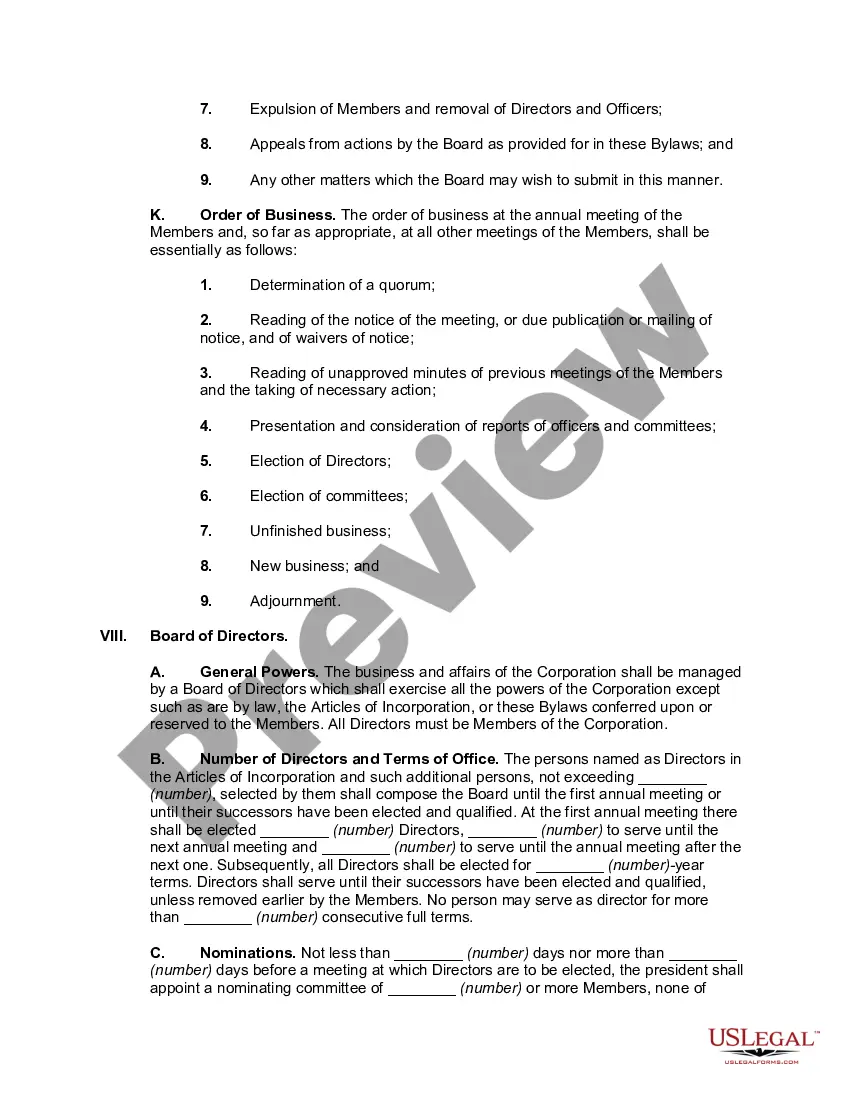
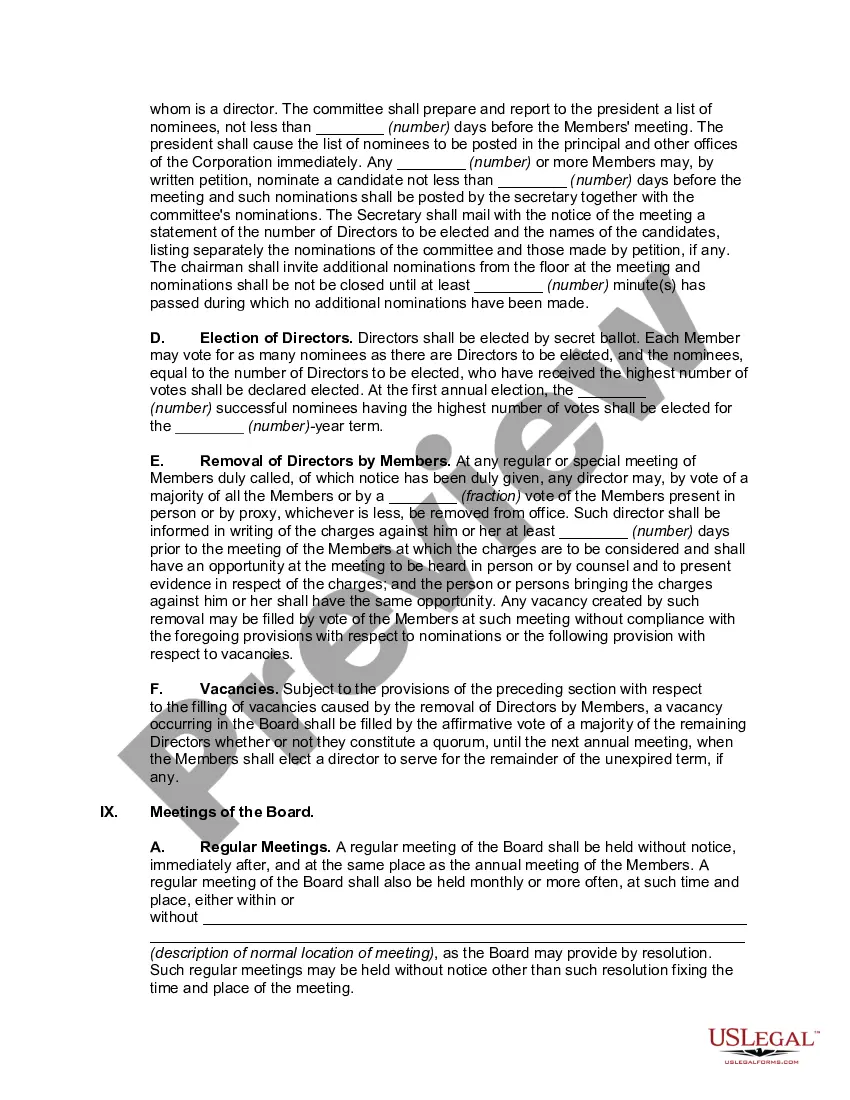
New York Corporate Bylaws for Apartment Co-operative - Stock Corporation
Description
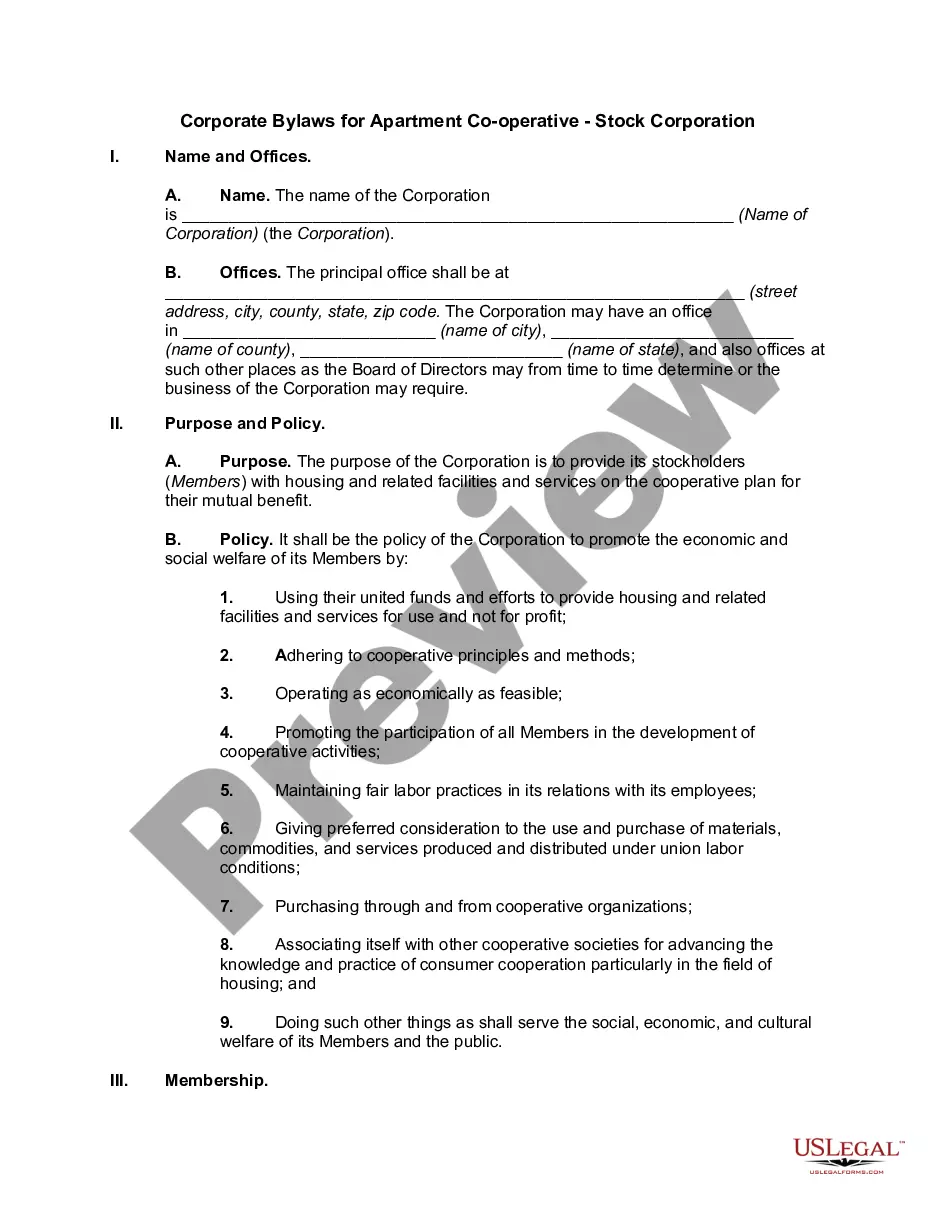
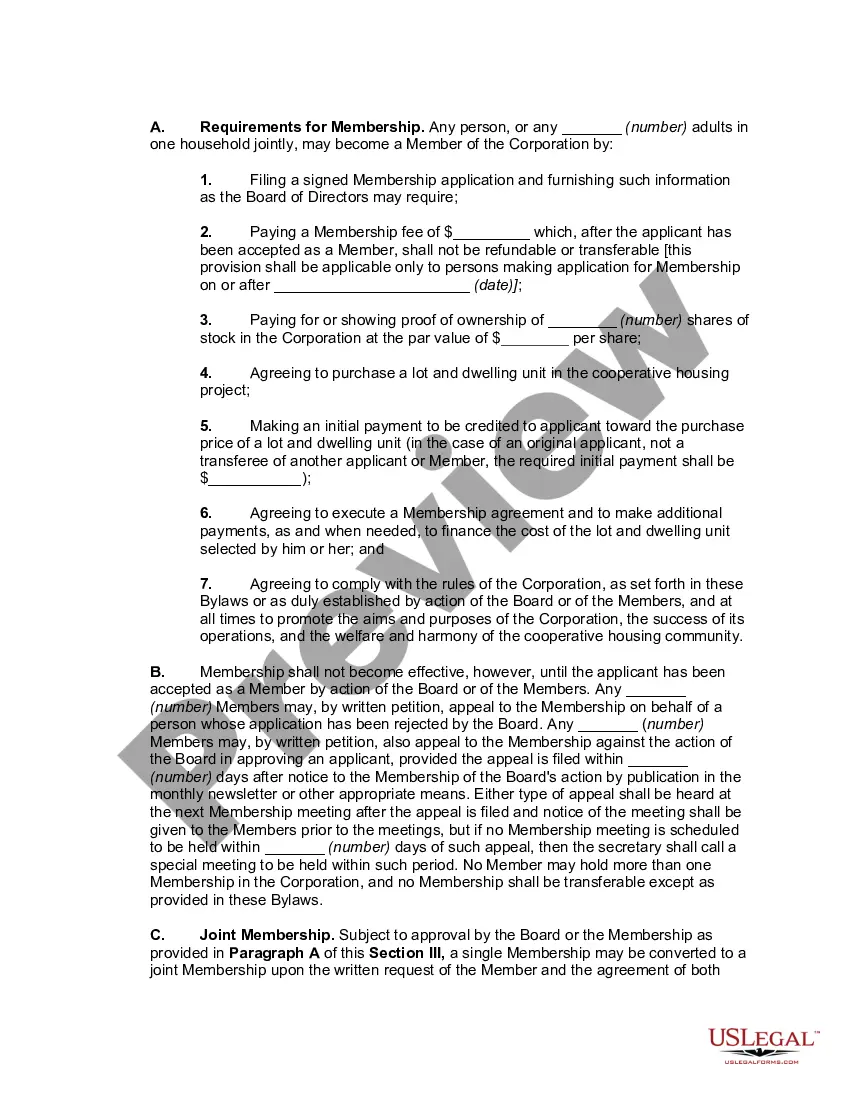
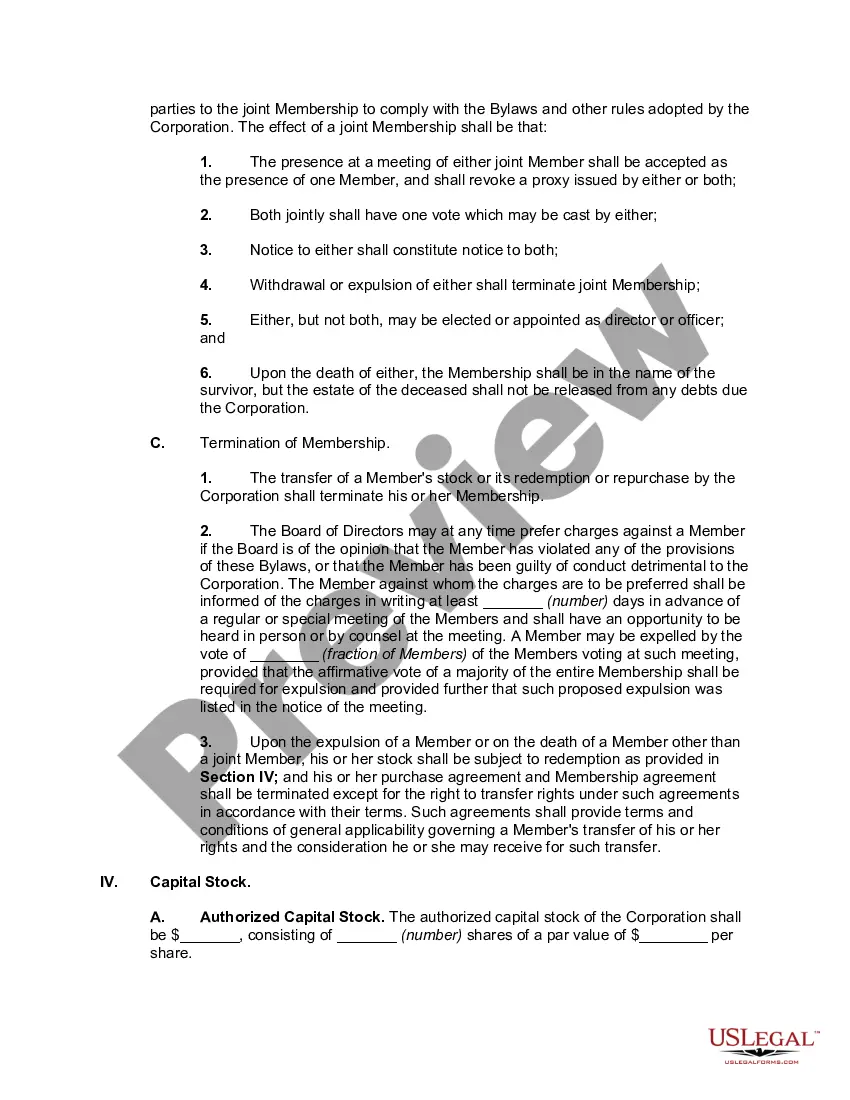
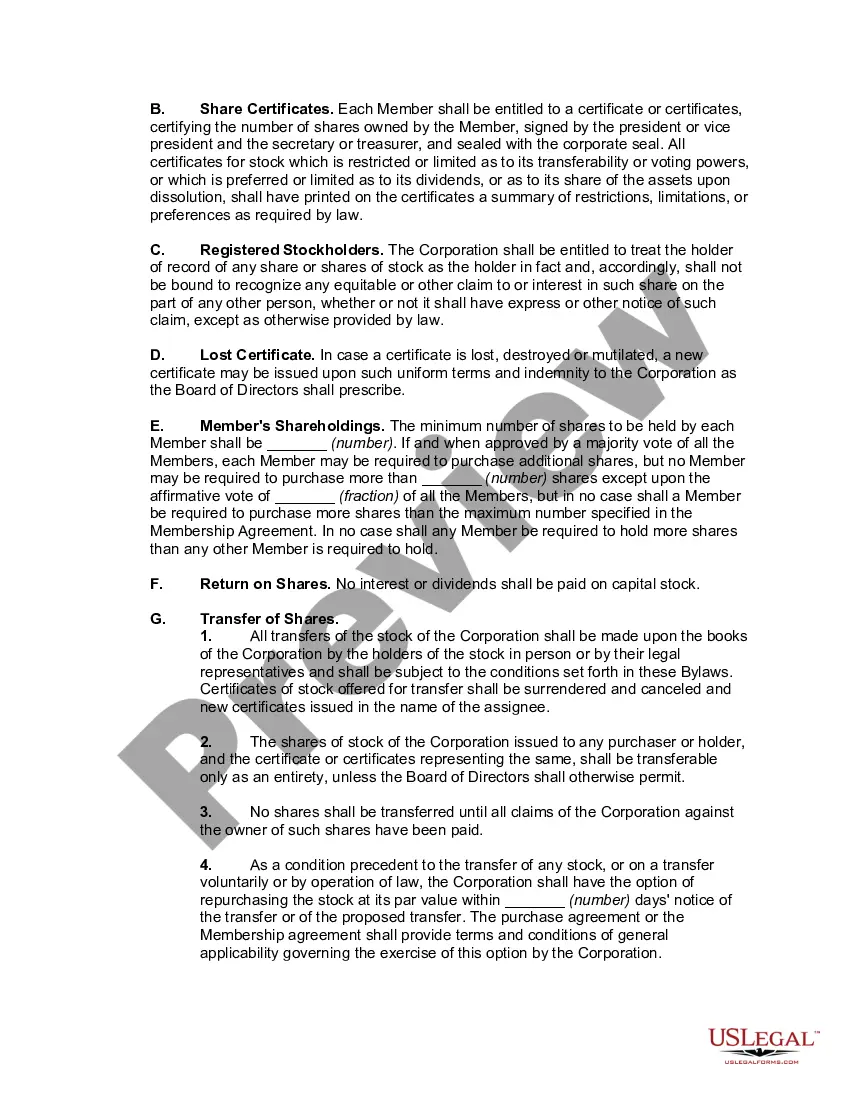


Get your form ready online
Our built-in tools help you complete, sign, share, and store your documents in one place.
Make edits, fill in missing information, and update formatting in US Legal Forms—just like you would in MS Word.
Download a copy, print it, send it by email, or mail it via USPS—whatever works best for your next step.
Sign and collect signatures with our SignNow integration. Send to multiple recipients, set reminders, and more. Go Premium to unlock E-Sign.
If this form requires notarization, complete it online through a secure video call—no need to meet a notary in person or wait for an appointment.
We protect your documents and personal data by following strict security and privacy standards.

Make edits, fill in missing information, and update formatting in US Legal Forms—just like you would in MS Word.

Download a copy, print it, send it by email, or mail it via USPS—whatever works best for your next step.

Sign and collect signatures with our SignNow integration. Send to multiple recipients, set reminders, and more. Go Premium to unlock E-Sign.

If this form requires notarization, complete it online through a secure video call—no need to meet a notary in person or wait for an appointment.

We protect your documents and personal data by following strict security and privacy standards.
Looking for another form?
How to fill out Corporate Bylaws For Apartment Co-operative - Stock Corporation?
US Legal Forms - one of the largest collections of legal documents in the United States - offers an assortment of legal template files that you can download or print.
On this website, you can obtain thousands of forms for business and personal purposes, organized by categories, states, or keywords.
You can find the latest versions of documents such as the New York Corporate Bylaws for Apartment Co-operative - Stock Corporation in just moments.
If the form does not meet your requirements, utilize the Search field at the top of the screen to find one that does.
Once you are satisfied with the form, confirm your choice by clicking on the Purchase now button. Then select the payment plan you prefer and provide your information to register for your account.
- If you already have a membership, Log In and download the New York Corporate Bylaws for Apartment Co-operative - Stock Corporation from the US Legal Forms library.
- The Download button will be available for every form you view.
- You can access all previously downloaded forms in the My documents section of your account.
- If you are using US Legal Forms for the first time, here are simple instructions to get started.
- Make sure you have chosen the correct form for your area/location.
- Click the Preview button to check the details of the form.
Form popularity
FAQ
Co-ops, also known as cooperatives, are owned by a corporation and are not considered real property. When buying a co-op apartment in NYC you are actually buying shares in the corporation that are allocated to that apartment and this entitles you to a proprietary lease.
Co-ops, also known as cooperatives, are owned by a corporation and are not considered real property. When buying a co-op apartment in NYC you are actually buying shares in the corporation that are allocated to that apartment and this entitles you to a proprietary lease.
As a general rule, buying a co-op is cheaper than buying a condo. This affordability is the primary perk of purchasing a NYC co-op. You'll also enjoy lower closing costs if you buy a co-op as you won't have to worry about title insurance or the mortgage recording tax.
Cooperative PrinciplesVoluntary and Open Membership.Democratic Member Control.Member Economic Participation.Autonomy and Independence.Education, Training and Information.Cooperation among Cooperatives.Concern for Community.
Legal Restrictions: Business Corporation Law The Business Corporation Law (BCL) is the main New York State law which governs how most co-ops must operate, with court decisions providing the case law which interprets the statute. You can find this law online at .
Co-op house rules in NYC can be extremely strict and will regulate every aspect of your home life. Subletting is only allowed for one year at a time and that a fee of 10% of annual maintenance is levied in order to sublet. Furthermore, while pets are allowed they must be registered and approved by the co op board.
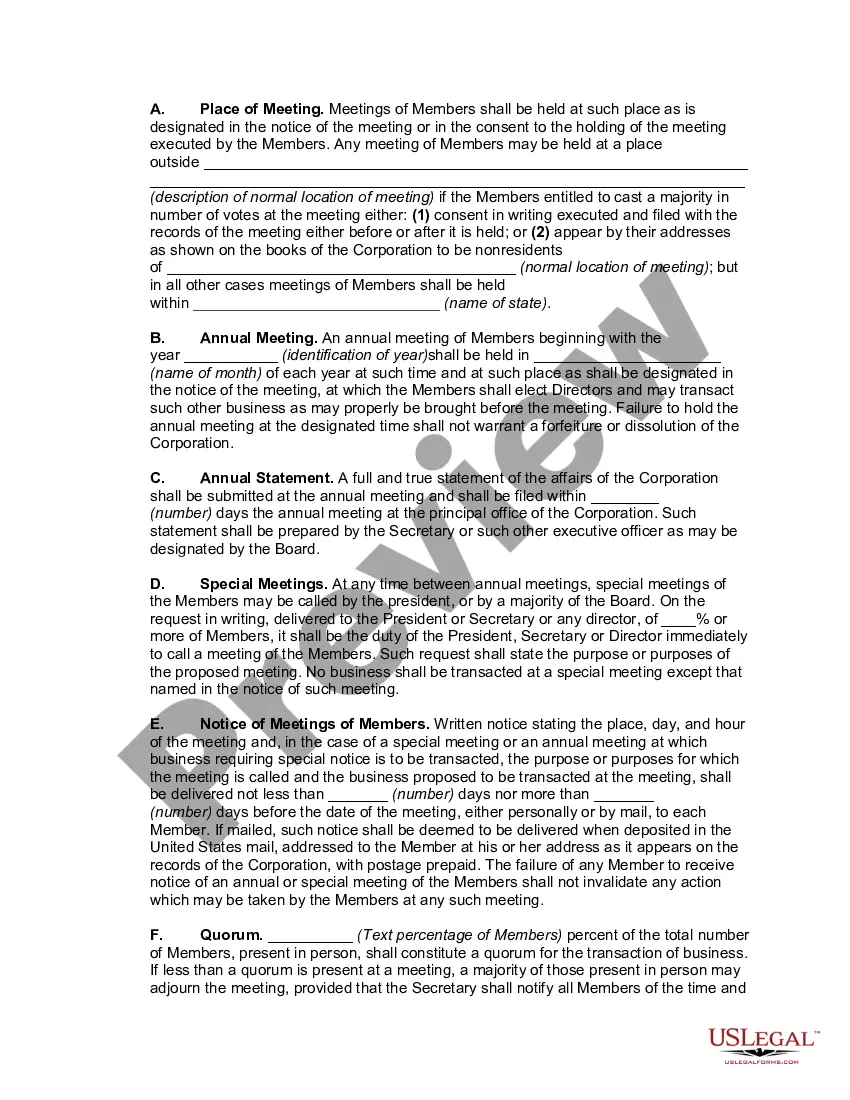
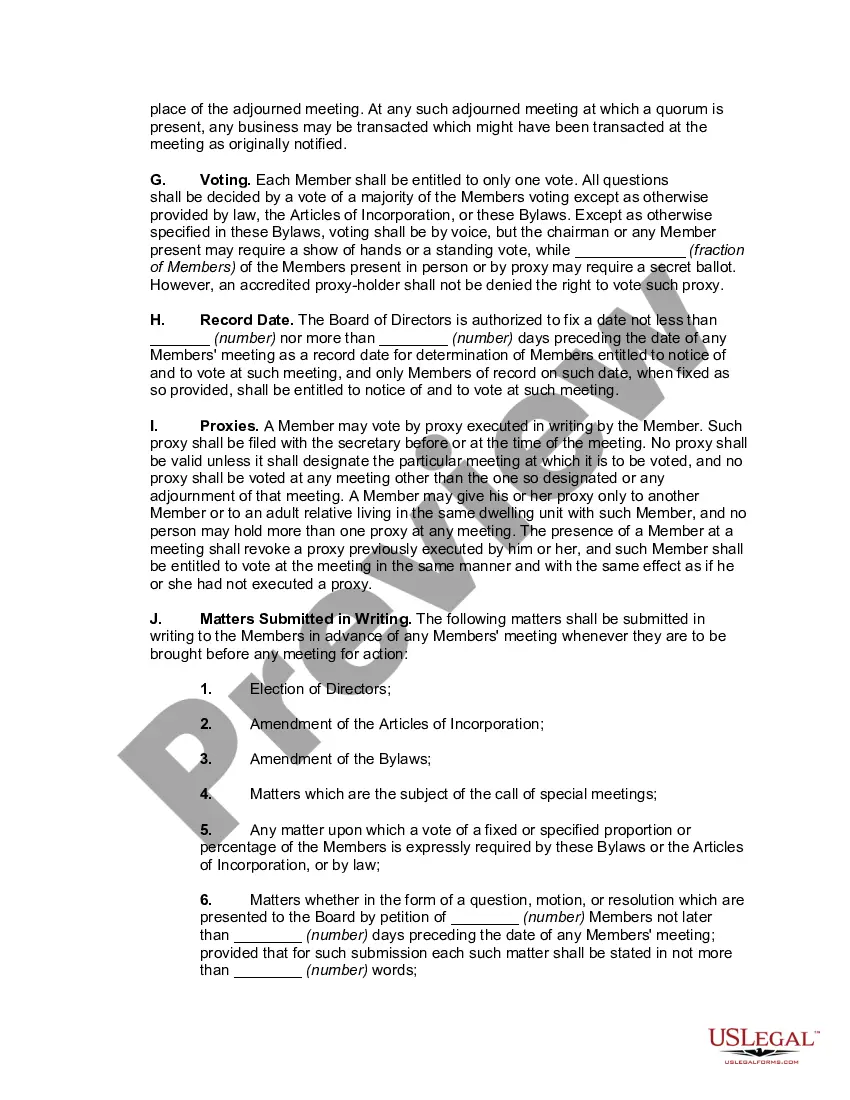
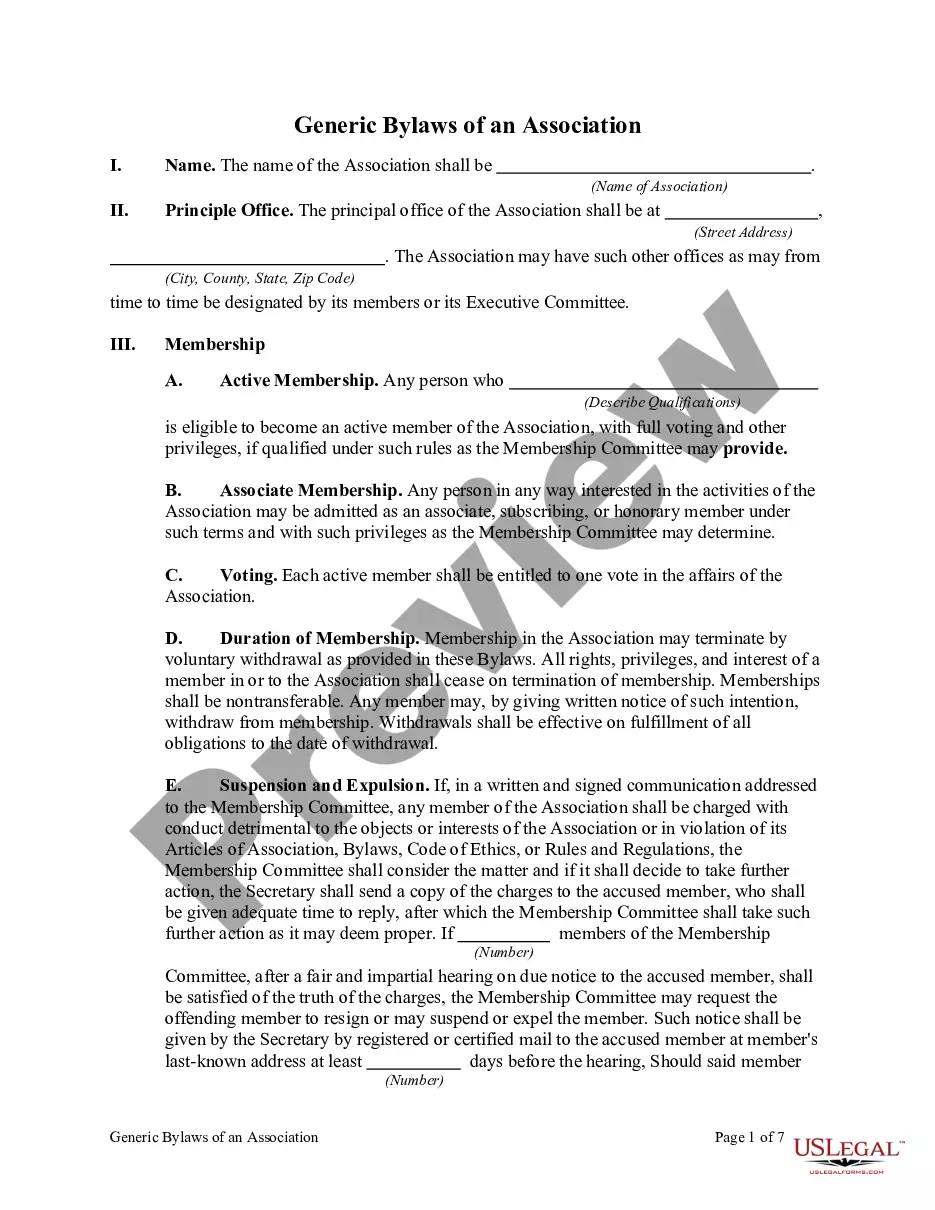
When founding your cooperative, the bylaws are an important part of the process. The bylaws can be amended at the annual general meeting and define the organization and its running....The bylaws have to include the following rules:the purpose of the cooperative.the name of the cooperative.the principal office.
A cooperative operates as a corporation and receives a pass-through designation from the IRS. More specifically, cooperatives do not pay federal income taxes as a business entity. Instead, the cooperative's members pay federal taxes when they file their personal income tax.
When you buy a co-op, you don't actually buy your apartment; instead, you are buying shares in a corporation that is your building. The size of your share depends on the size of your apartment; buying the shares allows you to occupy a unit in the co-op building.
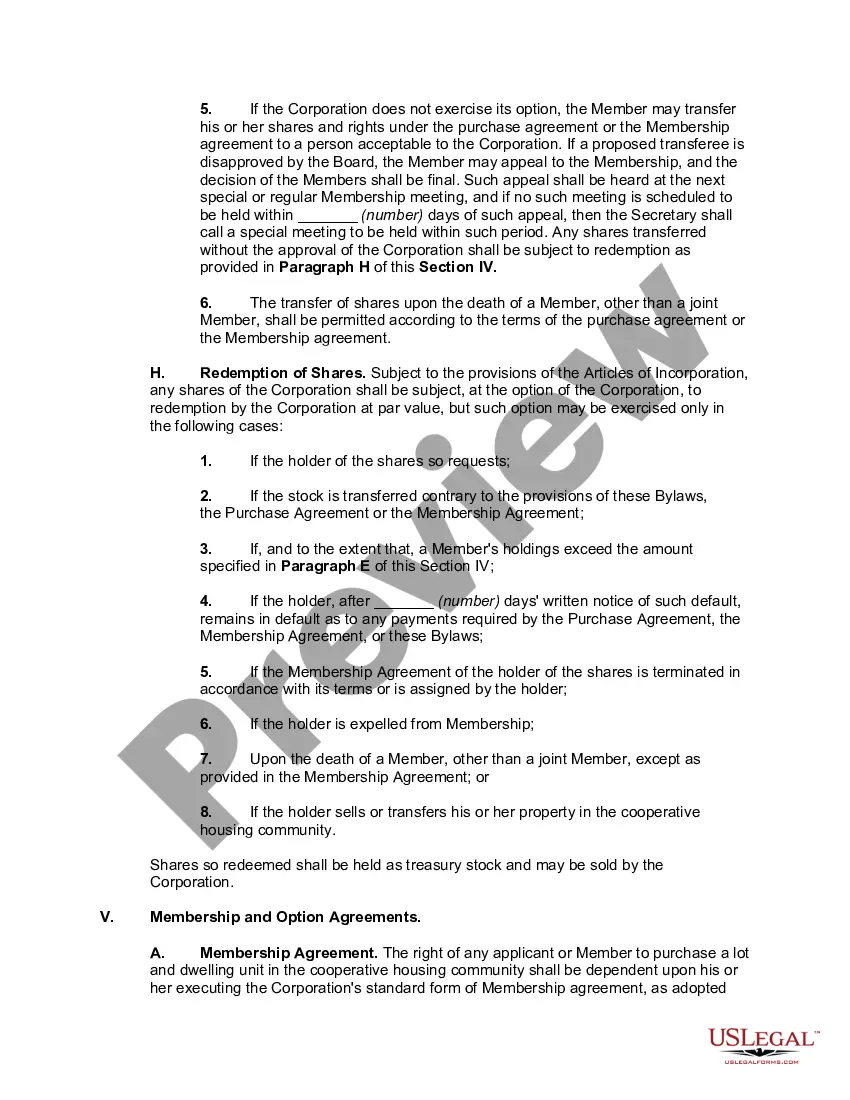
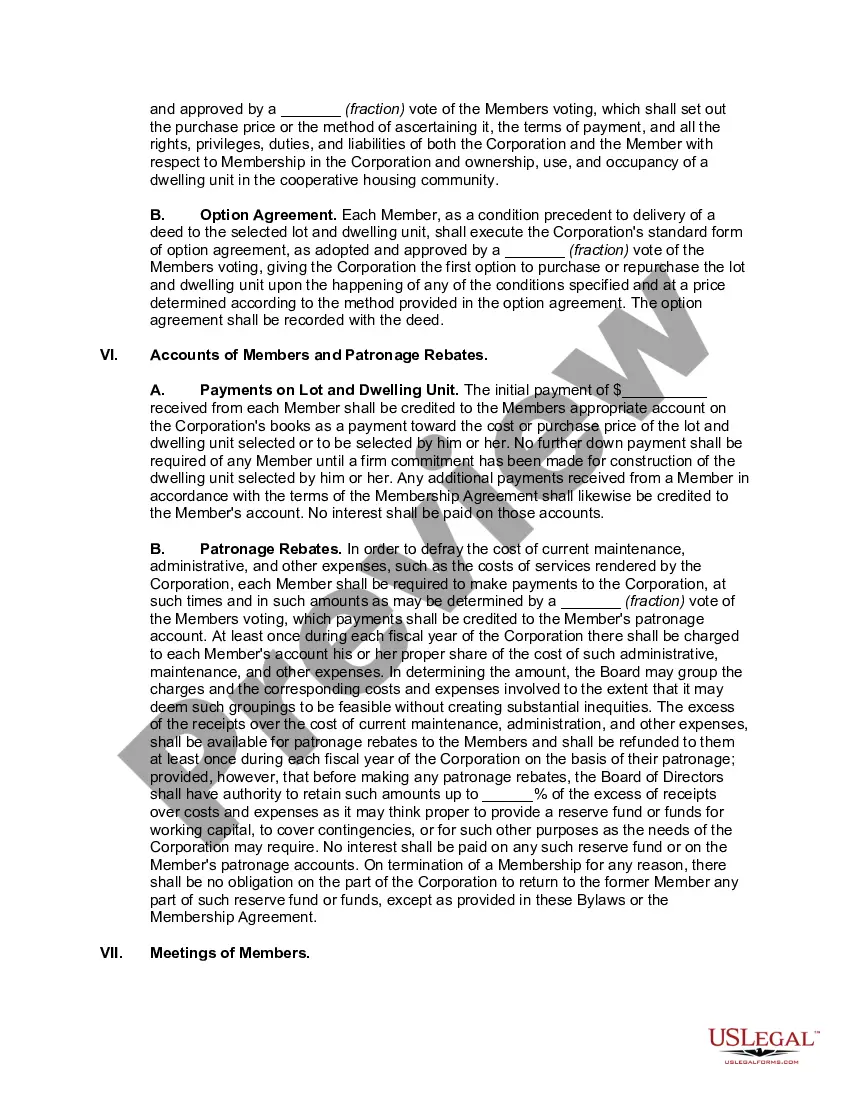
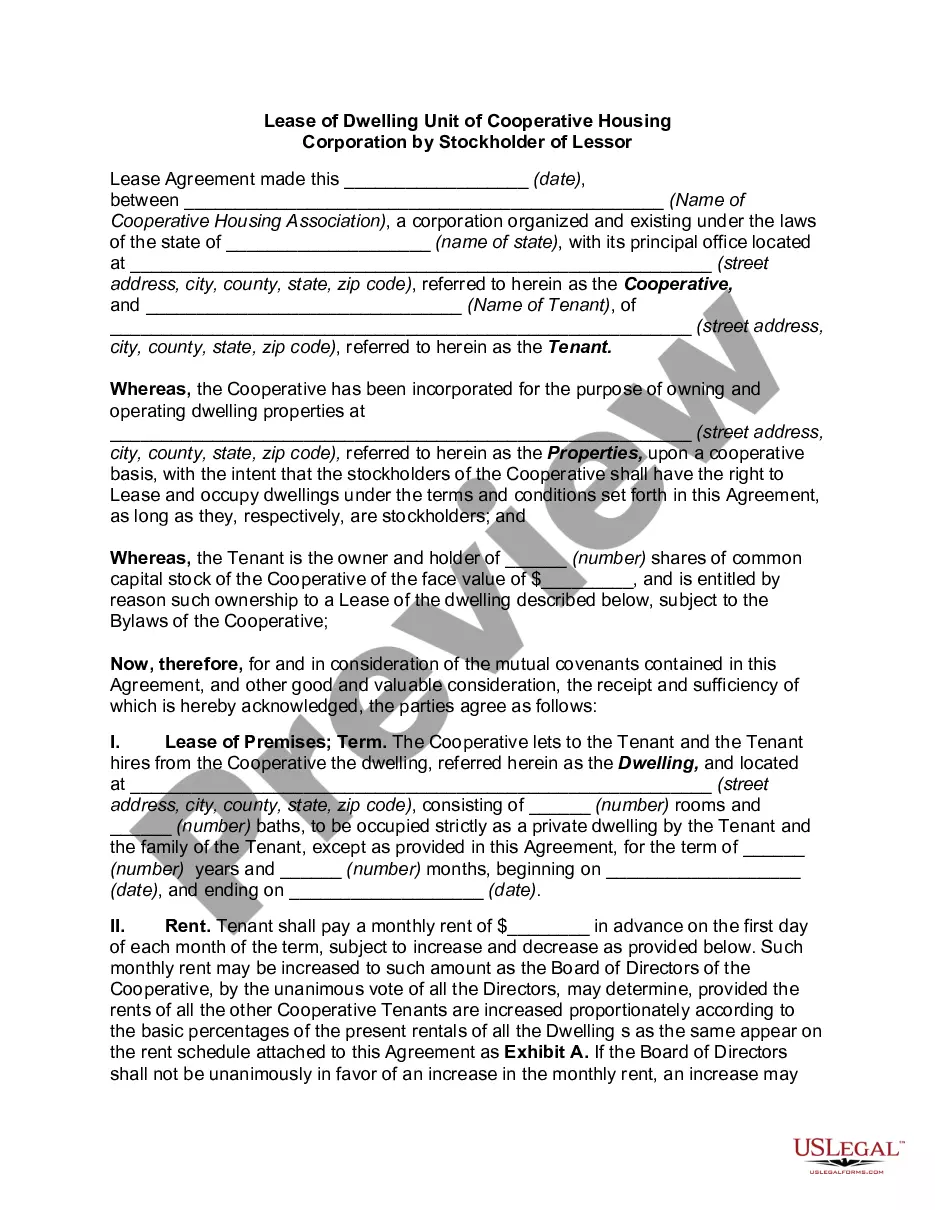
A housing cooperative or "co-op" is a type of residential housing option that is actually a corporation whereby the owners do not own their units outright. Instead, each resident is a shareholder in the corporation based in part on the relative size of the unit that they live in.