New York Notice of Breach of Written Lease for Violating Specific Provisions of Lease with No Right to Cure for Nonresidential Property from Landlord to Tenant
Overview of this form
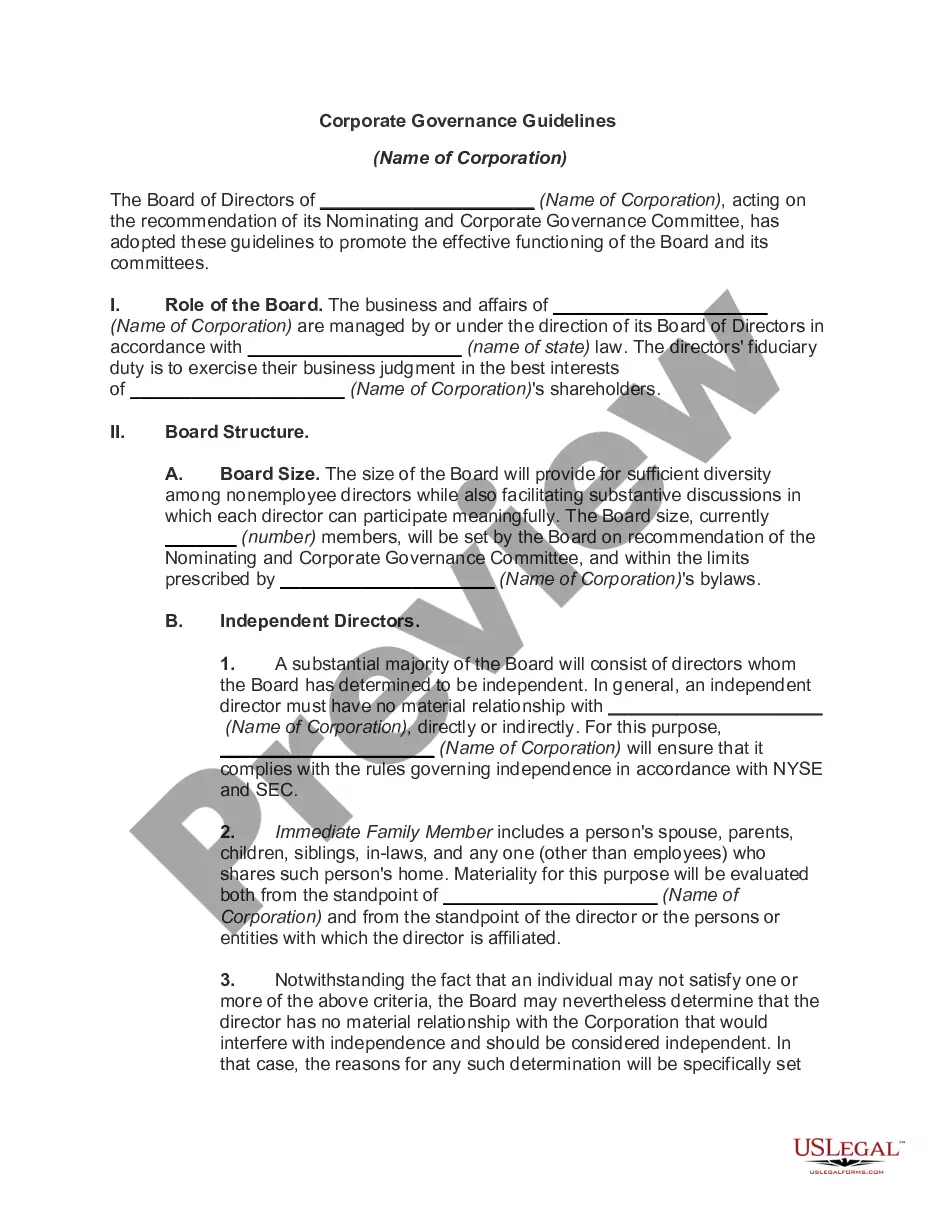
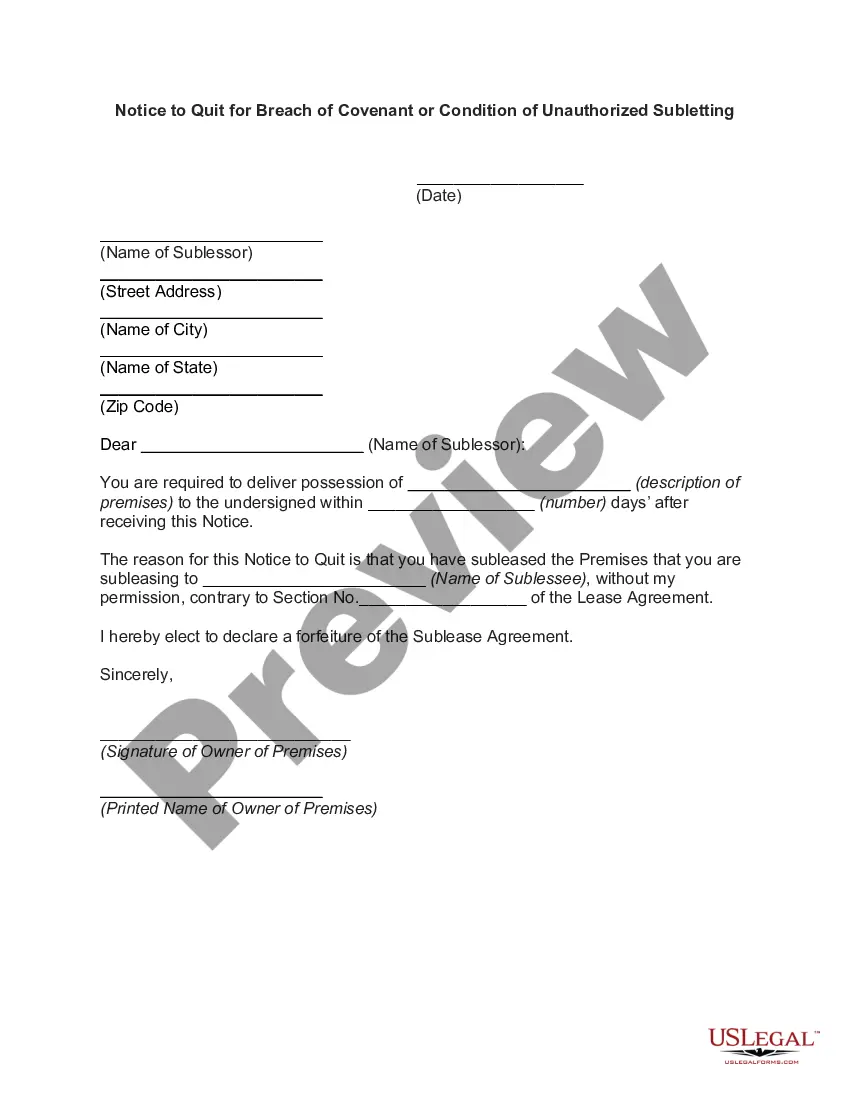
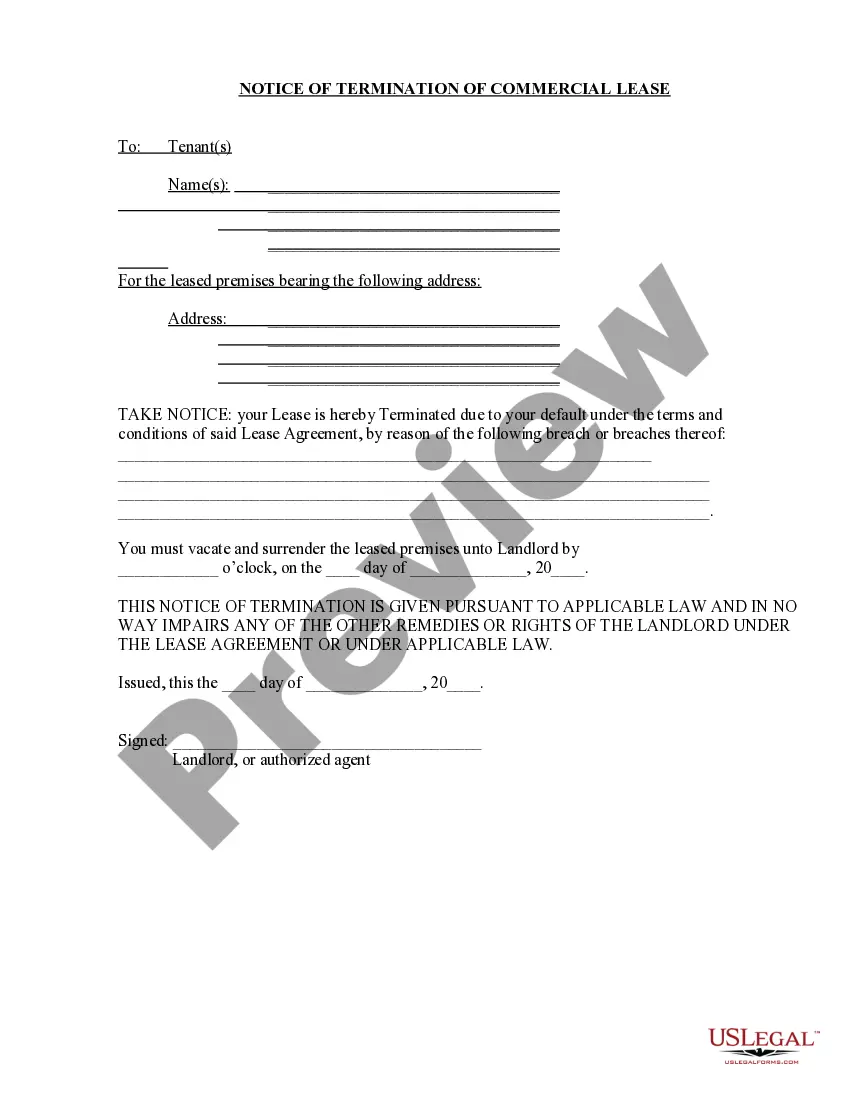
The Notice of Breach of Written Lease for Violating Specific Provisions of Lease with No Right to Cure for Nonresidential Property is a legal document used by landlords to inform tenants of specific lease violations that do not allow for correction. This form is crucial for initiating lease termination in situations where the lease states that certain breaches are non-curable. Unlike other forms of notice, this one is specific to non-residential property and is used when no remedy is permitted for the violation cited.
Form components explained
- Identifying information of the landlord and tenant.
- Address of the leased premises.
- Detailed description of the lease provision violated.
- Explanation of the nature of the breach.
- Effective termination date and vacate instructions.
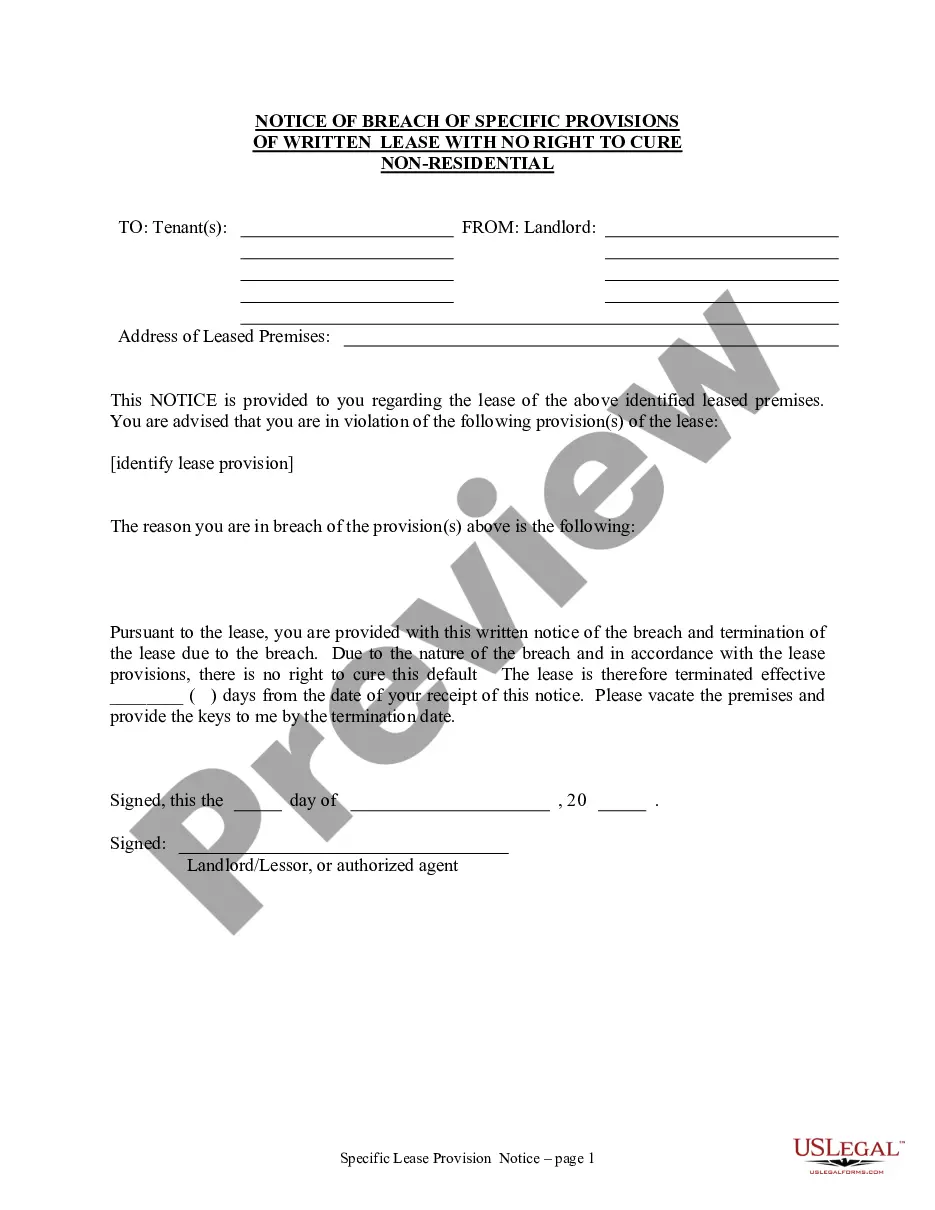
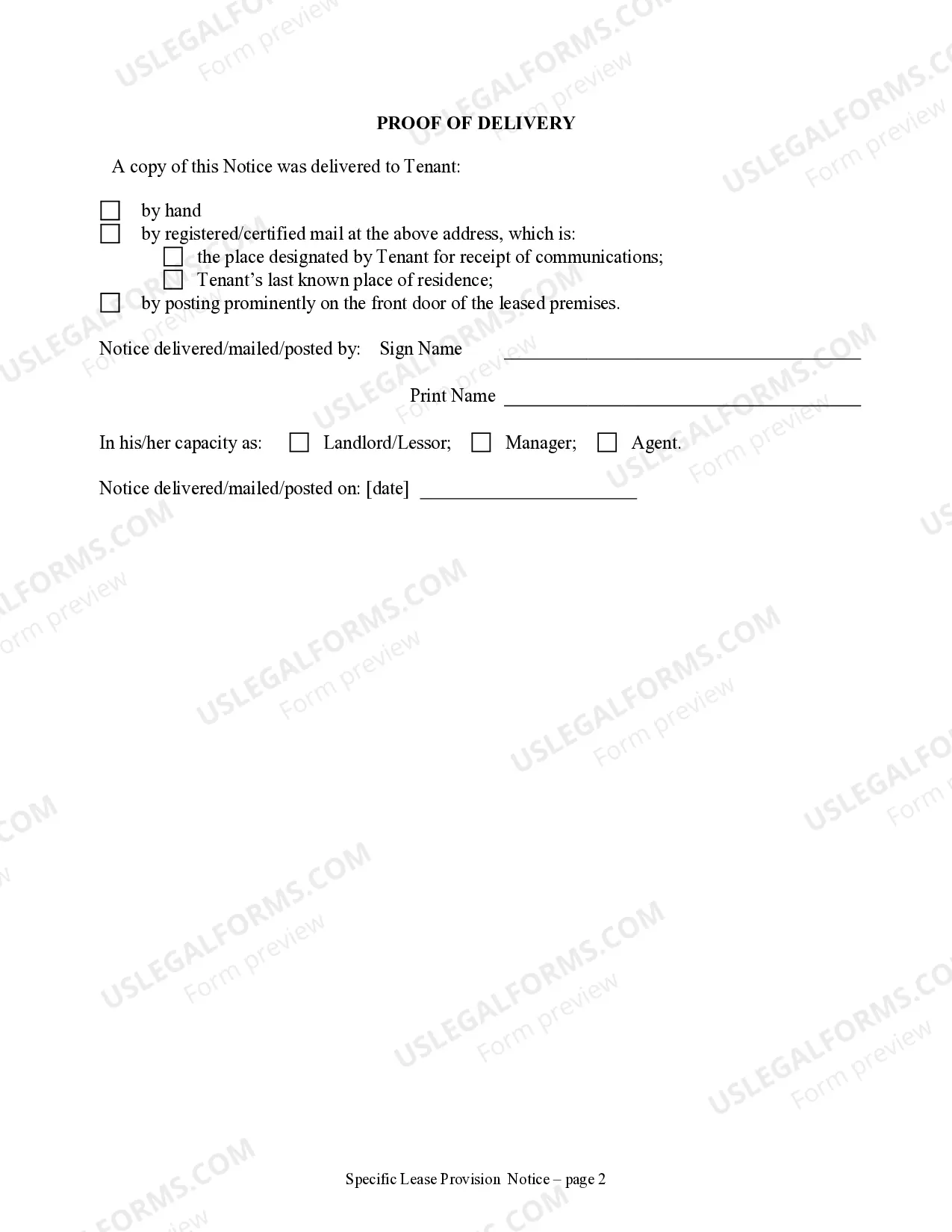
- Proof of delivery section for record-keeping.
Situations where this form applies
Use this form when a tenant has violated a specific provision of a non-residential lease agreement and the lease specifies that the violation cannot be cured. This may apply in cases where the tenant does not fulfill payment obligations, fails to maintain the property as required, or engages in illegal activities on the premises. It is an important step for landlords in safeguarding their interests and ensuring compliance with the lease terms.
Who this form is for
- Landlords managing non-residential properties.
- Property management companies acting on behalf of owners.
- Legal representatives involved in lease disputes.
Instructions for completing this form
- Identify the landlord and tenant by entering their names and contact information.
- Specify the address of the leased premises clearly.
- Detail the specific provision of the lease that has been violated.
- Provide a clear explanation of how the violation occurred.
- Fill in the effective termination date and indicate the required actions of the tenant, including vacating the premises.
- Complete the proof of delivery section to maintain a legal record of notice delivery.
Does this form need to be notarized?
This form usually doesn’t need to be notarized. However, local laws or specific transactions may require it. Our online notarization service, powered by Notarize, lets you complete it remotely through a secure video session, available 24/7.
Get your form ready online
Our built-in tools help you complete, sign, share, and store your documents in one place.
Make edits, fill in missing information, and update formatting in US Legal Forms—just like you would in MS Word.
Download a copy, print it, send it by email, or mail it via USPS—whatever works best for your next step.
Sign and collect signatures with our SignNow integration. Send to multiple recipients, set reminders, and more. Go Premium to unlock E-Sign.
If this form requires notarization, complete it online through a secure video call—no need to meet a notary in person or wait for an appointment.
We protect your documents and personal data by following strict security and privacy standards.
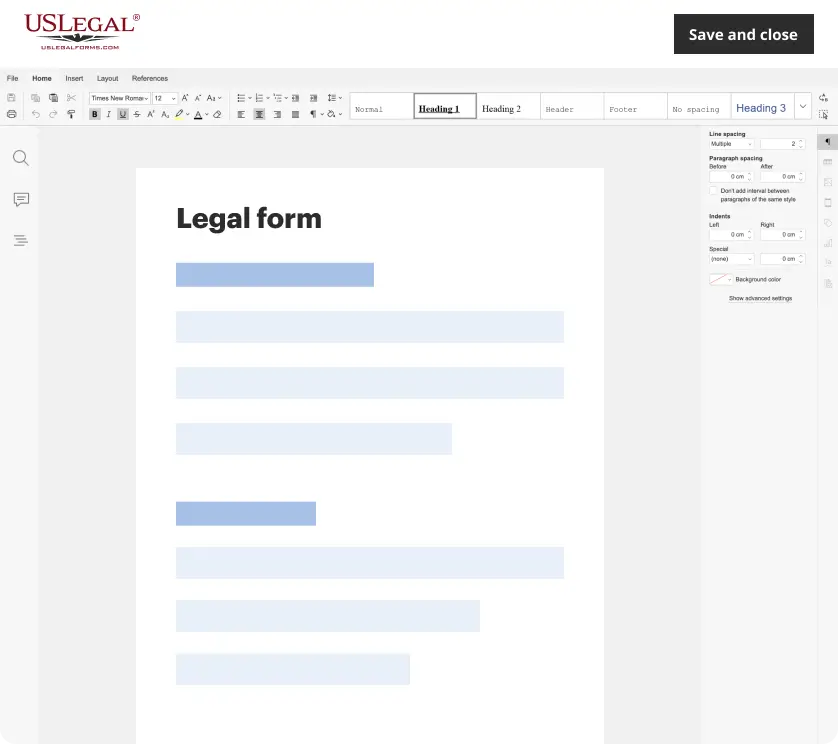
Make edits, fill in missing information, and update formatting in US Legal Forms—just like you would in MS Word.
Download a copy, print it, send it by email, or mail it via USPS—whatever works best for your next step.
Sign and collect signatures with our SignNow integration. Send to multiple recipients, set reminders, and more. Go Premium to unlock E-Sign.
If this form requires notarization, complete it online through a secure video call—no need to meet a notary in person or wait for an appointment.
We protect your documents and personal data by following strict security and privacy standards.
Common mistakes
- Failing to clearly specify the lease provision that was violated.
- Omitting the proof of delivery, which is essential for legal enforcement.
- Not providing a clear explanation of the breach, which can lead to disputes.
- Incorrectly calculating the termination notice period.
Advantages of online completion
- Convenience: Download and fill out the form at your own pace.
- Editability: Easily customize the form to fit your specific situation.
- Reliability: Ensure the use of templates drawn up by licensed attorneys, providing legal soundness.
Legal use & context
- The form serves as a formal record of notification to the tenant.
- It is important for enforcing the lease terms in a legal context.
- Using the form correctly can protect landlords from future disputes.
Main things to remember
- The form is essential for notifying tenants of incurable lease violations.
- Accurate completion and delivery are crucial for legal enforcement.
- Several common errors can be avoided by following instructions closely.
Looking for another form?
Form popularity
FAQ
Under California law, a lease does have to be in writing to be enforceable, but only when the lease is for a period of more than a year.
If a tenant breaches a tenancy agreement it is possible that their landlord will try and evict them from the property. The sort of breaches of tenancy which result in a landlord seeking a court order for possession include:Damage to the property (eg broken windows)
If a tenant fails to pay rent, breaks a rule, or significantly damages the property, then it is considered breach of contract and you have grounds for eviction. If there are people living in the unit that are not on the lease, then that is also breach of contract and you have grounds to evict them.
Your name, and the landlord's name and address. The date you're writing the letter. Informing the landlord you're breaking your lease early. The reason why you're breaking your lease. The building and apartment you're vacating. The date by which you're vacating.
A lease is automatically void when it is against the law, such as a lease for an illegal purpose. In other circumstances, like fraud or duress, a lease can be declared void at the request of one party but not the other.
The rental property address, including unit number (if applicable) The names of all tenants on the lease agreement. The date the lease violation notice was written. The specific reason for the notice. The time and date the violation occurred (if applicable)
In many cases, the lease may give the tenant the option to pay an early termination fee. If this is the case, tenants can expect to pay one to two months' rent in order to exit the lease agreement.
If a resident fails to abide by the agreed-upon terms, legal action can be taken. If an eviction is the end-result of this action, it will stay listed on the resident's record for up to seven years. The most common reason evictions are requested involves failure to pay rent.
The date that the tenant warning letter was written. The name and the basic personal information of the tenant. The name of the landlord or the owner of the property. The reason why a tenant warning letter has been written.