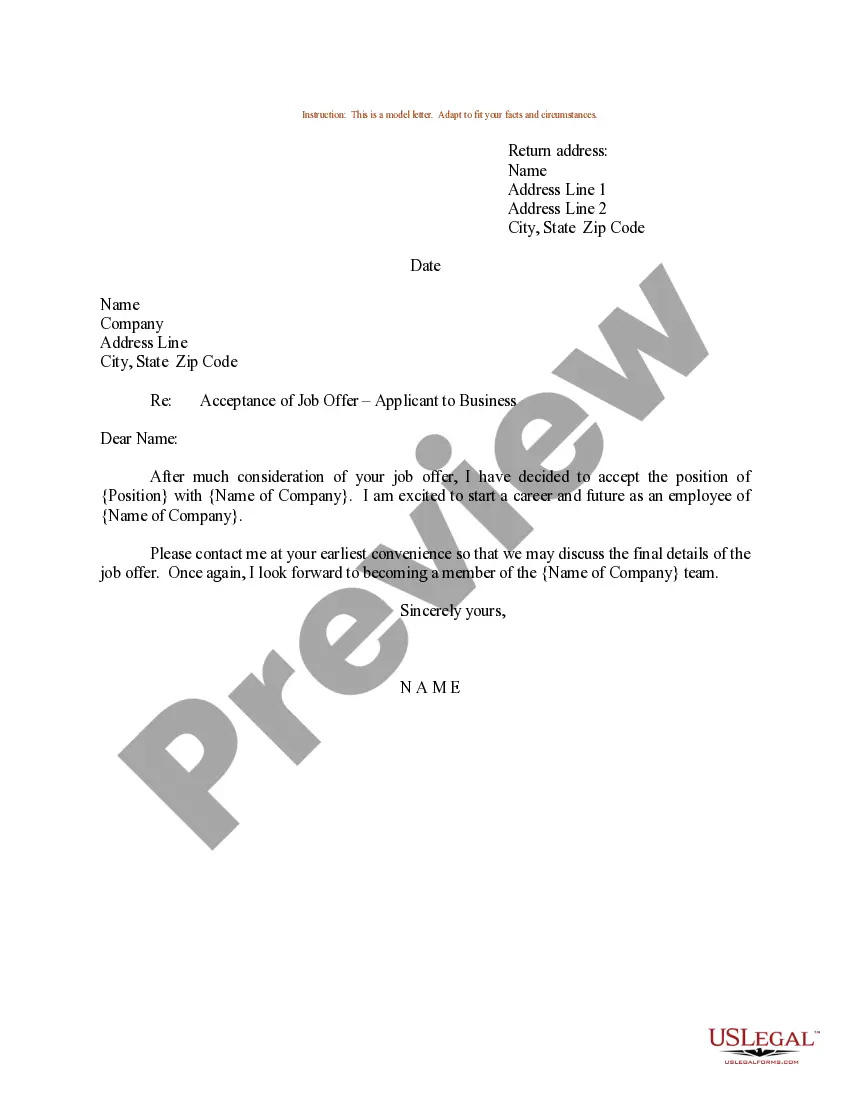
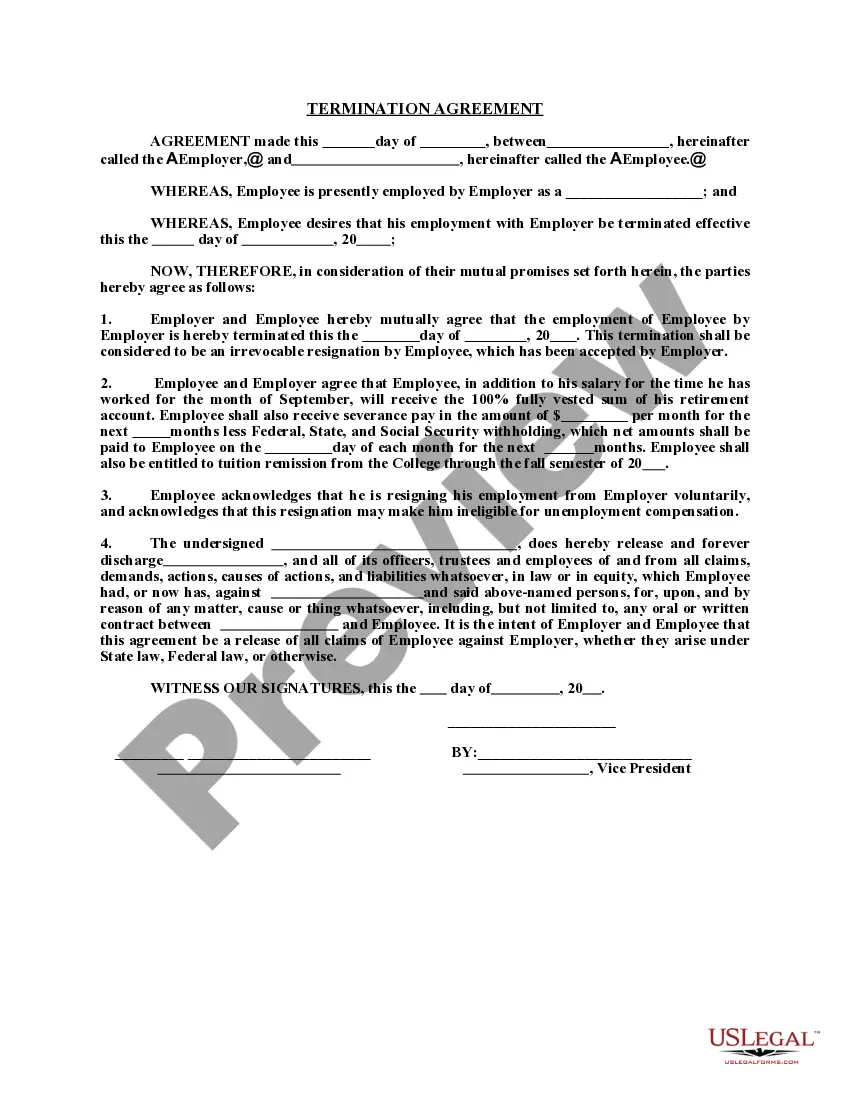
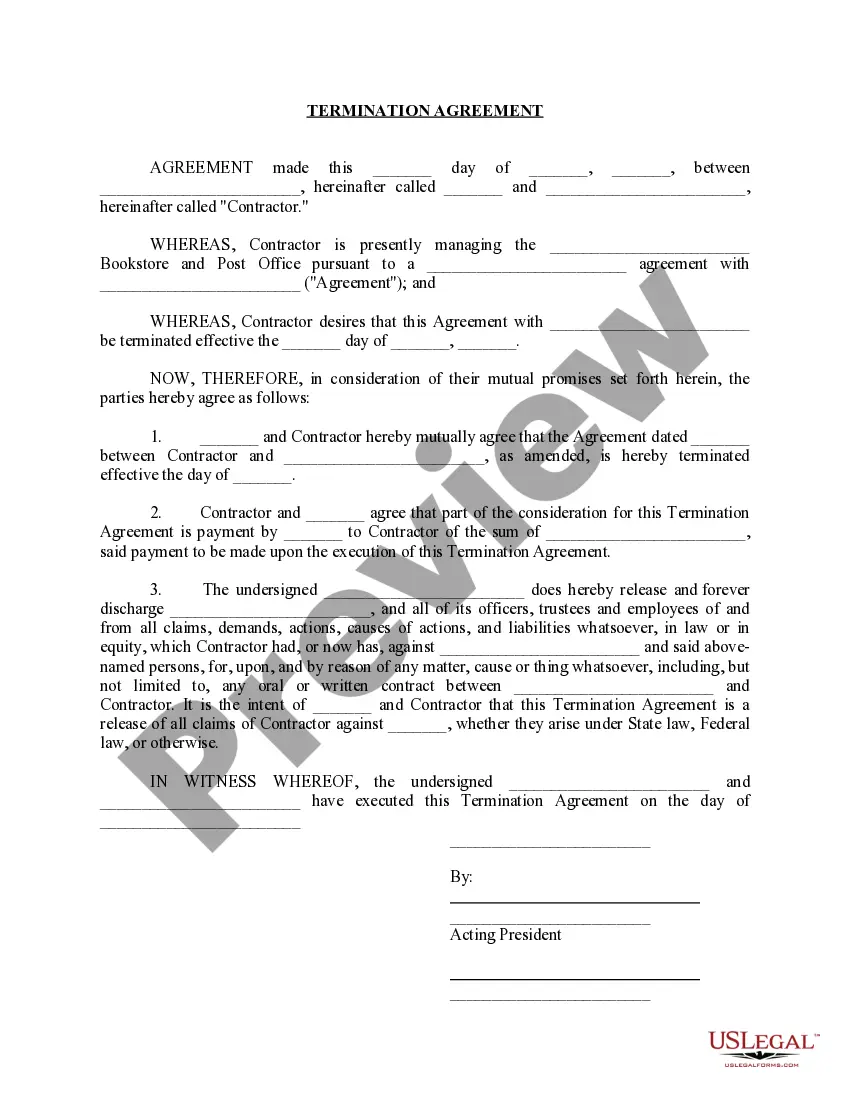
Nevada Sample Termination Agreement
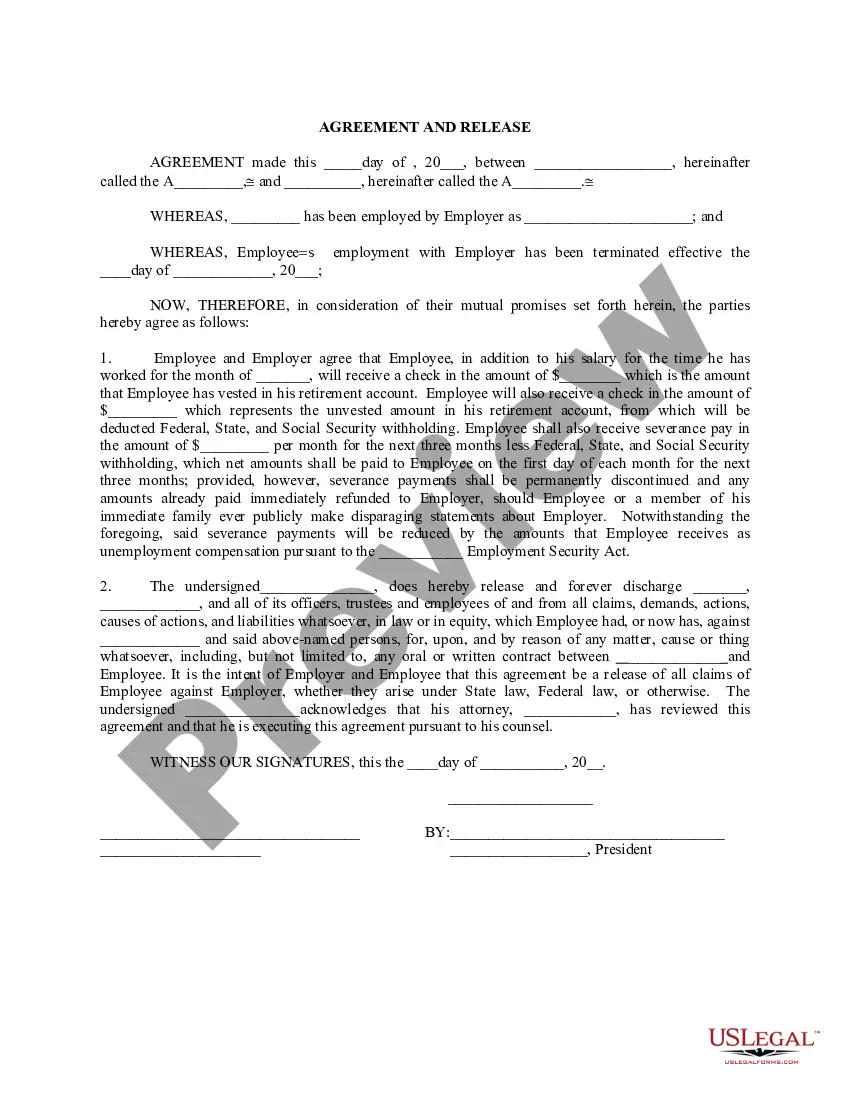
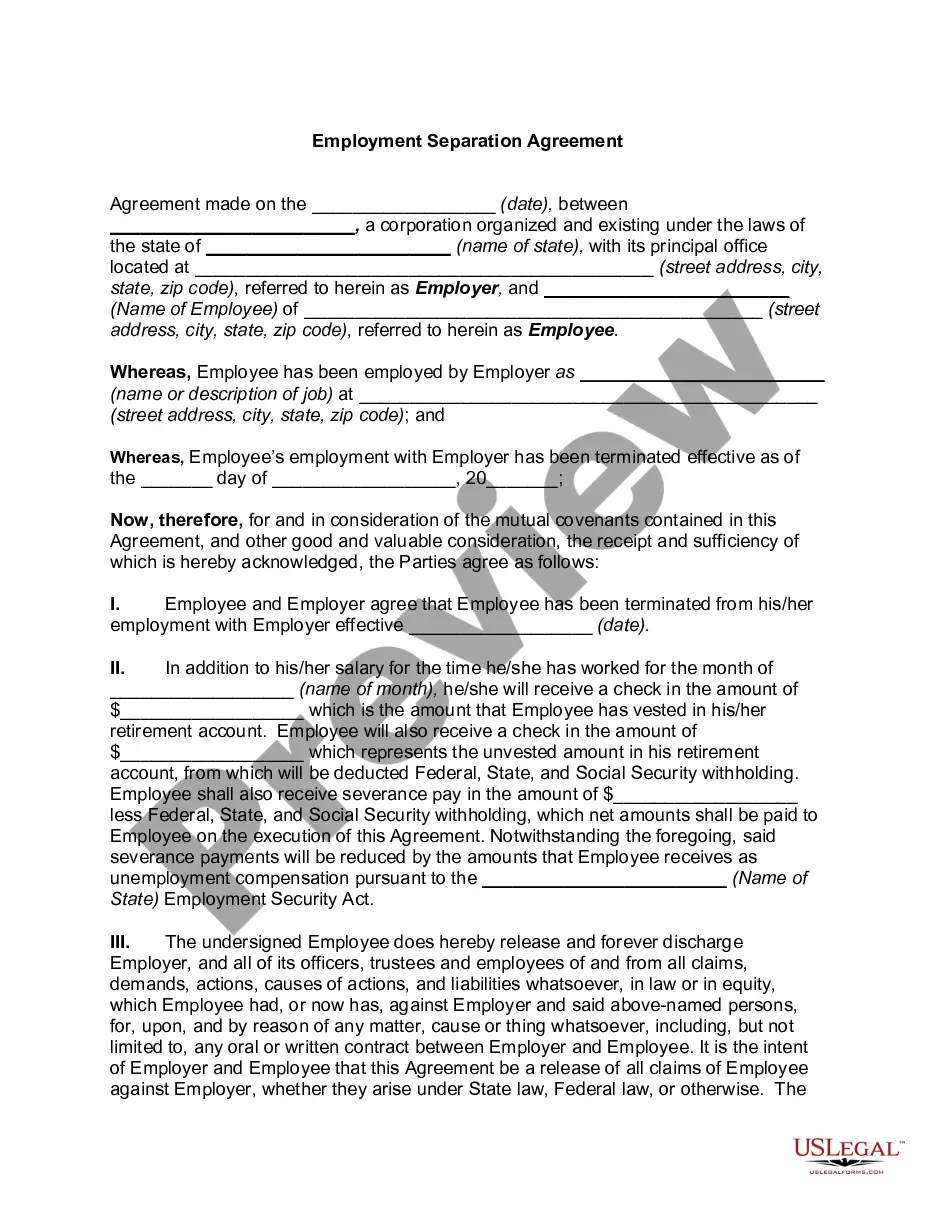
Description
Get your form ready online
Our built-in tools help you complete, sign, share, and store your documents in one place.
Make edits, fill in missing information, and update formatting in US Legal Forms—just like you would in MS Word.
Download a copy, print it, send it by email, or mail it via USPS—whatever works best for your next step.
Sign and collect signatures with our SignNow integration. Send to multiple recipients, set reminders, and more. Go Premium to unlock E-Sign.
If this form requires notarization, complete it online through a secure video call—no need to meet a notary in person or wait for an appointment.
We protect your documents and personal data by following strict security and privacy standards.

Make edits, fill in missing information, and update formatting in US Legal Forms—just like you would in MS Word.

Download a copy, print it, send it by email, or mail it via USPS—whatever works best for your next step.

Sign and collect signatures with our SignNow integration. Send to multiple recipients, set reminders, and more. Go Premium to unlock E-Sign.

If this form requires notarization, complete it online through a secure video call—no need to meet a notary in person or wait for an appointment.

We protect your documents and personal data by following strict security and privacy standards.
Looking for another form?
How to fill out Sample Termination Agreement?
Are you currently situated in a location where you require documents for either business or personal purposes almost every day.
There are numerous valid document templates available on the web, but finding reliable versions can be challenging.
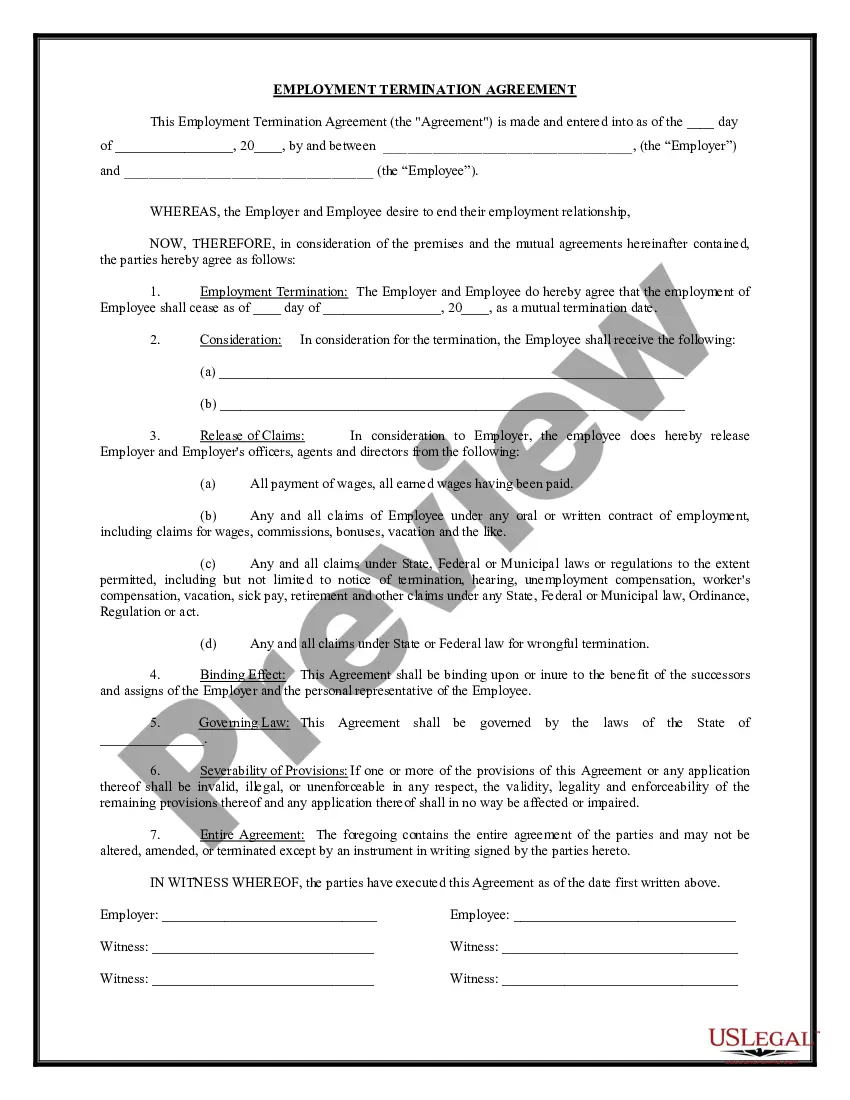
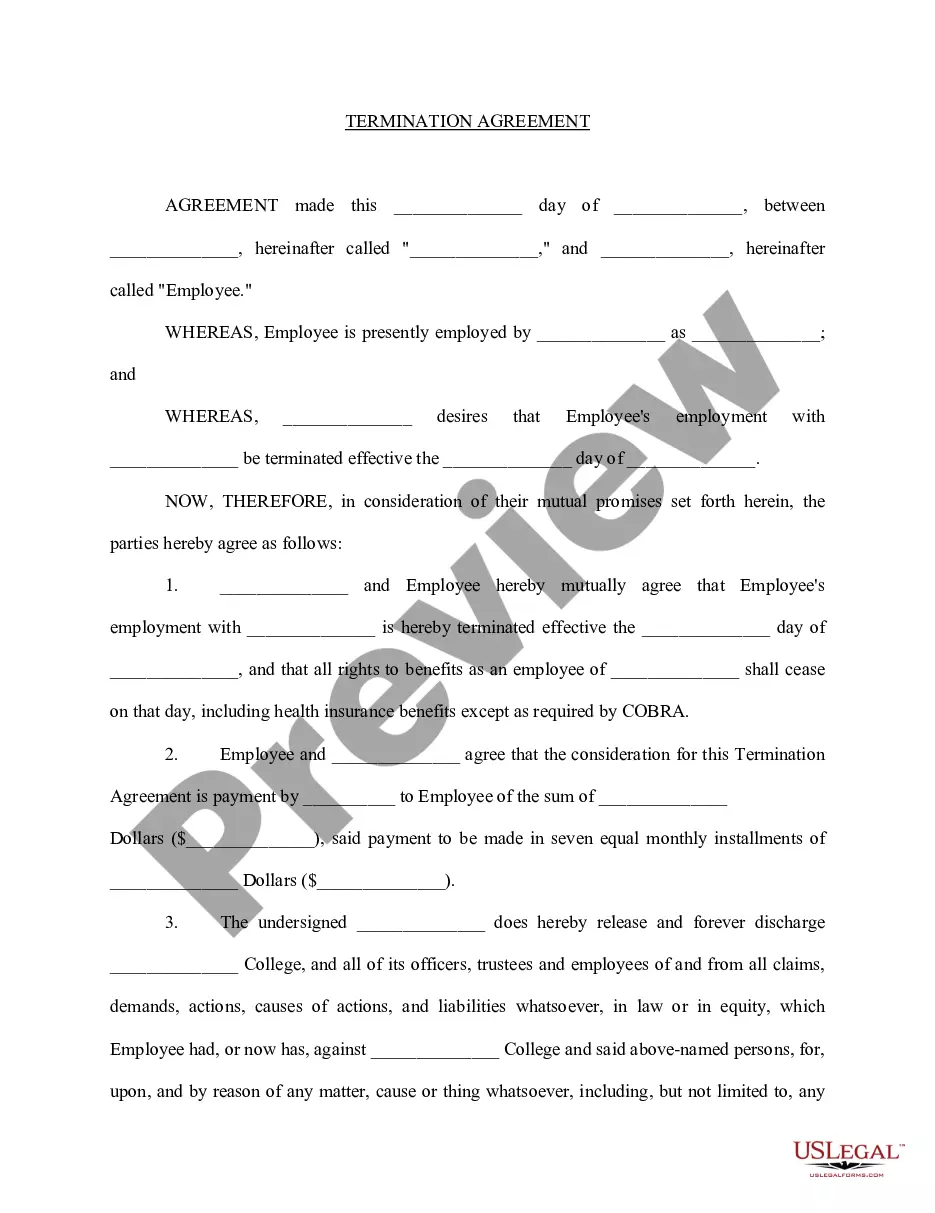
US Legal Forms offers thousands of form templates, such as the Nevada Sample Termination Agreement, which can be downloaded to meet federal and state requirements.
Once you obtain the appropriate form, click Buy now.
Choose the pricing plan you prefer, enter the required information to create your account, and complete the purchase with your PayPal or credit card.
- If you are already familiar with the US Legal Forms website and possess an account, simply Log In.
- After that, you can obtain the Nevada Sample Termination Agreement template.
- If you do not have an account and wish to start using US Legal Forms, follow these steps.
- Locate the form you need and ensure it is for your specific city/county.
- Use the Review option to examine the form.
- Check the outline to confirm that you have selected the correct form.
- If the form is not what you're looking for, utilize the Search field to find the form that meets your needs.
Form popularity
FAQ
To terminate a month-to-month lease in Nevada, you simply provide the landlord or the tenant with at least 30 days' written notice prior to termination. This may be done for any reason and at any time during the tenancy.
Are termination letters required? Most companies are not required by law to give employees letters of termination. The exceptions are those located in Arizona, California, Illinois and New Jersey. Most employers, however, do provide termination letters as a professional courtesy and a legal record.
Nevada is an employment-at-will state. This means that either the employer or the employee may end the employment relationship without giving either notice or a reason, unless an agreement exists that provides otherwise.
California is an at-will state, which implies that at any moment of jobs with or without reason an employer can terminate you for any reason. This means that if your employer doesn't like your personality if you run out of work, think you're lazy or just don't want staff anymore, they can fire you at any moment.
Nevada is an at-will employment state. This means that employers are free to fire employees for almost any reason, whether reasonable or not. Therefore, it is just as legal for an employer to fire workers because of their annoying voice as it is to fire them for being perpetually tardy.
California law requires employers to provide employees certain documents at the end of their employment. When going through the termination process with an employee, make sure they are given these required documents: Final paycheck acknowledgment- Signed by the employee. For your benefit (Form 2320)
11 reasons to fire an employeeSexual harassment, bullying, violence or disregard for safety.On-the-clock drug or alcohol use.Unethical behavior.Company property damage.Theft or misuse of company property.Misleading job application.Poor job performance.Excessive absence.More items...
Nevada employers commit wrongful termination when they fire an employee because: The employer is discriminating against the employee on the basis of race, nationality, sex, religion, age, disability, gender identity/expression, or sexual orientation; The firing is a breach of contract; or.
If the employee quits employment, they must receive their final wages within 7 days or by the next regular pay day, whichever is earlier. If the employee is discharged, they must receive their final wages within 3 days (Nevada Revised Statutes 680.020-NRS 608.040).