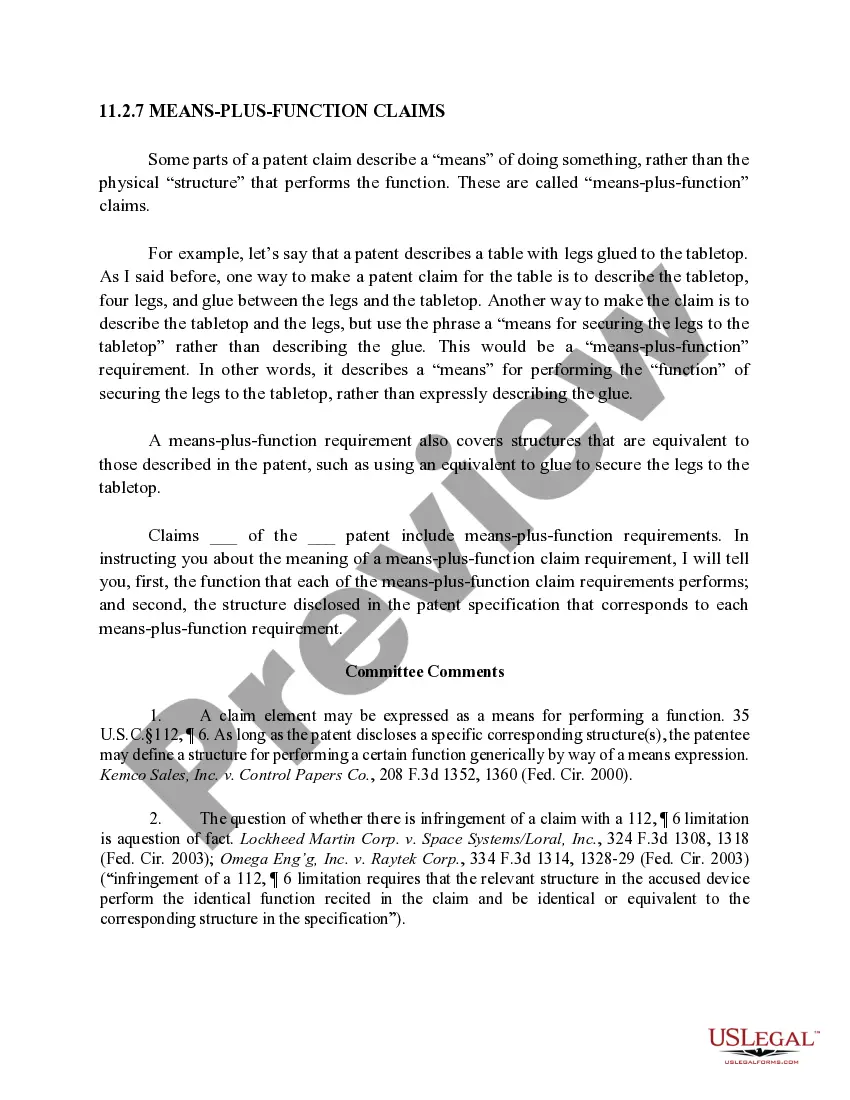
Nevada Agreement between Sales Agent and Distributor to Sell Retail Products in an Exclusive Territory
Description
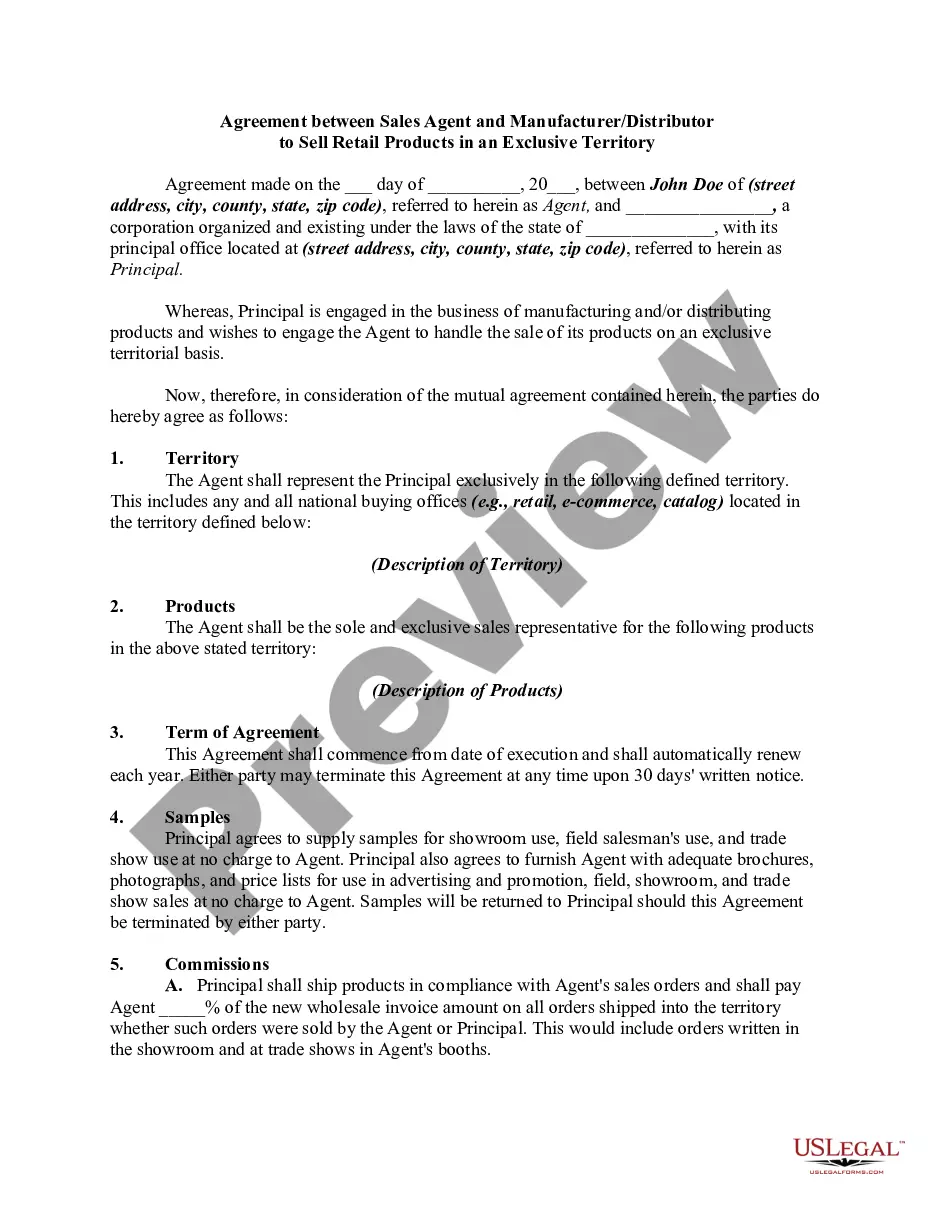
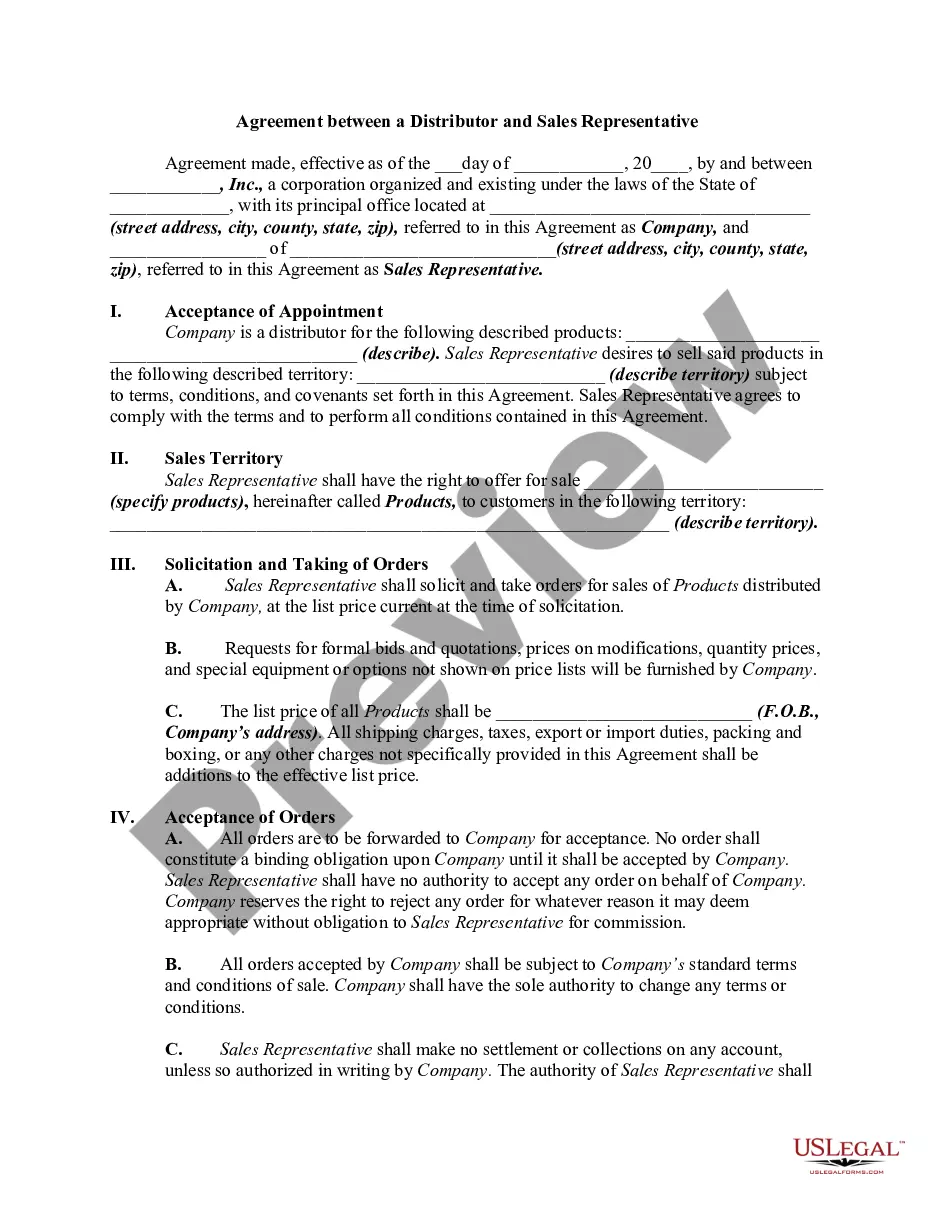
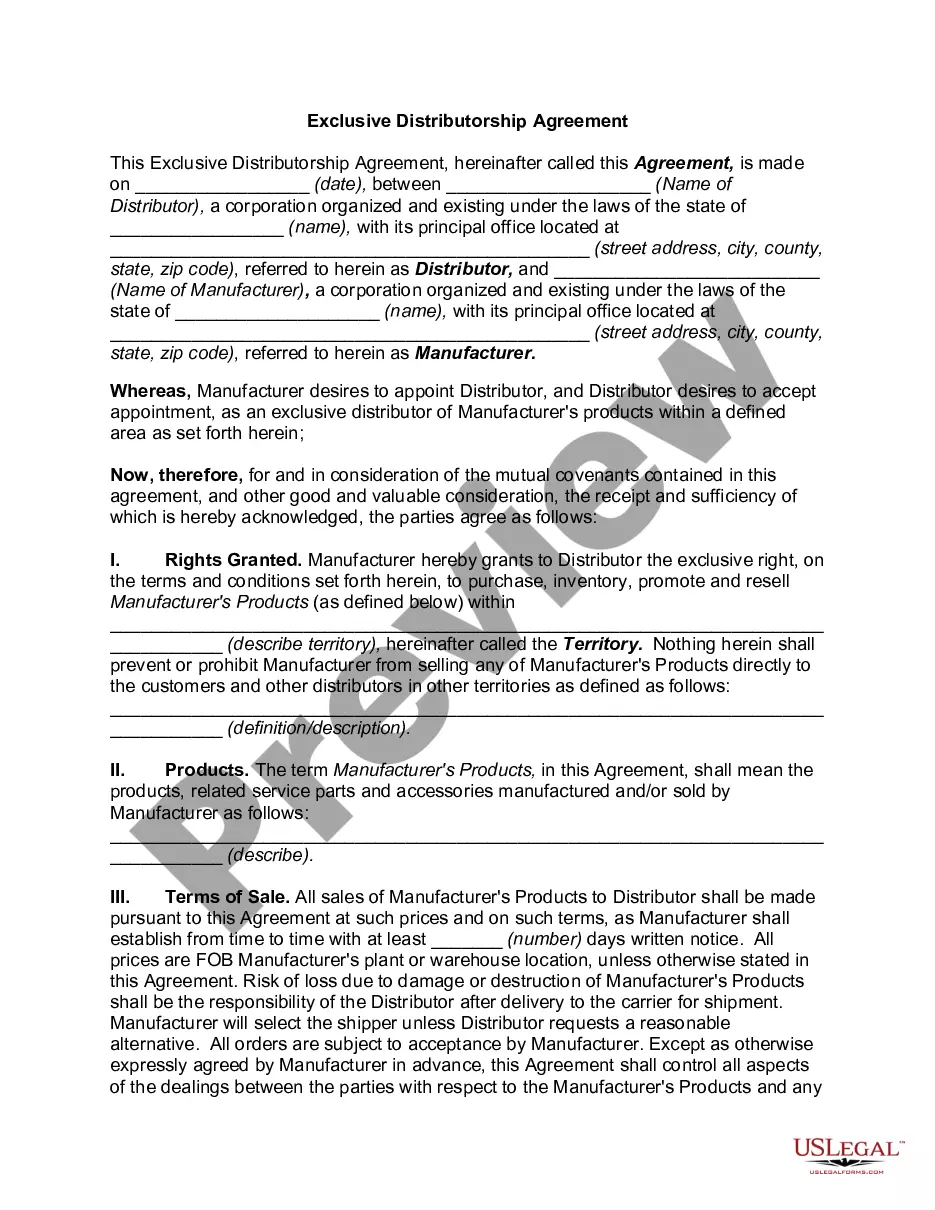
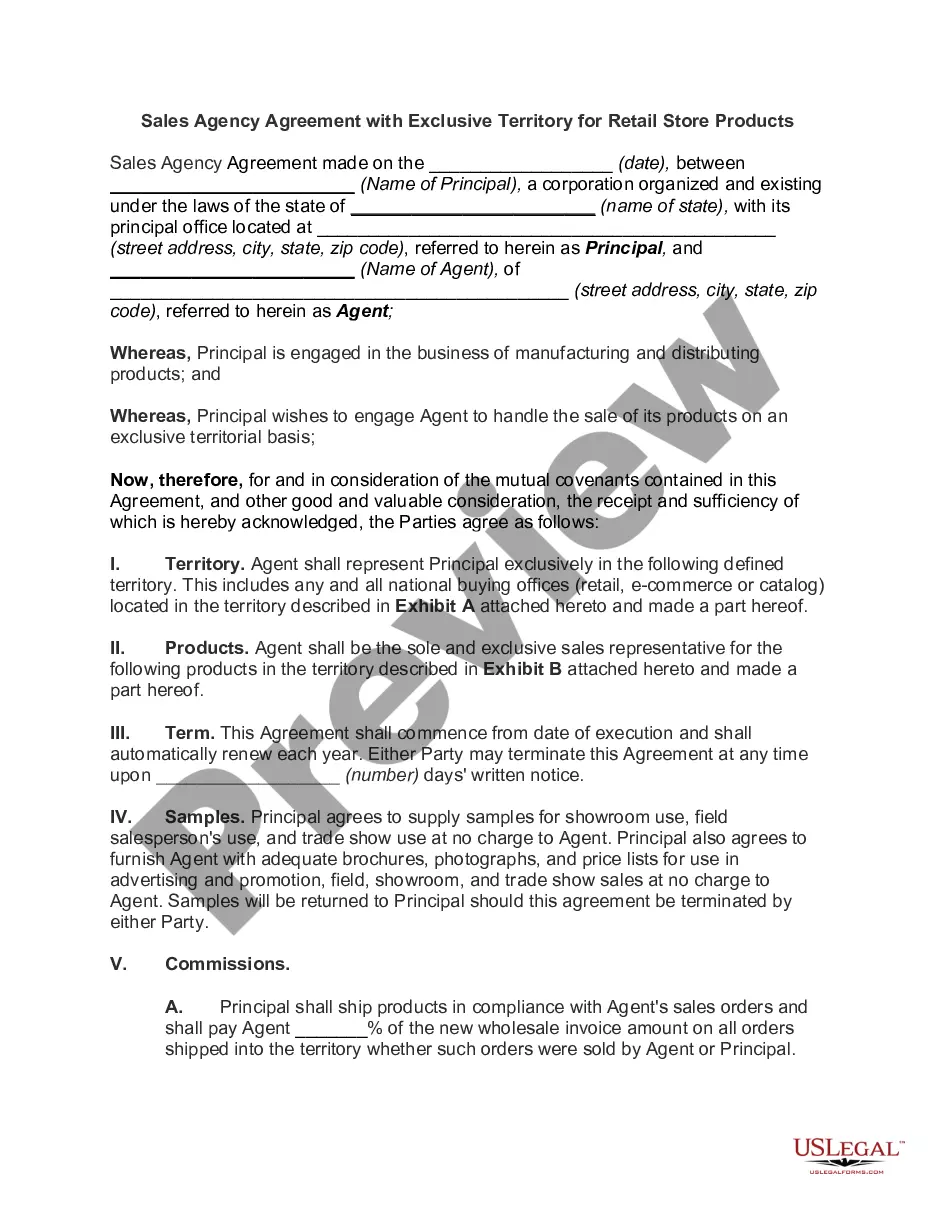
Get your form ready online
Our built-in tools help you complete, sign, share, and store your documents in one place.
Make edits, fill in missing information, and update formatting in US Legal Forms—just like you would in MS Word.
Download a copy, print it, send it by email, or mail it via USPS—whatever works best for your next step.
Sign and collect signatures with our SignNow integration. Send to multiple recipients, set reminders, and more. Go Premium to unlock E-Sign.
If this form requires notarization, complete it online through a secure video call—no need to meet a notary in person or wait for an appointment.
We protect your documents and personal data by following strict security and privacy standards.

Make edits, fill in missing information, and update formatting in US Legal Forms—just like you would in MS Word.

Download a copy, print it, send it by email, or mail it via USPS—whatever works best for your next step.

Sign and collect signatures with our SignNow integration. Send to multiple recipients, set reminders, and more. Go Premium to unlock E-Sign.

If this form requires notarization, complete it online through a secure video call—no need to meet a notary in person or wait for an appointment.

We protect your documents and personal data by following strict security and privacy standards.
Looking for another form?


How to fill out Agreement Between Sales Agent And Distributor To Sell Retail Products In An Exclusive Territory?
If you wish to obtain, acquire, or print official document templates, utilize US Legal Forms, the largest collection of legal documents available online.
Take full advantage of the site's straightforward and user-friendly search feature to find the documents you require.
A selection of templates for business and personal purposes are categorized by types and states, or keywords.
Step 4. Once you have located the form you need, click the Get now button. Choose your preferred pricing plan and add your information to register for an account.
Step 5. Complete the transaction. You may use your credit card, debit card, or PayPal account to finalize the transaction.
- Use US Legal Forms to get the Nevada Agreement between Sales Agent and Distributor for Selling Retail Products in an Exclusive Territory with just a few clicks.
- If you are already a US Legal Forms user, Log In to your account and click the Download button to obtain the Nevada Agreement between Sales Agent and Distributor for Selling Retail Products in an Exclusive Territory.
- You can also access documents that you previously downloaded in the My documents section of your account.
- If you are using US Legal Forms for the first time, follow these steps.
- Step 1. Ensure you have selected the form for your correct city/state.
- Step 2. Use the Review feature to examine the form's contents. Remember to read through the details.
- Step 3. If you are dissatisfied with the form, use the Search area at the top of the screen to find alternative versions of the legal form format.
Form popularity
FAQ
Yes, such an agreement does exist and is typically characterized as an exclusive distribution agreement. In the context of the Nevada Agreement between Sales Agent and Distributor to Sell Retail Products in an Exclusive Territory, it means that the retailer has the only rights within that territory to sell a supplier's products. This approach can enhance market focus and customer loyalty, benefitting both parties in the long run.
The exclusivity clause in a supply agreement establishes that a supplier will only sell certain products to a specific buyer or distributor. In a Nevada Agreement between Sales Agent and Distributor to Sell Retail Products in an Exclusive Territory, this clause ensures that the distributor has uninterrupted access to the supplier's products. This arrangement fosters a stronger relationship, allowing both parties to work toward shared goals.
The key difference lies in the rights granted. An exclusive distribution agreement gives one distributor the rights to sell products in a specific region, while a non-exclusive agreement allows multiple distributors to sell the same products in that area. This difference can significantly impact market competition and sales strategies, especially in a Nevada Agreement between Sales Agent and Distributor to Sell Retail Products in an Exclusive Territory.
In simple terms, an exclusive dealing contract prevents a distributor from selling the products of a different manufacturer, and a requirements contract prevents a manufacturer from buying inputs from a different supplier.
Parts of a Distribution AgreementNames and addresses of both parties.Sale terms and conditions.Contract effective dates.Marketing and intellectual property rights.Defects and returns provisions.Severance terms.Returned goods credits and costs.Exclusivity from competing products.More items...
An example of exclusive distribution is Apple solely authorizing AT&T to be the distributor of the iPhone to end users.
Examples of companies which use exclusive distribution Samsung, Apple, Gucci, Lamborghini, Mercedes, BMW etc.
Under an exclusive distribution agreement, a business agrees to use only one distributor in a territory. The supplier is free to make agreements with other distributors, so long as those distributors are restricted to their own territory.
There are four distribution agreement types including:Type 1. Exclusive distribution agreements.Type 2. Wholesale distribution agreements.Type 3. Distribution agreements for commissions.Type 4. Developer distribution agreements.
Institution Definition Exclusive distribution : In an exclusive distribution agreement, the supplier agrees to sell its products to only one distributor for resale in a particular territory. At the same time, the distributor is usually limited in its active selling into other (exclusively allocated) territories.