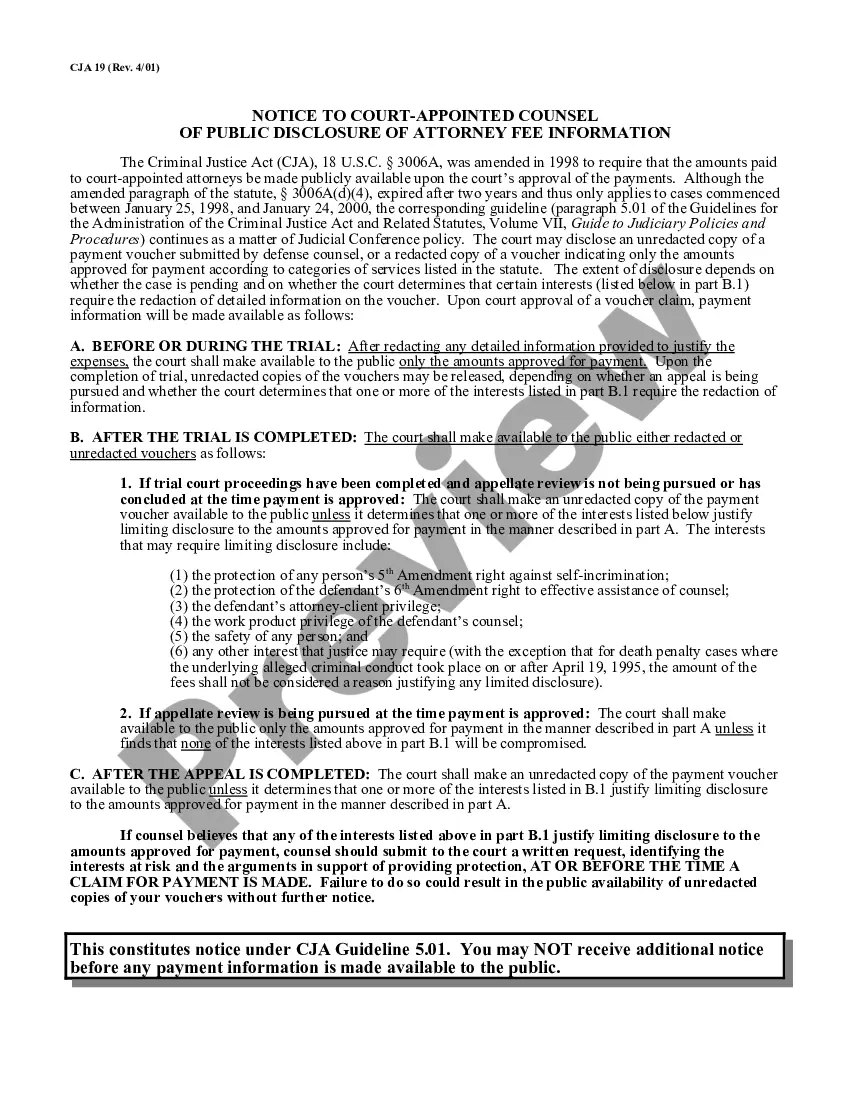
Nevada Temporary Order Allowing Petitioner to Operate Motor Vehicle
Description
Get your form ready online
Our built-in tools help you complete, sign, share, and store your documents in one place.
Make edits, fill in missing information, and update formatting in US Legal Forms—just like you would in MS Word.
Download a copy, print it, send it by email, or mail it via USPS—whatever works best for your next step.
Sign and collect signatures with our SignNow integration. Send to multiple recipients, set reminders, and more. Go Premium to unlock E-Sign.
If this form requires notarization, complete it online through a secure video call—no need to meet a notary in person or wait for an appointment.
We protect your documents and personal data by following strict security and privacy standards.

Make edits, fill in missing information, and update formatting in US Legal Forms—just like you would in MS Word.

Download a copy, print it, send it by email, or mail it via USPS—whatever works best for your next step.

Sign and collect signatures with our SignNow integration. Send to multiple recipients, set reminders, and more. Go Premium to unlock E-Sign.

If this form requires notarization, complete it online through a secure video call—no need to meet a notary in person or wait for an appointment.

We protect your documents and personal data by following strict security and privacy standards.
Looking for another form?

How to fill out Temporary Order Allowing Petitioner To Operate Motor Vehicle?
US Legal Forms - one of the largest collections of legal documents in the United States - offers a broad selection of legal form templates that you can download or print. By using the site, you can discover numerous forms for commercial and personal purposes, organized by categories, states, or keywords. You can locate the latest versions of forms such as the Nevada Temporary Order Allowing Petitioner to Operate Motor Vehicle in just moments.
If you already have an account, Log In and download the Nevada Temporary Order Allowing Petitioner to Operate Motor Vehicle from the US Legal Forms library. The Download button will appear on every form you view. You can access all previously downloaded forms from the My documents section of your account.
If you are using US Legal Forms for the first time, here are some simple steps to help you get started: Ensure you have selected the correct form for your area/region. Click on the Review button to examine the form's content. Read the form description to confirm that you have selected the right form. If the form does not meet your requirements, utilize the Search field at the top of the screen to find one that does.
Access the Nevada Temporary Order Allowing Petitioner to Operate Motor Vehicle with US Legal Forms, the most extensive collection of legal document templates. Utilize numerous professional and state-specific templates that meet your business or personal needs and requirements.
- If you are satisfied with the form, confirm your choice by clicking on the Buy now button.
- Then, select the payment plan you prefer and provide your details to create an account.
- Complete the purchase. Use a Visa or Mastercard or PayPal account to finalize the transaction.
- Select the format and download the form to your device.
- Make edits. Complete, modify, print, and sign the downloaded Nevada Temporary Order Allowing Petitioner to Operate Motor Vehicle.
- Each template you added to your account has no expiration date, making it yours permanently. So, if you want to download or print another copy, just navigate to the My documents section and click on the form you need.
Form popularity
FAQ
Nevada Revised Statutes 200.471 prohibits assault in the State of Nevada. The law defines assault as unlawfully trying to use physical force against another person or intentionally placing another person in fear of physical force.
Sentencing for Battery with Substantial Bodily Harm If a battery occurs without the use of a deadly weapon in Nevada, but does cause serious injury, the battery is a Category C felony. This brings 1 to 5 years in a Nevada prison and up to $10,000 in fines.
If you are found to have unlawfully taken a vehicle without the consent of the owner but without the intent to permanently deprive the vehicle owner of that vehicle, you will face charges for a gross misdemeanor under N.R.S. 205.2715.
NRS 33.100 states that: A person who intentionally violates [a temporary order or an extended order for the first time] is guilty of a misdemeanor, unless a more severe penalty is prescribed by law for the act that constitutes the violation of the order.
Under Nevada law, assault equates to an act committed by an individual that's intended to intimidate or scare another. Battery, on the other hand, is more than just a threat; it involves unconsented contact or violence and may result in serious bodily injury. Often battery crimes are committed with a deadly weapon.
Nevada NRS § 200.508 defines the crime of child abuse, neglect and endangerment as willfully causing a minor (a child under the age of 18) to suffer unjustifiable physical pain or mental suffering.
If the victim was a member of a ?protected class? (defined above at the beginning of section 2) ? and if the victim was not strangled or seriously injured, and there was no deadly weapon ? then battery is a gross misdemeanor. The sentence is: up to 364 days in jail, and/or. up to $2,000 in fines.
Nevada Revised Statutes 200.481 makes battery illegal in Nevada. Nevada law 200.481 says that it is illegal to use any willful and unlawful use of force or violence upon the person of another. In other words, any kind of forceful, offensive touching is against the law.